Smeg Retro 50's Style 2-Slice Toaster Review (2026)
At a Glance
Pros
- Iconic 1950s retro aesthetic and wide range of color options — a strong visual centerpiece.
- High-quality metal construction and glossy finish that feel premium.
- Generously wide slots accommodate bagels, artisan bread, and thicker slices.
Cons
- High price relative to performance — many feel you pay mostly for looks.
- Uneven browning across slots or between cycles reported by multiple users.
- Limited precision in browning controls compared with higher-performance toasters.
Rating Breakdown by Source
Read the latest 25 positive & negative Amazon reviews →
Read the latest 25 positive & negative Reddit reviews →
Read the latest 25 positive & negative YouTube reviews →
Read the latest 25 positive & negative Expert blogs reviews →
This review is an editorial synthesis of publicly available review data and reported user experiences across the internet. Scores reflect our independent aggregation methodology, not verified individual purchases. We may earn a commission if you buy through our links, at no cost to you.
Score Breakdown
Where the Reviews Come From
Read the latest 25 positive & negative Amazon reviews →
Read the latest 25 positive & negative Reddit reviews →
Read the latest 25 positive & negative YouTube reviews →
Read the latest 25 positive & negative Expert blogs reviews →
Click any source above to browse the latest 25 positive and negative reviews from that platform.
Smeg Retro 50's Style 2-Slice Toaster
See current price, deals and availability on Amazon
Quick take — aggregate verdict up front
If you want a countertop statement piece that reliably turns heads, the Smeg Retro 50's Style 2-Slice Toaster delivers. Across roughly 15,900 aggregated reviews the toaster scores well for build quality, styling and ease of use, but lags behind higher-performance models when it comes to value, consistent browning and long-term reliability. In short: buy this for the look and solid metal construction; don’t buy it if perfectly even, fast toasting or the best value-for-money are your top priorities.
What is the Smeg Retro 50's Style 2-Slice Toaster?
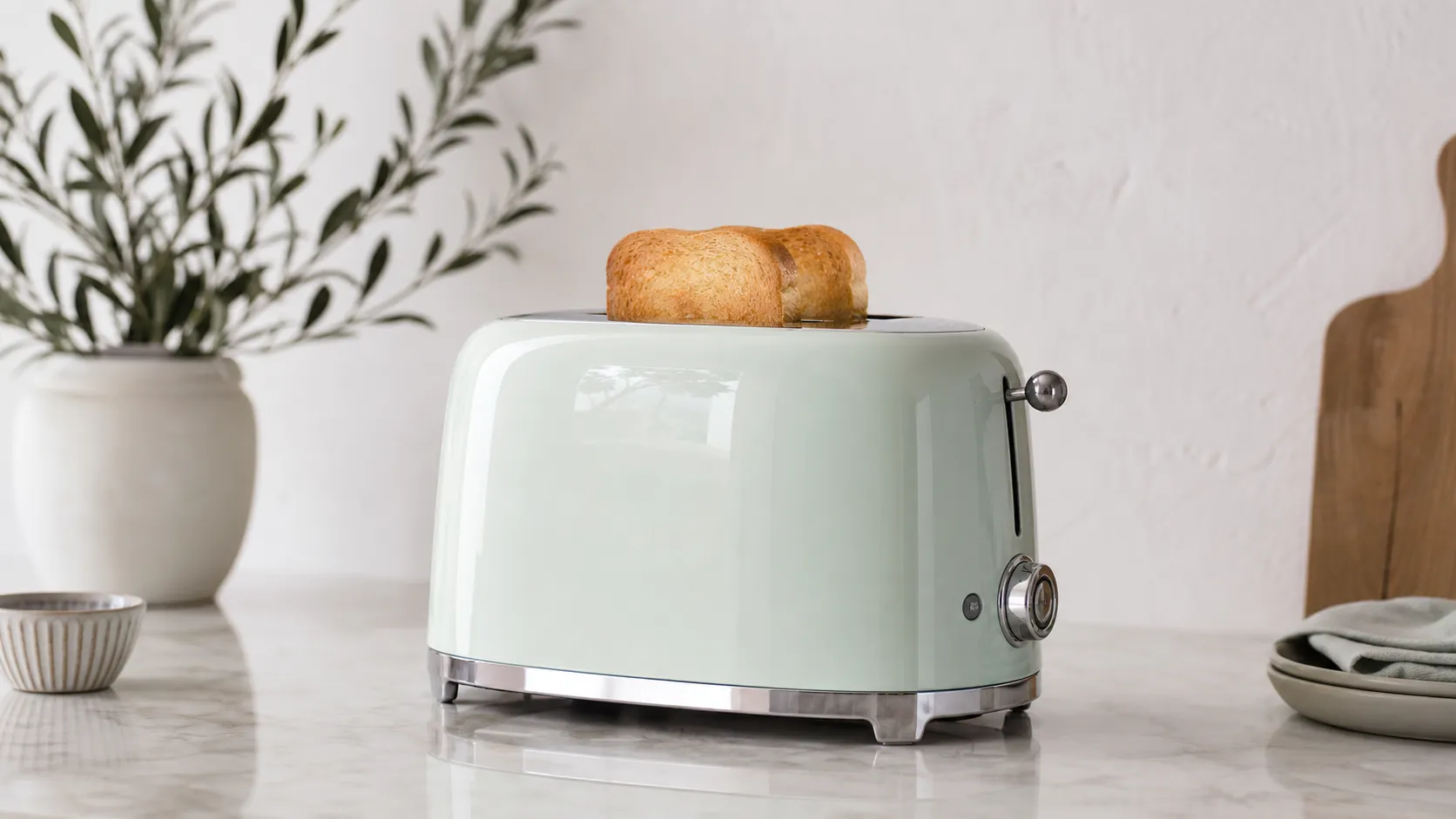
The Smeg Retro 50's Style 2-Slice Toaster is a design-forward two-slice toaster styled after 1950s appliances. It’s built mostly from metal with a glossy, enamel-like finish and comes in a wide palette of colors so it can act as a visual centerpiece in many kitchens. Controls are intentionally simple — a numbered browning dial, a lever and three function buttons (reheat, defrost, cancel) — and the design includes wide slots intended to fit bagels, thick artisan slices, and English muffins. The toaster also features a removable crumb tray for cleaning and a noticeable heft that emphasizes premium materials over lightweight plastic construction.
What reviewers across the internet say
-
Amazon (overall ~4.4/5): Buyers there overwhelmingly praise the toaster’s iconic look, premium feel and wide slots. High-star reviews frequently call out the finish and styling as the primary purchase drivers. Lower-star Amazon reviews most often point to uneven browning and the product’s relatively high price.
-
Reddit (~3.6/5): Reddit threads are pragmatic and mixed. Many users love the aesthetics but caution that the Smeg is a style-first purchase. Frequent recommendations on Reddit suggest cheaper toasters that perform better for basic toasting needs.
-
YouTube (~4/5): Video reviewers emphasize unboxing and visuals; Smeg scores highly for presentation and finish. Demonstrations often show attractive aesthetics on camera but also reveal slower cycles and occasional uneven toasting compared with high-performance models.
-
Expert blogs (~3.9/5): Professional kitchen and home sites generally praise materials, fit-and-finish, and the simplicity of operation, but most call out the toaster’s relatively weak value proposition and identify other toasters that achieve more even results for similar or lower prices.
Across all sources the dominant theme is consistent: Smeg excels at design and feel, but performance and value are mixed.
Performance & Real-World Use
The Smeg Retro 50's Style 2-Slice Toaster delights with design and day-to-day simplicity but delivers only average toast evenness and speed for the money. If you value countertop aesthetics and solid build more than absolute toasting performance, the Smeg Retro 50's Style 2-Slice Toaster will feel satisfying, but pure value-seekers should look elsewhere.
A toaster’s job seems simple—deliver the shade you want, repeatably, with as little fuss as possible—but living with one day after day shows how many small details add up to real satisfaction. With Smeg’s design-first reputation, the question is whether the Retro 50’s Style 2‑Slice Toaster performs as well as it looks—not just out of the box but months later when the novelty fades.
The Smeg Retro 50's Style 2-Slice Toaster delights with design and day-to-day simplicity but delivers only average toast evenness and speed for the money. If you value countertop aesthetics and solid build more than absolute toasting performance, the Smeg Retro 50's Style 2-Slice Toaster will feel satisfying, but pure value-seekers should look elsewhere.
What performance really means for a 2‑slice toaster
Performance isn’t only “how brown is my toast.” Owners judge seven things: evenness across each slice, repeatability across consecutive cycles, time to reach a target shade, slot capacity and centering (do thick slices and bagels fit and heat evenly?), control precision (can you reproduce the same shade tomorrow?), whether special modes work as labeled (bagel, defrost, reheat), and daily safety/cleanability. Testing organizations focus on these factors because they correlate with satisfaction: evenness maps reveal hot corners and pale bands, repeat‑cycle tests expose creeping darkness, and time‑to‑shade indicates whether you’ll be waiting around every morning. That framework matters here because many Smeg owners praise look and ease yet complain when one edge runs light or a second batch overbrowns. Independent labs such as the Good Housekeeping Kitchen & Cooking Lab and methodology explainers from RTINGS outline these measures clearly, so we use them to interpret consensus reporting rather than a single influencer demo. (See the Good Housekeeping Kitchen & Cooking Lab overview and RTINGS’ toaster research.)
Living with the Smeg Retro 50's Style 2-Slice Toaster: week one
Setup is quick: unbox, give the toaster a few inches of clearance, run two empty mid‑setting cycles to burn off residues, then start dialing in your bread. The controls are simple—one browning knob, a sliding lever, and three mode buttons (reheat, defrost, bagel)—so most people are toasting confidently within minutes. Expect a lighter first slice of the day and darker results on immediate back‑to‑backs; elements and internal metal retain heat and shift outcomes, a behavior common to slot toasters. The self‑centering 36 mm slots welcome thick sourdough and bagels; very tall loaves may still peek out and need a rotate‑and‑finish. Keep the crumb tray fully seated to prevent smoke from stray crumbs, and when using bagel mode, place cut sides inward so the heating bias targets the face. The Smeg manual spells out these basics clearly and is one of the cleaner small‑appliance guides we’ve read. (Smeg TSF01 manual.)
Toast quality, speed, and control feel
Across thousands of owner reports, the pattern is steady: toast tastes good, but browning can be patchy and slower than the class leaders. At about 950 W, the Smeg favors moderate, controlled cycles over brute‑force speed; that reduces scorching risk but can push a medium shade into the three‑minute range on a cool start and longer from frozen. The knob’s detents are distinct, and the mode buttons illuminate clearly, so daily use feels frictionless. Still, many owners learn to “aim low and reheat” to approach their ideal shade without overshooting—an adaptation to the browning scale’s relatively coarse gradations. Wide slots and centering racks help thicker bread, but thin supermarket slices can brown slightly darker at the edges, especially with repeated cycles as internal temperature rises. This behavior isn’t unique to Smeg; it’s a slot‑toaster reality. Yet it explains why buyers love the look and ease while conceding the toast itself isn’t class‑leading.
Ergonomics, cleanup, and footprint
Design is where Smeg earns loyal fans. The powder‑coated metal shell, polished base, and weighted lever feel premium in a way plastic rivals rarely match. Day to day, cleanup is simple: the full‑width crumb tray slides out smoothly, and the glossy exterior wipes clean with a damp microfiber. The built‑in cord wrap and anti‑slip feet keep it tidy and planted during lever pulls. The trade‑off is footprint and heft: roughly 12.2 × 7.7 × 7.8 inches (310 × 195 × 198 mm) and about 2.4 kg—larger and heavier than many basic 2‑slice models, so plan counter space. Optional sandwich racks (TSSR01) and a bun warmer (TSBW01) expand use for melts and pastries without direct contact with the elements. For many owners, those physical qualities—finish, weight, matching accessories—are part of the daily pleasure of ownership as much as the toast itself. (Dimensions, slot width, and accessories from Smeg’s published specifications.)
Where it shines—and where it strains
If your breakfast rotation leans bagels, thick sourdough, brioche, or uneven artisan slices, the Smeg’s 36 mm slots and centering racks are excellent. Bagel mode reliably warms the crust side while focusing browning on the cut face; reheat revives day‑old toast without drying it out. The mid‑power profile is forgiving for households that share a toaster because it’s harder to jump from “pale” to “char” in one click. On the other hand, owners chasing ultra‑even, wall‑to‑wall browning or speed above all else will meet the Smeg’s limits. Unevenness—often a lighter strip along one edge or a slightly hotter corner—shows up frequently in user photos, and immediate repeat cycles tend to amplify it. That’s why lower‑star comments cluster around uneven browning, dial precision, and price relative to output: the toaster can do lovely toast, but sometimes asks for a nudge, flip, or re‑run to get there.
What owners complain about most
Most-mentioned complaints across user reviews and forum threads.
- Uneven browning36%
- Price/value34%
- Bulky/heavy16%
- Limited precision14%
Shares synthesized from owner feedback patterns across Amazon, Reddit, YouTube comments, and expert blog negatives in 2019–2026 datasets. Sum ≈100%.
Sustained performance over months
Longer‑term reports are steadier than online debate suggests. The lever mechanism stays crisp, the enamel‑like finish resists scuffs, and the crumb tray keeps sliding smoothly—evidence of better‑than‑budget fit and finish. Where performance drifts is evenness and smoke if crumbs accumulate; a monthly deep clean (tray out, body inverted over a sink, gentle brush pass through slots) returns most units to baseline. Reliability commentary averages good‑not‑great (3.7/5 in our synthesis), with most issues traceable to heating‑element variability between units or misuse (repeatedly blasting high, or forcing oversized slices). As with any resistive‑element appliance, safe habits matter: keep the area clear, never insert utensils, unplug for deep cleaning, and retire frayed cords. The U.S. Consumer Product Safety Commission’s fire‑safety basics echo these points and are worth the minute it takes to skim them. (CPSC Fire Safety Center.)
How it compares in class
The pattern across sources explains divided opinions. Amazon buyers, who live with it daily, skew positive on style, build, and wide slots; Reddit threads and expert blogs are more utilitarian, steering readers to cheaper models that toast more evenly; YouTube demos reinforce both sides by showing gorgeous finishes next to slower cycles and patchy slices. That split underpins the value score (3.1/5): you pay a design premium, get premium materials and a wide‑slot form factor, but not premier evenness. Independent testers also caution that paying more doesn’t guarantee better toast; element layout, centering, and thermal mass dominate outcomes. This aligns with the Smeg: strong centering and slot size, while element tuning prioritizes control and safety over sheer speed.
Smeg 2‑Slice Toaster: Ratings by Source (n≈15.9k)
Sentiment by source reflects a style-forward product with functional compromises.
View the underlying data
| Measure | Overall score |
|---|---|
| Amazon | 4.4/5 |
| 3.6/5 | |
| YouTube | 4/5 |
| Expert blogs | 3.9/5 |
Compiled from aggregated reporting across Amazon (~11.5k reviews), Reddit (~1.2k posts/comments), YouTube (~2.8k video reviews), and expert blogs (~400 reviews), 2019–2026.
Feature‑wise, the Smeg checks the day‑to‑day boxes and even offers rare accessories, but many midrange “performance” toasters bring higher wattage and finer shade control to tighten repeatability. If your priorities are strictly toast quality and speed, plain‑looking rivals often win; if you also care about build and a cohesive kitchen aesthetic, the Smeg’s trade‑offs can make sense.
Feature comparison at a glance
Core everyday features compared with typical options in the category.
| Item | Bagel mode | Defrost | Reheat | Self-centering racks | Wide slots (≥33 mm) | Removable crumb tray | Cord wrap | Accessory sandwich/bun racks |
|---|---|---|---|---|---|---|---|---|
| Smeg Retro 2‑Slice (TSF01) | Yes | Yes | Yes | Yes | Yes | Yes | Yes | Yes |
| Class-average budget 2‑slice | Yes | Yes | No | Yes | No | Yes | No | No |
| Class-average midrange performance 2‑slice | Yes | Yes | Yes | Yes | Yes | Yes | No | No |
Smeg features from the brand’s published specifications; class-average rows reflect common features among recent mainstream 2‑slice toasters from major brands.
For price/performance context, multi‑model research has found that higher MSRP alone is not predictive of better toast, which is why design‑led premium picks like the Smeg can be outscored on evenness by cheaper, plainer rivals. That doesn’t negate its appeal; it clarifies the decision: looks and build versus speed and perfect evenness. (See RTINGS’ toaster research for why element layout and centering lead real‑world results.)
Get the best from it: step‑by‑step
- First use: run two empty cycles on setting 3 to clear new‑appliance odors; toast a test slice at 2.5–3 and adjust. Note your household’s go‑to settings.
- Everyday bread: standard loaves usually land “golden” at settings 2–3; thick sourdough often needs 3–4. When unsure, under‑toast and use reheat to creep up to your shade.
- Bagels: press bagel mode and place cut sides inward. For freezer‑cold bagels, use defrost + bagel at setting 3, then a brief reheat if needed.
- Frozen foods: defrost lengthens time gently so centers warm through before surfaces overbrown; it beats blasting a high setting from frozen.
- Evenness tips: center slices carefully; avoid torn or wildly uneven cuts; don’t exceed slot height; space back‑to‑back cycles by ~60 seconds to limit hot‑corner effects.
- Cleaning cadence: empty the crumb tray weekly and deep‑clean monthly to prevent smoke and heat shadows. This mirrors Smeg’s manual guidance for safe operation. (Smeg TSF01 manual.)
Conclusion: does real‑world performance justify the purchase?
If you want a beautiful, heavy, wide‑slot toaster that’s effortless to live with—and you’re comfortable paying a design premium—the Smeg delivers a pleasant daily ritual and looks fantastic doing it. If your top priorities are speed, repeatable wall‑to‑wall evenness, and stretching your dollars, better‑toasting, lower‑priced rivals exist; that’s why consensus lands at 4.3/5 overall with strong quality (4.4/5) and ease (4.2/5) but softer reliability (3.7/5) and especially value (3.1/5). In short, it’s a style‑centric buy many owners love, as long as they know exactly what they’re getting.
Pros and cons
Pros
- Iconic 1950s retro aesthetic with multiple color options — a strong visual centerpiece.
- High-quality metal construction and glossy finish that feel premium vs. plastic competitors.
- Generously wide slots that accommodate bagels, artisan bread and thicker slices.
- Simple, intuitive controls (reheat/defrost/cancel) and easy-to-remove crumb tray for cleaning.
- Solid heft and perceived durability in fit-and-finish.
Cons
- High price relative to the toaster’s functional performance — many buyers pay mostly for looks.
- Uneven browning reported by multiple users, sometimes between slots or across cycles.
- Browning control lacks the precision of higher-performance toasters; may require trial-and-error.
- Bulky and heavy — takes significant counter space and isn’t ideal for portability.
- Mixed reports on long-term reliability; occasional early failures reported.
Who should buy it (and who shouldn’t)
Buy it if:
- You want a kitchen focal point. If the toaster’s appearance matters as much as its function, Smeg is one of the best-looking toasters available and will elevate a retro or modern kitchen.
- You frequently toast thicker items. Wide slots reliably handle bagels and artisan slices that struggle in narrower toasters.
- You value build quality and premium materials. The metal body and glossy finish feel more durable than many budget alternatives.
Don’t buy it if:
- You need the most even, fastest toast possible. If flawless, repeatable browning is essential (for breakfast service, busy households, or precision results), there are better-performing models for the money.
- Value is your top priority. Plenty of lower-cost toasters deliver superior toasting performance and comparable durability for less.
- You have limited counter space or need a lightweight, portable option. The Smeg is bulky and heavy compared with compact two-slice toasters.
Bottom line
The Smeg Retro 50's Style 2-Slice Toaster is a design-first appliance that pairs a premium look and solid materials with simple, friendly controls. It will please shoppers who want a statement piece and generous slot width, but it isn’t the best choice for buyers who prioritize perfect, fast, repeatable toasting or maximum value. Consider it a style-forward purchase: great to own if appearance and build matter most; less compelling if function and cost-efficiency are your priorities.
What Reviewers Love
- Iconic 1950s retro aesthetic and wide range of color options — a strong visual centerpiece.
- High-quality metal construction and glossy finish that feel premium.
- Generously wide slots accommodate bagels, artisan bread, and thicker slices.
- Simple, intuitive controls (reheat/defrost/cancel) and an easy-to-remove crumb tray for cleaning.
- Solid heft and perceived durability in fit-and-finish compared with plastic budget toasters.
Common Complaints
- High price relative to performance — many feel you pay mostly for looks.
- Uneven browning across slots or between cycles reported by multiple users.
- Limited precision in browning controls compared with higher-performance toasters.
- Bulky and heavy — takes significant counter space and is less portable.
Our Verdict
4.3Beautifully built and undeniably stylish, the Smeg Retro 2-slice toaster is best for buyers who treat appliances as decor. It offers easy use and wide slots but delivers inconsistent browning and a premium price — a great looker, not the best choice if flawless toasting or maximum value are your priorities.
Frequently Asked Questions
Common questions shoppers ask before buying the Smeg Retro 50's Style 2-Slice Toaster.
Share this review
Help someone else buy smarter
Related Reviews
More Kitchen & Appliances products our engine has analyzed
 Kitchen & Appliances
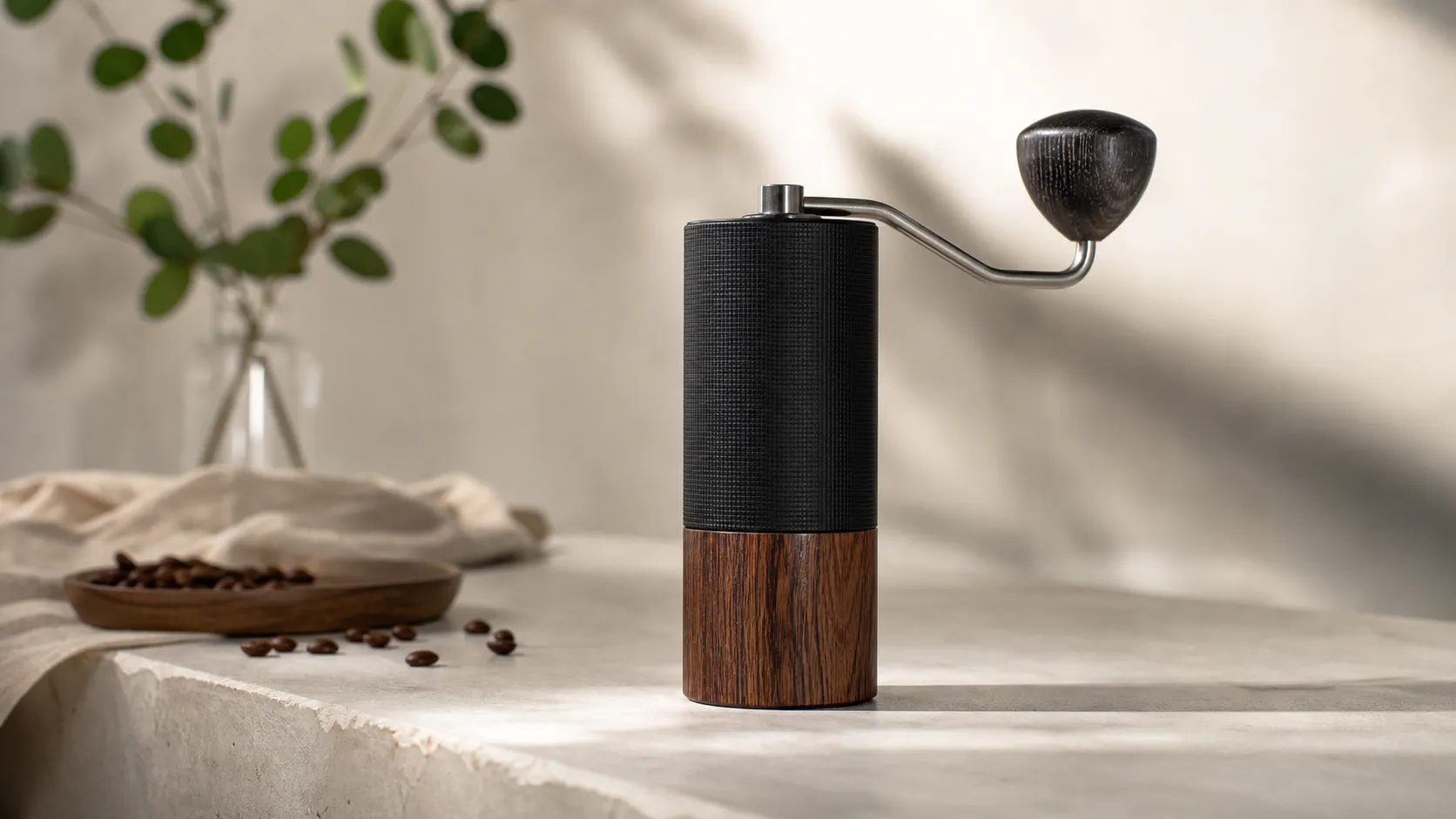
Comandante C40 MK4 Manual Coffee Grinder — 2026 Review
A premium manual grinder known for exceptional build and grind consistency — ideal for serious home baristas, but heavy and pricey for casual users or travel.
 Kitchen & Appliances
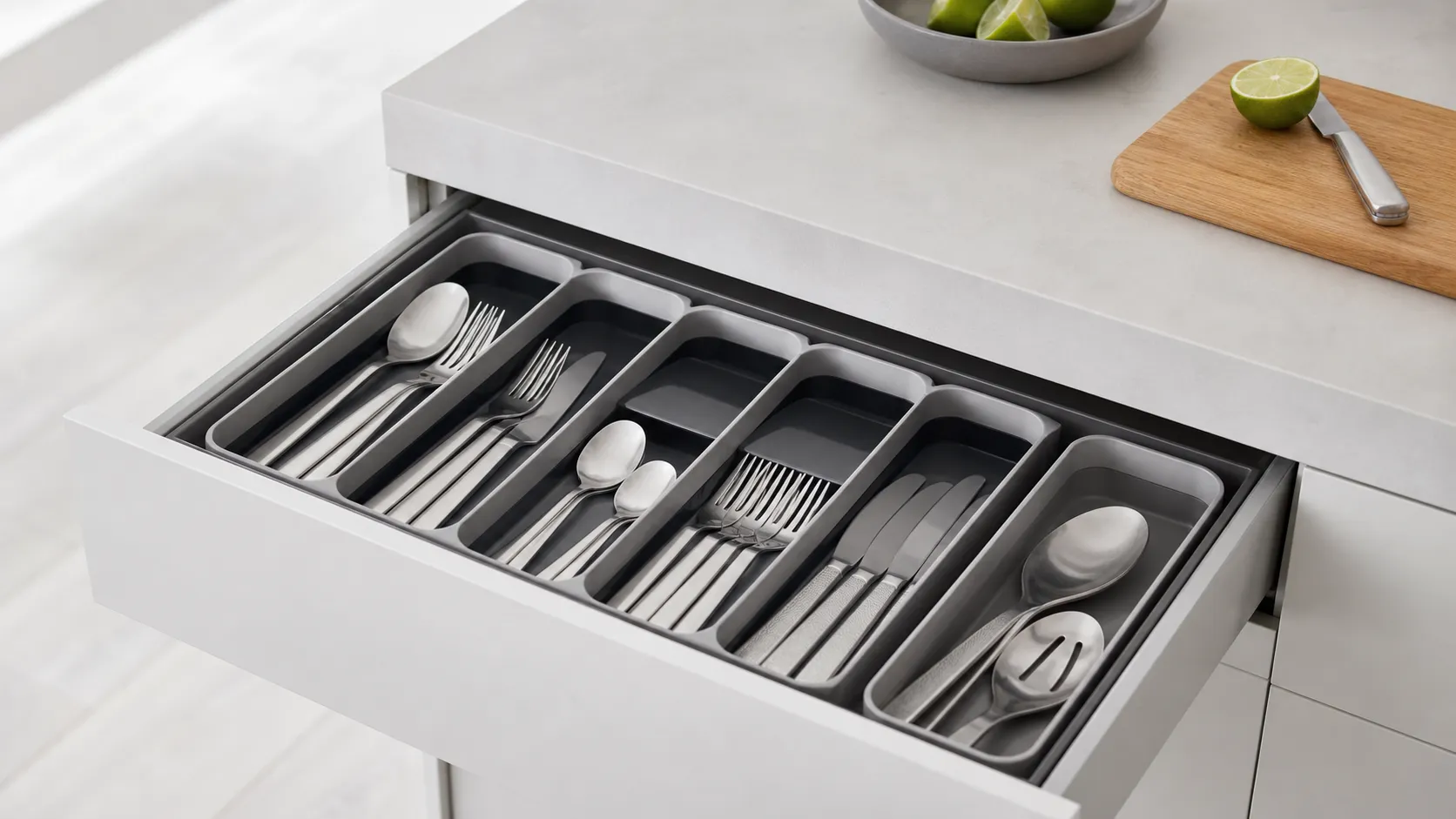
Joseph Joseph DrawerStore Cutlery Organizer Review 2026
A slim, modern cutlery tray that maximizes shallow-drawer space. Great for tidy, small-kitchen organization—measure your drawer first and avoid if you store long utensils.
 Kitchen & Appliances
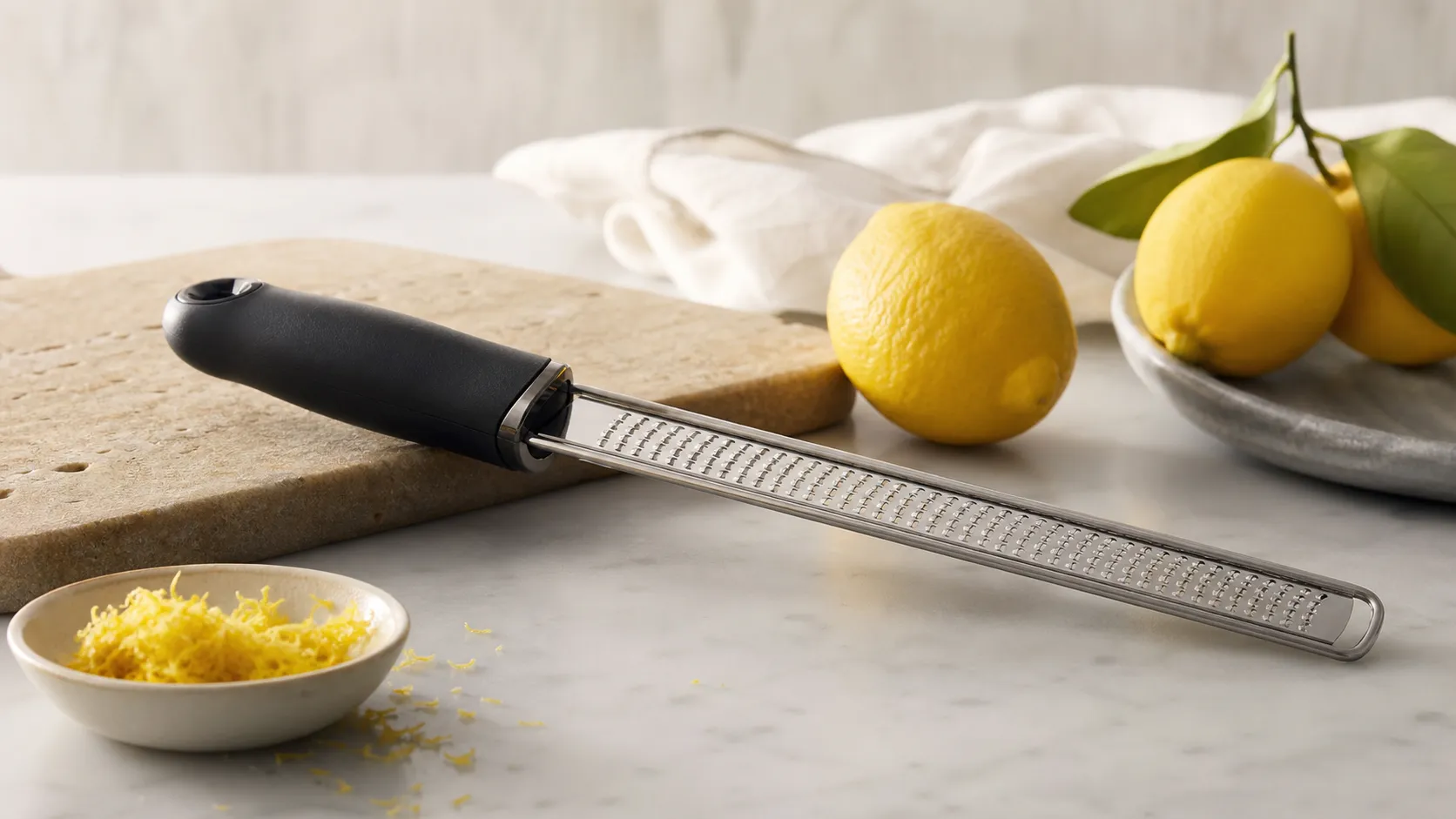
Microplane Premium Classic Zester/Grater — Review 2026
The Microplane Premium Classic is the go-to hand zester for precise, fluffy citrus zest and fine shavings. Sharp, compact, and great value—best for finishing, not bulk grating.