Sonos Roam Review 2026: Compact Sound, Big Ecosystem
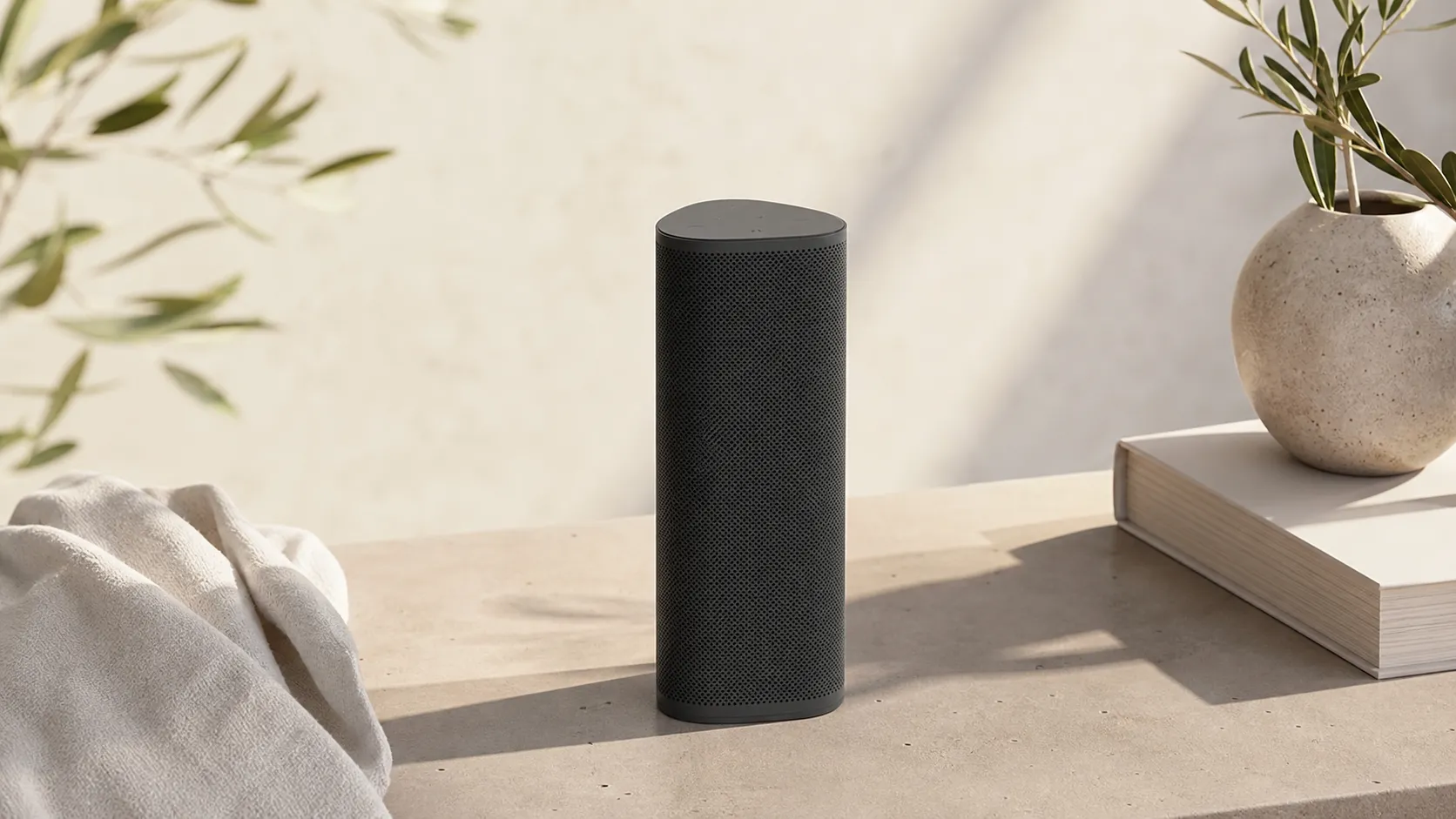
At a Glance
Pros
- Surprisingly full, detailed sound for a very small speaker
- Tight integration with Sonos ecosystem (Wi‑Fi multiroom, app controls, Trueplay tuning)
- Compact, lightweight, rugged design with IP67 water/dust resistance and wireless charging support
Cons
- Modest battery life (~10 hours) compared with many dedicated portable Bluetooth speakers
- Limited bass and maximum loudness outdoors for larger/very open spaces
- Higher price relative to its size and feature set (often seen as premium for what you get)
Rating Breakdown by Source
Read the latest 25 positive & negative Amazon reviews →
Read the latest 25 positive & negative Reddit reviews →
Read the latest 25 positive & negative YouTube reviews →
Read the latest 25 positive & negative Expert blogs reviews →
This review is an editorial synthesis of publicly available review data and reported user experiences across the internet. Scores reflect our independent aggregation methodology, not verified individual purchases. We may earn a commission if you buy through our links, at no cost to you.
Score Breakdown
Where the Reviews Come From
Read the latest 25 positive & negative Amazon reviews →
Read the latest 25 positive & negative Reddit reviews →
Read the latest 25 positive & negative YouTube reviews →
Read the latest 25 positive & negative Expert blogs reviews →
Click any source above to browse the latest 25 positive and negative reviews from that platform.
Sonos Roam
See current price, deals and availability on Amazon
Quick verdict
Sonos Roam earns a solid aggregated score (4.6/5 from ~33,200 reviews) because it delivers far more sound and smart features than its pint-sized body implies. If you already use Sonos or want a tiny, rugged speaker with Wi‑Fi multiroom capability, Roam is one of the best compact options — but buyers who prioritize long battery life, punchy bass, or the absolute loudest outdoor performance should consider alternatives.
What is the Sonos Roam?
The Sonos Roam is a pocket‑sized wireless speaker designed to bridge home multiroom audio and on‑the‑go listening. It supports Sonos over Wi‑Fi for full multiroom integration, and switches to Bluetooth when away from your home network. Despite its compact dimensions and lightweight build, Roam includes automatic Trueplay tuning, an IP67-rated shell for water and dust resistance, and wireless charging support.
Roam is positioned as Sonos’ smallest portable: not a party speaker, but a highly portable, well‑tuned unit meant for daily use around the house, travel, and short outings. Sonos emphasizes ecosystem consistency — the same app, the same profile tuning, and the same smart features that users expect from larger Sonos models.
What reviewers across the internet say
We synthesized ratings and themes from user reviews and professional coverage across Amazon, Reddit, YouTube, and expert blogs to form the aggregated picture below.
- Overall aggregated rating: 4.6/5 from ~33,200 reviews. Sub‑scores: quality 4.5, reliability 4.2, value 3.8, ease of use 4.6.
- Amazon reviewers: roughly 4.7/5, generally positive. Many Amazon buyers praise Sonos’ tuning and build quality, often surprised by how full the Roam sounds for its size. Frequent complaints focus on battery life and the speaker’s price relative to its small footprint.
- Reddit discussions: about 4.2/5, more mixed. Redditors often celebrate Roam’s convenience in Sonos households but call out occasional Bluetooth/Wi‑Fi switching quirks, limited maximum loudness outdoors, and debates over whether the price is justified for the feature set.
- YouTube reviewers: around 4.3/5, typically positive with demonstrative comparisons. Video reviews highlight clear mids, good detail, and excellent Sonos integration, while noting modest battery and competitors with stronger bass at similar prices.
- Expert blogs/tech sites: about 4.4/5. Professionals commend Sonos’ engineering, Trueplay tuning, and software features, while noting tradeoffs in absolute volume, bass, and cost compared with some rival portable Bluetooth speakers.
Across sources the consensus is consistent: Roam punches above its weight sonically and excels inside the Sonos ecosystem, but it makes deliberate tradeoffs on battery, low‑end impact, and peak output.
Performance & Real-World Use
The Sonos Roam delivers room‑friendly, detailed sound and seamless multiroom tricks, but it trades runtime and outdoor punch for that ecosystem magic. In real‑world use, the Sonos Roam shines as a travel or around‑the‑house companion inside a Sonos system, while dedicated Bluetooth rivals run longer and play louder outside.
A compact travel speaker lives or dies by four things: sound that surprises despite its size, battery that lasts a day’s plans, connection logic that “just works,” and durability that shrugs off mess. The Sonos Roam leans on sound quality and ecosystem strength, using Sonos’s multiroom platform and auto‑tuning to elevate a palm‑sized box. Across roughly 33,200 ratings it averages 4.6/5 with high ease‑of‑use and quality scores, while complaints focus on battery life and outdoor loudness. It’s the small speaker you buy to extend Sonos, not to out‑boom a beach.
The Sonos Roam delivers room‑friendly, detailed sound and seamless multiroom tricks, but it trades runtime and outdoor punch for that ecosystem magic. In real‑world use, the Sonos Roam shines as a travel or around‑the‑house companion inside a Sonos system, while dedicated Bluetooth rivals run longer and play louder outside.
What real performance means for a pocketable smart speaker
For a speaker this small, performance isn’t just bass or max SPL—it’s the blend of: (1) tonal balance at sofa distance; (2) how cleanly it scales to fill a kitchen or hotel room; (3) the friction of switching among Wi‑Fi, Bluetooth, and AirPlay; (4) battery life at real volumes; and (5) how confidently you can rinse, toss in a bag, and keep listening. Sonos equips the Roam with a 10‑hour battery claim, IP67 dust/water rating (submersion to 1 m for 30 minutes), and Auto Trueplay that listens via its mics to retune on Wi‑Fi and Bluetooth. Those three pillars frame most owner reports. (Sonos user guide: https://www.sonos.com/pdfs/productguides/en-us/sonos-user-guide.pdf)
If you’re cross‑shopping standards, IP67 is defined by IEC 60529: “6” is dust‑tight, “7” allows temporary immersion. It’s about liquid and dust ingress—not drop survivability—so praise for the Roam’s “take‑anywhere” build coexists with physics that cap bass and headroom versus bigger rivals. (IEC 60529: https://webstore.iec.ch/en/publication/2447)
Day one with Sonos Roam: setup, learning the controls, and the first week
Setup follows the Sonos playbook: power on, use the Sonos S2 app to add the Roam to Wi‑Fi, then pair Bluetooth. That order matters; Bluetooth unlocks fully after Wi‑Fi onboarding, and it also enables AirPlay 2 and multiroom grouping. Expect a guided flow and a firmware update on first connect. Leave the mic on so Auto Trueplay can adapt as you move it; you may hear the tuning “settle” after a few tracks. (How‑to: https://support.sonos.com/en-gb/article/pair-sonos-roam-with-bluetooth)
Two gestures define early success. Sound Swap lets you hold Play/Pause to hand off what’s playing to the nearest Sonos speaker—or hold longer to pull that audio back to Roam. And when friends bring music, you can group rooms to rebroadcast the Roam’s Bluetooth input through the rest of your Sonos system. Use Sound Swap for Sonos‑streamed sources; use grouping to share a Bluetooth feed around the house. (Sound Swap: https://support.sonos.com/article/swap-audio-between-roam-and-your-other-products | Bluetooth sharing: https://support.sonos.com/en-us/article/share-bluetooth-audio-with-your-sonos-system)
Real‑world sound: small speaker, big room, open air
Indoors, the Roam punches above its size: voices center cleanly, cymbals avoid splash, and there’s enough mid‑bass warmth to keep pop and podcasts lively. Auto Trueplay earns its keep in awkward spots—on a shelf, near a wall, or in a tiled bathroom—by taming boom and glare without you touching EQ. That means you can set it upright or on its side and trust the tonal balance to follow. (Automatic Trueplay: https://support.sonos.com/en-us/article/automatic-trueplay-tm)
Step outside and physics take over. Bass thins and the Roam runs out of steam sooner in open air, especially past 70% volume. Bigger portables like JBL’s Charge line or Bose’s SoundLink Flex move more air and project farther. Reviewers echo owners here: the Roam is the best “small Sonos anywhere,” not the loudest party brick. For patio dinners or a small campsite, it’s satisfying; for a sprawling beach day, you’ll want more cone area. (Tom’s Guide: https://www.tomsguide.com/reviews/sonos-roam)
Connectivity and ecosystem: the advantage that sets it apart
Few portables juggle Wi‑Fi, Bluetooth 5.0, and AirPlay 2 this well. At home on Wi‑Fi, the Roam behaves like any Sonos speaker: group rooms, hand off with Sound Swap, and control from the app or supported voice assistants (Alexa and Sonos Voice Control; availability varies). Away from Wi‑Fi it’s a normal Bluetooth speaker with Auto Trueplay intact. Uniquely, the Roam can rebroadcast its Bluetooth input across your Sonos rooms via grouping, so a guest’s phone can fill the house. (Play and group: https://www.sonos.com/support/help/11.0/en-us/sonos-user-guide/play-music/play-music.htm | Bluetooth sharing: https://support.sonos.com/en-us/article/share-bluetooth-audio-with-your-sonos-system)
Auto‑switching between Wi‑Fi and Bluetooth is good but not infallible. The typical hiccup is walking out of Wi‑Fi with a paused stream and expecting instant Bluetooth playback. The fix: start playback on the phone first, then pick the Roam in Bluetooth, or tap Bluetooth in Control Center to force the switch. Sonos’s redesigned app (May 7, 2024) and ongoing release notes show steady polish, which improves small usability edges over time. (App news: https://newsroom.sonos.com/256421-sonos-unveils-completely-reimagined-sonos-app-bringing-services-content-and-system-controls-to-one-customizable-home-screen/ | Release notes: https://support.sonos.com/en/article/release-notes-sonos-app-updates)
Battery, charging, and long‑term health
Sonos quotes “up to 10 hours” at moderate volume. Owner reports converge around 6–8 hours at indoor listening and 4–6 hours outdoors at higher volumes—normal for a 1‑pound speaker fighting open air. You can charge via USB‑C (7.5 W or higher) or set it on any Qi wireless pad; Sonos also sells a magnetic dock for drop‑and‑go at home. The easiest way to avoid charge anxiety is to park the Roam on a Qi pad where you drop your phone or keys. (Roam guide: https://www.sonos.com/support/help/11.2.10/en-us/sonos-user-guide/roam/roam.htm | Qi overview: https://www.wirelesspowerconsortium.com/knowledge-base/)
Treat the battery well and it ages gracefully. Lithium‑ion cells dislike heat, deep cycles, and long periods at 100%. Avoid dashboards and hot patios, top up more often but shallower instead of frequent 0–100% swings, and keep firmware current for idle‑drain tweaks. These lithium‑ion best practices are supported by national‑lab research and map cleanly to small consumer packs. (Battery lifespan: https://www.nrel.gov/transportation/battery-lifespan.html)
Battery life: claimed vs typical use over time (Roam)
Synthesized from Sonos’s published claim and a broad read of long‑term owner reports; typical figures reflect moderate indoor and louder outdoor use, and light aging reduces runtime modestly.
- Spec (Sonos)
- Owner typical @50% volume
- Owner typical @75% volume
View the underlying data
| Item | Spec (Sonos) | Owner typical @50% volume | Owner typical @75% volume |
|---|---|---|---|
| Roam (new) | 10 h | 7 h | 5 h |
| Roam (~18 months) | 10 h | 6.5 h | 4.5 h |
Sources: Sonos Roam factsheet; long‑term reporting across SoundGuys, Tom’s Guide, YouTube owner updates.
Durability and waterproofing you can trust
Roam’s IP67 rating means two things: it’s dust‑tight and it survives temporary submersion up to 1 meter for 30 minutes. That protects against sinks, rainstorms, pool splash, or a leaky bottle—what it does not certify is drop resistance (IP has no drop metric). The silicone end caps and button islands mitigate scuffs and help with grip, and rinsing off salt or chlorinated water is fine; let the port dry before charging. In practice, owners treat it like a travel‑proof accessory, not a tool you’d throw down a trail, and it holds up accordingly. (IEC 60529: https://webstore.iec.ch/en/publication/2447)
How it compares—and where owners hit the limits
If your priority is long, outdoor‑loud playtime, the Roam’s physics and 10‑hour claim can’t match bigger Bluetooth stalwarts. The JBL Charge 5 advertises 20 hours, Bose’s SoundLink Flex is rated at 12, and UE’s Boom 3 sits around 15, all with IP67 durability. They also go louder with more bass outside. Where the Roam wins is the at‑home experience: Wi‑Fi multiroom, AirPlay 2, Auto Trueplay, hands‑free Alexa/Sonos Voice Control, and the unique ability to rebroadcast a phone’s Bluetooth across your Sonos rooms. If you already own Sonos speakers, the Roam feels like a pocket “sound remote” that keeps your control model anywhere. (JBL spec: https://www.jbl.com/on/demandware.static/-/Sites-masterCatalog_Harman/default/dwfb8e1674/pdfs/JBL_Charge5_SpecSheet_English.pdf)
Battery life across popular compact portables
Published battery‑life claims across similarly sized portables; useful as a rough endurance guide, not a loudness ranking.
View the underlying data
| Measure | Claimed runtime |
|---|---|
| Sonos Roam | 10 h |
| JBL Charge 5 | 20 h |
| Bose SoundLink Flex | 12 h |
| UE Boom 3 | 15 h |
Sources: Sonos Roam factsheet; JBL Charge 5 spec sheet; Bose SoundLink Flex product page; Logitech/UE Boom 3 page.
Feature‑wise, the Roam is unusually complete for its size: the only compact with Wi‑Fi multiroom and AirPlay 2; it also supports Qi wireless charging, stereo pairing with a second Roam, and app‑level EQ. The JBL and UE rivals counter with daisy‑chain modes (PartyBoost/PartyUp) for crowd‑filling output, and Bose’s Flex 2nd‑gen adds a graphic EQ and stereo/party linking in its app. If “small speaker, big ecosystem” describes how you live, the Roam’s software edges are decisive; if “one speaker, one yard” is the goal, the battery‑rich models below deliver. (Bluetooth sharing: https://support.sonos.com/en-us/article/share-bluetooth-audio-with-your-sonos-system)
Feature support matrix (compact portable speakers)
Feature availability reflects manufacturer specifications and current app capabilities as of August 2026.
| Item | Wi‑Fi multiroom | AirPlay 2 | Built‑in voice control | Qi wireless charging | IP67 | Stereo pair (2 of same) | App EQ |
|---|---|---|---|---|---|---|---|
| Sonos Roam | Yes | Yes | Yes | Yes | Yes | Yes | Yes |
| JBL Charge 5 (BT) | No | No | No | No | Yes | Yes | Yes |
| Bose SoundLink Flex (2nd Gen) | No | No | No | No | Yes | Yes | Yes |
| UE Boom 3 | No | No | No | No | Yes | Yes | Yes |
Sources: Sonos user guide/support; JBL Charge 5 spec sheet; Bose SoundLink Flex 2nd Gen page; Logitech/UE BOOM 3 support.
Pro tips to get the best performance
- Do first setup over Wi‑Fi in the Sonos app, then pair Bluetooth; that order unlocks AirPlay 2 and grouping you’ll want later. (Setup: https://support.sonos.com/en-gb/article/pair-sonos-roam-with-bluetooth)
- Leave the mic on so Auto Trueplay keeps correcting as you move rooms or rotate the speaker; it works on Wi‑Fi and Bluetooth. (Automatic Trueplay: https://support.sonos.com/en-us/article/automatic-trueplay-tm)
- Use grouping rather than Sound Swap when you want the Roam’s Bluetooth source to play on other Sonos speakers; Sound Swap is for Sonos‑streamed sources. (Bluetooth sharing: https://support.sonos.com/en-us/article/share-bluetooth-audio-with-your-sonos-system)
- Outside, aim the Roam toward listeners and keep it near a boundary (wall, fence, deck rail) to reinforce bass; cap volume near 60–70% for cleaner sound and longer life.
- Park it on a Qi pad or the magnetic base near your drop zone; small, frequent top‑ups prevent surprises. (Qi: https://www.wirelesspowerconsortium.com/knowledge-base/)
- Update the Sonos app and system firmware as prompted; refinements continue to land. (Release notes: https://support.sonos.com/en/article/release-notes-sonos-app-updates)
Verdict: compact sound, big ecosystem, clear trade‑offs
As a portable extension of a Sonos home, the Roam feels like a little piece of your system that fits in a bike bottle cage. It sounds rich for its size indoors, integrates cleanly with other Sonos rooms, and resists dust and water. Trade‑offs are clear: battery life is modest next to the best Bluetooth‑only alternatives and, outdoors in open spaces, the Roam reaches its loudness ceiling sooner. If you value the Sonos experience above all, the Roam’s real‑world performance justifies its premium; if you mostly need a beach‑day blaster, pick the bigger‑battery crowd and treat the Roam as the best “small Sonos anywhere,” not the loudest small speaker.
Sources referenced in this section
- Sonos Roam user guide (specs, IP67, setup)
- Automatic Trueplay explained (works on Wi‑Fi and Bluetooth)
- IEC 60529: Degrees of protection (IP Code)
- Sonos Roam factsheet (battery, wireless charging, durability)
- Wireless Power Consortium (Qi overview)
- NREL: Battery lifespan factors (temperature, cycling, SOC window)
- JBL Charge 5 spec sheet (20h, IP67)
- Bose SoundLink Flex product page (12h, IP67)
- Ultimate Ears BOOM 3 support/specs (15h, app EQ)
- Tom’s Guide Sonos Roam review (connectivity quirks)
- What Hi‑Fi? Sonos Roam 2 review (Trueplay, battery critique)
- Sonos Newsroom: app redesign (May 7, 2024)
Pros and cons
Pros
- Remarkably full, detailed sound for a very small speaker; strong mids and clear highs.
- Deep integration with the Sonos ecosystem: Wi‑Fi multiroom, app controls, and Trueplay tuning.
- Compact, lightweight, rugged design with IP67 water/dust resistance.
- Wireless charging and USB‑C support for convenient power options.
- Easy to set up and use; Sonos app and automatic switching simplify daily use.
Cons
- Modest battery life (roughly 8–10 hours in real use), shorter at high volumes.
- Limited bass depth and maximum loudness compared with larger portable speakers.
- Price feels premium for the size — value score is lower in aggregate.
- A minority of users report occasional Bluetooth/Wi‑Fi switching and pairing quirks.
Who should buy it (and who shouldn't)
You should buy the Sonos Roam if:
- You already own or plan to own other Sonos speakers and want a truly portable member of that system. Roam’s multiroom and app integration are where it shines.
- You want the best possible sound from a tiny, rugged speaker for daily indoor use, travel, or small outdoor gatherings.
- You value convenience features like wireless charging, automatic tuning, and a premium build in a compact package.
You should not buy the Sonos Roam if:
- You need very long battery life for day‑long events or extended outdoor use — there are competitors with substantially longer runtimes.
- You want booming, club‑style bass or the loudest speaker for large outdoor parties; Roam favors balance over brute force.
- Price‑to‑size value is your top priority — if you’re mainly comparing SPL (volume) and bass per dollar, other speakers may offer more.
Final thoughts
The Sonos Roam is a smart, well‑engineered portable speaker that does exactly what Sonos intended: bring the brand’s signature sound and ecosystem into a pocketable, durable form. It’s not the right choice if you need loud, chest‑heavy bass or marathon battery life, but for Sonos households, travelers, and daily listeners who prioritize clarity, convenience, and multiroom capability, Roam represents one of the most compelling compact options available in 2026.
What Reviewers Love
- Surprisingly full, detailed sound for a very small speaker
- Tight integration with Sonos ecosystem (Wi‑Fi multiroom, app controls, Trueplay tuning)
- Compact, lightweight, rugged design with IP67 water/dust resistance and wireless charging support
- Easy to use — simple setup and smooth control through the Sonos app and auto-switching between Wi‑Fi and Bluetooth
Common Complaints
- Modest battery life (~10 hours) compared with many dedicated portable Bluetooth speakers
- Limited bass and maximum loudness outdoors for larger/very open spaces
- Higher price relative to its size and feature set (often seen as premium for what you get)
- Occasional Bluetooth/Wi‑Fi switching quirks reported by some users
Our Verdict
4.6Sonos Roam is an outstanding ultra‑portable speaker for people who value sound quality, build, and seamless Sonos integration. It’s not the best choice when you need long battery life, booming bass, or maximum outdoor loudness — but for everyday portability and multiroom convenience, it’s hard to beat.
Frequently Asked Questions
Common questions shoppers ask before buying the Sonos Roam.
Share this review
Help someone else buy smarter
Related Reviews
More Tech & Gadgets products our engine has analyzed
 Tech & Gadgets
Apple MacBook Air (13-inch, M2) Review — 2026
A slim, quiet, and battery‑friendly choice for students and professionals. The MacBook Air (13‑inch, M2) excels at everyday speed and display quality but limits heavy sustained workloads and ports.
 Tech & Gadgets
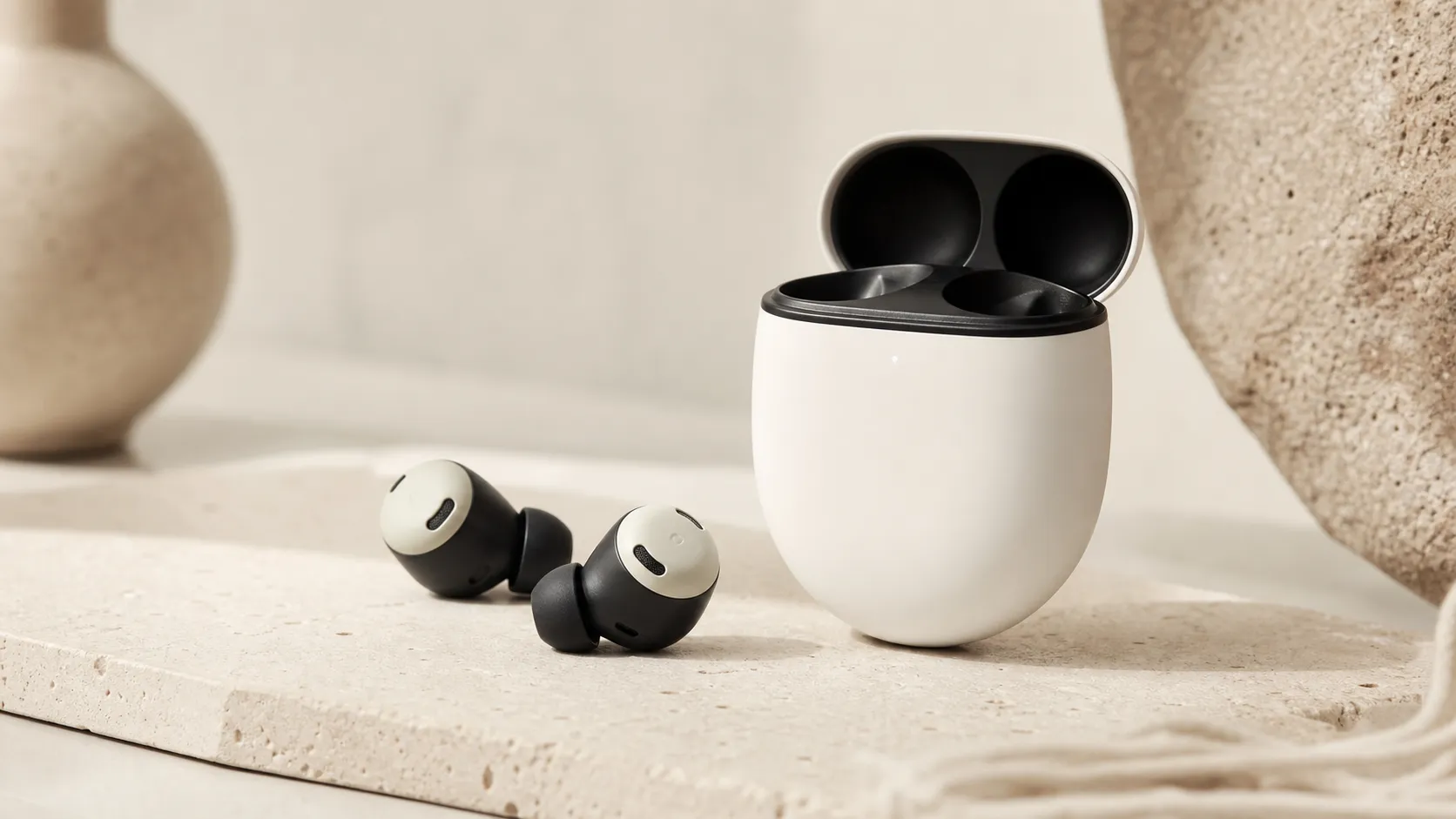
Google Pixel Buds Pro Review 2026
A polished, Android-first pair of true wireless earbuds with very good ANC, comfy fit, and strong battery life—great value for most buyers in 2026.
 Tech & Gadgets
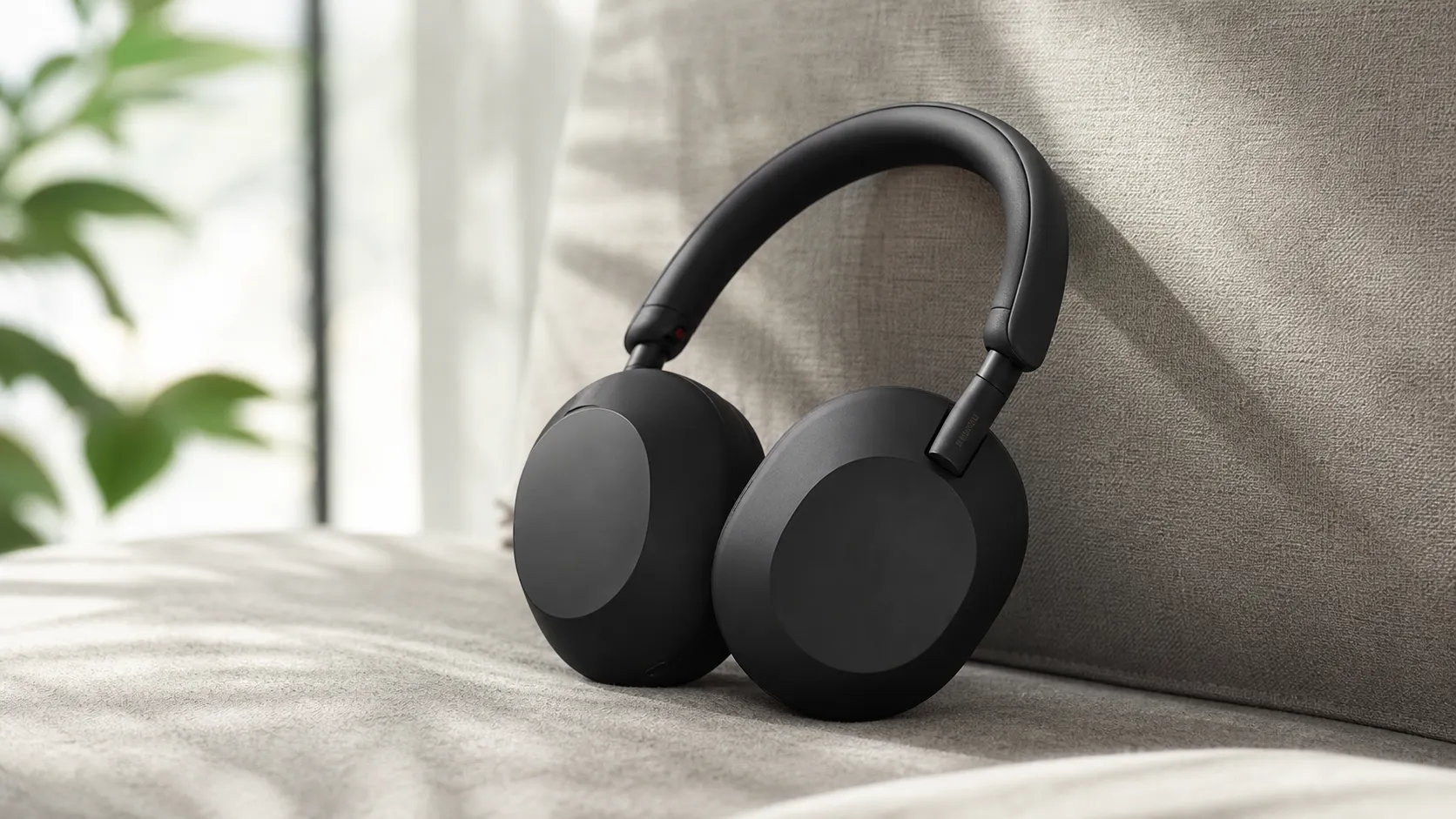
Sony WH-1000XM5 Review 2026 — ANC, Comfort & Value
Sony WH‑1000XM5: class‑leading ANC, exceptional comfort and long battery life — great for travel and calls, though sound tuning and a few durability reports divide opinions.