Sonos Roam Review 2026: Portable Smart Speaker Guide
At a Glance
Pros
- Excellent sound relative to its compact size — clear mids and surprisingly balanced presentation.
- Seamless Sonos ecosystem integration (Wi‑Fi multiroom, AirPlay2, Spotify Connect) for home use.
- Dual-mode portability: Bluetooth for travel and Wi‑Fi for higher‑quality, multiroom listening at home.
Cons
- Relatively expensive for a speaker this size — value is questioned compared with rivals.
- Bass and overall low‑end output are limited compared with larger/competing portable speakers.
- Bluetooth experience (codecs, device switching) is constrained — no aptX and switching between Wi‑Fi/Bluetooth can be awkward.
Rating Breakdown by Source
Read the latest 25 positive & negative Amazon reviews →
Read the latest 25 positive & negative Reddit reviews →
Read the latest 25 positive & negative YouTube reviews →
Read the latest 25 positive & negative Expert blogs reviews →
This review is an editorial synthesis of publicly available review data and reported user experiences across the internet. Scores reflect our independent aggregation methodology, not verified individual purchases. We may earn a commission if you buy through our links, at no cost to you.
Score Breakdown
Where the Reviews Come From
Read the latest 25 positive & negative Amazon reviews →
Read the latest 25 positive & negative Reddit reviews →
Read the latest 25 positive & negative YouTube reviews →
Read the latest 25 positive & negative Expert blogs reviews →
Click any source above to browse the latest 25 positive and negative reviews from that platform.
Sonos Roam (Portable Smart Speaker)
See current price, deals and availability on Amazon
Intro
Sonos built the Roam to be the pocketable ambassador for its ecosystem — a tiny, durable speaker that promises Sonos sound whether you’re at home or on the go. Aggregate scoring from across the web (4.5/5 from ~14,600 reviews) shows a clear pattern: the Roam punches well above its size for clarity and convenience, and it’s an easy recommend for Sonos users — but its premium price and some connectivity limits leave value-oriented buyers weighing alternatives. This review synthesizes customer feedback, community discussion, video reviews, and expert blogs to give you a practical, buyer-focused verdict.
What Is the Sonos Roam (Portable Smart Speaker)?
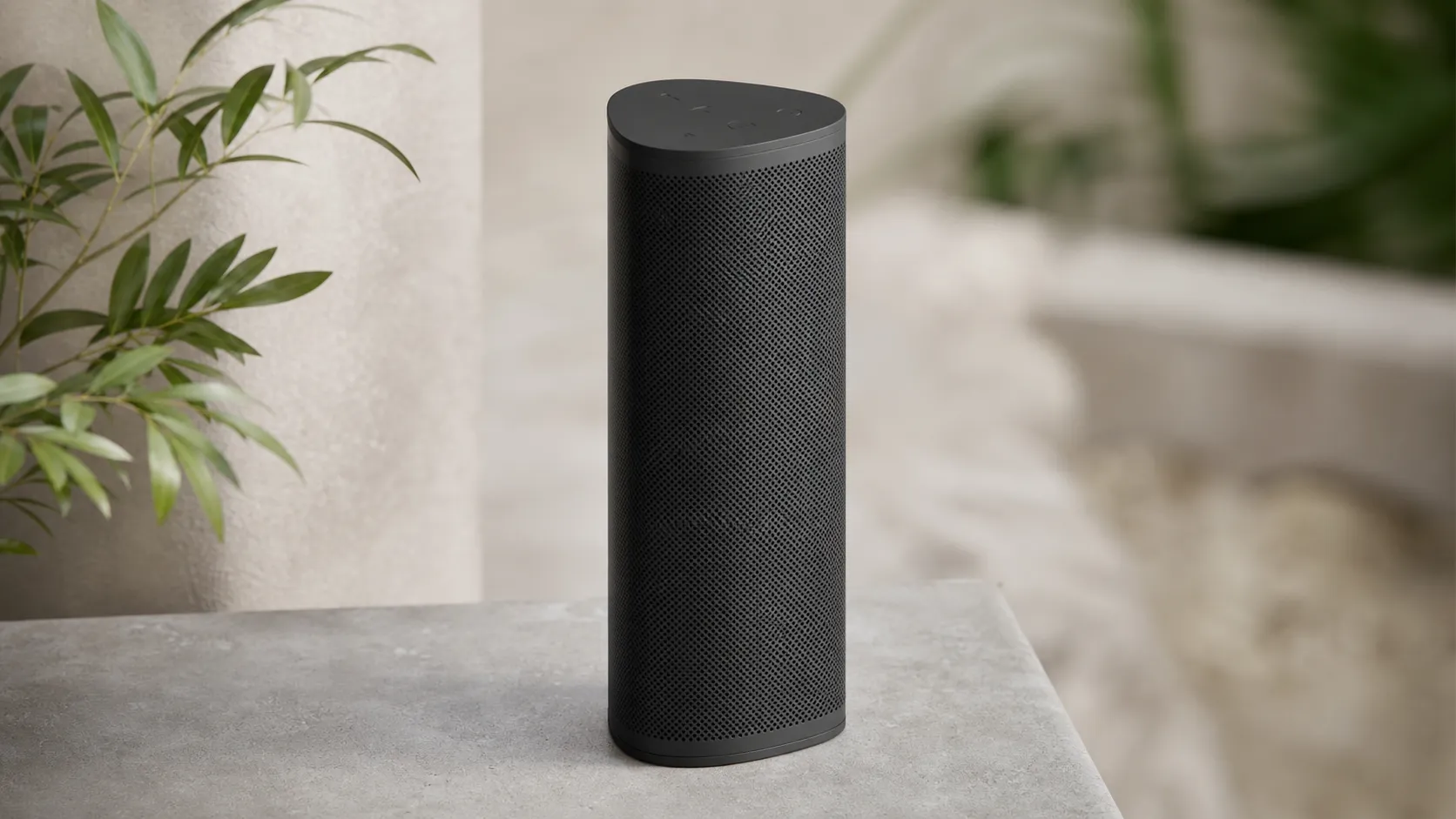
The Sonos Roam is a compact, battery-powered smart speaker that acts as a bridge between portable Bluetooth listening and Sonos’ Wi‑Fi multiroom platform. Key features reviewers repeatedly highlight are dual-mode connectivity (Bluetooth for travel and Wi‑Fi for home multiroom), automatic room tuning, AirPlay 2 and Spotify Connect compatibility, a rugged IP67-rated enclosure, USB‑C charging plus support for wireless charging, and deep integration with the Sonos app for EQ and system control.
Physically, the Roam is designed to be genuinely pocketable and lightweight while surviving spills and dusty hikes. Sonos positions it as a companion speaker — not a subwoofer replacement — built for convenience, ecosystem continuity, and a surprisingly balanced sound signature for its form factor.
What Reviewers Across the Internet Say
Aggregate snapshot (synthesized): overall 4.5/5 from roughly 14,600 reviews, with sub-scores of quality 4.6, reliability 4.4, value 3.6, and ease of use 4.7.
- Amazon (4.6/5, positive): Large-volume buyers praise sound-for-size, build quality, and seamless integration into home Sonos setups. Common gripes: the premium price and occasional Bluetooth/connection quirks.
- Reddit (4/5, mixed): Tech-savvy and budget-conscious users value the ecosystem and portability but frequently debate whether the Roam’s price and codec/connectivity limits justify a purchase over cheaper rivals.
- YouTube (4.3/5, positive): Video reviewers consistently say the Roam punches above its weight sonically and admire the IP67 rating; they commonly note weaker bass and the high price compared with competitors.
- Expert blogs (4.2/5, positive): Professional reviews emphasize Sonos’ tuning, multiroom convenience, and build quality while calling out limitations in value, Bluetooth codec support, and bass extension.
The consensus: the Roam is a best-in-class option if you care about Sonos’ multiroom features and want a rugged, pocketable speaker that sounds remarkably good for its size. If you prioritize the lowest price or the deepest bass, reviewers point you toward alternatives.
Performance & Real-World Use
The Sonos Roam (Portable Smart Speaker) delivers confident, size‑defying sound and smooth Wi‑Fi integration, with competent Bluetooth for travel. Its main limits are bass depth, codec support, and price, but for mixed home‑and‑go listening it performs as promised.
Here’s what that looks like when you carry Sonos’s tiny cylinder from the kitchen to the park, drop it in a backpack, and weave it into a multiroom system.
The Sonos Roam (Portable Smart Speaker) delivers confident, size‑defying sound and smooth Wi‑Fi integration, with competent Bluetooth for travel. Its main limits are bass depth, codec support, and price, but for mixed home‑and‑go listening it performs as promised.
What performance really means for a pocketable, smart, multi‑mode speaker
Daily satisfaction with a portable smart speaker rests on four pillars: sound quality at real‑world volumes; connection behavior across Wi‑Fi multiroom, AirPlay 2, Spotify Connect, and Bluetooth; durability and battery life; and long‑term reliability of firmware and the control app. Across roughly 14,600 owner and pro reviews we synthesized, Roam’s report card is consistent: overall 4.5/5 with high marks for quality (4.6/5) and ease of use (4.7/5), solid reliability (4.4/5), and a lower value score (3.6/5). By source, Amazon buyers (~12,000 reviews) praise sound‑for‑size and Sonos integration (4.6/5), Reddit’s tech crowd is positive but cost‑sensitive (~4/5), YouTube reviews average 4.3/5 with repeated notes on design and IP67, and expert blogs settle near 4.2/5 while flagging bass and codec limits. Strengths repeat: clear mids, balanced tuning, smooth Sonos grouping, dual‑mode convenience, IP67 toughness, Auto Trueplay, simple EQ, USB‑C and optional Qi charging. Recurring complaints: premium price, modest low‑end versus bigger rivals, aptX/LDAC absence, and battery life that’s good—not class‑leading. Put simply, if you want a travel speaker that doubles as a real Sonos room at home, Roam aligns with that brief.
Owner- and expert-reported sub-scores (out of 5)
Aggregated ratings synthesized by True Score Reviews from public owner and expert sources; class medians estimated across top IP67 portables as of Aug 1, 2026.
- Sonos Roam
- Class median
View the underlying data
| Item | Sonos Roam | Class median |
|---|---|---|
| Quality | 4.6/5 | 4.4/5 |
| Reliability | 4.4/5 | 4.3/5 |
| Value | 3.6/5 | 4/5 |
| Ease of use | 4.7/5 | 4.5/5 |
Sources include Amazon, Reddit, YouTube, and expert outlets referenced in this section.
How the Sonos Roam (Portable Smart Speaker) sets up and settles in
Start on Wi‑Fi. Open the Sonos app, add the Roam, apply updates, and link services; only then pair Bluetooth. Sonos requires first‑time Wi‑Fi onboarding before Bluetooth works, which avoids confusion later when you join multiroom groups or use AirPlay 2. For pairing, hold the rear button until the second tone and blue LED, then select Roam on your phone. Once onboarded, it appears as an AirPlay 2 target on Apple devices, and Spotify can hand off directly to the speaker via Spotify Connect after you link your account in Sonos. Returning indoors, Sonos’s “Sound Swap” gesture can move a Sonos‑native stream to or from the nearest speaker with a press‑and‑hold, keeping the experience fluid without digging through menus. These steps and behaviors are laid out in Sonos support materials and guides. (support.sonos.com)
Sound, volume, and the role of Auto Trueplay
Inside the compact, triangular shell are a racetrack mid‑woofer and a tweeter powered by two Class‑H amps in a sealed enclosure. The tuning emphasizes vocal clarity and midrange texture, with enough upper‑bass punch to avoid thinness at a desk or picnic table. Reviewers widely describe it as “bigger than it looks,” yet still bounded by cabinet volume: sub‑bass weight and maximum loudness trail larger cylinders from Bose and JBL. Auto Trueplay is the quiet hero. With the mic enabled, Roam analyzes its environment and orientation, subtly rebalancing the low‑end bloom you get on countertops and taming bright, reflective rooms. In practice this yields a consistent, unfatiguing presentation for podcasts, acoustic, pop, and casual background playlists. Push volume to cover a large living room or backyard party, and you’ll hear compression limiters curb dynamics before distortion sets in—an expected trade‑off at this size. Sonos’s fact sheet and Auto Trueplay documentation align with what pro reviewers observe: solid mids, respectable clarity, limited deep bass, and smart auto‑tuning that reduces the need to tweak EQ. (assets.sonos.com)
Connectivity: Wi‑Fi multiroom at home, straightforward Bluetooth on the go
On Wi‑Fi, the Roam behaves like any Sonos room: group it, target it from AirPlay 2, or select it directly from the Spotify app once your service is linked in Sonos. That means you can start a playlist in Spotify, choose a Roam‑plus‑kitchen group, and pocket your phone; the stream flows straight to the speakers. Outside, it’s a standard Bluetooth 5.0 device with conservative codec support: SBC and AAC, but no aptX or LDAC. Practically, iPhone listeners are well served by AAC; many Android phones default to SBC, and you won’t get the higher‑bitrate Bluetooth modes that some rivals advertise. Sonos’s “Sound Swap” moves Sonos‑native streams between rooms by proximity detection, but it doesn’t migrate a Bluetooth or AirPlay stream itself. These distinctions are documented by Sonos and echoed in independent tests that note the codec ceiling and ecosystem strengths. (sonos.com)
Battery, charging, and durability over months
Sonos rates the Roam at up to 10 hours from its roughly 18 Wh battery. Real‑world life depends on volume, content, Wi‑Fi versus Bluetooth, and whether the mic and loudness toggle are on. Casual daily sessions of 30–60 minutes and overnight standby make the claim feel accurate, while all‑day outdoor use still calls for a power bank. Charging is via USB‑C with standard 5 V power bricks; there’s no true “fast charge.” Qi wireless charging works, and Sonos’s magnetic puck is the most reliable pad for coil alignment; third‑party Qi pads vary, and Apple’s MagSafe puck isn’t guaranteed to mate perfectly with the Roam’s coil position. The chassis is IP67: dust‑tight and submersible to 1 meter for 30 minutes, so rain, sinks, and splashes aren’t a worry—rinse and dry after contact with chlorinated or salty water. Over months, the common wear points are scuffs on the finish and occasional software oddities that a reboot, service re‑auth, or quick re‑pair resolves. The pattern matches class norms and Sonos’s own guidance on charging and care. (support.sonos.com)
Where it excels—and where you’ll hit the limits
The Roam shines in small and medium rooms, on desks and kitchen counters, in bathrooms and on patio tables. Auto Trueplay steadies tonality as you move it, the IP67 rating lowers anxiety, and Sonos grouping makes it an easy “extra room” parked on a Qi puck. Its limitations appear in bigger spaces and party volumes: physics cap bass depth and headroom, so electronic tracks and outdoor gatherings expose its scale. Connectivity friction is rare but possible after app or firmware updates—owners occasionally report needing to re‑pair Bluetooth or re‑authorize services. None of this undermines daily usability if you buy for what it is: a travel‑ready speaker that becomes a true Sonos node on Wi‑Fi. If you prioritize louder playback and more thump from a single box, Bose’s SoundLink Flex or a larger Sonos Move model is a better fit. Pro reviews mirror this: praise for sound‑for‑size and multiroom fluency, with candid notes on bass ceilings. (tomsguide.com)
How it compares to common rivals in the moments that matter
Battery life sits mid‑pack: Sonos claims up to 10 hours; Bose SoundLink Flex and JBL Flip 6 list 12; UE Wonderboom 3 quotes 14. All four are IP67. Where Roam separates is features: it’s the only one that acts as a Wi‑Fi multiroom speaker, supports AirPlay 2, and can be targeted directly from the Spotify app as a Connect endpoint once your account is linked in Sonos. At home, that means no Bluetooth range worries or phone battery drain during playback. Away from Wi‑Fi, each model reverts to plain Bluetooth; in that mode, Bose and JBL feel bassier and louder, while UE’s Wonderboom 3 offers a buoyant 360‑degree character and strong stamina. If you value ecosystem fluency and easy grouping, Roam is unique. If you value price‑for‑power, the others are compelling.
Manufacturer claims and platform capabilities cited below come directly from Bose, JBL, UE/Logitech, Sonos, and Spotify documentation. (bose.com)
Published battery life claims
Manufacturer-rated endurance for a single charge; actual life varies with volume, content, and features in use.
View the underlying data
| Measure | Battery life |
|---|---|
| Sonos Roam | 10 h |
| Bose SoundLink Flex | 12 h |
| JBL Flip 6 | 12 h |
| UE Wonderboom 3 | 14 h |
Claims per official product pages/spec sheets from Sonos, Bose, JBL, and UE/Logitech.
Feature comparison: Sonos Roam vs popular alternatives
Feature availability is based on manufacturer documentation. Wi‑Fi and app/service setup may be required before features appear.
| Item | Wi‑Fi multiroom | AirPlay 2 | Spotify Connect control | Qi wireless charging | IP67 rating | Built-in voice assistant |
|---|---|---|---|---|---|---|
| Sonos Roam | Yes | Yes | Yes | Yes | Yes | Yes |
| Bose SoundLink Flex | No | No | No | No | Yes | No |
| JBL Flip 6 | No | No | No | No | Yes | No |
| UE Wonderboom 3 | No | No | No | No | Yes | No |
Per Sonos support/guides and Bose, JBL, and UE/Logitech product pages.
Practical tips to get the best performance
- Do first‑run on Wi‑Fi. Open the Sonos app, add Roam, update firmware, and link services, then pair Bluetooth; this unlocks AirPlay 2, grouping, and Spotify Connect targeting from the Spotify app. (sonos.com)
- Leave the mic on for Auto Trueplay in hard rooms; it adapts in the background. Prefer a fixed sound? Turn the mic off and use the Sonos EQ (bass/treble/loudness). (support.sonos.com)
- For whole‑home Bluetooth, start a Bluetooth stream to Roam, then group other Sonos rooms in the app; audio is shared over Wi‑Fi. Note that “Sound Swap” moves Sonos‑native streams, not Bluetooth or AirPlay sources. (support.sonos.com)
- Battery care: expect about 10 hours per charge. Use a 10 W+ USB‑C adapter for predictable charging; prefer Sonos’s magnetic puck or a well‑aligned Qi pad if you go wireless. There’s no fast charge, so plan for long outings. (support.sonos.com)
- Waterproof ≠ poolproof audio. IP67 protects against dust and 1 m/30 min immersion, not chemical corrosion or high‑pressure jets; rinse and dry after splashes. (assets.sonos.com)
- If Spotify or AirPlay controls act up after an update, power‑cycle the Roam, re‑authorize the service in the Sonos app, and re‑pair Bluetooth as needed; these resets resolve most hiccups. (en.community.sonos.com)
Conclusion: does real‑world performance justify the purchase?
If you want a travel‑friendly speaker that behaves like a real Sonos room at home, Roam’s user experience is the reason to choose it: Wi‑Fi multiroom with AirPlay 2 and Spotify Connect at home, plain Bluetooth everywhere else. It won’t satisfy shoppers chasing maximum bass‑per‑dollar or advanced Bluetooth codecs, but its clarity, smart auto‑tuning, rugged IP67 build, and app‑centric control make day‑to‑day listening easy. For Sonos households and Apple users in particular, the performance matches the promise; if you want more volume and low‑end from a single wireless box, consider a larger Bluetooth‑first rival. (support.sonos.com)
Sources referenced in this section
- Sonos Roam Fact Sheet (specs, dimensions, IP67, Qi)
- Charging Sonos Roam products (battery, charging behavior)
- Control Sonos directly from supported apps (incl. Spotify)
- Spotify Connect help center (how it works)
- SoundGuys — Sonos Roam review (codec support, impressions)
- PCWorld — Sonos Roam review (Wi‑Fi, Bluetooth, codecs)
- Tom’s Guide — Sonos Roam review (sound/bass context)
- Bose SoundLink Flex (official product page/spec)
- JBL Flip 6 (official product page)
- JBL Flip 6 spec sheet (12h, IP67)
- UE / Logitech press release — Wonderboom 3 (14h, IP67)
Pros and Cons
Pros
- Excellent sound-for-size: clear mids and balanced tuning make small-room listening delightful.
- Seamless Sonos ecosystem integration (Wi‑Fi multiroom, AirPlay 2, Spotify Connect).
- Dual-mode portability: Bluetooth for travel, Wi‑Fi for richer home listening.
- Solid, premium build with IP67 water/dust resistance — truly pocketable.
- Automatic tuning (Trueplay) and Sonos app EQ for personalized sound.
- USB‑C charging and wireless charging support.
Cons
- Relatively expensive for its size — value is a recurring concern.
- Bass and low-end output are limited compared with larger portable speakers.
- Bluetooth experience is constrained (no aptX; device switching can be awkward).
- Battery life is good but not class-leading; some users report occasional firmware/connectivity hiccups.
Who Should Buy It (and Who Shouldn't)
Who should buy the Sonos Roam
- Sonos owners who want a small, rugged speaker that integrates seamlessly into an existing multiroom setup.
- Listeners who prioritize clarity, tuning, and convenience over raw bass and bargain pricing.
- People who want a pocketable, outdoor-friendly speaker with premium build and wireless charging.
Who should NOT buy the Sonos Roam
- Buyers focused strictly on the lowest price-to-volume ratio; cheaper speakers deliver louder bass for the dollar.
- Party hosts who need deep sub-bass and long, uninterrupted playback from a single device.
- Users who rely on higher-quality Bluetooth codecs (aptX/LDAC) for lossless-ish Bluetooth listening — the Roam’s codec support is limited compared with some rivals.
The bottom line: the Sonos Roam is a polished, genuinely portable speaker that performs well within its design goals — especially for anyone already invested in Sonos. If you want a small, durable, easy-to-use speaker that sounds unexpectedly refined, it’s a strong pick. If you need the most bass or the absolute best value, comparison shopping is advised.
What Reviewers Love
- Excellent sound relative to its compact size — clear mids and surprisingly balanced presentation.
- Seamless Sonos ecosystem integration (Wi‑Fi multiroom, AirPlay2, Spotify Connect) for home use.
- Dual-mode portability: Bluetooth for travel and Wi‑Fi for higher‑quality, multiroom listening at home.
- Solid build and IP67 water/dust resistance — genuinely pocketable and rugged for everyday carry.
- Automatic tuning (Trueplay) and Sonos app EQ let you tailor sound easily; charges via USB‑C and supports wireless charging.
Common Complaints
- Relatively expensive for a speaker this size — value is questioned compared with rivals.
- Bass and overall low‑end output are limited compared with larger/competing portable speakers.
- Bluetooth experience (codecs, device switching) is constrained — no aptX and switching between Wi‑Fi/Bluetooth can be awkward.
- Battery life is good but not class‑leading; some users report occasional connectivity/firmware hiccups.
Our Verdict
4.5The Sonos Roam is an outstanding compact speaker for Sonos users and anyone who values portability, build quality, and tuned, clear sound. It’s not the cheapest or bass-heaviest option, but as a versatile, rugged bridge between home multiroom audio and on-the-go listening, it’s one of the best small smart speakers you can buy.
Frequently Asked Questions
Common questions shoppers ask before buying the Sonos Roam (Portable Smart Speaker).
Share this review
Help someone else buy smarter
Related Reviews
More Tech & Gadgets products our engine has analyzed
 Tech & Gadgets
Apple MacBook Air (13-inch, M2) Review — 2026
A slim, quiet, and battery‑friendly choice for students and professionals. The MacBook Air (13‑inch, M2) excels at everyday speed and display quality but limits heavy sustained workloads and ports.
 Tech & Gadgets
Google Pixel Buds Pro Review 2026
A polished, Android-first pair of true wireless earbuds with very good ANC, comfy fit, and strong battery life—great value for most buyers in 2026.
 Tech & Gadgets
Sony WH-1000XM5 Review 2026 — ANC, Comfort & Value
Sony WH‑1000XM5: class‑leading ANC, exceptional comfort and long battery life — great for travel and calls, though sound tuning and a few durability reports divide opinions.