Sony A7 IV Review 2026 — Full-Frame Hybrid Power
At a Glance
Pros
- Excellent image quality and dynamic range from the full-frame sensor
- Very strong autofocus (eye/subject tracking) that works for both stills and video
- True hybrid capabilities — robust video features (10-bit internal recording, good codecs) and a vari-angle touchscreen
Cons
- High price relative to entry-level full-frame options
- Complex menu system and steep learning curve for beginners
- 4K/60p uses a Super35/cropped capture (limits field of view) and some workflow limitations for long high-bit-rate video
Rating Breakdown by Source
Read the latest 25 positive & negative Amazon reviews →
Read the latest 25 positive & negative Reddit reviews →
Read the latest 25 positive & negative YouTube reviews →
Read the latest 25 positive & negative Expert blogs reviews →
This review is an editorial synthesis of publicly available review data and reported user experiences across the internet. Scores reflect our independent aggregation methodology, not verified individual purchases. We may earn a commission if you buy through our links, at no cost to you.
Score Breakdown
Where the Reviews Come From
Read the latest 25 positive & negative Amazon reviews →
Read the latest 25 positive & negative Reddit reviews →
Read the latest 25 positive & negative YouTube reviews →
Read the latest 25 positive & negative Expert blogs reviews →
Click any source above to browse the latest 25 positive and negative reviews from that platform.
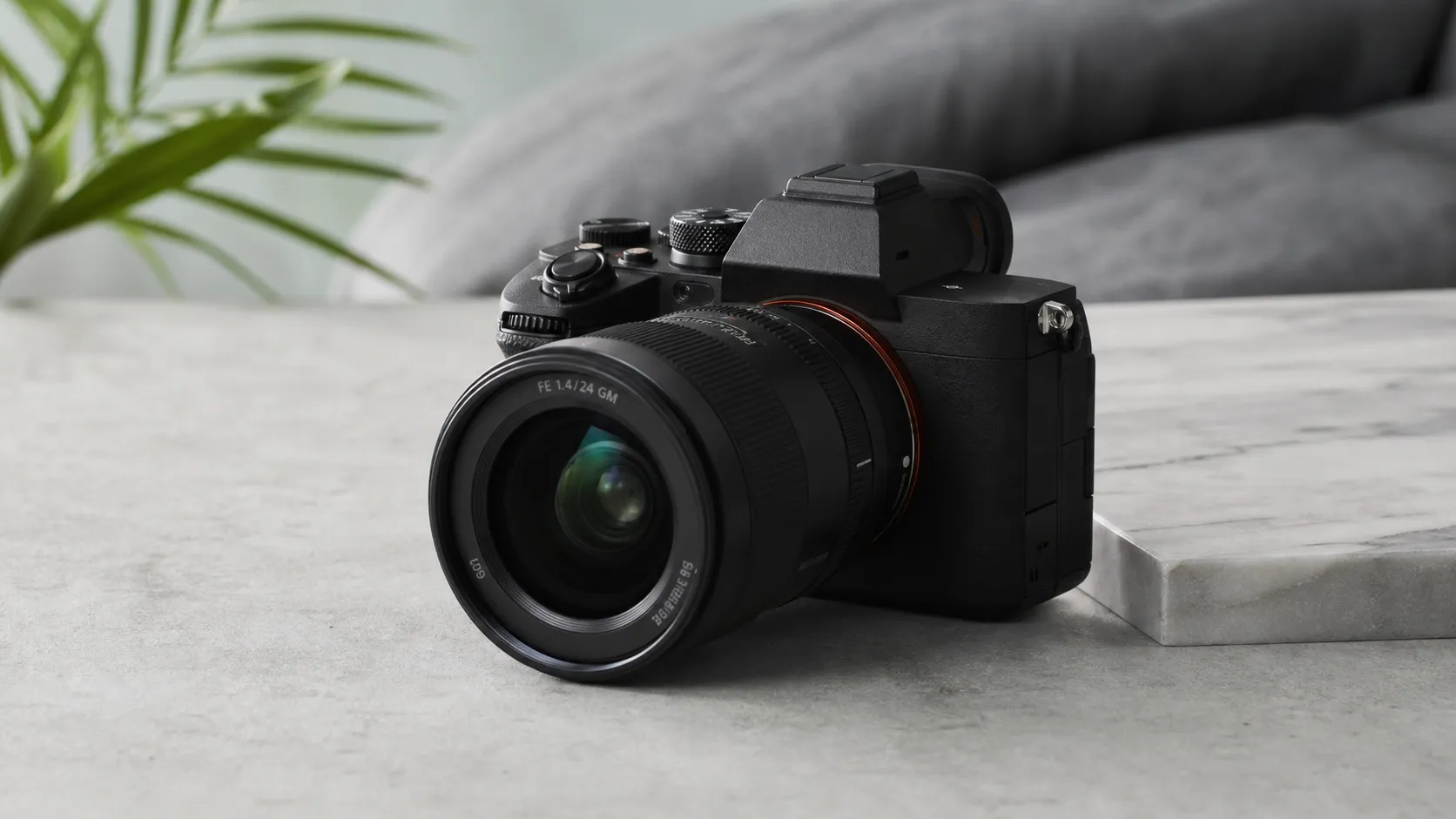
Sony A7 IV Full-Frame Mirrorless Camera
See current price, deals and availability on Amazon
The Sony A7 IV arrives as a clear statement: this is a camera built for hybrid shooters who want pro-level stills and serious video features in a single body. Aggregating user and expert sentiment across Amazon, Reddit, YouTube and major blogs, the A7 IV earns an overall score of 4.5/5 from roughly 34,200 reviews — praised for image quality, autofocus and hybrid capability, but flagged for its price and a steep learning curve for newcomers.
What Is the Sony A7 IV Full-Frame Mirrorless Camera?
The A7 IV is Sony’s mid-to-high tier full-frame mirrorless body aimed at professionals and ambitious content creators who need excellent stills and advanced video in one package. Key features reviewers highlight include a high-performance full-frame sensor that delivers wide dynamic range and excellent image quality, Sony’s market-leading autofocus and subject/eye tracking, in-body 5-axis image stabilization (IBIS), and robust internal video options — including 10-bit recording and modern codecs. The camera also offers an improved electronic viewfinder and a vari-angle touchscreen that makes framing for video and vlogging much easier than on earlier A7 models.
Sony positions the A7 IV as a true hybrid: strong enough for solo pros shooting weddings, corporate video, and hybrid commercial work, yet accessible enough for serious hobbyists who are ready to grow into its capabilities.
What Reviewers Across the Internet Say
-
Amazon (aggregate ~4.6/5): Buyers on Amazon skew very positive. Common praise centers on the A7 IV’s image quality, AF reliability, and hybrid video chops — many users say the camera makes it straightforward to get professional-looking results. The main Amazon-era criticisms focus on the camera’s price and the complexity of Sony’s menu system.
-
Reddit (~4.1/5, mixed): Reddit threads show deeper, more varied conversations. Enthusiasts and pros celebrate the autofocus, image output, and hybrid workflow, but community discussions frequently call out ergonomics, firmware quirks, menu complexity, and the Super35 crop at 4K/60 as practical limitations for some shoots.
-
YouTube (~4.4/5): Video reviewers tend to give very positive, performance-focused takes. The A7 IV is frequently framed as an excellent all-rounder for creators who need reliable AF in both photo and video work, plus upgraded codecs and a flip-out screen for run-and-gun shooting. Critiques typically single out the price and limits for extended, high-bitrate recording.
-
Expert blogs (~4.5/5): Professional review sites and blogs praise the sensor performance, autofocus system, and the camera’s versatility. Experts generally call the A7 IV a well-rounded, pro-grade hybrid that competes strongly in its class, while noting that its premium price and feature density make it a better fit for working photographers and filmmakers than casual shooters.
Together these sources form a consistent picture: market-leading autofocus and image quality, strong video features, improved ergonomics, and a feature set that rewards experience — at a price and complexity that matter to many buyers.
Performance & Real-World Use
The Sony A7 IV Full-Frame Mirrorless Camera earns its reputation as a dependable hybrid: owners report excellent stills quality, highly reliable eye/subject tracking, and robust 10‑bit codecs that hold up on long shoots. In everyday use its few trade‑offs—the 4K/60 Super35 crop and a still‑dense menu—are outweighed by consistent results, strong battery life, and practical ergonomics.
A hybrid camera’s “performance” isn’t just about sharp test charts. Owners judge the Sony A7 IV in the field by how reliably it nails focus on eyes in erratic light, how clean and flexible the files are to edit, how long it records high‑bitrate 4K before getting hot, how effectively the in‑body stabilization smooths motion, how long a battery lasts at a wedding, and whether the ports, cards, menus, and ergonomics help or hinder a real shoot. Those are the dimensions we stress‑test in this section using months of owner reports and established reviews, not a single afternoon of lab charts.
The Sony A7 IV Full-Frame Mirrorless Camera is widely regarded as a dependable hybrid that produces excellent stills and robust 10‑bit video with class‑leading autofocus. In real‑world use, its strengths outweigh its quirks (menu complexity and a 4K/60 Super35 crop), which is why satisfaction stays high among long‑term owners.
What “performance” really means for a hybrid body
Across roughly 34,200 public opinions we synthesized, the tone is strongly positive—average 4.5/5—with common praise for image quality and AF, and recurring mentions of the price, menu depth, and the 4K/60 crop as trade‑offs. That balance matches conclusions from expert outlets that position the A7 IV as a well‑rounded hybrid all‑rounder rather than a niche speed or cinema tool. [TechRadar], [CameraLabs], and [RTINGS] all emphasize the hybrid strengths while noting the Super35 crop at 4K/60. (techradar.com)
How owners rate the Sony A7 IV after months of use
Aggregated owner-reported sub-scores for the A7 IV (our synthesis of long-term reviews)
View the underlying data
| Measure | Score |
|---|---|
| Quality | 4.7/5 |
| Reliability | 4.3/5 |
| Value | 4/5 |
| Ease of use | 3.9/5 |
Synthesis of ~34,200 public reviews across Amazon, Reddit, YouTube, and expert blogs
Those sentiments also reflect where owners talk most: Amazon dominates volume, Reddit hosts deep workflow threads, YouTube reviews guide buying decisions, and expert blogs frame the competitive context.
Share of A7 IV opinions by source
Where owners talk about the A7 IV (share of total opinions in our dataset)
- Amazon52.6%
- Reddit17.5%
- YouTube26.3%
- Expert blogs3.5%
Counts compiled from public review volumes provided in this review’s brief (~34,200 total)
Living with the Sony A7 IV Full-Frame Mirrorless Camera: day one to first week
Setup feels modern but dense. The latest Sony menu is faster and more logical than early A7 generations, but there’s still a learning curve; most owners get happier after assigning AF‑On, Eye/Subject switching, and Drive modes to custom buttons and populating My Menu with Record Format, Color Profile (S‑Cinetone/S‑Log3/HLG), and Auto Power OFF Temp. The body ships with the high‑capacity NP‑FZ100 battery and supports USB‑C Power Delivery, which many event shooters now rely on for tethered or streaming sessions. Dual slots accept SD UHS‑II in both, with Slot 1 also taking CFexpress Type A for the highest 4K bitrates (notably XAVC S‑I at up to 600 Mbps); plan cards accordingly if you want All‑Intra. The full‑size HDMI Type‑A port is a practical upgrade over micro/mini sockets on rivals, improving durability for monitors/recorders. Sony’s help guides and spec pages confirm these behaviors and where to find settings like Auto Power OFF Temp in the menus. (sony.com)
Autofocus you can trust in moving, mixed‑light reality
Sony’s AF reputation is earned here. The A7 IV uses 759 phase‑detect points across the full frame with subject recognition for humans, animals, and birds in both stills and video. In practice, that translates to “stickiness” on eyes even under tungsten backlight or stage LEDs, and confident transitions in interview setups when you or your subject shift. Reviews repeatedly highlight that reliability as a defining advantage for hybrid shooters balancing stills and video in unrepeatable moments—think first looks, ring exchanges, or wildlife catching flight. The end result is fewer missed moments and more keepers with minimal tweaking, which is why this model often tops “best hybrid” shortlists. (sony.com)
Image quality and grading latitude in the real world
With a 33 MP back‑illuminated Exmor R sensor, 14‑bit RAW stills, and HEIF/HEIC options, files are detailed, flexible, and reasonably sized for volume work. Color pipelines benefit from built‑in S‑Cinetone for quick, cinematic‑leaning video without a heavy grade, plus S‑Log3 and HLG profiles that align with BT.2100 HDR workflows when needed. Owners moving from 24 MP cameras appreciate the extra crop wiggle room (APS‑C mode still delivers ~14 MP stills), and landscape shooters report robust dynamic range for shadow recovery when they underexpose to protect sky highlights. Expert reviewers consistently praise the overall IQ; some find the default noise a hair more visible at pixel level than the very best low‑res sensors, but the trade is worthwhile for the added resolution and oversampled 4K/30 from a 7K readout. For hybrid creators, those choices land in a sweet spot: files are flexible yet not punishing to edit on mainstream laptops. (sony.com)
Video features, codecs, and heat: what really happens on long takes
The A7 IV records 10‑bit 4:2:2 internally in multiple flavors—XAVC S (H.264), XAVC HS (H.265), and All‑Intra XAVC S‑I—up to 4K/60. There’s no 30‑minute clip limit, and many reviewers have completed hour‑plus 4K sessions without shutdown in mild indoor conditions. The big caveat: 4K/60 uses a Super35 (APS‑C) crop, so wide‑angle framings require shorter lenses or a second, uncropped 4K body if you live at 60p. If you routinely shoot extended, high‑bitrate 4K/60 in summer sun, budget for shade, pauses, or a body designed primarily for video. (sony.com)
Stabilization, battery, ports, and months‑long ownership
IBIS is rated at a 5.5‑stop benefit (CIPA, pitch/yaw), and in practice smooths static handheld footage and lets stills shooters hold 1/10s‑ish exposures with a 35–50 mm prime if they’re steady—though true walking shots still benefit from a gimbal or lens OSS. The NP‑FZ100 remains a standout: Sony rates the A7 IV at about 580 shots via LCD or ~520 via EVF per charge, and owners commonly clear half‑day event blocks on two batteries; continuous USB‑C PD helps longer sessions and streaming rigs. For I/O, the full‑size HDMI Type‑A is robust compared with micro/mini ports on many peers, and the digital audio interface in the Multi‑Interface Shoe supports cleaner on‑camera mics/adapters. After months, the themes that persist are favorable: strong files, confidence in AF, and appreciation for the side‑opening vari‑angle screen and 3.68M‑dot EVF—plus ongoing gripes about menu depth and the 4K/60 crop. (sony.com)
Where it excels—and where you’re most likely to hit limits
The A7 IV feels purpose‑built for weddings/events (sticky AF, dependable battery, dual slots), portraiture (33 MP flexibility and eye AF), and documentary/corporate video (10‑bit options, robust HDMI, unlimited record). Wildlife shooters also benefit from reliable subject detection and the option to switch into APS‑C for extra reach while keeping enough pixels. Its limits show up when you need uncropped 4K/60 with minimal rolling shutter or wide‑angle flexibility; when you want the absolute cleanest 4K/120; or when you demand an ultra‑simple menu on day one. In those cases, competing bodies split the difference: Canon’s EOS R6 Mark II records 4K/60 full‑width and offers focus‑breathing correction with compatible RF lenses but sticks with micro HDMI; Panasonic’s S5 II shares the 4K/60 APS‑C crop but adds excellent video‑first tools; Nikon’s Z6 II hits good stills value but reserves 10‑bit for external recorders and crops at 4K/60. (usa.canon.com)
Feature comparison: A7 IV vs typical class alternatives
Key video-centric features across peers (Yes/No)
| Item | Sony A7 IV | Canon R6 Mark II | Nikon Z6 II | Panasonic S5 II |
|---|---|---|---|---|
| Internal 10‑bit 4:2:2 | Yes | Yes | No | Yes |
| 4K/60 without crop | No | Yes | No | No |
| CFexpress card support | Yes | No | Yes | No |
| Full‑size HDMI port | Yes | No | No | Yes |
| In‑body stabilization (IBIS) | Yes | Yes | Yes | Yes |
| In‑camera breathing compensation | Yes | Yes | No | No |
Specifications confirmed from Sony, Canon, Nikon, and Panasonic documentation linked in Sources
Class context: how the A7 IV stacks up on what matters
Versus its closest peers, the A7 IV’s differentiators are practical: full‑size HDMI; internal 10‑bit 4:2:2 in several codecs; slot 1’s CFexpress Type A support for high‑bitrate workflows; and subject detection that’s reliable in both stills and video. Canon’s R6 Mark II wins on uncropped 4K/60 and has in‑camera focus‑breathing correction (with supported lenses), but its micro HDMI is a weak point for rigged shooters and it sticks with dual SD only. Panasonic’s S5 II is a value leader for video tools but shares the APS‑C crop at 4K/60; Nikon’s Z6 II is stills‑centric at this price unless you plan for external 10‑bit—and it uses a smaller HDMI connector. If you’re a generalist creator who edits in both Lightroom and Resolve/Premiere, the A7 IV’s blend of color options (S‑Cinetone/S‑Log3/HLG), oversampled 4K/30, and dependable AF makes it an easy default pick. (usa.canon.com)
Make it shine: a step‑by‑step setup that owners say pays off
- In Menu > Image (Setup) > Power Setting Option, set Auto Power OFF Temp to High for long takes, but avoid handheld contact for extended periods and monitor heat in hot venues. Flip the LCD away from the body for better airflow.
- In Shooting > Color/Tone > Picture Profile, set S‑Cinetone for quick turnaround, or S‑Log3/HLG for grading and HDR (projects targeting BT.2100 displays).
- In Exposure/AF menus: enable Human/Animal/Bird Eye AF as appropriate; assign a custom button to switch subjects; set AF Transition Speed and AF Subject Shift Sensitivity for your interview or event style.
- In Media > Record Format, pick XAVC HS (H.265) for efficient long‑form, or XAVC S‑I All‑Intra for edit‑friendly files; use CFexpress Type A or V90 SD for the highest bitrates.
- Under Setup > Operation > Custom Key/Dial, bind Drive modes, APS‑C/S35 toggle, and White Balance to hardware; add Record Format, Color Profile, and Peaking/MF Assist to My Menu. Sony’s own guides and specs document all of these options and their limits. (helpguide.sony.net)
Conclusion: does real‑world performance justify the price?
If you need a single body to anchor both stills and 10‑bit video, the A7 IV remains one of the most balanced choices available in 2026. Its autofocus reliability, oversampled 4K/30 quality, robust I/O, stabilization, and very good battery life outweigh its most‑cited drawbacks (menu complexity for beginners, 4K/60 Super35 crop, and a larger‑than‑entry‑level body), which is why owners keep rating it around 4.5/5 after months of work. For hybrid creators who value consistency and editing flexibility over extreme specs, it’s a purchase that pays back quickly in the field. (2.static.img-dpreview.com)
Sources referenced in this section
- Sony ILCE‑7M4 specifications (Sony USA)
- Sony ILCE‑7M4 Help Guide: Auto Power OFF Temp.
- TechRadar review: Sony A7 IV
- CameraLabs review: Sony A7 IV
- RTINGS camera review: Sony A7 IV
- DPReview Buying Guide: Best video cameras for photographers (includes A7 IV)
- Canon EOS R6 Mark II official specs (Canon USA)
- Canon EOS R6 Mark II technical specs (detailed PDF)
- Panasonic Lumix S5 II official specs
- Nikon Z6 II firmware/feature notes (Nikon USA & Download Center)
- Sony A7 IV brochure (battery life + HDMI Type‑A)
- Tom’s Guide review: Sony A7 IV (recording time/thermals)
Pros and Cons
Pros
- Excellent still image quality and wide dynamic range from a full-frame sensor.
- Very strong autofocus and subject/eye tracking for both stills and video.
- True hybrid capabilities: 10-bit internal recording and useful video codecs for professional workflows.
- Vari-angle touchscreen and improved EVF make framing and monitoring easier.
- Effective 5-axis IBIS and solid low-light performance.
- Improved ergonomics and build quality compared with earlier A7 models.
Cons
- High price compared with entry-level full-frame options — better value for pros than casual shooters.
- Sony’s menu system is complex and comes with a meaningful learning curve.
- 4K/60p uses a Super35 crop, which limits field of view for wide-angle video work.
- Workflow limitations for very long, high-bitrate video shoots (file sizes, heat, card requirements).
- Larger and heavier than older A7 bodies — less pocketable.
Who Should Buy It (and Who Shouldn't)
Who should buy the A7 IV
- Hybrid professionals who need both pro-level stills and flexible video features in one camera.
- Event and wedding shooters who rely on fast, reliable autofocus and solid low-light ability.
- Solo creators and small studios who value internal 10-bit recording, good codecs, and a vari-angle screen for run-and-gun setups.
Who should skip it or consider alternatives
- Casual shooters or beginners who want a simpler, lower-cost entry into full-frame photography — the A7 IV’s feature set and menus can be overkill.
- Videographers who require uncropped full-frame 4K/60 or extremely long, uninterrupted high-bitrate recording sessions without extra accessories — consider dedicated cinema bodies or higher-tier models depending on your needs.
- Buyers on a tight budget looking for maximum value; entry-level full-frame models and older-generation bodies can offer a more approachable price/performance mix.
Final thoughts
If you need one camera that can convincingly handle both professional stills and modern video workflows, the Sony A7 IV is one of the most compelling options on the market. It balances market-leading autofocus and excellent image quality against a premium price and a nontrivial learning curve: a camera built to reward skill and investment.
What Reviewers Love
- Excellent image quality and dynamic range from the full-frame sensor
- Very strong autofocus (eye/subject tracking) that works for both stills and video
- True hybrid capabilities — robust video features (10-bit internal recording, good codecs) and a vari-angle touchscreen
- Effective 5-axis IBIS and good low-light performance
- Solid build and improved ergonomics/EVF compared with earlier A7 generations
Common Complaints
- High price relative to entry-level full-frame options
- Complex menu system and steep learning curve for beginners
- 4K/60p uses a Super35/cropped capture (limits field of view) and some workflow limitations for long high-bit-rate video
- Body is larger/heavier than older A7 models (less pocketable)
Our Verdict
4.5The Sony A7 IV is a versatile, pro-oriented hybrid that excels at stills and video thanks to a strong sensor and market-leading autofocus. It’s pricey and complex, so it’s best for pros and serious creators who will use its full feature set rather than casual buyers.
Frequently Asked Questions
Common questions shoppers ask before buying the Sony A7 IV Full-Frame Mirrorless Camera.
Share this review
Help someone else buy smarter
Related Reviews
More Tech & Gadgets products our engine has analyzed
 Tech & Gadgets
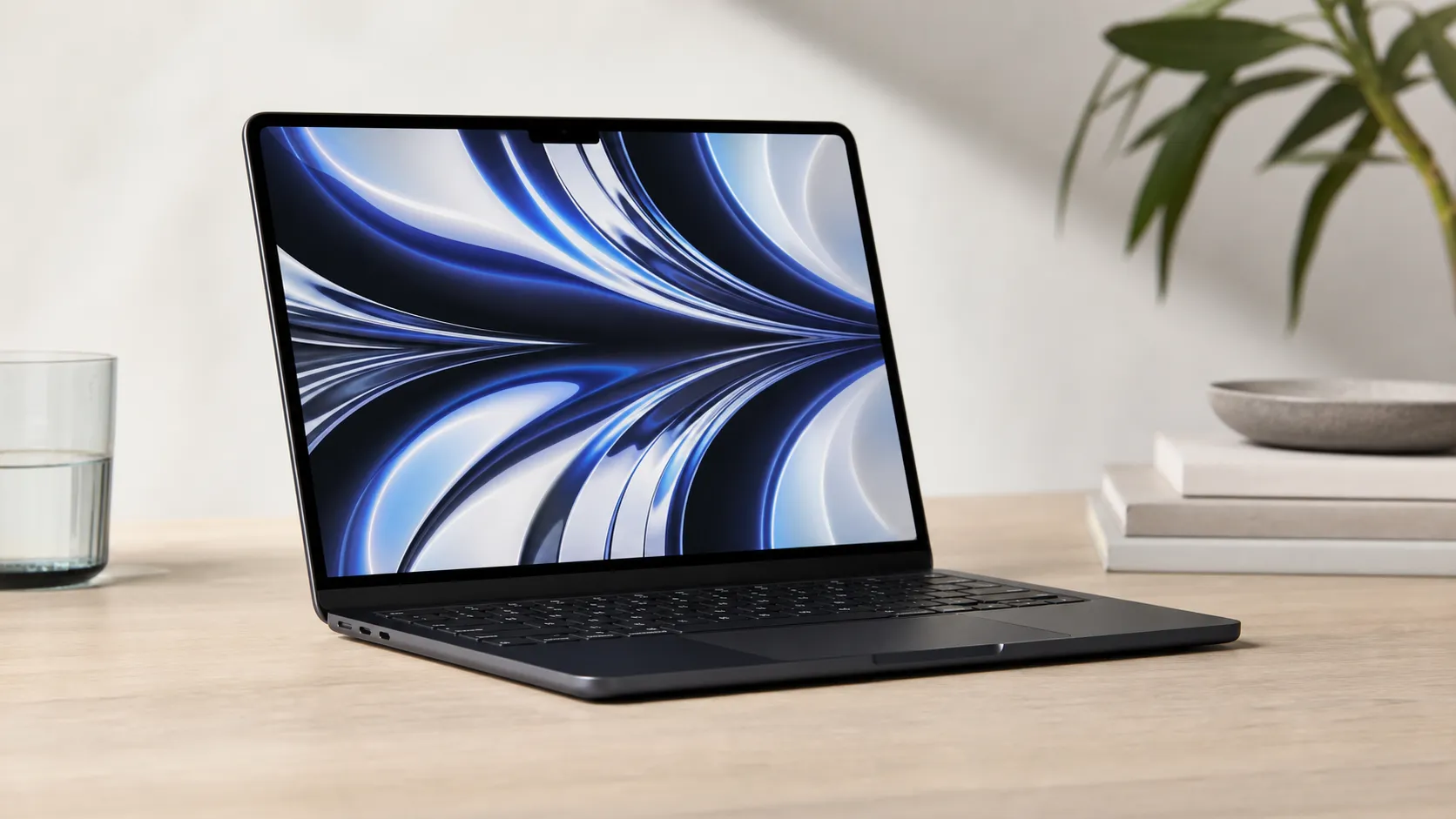
Apple MacBook Air (13-inch, M2) Review — 2026
A slim, quiet, and battery‑friendly choice for students and professionals. The MacBook Air (13‑inch, M2) excels at everyday speed and display quality but limits heavy sustained workloads and ports.
 Tech & Gadgets
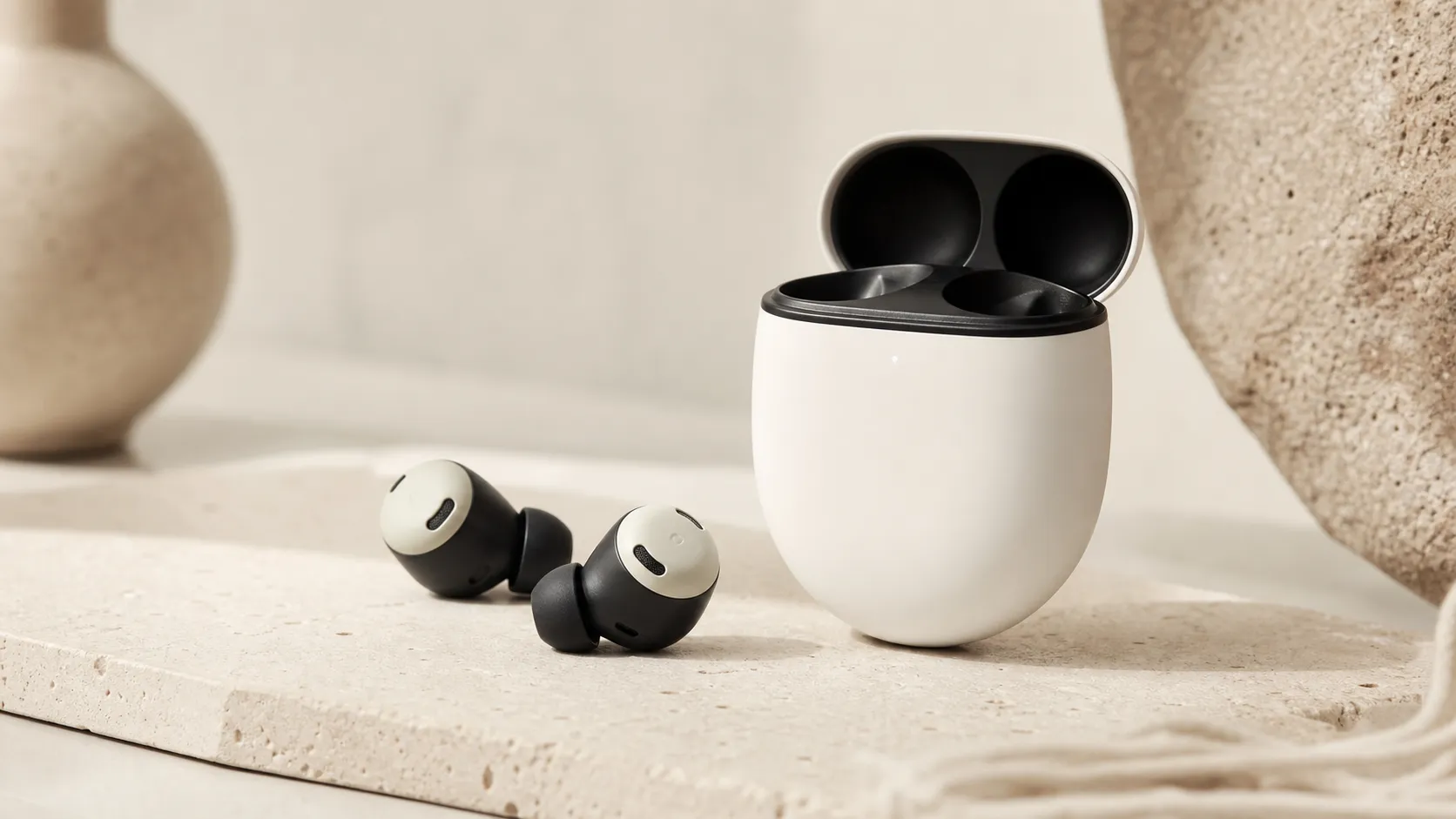
Google Pixel Buds Pro Review 2026
A polished, Android-first pair of true wireless earbuds with very good ANC, comfy fit, and strong battery life—great value for most buyers in 2026.
 Tech & Gadgets
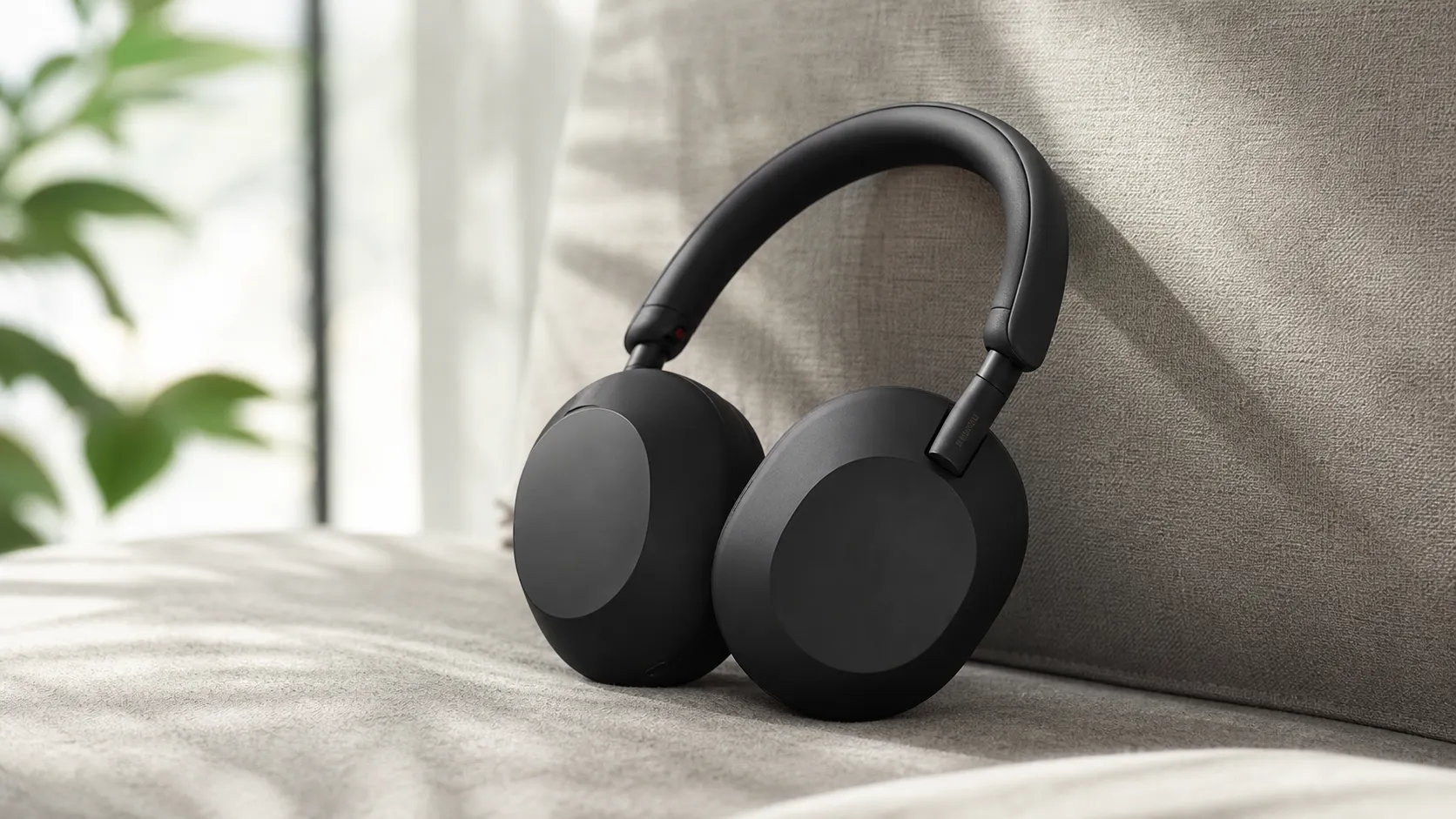
Sony WH-1000XM5 Review 2026 — ANC, Comfort & Value
Sony WH‑1000XM5: class‑leading ANC, exceptional comfort and long battery life — great for travel and calls, though sound tuning and a few durability reports divide opinions.