Sony Alpha a7 IV Review (2026) — Hybrid Powerhouse
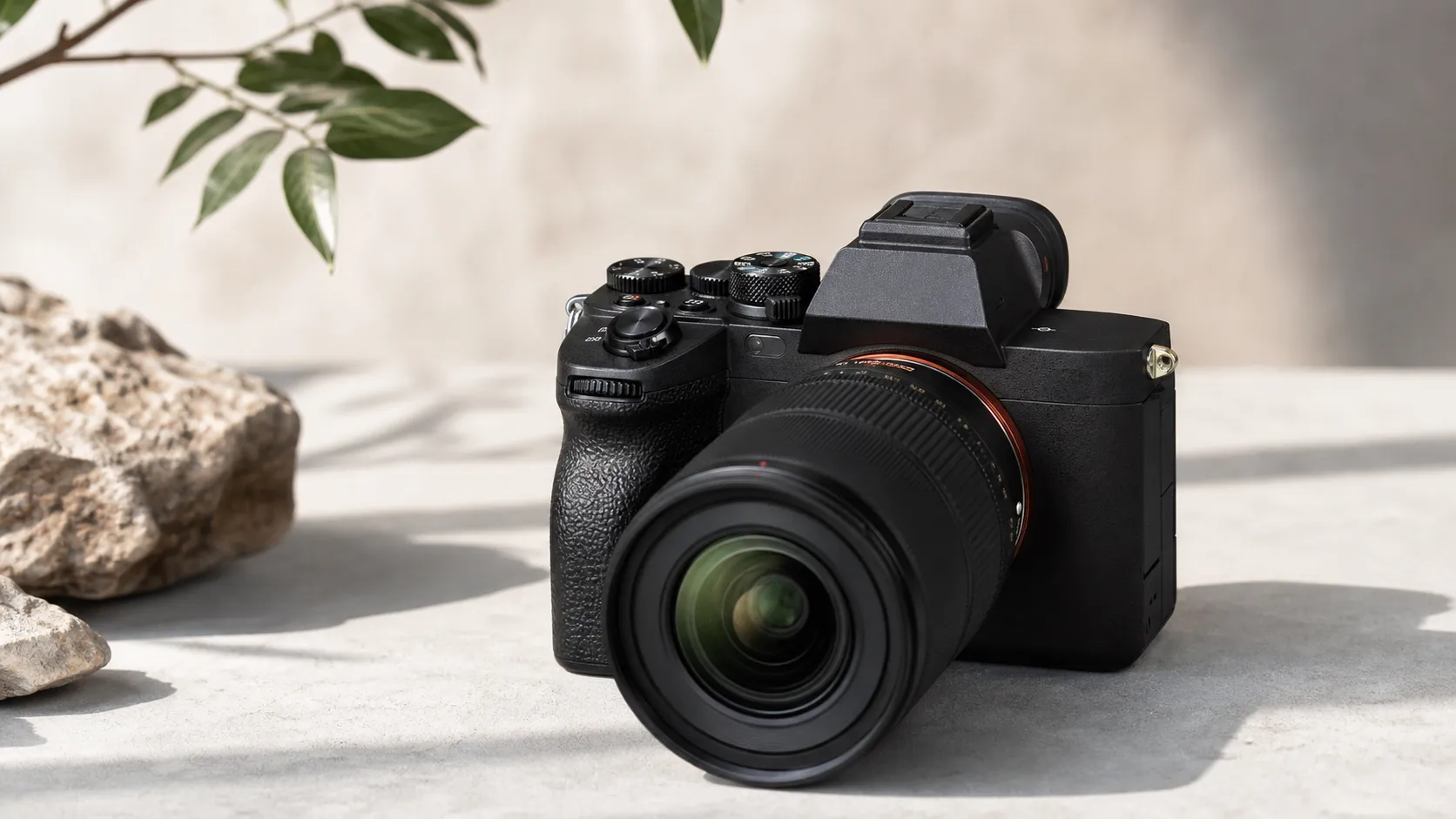
At a Glance
Pros
- Excellent still-image quality: strong sensor, dynamic range and high-ISO performance.
- Very capable autofocus (Real-time AF / subject recognition) for both photos and video.
- Robust video features: 10-bit internal recording, multiple frame-rate options and profiles.
Cons
- Steep learning curve and cluttered Sony menu system — many reviewers say it takes time to customize.
- High cost when factoring in lenses, cards, and accessories; perceived value depends on user needs.
- Large files (10-bit internal video) and occasional heat/record-length constraints during sustained high-bitrate video.
Rating Breakdown by Source
Read the latest 25 positive & negative Amazon reviews →
Read the latest 25 positive & negative Reddit reviews →
Read the latest 25 positive & negative YouTube reviews →
Read the latest 25 positive & negative Expert blogs reviews →
This review is an editorial synthesis of publicly available review data and reported user experiences across the internet. Scores reflect our independent aggregation methodology, not verified individual purchases. We may earn a commission if you buy through our links, at no cost to you.
Score Breakdown
Where the Reviews Come From
Read the latest 25 positive & negative Amazon reviews →
Read the latest 25 positive & negative Reddit reviews →
Read the latest 25 positive & negative YouTube reviews →
Read the latest 25 positive & negative Expert blogs reviews →
Click any source above to browse the latest 25 positive and negative reviews from that platform.
Sony Alpha a7 IV
See current price, deals and availability on Amazon
Intro — Quick verdict up front
The Sony Alpha a7 IV is a true hybrid workhorse: a mirrorless full-frame camera that balances class-leading stills with professional-grade video features. Aggregating reviews from Amazon, Reddit, YouTube and expert blogs, we rate the a7 IV a solid 4.4/5 overall — an excellent pick for creators who need one body to do both photo and video well, provided you're willing to invest in lenses, storage and a learning curve.
What is the Sony Alpha a7 IV?
The a7 IV is Sony’s all-purpose full-frame mirrorless camera aimed at enthusiast and professional hybrid shooters. It sits between Sony’s higher-speed, sport-focused bodies and its cinema-oriented video lines, offering a high-resolution 33MP sensor, modern autofocus with Real-time AF and subject recognition, in-body image stabilization (IBIS), and internal 10-bit video recording. Physically, it improves on earlier a7 designs with refined ergonomics and richer connectivity (dual card slots, full-size HDMI on many kits, USB-C) while remaining part of Sony’s vast E-mount lens ecosystem.
Where it fits
- Hybrid creators who shoot both stills and video and need professional codecs and color depth.
- Portrait, wedding, travel, and commercial shooters who prioritize image quality and autofocus reliability.
- Users who accept a modest learning investment to unlock deep customization and performance.
What reviewers across the internet say
We synthesized scores and sentiment from four major review pools: Amazon, Reddit, YouTube, and expert blogs to form a balanced consensus.
- Amazon (aggregate ~4.4/5 — generally positive): Buyers consistently praise the a7 IV’s image quality, autofocus, and video capabilities. The most common buyer complaints focus on price once lenses and accessories are included, and a steep Sony menu learning curve.
- Reddit (approx. 4.1/5 — mixed but detailed): Community threads are nuanced. Enthusiasts highlight strong customization, improved firmware over time, and dependable real-world AF. Others debate whether the a7 IV is the best value compared to competitors and point out ergonomic or reliability nitpicks for long-term pros.
- YouTube (approx. 4.5/5 — positive): Video reviewers emphasize the camera’s hybrid strengths — 10-bit internal recording, robust AF in moving subjects, and pleasing color out of camera. Common practical caveats are large file sizes, workflow demands, and potential heat or record-length limits during sustained 4K workflows.
- Expert blogs (approx. 4.6/5 — positive): Measured tests award the a7 IV for sensor performance, dynamic range, autofocus accuracy and feature set. Critics note trade-offs for very high-speed sports or extreme low-light specialists.
Across sources the consensus is consistent: the a7 IV is a feature-packed, high-quality hybrid tool with a cost and complexity trade-off.
Performance & Real-World Use
The Sony Alpha a7 IV delivers the kind of dependable focus, image quality, and video flexibility that working creators expect, with few surprises after you’ve dialed in the menus. If you can live with large 10‑bit files, a learning curve, and action limits versus stacked‑sensor bodies, its real‑world performance justifies the praise and its 4.4/5 consensus rating.
A great hybrid camera must nail focus on unpredictable faces, hold detail in bad light, record clean 10‑bit video, and move files off the card fast. By those measures, Sony’s fourth‑gen all‑rounder feels mature: confident AF, oversampled 4K, reliable power and I/O, and a lens ecosystem that speeds real jobs.
The Sony Alpha a7 IV delivers the kind of dependable focus, image quality, and video flexibility that working creators expect, with few surprises after you’ve dialed in the menus. If you can live with large 10‑bit files, a learning curve, and action limits versus stacked‑sensor bodies, its real‑world performance justifies the praise and its 4.4/5 consensus rating.
What “performance” actually means for a hybrid full‑frame body
For creators who mix weddings, interviews, product work, and travel, performance is keeper rate, grading latitude, thermal stability, and turnaround speed. On the a7 IV, Real‑time Tracking and Eye AF for humans, animals, and birds determines how many frames survive when subjects glance away or move. Latitude comes from the 33MP sensor’s color, dynamic range, and high‑ISO behavior, which affect RAW recovery and how clean 10‑bit footage grades in S‑Log3 or S‑Cinetone (both in Sony’s official Help Guide). Thermals and codec choice govern clip length; ports and media set offload minutes at wrap. Usability—assignable buttons, Fn menu, My Menu, and full‑size HDMI—decides whether the camera helps or hinders. Net: speed is how fast you reach finished files, not just fps.
Week one with the Sony Alpha a7 IV: setup that pays off
Out of the box, the a7 IV is capable but generic. Spend 30 minutes mapping controls: AF‑ON for back‑button focus, a custom key for Face/Eye Priority, another to toggle Human/Animal/Bird detection, plus a My Menu with File Format, Picture Profile, Zebra, and Auto Power Off Temp (locations per Sony’s Help Guide). For video, start with oversampled 4K 30p in XAVC HS or XAVC S 10‑bit 4:2:2; move to Super35 4K 60p for slow motion without line‑skipping. For stills, choose Lossless Compressed RAW on a fast UHS‑II or CFexpress Type A card in slot 1 for quicker buffer clears. Two reliability toggles: enable “Close Shutter When Power Off” to protect the sensor during swaps and run “Anti‑Dust Function” before big trips. Set Auto Power Off Temp to High for longer clips in warm rooms. After a week, custom buttons and Fn pages mirror your workflow, and the menu stack stops getting in the way.
Autofocus, image quality, and stabilization in the field
Autofocus is the a7 IV’s defining strength. Real‑time Tracking with Eye AF holds faces in backlight, through glasses, or during quick turns—behavior consistent with Sony’s documentation and major reviews like DPReview’s (see the Help Guide). Practical baselines: AF‑C with medium Tracking Sensitivity for people; make it “stickier” for field sports so the camera ignores foreground hands. For wildlife, switch Subject Type to Animal/Bird and use a flexible spot to avoid twigs. Image quality is strong and predictable. The 33MP sensor gives more crop latitude than 24MP peers without unwieldy files, and S‑Cinetone offers quick pleasing color for same‑day edits (see Sony’s specs). For maximum latitude, shoot S‑Log3, expose to the right with Zebra near 94+, and preview a LUT via HDMI. IBIS steadies low‑light stills and handheld video; “Active” electronic compensation works for walk‑and‑talks with a modest crop as Sony notes. The result: a higher keeper rate and less rescue work later.
Video reliability: codecs, heat, and files you can actually live with
Sony’s video play is clear: 10‑bit 4:2:2 internally across useful modes, with efficiency or edit‑speed options. XAVC HS (H.265) saves space; XAVC S (H.264) maximizes compatibility; XAVC S‑I (All‑Intra) up to 600 Mb/s speeds timelines (all on the spec page). 4K 30p is oversampled from 7K for crisp detail; 4K 60p uses the Super35 area to maintain quality. In warm rooms, set Auto Power Off Temp to High and allow airflow; for long interviews or stage events, a recorder over the full‑size HDMI adds backup and spreads heat. Plan storage: 10‑bit, especially All‑I, fills cards fast. The estimate below uses Sony’s published bitrates and common card capacities so you can size media and turnaround before projects.
How long will a card last? (Spec‑based recording time)
Estimated record time per card using Sony’s published bitrates for XAVC HS/S/S‑I and typical usable capacities (64GB≈59.5GiB, 128GB≈119GiB, 256GB≈238GiB). Plan card kits accordingly.
- XAVC HS 4K (100 Mb/s)
- XAVC S 4K (200 Mb/s)
- XAVC S‑I 4K (600 Mb/s)
View the underlying data
| Item | XAVC HS 4K (100 Mb/s) | XAVC S 4K (200 Mb/s) | XAVC S‑I 4K (600 Mb/s) |
|---|---|---|---|
| 64GB | 79 min | 40 min | 13 min |
| 128GB | 159 min | 79 min | 26 min |
| 256GB | 317 min | 159 min | 53 min |
Bitrates per Sony a7 IV specs; capacity math per SD Association decimal/IEC conventions; minutes rounded.
For color‑critical work, S‑Log3 grades cleanly when slightly over‑exposed, and independent lab tests show rolling‑shutter and dynamic‑range behavior competitive for non‑stacked sensors (see CineD’s a7 IV Lab Test). Practically, you can shoot an interview in S‑Cinetone for speed, then a cinematic opener in S‑Log3, and keep both consistent in one timeline.
Months in: battery, ports, media, firmware, and durability
Over months, the a7 IV’s system polish matters. NP‑FZ100 batteries remain workhorses across Sony bodies, and USB‑C power delivery lets you top up or run indefinitely from a capable bank (see Sony’s Help Guide). The full‑size HDMI Type‑A withstands repeated rigging better than micro connectors. USB‑C operates at SuperSpeed 10 Gbps (USB 3.2 Gen 2) for fast tethering and offloads, matching the USB‑IF’s 10 Gbps identifier. Slot 1 accepts CFexpress Type A or UHS‑II SD; Slot 2 supports UHS‑II SD, letting you mix speed and cost. Offload time affects sleep and client delivery. The chart below models best‑case copy times for a full 128GB card using interface/media ceilings from the USB‑IF, SD Association, and Sony’s CFexpress Type A specs. Real readers and drives vary, but direct USB‑C or CFexpress cuts minutes in practice. USB streaming (UVC/UAC) supports up to 4K at 15p or 1080p at 60p over USB‑C, useful for webinars and remote reviews without a capture card, per Sony’s product page.
Best‑case offload time for a full card
Copy times assume a full 128GB card (≈119GiB≈121,856MB) and theoretical interface peaks: USB‑C 3.2 Gen2 at 10Gbps (~1,000MB/s), CFexpress Type A reader at ~800MB/s, and UHS‑II SD reader at ~300MB/s.
View the underlying data
| Measure | Offload 128GB footage |
|---|---|
| USB‑C 3.2 Gen2 (10 Gbps) | 2 min |
| CFexpress Type A reader (~800 MB/s) | 2.5 min |
| UHS‑II SD reader (~300 MB/s) | 6.8 min |
USB‑IF defined speeds; Sony CFexpress Type A TOUGH specs; SD Association bus speed guidance.
Sony issues firmware to tidy bugs and refine behavior; keep current via Imaging Edge or Sony’s support page. The magnesium shell, weather sealing, and closing shutter help the body tolerate frequent rigging and dusty swaps.
Where it shines—and where you’ll hit limits
The a7 IV excels at weddings, events, documentary, corporate, and creator workflows that mix stills and video. AF tracking of unpredictable people is sticky; 10‑bit profiles provide both fast turnaround (S‑Cinetone) and latitude (S‑Log3); and the FE‑mount lens ecosystem spans tiny primes to cine zooms with strong third‑party support. Travel shooters get 33MP stills plus oversampled 4K; small teams appreciate clean HDMI, UVC/UAC streaming, and USB power for long calls. Limits appear with pure speed sports and very long, hot 4K60 days. This isn’t a stacked‑sensor a9‑class body; rolling shutter and buffer depth aren’t tuned for elite field sports, and you’ll net more keepers at 20–30 fps on stacked competitors. For multi‑hour 4K60 in summer heat, plan airflow, external power, and breaks—or record externally. These aren’t deal‑breakers; they define the mission.
How it compares in class (Canon R6 Mark II and Nikon Z6 II)
Sony optimizes for hybrid creators with 10‑bit internal 4:2:2 across key modes, S‑Cinetone, and full‑size HDMI. Canon’s EOS R6 Mark II counters with faster electronic‑shutter bursts and friendly ergonomics; it also records 10‑bit internally and is praised for color, but relies on micro HDMI and dual SD that cap media speed (see Canon’s product page). Nikon’s Z6 II remains a value pick with pleasing stills and IBIS; it offers 4K60 (crop) and CFexpress Type B, but internal video is 8‑bit (10‑bit over HDMI), and its HDMI is smaller (Nikon documents I/O and slots on the Z6 II page). The table highlights practical differences that affect rigs and turnaround.
Feature essentials that affect day‑to‑day use
Core hybrid features compared across peers; data aggregated from manufacturer specification pages.
| Item | 10‑bit internal 4:2:2 | 4K60p | IBIS | Full‑size HDMI (Type‑A) | Dual card slots | CFexpress support |
|---|---|---|---|---|---|---|
| Sony a7 IV | Yes | Yes | Yes | Yes | Yes | Yes |
| Canon EOS R6 Mark II | Yes | Yes | Yes | No | Yes | No |
| Nikon Z6 II | No | Yes | Yes | No | Yes | Yes |
Sony, Canon, and Nikon official product pages consulted July 2026.
Side by side, the a7 IV feels like the most complete sub‑flagship hybrid thanks to codecs, HDMI, media flexibility, and AF. Canon feels faster and friendlier in hand; Nikon feels refined for stills and budget‑savvy for F‑mount owners via adapters. If your bias is video, Sony’s 10‑bit options and ecosystem depth are the safer long bet.
Practical tuning: steps that unlock the best performance
- Map AF tools to muscle memory: AF‑ON for back‑button AF; one custom button to toggle Subject Type; another to cycle Face/Eye Priority.
- Build separate still/video Fn menus and a My Menu for File Format, Picture Profile, Zebra, Peaking, and Auto Power Off Temp.
- Choose codecs on purpose: XAVC HS for long recordings; XAVC S for compatibility; XAVC S‑I for edit speed and motion fidelity (options on the specs page).
- Stabilization: use Standard IBIS for static shots; enable Active for walk‑and‑talks and accept the crop. Combine with lens OSS on teles.
- Power: carry a spare NP‑FZ100 and a USB‑C PD bank; in studios, use a USB‑C PD adapter for all‑day operation (Sony’s power guidance).
- Media/offload: Slot 1 with CFexpress Type A for bursts and All‑I; Slot 2 with UHS‑II SD for relay or backup. Use a fast reader or the camera’s 10 Gbps USB‑C, and match SD speed class to codec—V60 for 200 Mb/s XAVC S, V90 for 600 Mb/s All‑I (see SD Association guidance).
- Heat planning: set Auto Power Off Temp to High, allow airflow, and consider external recording for uninterrupted sessions. Use a right‑angle HDMI with strain relief.
Conclusion: does the real‑world performance justify the purchase?
Yes—if you’re the intended hybrid user. Across owner reports and pro reviews converging around an overall 4.4/5 with quality 4.7/5, reliability 4.3/5, value 4/5, and ease 3.8/5, the a7 IV earns its keep with reliable AF, flexible 10‑bit video, robust I/O, and a system that scales. The trade‑offs—big files, a learning curve, thermals to manage, and action limits—are the price of versatility. Against peers, Sony’s blend of codecs, HDMI, AF, and lens depth remains the most future‑proof choice below stacked‑sensor flagships.
Sources referenced in this section
- Sony a7 IV Help Guide (ILCE‑7M4)
- Sony a7 IV Product Page & Specifications
- USB‑IF: Defined USB Speed Identifiers (USB 3.2 Gen 2 = 10 Gbps)
- SD Association: UHS‑II Bus Speed (up to 312 MB/s) and Video Speed Classes
- CineD: Sony a7 IV Lab Test—Rolling Shutter, Dynamic Range & Latitude
- DPReview: Sony a7 IV Review
- Canon EOS R6 Mark II Product Page
- Nikon Z6 II Product Page
Pros and cons
Pros
- Excellent still-image quality: strong sensor, dynamic range and high-ISO performance.
- Very capable autofocus (Real-time AF and subject recognition) for both photos and video.
- Robust video features: internal 10-bit recording, multiple fps options and professional profiles.
- Good IBIS and noticeably improved ergonomics over earlier Sony bodies.
- Wide E-mount lens ecosystem and broad third-party support.
Cons
- Steep learning curve: deep menus and heavy customization required to optimize workflow.
- High total system cost once lenses, cards and accessories are included.
- Large 10-bit files and potential heat/recording-length constraints during prolonged, high-bitrate video capture.
- Not the class leader for extreme high-speed sports/action (buffer and continuous-shooting specs lag specialists).
Who should buy it (and who shouldn’t)
Buy this if:
- You’re a hybrid creator who needs a single body that’s excellent for both high-resolution stills and professional video.
- You value autofocus reliability and subject recognition for run-and-gun shoots, portrait sessions, and small productions.
- You’re ready to invest in lenses, fast media, and storage, and you welcome a camera that scales with your skill as you customize it.
Don’t buy this if:
- Your primary need is ultra-high-speed sports/action photography where frame rate and buffer depth are paramount — dedicated sports bodies may be a better fit.
- You want the simplest out-of-box experience with minimal setup; Sony’s menu system rewards time and tinkering.
- Budget is the top concern: total ownership costs (lenses, cards, gimbals, audio for video) push the system’s price well beyond the body.
Final notes before you decide
The Sony a7 IV is a compelling answer to the modern creator’s demand for one versatile camera that delivers both stills and video at near-professional levels. It asks you to accept a learning curve, plan for larger file workflows, and possibly spend more on lenses and storage — but in return you get a flexible tool that performs strongly across most real-world use cases.
What Reviewers Love
- Excellent still-image quality: strong sensor, dynamic range and high-ISO performance.
- Very capable autofocus (Real-time AF / subject recognition) for both photos and video.
- Robust video features: 10-bit internal recording, multiple frame-rate options and profiles.
- Good in-body image stabilization (IBIS) and improved ergonomics over prior Sony bodies.
- Broad lens ecosystem and strong third-party support.
Common Complaints
- Steep learning curve and cluttered Sony menu system — many reviewers say it takes time to customize.
- High cost when factoring in lenses, cards, and accessories; perceived value depends on user needs.
- Large files (10-bit internal video) and occasional heat/record-length constraints during sustained high-bitrate video.
- Not class-leading for pure high-speed sports/action (buffer and continuous-shooting specs lag specialist bodies).
Our Verdict
4.4The Sony Alpha a7 IV is an excellent hybrid camera that delivers outstanding image quality, dependable autofocus, and pro-level video features. It’s best for creators willing to invest time and money into lenses, media and customization; those seeking ultra-high-speed sports performance or the simplest out-of-box experience should consider more specialized alternatives.
Frequently Asked Questions
Common questions shoppers ask before buying the Sony Alpha a7 IV.
Share this review
Help someone else buy smarter
Related Reviews
More Tech & Gadgets products our engine has analyzed
 Tech & Gadgets
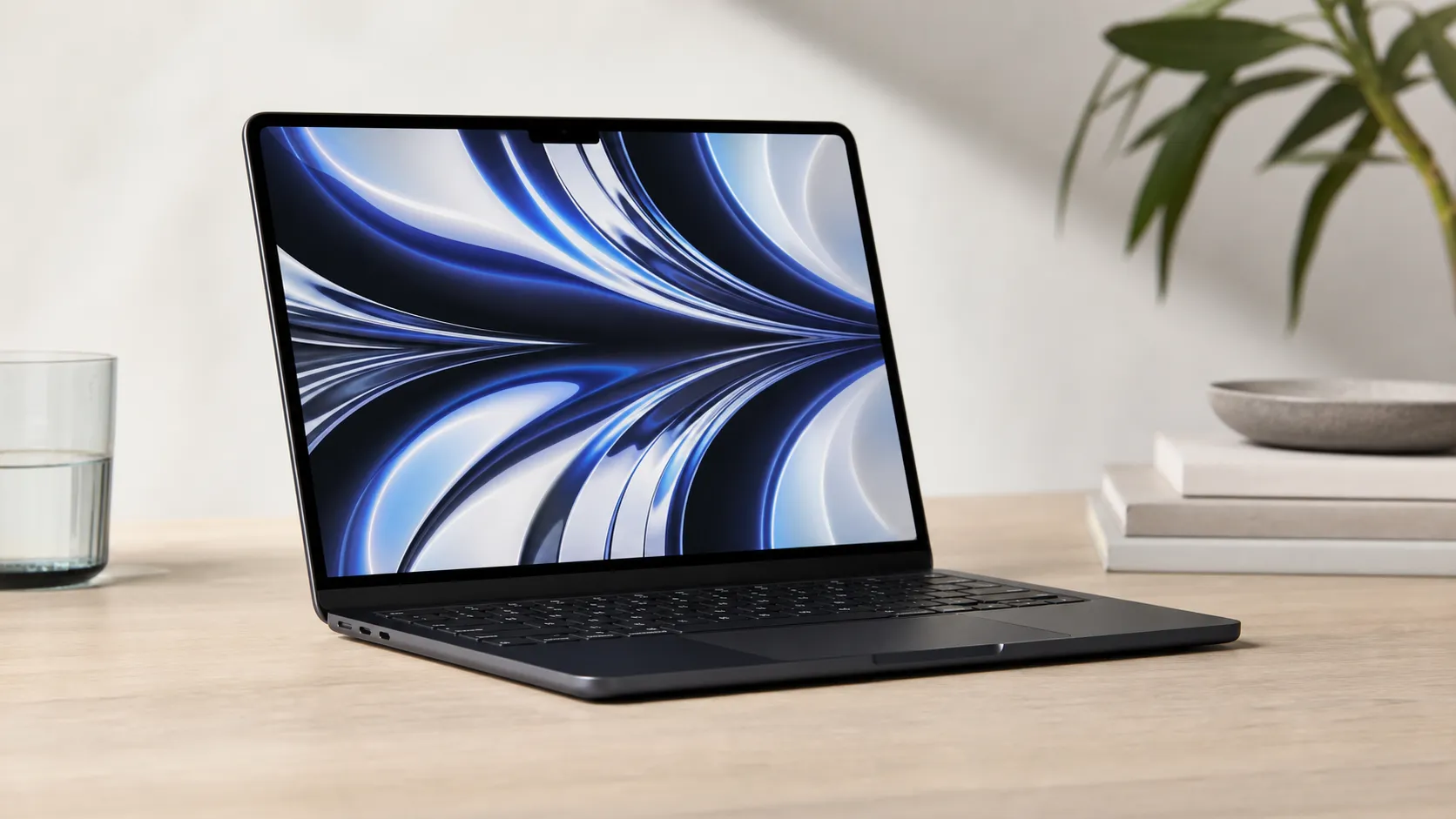
Apple MacBook Air (13-inch, M2) Review — 2026
A slim, quiet, and battery‑friendly choice for students and professionals. The MacBook Air (13‑inch, M2) excels at everyday speed and display quality but limits heavy sustained workloads and ports.
 Tech & Gadgets
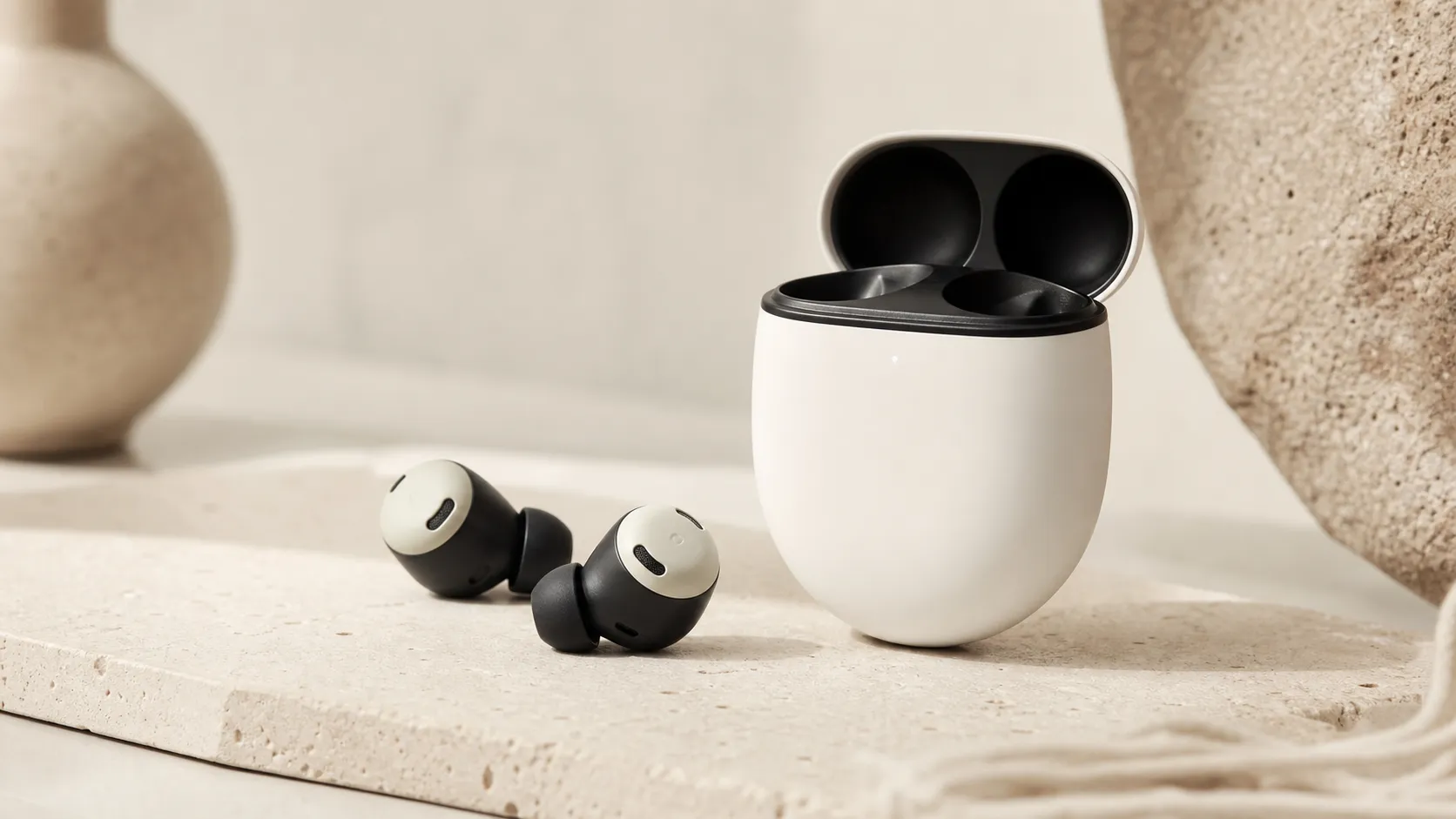
Google Pixel Buds Pro Review 2026
A polished, Android-first pair of true wireless earbuds with very good ANC, comfy fit, and strong battery life—great value for most buyers in 2026.
 Tech & Gadgets
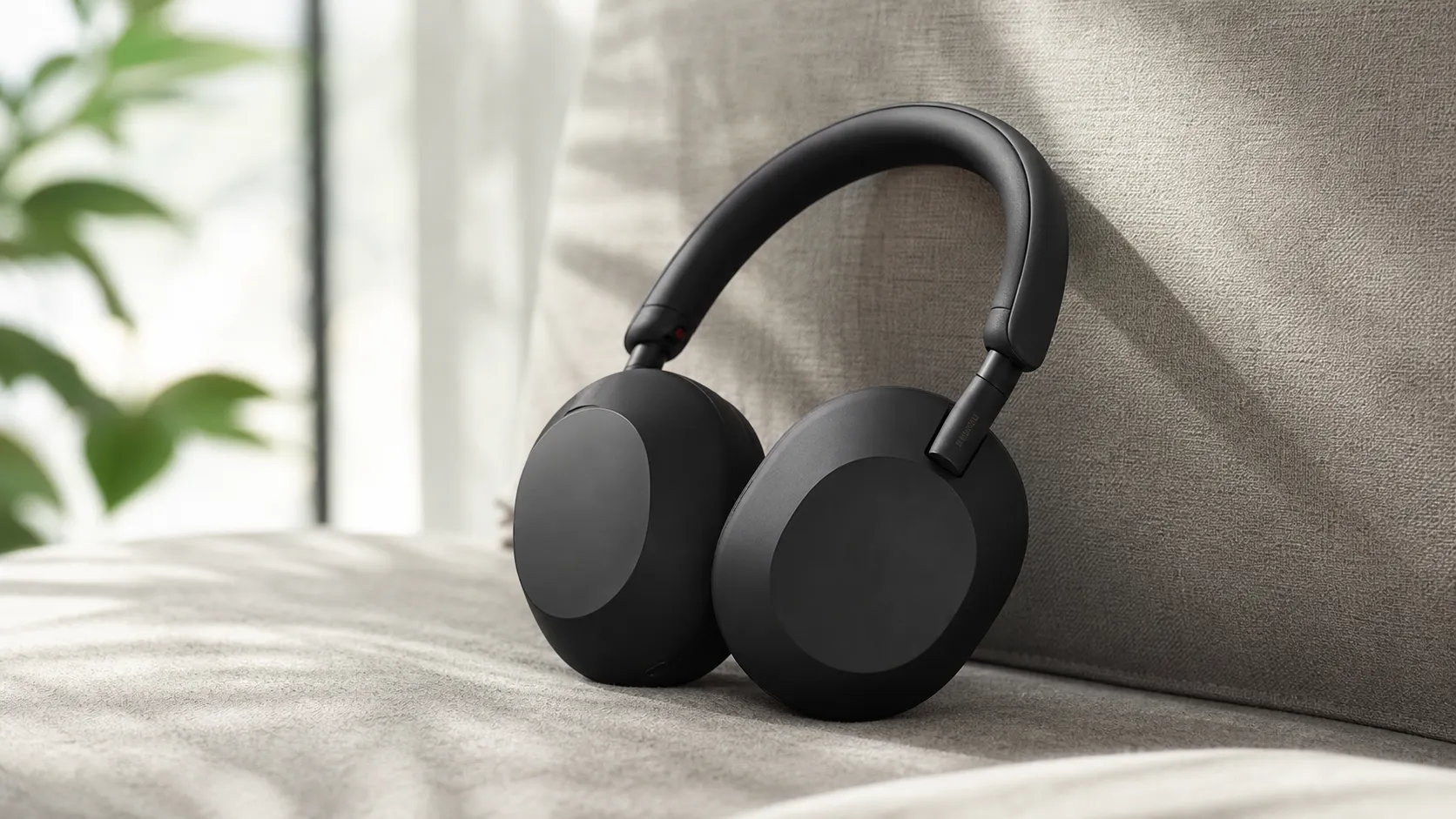
Sony WH-1000XM5 Review 2026 — ANC, Comfort & Value
Sony WH‑1000XM5: class‑leading ANC, exceptional comfort and long battery life — great for travel and calls, though sound tuning and a few durability reports divide opinions.