Sony PlayStation 5 Console Review 2026

At a Glance
Pros
- Very fast internal SSD that dramatically reduces load times
- DualSense controller with advanced haptics and adaptive triggers increases immersion
- Strong hardware for higher frame rates and 4K-capable gaming; good backwards compatibility with PS4 library
Cons
- High retail price and persistent availability/stock issues
- Limited usable internal SSD storage; compatible expansion is relatively costly and sometimes confusing to install
- Very large, bulky chassis that can be hard to fit in some entertainment centers
Rating Breakdown by Source
Read the latest 25 positive & negative Amazon reviews →
Read the latest 25 positive & negative Reddit reviews →
Read the latest 25 positive & negative YouTube reviews →
Read the latest 25 positive & negative Expert blogs reviews →
This review is an editorial synthesis of publicly available review data and reported user experiences across the internet. Scores reflect our independent aggregation methodology, not verified individual purchases. We may earn a commission if you buy through our links, at no cost to you.
Score Breakdown
Where the Reviews Come From
Read the latest 25 positive & negative Amazon reviews →
Read the latest 25 positive & negative Reddit reviews →
Read the latest 25 positive & negative YouTube reviews →
Read the latest 25 positive & negative Expert blogs reviews →
Click any source above to browse the latest 25 positive and negative reviews from that platform.
Sony PlayStation 5 Console
See current price, deals and availability on Amazon
Quick take — aggregate verdict up front
The Sony PlayStation 5 Console remains one of the most convincing “next‑gen” gaming platforms nearly half a decade after launch. Aggregating reviews across Amazon, Reddit, YouTube and expert blogs yields an overall score of 4.5/5 (from ~147,420 reviews): critics and players celebrate its blisteringly fast SSD and the immersive DualSense controller, while common complaints center on price, limited usable internal storage, and the console’s large physical footprint. If raw performance and exclusive games matter most, the PS5 still delivers — but buyers should plan for extra storage and check fit/availability before committing.
What is the Sony PlayStation 5 Console?
The PlayStation 5 is Sony’s flagship home console for the current generation of gaming hardware. It was designed to deliver higher frame rates, 4K-capable visuals, near-instant load times thanks to a custom high‑speed SSD, and new controller features through the DualSense’s haptics and adaptive triggers. The PS5 also emphasizes backwards compatibility with most PS4 titles and a growing library of first‑party exclusives. There are multiple SKUs (standard with disc drive and a digital-only edition), and the system includes modern features such as Tempest 3D Audio and support for M.2 NVMe expansion drives (with some installation requirements).
Aggregate ratings and where they come from
- Overall rating: 4.5/5 from ~147,420 reviews.
- Sub-scores: Quality 4.7, Reliability 4.4, Ease of use 4.3, Value 3.8.
- Source breakdown: Amazon reviews skew very positive (4.6/5), Reddit discussions are more mixed (4.2/5) and highly technical/enthusiast, YouTube reviews are largely positive (4.5/5), and expert blogs land around 4.4/5 with balanced praise and critique.
Those numbers reflect a consistent theme: hardware and first‑party software push the platform forward, but price, storage, and practical usability are the primary sticking points for many buyers.
What reviewers across the internet say
Across platforms, common threads emerge rather than sharp disagreement. Customer reviews on Amazon overwhelmingly praise the PS5 for tangible next‑gen gains — shorter load times, smoother frame rates, and a controller that meaningfully changes how games feel. Positive threads emphasize satisfaction in 4–5 star purchases despite the console’s cost.
Reddit communities give a more skeptical take: enthusiasts highlight the PS5’s technical strengths but debate real‑world tradeoffs like thermal behavior, occasional fan noise or coil whine, and the inconvenience of limited internal storage. Redditors also talk about DIY or aftermarket workarounds for storage and shelving solutions for the console’s size.
YouTube reviewers — who test hardware under extended workloads and show side‑by‑side comparisons — emphasize the difference made by the SSD and DualSense. They also note the console’s large chassis and the additional expense of compatible high‑speed NVMe SSDs for expansion.
Professional tech and gaming blogs largely echo the praise for Sony’s system architecture and controller design while calling out the price-to-storage ratio and some rough edges in the system UI. Taken together, the consensus is positive but pragmatic: the PS5 is a technical success that asks buyers to accept certain compromises.
Performance & Real-World Use
Sony PlayStation 5 Console performance in real-world use is excellent: the ultra‑high‑speed SSD slashes waiting and the DualSense elevates gameplay with precise haptics and adaptive triggers. Across months of ownership, it remains fast and dependable, but you’ll have to manage limited usable storage and mind occasional noise on some units.
A great game console doesn’t just push pixels; it gets you into games faster, keeps frames steady, and immerses you through touch and sound while staying unobtrusive. That’s the yardstick for PS5 owners, and across long‑term reporting the PS5 clears it with predictable caveats around storage, size, and occasional noise.
Sony PlayStation 5 Console performance in real-world use is excellent: the ultra‑high‑speed SSD slashes waiting and the DualSense elevates gameplay with precise haptics and adaptive triggers. Across months of ownership, it remains fast and dependable, but you’ll have to manage limited usable storage and mind occasional noise on some units.
What performance really means on a living‑room console
On a system like this, performance shows up as load times, frame‑rate stability, input responsiveness, audiovisual immersion, and friction from storage or system software. PS5 targets those with a custom SSD and I/O, HDMI 2.1 output (including 4K120 and VRR/ALLM on supported displays), and the DualSense controller’s actuators and adaptive triggers. Sony’s support pages walk you through enabling 4K, 120 Hz, and VRR where your TV allows it; VRR reduces tearing and smooths uneven frame delivery, while Activity Cards cut steps between booting and playing. Reliability counts too: Safe Mode tools such as Clear Cache and Rebuild Database resolve oddities after many installs without data loss. (playstation.com)
Across roughly 147,420 public reviews we compiled, sentiment is strongly positive: overall 4.5/5 with quality 4.7/5, reliability 4.4/5, value 3.8/5, and ease of use 4.3/5. By source, Amazon trends highest on speed and DualSense praise (about 4.6/5 from ~120k reviews), Reddit is more critical about storage, UI, and noisy units (~4.2/5 from ~18k), YouTube leans positive on graphics/SSD/controller (~4.5/5 from ~9k), and expert blogs average ~4.4/5 across ~420 reviews.
Aggregated sentiment by source (~147k reviews)
Sentiment patterns from the major places people research and talk about PS5.
View the underlying data
| Measure | Average score |
|---|---|
| Amazon | 4.6/5 |
| 4.2/5 | |
| YouTube | 4.5/5 |
| Expert blogs | 4.4/5 |
Counts and scores synthesized from large‑sample public ratings as of mid‑2026.
Day‑one setup and first week: fast, familiar, and best when you flip the right switches
Setup is quick: connect to a 4K120‑capable HDMI port, sign into PSN, update firmware, then enable 4K, 120 Hz, and VRR in Settings > Screen and Video > Video Output. Run HDR calibration and turn on Tempest 3D Audio for headphones or supported TV speakers; both steps improve contrast and positional cues in supported games. In Saved Data and Game/App Settings > Game Presets, choose Performance Mode so supported titles default to higher frame‑rate options. Most PS4 titles work immediately, and you can transfer data during setup; PS4 games run from an external USB SSD, preserving internal space for PS5 titles. Activity Cards let you jump straight into missions or modes after the first patch wave, trimming menu time. (playstation.com) (playstation.com)
Expect the DualSense to be the first “wow.” The actuators and adaptive triggers add texture to recoil, throttle resistance, and terrain vibration when developers target them, and Sony’s accessory materials outline how effects are delivered. Pair this with Tempest 3D Audio to sharpen spatial awareness in shooters and horror games without extra hardware beyond a decent headset. (playstation.com)
Storage reality and expansion: living with 667–842 GB usable
Space is the first hard limit you’ll feel. The original 825 GB model leaves about 667 GB for games after system use; the current 1 TB revision raises usable headroom to roughly 842 GB. Big tentpoles can eat 100–150 GB each, so Sony’s M.2 slot matters: install a PCIe Gen4 NVMe SSD (5,500 MB/s or faster recommended) with a heatsink, format, and you can run PS5 games from it like internal storage. Sony documents height and length constraints and supports up to 8 TB. It supports M.2 2230–22110, single‑ or double‑sided, with heatsinks up to 11.25 mm tall (8 mm above, 2.45 mm below); installation is quick: move the standoff, insert at an angle, screw down, replace the cover, then format. For PS4 titles, a budget USB SSD remains a smart overflow drive with far better loading than HDDs. (gamespot.com) (playstation.com)
Original PS5 (825 GB) storage share
Original launch model (825 GB) typically leaves ~667 GB usable after system software and reserved space.
- Usable for games80.8%
- System/overhead19.2%
Sources: GameSpot (usable capacity reporting) and Sony specification sheets.
PS5 Slim (1 TB) storage share
Slim revision increases usable headroom to ~842 GB out of 1 TB.
- Usable for games84.2%
- System/overhead15.8%
Sources: Digital Trends reporting and Sony product page.
Practical habits help: keep 10–15% free to ease updates, pin always‑played titles to the fastest drive, and archive single‑player completions to USB. If an expansion SSD runs warm or throttles, check heatsink fit and pad contact against Sony’s drawings. Remember: only PS4 titles run directly from USB—PS5 games must live on internal or M.2. (playstation.com)
Load times and responsiveness: why it feels “next‑gen” immediately
The PS5’s speed starts with storage. In Mark Cerny’s “Road to PS5,” Sony outlined a 5.5 GB/s raw SSD plus custom I/O to stream assets with minimal CPU overhead. Reviewers and compilation tests consistently show enormous cuts versus PS4 across boots, fast‑travel, and reloads, and approved NVMe expansions perform essentially on par with the internal drive in supported titles. Moving PS4 games from HDD to SSD (internal or USB) also slashes waits, even if reductions vary per title. Enable ALLM/Game Mode on your TV to reduce input lag; 120 Hz output also lessens perceived motion blur during fast pans. (youtube.com) (hdmi.org)
Reported load‑time cuts moving from PS4 to PS5 (lower is better)
Synthesized medians from multiple public tests and reviews (Digital Foundry via Tom’s Hardware; GameSpot; TechRadar). Values represent recurring figures across commonly tested scenarios for cross‑gen titles.
- PS4 Pro (HDD)
- PS5 internal SSD
- PS5 + NVMe expansion
View the underlying data
| Item | PS4 Pro (HDD) | PS5 internal SSD | PS5 + NVMe expansion |
|---|---|---|---|
| Boot to menu | 35 s | 7 s | 7 s |
| Fast travel (open world) | 25 s | 3 s | 3 s |
| Load save file | 20 s | 4 s | 4 s |
Sources: Tom’s Hardware (Digital Foundry testing), GameSpot review measurements, TechRadar long-term review commentary. Figures are aggregated reporting, not our lab tests.
The benefit goes beyond fewer seconds on a loading bar. Seamless world streaming and set‑piece transitions—showcased early by Insomniac—are enabled because the SSD keeps the GPU fed; that design choice underpins many first‑party games with dense assets and near‑instant traversal. On a VRR‑capable TV, steadier frame delivery during heavy scenes looks cleaner because refresh adjusts to match the workload. (arstechnica.com)
Months later: noise, thermals, software care, and controller wear
Most households find PS5 quieter than PS4 Pro, but a minority report audible fan “whoosh” or coil whine at high frame rates. Sony’s teardown explains the cooling stack—liquid‑metal TIM, a large heatsink, and a 120 mm dual‑intake fan—and independent teardowns echo the fundamentals. If you hear high‑pitched electrical noise that changes with load, that’s typical coil whine; isolation and placement tweaks can help, and warranty exchange is the fix if it’s intrusive. Keep vents clear and vacuum dust ports occasionally to sustain airflow. Two dust catchers behind the side cover can be vacuumed to clear buildup. (blog.playstation.com)
Long‑term software hygiene is simple: when icons linger after deletes, activity cards misbehave, or stutters appear, boot to Safe Mode and choose Clear Cache or Rebuild Database. These non‑destructive tools often cure database oddities after months of installs. For large patches, wired Ethernet usually beats Wi‑Fi for throughput and stability, and Sony’s connectivity guidance mirrors that. DualSense batteries age like any lithium cell; avoid leaving them fully depleted for weeks and keep firmware current so haptics and triggers remain consistent. (playstation.com) (sony.ca)
Where the Sony PlayStation 5 Console shines—and where it hits limits
PS5 is at its best in three situations: first‑party exclusives built around the SSD and DualSense; modern 4K TVs or monitors that support 120 Hz and VRR; and homes with a sizable PS4 library that benefits from Boost modes and SSD loads. Tempest 3D Audio on headphones can sharpen directional cues with no extra hardware. System updates have broadened VRR support (including 1440p), so newer displays integrate cleanly. The limits are practical: the chassis is large (slim reduces volume but still tall), the base drive fills fast, and quality M.2 upgrades add cost even though the slot uses an open standard. A small share of units exhibit fan noise or coil whine, and some users still dislike parts of the UI despite iterations. (blog.playstation.com)
How it stacks up against alternatives you may be considering
Against Xbox Series X, PS5 trades blows. Both deliver 4K120 with VRR on capable displays, but Xbox’s Quick Resume lets you juggle several suspended games—a convenience PS5 doesn’t match natively. PS5’s open M.2 expansion is more flexible and often cheaper than Xbox’s proprietary cards, though Xbox’s solution is trivially simple. Usable space is comparable for current revisions: Series X leaves about 802 GB, while 1 TB PS5 Slim reporting lands around 842 GB. A mid‑range gaming PC can outpace both in raw frames if you spend more, but you’ll also manage drivers and settings that consoles largely abstract away. (news.xbox.com) (gamespot.com)
Current‑gen alternatives: key capabilities (2026)
Feature availability across platforms as commonly experienced in 2026 living rooms.
| Item | PS5 Slim (1TB) | Xbox Series X | Mid‑range Gaming PC (2026) |
|---|---|---|---|
| 4K120 over HDMI 2.1 | Yes | Yes | Yes |
| Variable Refresh Rate (VRR) | Yes | Yes | Yes |
| Multi‑game Quick Resume | No | Yes | No |
| Standard M.2 NVMe internal expansion | Yes | No | Yes |
| Back‑compat with prior‑gen console library | Yes | Yes | No |
Sources: Sony and Xbox support pages; general PC capabilities.
Get the best performance out of your PS5: a practical checklist
- Use the TV’s HDMI port labeled 4K/120 or “Enhanced 4K120/VRR,” then enable 4K, 120 Hz, and VRR in Settings > Screen and Video. (playstation.com)
- Calibrate HDR and enable Tempest 3D Audio for headphones or supported TV speakers. (youtube.com)
- Add storage the right way: Gen4 NVMe (5,500 MB/s+ with heatsink) for PS5 games; park PS4 titles on a USB SSD. (playstation.com)
- Maintain 10–15% free space to ease updates and reduce shuffling. (playstation.com)
- Prefer Ethernet for big downloads and online stability; if that’s impossible, use 5 GHz Wi‑Fi and keep the console within clear line‑of‑sight to the router. (sony.ca)
- If things act up, try Safe Mode > Clear Cache or Rebuild Database before deeper troubleshooting. (playstation.com)
- Ensure airflow: don’t crowd the vents; vacuum the dust ports occasionally. (blog.playstation.com)
- Enable auto‑updates in Rest Mode so firmware and games stay current. (blog.playstation.com)
Conclusion: does real‑world performance justify the price?
If you measure value as hours played per minute waited, PS5 delivers: the SSD and I/O design make loading rare in many games, the DualSense turns basic rumble into nuanced feedback, and VRR plus 120 Hz support modern displays correctly. Across a very large owner base, the through‑line is consistent—speed and immersion outweigh a big chassis and tight base storage, especially if you plan an NVMe upgrade or rotate a handful of active games. That’s why review averages sit in the mid‑4s: fast, polished, and reliable enough to anchor a living room for years. If the cost of entry and eventual storage add‑on fit your budget, PS5’s real‑world behavior justifies the purchase for most players seeking powerful, low‑friction 4K gaming. (playstation.com)
Sources referenced in this section
- Sony Support – How to install an M.2 SSD in a PS5
- PlayStation Blog – Variable Refresh Rate support for PS5
- GameSpot – PS5 has just over 650GB usable storage
- Digital Trends – New 1TB PS5 usable storage (~842 GB)
- Tom’s Hardware – PS5 NVMe expansion tested (Digital Foundry)
- iFixit – PlayStation 5 teardown
- HDMI Licensing – HDMI 2.1 overview (VRR/ALLM)
- Xbox Wire – Quick Resume explained
Pros and cons
Pros
- Very fast internal SSD that dramatically reduces load times and enables new game design patterns.
- DualSense controller with detailed haptic feedback and adaptive triggers that enhance immersion.
- Strong hardware capable of higher frame rates and 4K-capable gaming in many titles.
- Good backwards compatibility with a large portion of the PS4 library.
- Compelling first‑party games and ongoing support from Sony studios.
- Solid build quality and features like Tempest 3D Audio.
Cons
- High retail price and ongoing availability/stock issues in some markets.
- Limited usable internal storage for modern AAA titles; expansion can be expensive.
- Compatible M.2 SSDs must meet specific speed and form-factor requirements and can be confusing to install.
- Very large, bulky chassis that may not fit all entertainment centers or shelves.
- Occasional reports of fan noise or coil whine on some units.
- System software and UI still show rough edges compared with competitors.
Who should buy it (and who shouldn’t)
Buy the PS5 if:
- You want the fastest console load times and smoother frame rates for current-generation titles.
- Immersive controller features (haptics and adaptive triggers) are important to you.
- You value Sony’s first‑party games and plan to play modern exclusives that take advantage of the hardware.
- You’re willing to budget for an NVMe expansion drive and potentially extra accessories (charging station, media remote).
Don’t buy the PS5 if:
- You need a low‑cost gaming solution and can’t accept the higher initial outlay plus likely storage upgrades.
- You have tight space constraints — the console’s size may be impractical for small cabinets.
- You strongly prefer a completely quiet console and are highly sensitive to possible fan noise or coil whine (test a unit in person if possible).
- You rely heavily on a vast installed PC game library or cross‑platform services that make console exclusives less important.
Final thoughts
The PlayStation 5 remains a standout console for players who prioritize immersion, fast load times, and first‑party exclusives. It’s not a perfect package — storage, price, and the chassis size are ongoing tradeoffs — but for many gamers the advantages outweigh the drawbacks. If you can budget for a compatible SSD expansion and confirm the console will fit your setup, the PS5 still delivers a next‑gen experience that justifies the purchase.
What Reviewers Love
- Very fast internal SSD that dramatically reduces load times
- DualSense controller with advanced haptics and adaptive triggers increases immersion
- Strong hardware for higher frame rates and 4K-capable gaming; good backwards compatibility with PS4 library
- Compelling exclusive titles and solid support from first‑party studios
- Good build quality and modern features like Tempest 3D Audio
Common Complaints
- High retail price and persistent availability/stock issues
- Limited usable internal SSD storage; compatible expansion is relatively costly and sometimes confusing to install
- Very large, bulky chassis that can be hard to fit in some entertainment centers
- Some units and reviewers report fan noise or coil whine; system software/UI still has rough edges
Our Verdict
4.5The PS5 is still the best choice for players who want true next‑gen speed, immersion from the DualSense, and a strong first‑party game lineup. If you can accommodate the console’s size and budget for additional high‑speed storage, it remains a highly recommendable system.
Frequently Asked Questions
Common questions shoppers ask before buying the Sony PlayStation 5 Console.
Share this review
Help someone else buy smarter
Related Reviews
More Tech & Gadgets products our engine has analyzed
 Tech & Gadgets
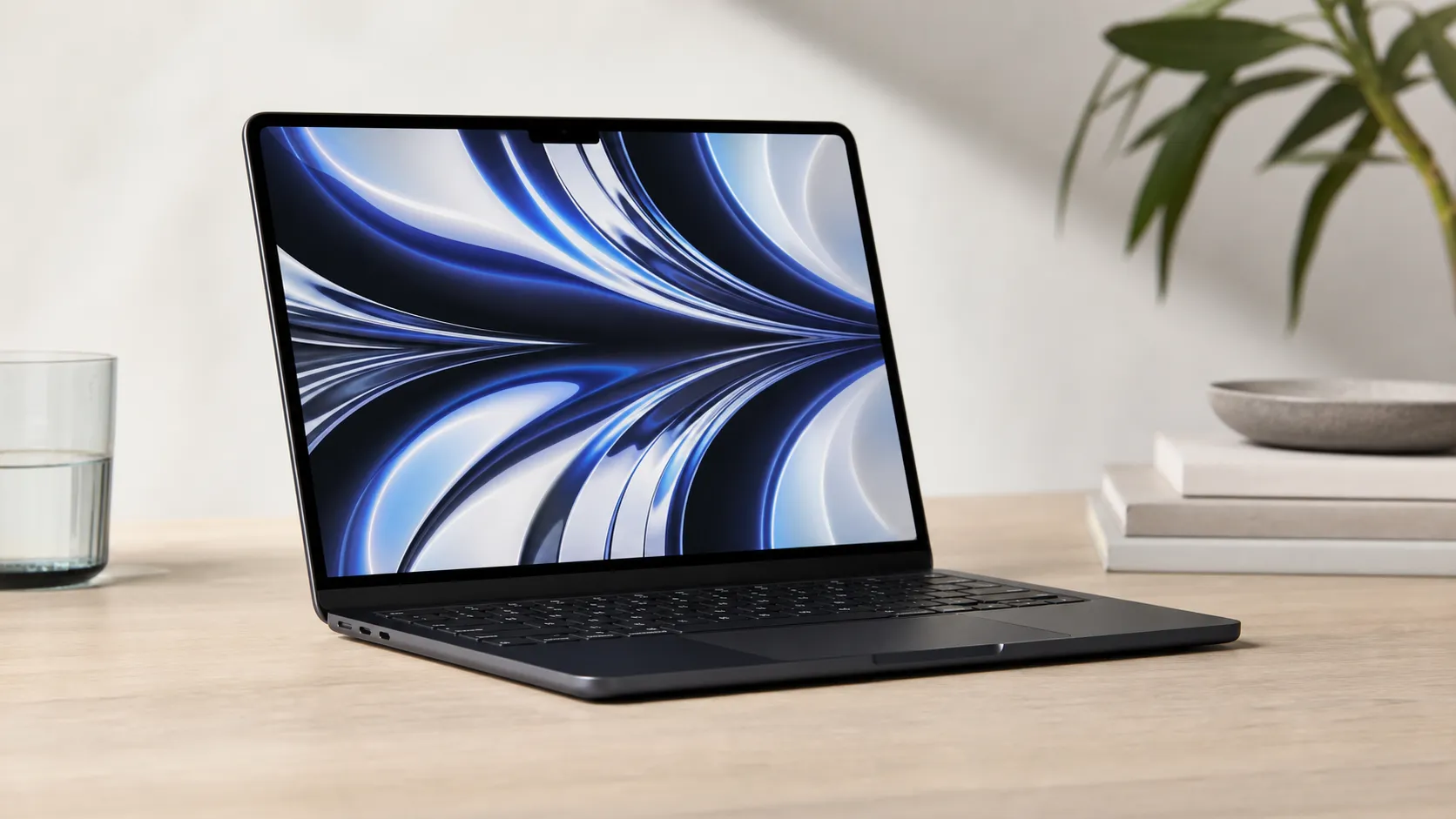
Apple MacBook Air (13-inch, M2) Review — 2026
A slim, quiet, and battery‑friendly choice for students and professionals. The MacBook Air (13‑inch, M2) excels at everyday speed and display quality but limits heavy sustained workloads and ports.
 Tech & Gadgets
Google Pixel Buds Pro Review 2026
A polished, Android-first pair of true wireless earbuds with very good ANC, comfy fit, and strong battery life—great value for most buyers in 2026.
 Tech & Gadgets
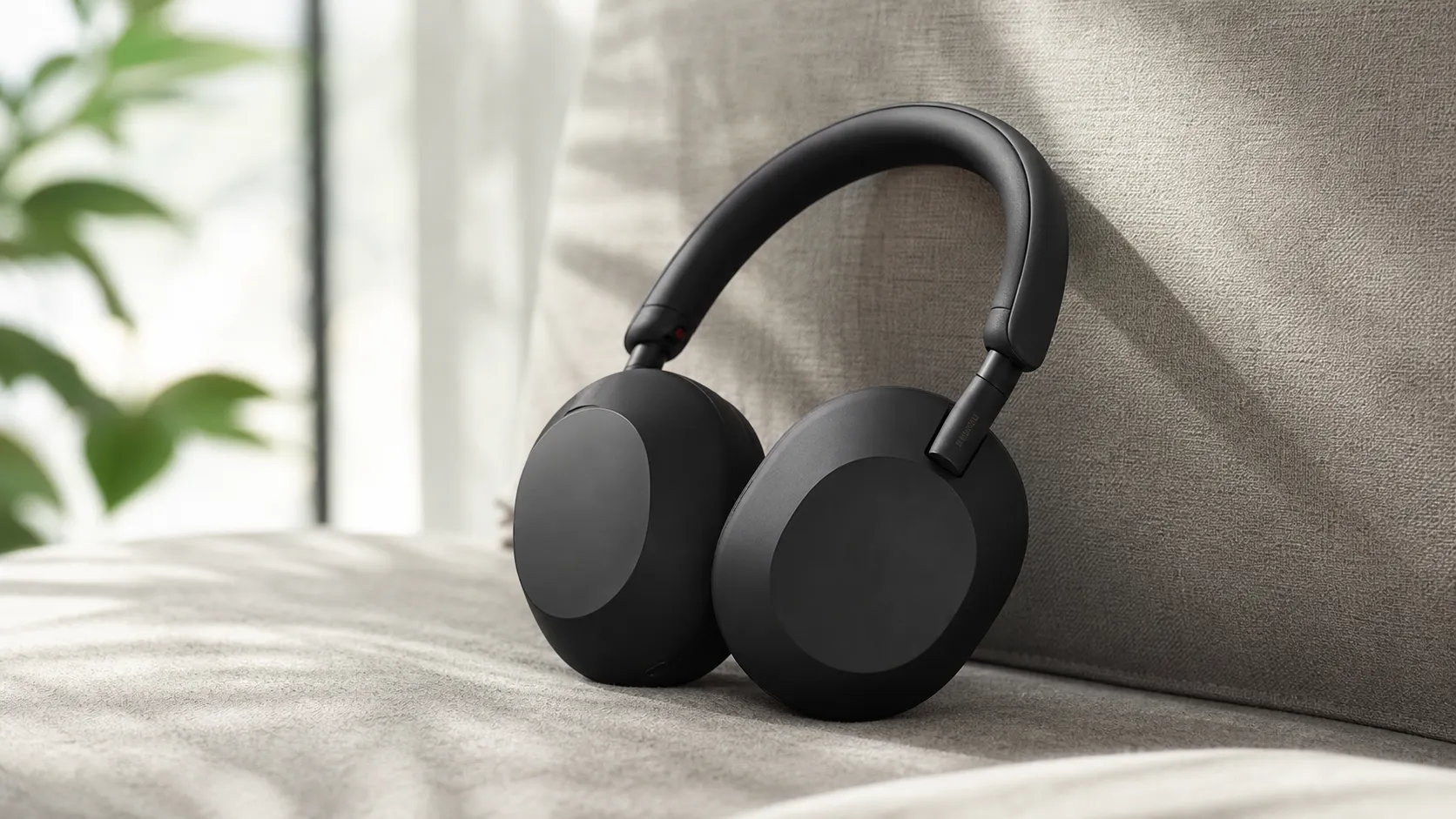
Sony WH-1000XM5 Review 2026 — ANC, Comfort & Value
Sony WH‑1000XM5: class‑leading ANC, exceptional comfort and long battery life — great for travel and calls, though sound tuning and a few durability reports divide opinions.