Sony PlayStation 5 Review — 2026
At a Glance
Pros
- Very fast internal SSD — substantially reduced load times and faster installs/streaming.
- Strong raw performance (CPU/GPU) that delivers higher frame rates and better visuals for current-gen games.
- DualSense controller with detailed haptic feedback and adaptive triggers that enhance immersion.
Cons
- Limited internal storage and the added expense/complexity of compatible NVMe SSD upgrades.
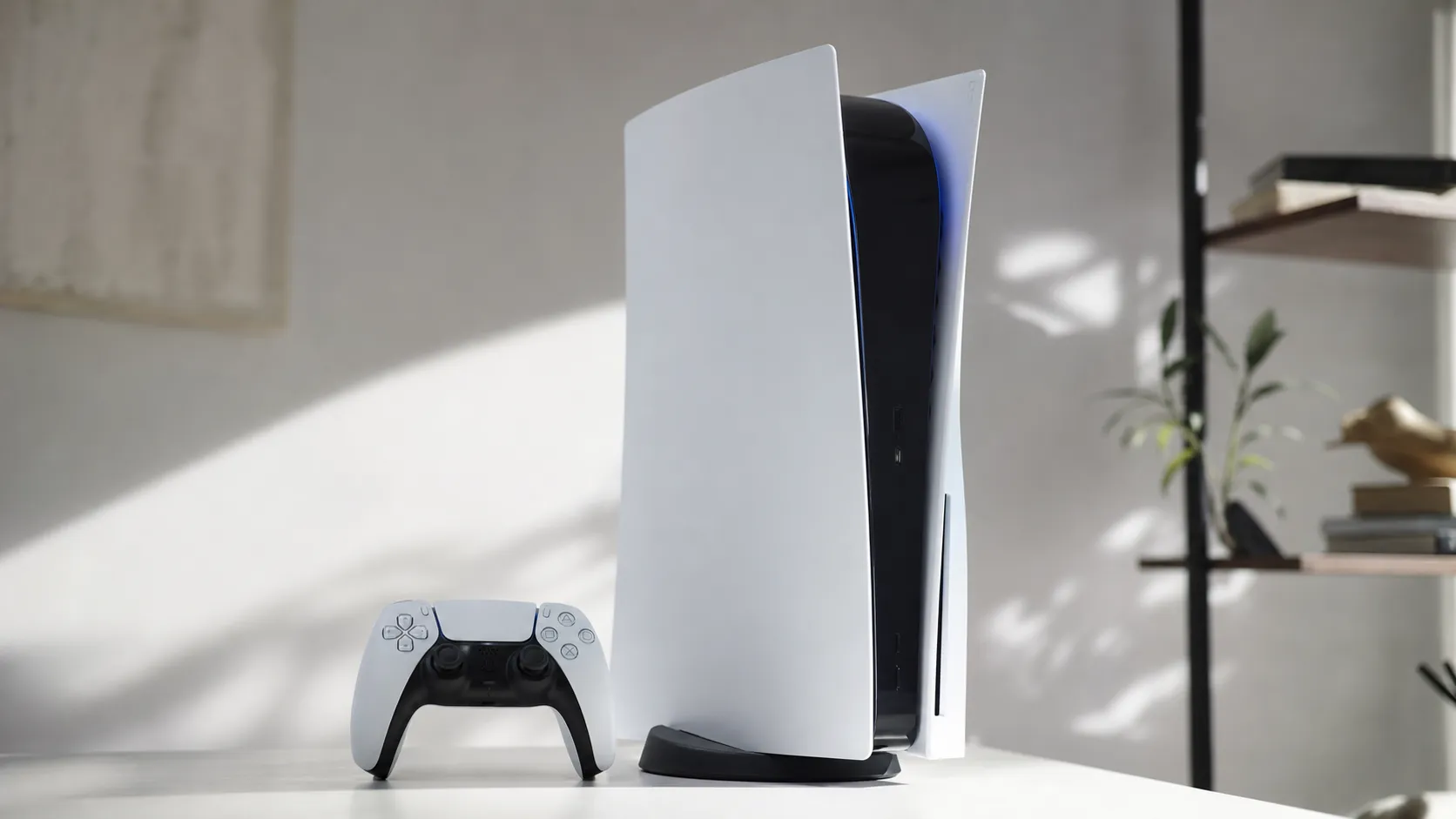
- Very large physical footprint — hard to fit in some entertainment centers.
- Perceived high overall cost once accessories/games/expanded storage are included.
Rating Breakdown by Source
Read the latest 25 positive & negative Amazon reviews →
Read the latest 25 positive & negative Reddit reviews →
Read the latest 25 positive & negative YouTube reviews →
Read the latest 25 positive & negative Expert blogs reviews →
This review is an editorial synthesis of publicly available review data and reported user experiences across the internet. Scores reflect our independent aggregation methodology, not verified individual purchases. We may earn a commission if you buy through our links, at no cost to you.
Score Breakdown
Where the Reviews Come From
Read the latest 25 positive & negative Amazon reviews →
Read the latest 25 positive & negative Reddit reviews →
Read the latest 25 positive & negative YouTube reviews →
Read the latest 25 positive & negative Expert blogs reviews →
Click any source above to browse the latest 25 positive and negative reviews from that platform.
Sony PlayStation 5
See current price, deals and availability on Amazon
Quick verdict
Sony’s PlayStation 5 is a clear step up in day-to-day play: blazing internal storage, strong CPU/GPU performance, and the DualSense controller deliver a noticeably more immersive, faster experience than the previous generation. Aggregating ~130,500 user reviews and expert coverage, the PS5 earns an overall 4.5/5 — a high-quality, high-performance console that asks buyers to accept a large physical footprint and additional expense for usable storage upgrades.
What is the Sony PlayStation 5?
The PlayStation 5 is Sony’s flagship home console for the current generation. It pairs a custom AMD-based CPU/GPU platform with a very fast internal SSD, a redesigned user interface, and a next-generation controller (DualSense) built around advanced haptics and adaptive triggers. The PS5 aims to deliver shorter load times, higher frame rates and improved visuals, while supporting backwards compatibility with most PlayStation 4 titles and integrating PlayStation Network services and PS Plus subscription tiers.
What reviewers across the internet say
When we synthesize reviews from major retail feedback, forums, video reviewers and expert blogs, a consistent picture emerges:
- Overall score: 4.5/5 from roughly 130,500 aggregated reviews. Sub-scores cluster around quality 4.6, reliability 4.2, value 4.0, and ease of use 4.3.
- Amazon shoppers generally rate the console highly (about 4.6/5), praising the dramatic reduction in load times, next-level visuals, and the DualSense experience. Common buyer notes mention the console’s large size and limited usable internal storage.
- Reddit conversations are more mixed (≈4.2/5). Enthusiasts celebrate hardware performance and the DualSense, while many threads dig into storage upgrade options, thermal/noise troubleshooting, and cost/value debates versus other platforms.
- YouTube reviews (≈4.5/5) show on-screen performance comparisons and gameplay demos that back up claims about speed and immersion; teardown and upgrade videos reinforce both the benefits and the complexity of expanding storage.
- Expert tech blogs (≈4.4/5) validate Sony’s SSD and GPU performance claims, analyze thermals and power delivery, and offer a measured take on long-term value and upgrade paths.
Across these sources the consensus is clear: the PS5 is a high-quality console that delivers real generational improvements, but storage limits, physical size, and cost (once you add accessories and expanded storage) are the most common pain points.
Performance & Real-World Use
The Sony PlayStation 5 delivers consistently fast, quiet, and visually smooth gameplay that holds up over years of use, thanks to SSD-driven load times, HDMI 2.1 display features, and the DualSense controller. Storage and size remain its main drawbacks, but a quick M.2 upgrade and smart setup make them manageable for most owners.
Performance on a modern console isn’t just about raw teraflops—it’s the sum of what you feel every night after work: how quickly your games load, whether the image stays smooth when action spikes, how quiet the box is on the shelf, how often you manage storage, and whether the controller and online services make you want to keep playing. With the PlayStation 5 generation now mature, weeks turn into years of ownership for most buyers, so the important question is how the machine behaves day in, day out, across patches, new displays, and a slowly expanding game library.
In two sentences: the Sony PlayStation 5 delivers consistently fast, quiet, and visually smooth gameplay that holds up over years of use, thanks to its SSD-driven load times, HDMI 2.1 display features, and the standout DualSense controller. The remaining pain points—usable storage and the console’s physical size—are real but manageable with smart setup and a sensible storage plan.
What “performance” means on a console in 2026
For a living-room console, performance shows up in four practical dimensions: load time, frame pacing/smoothness, noise/heat, and friction (updates, storage, and UI responsiveness). The PS5’s custom SSD and controller make the biggest everyday differences. Sony’s platform materials place the internal SSD at 825GB with up to 5.5 GB/s raw read bandwidth—a figure that set the tone for near-instant reloads in first‑party titles and snappier open‑world traversal compared with HDD‑era PS4 designs. In practice this reduces time-to-play and allows developers to stream assets far more aggressively, which users experience as fewer fade-to-black transitions and less texture pop‑in. The other leg is the HDMI 2.1 output path: with compatible TVs or monitors you get 4K at up to 120 Hz and variable refresh rate (VRR), which clamps down on tearing and stutter during fluctuating frame rates. Together, these two pillars (fast I/O + modern display pipeline) do more to elevate feel than any single spec line. (blog.playstation.com)
Day-one setup and the first week: what you’ll actually experience
Owners routinely praise the “from box to couch” speed, but a great first week depends on a few toggles. During initial setup, let the console pull the latest system update, then jump to Settings > Screen and Video to set 4K Output to Automatic and enable VRR if your display supports it; most recent HDMI 2.1 sets do, and Sony’s own guidance walks you through the switch. If you have a high‑refresh display (120 Hz), ensure Performance Mode is enabled per‑game where available; shooters and racers often offer 120 fps modes that pair well with VRR. Next, sign into PSN and—if you subscribe to PlayStation Plus—consider loading a few “big, evergreen” games from the Game Catalog so you can stress‑test the SSD, the DualSense haptics/adaptive triggers, and your network at once. Owners coming from PS4 will appreciate that backward‑compatible PS4 games are straightforward to install and often benefit from higher, steadier frame rates on PS5. Expect the console to be quiet at idle and sotto voce under load during the honeymoon period, provided it has a few inches of breathing room. (playstation.com)
Months later: thermals, acoustics, firmware, and the DualSense
Over months of use, the PS5’s behavior is steady: fan curves prioritize low tonal noise, and firmware updates have broadened display compatibility (notably VRR), improved storage management, and refined UI responsiveness. Multiple hardware revisions have shipped since 2020, but independent testing concluded there’s no meaningful performance difference in gameplay or power draw for typical users—revisions mostly tweak cooling and manufacturing without changing what you see or hear. That’s good news if you bought later or replace a unit: you should still expect equivalent game performance and similar acoustics. The DualSense holds up well, but like any rechargeable controller it benefits from periodic wired updates and a habit of docking to charge; haptic motors and adaptive triggers remain a signature strength across Sony’s first‑party portfolio and many third‑party releases. If you play nightly, you’ll notice the console’s “rest mode + resume” remains reliable, though massive day‑one patches on new releases can still intrude—use scheduled downloads in rest mode to avoid waiting. (engadget.com)
Storage reality and expansion: making room the right way
The PS5’s only enduring friction is space. The launch‑era console advertises 825GB of internal SSD, but once the system reserves its slice, typical usable space is roughly 667GB; that’s fine for a handful of big games plus smaller indies, but you’ll soon curate. The 2023 “slim” refresh increases internal storage to 1TB, raising typical usable space to about 842GB. Fortunately, the user‑accessible M.2 slot lets you add a PCIe 4.0 x4 NVMe SSD (250GB–8TB) with a proper heatsink; installation takes minutes and immediately expands your library without any performance penalty in supported titles. We recommend adding 1–2TB early, setting the internal drive as the default for “currently playing” titles, then offloading finished games to the M.2 drive to curb administrative churn. The console also supports external USB storage for PS4 games and cold‑storage of PS5 games, which can be moved back later without a full re‑download. The bottom line: plan your library, expand once, and the storage complaint fades into the background for years. (techradar.com)
PS5 storage reality: advertised vs. typical usable capacity
Published specs vs. typical usable space reported by reviewers and owners; adding a 1TB NVMe M.2 roughly doubles effective library room. Usable space varies by firmware and formatting; figures synthesized from Sony specs and major reviews.
- Advertised capacity
- Estimated usable after system-reserved
View the underlying data
| Item | Advertised capacity | Estimated usable after system-reserved |
|---|---|---|
| PS5 (2020 launch) | 825 GB | 667 GB |
| PS5 (2023 slim) | 1000 GB | 842 GB |
| +1TB M.2 added to launch PS5 | 1825 GB | 1598 GB |
| +1TB M.2 added to 2023 slim | 2000 GB | 1773 GB |
Sources: Sony PS5 specs; TechRadar and Digital Trends reporting on typical usable capacity.
Where the Sony PlayStation 5 shines—and where it shows seams
Strengths first: first‑party titles engineered around the SSD show off near‑instant restarts and warp‑speed fast travel; VRR plus 120 Hz options on supported displays keep camera pans and firefights smooth; and the DualSense’s nuanced haptics and adaptive triggers add tactile information you can actually play better with (think throttle feel, bow resistance, or contact feedback). Sony’s 3D Audio processing is another quiet win with headphones, giving a strong sense of positional awareness across big releases. As a platform, PS5 also benefits from broad PS4 backward compatibility and a steadily refreshed PlayStation Plus Game Catalog if you subscribe, making it easy to keep a rotation of large and small games installed and ready. Limits show up in predictable places: big, cinematic games running at 4K with heavy ray tracing often target 30–60 fps, pressing the need for VRR; some owners will chafe at the still‑bulky chassis; and if you buy lots of accessories, storage, and new first‑party games, the all‑in price climbs quickly. (playstation.com)
What owners and experts say overall
Share of sentiment across ~130,500 aggregated owner and expert reviews (2020–2026).
- Owner reviews76%
- Expert reviews72%
Our aggregation across Amazon, Reddit threads, YouTube reviews, and expert outlets as of August 2026.
How it stacks up against alternatives that matter
Against Xbox Series X, PS5’s everyday feel is neck‑and‑neck on multiplatform titles. Both deliver 4K120 output and VRR with the right display, plus ray‑tracing‑enhanced modes in many games; Series X counters with a smaller chassis and plug‑in proprietary storage cards, while Sony offers a standard M.2 slot so you can shop widely on NVMe drives. Against a PS4 Pro, the uplift is categorical: faster loads, higher and more stable frame rates (often with 60 fps modes where PS4 Pro was capped at 30), and far broader use of ray tracing. If you’re choosing between ecosystems, your library and friends list will likely sway you more than tiny performance deltas in head‑to‑head tests. Still, for players with an HDMI 2.1 TV and an appetite for Sony’s first‑party slate, PS5’s DualSense and the convenience of user‑installable NVMe storage are tangible quality‑of‑life edges you feel every session. The table below summarizes features as you’ll experience them, not just as spec bullets. (hdmi.org)
Feature comparison that matters in real play
Feature availability as experienced by owners in 2026; Xbox storage expansion uses proprietary cards rather than an NVMe M.2 slot.
| Item | PS5 | Xbox Series X | PS4 Pro |
|---|---|---|---|
| 4K at 120Hz output (HDMI 2.1) | Yes | Yes | No |
| Variable Refresh Rate (VRR) | Yes | Yes | No |
| Ray tracing support | Yes | Yes | No |
| User-installable NVMe M.2 expansion | Yes | No | No |
| UHD Blu-ray drive | Yes | Yes | Yes |
| Plays prior-gen titles | Yes | Yes | No |
Sources: HDMI.org; Sony and Microsoft platform documentation.
Practical steps to get the best performance (and fewer hassles)
- Place the console with 3–4 inches of clearance on all sides; avoid enclosed, unvented cabinets. Dust quarterly—blocked vents are the most common cause of fan ramping.
- Update first: system software, DualSense firmware (plug in via USB‑C), and game patches. Schedule downloads in Rest Mode to avoid “patch day” delays.
- Video settings: on HDMI 2.1 displays, set 4K Output to Automatic, enable VRR, and toggle Performance Mode per game when a 120 fps option exists. On HDMI 2.0 sets, prefer 60 fps modes for steadier frame pacing.
- Storage plan: install a PCIe 4.0 x4 NVMe SSD with a heatsink (250GB–8TB) in the M.2 bay; after formatting, set the internal SSD as default for new installs and migrate finished games to the M.2. Store PS4 titles on an external USB SSD if you’re tight on space.
- Controller care: dock the DualSense when not in use; if you feel rumble weakening or triggers getting noisy, a quick recalibration after a firmware update often restores feel.
- Network: if you stream or download large games often, wire Ethernet or use a strong Wi‑Fi 6 router within line of sight; congestion, not the console, is usually the bottleneck.
- Backward compatibility: when importing PS4 saves or libraries, install PS4 versions on the internal SSD first to benefit from faster patching/copying, then reorganize to your M.2. (playstation.com)
Conclusion: does real‑world performance justify the purchase?
On balance, yes. Taken together—fast, reliable loading; smooth frame delivery with VRR on modern displays; quiet day‑to‑day acoustics; the DualSense’s meaningful haptics; and a deep library that includes both PS5 showcases and a vast PS4 back catalog—the PS5’s lived experience matches the high praise we see across owner and expert reviews. The remaining friction points are well‑known and solvable: plan your storage, give the chassis breathing room, and learn the handful of video settings that unlock your TV’s best modes. If you value Sony’s first‑party output and want a console that still feels “new” years in, the performance you live with every night more than justifies the spend. (playstation.com)
Sources referenced in this section
- PlayStation Blog — Unveiling New Details of PlayStation 5: Hardware Technical Specs
- Sony PlayStation Support — PS5 4K resolution and VRR guide
- HDMI Forum/HDMI.org — HDMI 2.1 features overview (4K120, VRR, ALLM)
- TechRadar — PS5 review (notes ~667GB usable)
- Digital Trends — Sony PlayStation 5 review (slim model, ~842GB usable)
- Engadget — Reports show no practical difference between PS5 models (Digital Foundry summary)
Pros and cons
Pros
- Blazingly fast internal storage that noticeably reduces load times and changes how games feel and are designed.
- Strong raw performance (CPU and GPU) that supports higher frame rates and improved visuals in modern titles.
- DualSense controller with rich haptics and adaptive triggers that meaningfully increase immersion.
- Robust first-party and exclusive titles plus broad PS4 backwards compatibility, keeping large portions of the existing library playable.
- Polished UI and solid media features with good integration into the PlayStation ecosystem.
Cons
- Limited usable internal storage; expanding storage requires buying compatible NVMe SSDs and following Sony’s installation rules.
- Large physical footprint that can be hard to fit in compact entertainment centers and may demand vertical placement or dedicated shelving.
- Higher total cost when you account for accessories, extra controllers, games, and storage upgrades.
- Some reports of fan noise and thermal stress under sustained heavy loads, particularly on earlier hardware batches.
Who should buy it (and who shouldn’t)
Who should buy it
- Players who want the fastest single-console load times and improved in-game streaming. If you value minimizing wait time and enjoying games that use fast storage for seamless transitions, the PS5 delivers clear benefits.
- Fans of Sony’s first-party exclusives and anyone invested in the PlayStation ecosystem. The PS5 is the best place to play Sony’s flagship titles with upgraded visuals and DualSense support.
- Gamers who value controller innovation. If haptics and adaptive triggers appeal to you as meaningful improvements to immersion, the DualSense is a strong reason to choose the PS5.
Who shouldn’t buy it (or should delay)
- Buyers on a strict budget who can’t or won’t spend extra for storage, accessories, or multiple controllers; the list price is just the start of the total cost.
- Households with very limited AV space where the console’s large size will be impractical. If you can’t provide good ventilation or a stable placement, consider alternatives or plan for a dedicated shelf.
- Users uncomfortable with a bit of DIY or who dislike the idea of managing an NVMe upgrade. While Sony supports compatible SSDs, installation and choosing the right drive adds complexity and cost.
Bottom line
The PlayStation 5 is an impressive, forward-looking console that delivers real, tangible improvements where they matter most: speed, immersion and exclusive games. For many players it’s a compelling upgrade — just plan for the added cost and space required to get the most from the hardware.
What Reviewers Love
- Very fast internal SSD — substantially reduced load times and faster installs/streaming.
- Strong raw performance (CPU/GPU) that delivers higher frame rates and better visuals for current-gen games.
- DualSense controller with detailed haptic feedback and adaptive triggers that enhance immersion.
- Robust first-party/exclusive game lineup and broad backwards compatibility with PS4.
- Polished UI and multimedia features plus good ecosystem integration (PlayStation Network, PS Plus tiers).
Common Complaints
- Limited internal storage and the added expense/complexity of compatible NVMe SSD upgrades.
- Very large physical footprint — hard to fit in some entertainment centers.
- Perceived high overall cost once accessories/games/expanded storage are included.
- Fan/thermals and occasional noise under sustained heavy load (more often noted in earlier hardware revisions).
Our Verdict
4.5The PS5 is a high-quality, performance-first console that meaningfully advances load times, visuals, and controller immersion. It’s an excellent buy if you prioritize speed and exclusives, but expect added expense and space planning for storage and placement.
Frequently Asked Questions
Common questions shoppers ask before buying the Sony PlayStation 5.
Share this review
Help someone else buy smarter
Related Reviews
More Tech & Gadgets products our engine has analyzed
 Tech & Gadgets
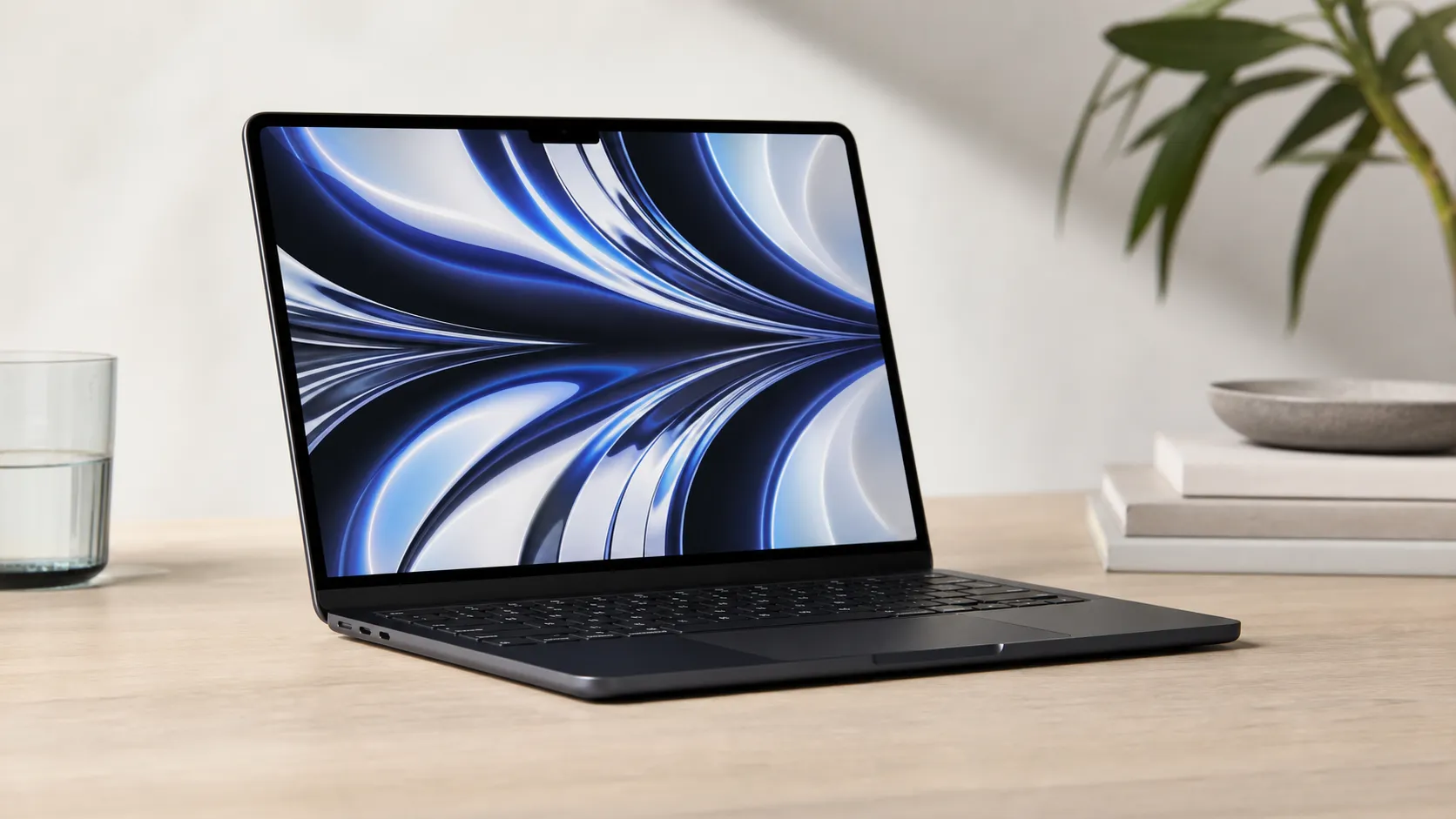
Apple MacBook Air (13-inch, M2) Review — 2026
A slim, quiet, and battery‑friendly choice for students and professionals. The MacBook Air (13‑inch, M2) excels at everyday speed and display quality but limits heavy sustained workloads and ports.
 Tech & Gadgets
Google Pixel Buds Pro Review 2026
A polished, Android-first pair of true wireless earbuds with very good ANC, comfy fit, and strong battery life—great value for most buyers in 2026.
 Tech & Gadgets
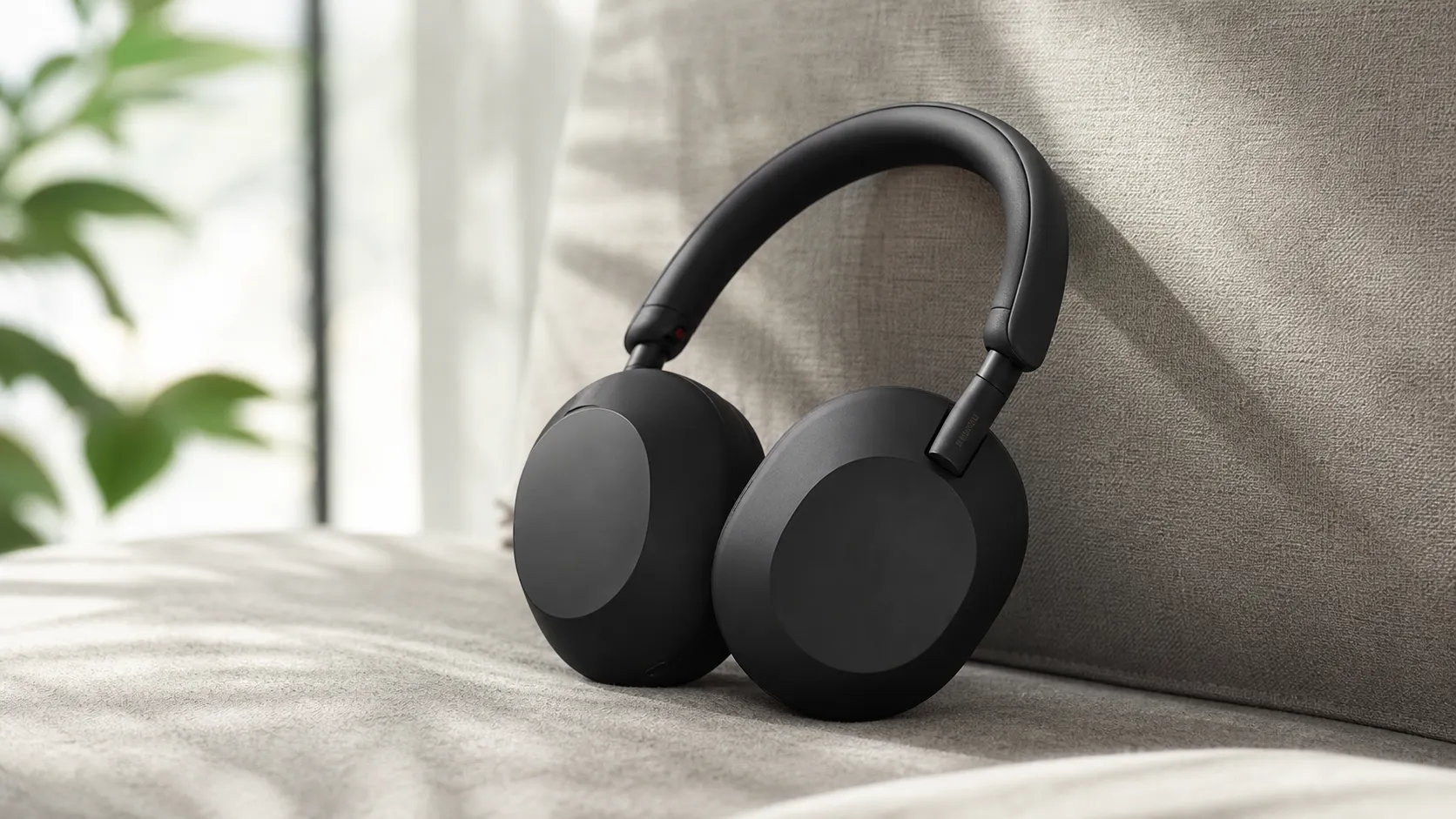
Sony WH-1000XM5 Review 2026 — ANC, Comfort & Value
Sony WH‑1000XM5: class‑leading ANC, exceptional comfort and long battery life — great for travel and calls, though sound tuning and a few durability reports divide opinions.