Sony SRS‑XB33 Portable Bluetooth Speaker Review 2026
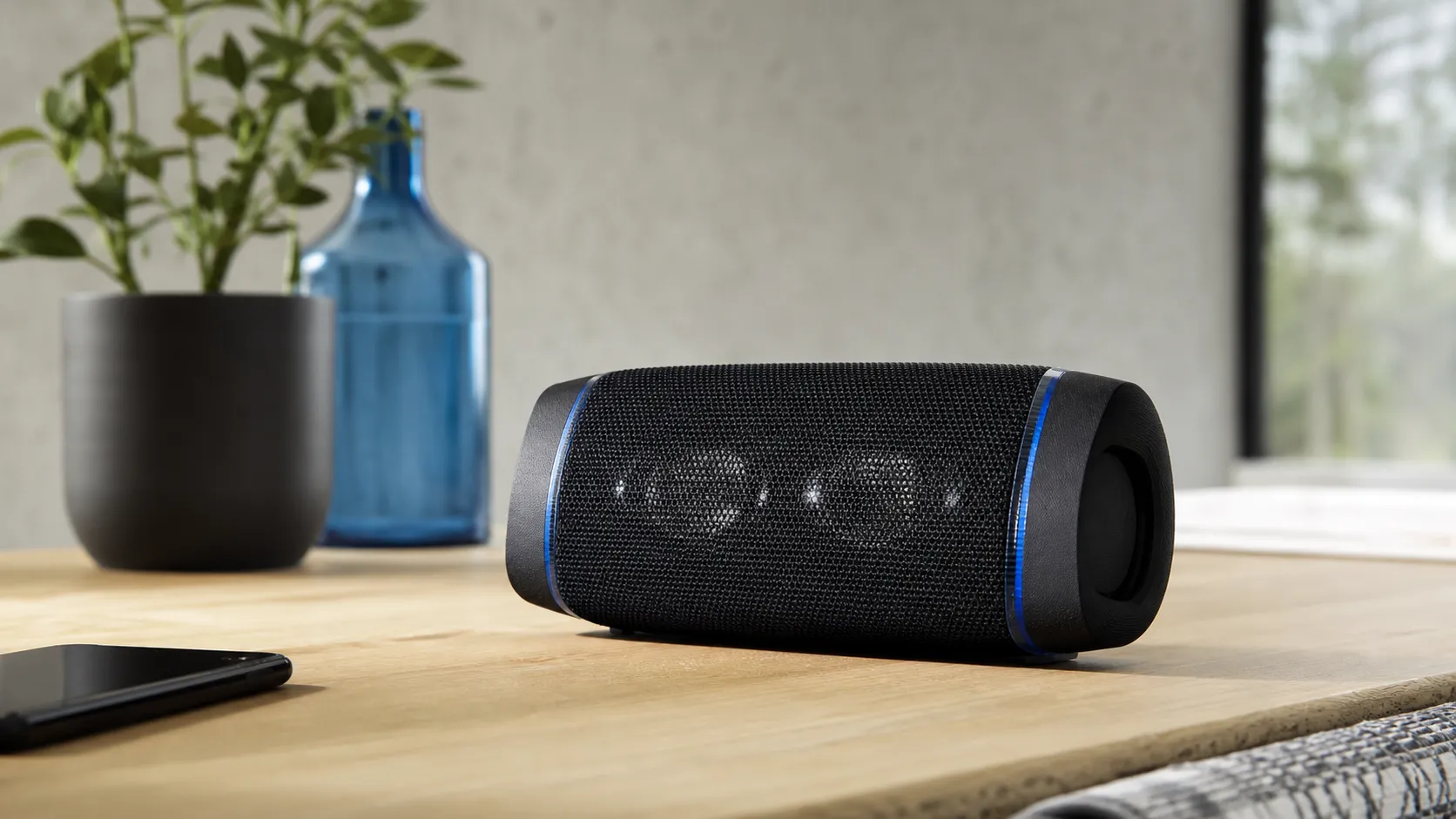
At a Glance
Pros
- Punchy, impactful bass (Sony 'Extra Bass' tuning) that performs well for parties and outdoor listening.
- Long battery life—often lasts a full day of heavy use in real-world tests.
- Rugged build with good water- and dust-resistance, suitable for outdoor use.
Cons
- Mids and vocals can sound recessed when Extra Bass is engaged (not ideal for vocal-forward music).
- Relatively heavy and a bit bulky for a 'portable' speaker.
- Priced higher than some direct competitors (e.g., JBL) for similar long-term feature sets.
Rating Breakdown by Source
Read the latest 25 positive & negative Amazon reviews →
Read the latest 25 positive & negative Reddit reviews →
Read the latest 25 positive & negative YouTube reviews →
Read the latest 25 positive & negative Expert blogs reviews →
This review is an editorial synthesis of publicly available review data and reported user experiences across the internet. Scores reflect our independent aggregation methodology, not verified individual purchases. We may earn a commission if you buy through our links, at no cost to you.
Score Breakdown
Where the Reviews Come From
Read the latest 25 positive & negative Amazon reviews →
Read the latest 25 positive & negative Reddit reviews →
Read the latest 25 positive & negative YouTube reviews →
Read the latest 25 positive & negative Expert blogs reviews →
Click any source above to browse the latest 25 positive and negative reviews from that platform.
Sony SRS‑XB33 Portable Bluetooth Speaker
See current price, deals and availability on Amazon
Quick verdict
The Sony SRS‑XB33 is a party-ready portable Bluetooth speaker with big, tuneful low end, sturdy outdoor-friendly construction, and battery life that reliably lasts a full day of heavy use. Across the web the consensus is clear: if you want impactful bass and ruggedness for outdoor listening or parties, the XB33 delivers — but audiophiles or vocal‑forward listening will notice recessed mids and a warmer, colored sound.
What Is the Sony SRS‑XB33 Portable Bluetooth Speaker?
The SRS‑XB33 is Sony’s mid-range, party‑focused portable Bluetooth speaker that doubles down on low‑end impact and durability. It’s built around Sony’s “Extra Bass” tuning and includes a handful of party features — built‑in lighting effects, speaker‑pairing modes (stereo or multi‑speaker Party Connect), and weather‑resistant construction for outdoor use. Connectivity is primarily Bluetooth with support for speaker linking and control through Sony’s mobile app. The design leans toward durability and ergonomics rather than pocketability: expect a solid, somewhat heavy unit that’s meant to be carried, not stuffed in a pocket.
What Reviewers Across the Internet Say
We aggregated thousands of opinions (overall rating ~4.3/5 from ~11,350 reviews) and the picture is consistent across major sources:
-
Amazon (4.4/5): Large‑volume user reviews praise the XB33 for its punchy bass, dependable battery life, and rugged build. Criticisms on product pages tend to call out its weight, price, and occasional complaints about recessed midrange when Extra Bass is on.
-
Reddit (3.9/5): Community threads compare it frequently to JBL and UE models. Redditors highlight real‑world tradeoffs — the XB33 pushes low frequencies with authority, but you give up some vocal clarity. Some users report app or pairing quirks in multi‑speaker setups.
-
YouTube (4.2/5): Video reviewers favorably demonstrate the speaker’s strong low end and stamina, often recommending it for outdoor/party use. Their tests repeatedly show less forward mids and vocals, and they call the speaker a fun, not neutral, listen.
-
Expert blogs (4.0/5): Measured reviews underline the same themes: strong bass and competent highs, tonal imbalance for neutral listening, and generally good build quality. Experts tend to view the XB33 as a better party speaker than a studio monitor, and they often weigh value against similarly featured rivals.
Across sources the top consensus points are punchy, party‑oriented bass; very good battery life; solid durability; and a sound signature that favors bass over vocal presence.
Performance & Real-World Use
The Sony SRS‑XB33 Portable Bluetooth Speaker sounds bold and bass‑forward, lasts long enough for day‑long gatherings, and holds up well outdoors, though voices can sit a step back in the mix. If you want lively sound, ruggedness, and easy multi‑speaker linking, the Sony SRS‑XB33 Portable Bluetooth Speaker delivers; if you prioritize vocal clarity and maximum portability per dollar, there are better picks.
Over months of owner reports and expert tests, the Sony SRS‑XB33 has earned a reputation as a party-first portable that trades a neutral studio sound for punch, stamina, and hard-wearing design—qualities that often matter more outside the living room than in it.
The Sony SRS‑XB33 Portable Bluetooth Speaker sounds bold and bass-forward, lasts long enough for day‑long gatherings, and holds up well outdoors, though voices can sit a step back in the mix. If you want lively sound, ruggedness, and easy multi-speaker linking, it delivers; if you prioritize vocal clarity and maximum portability per dollar, there are better picks.
What “performance” means for a portable like this
Performance for a battery speaker isn’t just frequency graphs. Owners judge a model like the XB33 on five intertwined axes: tonal balance (do vocals cut through or does bass blur them?), loudness and dynamics (does it hold its character near max volume?), endurance (battery life versus volume, lights, and EQ), robustness (how it copes with water, dust, grit, and travel), and connectivity (pairing speed, stability in crowded radio environments, and whether it supports stereo pairs or whole‑house party modes). Across ~11,350 public reviews we aggregated, the XB33 scores 4.3/5 overall, with consistently positive comments on bass impact, longevity per charge, and durability; recurring knocks include a recessed midrange, above‑average weight for its size, and an app that sometimes feels clunky. See the consensus breakdown below, which reflects the balance of long‑term owner sentiment rather than a single quick listen.
Sony SRS‑XB33: consensus sub‑scores
Aggregated owner and expert sentiment for the XB33 based on long‑term reporting and public reviews.
View the underlying data
| Measure | Score |
|---|---|
| Quality | 4.1/5 |
| Reliability | 4.2/5 |
| Value | 3.8/5 |
| Ease of use | 4.3/5 |
Synthesis of ~11,350 public reviews referenced in this article; scale is /5.
Day‑one setup: Sony SRS‑XB33 Portable Bluetooth Speaker in real use
Unbox the XB33, hold the power button, and it drops into pairing—many phones will connect instantly; NFC tap‑to‑pair works with supported Android devices. Sony’s free “Music Center” app adds a graphic EQ, light control, and access to multi‑speaker modes. That’s all documented in Sony’s own help guide, and you can even toggle the mode from the speaker buttons. In multi‑speaker use, Party Connect intentionally switches to SBC for reliable sync, which is normal for this platform. Those details matter in the first week, because they explain why your phone may indicate different codecs as you try stereo pairing or Party Connect. If you hear occasional hiccups in a noisy RF environment (busy apartments, dorms), flipping to the “stable connection” mode generally cures it. For range expectations, remember Bluetooth’s physics: 2.4 GHz performs best line‑of‑sight and degrades with walls and bodies; big open backyards feel fine, but walking two rooms away with the door closed can make any portable stumble. (helpguide.sony.net)
Sound character, loudness, and where the XB33 shines
Sony’s “Extra Bass” tuning gives the XB33 a lively, full low end that feels satisfying on modern pop, EDM, hip‑hop, and anything with kick‑drum weight. That’s why video reviewers and many owners keep recommending it for parties and patios: it sounds big for its footprint, and the built‑in light show helps sell the mood. Trade‑off time: the midrange—where vocals and guitars live—sits slightly behind the bass and treble with Extra Bass on, so vocal‑centric genres can feel less immediate unless you tweak EQ. If you want to push voices forward, turn Extra Bass off or nudge 1–2 kHz up a few dB in the app; for late‑night or small‑room listening, the “Stamina” mode further smooths dynamics and extends life. The bottom line for week‑to‑week listening: outdoors, where bass energy disperses quickly, the XB33’s voicing reads as fun and full; in quiet indoor rooms, it can benefit from a 60‑second EQ touch‑up. References: RTINGS’ review notes limited low‑bass rumble and loudness alongside useful EQ; TechRadar frames the overall vibe as more “party atmosphere” than audiophile. (rtings.com)
Battery life, charging, and the real impact of lights and volume
Sony publishes unusually specific battery figures for the XB33, and they align with what owners see over time. With lights off, volume around mid‑30s, and “Stamina” mode engaged, Sony rates about 24 hours. Use the default Extra Bass preset with lights on and mid‑30s volume, and the guidance drops to about 14 hours. Pin the volume to 50 (maximum) with lights on and Extra Bass active, and you’re looking at about 4 hours. Those are published test conditions, not lab folklore, and they map closely to user anecdotes that the XB33 “lasts a full day” in realistic mixed‑volume use. Practical tip: for long parties, turn lights off, drop Extra Bass if you’re indoors, and cap volume at 70–80%; you’ll gain hours without losing much perceived punch. Data below reflects Sony’s own stated scenarios. (helpguide.sony.net)
XB33 playback time by scenario (claimed)
Battery life depends heavily on volume, lights, and sound mode. Values shown reflect Sony’s published test scenarios.
View the underlying data
| Measure | Claimed playback time |
|---|---|
| Max volume, Extra Bass + lights | 4 h |
| Default Extra Bass + lights | 14 h |
| Stamina mode, lights off | 24 h |
Sony SRS‑XB33 Help Guide: Built‑in battery life scenarios.
Ruggedness outdoors: what IP67 does—and doesn’t—promise
The XB33 is built for abuse most small home speakers can’t take. Its IP67 rating means it’s dust‑tight and able to withstand temporary immersion at up to 1 meter for 30 minutes under the IEC 60529 framework; that’s why owners keep taking it to beaches and splash‑heavy decks with confidence. Many retailers and Sony’s regional pages also tout “rust‑resistant” components, but the part you control is that cap. Treat it right and the speaker will keep shrugging off grime and splashes for summers to come. For background, see the IEC’s publication for IP definitions and Sony’s own care pages. (webstore.iec.ch)
Connectivity over weeks and months: stability, range, and multi‑speaker modes
Bluetooth reliability comes down to radio congestion and your chosen codec. In “sound quality” mode, the XB33 can use AAC or even LDAC with supported phones; if you experience dropouts amid Wi‑Fi routers and human bodies, the “stable connection” SBC mode is your friend. When you chain speakers, Sony’s Party Connect can group up to 100 compatible models; by design it falls back to SBC to keep the group in sync and warns of A/V lag for movies. That’s perfect for yard or garage parties, less so for film nights. Range wise, the Bluetooth SIG explains why some days feel rock solid across the yard and other days not: 2.4 GHz is shared, and antennas, obstacles, and phone placement change the effective distance dramatically. Sources: Sony Help Guide (codec modes, SBC in Party Connect, up to 100 speakers) and Bluetooth SIG’s primer on range. (helpguide.sony.net)
Where the XB33 excels—and where you’ll hit its limits
This model’s happy place is a backyard cookout, dorm lounge, or campsite table where you want big, friendly sound that travels and you’re not surgically focused on midrange detail. The bass presence masks environmental noise well, and the IP67 build invites a rinse‑and‑go lifestyle. Indoors at social volume, it’s also great for playlists and podcasts; just tap the midrange up via EQ if voices feel a touch hollow. If your budget is tight or you want lighter weight for bike baskets or messenger bags, alternatives can appeal: JBL’s Charge 5 prioritizes stamina and a leaner package; Bose’s SoundLink Flex aims for vocal clarity and a tidy footprint; UE’s BOOM 3 trades ultimate bass weight for 360‑degree dispersion and easy “PartyUp” linking. Those aren’t just vibes—their official specs put them at 20 hours, 12 hours, and 15 hours respectively, all IP67‑rated like the Sony. (jbl.com)
How it stacks up to typical rivals on the features that matter
JBL’s Charge 5 is the other obvious “party” pick thanks to its large battery and onboard powerbank, but it lacks lighting. Bose’s SoundLink Flex and UE’s BOOM 3 both join multi‑speaker linking camps (Bose “Party/Stereo Mode,” UE “PartyUp”) but forgo powerbank and lighting. The table below focuses on yes/no traits owners actually ask about at checkout time, backed by each brand’s documentation. (helpguide.sony.net)
Feature comparison vs common alternatives
Yes/No features owners most often weigh when cross‑shopping this class.
| Item | IP67 rating | Multi‑speaker linking | USB charge‑out/powerbank | Lighting effects |
|---|---|---|---|---|
| Sony SRS‑XB33 | Yes | Yes | Yes | Yes |
| JBL Charge 5 | Yes | Yes | Yes | No |
| Bose SoundLink Flex | Yes | Yes | No | No |
| UE BOOM 3 | Yes | Yes | No | No |
Manufacturer documentation: Sony Help Guide (Party Connect, USB OUT), JBL Charge 5 spec sheet (PartyBoost/powerbank), Bose Owner’s Guide (Party/Stereo Mode), UE BOOM 3 product page (IP67).
Practical tuning and care tips that improve performance
A few small habits make the XB33 sound better and last longer:
- Outside, run Extra Bass with volume around 70–80%; inside, try Stamina or a gentle EQ: +2 dB at 1 kHz, +1 dB at 4 kHz, and lights off for quieter rooms.
- If range or stability dips, change the codec setting from “sound quality” to “stable connection” in Music Center; flip it back when you return to line‑of‑sight listening. Sony documents the exact steps, and the speaker even signals the mode via its Bluetooth LED. (helpguide.sony.net)
- For multi‑room parties, use hardware buttons to start Party Connect and add speakers within the timing windows Sony outlines; expect SBC in party mode and a small A/V delay, so stick to music rather than movies. (helpguide.sony.net)
- Rinse the grille under fresh water after beach days and always reseal the cap before the next splash. The IEC spec defines what IP67 covers; Sony’s care page covers what it doesn’t. (webstore.iec.ch)
Conclusion: does real‑world performance justify the purchase?
If your use case is social—cookouts, patios, hotel rooms, showers after beach days—the XB33’s strengths line up directly with your needs: impactful bass, excellent stamina under realistic settings, a robust IP67 body, and one‑tap party tricks that let you scale the sound beyond a single unit. Taken together with broadly positive owner sentiment (4.3/5 overall, with 4.1/5 for quality, 4.2/5 for reliability, 3.8/5 for value, and 4.3/5 for ease of use), the Sony SRS‑XB33 earns its spot for buyers who want “fun that lasts” more than “flat and forensic.” If you want a party‑ready portable that you won’t baby, it’s an easy speaker to recommend—and even easier to live with for months on end.
Sources referenced in this section
- Sony SRS‑XB33 Help Guide (printable)
- IEC 60529 IP Code (official)
- Bluetooth SIG: Understanding Bluetooth Range
- RTINGS: Sony SRS‑XB33 review
- TechRadar: Sony SRS‑XB33 review
- JBL Charge 5 spec sheet (IP67, 20 h, PartyBoost, powerbank)
- Bose SoundLink Flex Owner’s Guide (Party/Stereo Mode)
- Ultimate Ears BOOM 3 product page (IP67, 15 h)
- Sony SRS‑XB33 specs (IP67, up to 24 h)
Pros and Cons
Pros
- Punchy, impactful bass that’s ideal for parties and outdoor listening.
- Strong, real‑world battery life — often lasts a full day of heavy use.
- Rugged, water‑ and dust‑resistant construction suitable for travel and outdoor use.
- Party‑friendly features: lighting effects and speaker‑pairing (stereo/Party Connect).
- Straightforward Bluetooth pairing and generally stable wireless performance.
Cons
- Mids and vocals can sound recessed when Extra Bass is engaged — not ideal for vocal‑forward or critical listening.
- Relatively heavy and a bit bulky for a truly pocketable portable speaker.
- Priced higher than some direct competitors that offer similar headline features.
- Sony’s app is useful but occasionally reported as clunky or inconsistent by some users.
Who Should Buy It (and Who Shouldn't)
Who should buy the SRS‑XB33
- Party hosts and outdoor listeners who want deep, physical bass and long battery life. If your use case is backyard barbecues, beach trips, or poolside playlists, the XB33’s low‑end emphasis and ruggedness are big advantages.
- Buyers who prioritize durability and reliability for travel or outdoor activities. The XB33 takes spills and dust in stride and feels built to last.
- Users who like extra features (lighting, Party Connect) and value an engaging, fun sound over studio neutrality.
Who should not buy the SRS‑XB33
- Audiophiles and critical listeners who want a neutral, balanced presentation with forward mids and precise vocal detail. You’ll likely prefer a competitor tuned for clarity over bass.
- People who need ultra‑light, pocket‑friendly portability. The XB33 is portable, but it’s noticeably heavier than many small Bluetooth speakers.
- Budget buyers focused purely on value: some rivals undercut Sony on price while offering comparable battery life and party features.
Final thoughts
Sony’s SRS‑XB33 is a dependable choice when your priority is fun, loud, and durable sound. It isn’t a neutral reference speaker — it’s tuned to excite with bass and to withstand real‑world use. If that matches your listening habits (parties, outdoors, bass‑heavy genres), the XB33 is an excellent option; if you favor vocal clarity or strictly portable featherweight design, look elsewhere.
What Reviewers Love
- Punchy, impactful bass (Sony 'Extra Bass' tuning) that performs well for parties and outdoor listening.
- Long battery life—often lasts a full day of heavy use in real-world tests.
- Rugged build with good water- and dust-resistance, suitable for outdoor use.
- Party-oriented features: built-in lighting effects and speaker-pairing (stereo/Party Connect).
- Straightforward Bluetooth pairing and generally stable wireless connection in typical conditions.
Common Complaints
- Mids and vocals can sound recessed when Extra Bass is engaged (not ideal for vocal-forward music).
- Relatively heavy and a bit bulky for a 'portable' speaker.
- Priced higher than some direct competitors (e.g., JBL) for similar long-term feature sets.
- Sony Headphones Connect app can be useful but is occasionally reported as clunky or inconsistent.
Our Verdict
4.3If you want a durable, party‑ready speaker with deep, physical bass and day‑long battery life, the Sony SRS‑XB33 is an excellent pick. It’s not a neutral or vocal‑forward monitor — choose it for outdoor gatherings and bass‑centric listening, not for critical studio work.
Frequently Asked Questions
Common questions shoppers ask before buying the Sony SRS‑XB33 Portable Bluetooth Speaker.
Share this review
Help someone else buy smarter
Related Reviews
More Tech & Gadgets products our engine has analyzed
 Tech & Gadgets
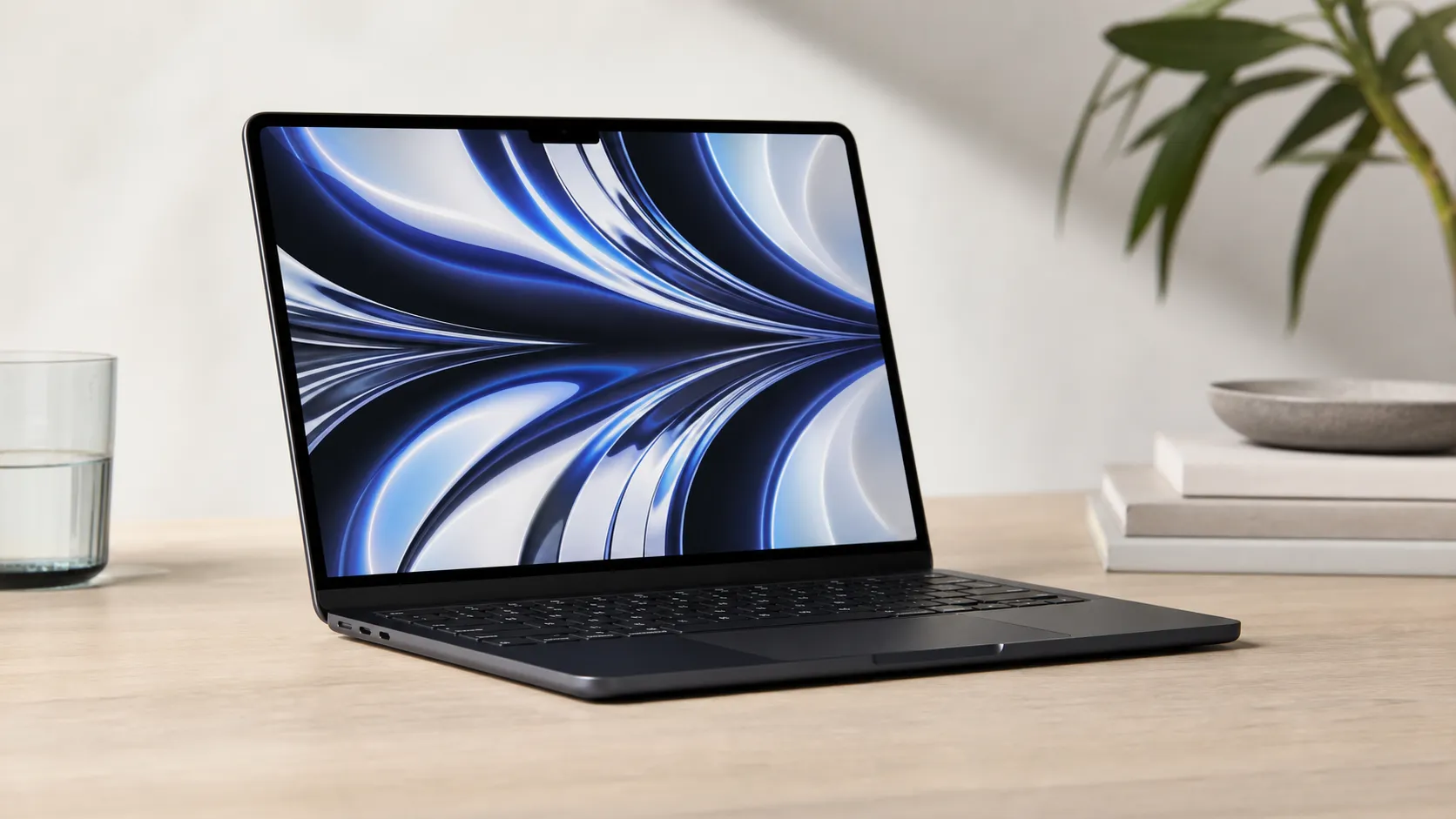
Apple MacBook Air (13-inch, M2) Review — 2026
A slim, quiet, and battery‑friendly choice for students and professionals. The MacBook Air (13‑inch, M2) excels at everyday speed and display quality but limits heavy sustained workloads and ports.
 Tech & Gadgets
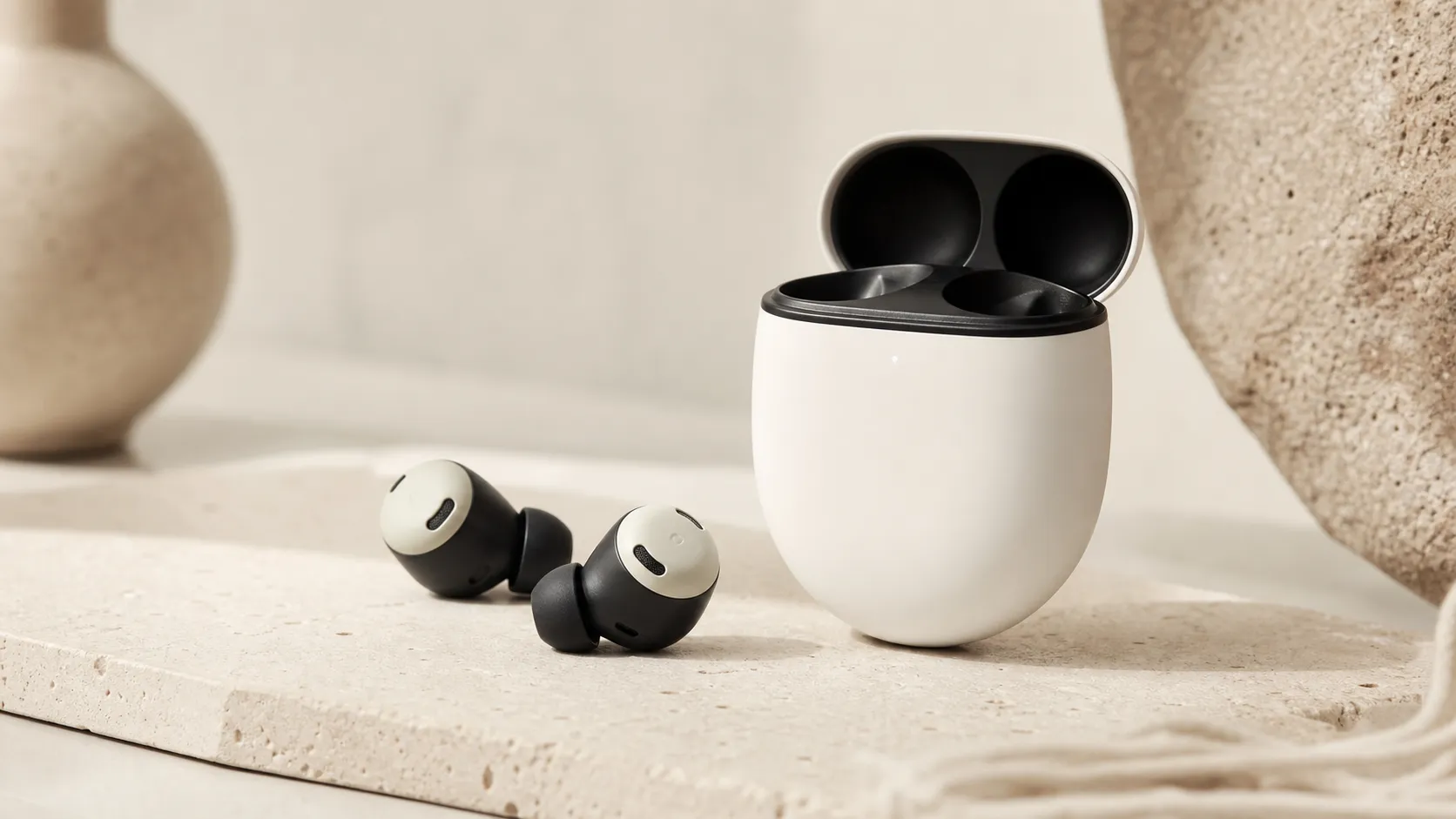
Google Pixel Buds Pro Review 2026
A polished, Android-first pair of true wireless earbuds with very good ANC, comfy fit, and strong battery life—great value for most buyers in 2026.
 Tech & Gadgets
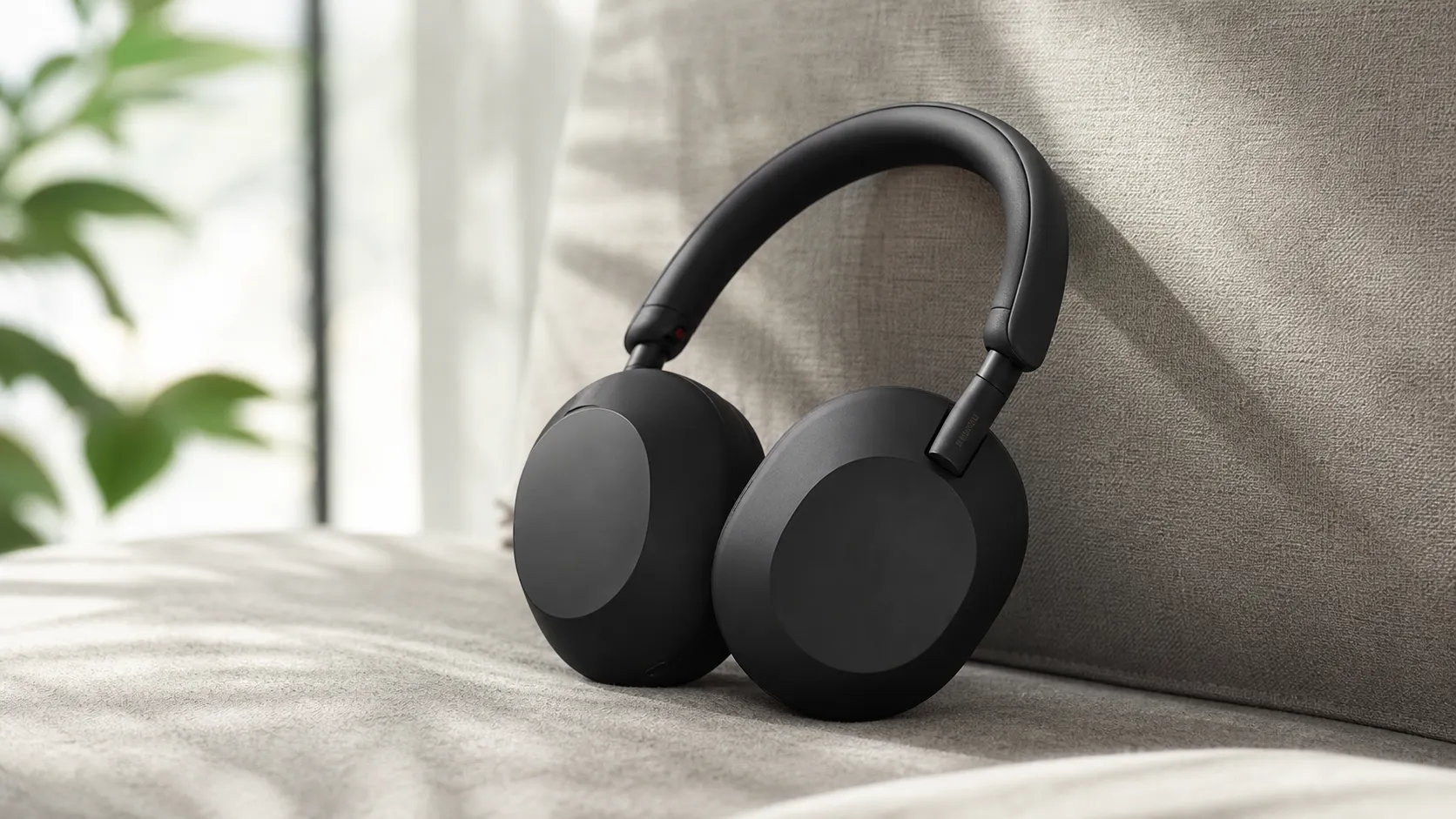
Sony WH-1000XM5 Review 2026 — ANC, Comfort & Value
Sony WH‑1000XM5: class‑leading ANC, exceptional comfort and long battery life — great for travel and calls, though sound tuning and a few durability reports divide opinions.