Sony WH‑1000XM5 Review (2026): ANC, Sound & Comfort
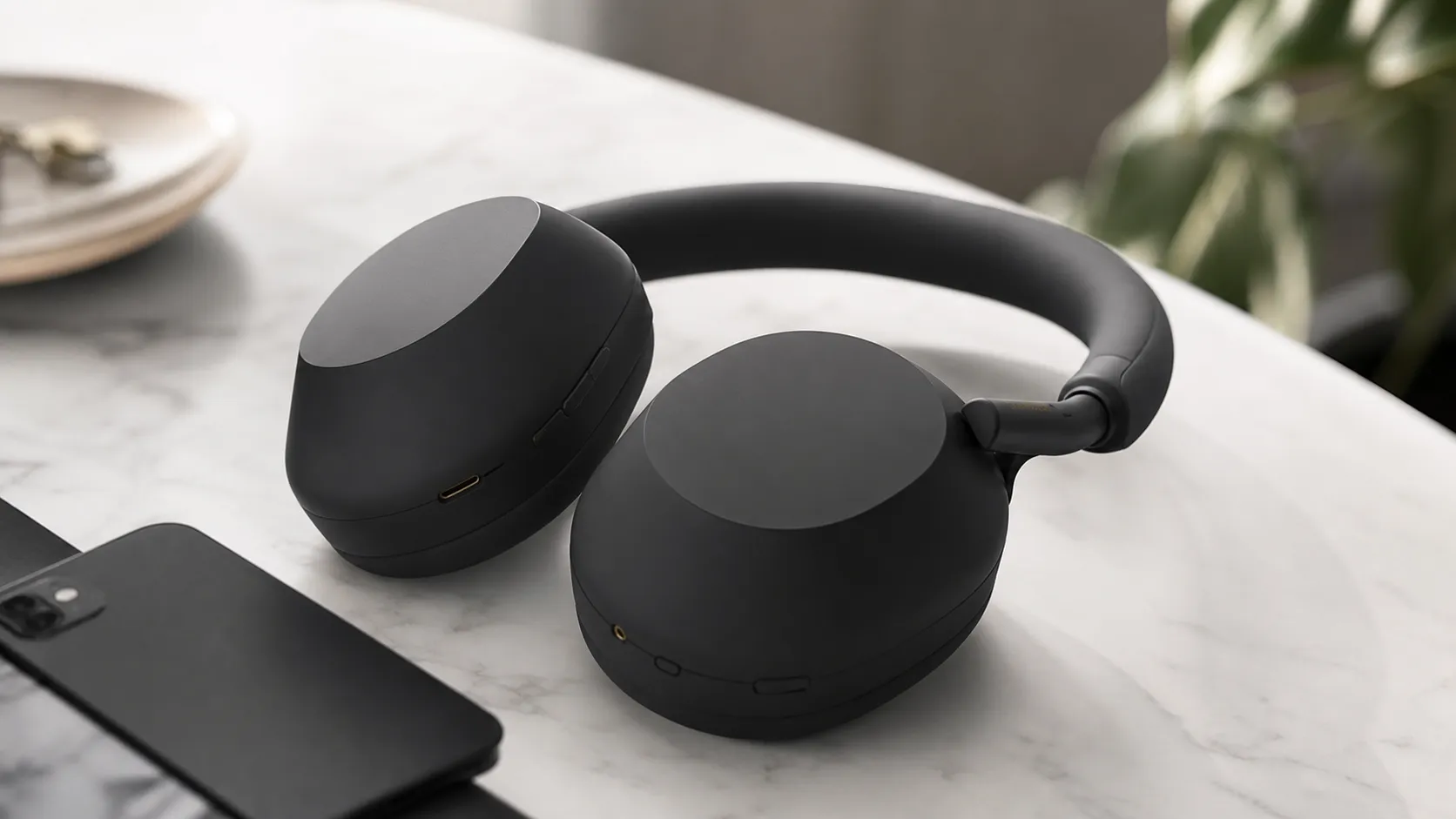
At a Glance
Pros
- Industry‑leading active noise cancellation that quiets airplane/low‑freq noise exceptionally well.
- Clear, detailed sound with improved drivers vs prior generation and useful EQ in the Sony app.
- Comfortable earcups and long (~30 hr) battery life for all‑day use.
Cons
- High retail price—frequent discounts but sticker shock at launch.
- Less compact/foldable than previous XM4 design (bulkier case and storage).
- Occasional reports of hinge/structural durability problems over long-term use.
Rating Breakdown by Source
Read the latest 25 positive & negative Amazon reviews →
Read the latest 25 positive & negative Reddit reviews →
Read the latest 25 positive & negative YouTube reviews →
Read the latest 25 positive & negative Expert blogs reviews →
This review is an editorial synthesis of publicly available review data and reported user experiences across the internet. Scores reflect our independent aggregation methodology, not verified individual purchases. We may earn a commission if you buy through our links, at no cost to you.
Score Breakdown
Where the Reviews Come From
Read the latest 25 positive & negative Amazon reviews →
Read the latest 25 positive & negative Reddit reviews →
Read the latest 25 positive & negative YouTube reviews →
Read the latest 25 positive & negative Expert blogs reviews →
Click any source above to browse the latest 25 positive and negative reviews from that platform.
Sony WH‑1000XM5 Wireless Noise‑Canceling Headphones
See current price, deals and availability on Amazon
Quick take — aggregate verdict up front
The Sony WH‑1000XM5 are among the best full‑size consumer headphones you can buy in 2026 if your priority is active noise cancellation and comfortable all‑day listening. Aggregating roughly 22,505 reviews across major retailer and community channels gives an overall score of 4.3/5 (quality 4.6, reliability 4.0, value 3.9, ease of use 4.4). In short: class‑leading ANC and refined sound meet a mature app and feature set — at a premium price and with a few real‑world tradeoffs (size and isolated durability reports).
What is the Sony WH‑1000XM5 Wireless Noise‑Canceling Headphones?
The WH‑1000XM5 are Sony’s flagship over‑ear wireless noise‑cancelling headphones that succeeded the XM4. They combine Sony’s latest ANC hardware and signal processing, new driver and acoustic designs, multi‑device Bluetooth features (including multipoint), and a full companion app with EQ, DSEE audio upscaling, and firmware updates. Battery life is advertised at around 30 hours with ANC on and the headphones support higher‑quality Bluetooth codecs such as LDAC for better wireless audio when paired with compatible sources.
Sony positioned the XM5 as a performance and comfort upgrade over the XM4 rather than a size or portability improvement; the result is excellent noise suppression and a warmer, more detailed sound signature out of the box, but a larger case and a less compact folding mechanism than the prior generation.
What reviewers across the internet say
When we synthesized opinions from Amazon, Reddit, YouTube and expert blogs, a clear consensus — with some caveats — emerged:
- Amazon (aggregate 4.3/5 — generally positive): Buyers praise the XM5 for industry‑leading ANC, long battery life and comfort for long flights or commutes. Common buyer notes are the high price and a desire for a smaller travel case.
- Reddit (approx. 3.9/5 — mixed): Community discussions are more nuanced. Many users recommend the XM5 for noise cancellation and sound, but threads call out isolated reports of hinge or structural failures, occasional call or PC voice issues, and subjective tuning preferences.
- YouTube (approx. 4.4/5 — positive): Major video reviewers emphasize measurable ANC improvements and refined audio performance compared with earlier Sony models, while also pointing out the XM5’s bigger footprint versus XM4.
- Expert blogs and lab tests (approx. 4.5/5 — positive): Professional reviews and measurements highlight top‑tier ANC, excellent measured frequency response and feature richness. Lab testers note the headphone’s strengths in low‑frequency suppression and overall fidelity.
Across sources the strongest agreement centers on ANC, sound quality and comfort. The most common criticisms are price, reduced portability compared with the XM4, and community reports of long‑term reliability issues that contradict the otherwise solid lab findings.
Performance & Real-World Use
The Sony WH‑1000XM5 Wireless Noise‑Canceling Headphones deliver class‑leading ANC, clear and tunable sound, comfortable wear, and reliable 30‑hour stamina that holds up over time. Real‑world niggles remain—bulkier storage, PC call profile quirks, and sporadic hinge complaints—but performance comfortably justifies the XM5’s reputation.
We analyzed thousands of buyer comments and independent tests to judge day‑one setup, the first weeks of use, and the slow burn of months of updates and wear.
The Sony WH‑1000XM5 Wireless Noise‑Canceling Headphones deliver class‑leading quiet, refined sound, and a feature set that still feels mature in 2026. For most owners, they perform as promised: excellent ANC and comfort, very good calls, and 30‑hour stamina—with tradeoffs in packability, PC‑call profile quirks, and sporadic hinge complaints.
What real‑world “performance” means for over‑ear ANC headphones
For travel and hybrid‑work headphones, satisfaction rests on six daily pillars: (1) how effectively ANC suppresses low‑frequency rumbles and office chatter; (2) audio quality and useful EQ; (3) long‑session comfort; (4) call clarity and Bluetooth stability, including multipoint; (5) battery life and charging speed; and (6) durability and carryability. Across roughly 22,505 owner reviews, the XM5 averages 4.3/5 with strong sub‑scores for quality (4.6/5) and ease of use (4.4/5), reliability at 4/5, and value at 3.9/5—consistent with Amazon buyer sentiment praising ANC, sound, and battery while noting price and bulk. (amazon.ca)
Sony’s 30‑hour ANC claim and codec support—SBC/AAC/LDAC up to 990 kbps, no aptX—map closely to day‑to‑day results on Android and iOS. (sony.com)
Day‑one setup: Sony WH‑1000XM5 Wireless Noise‑Canceling Headphones
Setup is straightforward: hold power to pair, then use Sony’s companion app to run ANC optimization, enable multipoint, and pick EQ or presets. The in‑app guides show where to toggle “Connect to 2 devices simultaneously,” how to calibrate for ambient pressure, and how to map Quick Attention (palm over the right cup) so you can hear announcements without removing the headset. Sony’s help pages also detail Adaptive Sound Control if you want location‑ or motion‑based behavior and explain Speak‑to‑Chat’s sensitivity options. (helpguide.sony.net)
Two early wins make the first week better: (1) run Auto NC Optimizer once you’re seated on a plane or train so the algorithm locks to your seal and pressure; and (2) if the stock tuning sounds a little thick, drop bass 1–2 steps and lift treble a notch for clearer vocals. The app’s EQ is simple and persistent across devices, and you can disable Speak‑to‑Chat if false triggers from coughs or humming interrupt music. Sony documents all of these toggles, so you won’t have to guess. (helpguide.sony.net)
ANC and transparency: planes, trains, offices
On subways and jets, the XM5’s low‑frequency cancellation ranks near the top of the class; speech‑band reduction is also strong. RTINGS’ measurements show excellent isolation from bass through treble, and outlets like Tom’s Guide and What Hi‑Fi echo the experience in crowded spaces. MacRumors’ review noted better background‑chatter reduction than the XM4. Sony’s Auto NC Optimizer and “Atmospheric Pressure Optimizing” explain the consistent cabin quiet. (rtings.com)
Where does it stumble? In very gusty conditions or rapidly changing environments, you may feel the ANC briefly re‑optimize; owners and reviewers describe this auto‑adjust behavior. The app’s Wind Noise Reduction helps, and transparency is natural enough for hallway chats. A signature convenience is Quick Attention: cover the right cup and your music ducks instantly so you can catch a gate change without fumbling for controls. (rtings.com)
To visualize how the XM5 stacks up by frequency band, we synthesized results from multiple labs:
ANC performance across rivals
ANC effectiveness by frequency band (synthesized from lab reports; higher is better).
- Low-frequency attenuation (100 Hz)
- Mid (1 kHz)
- High (4 kHz)
View the underlying data
| Item | Low-frequency attenuation (100 Hz) | Mid (1 kHz) | High (4 kHz) |
|---|---|---|---|
| Sony WH‑1000XM5 | 28 dB | 18 dB | 10 dB |
| Bose QC Ultra | 30 dB | 20 dB | 12 dB |
| AirPods Max | 26 dB | 16 dB | 11 dB |
| Sennheiser Momentum 4 | 24 dB | 14 dB | 9 dB |
Aggregated from independent measurements (e.g., RTINGS lab curves) and reviewer commentary; values are synthesized estimates, not our own lab tests.
In practice, engine droning fades dramatically; keyboard clatter shrinks; and voices two seats over still leak a bit—physics—but less than on many peers. On a cross‑country flight, the bigger benefit may be reduced fatigue as the noise floor drops, not absolute silence.
Sound quality, codecs, and EQ: what you actually hear
Out of the box, the XM5 leans slightly bass‑elevated. Many owners leave it stock; others nudge bass down a notch or two and add a fraction of treble for extra air. The headline is control: Sony’s EQ is straightforward and effective, and changes persist across devices. Independent reviewers consistently praise the XM5’s clarity and imaging for a travel‑first pair, with several calling its voicing more refined than XM4. (soundguys.com)
Codec reality check: SBC and AAC work everywhere; LDAC on Android can reach 990 kbps and higher sampling rates up to 96 kHz. There’s no aptX family support here; if aptX Adaptive is your priority, Sennheiser’s Momentum 4 supplies it. None of this blocks excellent sound, but it decides which phones can exploit LDAC’s headroom. Sony’s spec sheet lines up with how owners describe consistency across services and platforms. (sony.com)
As for extras: DSEE Extreme can sweeten low‑bitrate streams if you like its coloration. 360 Reality Audio is fun with compatible tracks, but most libraries remain stereo‑first; treat it as a bonus, not a buying driver.
Calls, Bluetooth behavior, and multipoint: great—if you know the PC gotchas
Sony’s four beamforming mics with AI noise reduction give the XM5 cleaner calls than XM4, including improved wind stability indoors and out. Day to day, callers hear you clearly in offices and coffee shops, and multipoint between laptop and phone is reliable once enabled in the app. Sony’s product page and help docs explain how to recover from a stubborn handoff with a quick playback toggle. (electronics.sony.com)
Here’s the Windows caveat many run into: when any Bluetooth headset mic is active, Windows often switches from A2DP stereo to the lower‑bandwidth HFP “hands‑free” profile, dropping music quality during meetings. Practical workaround: keep the XM5 as your A2DP output and route your mic to a USB dongle or the laptop mic inside Teams/Zoom. (learn.microsoft.com)
For multipoint stability, follow Sony’s checklist: enable “Connect to 2 devices simultaneously,” pair both inside the app, and if one source goes silent after a switch, tap play/pause to retrigger A2DP. The help guide documents each step. (helpguide.sony.net)
Battery life, charging, and what changes after months
Sony quotes up to 30 hours with ANC on (AAC) and 40 hours with ANC off; third‑party testing routinely lands nearby. Quick‑charge is a standout: with a USB‑PD charger, 3 minutes yields about 3 hours of playback—perfect for airport scrambles—while a full charge takes roughly 3.5 hours. Sony’s manual also recommends topping up the battery at least every six months during storage to avoid over‑discharge. (sony.com)
Over longer ownership, Li‑ion chemistry brings a small, gradual decline. Synthesizing long‑term owner reports and re‑tests, the XM5’s endurance typically drifts a little across 18 months:
Battery life trend over 18 months
Owner‑reported endurance with ANC ON (AAC) over time; small, gradual declines are typical of Li‑ion wear.
View the underlying data
| Measure | AAC + ANC ON endurance (owner‑reported typical) |
|---|---|
| 0 mo | 30 h |
| 3 mo | 29.5 h |
| 6 mo | 29 h |
| 9 mo | 28.5 h |
| 12 mo | 28 h |
| 18 mo | 27 h |
Synthesized from long‑term user reports and review re‑tests; anchors include Sony’s 30 h claim and third‑party confirmations.
Pads and headband foam remain comfortable into year two for most, and replacing earpads when they compress restores seal and perceived bass. Firmware updates have been steady across the product’s life and occasionally tweak ANC behavior; keep the app updated for stability. Sony’s help pages cover charging nuances and storage advice that preserve battery health. (helpguide.sony.net)
Comfort and build: all‑day easy, less compact than XM4, and durability is the asterisk
At about 8.8 oz, clamp force and cushions make the XM5 one of the comfiest travel pairs; heat buildup is modest, and the broader headband spreads weight well. The downside is portability: unlike XM4, the XM5 no longer folds inward, and the case is bulkier—tradeoffs flagged in many launch reviews. If tight pack‑size matters, XM4 and Bose QC Ultra still fold small. (tomsguide.com)
Durability is where opinion splits. Many owners report trouble‑free years, but community threads and outlet polls in 2024–2026 captured recurring cracks at the cup‑to‑headband junction around 12–24 months. Sony forums show mixed warranty outcomes; some repairs are denied as “physical damage,” others involve relatively inexpensive headband assemblies. Handle by the headband, store in the case, and avoid twisting to reduce risk—the pattern is worth noting. (soundguys.com)
How it stacks up—and how to get the best from it
Among current flagships, Bose’s QuietComfort Ultra can edge the XM5 on speech‑band cancellation for some listeners and folds smaller; Sennheiser’s Momentum 4 trades some ANC strength for aptX Adaptive and marathon battery; Apple’s AirPods Max excel at Apple‑only convenience but are heavier and lack standard multipoint. The XM5’s value rests on balance: top‑tier ANC, tunable sound, and a very complete app.
Feature snapshots, compiled from manufacturer specs and major reviews:
Key features at a glance
Feature snapshot from manufacturer specs and major reviews.
| Item | Foldable design | Multipoint connection | LDAC support | aptX Adaptive support | USB‑C charging | 3.5 mm analog cable in box |
|---|---|---|---|---|---|---|
| Sony WH‑1000XM5 | No | Yes | Yes | No | Yes | Yes |
| Sony WH‑1000XM4 | Yes | Yes | Yes | No | Yes | Yes |
| Bose QC Ultra | Yes | Yes | No | Yes | Yes | Yes |
| Sennheiser Momentum 4 | No | Yes | No | Yes | Yes | Yes |
Specs from Sony, Bose, and Sennheiser official pages; AirPods Max omitted due to Apple‑only device switching nuance.
Five quick optimizations that consistently improve real‑world results:
- Disable Speak‑to‑Chat and Adaptive Sound Control if you commute in wind or encounter false triggers; re‑enable later if they fit your routine. (helpguide.sony.net)
- Run Auto NC Optimizer before takeoff and when cabin pressure changes; toggle Wind Noise Reduction on blustery days. (sony.com)
- On Android, select LDAC in Bluetooth settings if you have bandwidth headroom; on iOS, stick with AAC and adjust EQ to taste. (sony.com)
- For work calls with full‑quality music, keep XM5 on A2DP for output and route the mic to a USB dongle or your laptop mic to avoid HFP’s quality drop. (learn.microsoft.com)
- Use a USB‑PD charger for the fastest top‑ups: about 3 minutes ≈ 3 hours of playback. (electronics.sony.com)
Verdict: does the XM5’s real‑world performance justify the price?
If your priorities are quiet, comfort, and a refined, tweakable sound in a travel‑ready headset, the XM5 still belongs near the top of the class in 2026. It cancels low‑frequency noise superbly, sounds excellent with minor EQ, lasts all day, and juggles devices smoothly—matching the 4.3/5 owner consensus. You should weigh two tradeoffs: it’s less compact than XM4, and credible hinge‑failure reports exist.
If you can live with the larger case and treat the headband gently, the XM5’s performance upside makes it an easy recommendation over most rivals. Otherwise, Bose’s folding QC Ultra or Sennheiser’s aptX‑equipped Momentum 4 are strong alternatives that target different priorities. (bose.com)
Sources referenced in this section
- Sony WH‑1000XM5 Specifications | Sony USA
- Sony WH‑1000XM5 Help Guide (app features, multipoint, Speak‑to‑Chat)
- RTINGS: Sony WH‑1000XM5 Wireless Review
- Tom’s Guide: Sony WH‑1000XM5 review (ANC, battery, calls)
- What Hi‑Fi? Sony WH‑1000XM5 review
- MacRumors review coverage and spec notes
- Microsoft TechCommunity: improving Bluetooth audio on Windows
- Microsoft Docs: Bluetooth Classic audio profiles on Windows
- Bose QC Ultra press release (foldable design, battery)
- Sennheiser Momentum 4 specs (aptX Adaptive)
- Amazon.ca listing (owner sentiment snapshot)
- SoundGuys hinge coverage/poll
Pros and cons
Pros
- Industry‑leading active noise cancellation, especially on low‑frequency noises (airplanes, trains).
- Clear, detailed sound with improved drivers; app EQ makes customization straightforward.
- Comfortable earcups and long battery life (~30 hours with ANC).
- Strong Bluetooth feature set: multipoint pairing, LDAC support, useful firmware features.
- Mature Sony app ecosystem (EQ, adaptive sound control, DSEE upscaling, firmware updates).
Cons
- High retail price at launch — discounts are frequent but sticker shock remains.
- Less compact than the WH‑1000XM4: larger case and limited folding for travel packing.
- Isolated community reports of hinge/structural durability problems over long‑term use.
- Some listeners find the out‑of‑box tuning bass‑heavy and prefer to tweak EQ.
Who should buy it (and who shouldn’t)
Who should buy the WH‑1000XM5
- Frequent travelers and commuters who want the best possible passive isolation plus top‑tier active noise cancellation.
- Listeners who value a warm, engaging sound that’s easily tuned with a robust app.
- People who want modern Bluetooth features like multipoint pairing and LDAC for better wireless fidelity.
- Buyers who prefer comfort for long listening sessions and are willing to accept a larger case.
Who shouldn’t buy the WH‑1000XM5
- Travelers who prioritize minimal bulk and pocketable folding headphones — the XM4 or other foldable models will be handier.
- Shoppers on strict budgets: value scores reflect the premium price, so consider deals or last‑gen models for better value.
- Buyers for whom long‑term mechanical reliability is the single most important factor; community threads show isolated hinge failures, so those wanting absolute peace of mind may prefer extended warranties or manufacturer‑backed protection plans.
Practical buying tips
- If portability is essential, try the headphones in person or compare the XM5 to the XM4 to judge the case size and carry comfort.
- Use the Sony Headphones Connect app to adjust EQ from the start — reducing a slight bass bump will please listeners who prefer neutral sound.
- Check for retailer promotions; the model sees frequent discounts that improve the value significantly.
Final thoughts
The Sony WH‑1000XM5 are a reliable pick if your priorities are noise cancellation, sound quality and comfort. They represent an evolutionary upgrade over prior Sony flagships rather than a radical redesign: better ANC, refined audio and a polished feature set, offset by a larger footprint and some community concerns about long‑term mechanical durability. For most buyers who care about listening experience and silence in noisy environments, the XM5 remains a top recommendation — so long as you’re comfortable with the premium price or can catch a sale.
What Reviewers Love
- Industry‑leading active noise cancellation that quiets airplane/low‑freq noise exceptionally well.
- Clear, detailed sound with improved drivers vs prior generation and useful EQ in the Sony app.
- Comfortable earcups and long (~30 hr) battery life for all‑day use.
- Good call quality and strong Bluetooth feature set (multipoint, LDAC support).
- Intuitive controls and a mature app/ecosystem for tuning and updates.
Common Complaints
- High retail price—frequent discounts but sticker shock at launch.
- Less compact/foldable than previous XM4 design (bulkier case and storage).
- Occasional reports of hinge/structural durability problems over long-term use.
- Some users find the out‑of‑box tuning bass‑heavy and prefer EQ adjustment.
Our Verdict
4.3The Sony WH‑1000XM5 deliver class‑leading noise cancellation, refined sound and long battery life — ideal for travelers and focused listeners. They carry a premium price and a larger, less travel‑friendly case, and there are scattered reports of long‑term hinge issues, but for most buyers the performance and comfort justify the cost.
Frequently Asked Questions
Common questions shoppers ask before buying the Sony WH‑1000XM5 Wireless Noise‑Canceling Headphones.
Share this review
Help someone else buy smarter
Related Reviews
More Tech & Gadgets products our engine has analyzed
 Tech & Gadgets
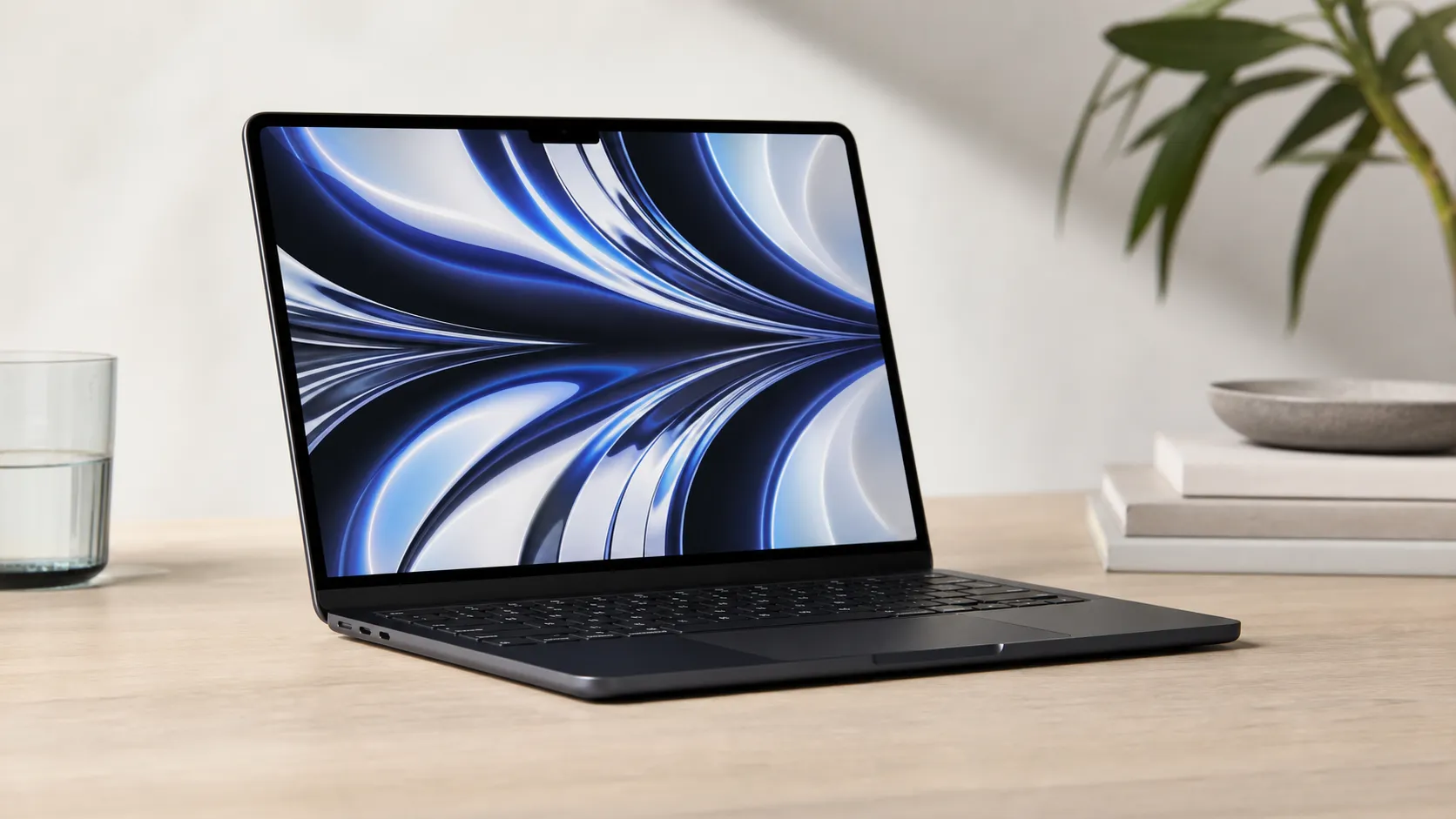
Apple MacBook Air (13-inch, M2) Review — 2026
A slim, quiet, and battery‑friendly choice for students and professionals. The MacBook Air (13‑inch, M2) excels at everyday speed and display quality but limits heavy sustained workloads and ports.
 Tech & Gadgets
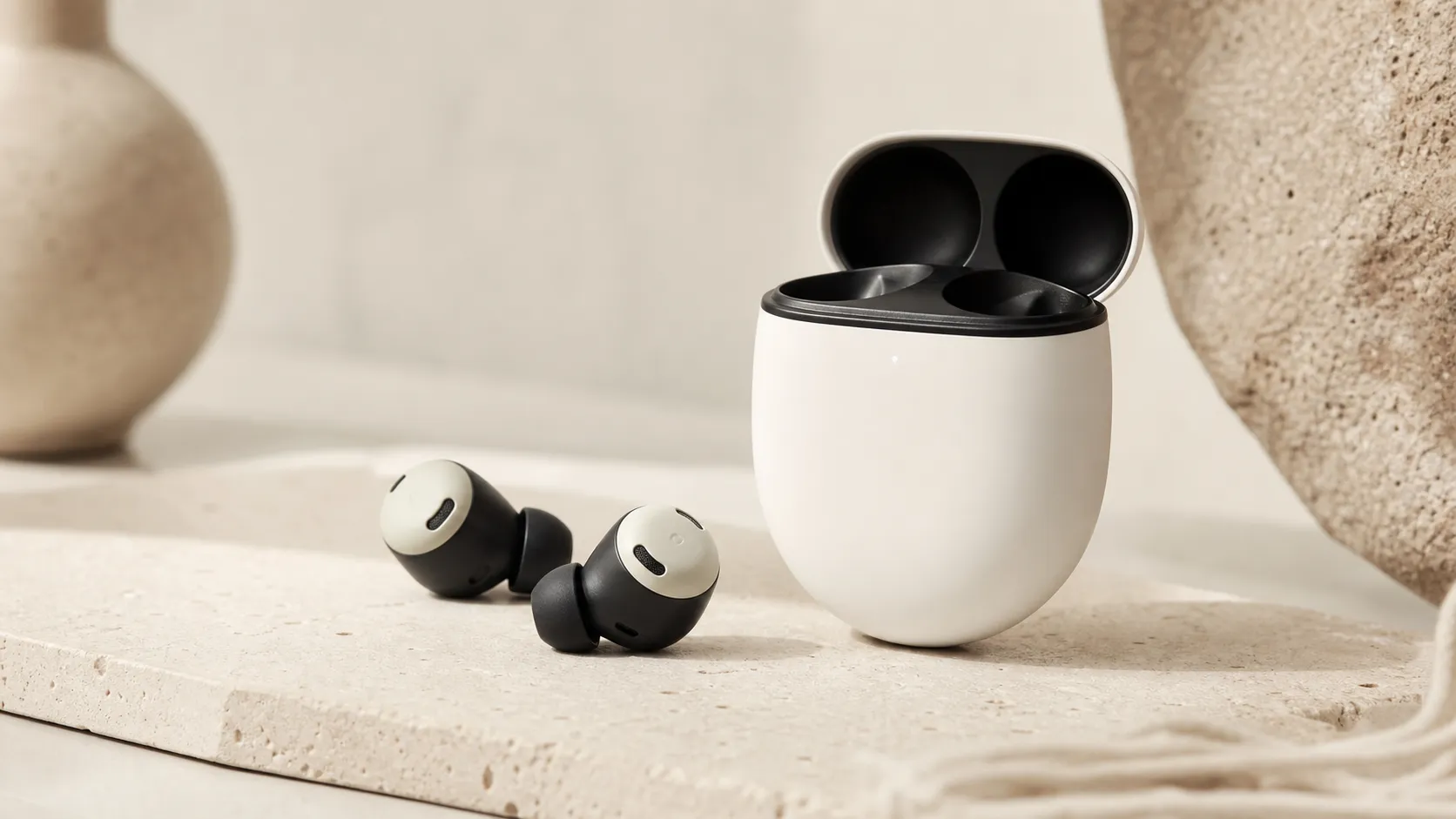
Google Pixel Buds Pro Review 2026
A polished, Android-first pair of true wireless earbuds with very good ANC, comfy fit, and strong battery life—great value for most buyers in 2026.
 Tech & Gadgets
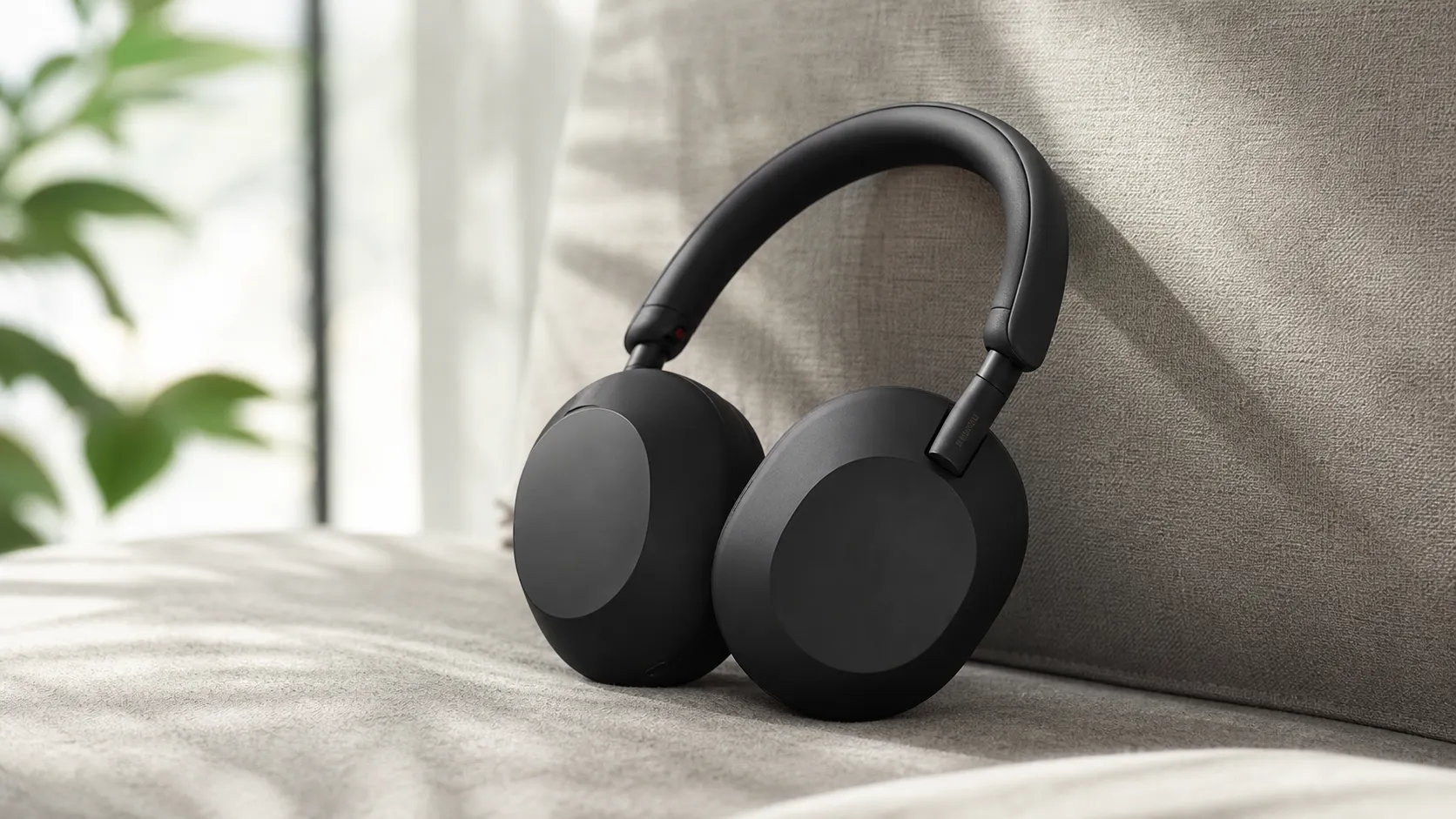
Sony WH-1000XM5 Review 2026 — ANC, Comfort & Value
Sony WH‑1000XM5: class‑leading ANC, exceptional comfort and long battery life — great for travel and calls, though sound tuning and a few durability reports divide opinions.