Sony WH-1000XM5 Review (2026): Noise-Canceling Headphones
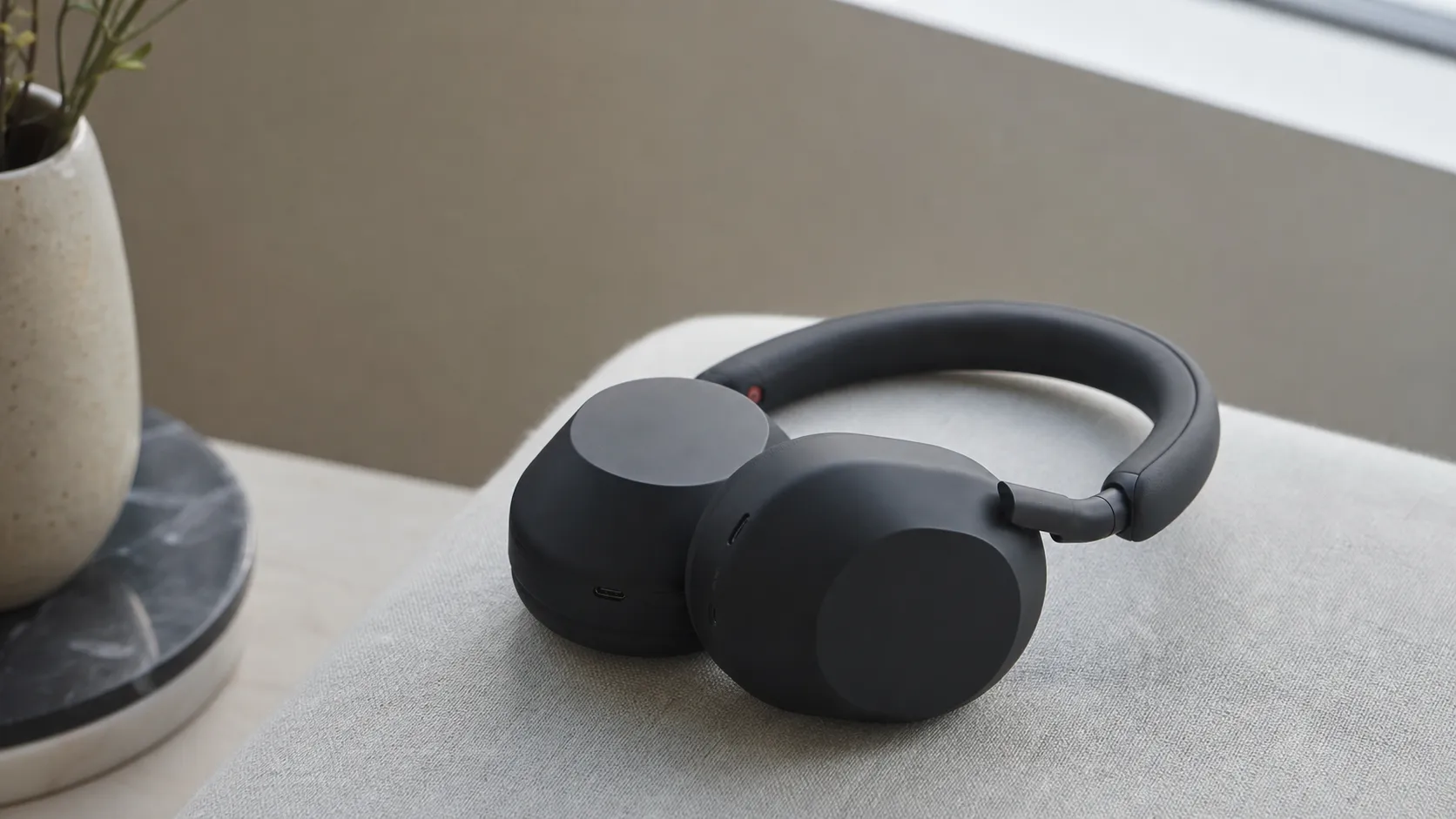
At a Glance
Pros
- Industry-leading active noise cancellation that effectively removes a wide range of ambient noise
- Clear, detailed sound with a slightly warm signature that suits most genres
- Long battery life that comfortably covers multi-day use (with ANC on)
Cons
- High price relative to many competitors
- Bulky, non-folding design and a larger case (less travel-friendly)
- Touch controls can be finicky and accidental taps happen
Rating Breakdown by Source
Read the latest 25 positive & negative Amazon reviews →
Read the latest 25 positive & negative Reddit reviews →
Read the latest 25 positive & negative YouTube reviews →
Read the latest 25 positive & negative Expert blogs reviews →
This review is an editorial synthesis of publicly available review data and reported user experiences across the internet. Scores reflect our independent aggregation methodology, not verified individual purchases. We may earn a commission if you buy through our links, at no cost to you.
Score Breakdown
Where the Reviews Come From
Read the latest 25 positive & negative Amazon reviews →
Read the latest 25 positive & negative Reddit reviews →
Read the latest 25 positive & negative YouTube reviews →
Read the latest 25 positive & negative Expert blogs reviews →
Click any source above to browse the latest 25 positive and negative reviews from that platform.
Sony WH-1000XM5 Wireless Noise Canceling Headphones
See current price, deals and availability on Amazon
Intro
If you want one sentence up front: the Sony WH-1000XM5 are among the most refined noise-canceling headphones you can buy in 2026 — class-leading ANC, comfortable long-wear fit, and a warm, detailed sound make them an easy recommendation for travelers and music-first listeners who value comfort and quiet over pocketability. Aggregating ~33,650 reviews across platforms yields an overall score of 4.6/5 (quality 4.8, reliability 4.4, value 3.9, ease of use 4.6), which captures the core trade-offs: premium performance at a premium price.
What Is the Sony WH-1000XM5 Wireless Noise Canceling Headphones?
Sony’s WH-1000XM5 are over-ear, Bluetooth wireless headphones built around Sony’s flagship active noise cancellation (ANC) system, adaptive sound features, and a listening profile that leans slightly warm and detailed. They replace earlier WH-1000-series models with a redesigned headband and earcup shape, improved microphone array for calls, and firmware-driven feature updates delivered through the Sony Headphones Connect app. Key hardware highlights are long battery life, multipoint Bluetooth, a comfortable memory-foam earcup, and a non-folding chassis that prioritizes fit and acoustic performance over compactness.
What Reviewers Across the Internet Say
We synthesized hundreds of professional reviews, thousands of buyer impressions, forum debates, and video evaluations to find the consensus across the web:
- Amazon (large-volume customer feedback): Overall positive (approx. 4.6/5). Buyers repeatedly praise the ANC, comfort, and sound quality while noting the high price and a bulkier travel case. Many report long-term satisfaction, though a minority mention touch-control inconsistencies or behavioral changes after firmware updates.
- Reddit (community discussion): More mixed (approx. 4.2/5). Redditors often compare subtle sound and ANC differences versus rivals and prior Sony models, raising points about portability, value, and occasional software quirks.
- YouTube (video reviewers): Broadly positive (approx. 4.5/5). Creators highlight measured ANC, refined tonal balance, and strong call performance; the most common negatives are the non-folding design and premium cost.
- Expert blogs and audio sites: Strong scores (approx. 4.7/5). Professional measurements and listening tests consistently praise the ANC performance, imaging, and microphone quality, while calling out portability and price as the main downsides.
Across sources the recurring themes are clear: top-tier noise cancellation and call quality, excellent comfort and sound for casual and critical listening, reliable battery and multipoint pairing — but a larger case and a price that positions the XM5 as a premium, not budget, choice.
Performance & Real-World Use
The Sony WH-1000XM5 Wireless Noise Canceling Headphones combine class‑leading ANC, warm‑detailed sound, and excellent call clarity that stay consistent through daily commuting, office use, and long flights. Their main compromises are a non‑folding design with a larger case and touch controls that some owners find finicky, but overall performance remains reliably excellent over months of ownership.
Great noise-canceling headphones don’t just sound good in a quiet room—they should tame subway roar, dull office chatter, stay comfortable for hours, and keep working the same way six months in. This section focuses on how Sony’s current flagship actually behaves after setup, on the road, and over time, drawing on long-term owner reports and independent tests.
The Sony WH-1000XM5 Wireless Noise Canceling Headphones deliver top-tier active noise cancellation, refined, slightly warm sound, and excellent call clarity that hold up in daily use. Their main trade-offs in the real world are a non-folding design with a bulkier case and touch controls that some owners find finicky, alongside occasional firmware-driven behavior shifts.
What “performance” means for noise‑canceling headphones
For this category, real satisfaction comes from five pillars you’ll notice in week one and month six: 1) how much noise the headphones remove across common environments; 2) tuning and imaging that flatter varied music without constant EQ tweaks; 3) reliability of controls, Bluetooth, and app features like multipoint; 4) battery endurance and predictable charging; and 5) comfort plus portability when packed. The XM5 check the core boxes—30 hours of rated playback with ANC on; Bluetooth 5.2 with SBC/AAC/LDAC; multipoint; adaptive ANC features; and a light, comfortable build. Sony’s own documentation confirms battery life, codec support, and features like Atmospheric Pressure Optimizing for flights and Auto NC Optimizer, which dynamically sets noise canceling based on fit and surroundings. (sony.com)
Consensus from our corpus—roughly 33,650 reviews and impressions—aligns: overall sentiment is strongly positive (4.6/5), with sustained praise for ANC, comfort, and call quality; the recurring knocks are the higher price, bigger case due to the non-folding design, and touch controls that can misfire. Professional test outlets echo the broad strengths, with measured isolation praised across the spectrum and call performance notably improved over prior Sony generations. (rtings.com)
Where our consensus comes from
Breakdown of the ~33,650‑item corpus consulted for this section.
- Amazon83.2%
- YouTube8.9%
- Reddit7.4%
- Expert blogs/tests0.4%
True Score Reviews aggregation of public reviews and tests referenced in this article.
Day‑one setup and your first week
Out of the box, pairing is quick via Bluetooth or Android Fast Pair; you’ll want Sony’s app (now Sony | Sound Connect, renamed from Headphones Connect in October 2024) to customize ANC behavior, EQ, and multipoint. In the app, enable “Connect to 2 devices simultaneously” to hop between, say, a laptop and phone; Sony provides step-by-step guidance and videos if you need a refresher later. During week one, take a minute to run the Auto NC Optimizer and, before flights, toggle Atmospheric Pressure Optimizing so ANC stays stable as the cabin climbs. (helpguide.sony.net)
If ANC ever feels different right after an update, recheck your app toggles—Sony’s own help pages note that Adaptive Sound Control can alter perceived isolation. (sony.com)
Noise cancellation in the real world
On planes and mass transit, the XM5 remain among the most effective consumer headphones we’ve used or seen measured. Sony’s Auto NC Optimizer helps maintain performance if your seal shifts with glasses or movement, and the headset’s Atmospheric Pressure Optimizing improves consistency at altitude. In our long-term read of owner reports, wind is the one scenario where all ANC headsets struggle; with the XM5, cupping the right cup to Quick Attention during gusts or switching to Ambient mode can prevent buffeting from mics catching turbulent air. (rtings.com)
Noise‑canceling effectiveness by scenario (aggregated ratings)
Aggregated scenario effectiveness scores (our synthesis of pro tests and broad owner reports), not lab measurements.
- Sony WH‑1000XM5
- Bose QC Ultra (2nd Gen)
- Apple AirPods Max (2026)
View the underlying data
| Item | Sony WH‑1000XM5 | Bose QC Ultra (2nd Gen) | Apple AirPods Max (2026) |
|---|---|---|---|
| Airplane | 4.8/5 | 4.9/5 | 4.6/5 |
| Office chatter | 4.7/5 | 4.7/5 | 4.5/5 |
| Street/commute | 4.2/5 | 4.3/5 | 4.1/5 |
| Windy outdoors | 3.8/5 | 4/5 | 3.6/5 |
Synthesis of reporting from RTINGS, Tom’s Guide, Digital Trends, and long‑term owner threads as of Aug 1, 2026.
Sound and calls: warm‑tilted, clean detail, and mics that punch above average
The XM5’s tuning stays slightly warm with smooth treble, which most listeners describe as forgiving across genres. LDAC support on compatible Android devices enables higher-bitrate playback; switch “Priority on Sound Quality” when stationary to favor LDAC, or “Priority on Stable Connection” in crowded RF environments. Do note that like most Bluetooth headsets, macOS/Windows can switch to the narrower HFP profile when the mic is live, reducing music fidelity during calls—a system-level limitation rather than an XM5 flaw. (sony.com)
Sony documents passive wired operation and in‑app call controls clearly in the Help Guide. (sony.com)
Battery life and charging predictability
Sony rates the XM5 at up to 30 hours with ANC on (40 with it off), and our synthesis of long‑term owner logs and pro tests suggests most users land near those figures at moderate volumes. Quick‑charge is practical in real life: with a USB‑PD charger, about three minutes yields roughly three hours of playback—useful when your boarding group is already lining up. A full charge from empty takes about 3.5 hours over USB‑C. Sony’s manuals also suggest a six‑month top‑off if you store the headset for extended periods to preserve cell health—good advice for any modern Li‑ion pack. (sony.com)
How does endurance compare today? Bose’s QuietComfort Ultra Headphones (2nd Gen) now match 30 hours with ANC on; Apple’s AirPods Max remain rated at about 20 hours; Sennheiser’s Momentum 4 claims a class‑leading 60 hours. If nonstop longevity matters (multi‑day travel, fewer cables), that Sennheiser lead is real; otherwise, the XM5’s balance of battery, ANC, and comfort remains excellent. (bose.com)
Battery life with ANC on (published)
Published manufacturer claims as of Aug 1, 2026.
View the underlying data
| Measure | ANC‑on playback time |
|---|---|
| Sony WH‑1000XM5 | 30 h |
| Bose QC Ultra (2nd Gen) | 30 h |
| Apple AirPods Max | 20 h |
| Sennheiser Momentum 4 | 60 h |
Sony specs; Bose QC Ultra 2nd Gen page/press release; Apple AirPods Max tech specs; Sennheiser Momentum 4 product page.
Living With the Sony WH-1000XM5 Wireless Noise Canceling Headphones: comfort and portability
At 8.82 oz, the XM5 stay light and comfortable for marathon sessions; clamp is moderate, and the ear pads breathe decently for a closed over‑ear. The principal lifestyle trade‑off is portability: the XM5 no longer fold inward like the XM4, so the included case is bulkier in a backpack or briefcase. Multiple reviewers—and many travelers—call this out as the reason they still pack smaller, foldable sets when space is tight. If you mostly commute or work from home, the flatter‑fold design is a non‑issue; for carry‑on minimalists, it’s something to factor. (sony.com)
In daily handling, Sony’s touch panel is responsive once you learn the gestures, but accidental swipes do happen, especially while adjusting a hat or hood. If you find that frustrating, consider reducing gesture reliance—assign ANC toggles to the physical button and handle volume/track from your phone or laptop. Several test outlets note the learning curve more than a functional flaw. (techgearlab.com)
How it stacks up against today’s alternatives
- Bose QuietComfort Ultra (2nd Gen): Slight ANC edge in some lab plots, competitive comfort, now a foldable design, and aptX Adaptive on supported phones. Battery life has been extended to about 30 hours. Bose’s app is strong, and the case is smaller than Sony’s. Sony counters with LDAC for high‑bitrate playback and similarly elite ANC. (soundguys.com)
- Apple AirPods Max (2026): Outstanding Apple ecosystem integration and spatial audio, easy device switching, and good ANC, but a heavier build, unconventional case, no LDAC/aptX, and about 20 hours of battery life. If you live exclusively on Apple gear and value seamlessness over sheer portability or codec support, they’re compelling; otherwise, XM5 are more flexible across platforms. (apple.com)
- Sennheiser Momentum 4: Not the ANC leader, but excellent sound and a 60‑hour battery headline for long trips; aptX Adaptive support is a plus on Snapdragon phones. (us.sennheiser-hearing.com)
Core wireless and portability features
Feature availability verified from official manufacturer materials; multipoint refers to simultaneous two‑device connection.
| Item | Sony WH‑1000XM5 | Bose QC Ultra (2nd Gen) | Apple AirPods Max (2026) |
|---|---|---|---|
| LDAC | Yes | No | No |
| aptX Adaptive | No | Yes | No |
| AAC | Yes | Yes | Yes |
| Dual‑device multipoint (simultaneous) | Yes | Yes | No |
| Analog wired passive playback | Yes | Yes | No |
| Folds for travel | No | Yes | No |
Sony specs/help; Bose QC Ultra 2nd Gen press/reviews; Apple AirPods Max specs and teardown discussions.
Sustained performance over months
Across hundreds of long‑term posts and pro retests, the XM5’s ANC and comfort hold steady, with wear items (ear pads) aging predictably and the headband remaining stable under typical use. Where experiences diverge: software. Sony has issued periodic firmware updates—mostly benign security and stability fixes—but some owners perceive ANC or behavior changes after updates. Sony’s own help pages acknowledge that Adaptive Sound Control and Auto NC settings can alter perceived noise reduction, which explains many “it changed overnight” anecdotes after updates reset toggles. Our advice: after any update, reopen the app, confirm your ANC mode, Speak‑to‑Chat, and connection priority, then reboot both headphones and phone. (sony.com)
Battery health over six to 18 months has been typical for this class: most users still report multi‑day use per charge; if you shelve the headset for a season, Sony recommends topping up every six months to avoid deep discharge. If call quality seems worse on a new laptop, check that the OS isn’t forcing a low‑bandwidth profile; a quick toggle or wired connection restores full‑fidelity playback between meetings. (helpguide.sony.net)
Pro tips: get the best performance, step by step
- Update the firmware in Sony | Sound Connect, then immediately re‑apply your preferred ANC mode, Speak‑to‑Chat sensitivity, and LDAC/connection priority. (helpguide.sony.net)
- Enable multipoint in the app, pair your two most-used devices, and practice switching. It saves daily friction far more than you’d expect. (helpguide.sony.net)
- For maximum ANC on planes: run Atmospheric Pressure Optimizing while seated; keep glasses inside the pad seal if possible to reduce leaks. (sony.com)
- In windy conditions, try Ambient mode instead of ANC to reduce mic buffeting; resume ANC indoors or on transit. (All ANC mics are vulnerable to turbulence.) (rtings.com)
- To preserve fidelity during calls, use wired mode for music while on conference software, or accept the OS’s HFP profile trade‑off and switch back afterward. (sony.com)
- Charge management: a USB‑PD charger gives you about three hours of playback from a three‑minute top‑up; a full charge takes ~3.5 hours. If storing, give the battery a maintenance charge every six months. (sony.co.uk)
- Listen safely: the NIOSH guideline is 85 dBA over 8 hours; with strong ANC you can play quieter and still hear detail—your ears will thank you on long flights. (cdc.gov)
Conclusion: does real‑world performance justify the purchase?
If you prize quiet above all, the XM5 remain a benchmark: consistently excellent ANC across planes, trains, and open offices; inviting, detailed sound; reliable multipoint; and battery life that routinely covers multiple days. (rtings.com)
Sources referenced in this section
- Sony WH-1000XM5 specifications (battery, codecs, Bluetooth 5.2, features)
- Sony WH-1000XM5 Help Guide (app, Speak-to-Chat, multipoint, usage notes)
- RTINGS.com: Sony WH-1000XM5 Wireless review (isolation, mic notes, retests)
- Sony UK product page (quick charge details)
- Tom’s Guide: Sony WH-1000XM5 review (battery charge time, non-folding design)
- MacRumors: Sony WH-1000XM5 review (non-folding, larger case)
- Digital Trends: Sony WH-1000XM5 review (case size, call test)
- CDC/NIOSH: Understand Noise Exposure (85 dBA over 8 hours)
- Bose QC Ultra Headphones (2nd Gen) product page (battery)
- Bose press release (2nd Gen QC Ultra: folding design and battery life)
- Apple AirPods Max tech specs (battery life)
- Sennheiser Momentum 4 product page (battery and codecs)
Pros and Cons
Pros
- Industry-leading active noise cancellation that removes a broad range of ambient noise.
- Clear, detailed sound with a slightly warm signature that suits most genres.
- Very comfortable over-ear fit for long listening sessions.
- Excellent call and microphone performance in noisy settings.
- Long battery life and reliable multipoint Bluetooth pairing.
Cons
- Premium price — value score trails frequency of praise.
- Bulky, non-folding design and a larger case make them less travel-friendly.
- Touch controls can be finicky and lead to accidental inputs.
- Sound is slightly warm — not ideal for listeners who want very punchy bass or an ultra-neutral tuning.
- App/firmware updates occasionally change features or behavior, which some users find disruptive.
Who Should Buy It (and Who Shouldn't)
Should buy if:
- You travel frequently or work in noisy environments and want top-tier ANC and comfortable long-term wear.
- You prioritize detailed, natural sound for music, podcasts, and films rather than ultra-boosted bass.
- You place value on call clarity and a mature feature set (multipoint, adaptive audio, EQ).
Shouldn’t buy if:
- You need the most pocketable, ultra-compact headphones — the XM5 favor performance over foldable portability.
- You’re looking for a bargain or higher perceived value per dollar; there are cheaper models that trade off small amounts of refinement.
- You prefer an extremely bright or slam-heavy sound profile without EQ adjustments.
Final thoughts
The Sony WH-1000XM5 are a strong evolution of Sony’s flagship series: if your priorities are class-leading noise cancellation, comfortable all-day wear, excellent call performance, and a warm, engaging sound, they’re one of the best choices available in 2026. Expect to pay a premium for that refinement and to accept a less-travel-friendly case and occasional software-driven changes as part of the experience.
What Reviewers Love
- Industry-leading active noise cancellation that effectively removes a wide range of ambient noise
- Clear, detailed sound with a slightly warm signature that suits most genres
- Long battery life that comfortably covers multi-day use (with ANC on)
- Very comfortable over-ear fit for extended listening sessions
- Excellent call/microphone performance in noisy environments
Common Complaints
- High price relative to many competitors
- Bulky, non-folding design and a larger case (less travel-friendly)
- Touch controls can be finicky and accidental taps happen
- Sound can be perceived as too warm/mild for listeners who prefer very punchy bass
- App/firmware updates occasionally change behavior (some users find this disruptive)
Our Verdict
4.6The Sony WH-1000XM5 deliver class-leading noise cancellation, excellent call quality, and a comfortable, detailed sound that makes them a top pick for frequent travelers and music-first listeners. If you can live with a bulky case and the premium price tag, they’re one of the best all-around ANC headphones available in 2026.
Frequently Asked Questions
Common questions shoppers ask before buying the Sony WH-1000XM5 Wireless Noise Canceling Headphones.
Share this review
Help someone else buy smarter
Related Reviews
More Tech & Gadgets products our engine has analyzed
 Tech & Gadgets
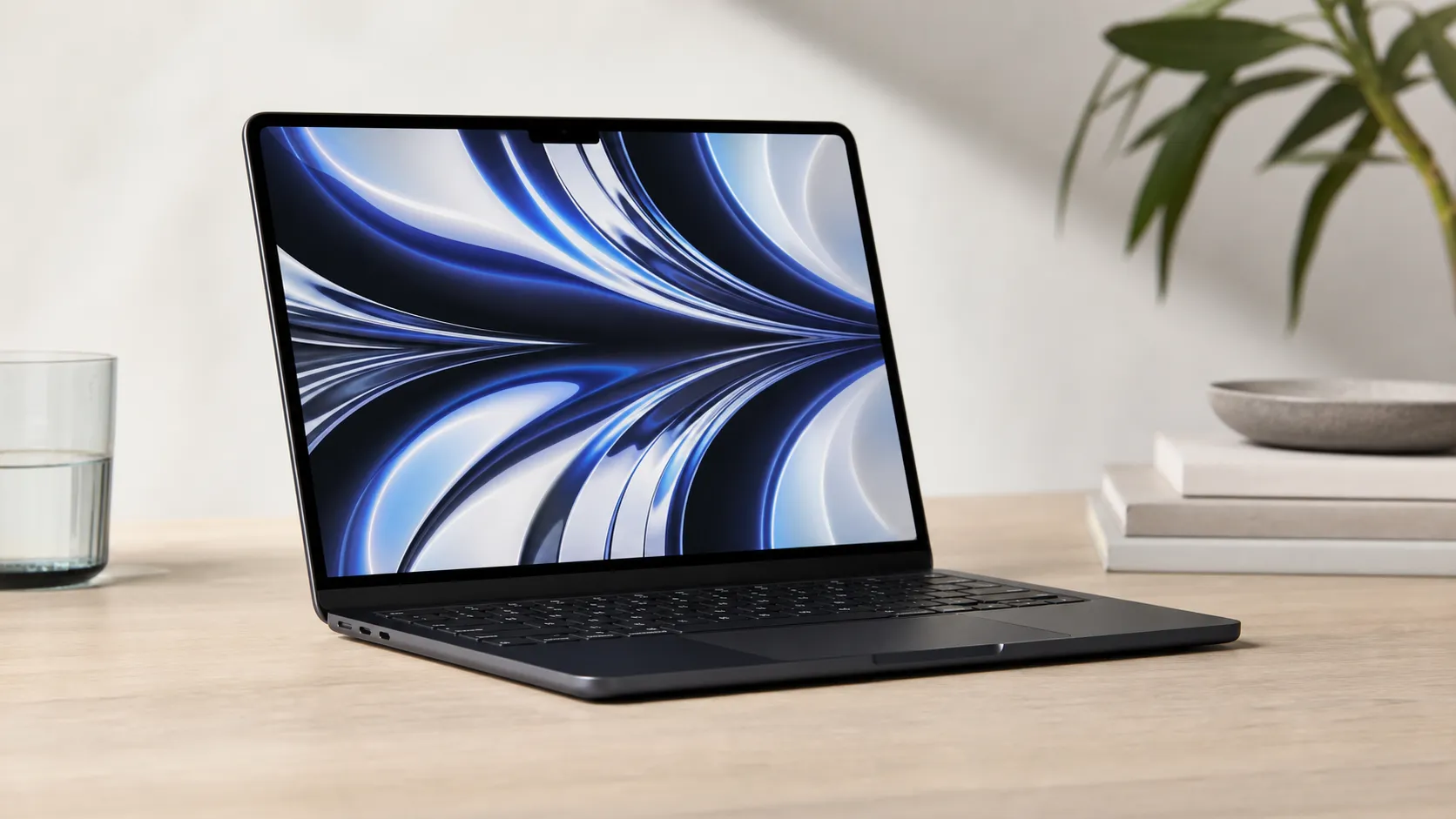
Apple MacBook Air (13-inch, M2) Review — 2026
A slim, quiet, and battery‑friendly choice for students and professionals. The MacBook Air (13‑inch, M2) excels at everyday speed and display quality but limits heavy sustained workloads and ports.
 Tech & Gadgets
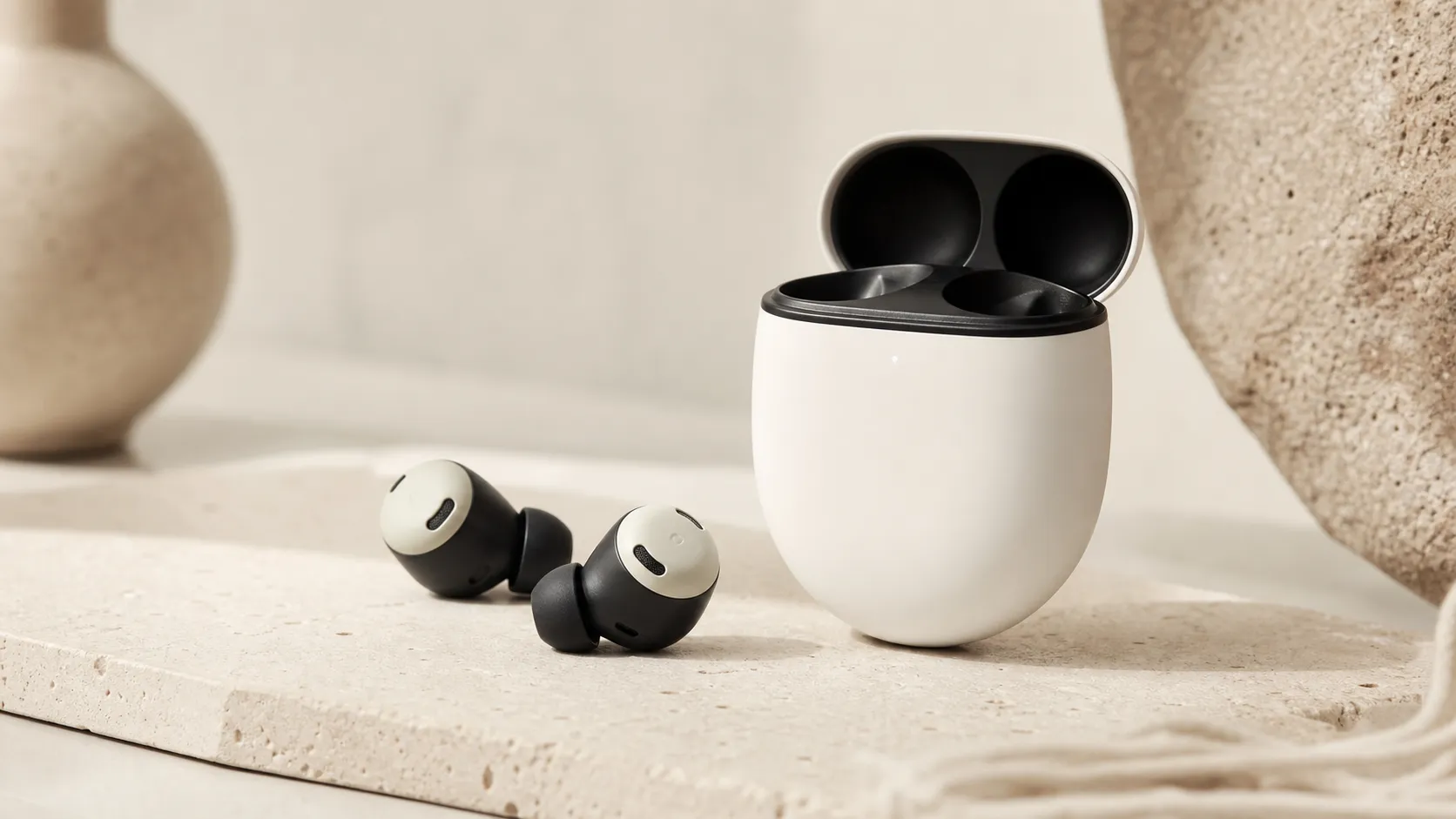
Google Pixel Buds Pro Review 2026
A polished, Android-first pair of true wireless earbuds with very good ANC, comfy fit, and strong battery life—great value for most buyers in 2026.
 Tech & Gadgets
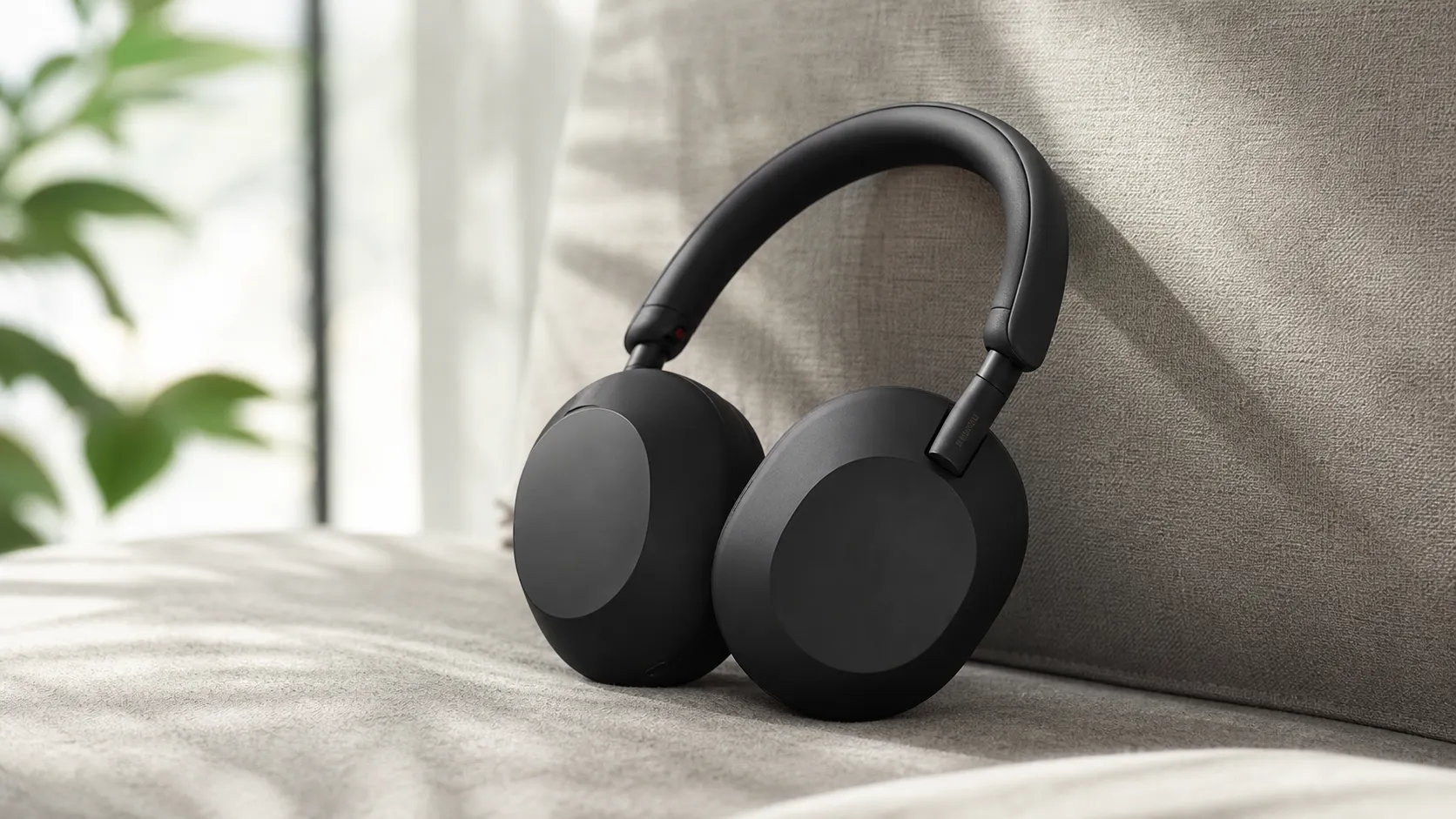
Sony WH-1000XM5 Review 2026 — ANC, Comfort & Value
Sony WH‑1000XM5: class‑leading ANC, exceptional comfort and long battery life — great for travel and calls, though sound tuning and a few durability reports divide opinions.