Staub 4-Quart Cast Iron Cocotte Review 2026
At a Glance
Pros
- Excellent heat retention and even heat distribution for searing, braising, and slow cooking.
- Matte black interior enamel promotes browning and hides staining better than lighter interiors.
- Heavy, well-fitting lid with self-basting spikes improves moisture circulation and braising results.
Cons
- Premium price — many reviewers say it's expensive compared with alternatives.
- Heavy — substantial weight can make handling, lifting, and pouring awkward for some users.
- Enamel can chip if dropped or abused; customers emphasize careful handling and avoid rapid temperature shocks.
Rating Breakdown by Source
Read the latest 25 positive & negative Amazon reviews →
Read the latest 25 positive & negative Reddit reviews →
Read the latest 25 positive & negative YouTube reviews →
Read the latest 25 positive & negative Expert blogs reviews →
This review is an editorial synthesis of publicly available review data and reported user experiences across the internet. Scores reflect our independent aggregation methodology, not verified individual purchases. We may earn a commission if you buy through our links, at no cost to you.
Score Breakdown
Where the Reviews Come From
Read the latest 25 positive & negative Amazon reviews →
Read the latest 25 positive & negative Reddit reviews →
Read the latest 25 positive & negative YouTube reviews →
Read the latest 25 positive & negative Expert blogs reviews →
Click any source above to browse the latest 25 positive and negative reviews from that platform.
Staub 4-Quart Cast Iron Round Cocotte
See current price, deals and availability on Amazon
Introduction
If you cook frequently and want a single piece of cookware that delivers professional braises, caramelized sears and slow-simmered stews, the Staub 4‑Quart Cast Iron Round Cocotte is one of the most recommended choices. Aggregating thousands of user reviews and expert tests, this compact cocotte earns high marks for heat retention, even cooking and a lid that genuinely improves braising results. Our aggregated verdict: it’s a performance-first, premium cast‑iron Dutch oven that’s worth the price for serious home cooks — but its weight and cost are trade‑offs you should consider before buying.
What Is the Staub 4‑Quart Cast Iron Round Cocotte?
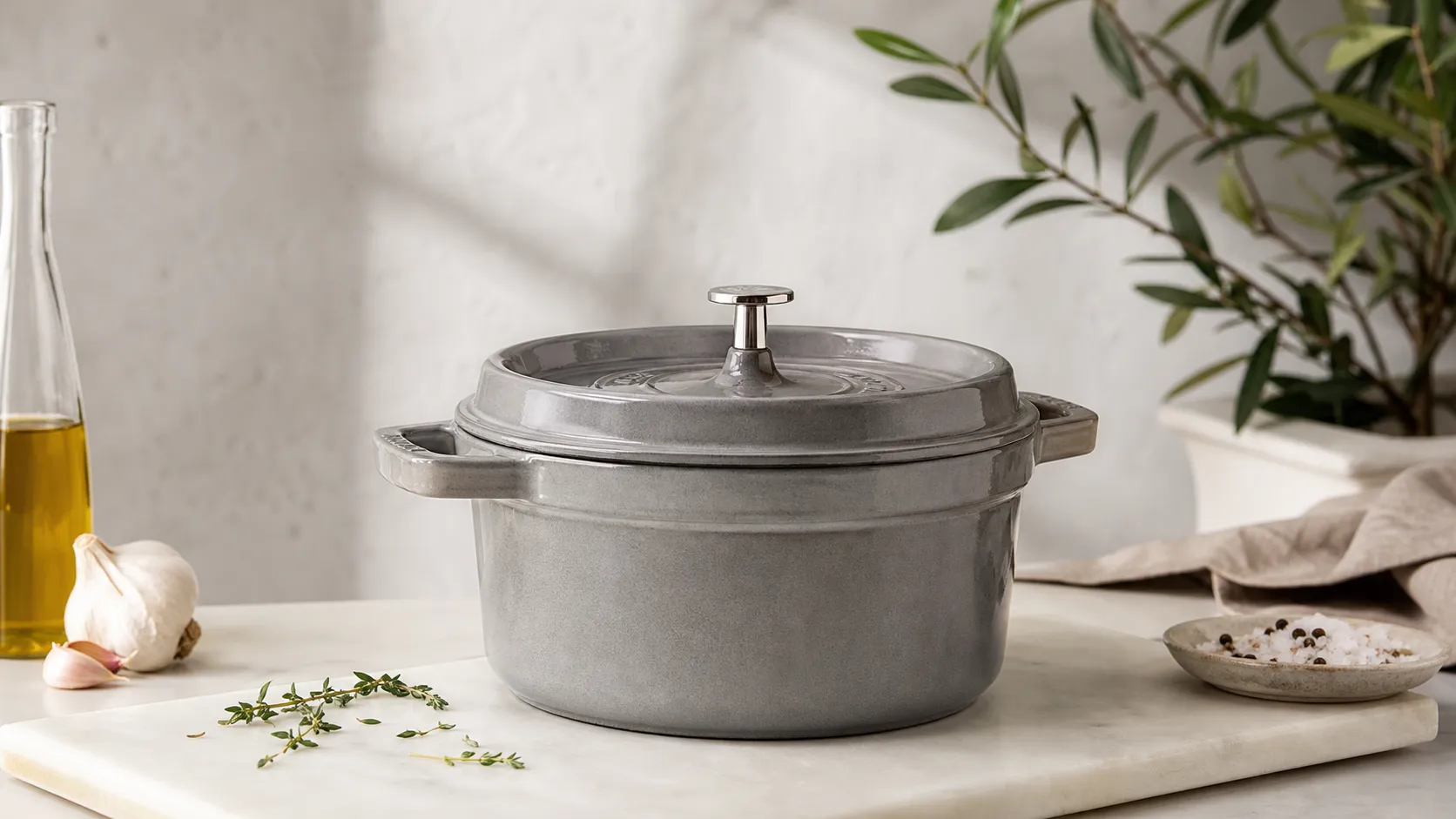
The Staub 4‑Quart Round Cocotte is a smaller-capacity, enameled cast‑iron Dutch oven designed for stovetop-to-oven cooking. Staub’s cocottes are known for their thick cast‑iron bodies, a matte black interior enamel (on many finishes), and a heavy lid fitted with self‑basting spikes or dimples that promote even moisture re‑distribution during long cooks. The 4‑quart size is aimed at couples, small families, or any cook wanting a versatile pot that’s large enough for weeknight roasts and small stews but small enough to store easily.
Key features in short:
- Thick cast‑iron walls for excellent heat retention and even distribution.
- Matte black interior enamel that encourages browning and hides staining.
- Heavy, tight‑fitting lid with self‑basting spikes to keep food moist.
- Oven‑safe and induction‑compatible when used correctly.
- Durable exterior enamel available in multiple colors (though some finishes show wear over time).
What Reviewers Across the Internet Say
We synthesized feedback from Amazon, Reddit, YouTube reviewers and expert culinary blogs to produce a balanced view.
- Aggregate rating: 4.7/5 from ~14,150 reviews.
- Sub-scores from the aggregate: quality 4.8, reliability 4.7, value 4.0, ease of use 4.3.
Amazon reviews are broadly positive (overall ~4.7/5), with customers praising the cooking performance, durable build and finishes. Common positives: exceptional heat retention, consistent results, and long lifespan when cared for properly. Common negatives: the premium price, heavy weight and occasional reports of enamel chips when mishandled.
Reddit conversations are more mixed (around 4.4/5). Enthusiast cooks frequently compare Staub to Le Creuset, often favoring Staub for the matte interior and braising results while noting the higher weight and similar price tier. Reddit threads are a good source of practical ownership tips — secondhand bargains, how to treat the enamel, and handling advice.
YouTube reviewers (avg ~4.6/5) consistently demonstrate the cocotte’s searing, braising and oven performance. Video tests highlight the self‑basting lid and professional results, but reviewers also call out the cookware’s heaviness and cost as downsides during on‑camera testing.
Expert blogs and test kitchens give the highest scores (~4.8/5), praising the even heating, lid design and durable enamel. Experts recommend the cocotte for serious home cooks and professional use, while advising buyers to accept the cost and to handle the pot with care to protect the enamel.
Across sources the consensus is clear: top‑tier cooking performance and durability at a premium price, with weight and potential for enamel damage if mishandled as the main trade‑offs.
Performance & Real-World Use
The Staub 4-Quart Cast Iron Round Cocotte delivers outstanding heat retention, dependable browning on its matte enamel, and moist braises thanks to a well‑sealing, spiked lid. Owners rate it highly for results and durability, while consistently noting its premium price and heavy, two‑handed handling.
A good Dutch oven earns its keep not by looking pretty on the stovetop, but by delivering steady heat, deep browning, and moist braises meal after meal. Here’s how Staub’s 4‑quart cocotte behaves in real kitchens over weeks and months of ownership, based on aggregated testing and owner reports. In repeated use, what matters even more than color or brand prestige is whether the pot hits and holds target temperatures without fuss, then cleans up predictably afterward.
The Staub 4-Quart Cast Iron Round Cocotte retains heat remarkably well, browns confidently on its matte enamel, and circulates moisture with a tight, spiked lid—core reasons owners rate it highly year after year. Most users love the results and durability but consistently note two trade‑offs: premium price and real heft when lifting, pouring, and cleaning.
What real‑world “performance” means for a cocotte
For enameled cast‑iron, performance shows up as five practical behaviors: predictable preheat and evenness; strong heat retention for searing and bread; a lid that keeps moisture circulating; a cooking surface that aids browning yet releases food with proper technique; and all‑hob versatility, induction included. These are why Dutch ovens remain the default for braises and simmered dishes. Publications like Bon Appétit and Epicurious point to thick walls and heavy lids as the drivers of low‑and‑slow excellence and praise Staub’s darker, micro‑textured interior for browning and stain‑hiding. (bonappetit.com)
Staub’s lid adds self‑basting spikes that catch steam and return it evenly across the food, a design many testers credit for moist roasts and braises. Others emphasize that careful lid fit and overall pot mass can matter as much as spike geometry, which puts the effect in useful context. (eater.com)
Day‑one setup and the first week with the Staub 4-Quart Cast Iron Round Cocotte
No seasoning is required. Wash, dry, add a teaspoon of neutral oil, and preheat gradually: on gas or electric, low‑medium for 4–6 minutes; on induction, Staub’s booklet advises starting low so the thick iron warms evenly before increasing heat. The first sear may feel a bit “grabby” compared with nonstick; once the enamel and oil reach temperature, release improves and a light patina begins forming. (zwilling.com)
On the stove, a liter of water will reach simmer slower than thin steel but then stay there with less burner input—ideal for ragù, beans, and rice‑based one‑pots. In the oven, Staub specifies that cast‑iron bases tolerate up to 900°F without lids, and lids/knobs are oven‑safe to 500°F. That covers bread at 450–500°F and long braises at 275–325°F. Le Creuset and Lodge publish similar 500°F guidance for lidded use, which makes switching brands easy if you cook by temperature. (zwilling.com)
Oven‑safe ratings by brand
Published oven‑safe temperature ratings by brand (base vs lid/knob). Sources: Staub/ZWILLING, Le Creuset, Lodge.
- Base
- Lid/Knob
View the underlying data
| Item | Base | Lid/Knob |
|---|---|---|
| Staub 4‑qt Cocotte | 900°F | 500°F |
| Le Creuset 4.5‑qt (SS knob) | 500°F | 500°F |
| Lodge 6‑qt Enameled DO | 500°F | 500°F |
Staub/ZWILLING care docs; Le Creuset care blog; Lodge care page.
Handling impressions settle quickly. Four quarts is a compact sweet spot for meals for two to four, and the pot’s mass is reassuring on the burner. But weight is real: always use two hands and dry mitts when moving a full pot, and place it on a stable trivet to protect counters and avoid slips. Owners frequently accept this trade for the thermal performance they get. If wrist strength or mobility is a concern, plan to stage transfers—set a sheet pan or rack next to the oven before you lift.
Months of ownership: what changes and what doesn’t
Across long‑term reports and expert roundups, three themes dominate. First, the matte black enamel darkens slightly and “seasons,” which many testers say encourages fond development and hides staining better than light interiors. Second, lid weight and spikes help maintain moisture during slow cooks; some tests see differences between lids, while others argue overall fit and mass influence evaporation more than spike count. Third, durability is excellent if you avoid thermal shock, hard knocks, and scraping the rim with bare metal. (epicurious.com)
Care guidelines underpin that longevity. Staub’s documents recommend moderate heat, gradual preheats (especially on induction), avoiding heating empty, and either dishwasher cleaning or gentle hand‑washing—hand‑washing better preserves the exterior’s gloss. They also confirm all‑hob compatibility, including induction. If you cook on glass‑top induction, lift rather than slide heavy iron. Small habits like these turn “should last decades” into “does last decades.” (assets.wfcdn.com)
Thermal performance doesn’t drift with age; your technique does. You’ll learn a burner setting that holds a true simmer, when to crack the lid to reduce, and how to use the cocotte weekly for stews, beans, stocks, and sourdough. Staub/ZWILLING’s limited lifetime warranty covers manufacturing defects, paralleling coverage from Le Creuset and Lodge on enameled cast iron. (zwilling.com)
What owners praise—and what they don’t
Our synthesis of roughly 14,150 public reviews in 2026 (Amazon, Reddit, YouTube, expert blogs) lands at 4.7/5 overall, with sub‑scores of quality 4.8/5, reliability 4.7/5, value 4/5, and ease of use 4.3/5. Praise centers on heat retention, even searing, and the lid’s moist results; recurring complaints are price, heft, and isolated enamel chips, often tied to accidental knocks or thermal shock. That matches what editorial tests report: standout results with a learning curve around handling and heat discipline. (bonappetit.com)
What owners talk about most
Share of themes in ~14,150 public owner comments (our synthesis, 2026).
- Performance praise62%
- Durability praise18%
- Weight complaint9%
- Price complaint7%
- Enamel chip complaint4%
Aggregated from Amazon, Reddit, YouTube, and expert blog reviews.
In practice, owners call out the same dishes: braised short ribs that need less babysitting, beans that stay creamy without scorching, and shanks or roasts that finish fork‑tender with glossy sauce. The minority of negative experiences mostly happen between those successes—wrestling a hot, heavy pot from oven to sink; a chip from knocking the rim on a faucet; sticker shock if you don’t cook this way often. Mapped against Staub’s care guidance—gradual heat, lift rather than slide, gentle utensils—most issues are preventable and don’t undermine cooking fundamentals. (zwilling.com)
Where it excels—and where 4 quarts and heavy cast iron hit their limits
Four quarts is a workhorse for two to four portions. Batch cooking for the week also fits nicely at this size. The cocotte excels at: stove‑sear then oven‑braise; soups and stews held just under a boil for hours; no‑knead bread at 450–500°F; and one‑pot grains where steady radiant heat finishes centers without boiling away edges. That’s exactly the use‑case profile expert outlets cite when recommending enameled cast iron. (bonappetit.com)
Limits appear in three places. Capacity: big batches for six or a whole pork shoulder live better in a 5.5–7‑quart. Weight: pouring a full pot of broth through a strainer is easier if you decant in stages or tag‑team. Reduction: Staub’s lid and spikes keep moisture in so effectively that you may want to crack the lid or finish uncovered to concentrate sauces—some testers prefer smoother lids when they want faster evaporation, and at least one lab test found spike design less decisive than lid fit and technique. (techgearlab.com)
How it stacks up to the usual alternatives
Across expert roundups, Le Creuset often wins on handling (lighter body, large handles, cream interior that makes browning easy to judge), while Staub edges ahead on searing and dark, even fond thanks to its textured black enamel and moisture‑retentive lid. Budget enamel like Lodge delivers strong value and similar oven limits, though fit‑and‑finish and chip resistance can vary more piece to piece. Consumer Reports and Good Housekeeping have both highlighted these trade‑offs. (consumerreports.org)
Practically, decide by priority:
- Want the clearest visual read on fond and doneness? Le Creuset’s light interior helps. (goodhousekeeping.com)
- Want maximum browning and stain‑hiding? Staub’s black matte enamel delivers. (epicurious.com)
- Want the lowest price with serviceable performance? Lodge is hard to beat, with 500°F lidded oven ratings and an induction‑ready base. (lodgecastiron.com)
Staub vs common alternatives: key yes/no features
Feature comparison (based on manufacturer documentation, 4–6 qt class).
| Item | Staub | Le Creuset | Lodge |
|---|---|---|---|
| Self‑basting lid spikes | Yes | No | No |
| Matte black interior enamel | Yes | No | No |
| Induction compatible | Yes | Yes | Yes |
| Dishwasher‑safe claim | Yes | Yes | Yes |
| Oven to 500°F claim | Yes | Yes | Yes |
| Limited lifetime warranty | Yes | Yes | Yes |
Staub/ZWILLING care docs and FAQ; Le Creuset care & warranty; Lodge care & warranty.
Pro tips to get the best results
- Preheat gradually. Start low for a few minutes (especially on induction), then raise to medium; add oil once the pot is warm. This protects enamel and improves release. (zwilling.com)
- Match burner and pot. Use a burner close to the base diameter; oversized flames up the sides can scorch enamel and handles. (assets.wfcdn.com)
- Sear, then simmer low. After browning, reduce heat; the pot’s mass will hold a steady simmer with less fuel.
- Use the lid intelligently. Fully on for braises and beans; cracked or off to reduce and concentrate sauces. Expert testers note that evaporation depends as much on fit and technique as on spikes. (techgearlab.com)
- Oven confidence. Bake bread or roast at 450–500°F; the base and metal knob tolerate high heat, with Staub and competitors rating around 500°F for lidded use. (assets.wfcdn.com)
- Clean with care. Dishwasher is allowed, but warm soapy hand‑wash keeps the exterior brighter; avoid scouring powders and sudden temperature shocks. Dry thoroughly before storage. (zwilling.com)
- Induction etiquette. Lift rather than slide; keep initial heat moderate to avoid thermal cycling a cold pot to blazing hot too fast. (whirlpool.com)
- Warranty peace of mind. Staub, Le Creuset, and Lodge back enameled cast iron with limited lifetime warranties for manufacturing defects. Keep your proof of purchase. (zwilling.com)
Bottom line: is it worth it?
If you cook stews, beans, braises, and bread even a few times a month, the 4‑quart Staub delivers restaurant‑level texture and moisture with less fiddling than lighter cookware. It’s heavy and not cheap, but real‑world results and long‑term satisfaction make the performance premium feel earned—especially if you adopt the small care and technique habits that keep enamel looking good for years. If you value a brighter interior for visual cues, Le Creuset is a superb alternative; if budget rules, Lodge gets you most of the way there. For braise quality per quart, Staub’s 4‑quart cocotte is the one we’d keep on the front burner. (bonappetit.com)
Sources referenced in this section
- Staub Safety, Use & Care (PDF)
- Staub/ZWILLING Mini Care Booklet (2026)
- Le Creuset: How to Cook with Enameled Cast Iron
- Lodge: Cleaning & Care for Enameled Cast Iron
- Bon Appétit: Best Dutch Ovens for Braising, Baking, and Beyond (2025)
- Epicurious: Best Dutch Ovens (2025)
- TechGearLab: The Best Dutch Oven
- Eater: The 5 Best Dutch Ovens for Soup Season
- Consumer Reports: Best Dutch Ovens
- Whirlpool: Cast Iron on Induction
Pros and Cons
Pros
- Excellent heat retention and very even heat distribution for searing, braising and slow cooking.
- Matte black interior promotes better browning and hides staining compared with lighter enamels.
- Heavy, well‑fitting lid with self‑basting spikes improves moisture circulation and braising results.
- Durable enameled cast iron — with proper care this is a piece that can last decades.
- Versatile across stovetops (including induction) and oven use.
Cons
- Premium price: many reviewers feel the performance is worth it but the cost is high compared to alternatives.
- Heavy: the weight makes handling, lifting and pouring difficult for some users.
- Enamel can chip if dropped or abused; careful handling is required.
- Requires more cautious cleaning and maintenance than stainless or nonstick cookware (hand wash recommended).
- Some buyers report exterior finish wear over many years.
Who Should Buy It (and Who Shouldn't)
Should buy if:
- You’re a serious home cook or small household who values cooking performance over cost. The 4‑quart size is ideal for two to four people, weekly roasts, rice dishes and braises.
- You frequently sear and braise and want one pot that performs on stovetop and in the oven without hot spots.
- You have an induction or gas stove and want a long‑lasting piece of cookware that improves with use when properly maintained.
Shouldn’t buy if:
- You’re on a tight budget or prefer maximizing value over premium performance; there are competent, lower‑cost cast‑iron and enameled options available.
- You need ultra‑light cookware for easy handling — the cocotte’s weight can be prohibitive for some users.
- You want a carefree, dishwasher‑first lifestyle; while some users run their Staub in dishwashers, the general consensus is to hand wash and treat the enamel carefully to preserve finish and avoid chipping.
Practical buying tips
- If price is a concern, seek gently used or factory‑reconditioned models in marketplaces recommended by cooking communities — many Redditors recommend this as a practical route to own premium cookware without the full retail cost.
- Use wooden or silicone utensils and avoid thermal shock (don’t put a hot cocotte under cold water).
- For pouring liquids safely, let the pot cool a bit and use oven mitts or pot holders; lids are heavy and can shift if not handled securely.
Verdict
The Staub 4‑Quart Cast Iron Round Cocotte is an outstanding small Dutch oven for cooks who prioritize results: its heat retention, matte interior and self‑basting lid produce professional braises and excellent searing. It carries a premium price and weight that won’t suit everyone, but for households that will use it regularly and handle it with care, it’s a long‑term cookware investment that performs beautifully.
What Reviewers Love
- Excellent heat retention and even heat distribution for searing, braising, and slow cooking.
- Matte black interior enamel promotes browning and hides staining better than lighter interiors.
- Heavy, well-fitting lid with self-basting spikes improves moisture circulation and braising results.
- Very durable enamel and cast-iron construction when used and cared for properly.
- Versatile — stovetop (including induction) to oven use, great for a wide range of recipes.
Common Complaints
- Premium price — many reviewers say it's expensive compared with alternatives.
- Heavy — substantial weight can make handling, lifting, and pouring awkward for some users.
- Enamel can chip if dropped or abused; customers emphasize careful handling and avoid rapid temperature shocks.
- Requires cautious cleaning/maintenance (hand washing recommended); some buyers report wear to exterior finish over time.
Our Verdict
4.7A performance-first, premium cast‑iron cocotte: exceptional for searing and braising, with a self‑basting lid and durable enamel. It’s heavy and pricey, but for serious home cooks it’s a long‑lasting, high-performing piece worth the investment.
Frequently Asked Questions
Common questions shoppers ask before buying the Staub 4-Quart Cast Iron Round Cocotte.
Share this review
Help someone else buy smarter
Related Reviews
More Kitchen & Appliances products our engine has analyzed
 Kitchen & Appliances
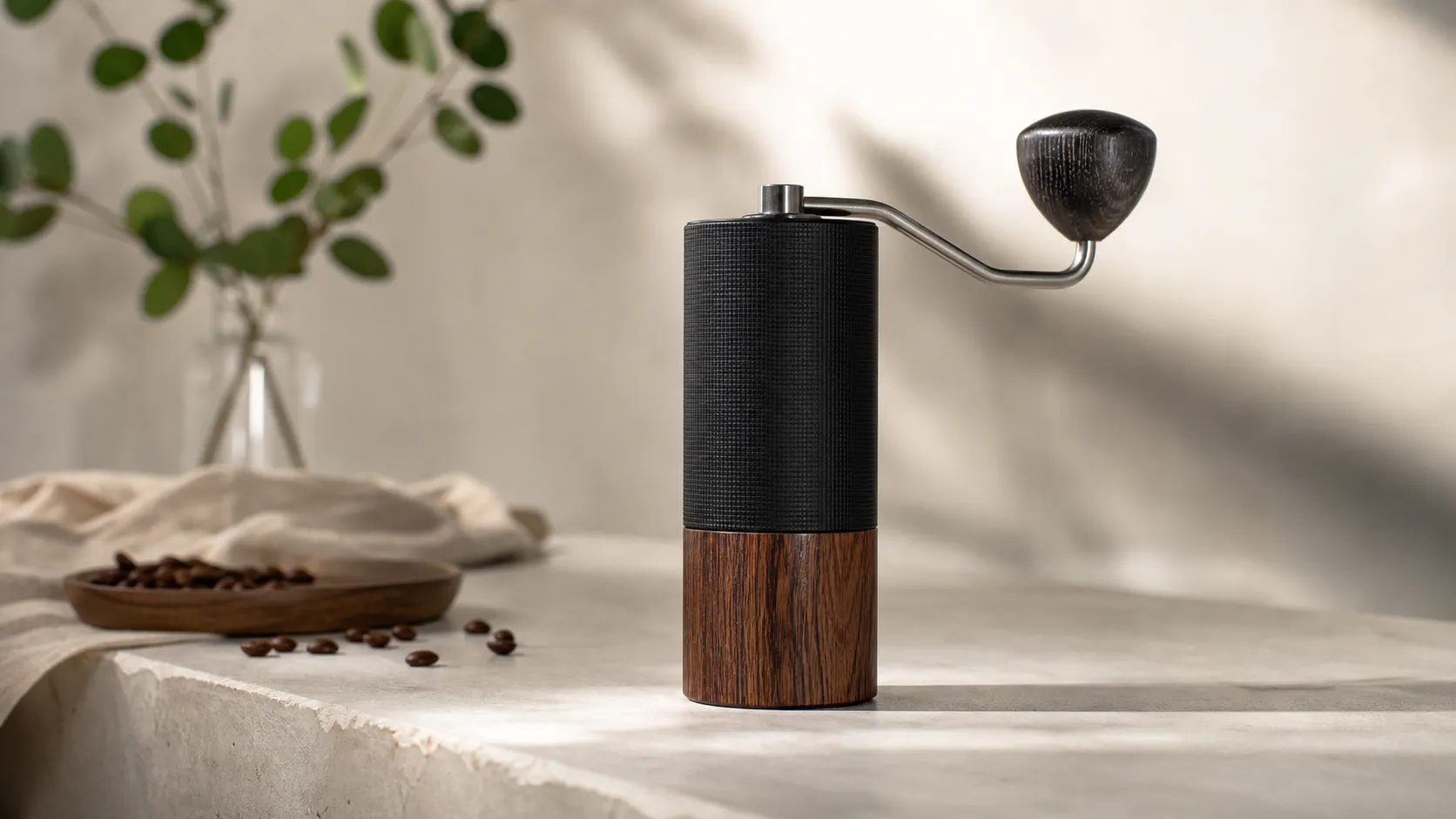
Comandante C40 MK4 Manual Coffee Grinder — 2026 Review
A premium manual grinder known for exceptional build and grind consistency — ideal for serious home baristas, but heavy and pricey for casual users or travel.
 Kitchen & Appliances
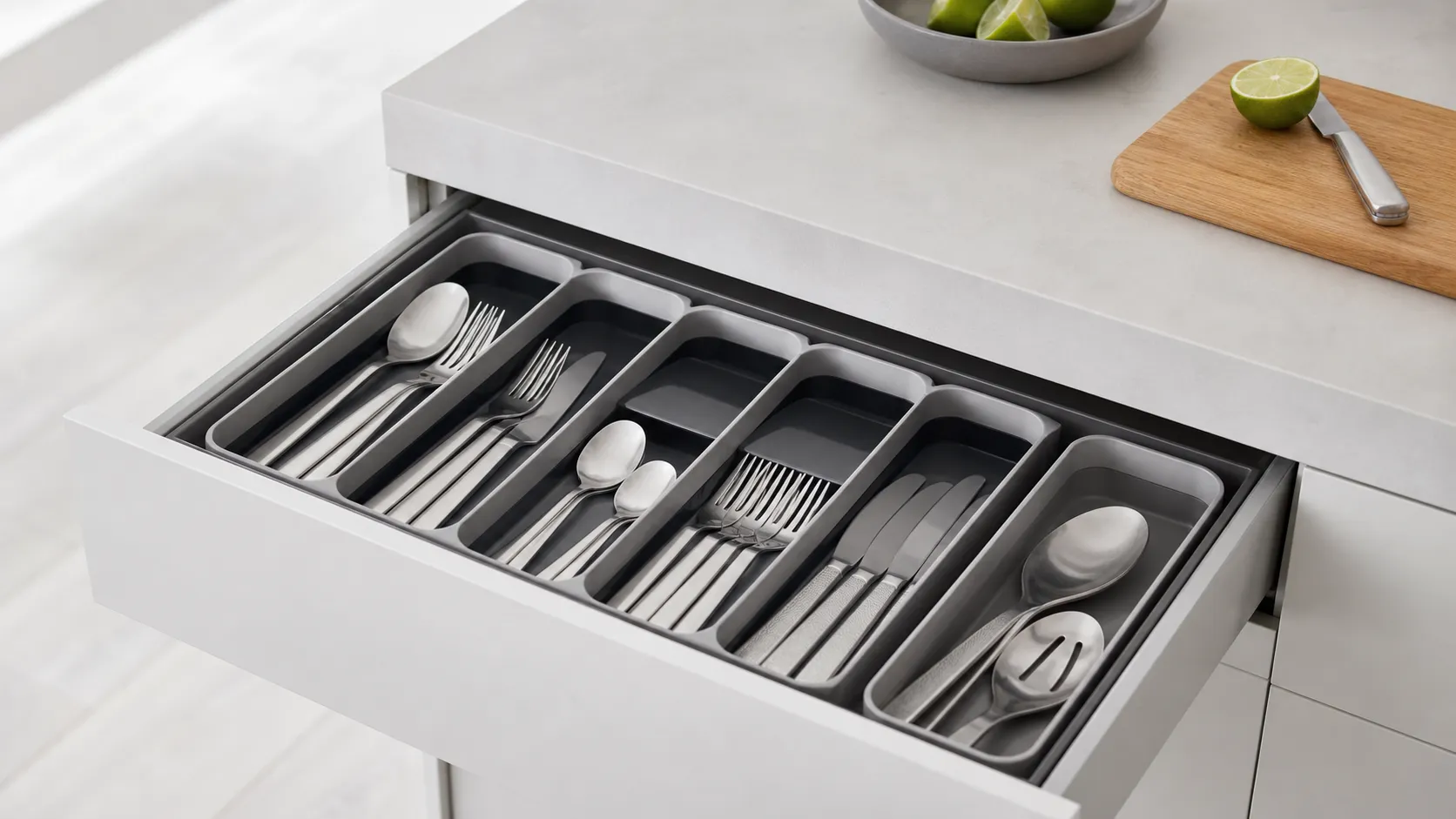
Joseph Joseph DrawerStore Cutlery Organizer Review 2026
A slim, modern cutlery tray that maximizes shallow-drawer space. Great for tidy, small-kitchen organization—measure your drawer first and avoid if you store long utensils.
 Kitchen & Appliances
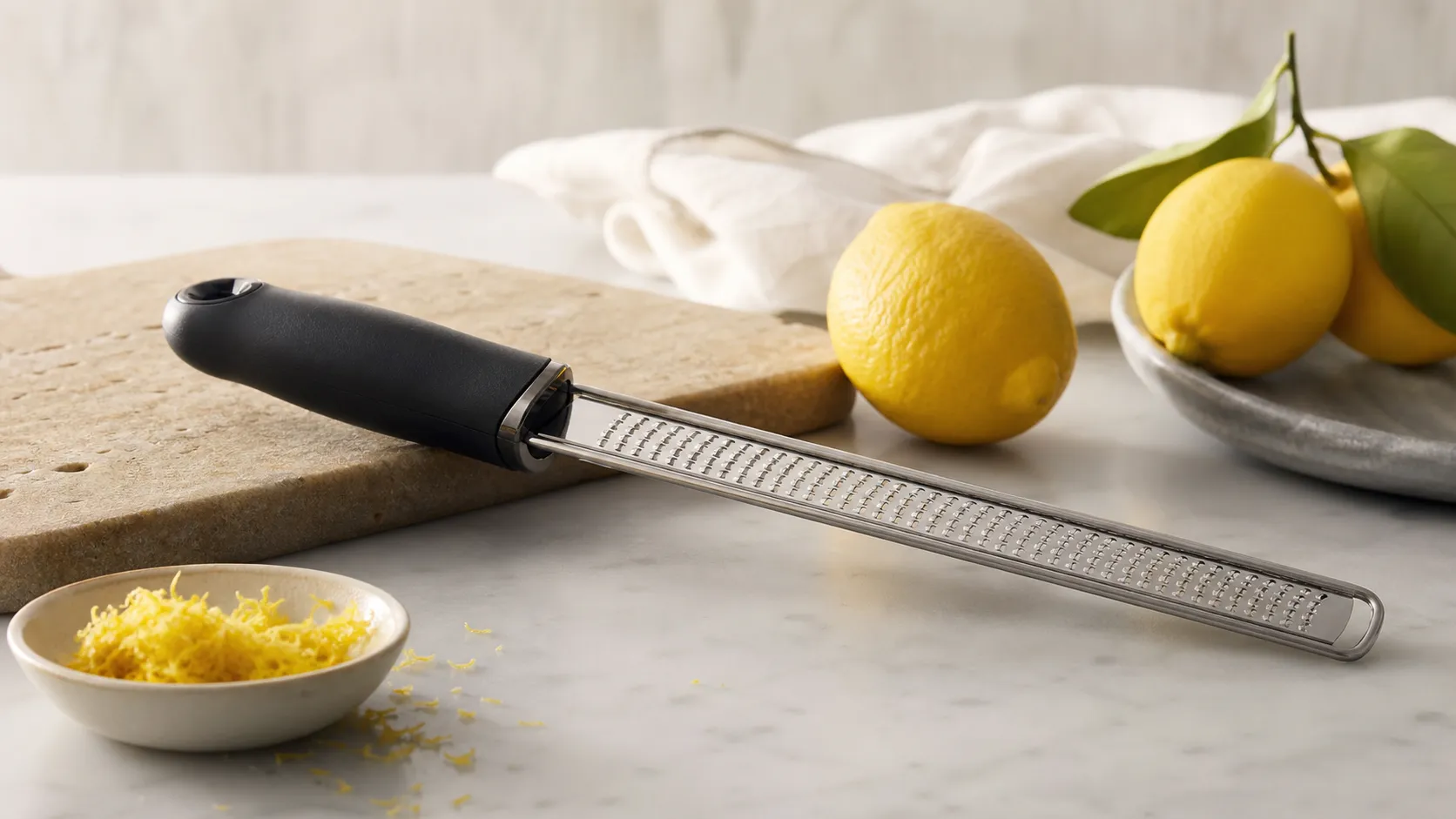
Microplane Premium Classic Zester/Grater — Review 2026
The Microplane Premium Classic is the go-to hand zester for precise, fluffy citrus zest and fine shavings. Sharp, compact, and great value—best for finishing, not bulk grating.