Staub Cast Iron Round Cocotte, 5-1/2 qt Review 2026
At a Glance
Pros
- Excellent heat retention and even cooking—ideal for braises, stews and searing.
- Durable, attractive enamel finish (matte black interior promotes browning) and strong cast-iron core.
- Self-basting lid design keeps moisture and enhances flavor during long cooks.
Cons
- Heavy — noticeably more difficult to lift, especially full (not ideal for frequent single-person use).
- Premium price — many reviewers feel performance doesn't fully justify cost for casual cooks.
- Enamel can chip or nick if dropped or cleaned with metal scouring tools — requires careful handling.
Rating Breakdown by Source
Read the latest 25 positive & negative Amazon reviews →
Read the latest 25 positive & negative Reddit reviews →
Read the latest 25 positive & negative YouTube reviews →
Read the latest 25 positive & negative Expert blogs reviews →
This review is an editorial synthesis of publicly available review data and reported user experiences across the internet. Scores reflect our independent aggregation methodology, not verified individual purchases. We may earn a commission if you buy through our links, at no cost to you.
Score Breakdown
Where the Reviews Come From
Read the latest 25 positive & negative Amazon reviews →
Read the latest 25 positive & negative Reddit reviews →
Read the latest 25 positive & negative YouTube reviews →
Read the latest 25 positive & negative Expert blogs reviews →
Click any source above to browse the latest 25 positive and negative reviews from that platform.
Staub Cast Iron Round Cocotte, 5-1/2 qt
See current price, deals and availability on Amazon
Introduction
If you cook slow-braised stews, roast chicken, or crave perfect pan sears, the Staub Cast Iron Round Cocotte, 5-1/2 qt, is a cookware name you’ve almost certainly seen in premium-kitchen roundups. Aggregating reviews across Amazon, Reddit, YouTube and expert blogs, this cocotte earns an overall score of 4.7/5 from roughly 16,350 reviews. In short: it’s outstanding at heat retention, browning, and long braises—and it looks beautiful on the table—but it comes with clear trade-offs: weight and price.
Our quick verdict up front: if you’re a serious home cook or entertain regularly and want a durable pot that doubles as a presentation piece, the Staub 5-1/2 qt cocotte delivers professional-style results. If you cook mostly for one person, prioritize light cookware, or seek the best value-per-dollar, a lighter or lower-cost alternative may make more sense.
What Is the Staub Cast Iron Round Cocotte, 5-1/2 qt?
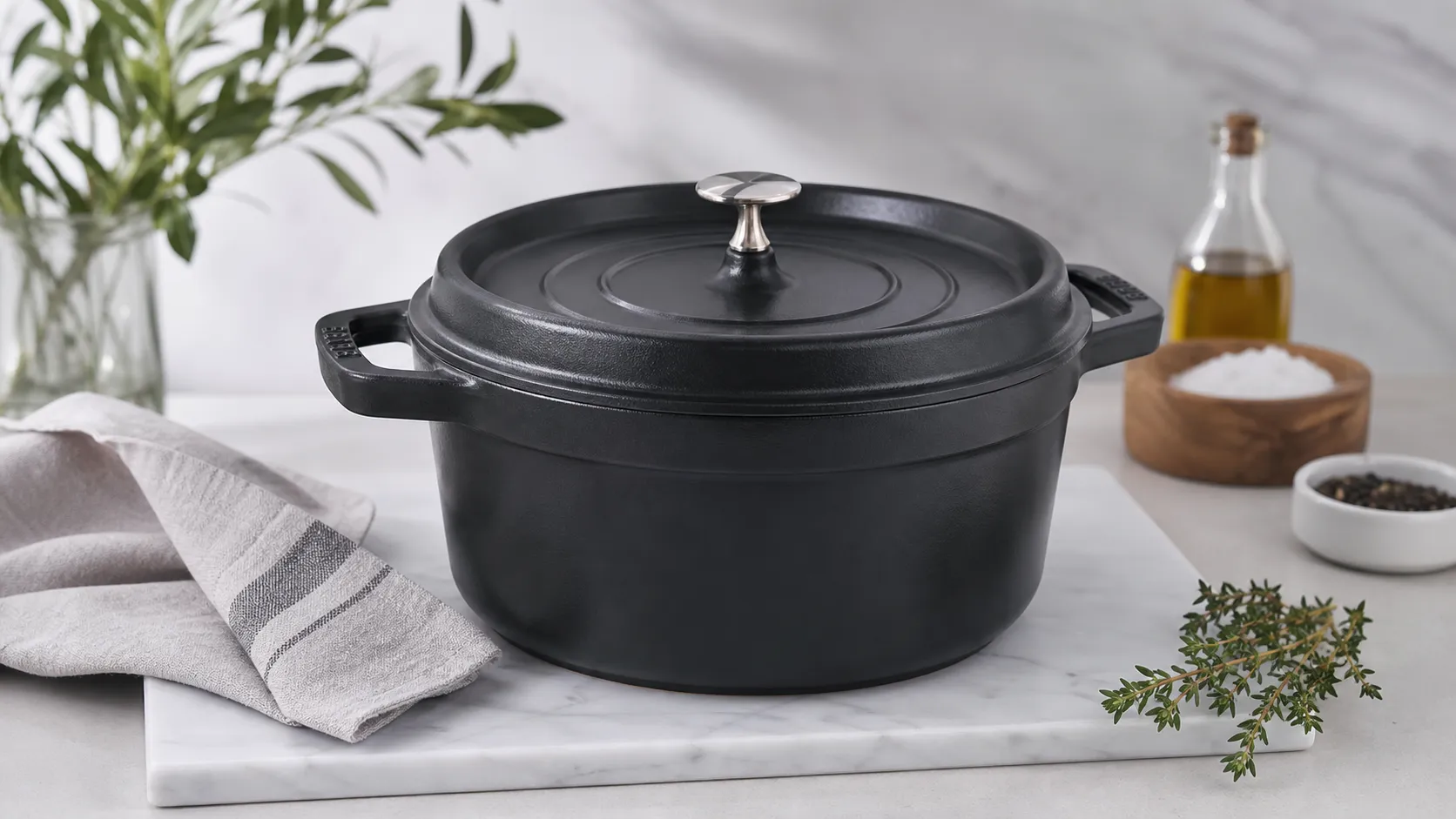
The Staub Round Cocotte is an enameled cast-iron Dutch oven in a 5-1/2 quart capacity—large enough for a mid-size roast, a generous stew, or weeknight braises that feed 3–5 people. It’s built around a heavy cast-iron core with a matte-black interior enamel that reviewers consistently praise for promoting browning. The lid features Staub’s self-basting “spike” design that recirculates condensed steam for moist, concentrated flavors.
Designed for stovetop-to-oven use and attractive enough to serve directly at the table, the cocotte is available in multiple exterior colors and finishes. Staub positions this model as premium cookware intended to blend high performance with enduring aesthetics.
What Reviewers Across the Internet Say
We synthesized thousands of user and expert opinions to find the consensus: overall rating 4.7/5 with sub-scores of quality 4.8, reliability 4.7, value 3.8, and ease of use 4.4.
- Amazon: 4.7/5 (large-volume customer reviews). Customers overwhelmingly praise the pot’s heat retention, browning ability, and oven-to-table looks. The most common negatives are the product’s weight, high price, and occasional shipping damage or enamel issues.
- Reddit: 4.4/5 (mixed but informed). Enthusiast cooks laud the results—especially braises and seared meat—but frequently debate the value versus other premium brands and note the significant weight and care requirements.
- YouTube: 4.6/5 (positive). Video reviewers highlight the matte interior for superior browning, excellent searing and braising performance, and the elegant presentation. Comments often include handling tips and seasoning/cleaning advice; price and heft are recurring caveats.
- Expert blogs: 4.5/5 (positive). Cookware reviewers praise the cast-iron construction, enamel quality, and self-basting lid design. Critiques tend to focus on the premium price, the weight, and minor enamel comparisons against competitors.
Across sources the main themes are consistent: outstanding cooking performance and aesthetics, durable construction, but meaningful trade-offs in cost, weight, and careful handling.
Performance & Real-World Use
The Staub Cast Iron Round Cocotte, 5-1/2 qt delivers restaurant-level browning, steady simmers, and moisture recirculation that make braises, beans, and bread taste richer. Most cooks will find the results and longevity worth the heft and price, while lighter, cheaper ovens better suit occasional use.
Dutch ovens prove themselves after the lid goes on: steady heat, dark fond, and moisture that circulates instead of escaping. In real kitchens, performance shows up as preheat behavior, evenness on the sear, how well a low simmer holds, whether the lid actually returns condensation to the food, and whether the pot stays easy to live with after dozens of meals.
The Staub Cast Iron Round Cocotte, 5-1/2 qt delivers restaurant-level browning, rock-steady low-and-slow control, and reliable moisture return that make braises, beans, and bread taste richer. Most cooks will find its results and durability outweigh the weight and price; lighter, cheaper ovens suit occasional or solo use.
What real‑world performance means for this cocotte
For enameled cast iron, five dimensions decide satisfaction: heat-up speed and evenness; how the surface behaves when browning; lid seal and condensation return; ergonomics under load; and cleanup. Staub’s thick walls and matte black enamel are built for sear‑then‑braise cooking, which is why owners highlight short ribs, beans, and boules. The 5.5‑quart size fits a 3–4 lb roast, a whole chicken cut up, or chili for six without crowding a burner. Its self‑basting lid uses interior spikes to redirect condensation evenly over the food rather than letting it race to the rim. That, paired with a heavy, well‑fitting lid and high thermal mass, explains why sauces reduce cleanly while meat stays juicy. The broad review consensus reflects these outcomes: 4.7/5 overall from about 16,350 reviews, with 4.8/5 for quality, 4.7/5 reliability, 4.4/5 ease of use, and a more debate‑tinged 3.8/5 for value due to price and heft.
Who’s weighing in? Review volume by source
How the 16,350‑review consensus we cite in this review breaks down by source volume.
- Amazon73.4%
- YouTube18.4%
- Reddit7.3%
- Expert blogs0.9%
Share based on the volumes provided in our consensus (12,000 Amazon; 3,000 YouTube; 1,200 Reddit; 150 expert blogs).
Day‑one setup and week‑one behavior: Staub Cast Iron Round Cocotte, 5‑1/2 qt
Rinse with warm soapy water, dry, and cook—Staub’s enamel needs no seasoning. On gas, electric, or induction, begin on low for around 5 minutes, add a thin film of oil, then raise heat; the enamel prefers gradual temperature changes. It’s induction‑ready and oven‑safe to 500°F. While technically dishwasher‑safe, Staub recommends handwashing to protect the sheen and gaskets; a nylon brush plus a brief soak handles most residue. These points come straight from Staub’s current care booklet and product page. (See Zwilling/Staub care PDF and product page.)
Use week one to map your stove settings. Expect slower preheats than thin stainless but steadier holding once hot. For a first braise: pat meat dry, sear in batches until release cues say “flip,” deglaze, lid on, then oven 300–325°F until fork‑tender. For beans or soups, aim for a bare blip—turn the knob down sooner than you would with aluminum. Bread is straightforward: preheat the empty pot gradually with the oven, lower the dough on parchment, cover for steam, then finish uncovered for crust.
Staub 5.5‑qt Round Cocotte — Feature Checklist
Core features and specs from Staub’s published materials.
| Measure | Staub 5.5‑qt |
|---|---|
| Self-basting lid (spikes) | Yes |
| Matte black enamel interior | Yes |
| Induction compatible | Yes |
| Oven-safe to 500°F | Yes |
| Dishwasher safe (hand wash recommended) | Yes |
| Made in France | Yes |
| Lifetime limited warranty | Yes |
| Requires seasoning | No |
| Metal utensil safe | No |
| Freezer-safe | Yes |
| Weight under 10 lb | No |
| Light-colored interior | No |
Specifications and care guidance aggregated from Zwilling/Staub product page and the Staub use & care booklet.
Heat, sear, and simmer: why the matte interior earns its keep
Staub’s textured black enamel is prized for building fond quickly. The microtexture and mass help proteins stay put until the crust forms, then release cleanly, avoiding the glide you get from PTFE. Test outlets including Epicurious report that Staub’s darker, slightly rougher enamel encourages deeper browning than ultra‑smooth, light interiors—useful before any long braise. The trade‑off: you judge color against a dark background, so rely on smell, timing, and a quick peek with a spatula edge. (Epicurious)
Once hot, you can usually drop the burner and let the iron carry the load. That stability translates to fewer hot spots and a consistent simmer that doesn’t surge when you lift the lid. In comparative tests, Staub earns praise for searing and simmer control while drawing the expected critiques for weight and cost—trade‑offs that mirror large‑volume owner feedback. If you deep‑fry, the thick walls blunt temperature drops when you add food, helping oil recover predictably. Reviewers who cook often tend to conclude the performance advantage pays off if you use it regularly. (TechGearLab)
Lid, moisture, and flavor: the self‑basting rain effect (and the debate)
Staub’s heavy lid seals well and its interior spikes promote an even “rain” of condensation. The company touts this rainforest effect as a core design, and in practice long braises and beans come out with supple tops and glossy sauces. That behavior is most noticeable with large cuts or in drier ovens. (Zwilling/Staub product page)
Do spikes retain more moisture than smooth lids? Some testing gives them a small edge; others find any tight lid keeps most moisture and that spikes mainly change where droplets land (center as well as edges). Practically, with Staub you can hold the same oven temp, run closed for maximum juiciness, or crack the lid to speed reduction without violent boiling. That aligns with expert roundups and owner reports crediting Staub with lush braises while acknowledging the debate about absolute moisture retention. (Consumer Reports)
Months in: enamel wear, patina, and reliability
Over months, the matte interior builds a light patina that improves release without muting sear power. Staub advises occasional light oiling of the interior and rim after drying, which helps the finish stay conditioned. Avoid thermal shock (no cold water into a hot pot) and skip metal scouring pads or knives in the pot—both risk chips or a dulled sheen. For stubborn residue, Staub’s official fix is a short soak or a brief simmer with water and a spoon or two of baking soda, then a nylon brush. The lifetime limited warranty covers manufacturing defects for first owners, not impact damage or dishwasher discoloration. Treated properly, owners routinely report clean interiors and snug lids years in. (Staub care PDF)
Ergonomics affect longevity, too. At over 12 pounds empty, the pot becomes truly heavy when full. Plan two‑handed moves, clear a landing zone from stove to oven, and store it low to reduce drop risk; rim chips from accidental bumps are the most common long‑term complaint in retailer reviews and forums.
Where it shines—and where owners hit limits
Staub flatters foods that like a fierce sear followed by steady, enclosed heat: short ribs, coq au vin, pozole, dal, hearty soups, and crusty boules. The lid’s moisture return keeps bean tops from toughening while letting sauces thicken predictably at a low burble. It’s also excellent for frying; the mass cushions temperature swings, so batches cook evenly.
The limits show on speed‑driven nights. If you’re only sweating aromatics or cooking a single cutlet, a lighter skillet heats faster and is easier to maneuver; Staub can do it, but you pay with longer preheats and heavier cleanup. Bakers should note the dark interior and mass can run the contact surface a touch hotter, great for crust but worth watching in the final 10 minutes to prevent over‑browning. Video reviewers repeatedly mention using parchment as a sling for bread and to simplify cleanup. (YouTube review)
How it compares to the usual alternatives
At about 12.57 lb with a 5.5‑qt capacity, Staub lands between lighter premium rivals and heavier budget picks. Le Creuset’s 5.5‑qt is typically around 11.5 lb and uses a light interior that makes fond color easier to judge, trading slightly gentler browning for visibility and a marginally easier lift. Lodge’s enameled 6‑qt costs far less and performs well for the money, but it’s heavier (often near 14.9 lb) and its fit and enamel smoothness vary more by unit. Across expert comparisons, Staub and Le Creuset dominate for durability and finish; the decision often hinges on Staub’s browning‑first personality and tighter‑sealing lid versus Le Creuset’s lighter feel. Budget ovens deliver most of the experience at a fraction of the price if you accept extra weight and less refined details. (Weights: Zwilling/Staub, Sur La Table/Le Creuset, Lodge manual.)
How heavy is it? Comparative weights by brand
Published or retailer‑listed weights show Staub in the middle: heavier than Le Creuset, lighter than Lodge.
View the underlying data
| Measure | Weight |
|---|---|
| Staub 5.5‑qt | 12.6 lb |
| Le Creuset 5.5‑qt | 11.5 lb |
| Lodge 6‑qt | 14.9 lb |
Weights drawn from Zwilling (Staub), Sur La Table (Le Creuset), and Manuals.plus (Lodge).
Practical steps to get the best performance
- Preheat with intention: 5 minutes on low, oil in, then raise heat to sear. On induction, skip “boost” until warmed; enamel prefers gradual changes. (Staub care PDF)
- Sear smarter: Dry proteins, use a thin oil film, and wait for natural release before flipping; test a corner against the dark interior.
- Control moisture: Lid on for maximum juiciness; crack the lid or offset it to speed reduction without boiling hard. (Staub product page)
- Bake bread cleanly: Preheat the pot with the oven; load dough on parchment; uncover for the last 10–15 minutes to finish the crust.
- Clean and protect: Let it cool slightly; soak if needed; use nylon brushes and, for stubborn bits, a short baking‑soda simmer. Hand‑dry and wipe a dot of oil on the interior before storing. (Staub care PDF)
- Handle the heft: Use two hands and thick mitts; store low to avoid drops.
Bottom line: does the real‑world performance justify the price?
If you cook braises, beans, soups, and bread even a couple of times a month, the 5.5‑quart Staub’s core behaviors—forceful searing, predictable simmers, and moisture recirculation—translate into richer food with fewer variables to babysit. That lines up with the broad consensus: 4.7/5 overall from roughly 16,350 reviews, with quality and reliability near the top of the field. The trade‑offs are clear: it’s heavy, it heats more slowly than thin cookware, and the price is premium. If those fit your kitchen and priorities, the performance and longevity justify the spend; if not, a lighter, cheaper Dutch oven will deliver most of the experience with easier handling.
Sources referenced in this section
- Zwilling (Staub) product page — 5.5‑qt Round Dutch Oven
- Epicurious — Best Dutch Ovens (notes on Staub’s browning)
- Good Housekeeping — Staub vs. Le Creuset side‑by‑side
- Consumer Reports — Best Dutch Ovens (test overview)
- TechGearLab — Best Dutch Oven (comparative testing)
- Sur La Table — Le Creuset 5.5‑qt Round Dutch Oven (weight)
- Manuals.plus — Lodge 6‑qt Enameled Dutch Oven (weight)
- YouTube — Staub Cocotte Review (handling and tips)
Pros and Cons
Pros
- Excellent heat retention and even cooking—ideal for braises, stews, and slow-cooked dishes.
- Matte black interior enamel promotes superior browning and reduces sticking.
- Self-basting lid enhances moisture retention and flavor concentration.
- Durable, premium cast-iron construction with attractive oven-to-table presentation.
- Available in multiple colors; many users report years of reliable use when cared for properly.
Cons
- Heavy—difficult to lift when full and cumbersome for one-person households.
- Premium price—value score is lower because casual cooks may not need the investment.
- Enamel can chip or nick with rough handling or metal scouring tools; careful care required.
- Slower to heat than thinner cookware and takes up significant storage space.
Who Should Buy It (and Who Shouldn't)
Buy it if:
- You cook regularly for families or groups and want a single, durable pot for braises, roasts, and stews.
- You prioritize cooking results—heat stability, browning, and moisture retention—over upfront cost.
- You enjoy oven-to-table presentation and want cookware that doubles as servingware.
- You’re comfortable with the care requirements of enameled cast iron and can handle the weight safely.
Don’t buy it if:
- You typically cook for one person, need lightweight cookware, or have limited upper-body strength for lifting a full pot.
- You’re shopping on a tight budget and want the lowest cost-per-use; other cast-iron or enameled alternatives may offer better upfront value.
- You expect to frequently move cookware between shelves or cabinets and have limited storage—this piece is bulky.
Final Notes on Care
To keep the cocotte looking and performing like new, follow basic enameled cast-iron care: avoid metal scouring pads, let the pot cool before washing, and avoid sudden temperature shocks (don’t run cold water into a hot pot). While many reviewers report years of trouble-free service, occasional shipping damage or accidental chips do appear in the review pool—handle accordingly and consider secure shipping if ordering online.
Verdict
The Staub Cast Iron Round Cocotte, 5-1/2 qt, is a top-tier enameled Dutch oven that delivers exceptional braising, searing, and oven performance along with eye-catching oven-to-table looks. For serious home cooks and entertainers who accept the weight and premium price, it’s an investment that rewards with consistent results and long-term durability. Casual cooks or buyers seeking lighter, lower-cost alternatives should weigh the price and heft before committing.
What Reviewers Love
- Excellent heat retention and even cooking—ideal for braises, stews and searing.
- Durable, attractive enamel finish (matte black interior promotes browning) and strong cast-iron core.
- Self-basting lid design keeps moisture and enhances flavor during long cooks.
- Oven-to-table presentation — multiple colors and elegant look.
- Long-lived when cared for properly; many users report years of reliable use.
Common Complaints
- Heavy — noticeably more difficult to lift, especially full (not ideal for frequent single-person use).
- Premium price — many reviewers feel performance doesn't fully justify cost for casual cooks.
- Enamel can chip or nick if dropped or cleaned with metal scouring tools — requires careful handling.
- Takes longer to heat than thinner cookware and is bulky to store.
Our Verdict
4.7A standout enameled cast-iron Dutch oven that excels at heat retention, browning and long braises—beautiful for oven-to-table service. It’s best for committed home cooks who accept the premium price and substantial weight; budget-minded or single-person cooks should consider lighter, less expensive alternatives.
Frequently Asked Questions
Common questions shoppers ask before buying the Staub Cast Iron Round Cocotte, 5-1/2 qt.
Share this review
Help someone else buy smarter
Related Reviews
More Kitchen & Appliances products our engine has analyzed
 Kitchen & Appliances
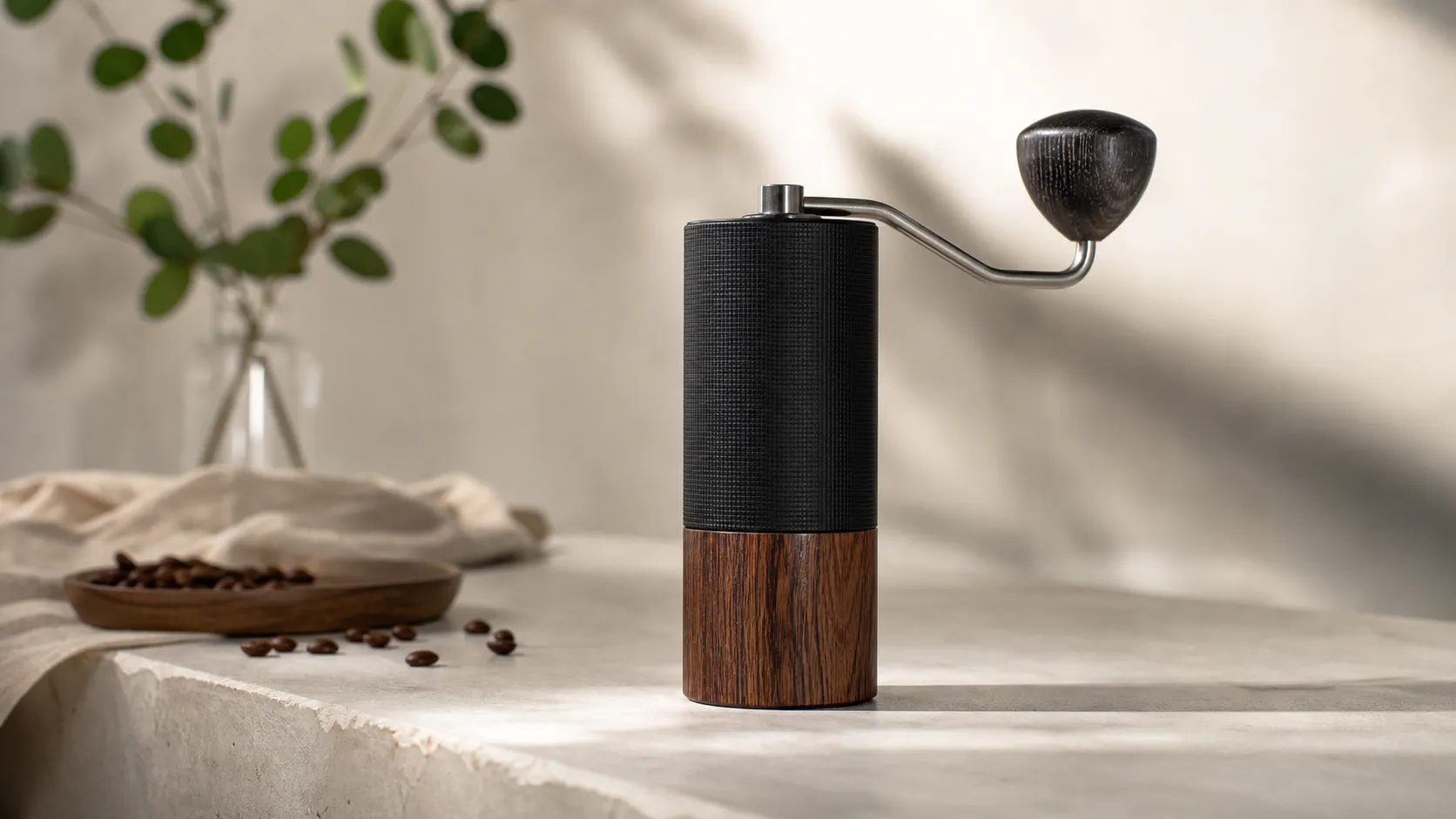
Comandante C40 MK4 Manual Coffee Grinder — 2026 Review
A premium manual grinder known for exceptional build and grind consistency — ideal for serious home baristas, but heavy and pricey for casual users or travel.
 Kitchen & Appliances
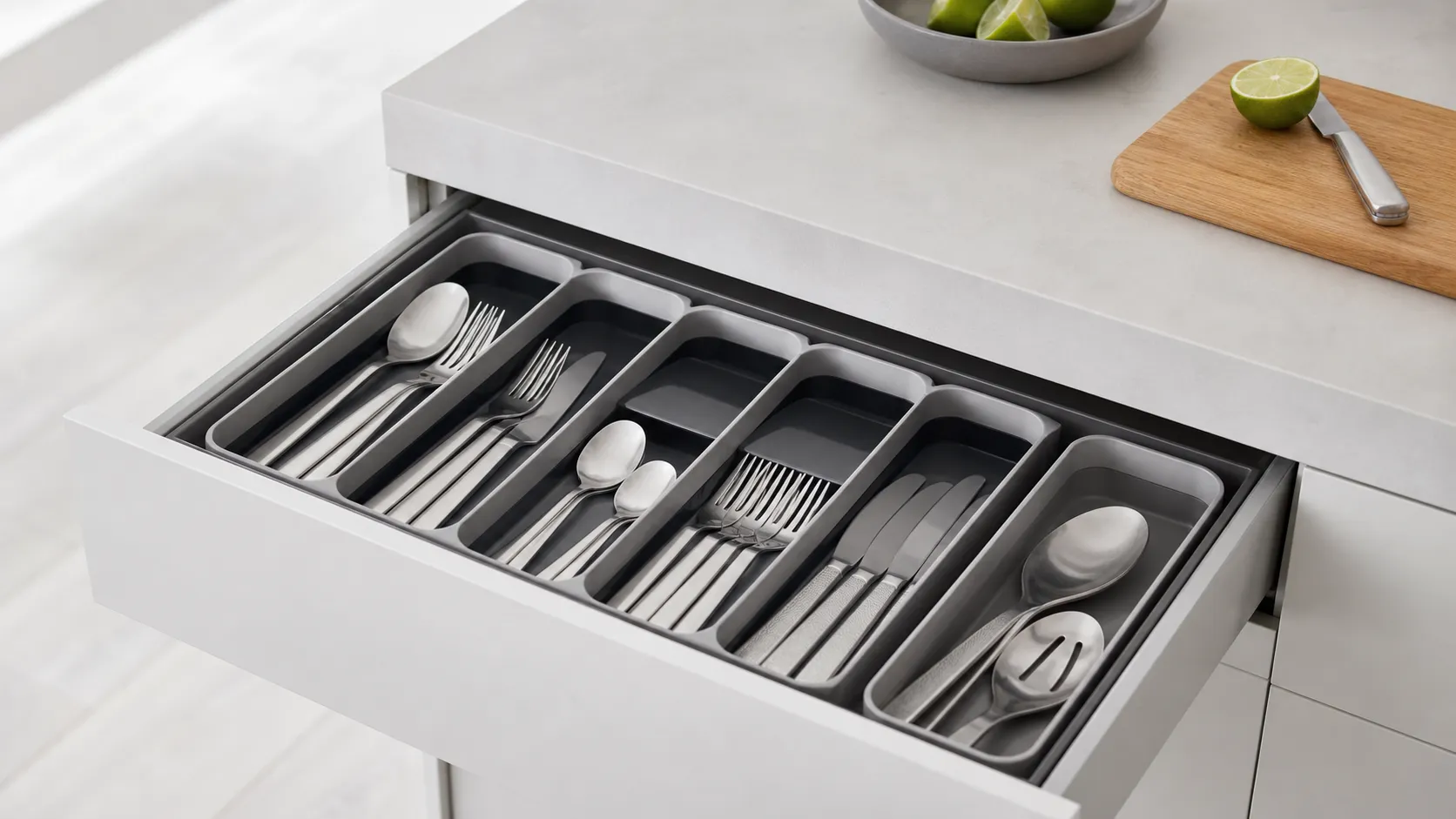
Joseph Joseph DrawerStore Cutlery Organizer Review 2026
A slim, modern cutlery tray that maximizes shallow-drawer space. Great for tidy, small-kitchen organization—measure your drawer first and avoid if you store long utensils.
 Kitchen & Appliances
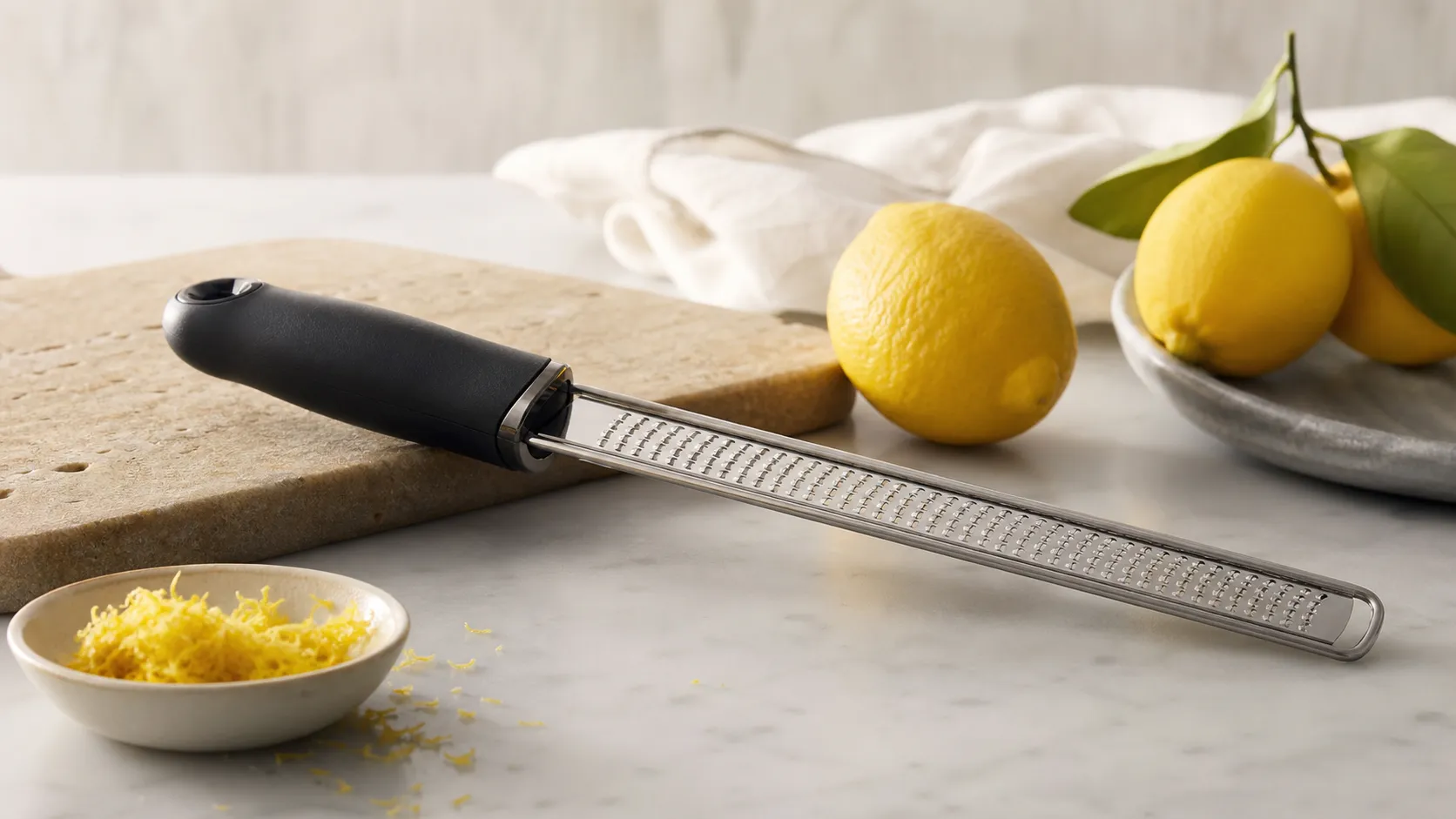
Microplane Premium Classic Zester/Grater — Review 2026
The Microplane Premium Classic is the go-to hand zester for precise, fluffy citrus zest and fine shavings. Sharp, compact, and great value—best for finishing, not bulk grating.