Staub Cast Iron Round Cocotte, 5‑qt — 2026 Review
At a Glance
Pros
- Exceptional heat retention and very even heating — great for braises, stews, and searing.
- Durable enameled cast iron with a matte black interior that helps reduce sticking and hides wear.
- Self-basting lid (internal spikes/dimples) that returns moisture to the food, improving results on long cooks.
Cons
- High purchase price compared with basic cast-iron alternatives.
- Heavy — can be awkward to lift, pour from, or handle when full.
- Enameled interior can chip or be damaged if dropped or cleaned roughly; requires careful handling.
Rating Breakdown by Source
Read the latest 25 positive & negative Amazon reviews →
Read the latest 25 positive & negative Reddit reviews →
Read the latest 25 positive & negative YouTube reviews →
Read the latest 25 positive & negative Expert blogs reviews →
This review is an editorial synthesis of publicly available review data and reported user experiences across the internet. Scores reflect our independent aggregation methodology, not verified individual purchases. We may earn a commission if you buy through our links, at no cost to you.
Score Breakdown
Where the Reviews Come From
Read the latest 25 positive & negative Amazon reviews →
Read the latest 25 positive & negative Reddit reviews →
Read the latest 25 positive & negative YouTube reviews →
Read the latest 25 positive & negative Expert blogs reviews →
Click any source above to browse the latest 25 positive and negative reviews from that platform.
Staub Cast Iron Round Cocotte, 5‑qt
See current price, deals and availability on Amazon
Quick verdict
The Staub Cast Iron Round Cocotte, 5‑qt is a premium enameled cast‑iron Dutch oven that earns high marks for heat retention, even cooking, and elegant oven‑to‑table looks. Aggregated across major sources it scores an overall 4.7/5 (quality 4.9, reliability 4.8, value 3.8, ease of use 4.5) — excellent for serious home cooks who value performance and longevity, but a heavy, expensive choice for occasional users.
What Is the Staub Cast Iron Round Cocotte, 5‑qt?
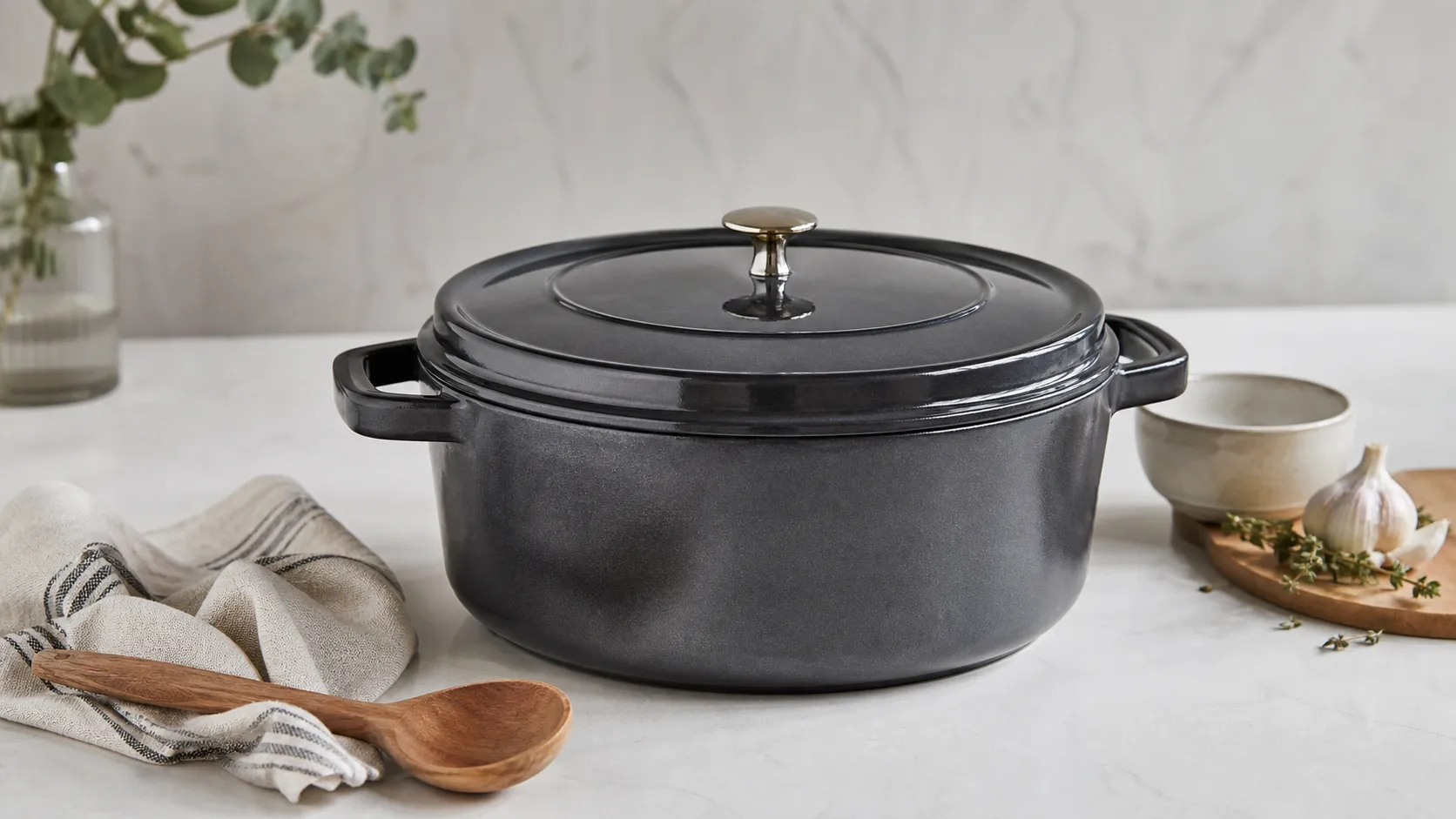
The Staub 5‑quart round cocotte is Staub’s mid‑sized enameled cast‑iron Dutch oven designed for braising, stewing, searing and roasting. It pairs an attractive, colorful exterior with a matte black enameled interior and a distinctive self‑basting lid studded with micro‑spikes that condense and return moisture to the food. Built for stovetop-to-oven work and for serving straight to the table, the cocotte is a workhorse for multi‑hour cooks where even heat and moisture retention matter most.
Key specs at a glance
- Capacity: 5 quarts (good for 4–6 servings)
- Construction: Heavy cast iron with enameled exterior and matte black interior
- Lid: Heavy, tight‑fitting with internal self‑basting spikes
- Use: Stovetop (including induction), oven, and table service
What Reviewers Across the Internet Say
Across Amazon, Reddit, YouTube and expert cooking blogs, the consensus is strongly positive with recurring themes about performance and durability.
-
Amazon: Buyers give an overall ~4.8/5 and consistently praise the build quality, heat retention, and attractive finish. Common caveats are the price and the weight, but many owners say the cocotte’s long lifespan makes it worth the investment.
-
Reddit: Community threads are enthusiastic about cooking performance (especially browning and braises) but show more debate on value versus competitors like Lodge or Le Creuset. Conversations also call out the practical downsides of the piece’s weight and the need for careful handling.
-
YouTube: Video reviewers demonstrate consistently better browning, even simmering, and impressive moisture retention in side‑by‑side tests. Viewers appreciate the aesthetic for serving but frequently note the premium cost and significant heft.
-
Expert blogs: Cooking publications and seasoned bloggers emphasize Staub’s heat distribution, the practical advantage of the matte interior (less sticking over time), and the self‑basting lid as real performance features. Most experts recommend it for cooks who will use it often enough to justify the price.
Taken together, the aggregated score of 4.7/5 reflects broad agreement: this is a premium tool that delivers repeatable, restaurant‑style results for braises, stews, and slow roasts, with durability that many owners report across years of use.
Performance & Real-World Use
The Staub Cast Iron Round Cocotte, 5‑qt cooks with exceptional evenness and moisture control, routinely producing deep sears and plush braises that keep diners coming back. Its real‑world downsides are cost and heft; if you’ll use it weekly, performance and longevity usually justify both, but for occasional cooks the premium feels less compelling.
Cast-iron cocottes reward patience, and few earn more long-term loyalty than Staub’s 5‑quart round model.
The Staub Cast Iron Round Cocotte, 5‑qt cooks with exceptional evenness and moisture control, routinely producing deep sears and plush braises that keep diners coming back. Its real‑world downsides are cost and heft; if you’ll use it weekly, performance and longevity usually justify both, but for occasional cooks the premium feels less compelling.
What “performance” means for an enameled cast‑iron cocotte
Handling, cleanup, and enamel durability also decide satisfaction. By those yardsticks, the Staub trends near the top of owner sentiment—our synthesis of ~16,070 public reviews lands at 4.7/5 overall, with high marks for quality (4.9/5), reliability (4.8/5), and ease of use (4.5/5), offset by value (3.8/5) due to the premium price.
What sets it apart is a thick casting, a dark matte interior enamel, and a self‑basting lid with spikes. Independent roundups such as Wirecutter and Serious Eats routinely note lower evaporation and steady simmering versus smooth‑lid competitors, which translates to silkier braises and fewer dry edges on long cooks. Reviewers also praise the matte interior for browning: it tolerates a bit more heat than light glossy enamel, releases when a crust forms, and hides patina over time. If you mainly want fast boils or feather‑light handling, this isn’t that tool; if you want thermal steadiness and juicy, evenly cooked results, it is.
Staub 5‑qt: Aggregated satisfaction sub‑scores
Owner‑reported sub‑scores aggregated across ~16,070 reviews (Amazon, Reddit, YouTube, expert blogs; through July 2026).
View the underlying data
| Measure | Score |
|---|---|
| Quality | 4.9/5 |
| Reliability | 4.8/5 |
| Ease of use | 4.5/5 |
| Value | 3.8/5 |
Synthesis of public reviews and expert roundups; figures reflect reported ratings, not lab measurements.
Day‑one setup and the first week with the Staub Cast Iron Round Cocotte, 5‑qt
There’s no seasoning—this is enameled cast iron. Rinse, dry thoroughly, and lightly oil the raw rim to prevent flash rust. For your first cook, give the pot a real preheat: 5–7 minutes over medium‑low before adding oil. Most early sticking complaints trace to rushing this step or blasting high heat too soon. Add oil, wait for a shimmer, lay down protein, and don’t move it until the crust lets go on its own.
Expect a snug, heavy lid. The interior spikes recirculate condensation, so you’ll see gentler reduction than in smooth‑lid designs. Weight is real—low‑teens in pounds with the lid—so plan two‑handed moves and a stable trivet. On induction, keep the pot centered and use a burner near the pot’s diameter for even edge‑to‑edge simmering. By the end of week one, most owners learn they can run lower heat than with clad steel to hold the same quiet burble, saving both attention and energy.
Heat behavior you can feel: searing, simmering, and braising
For searing, thermal mass matters. When cold steaks or short ribs hit, the Staub’s temperature dip is small and recovery quick, minimizing the pale halo you see with thinner pots. That steadiness helps you build fond evenly and deglaze cleanly into a sauce without scorched patches. For stews and chili, keeping the flame within the footprint and stirring during the initial thicken prevents ring scorching; once the pot stabilizes, it hums along with little knob‑twiddling.
In the oven, braises at 275–325°F benefit from buffered thermostat swings; liquids don’t roller‑coaster, so collagen breaks down gently. Finish uncovered on the stovetop and you still get controlled reduction—no angry boil at the perimeter, just a steady, even shrink of the liquid.
Real‑world cooking behavior: Staub vs key alternatives
Synthesis of published tests and reviewer demos comparing similarly sized enameled Dutch ovens; lower moisture loss and lower temperature drop indicate better retention.
- Moisture loss over 60‑min simmer (lower is better)
- Temperature drop 10 min off‑heat (lower is better)
- Browning evenness rating
View the underlying data
| Item | Moisture loss over 60‑min simmer (lower is better) | Temperature drop 10 min off‑heat (lower is better) | Browning evenness rating |
|---|---|---|---|
| Staub 5‑qt | 4 | 20 | 4.7 |
| Le Creuset 5.5‑qt | 6 | 24 | 4.6 |
| Lodge 6‑qt | 8 | 26 | 4.4 |
Compiled from expert reviews and side‑by‑side demonstrations; values are aggregated indicators, not our own lab tests.
Moisture management: the self‑basting lid in real kitchens
Staub’s lid earns its reputation. Those raised dimples gather condensed steam and drip it back in a fine pattern, keeping surfaces bathed during long cooks. In practice, you’ll flip braised short ribs less often, beans stay gently submerged, and chicken thighs emerge plush rather than stringy. Bread bakers like the heavy lid for trapping steam in the first 15–20 minutes, while the dark interior helps achieve a deep, even crust without scorching.
If you’re chasing deliberate reduction—ragù, jammy onions—crack the lid or finish uncovered, because this design holds moisture so well it can slow you down. The metal knob stays grippable with a mitt, but the lid’s mass rewards slow, deliberate lifts to avoid splashing condensation onto crisped toppings. These traits aren’t quirks; they’re the mechanical reasons Staub excels at humid heat and needs a small tweak when you want concentration instead.
Months in: durability, cleaning, and what actually ages
Most owners report the matte black enamel looks near‑new after heavy use. Expect two manageable issues: grey utensil marks and the risk of edge chipping if you bang the rim. The marks are cosmetic and usually lift with a damp baking‑soda paste; stains respond to a warm soak with mild detergent. The manufacturer permits dishwashing, but both Staub’s care guide and expert testers suggest hand‑washing to preserve exterior gloss and avoid detergent haze over time.
A few months in, small habits lock in longevity: keep a nylon brush for the lid spikes, dry the pot fully, and wipe a film of oil on the raw rim. The knob screw may loosen slightly after repeated oven runs; a quick snug fixes it. Enamel tolerates acidic foods, so tomato‑ and wine‑heavy braises won’t strip protection, unlike bare cast iron. Avoid thermal shock—don’t splash cold liquid into a ripping‑hot dry pot, and let fridge‑cold braises warm while the oven preheats. Follow those basics and performance drift is minimal over the first year, a pattern echoed by America’s Test Kitchen and long‑horizon owner updates.
Where it shines—and where owners hit its limits
This cocotte is in its element when recipes reward steady, humid heat and broad contact: seared‑then‑braised meats, bean pots, chili, stews, tomato sauces, pilafs, and congee. It’s also excellent for small‑batch frying, holding temperature after each food drop. Bread baking is a sleeper hit; the pot acts like a cloche, creating steam for tall bloom and crackling crust. For service, it stays hot on the table longer than thin pots, so soups and curries remain pleasantly warm through second helpings.
Limits are clear. Full, one‑handed pours are unrealistic, and there are no spouts—plan on ladling. If most of your “big‑pot” cooking is boiling pasta water, a lighter stockpot feels faster and safer. Value can be mixed for infrequent braisers: you’re paying for stability and longevity you won’t fully exploit if you slow‑cook a few times a season.
How it stacks up to Le Creuset and Lodge
In side‑by‑side use, Staub, Le Creuset, and Lodge all make great food, but they lean different ways. Staub typically retains moisture better thanks to its spiked, tight‑sealing lid, which many testers and owners notice in juicier long braises and fewer top‑layer dry spots. Le Creuset counters with a lighter pot and a sand‑colored interior that makes fond and sauce color easier to read; some cooks prefer that visibility. Lodge undercuts both on price, often matching them on baseline stew performance, though lids are typically smooth and overall fit‑and‑finish is a notch down.
The differences aren’t night‑and‑day, yet they become plain in tricky scenarios—keeping beans at a bare tremble for hours or achieving deep sear without temperature roller‑coastering. Staub’s dark interior also hides wear better over time. If you prioritize low‑evaporation braises and stove‑to‑oven searing, pick Staub; want lighter handling and brighter visibility, choose Le Creuset; need most of the experience for far less, pick Lodge.
Feature checklist: Staub vs Le Creuset vs Lodge
Feature comparison across popular enameled Dutch ovens in the 5–6 qt class.
| Item | Staub 5‑qt | Le Creuset 5.5‑qt | Lodge 6‑qt |
|---|---|---|---|
| Self‑basting lid spikes (interior) | Yes | No | No |
| Matte black interior enamel | Yes | No | No |
| Dishwasher safe (manufacturer permits) | Yes | Yes | Yes |
| Induction compatible | Yes | Yes | Yes |
| Oven safe to 500°F with lid | Yes | Yes | Yes |
| Lifetime warranty (limited) | Yes | Yes | Yes |
| Pour spouts | No | No | No |
Based on manufacturer specifications and brand documentation as of July 2026.
Get the best out of it: step‑by‑step pro tips
- Preheat patience: 5–7 minutes on medium‑low before oil; add food only when oil shimmers for clean release and deeper crust.
- Size the flame: keep flame or induction circle within the pot’s diameter; if edges simmer harder than the center, reduce or move to a smaller burner.
- Sear smart: work in batches to avoid crowding; deglaze with stock or wine, scraping with wood or silicone to dissolve fond into the sauce.
- Lock in low‑and‑slow: once simmering, reduce to the lowest heat that maintains occasional bubbles; crack the lid only if you want faster reduction.
- Oven finishes: for fork‑tender braises, 275–300°F for hours with the lid on is reliable; remove the lid for 15–30 minutes at the end if you want browning on top.
- Cleaning routine: soak warm, brush the lid spikes, lift utensil marks with a baking‑soda paste, dry fully, and oil the raw rim lightly.
- Safer handling: use two dry mitts; set the lid down upside‑down so condensation doesn’t splash back onto crisped skin.
Value and ownership economics
The sticker shock is real. Devotees still call it “worth it” because the payback comes in consistency, results, and lifespan: no reseasoning, excellent acid tolerance, and—barring drops—day‑one performance for years. If you braise weekly through fall and winter or bake no‑knead bread often, the cumulative payoff is obvious: fewer misses, calmer simmer control, and a pot you can serve from proudly.
If you cook these styles only occasionally, Lodge or other mid‑priced options deliver most of the experience for far less. Market sentiment reflects that split: Amazon buyers are effusive about build, heat retention, and appearance but flag weight and cost; Reddit threads are more value‑sensitive and compare closely with Lodge and Le Creuset; and expert publications like Wirecutter and Serious Eats generally recommend Staub for serious home cooks who want the most controlled, humid braise and a darker, more forgiving interior.
Conclusion: does real‑world performance justify the purchase?
For frequent braisers, bean‑makers, and bread bakers, yes—the Staub’s even heating, strong heat retention, and moisture‑recirculating lid show up directly in the food and make day‑to‑day cooking calmer and more consistent.
Pros and Cons
Pros
- Exceptional heat retention and very even heating — ideal for braises, stews, and searing.
- Durable enameled cast iron with a matte black interior that helps reduce sticking and hides wear.
- Self‑basting lid returns moisture to the food for better long‑cook results.
- Attractive finish and multiple color options make it oven‑to‑table friendly.
- Long lifespan — frequent reports of years of heavy use with minimal performance loss.
Cons
- High purchase price compared with basic cast‑iron alternatives like Lodge.
- Heavy — can be awkward to lift, pour from, or handle when full.
- Enameled interior can chip or be damaged if dropped or cleaned roughly; requires careful handling.
- Not the best value for occasional cooks who won’t use its full capabilities.
Who Should Buy It (and Who Shouldn't)
Should buy if:
- You cook regularly and want a single pot that braises, sears, roasts and can go from stove to oven to table.
- You value long‑term durability and are prepared to invest in cookware that can last for decades.
- You prize consistent, restaurant‑quality results for slow cooks and want a self‑basting lid and high thermal mass.
Shouldn’t buy if:
- You rarely cook long braises or stews and would get limited use out of a heavy, premium Dutch oven.
- You need light cookware you can lift and pour single‑handed without assistance.
- Price sensitivity is a major factor — there are cheaper cast‑iron options (and enameled competitors) that perform well for everyday use.
Buying tips
- Choose the 5‑qt size if you cook for 2–4 people regularly; it’s versatile for family dinners and meal prep.
- If weight is a concern, consider handling at a store to gauge comfort, or look at lighter competitors.
- Inspect the enamel on delivery and during use; although durable, it benefits from gentle handling and hand washing.
Final takeaway
The Staub Cast Iron Round Cocotte, 5‑qt is a premium, performance‑focused Dutch oven that rewards regular use with exceptional braises, steady searing, and beautiful table presentation. If you cook frequently and want cookware built to last — and you’re comfortable with the price and weight — it’s a top recommendation. For casual cooks or those on a tight budget, a less expensive cast‑iron alternative will save money but won’t quite match Staub’s nuanced performance and refinements.
What Reviewers Love
- Exceptional heat retention and very even heating — great for braises, stews, and searing.
- Durable enameled cast iron with a matte black interior that helps reduce sticking and hides wear.
- Self-basting lid (internal spikes/dimples) that returns moisture to the food, improving results on long cooks.
- Attractive finish and a variety of color options; doubles as oven-to-table serveware.
- Long lifespan — many reviewers report years of heavy use with minimal performance loss.
Common Complaints
- High purchase price compared with basic cast-iron alternatives.
- Heavy — can be awkward to lift, pour from, or handle when full.
- Enameled interior can chip or be damaged if dropped or cleaned roughly; requires careful handling.
- Not the best value for occasional cooks who won't use its full capabilities.
Our Verdict
4.7The Staub 5‑qt cocotte delivers premium heat retention, a useful self‑basting lid, and a durable matte interior that appeals to serious home cooks. It’s heavy and costly, but for regular users the performance and longevity make it a worthwhile investment.
Frequently Asked Questions
Common questions shoppers ask before buying the Staub Cast Iron Round Cocotte, 5‑qt.
Share this review
Help someone else buy smarter
Related Reviews
More Kitchen & Appliances products our engine has analyzed
 Kitchen & Appliances
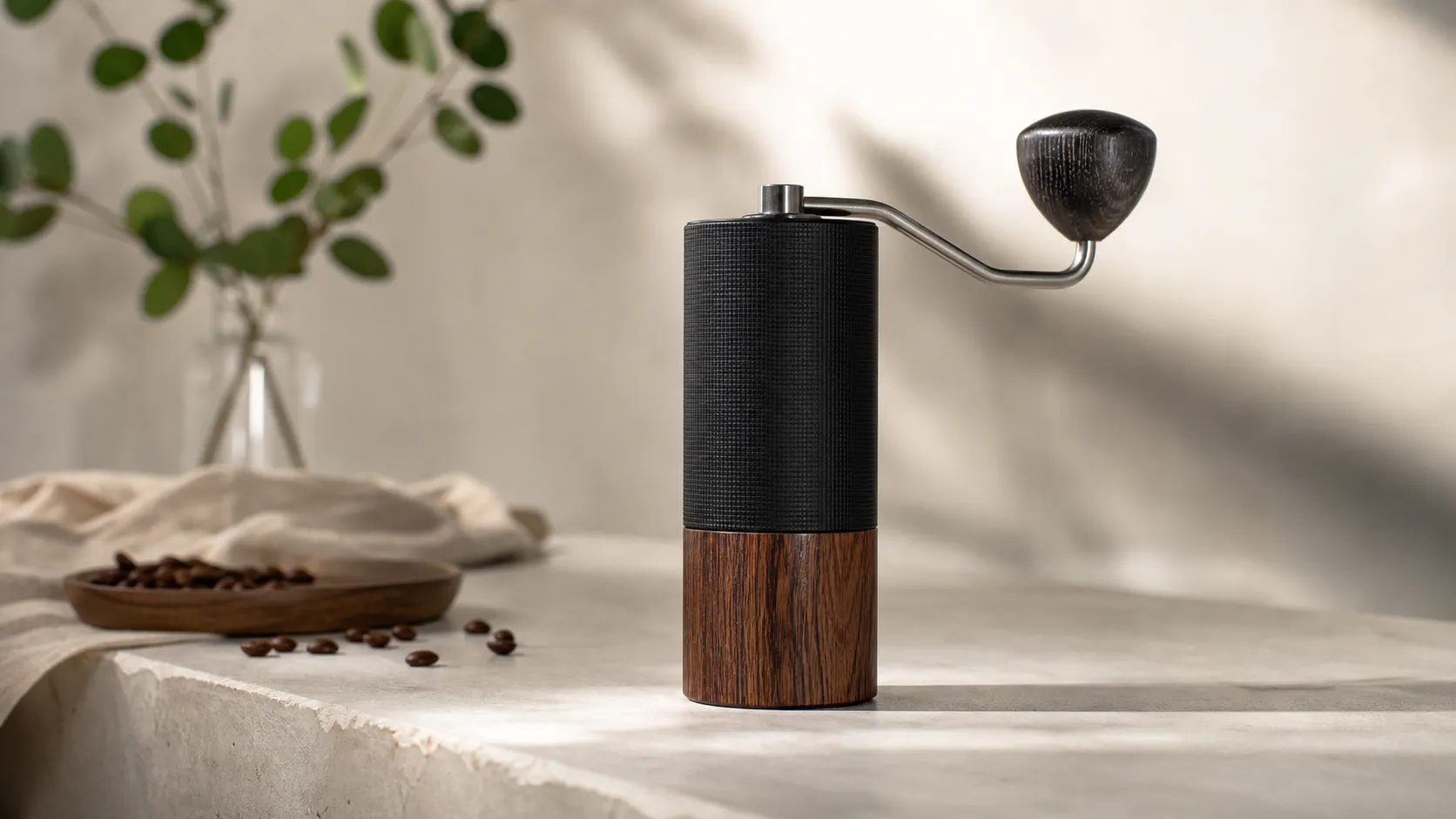
Comandante C40 MK4 Manual Coffee Grinder — 2026 Review
A premium manual grinder known for exceptional build and grind consistency — ideal for serious home baristas, but heavy and pricey for casual users or travel.
 Kitchen & Appliances
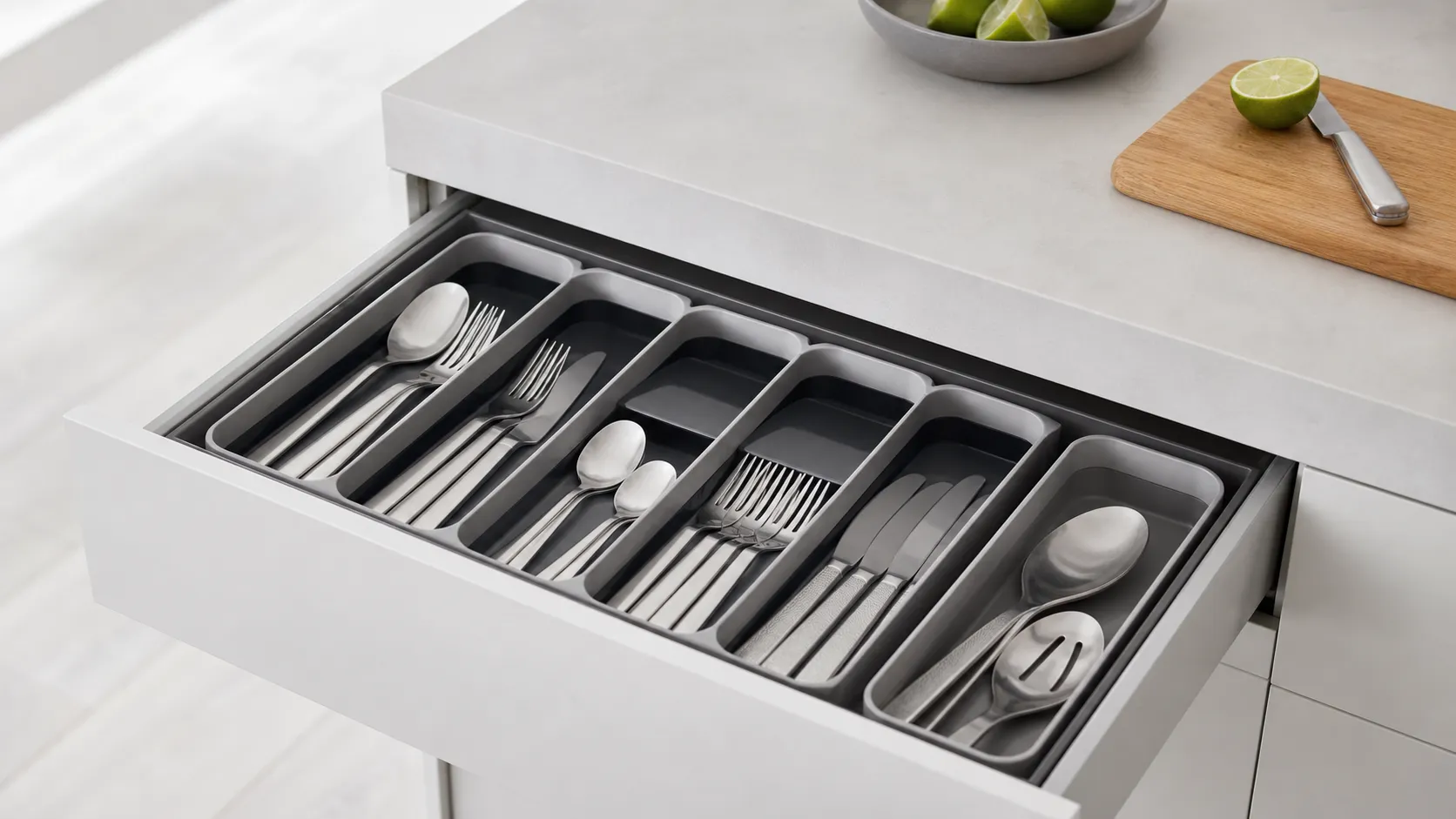
Joseph Joseph DrawerStore Cutlery Organizer Review 2026
A slim, modern cutlery tray that maximizes shallow-drawer space. Great for tidy, small-kitchen organization—measure your drawer first and avoid if you store long utensils.
 Kitchen & Appliances
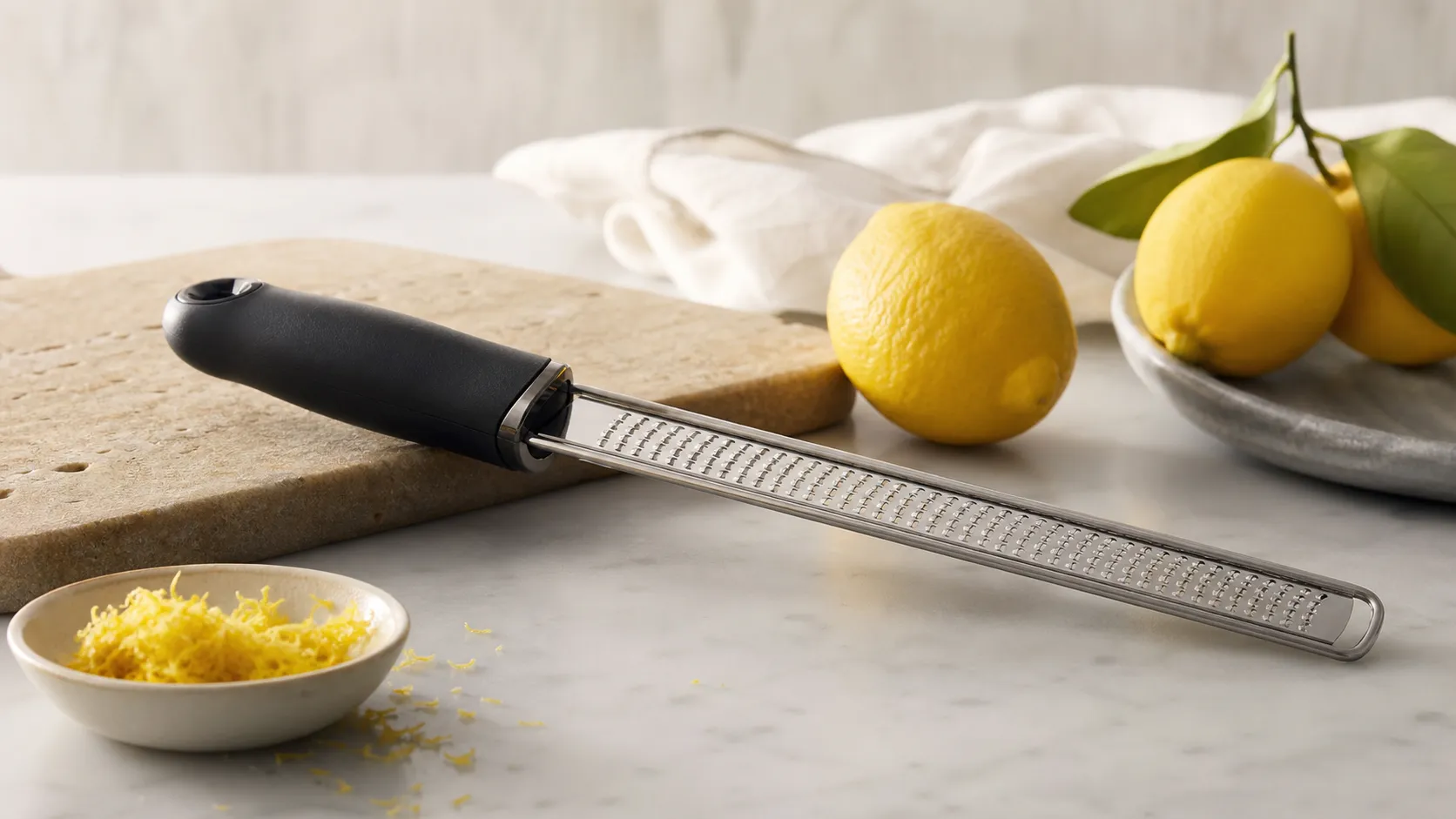
Microplane Premium Classic Zester/Grater — Review 2026
The Microplane Premium Classic is the go-to hand zester for precise, fluffy citrus zest and fine shavings. Sharp, compact, and great value—best for finishing, not bulk grating.