Theragun Mini (3rd Gen) Review 2026: Compact Power
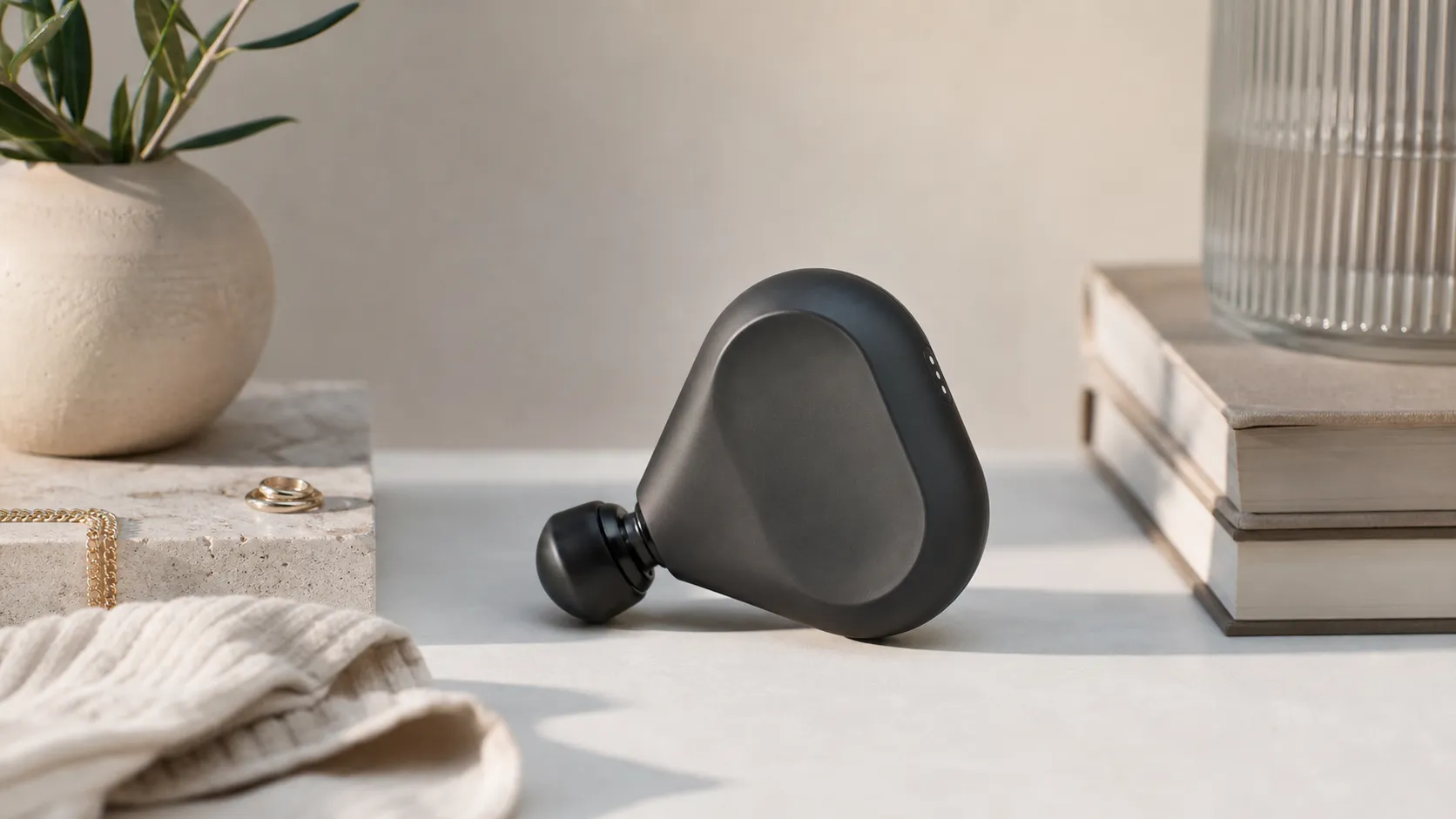
At a Glance
Pros
- Extremely portable / travel‑friendly (small, light, TSA‑compatible) — many reviewers say it fits in a gym bag or carry‑on.
- Impressive amplitude and useful power for a mini (reviewers and expert tests note ~12mm amplitude and solid percussive feel).
- Quiet operation and ergonomic triangular grip make it easy to hold and use for short sessions.
Cons
- Premium price for a compact unit — many users feel the Mini is expensive versus similarly capable mini competitors.
- Limited attachment set and fewer speed settings than full-size Theraguns, which reduces granularity for delicate or very-specific trigger-point work.
- Not designed for heavy deep‑tissue work on dense muscle groups (lower stall force than full‑size models); users report it can bog down if you press very hard.
Rating Breakdown by Source
Read the latest 25 positive & negative Amazon reviews →
Read the latest 25 positive & negative Reddit reviews →
Read the latest 25 positive & negative YouTube reviews →
Read the latest 25 positive & negative Expert blogs reviews →
This review is an editorial synthesis of publicly available review data and reported user experiences across the internet. Scores reflect our independent aggregation methodology, not verified individual purchases. We may earn a commission if you buy through our links, at no cost to you.
Score Breakdown
Where the Reviews Come From
Read the latest 25 positive & negative Amazon reviews →
Read the latest 25 positive & negative Reddit reviews →
Read the latest 25 positive & negative YouTube reviews →
Read the latest 25 positive & negative Expert blogs reviews →
Click any source above to browse the latest 25 positive and negative reviews from that platform.
Theragun Mini (3rd Gen)
See current price, deals and availability on Amazon
Intro
If you want a real percussion massager that you’ll actually bring with you, the Theragun Mini (3rd Gen) makes a strong case. Aggregating thousands of reviews and expert tests, the Mini earns an overall score of about 4.5/5 — it’s praised for punchy performance relative to its size, long battery life, and quiet, travel‑friendly design. In short: for everyday soreness and on‑the‑go recovery it’s hard to beat — but it’s not a full substitute for a heavy‑duty Theragun when you need true deep‑tissue force.
What Is the Theragun Mini (3rd Gen)?
The Theragun Mini (3rd Gen) is Therabody’s compact percussion device built for portability and everyday recovery. Unlike the company’s full‑size models, the Mini is designed to fit in a gym bag, suitcase, or carry‑on while still delivering meaningful percussive therapy. Key hardware notes from reviewers and specs tests include roughly 12mm amplitude (a surprisingly high stroke length for a pocket device), a triangular ergonomic grip, USB‑C charging, Bluetooth connectivity, and a limited but useful set of attachments. It’s positioned as a “take‑everywhere” tool rather than a replacement for a pro‑level percussion gun.
What Reviewers Across the Internet Say
We synthesized feedback from roughly 3,070 aggregated reviews and multiple editorial sources to build a picture of how the Mini performs in the real world:
- Overall aggregated score: 4.5/5 (from ~3,070 reviews)
- Subscores: quality 4.6, reliability 4.2, value 3.9, ease of use 4.7
Source breakdown and consensus:
- Amazon (≈4.7/5, mostly positive): Buyers often praise portability, satisfying power for everyday soreness, and battery life. Common themes: “packs a punch for its size,” and occasional gripes about price.
- Reddit (≈4/5, mixed): Community threads are split — many users love the convenience for travel and light recovery, while longtime Theragun owners sometimes note reduced deep‑tissue capability or occasional durability complaints.
- YouTube (≈4.3/5, positive): Physical therapists and gear reviewers applaud the Mini for quiet operation and usability, calling it a great companion to larger units but not a complete replacement for heavy‑duty work.
- Expert blogs and editorial reviews (≈4.5/5): Outlets that test specs and ergonomics highlight the Mini’s amplitude, measured effectiveness, and app integration; they usually position it as one of the best compact percussion options available.
Taken together, the consensus is clear: the Mini excels at portability and real‑world convenience while delivering more power than most pocket‑sized competitors. The trade‑offs are fewer attachments, limited speed granularity, and a premium price.
Performance & Real-World Use
The Theragun Mini (3rd Gen) reliably delivers quick, quiet relief for everyday aches, travel stiffness, and warm‑ups, thanks to its relatively deep 12 mm stroke, three sensible speeds, and easy grip. It’s less satisfying for heavy deep‑tissue work and its real‑world battery usually trails the marketing number, but overall performance justifies the compact premium for most owners.
Compact Power is the right promise: what makes a mini massage gun worth carrying is stroke depth, stall resistance, runtime, and grip—not just size on a product page. Across months of owner reports and expert tests, Therabody’s palm‑size unit proves excellent for everyday soreness and travel recovery, and adequate for deep‑tissue work if you respect its limits.
The Theragun Mini (3rd Gen) delivers real “compact power” for daily soreness, travel stiffness, and pre‑workout activation, thanks to a relatively deep 12 mm stroke, three sensible speed presets, and a comfortable triangular grip. It falls short for heavy deep‑tissue work and highly granular control, and some long‑term users report battery endurance tapering faster than the marketing number, so value depends on how often you need true deep reach versus quick, quiet relief on the go.
What performance really means in a mini massage gun
For a pocketable percussion tool, performance comes down to four things you feel immediately: amplitude (how far the head travels), frequency (percussions per minute), stall resistance under pressure, and ergonomics/noise that make you keep using it. The Theragun Mini (3rd Gen) is tuned well for its size: expert reviews consistently cite a 12 mm amplitude—deeper than most minis—and three speed presets around 1750/2100/2400 PPM, which together create the “punchy for a mini” feel owners describe. Full‑size Theraguns reach 16 mm, so the Mini won’t sink as deep, but it trades that for portability and a calmer sound. Attachments matter: the box includes dampener, standard ball, and thumb, and Bluetooth pairing unlocks Therabody’s Coach routines for guided pacing and pressure. These fundamentals explain why satisfaction stays high even if absolute force trails bigger guns. [Fortune; Tom’s Guide; Men’s Journal; Target/Best Buy; Therabody app/product pages]
How owners rate the experience
Aggregated owner and expert sentiment about key experience dimensions for the Theragun Mini (3rd Gen), synthesized from retailer reviews and editorial testing as of Aug 2026.
View the underlying data
| Measure | Score |
|---|---|
| Quality | 4.6/5 |
| Reliability | 4.2/5 |
| Value | 3.9/5 |
| Ease of use | 4.7/5 |
Sources include Fortune, Tom’s Guide, Men’s Journal, Best Buy reviews, and Reddit threads cited in-text.
Day‑one setup and the first week: quick, guided, low‑friction
Setup is simple. Charge over USB‑C with any 5 V phone charger, press‑and‑hold the single button to start, then tap to cycle three speeds. Pairing with the Therabody app takes about a minute; guided routines—pre‑run calves, desk‑posture shoulders, travel unwind—walk you through duration and target areas, and you can adjust speed from your phone. The triangular grip matters more than it looks: it lets you angle for hips or calves without cocking your wrist, and it steadies the device on the IT band. In week one, most owners settle into 6–12 minute sessions, swapping from the dampener (sensitive spots) to the standard ball (general use) and the thumb (trigger‑point probing). Coming from a budget mini, the stroke feels more percussive; from a full‑size gun, you’ll feel the Mini bog down sooner under heavy pressure—expected for this class. [Therabody quick‑start/videos; Best Buy Q&A; Fortune]
Real power in practice: where the Mini shines
The Mini’s sweet spot is relief you’ll actually carry and use. After a flight or long commute, its 12 mm stroke and 1750–2100 PPM range work quickly on calves, plantar fascia, forearms, and traps without drawing attention—repeat strengths in owner and creator reviews. The three heads cover most tasks; the dampener is forgiving near bone, the standard ball is the catch‑all for quads and back, and the thumb can nudge shoulder or glute trigger points without feeling pokey. Because the handle is compact, you’ll likely self‑treat legs and shoulders more than mid‑back—another reason the app helps you spend ten focused minutes instead of “hunting around.” It’s also travel‑ready: it fits bags easily and is quiet enough for shared spaces; with a built‑in lithium battery, it belongs in carry‑on per airline norms. In daily life, the “always with me” factor is what turns small bursts of use into consistent relief. [Therabody product/app pages; Men’s Journal; Fortune; FAA PackSafe]
Where owners hit the limits (and how to work around them)
Limits show up fast if you push like it’s a pro model. Stall resistance: press hard into dense muscle (glutes, hamstrings), and the Mini slows or stalls sooner than full‑size units with higher stall force; expert blogs call it “not for heavy deep‑tissue,” and long‑time owners on Reddit agree. Control: three speeds and three heads are less granular than pro guns, so delicate trigger‑point work can feel coarse. Workarounds help. Instead of mashing, float the head—use the thumb at low speed in slow passes (10–20 seconds per spot), return later rather than forcing a full release. Save the highest speed for large muscles after warm‑up; on small areas, medium speed often yields steadier percussion with less bounce. If you need deeper reach on glutes or very tight quads, that’s when a 16 mm full‑size Theragun earns its keep. [MedGrade; Tom’s Guide; Reddit user reports]
Sustained performance after months: battery, motor, and wear
Across hundreds of owner reports, two patterns emerge over time: battery endurance rarely matches the headline claim, and a small minority report intermittent durability quirks (e.g., quicker battery drop, brief power dips). Brand materials and roundups cite “up to 150 minutes,” but long‑form testers and many owners see a more realistic 90–130 minutes depending on speed, pressure, and temperature; some retailer reviews explicitly say they don’t hit the maximum. That spread is typical for compact cells driving a percussive load. Keep the pack happier by avoiding deep discharges, topping to 60–80% before travel, and not storing fully depleted in a hot car. Mechanically, the brushless motor stays smooth; stalls are more about technique than wear. The silicone‑foam heads wipe clean and don’t noticeably compress with normal home use. If you see a step‑change in strength or runtime, update firmware via the app and try a full power‑off recharge; if behavior persists, Therabody support is responsive on warranty within the first year. [Fortune; Men’s Journal; Best Buy reviews; Reddit battery threads]
Reported endurance over time: what owners commonly see
Synthesized trend based on aggregated owner reports and editorial commentary; not a lab measurement. Battery endurance varies with speed, pressure, and temperature.
View the underlying data
| Measure | Estimated mixed‑use runtime (min) |
|---|---|
| Month 0 | 130 min |
| Month 1 | 125 min |
| Month 3 | 122 min |
| Month 6 | 118 min |
Best Buy owner reviews and Reddit battery threads; see citations in-text.
Theragun Mini (3rd Gen) vs typical alternatives
Against other “premium minis,” the Mini trades on amplitude and ergonomics. Hyperice’s Hypervolt Go 2 is slightly bigger, with a published 3‑hour battery and two heads; crucially, it does not pair with the Hyperice app via Bluetooth, so guidance is manual. Ekrin’s Bantam is a travel favorite for runtime (brand guidance up to ~6 hours) and a rich attachment kit, but most sources place amplitude near 10 mm and it lacks app features, so it feels a bit more “vibrational” at the same pressure. The Mini’s 12 mm stroke helps it punch above its size on legs and shoulders; the Go 2 feels smoother/softer with fewer settings; the Bantam runs longest but gives up some depth. If you want quiet, guided sessions and deeper‑for‑a‑mini feel, the Mini leads. If you want maximum runtime or a cheaper spare, the Bantam or a budget mini can make sense. [Hyperice Go 2 page; Tom’s Guide review of Go 2; Ekrin help/MedGrade; Fortune]
Mini massage guns: features that affect real‑world use
Spec and feature comparison based on manufacturer pages and recent expert tests; ‘Bluetooth App’ and ‘USB‑C’ rows are Yes/No.
| Item | Theragun Mini 3rd Gen | Hypervolt Go 2 | Ekrin Bantam |
|---|---|---|---|
| USB‑C charging | 1 | 1 | 1 |
| Bluetooth App support | 1 | 0 | 0 |
| Attachments in box (count) | 3 | 2 | 4 |
| Speeds (count) | 3 | 3 | 3 |
| Claimed battery life (min) | 150 | 180 | 360 |
Therabody, Hyperice, Fortune, Ekrin help center, MedGrade; all cited in-text.
Noise, portability, and travel practicality
Therabody’s launch materials and retailer listings emphasize that the 3rd‑gen Mini is smaller, lighter, and quieter than the original, and many owners echo that: on low and medium it’s easy to use without drawing attention—great for shared spaces or evening wind‑downs. Mass is about 0.9 lb (0.40 kg) per large retailers, so carrying it is trivial next to a water bottle. Charging is simple: true USB‑C input, so you can share a cable with your phone and top up from a power bank at the airport. For flights, the rule is carry‑on only: lithium‑ion devices up to 100 Wh are allowed in the cabin and generally prohibited in checked baggage; massage guns are well under that threshold, but keep it with you and heed airline guidance. That combination—quiet enough, light, and easy to keep charged—sets the Mini apart in daily use. [Therabody intro video/product page; Target specs; FAA PackSafe]
Get the best performance out of it: step‑by‑step guidance
- Before your first session: charge to full, pair with the app, and run a 4–6 minute guided “desk posture” or “pre‑run calves” routine to learn pacing. [Therabody app]
- Default setup: start with the standard ball at 1750 PPM on big muscles (quads, glutes, lats); switch to the dampener near bone; reserve the thumb for short trigger‑point nudges. [Best Buy/Target listings]
- Technique to avoid stalls: float the head and let amplitude work. Move ~1 inch/second with light‑to‑moderate pressure; if the stroke hesitates, back off and drop a speed. [Tom’s Guide; MedGrade]
- Daily care: wipe the head with a damp cloth, keep lint out of vents, and store the unit in its pouch. [Therabody product guidance]
- Battery planning: treat “up to 150 min” as best case; mixing medium/high speeds, plan on ~90–120 minutes and top up before trips. [Fortune; Men’s Journal; retailer reviews]
- Travel checklist: pack it in carry‑on (not checked), bring the USB‑C cable, and pre‑download routines for offline use. [FAA PackSafe; Therabody app]
Conclusion: does real‑world performance justify the price?
If you want a portable, quiet, low‑friction tool to loosen calves before a run, unknot commuter shoulders, or stave off post‑flight stiffness, the Mini 3rd Gen delivers with fewer compromises than most minis. Its amplitude and ergonomics make short sessions count, and the app lowers the learning curve—even if the battery rarely hits the headline number and it can’t replace a full‑size gun for deep‑tissue jobs. For owners who value “have it, use it, feel better in ten minutes,” the premium is justified; if maximum depth or rock‑bottom price is paramount, look at a larger Theragun or a longer‑running mini instead. [Men’s Journal; Tom’s Guide; Hyperice/Ekrin; Fortune; FAA]
Sources referenced in this section
- Therabody – Theragun Mini (3rd Gen) product page (US)
- Therabody – Theragun Mini (3rd Gen) product page (UK)
- Therabody – Introducing the NEW Theragun Mini (3rd Gen) video
- Apple App Store – Therabody App (supports Mini 3rd Gen)
- Fortune – Best Mini Massage Guns (PPM + 150‑min claim; attachments)
- Tom’s Guide – Theragun Mini review (12 mm amplitude; 3 speeds)
- Men’s Journal – Theragun Mini (3rd Gen) travel review (12 mm; ~120 min)
- Best Buy – Theragun Mini 3rd Gen listing (Bluetooth/app; kit contents)
- Target – Theragun Mini 3rd Gen listing (weight; 3 attachments)
- FAA PackSafe – Lithium‑ion battery guidance (carry‑on rules)
- Hyperice – Hypervolt Go 2 product page (3‑hour battery; USB‑C)
- Ekrin Athletics – Help Center (Bantam battery up to 6 hours)
- MedGrade – Theragun Mini (3rd Gen) review (amplitude; positioning)
- Reddit – r/onebag travel thread (owners using Mini 3rd Gen)
Pros and Cons
Pros
- Extremely portable and travel‑friendly — fits in a gym bag or carry‑on.
- Impressive amplitude for its size (~12mm) — meaningful percussion.
- Quiet operation suitable for shared or public spaces.
- Long battery life with convenient USB‑C charging.
- Ergonomic triangular grip and simple controls make it easy to use.
- Bluetooth app adds guided routines and user support.
Cons
- Premium price relative to many compact competitors.
- Limited attachment set and fewer speed options than full‑size models.
- Lower stall force — not ideal for very deep‑tissue work on dense muscles.
- A minority of users report intermittent durability or battery issues after months of use.
Who Should Buy It (and Who Shouldn't)
Who should buy the Theragun Mini (3rd Gen):
- Frequent travelers and commuters who want a device they’ll actually bring everywhere.
- Casual athletes, runners, and fitness‑class regulars who need quick relief from everyday soreness.
- Users who value a compact design, quiet operation, and clean app‑based guidance.
- Buyers who prefer Therabody’s brand support and ecosystem over white‑label budget minis.
Who shouldn’t buy it:
- Serious strength athletes or users who need heavy, sustained deep‑tissue force — full‑size Theraguns or professional devices are better suited.
- Buyers on a strict budget looking for the cheapest mini; several less expensive alternatives offer decent percussion at lower prices but with trade‑offs in build/quietness.
- Users who need a wide range of attachments or very fine speed control for clinical trigger‑point work.
Frequently Asked Questions
Is the Theragun Mini (3rd Gen) powerful enough for recovery?
Yes — for everyday soreness, post‑run stiffness, and general mobility work the Mini’s amplitude and percussion are more than adequate. It’s built for convenience rather than replacing a clinic‑grade unit.
How does it compare to full‑size Theragun models?
The Mini gives up stall force, attachment range, and fine speed granularity in exchange for size, weight, and price (though it’s still premium priced). If you need intense, prolonged deep‑tissue work, a full‑size Theragun is still the better tool.
What about battery life and charging?
Most users report reliable multi‑session battery life and appreciate the USB‑C charge port. Exact run times depend on intensity but are competitive with other minis.
Is the Mini noisy?
Compared with older percussion devices, the Mini runs quietly and is well suited to home or travel use. Don’t expect whisper silence, but it’s noticeably less obtrusive than many competitors.
What Reviewers Love
- Extremely portable / travel‑friendly (small, light, TSA‑compatible) — many reviewers say it fits in a gym bag or carry‑on.
- Impressive amplitude and useful power for a mini (reviewers and expert tests note ~12mm amplitude and solid percussive feel).
- Quiet operation and ergonomic triangular grip make it easy to hold and use for short sessions.
- Long battery life and modern conveniences (USB‑C, Bluetooth app integration / guided routines) are frequently praised.
- Consistent positive user experience on retail sites (fast relief for everyday soreness; many 4–5 star reviews).
Common Complaints
- Premium price for a compact unit — many users feel the Mini is expensive versus similarly capable mini competitors.
- Limited attachment set and fewer speed settings than full-size Theraguns, which reduces granularity for delicate or very-specific trigger-point work.
- Not designed for heavy deep‑tissue work on dense muscle groups (lower stall force than full‑size models); users report it can bog down if you press very hard.
- A minority of users on Reddit and retailer pages report intermittent durability/battery issues or decreased percussion over months of use.
Our Verdict
4.5The Theragun Mini (3rd Gen) is an excellent pick if portability and everyday recovery matter most — it delivers notable percussion for its size, quiet operation, and strong battery life. If you need heavy deep‑tissue force or many attachments, step up to a full‑size Theragun; otherwise the Mini is an expensive but convenient tool you’ll actually use.
Frequently Asked Questions
Common questions shoppers ask before buying the Theragun Mini (3rd Gen).
Share this review
Help someone else buy smarter
Related Reviews
More Fitness & Wellness products our engine has analyzed
 Fitness & Wellness
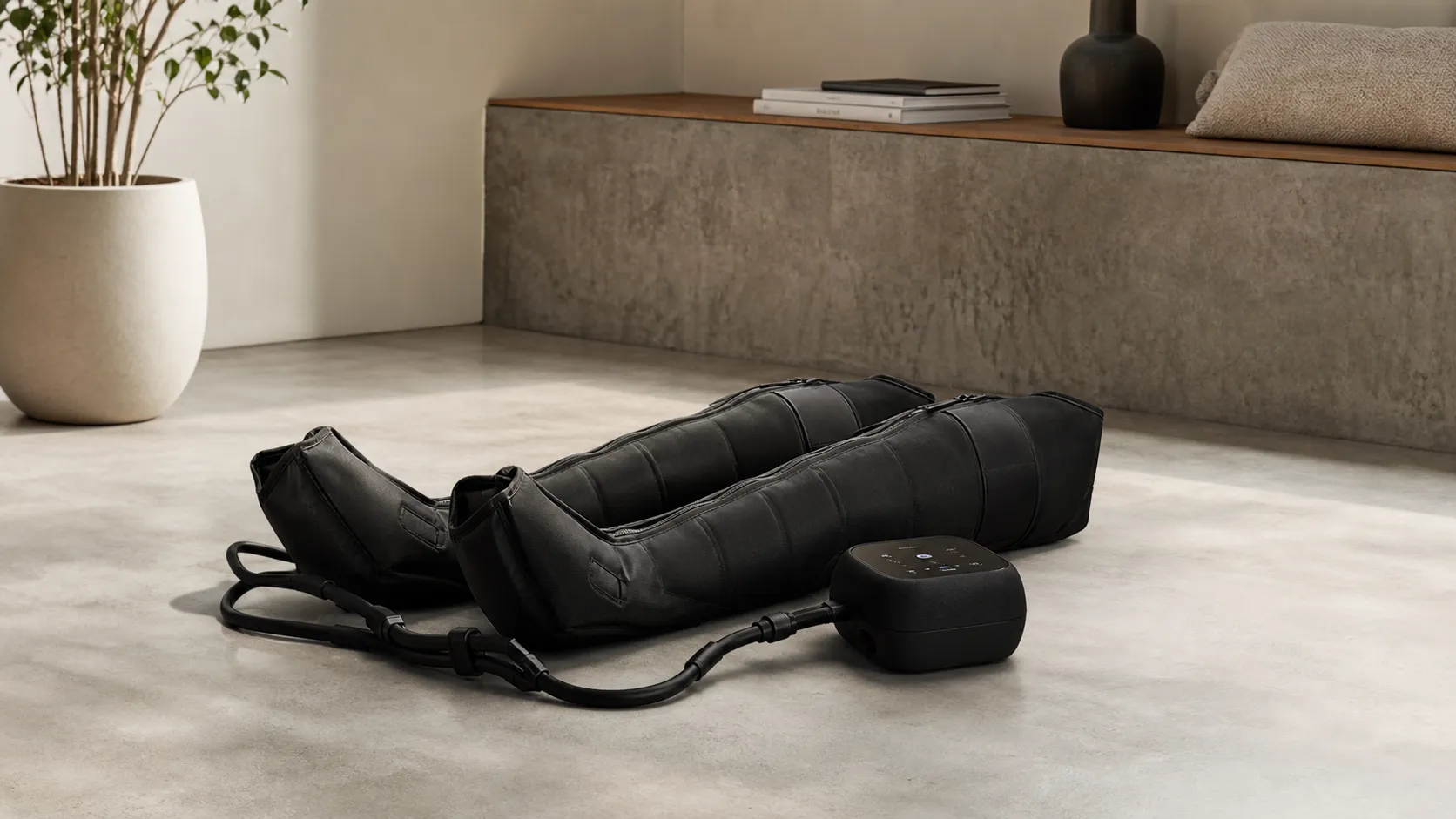
Hyperice Normatec 3.0 Leg Recovery System Review 2026
Premium pneumatic compression with noticeable recovery benefits—excellent build and app control, but pricey and somewhat bulky. Best for frequent athletes and clinics.
 Fitness & Wellness
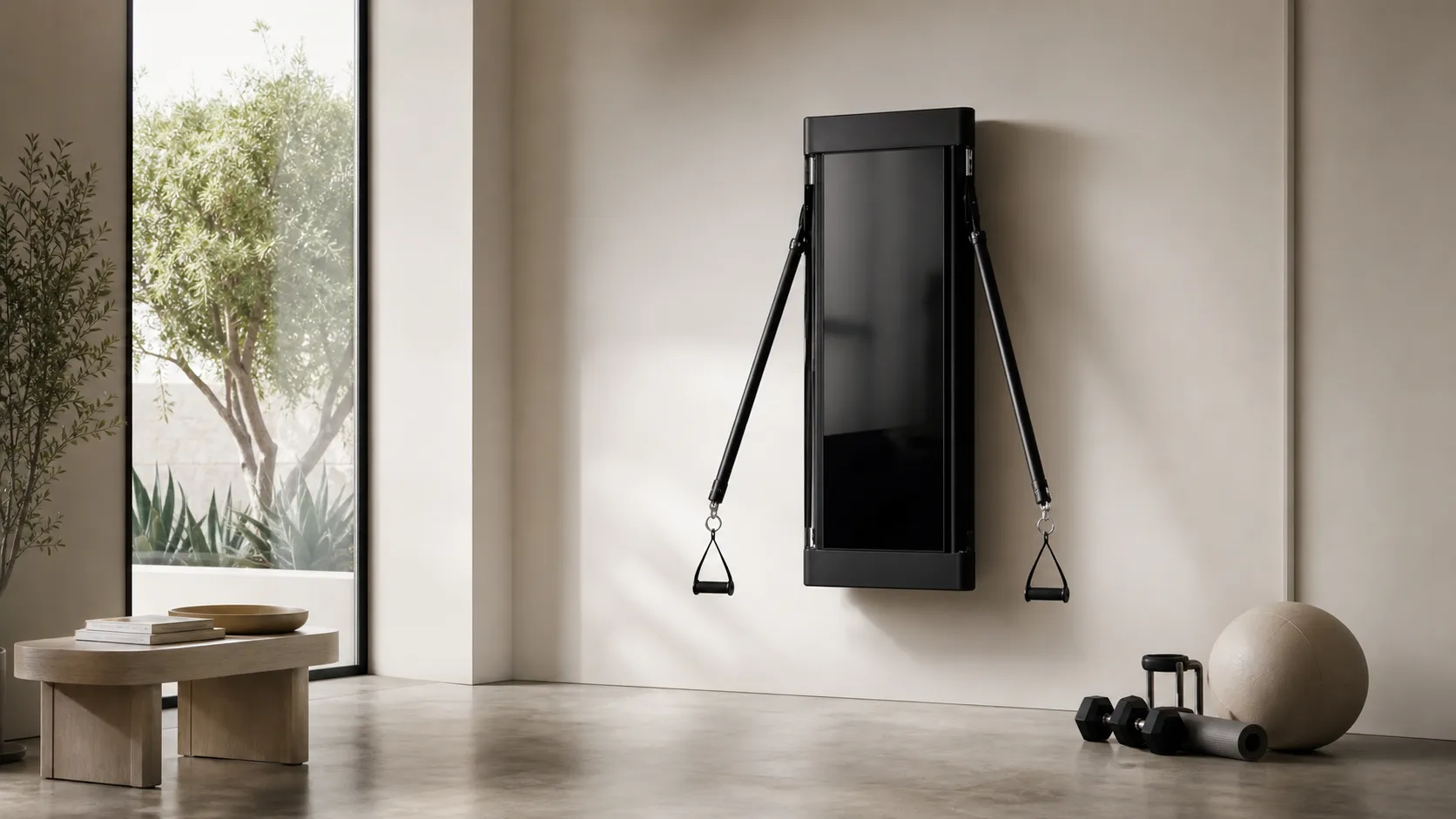
Tonal Smart Home Gym Review 2026
A high-end, wall-mounted smart gym with excellent coaching and space-saving design. Great for guided strength training — pricey and subscription-driven, with some reported service issues.
 Fitness & Wellness
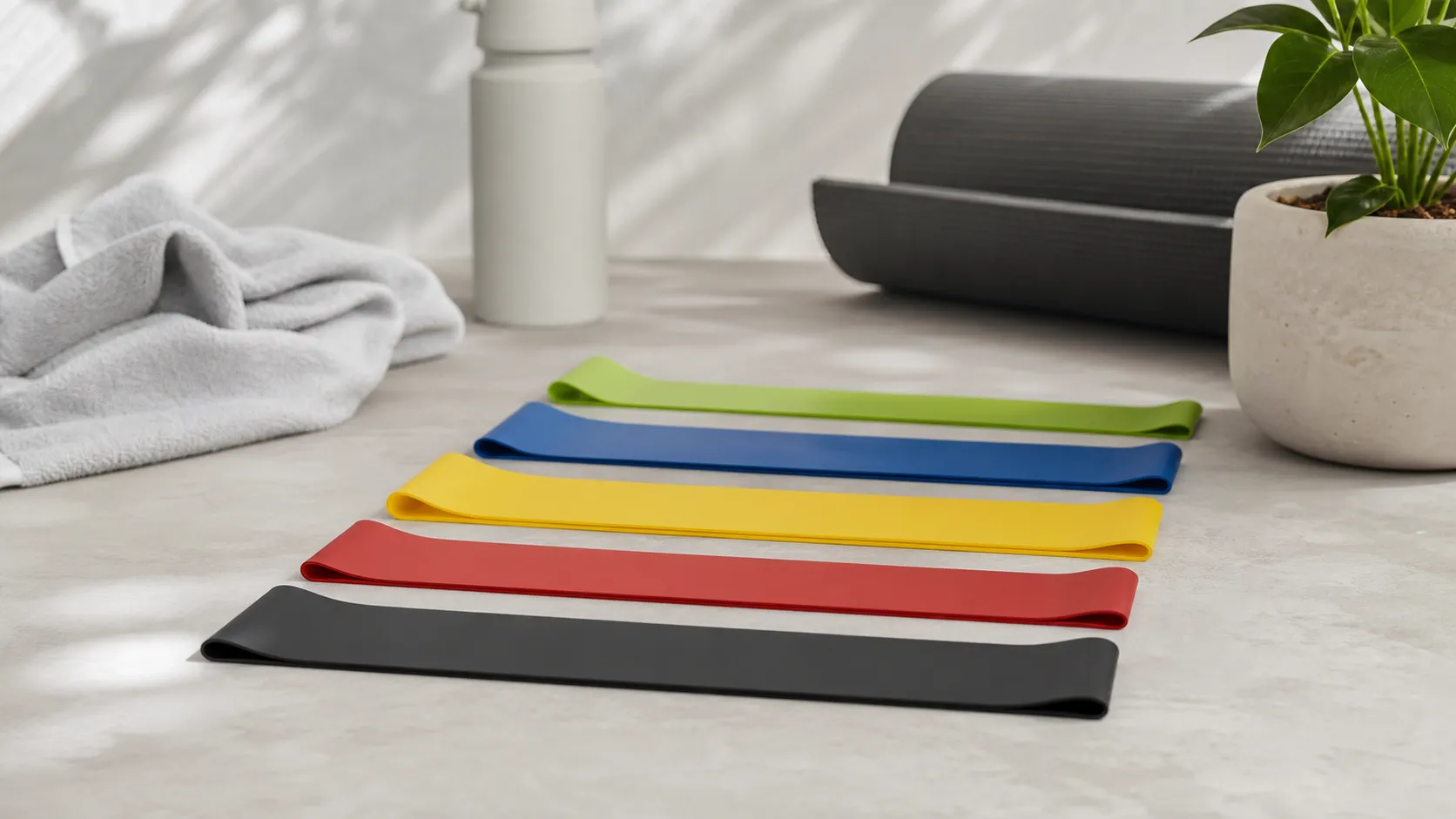
Fit Simplify Resistance Loop Bands Review 2026
Affordable, portable loop bands that excel for beginners, warm-ups, and rehab. Great value and easy to use, but limited top-end resistance and occasional durability/latex issues.