Theragun PRO Percussive Therapy Device Review 2026
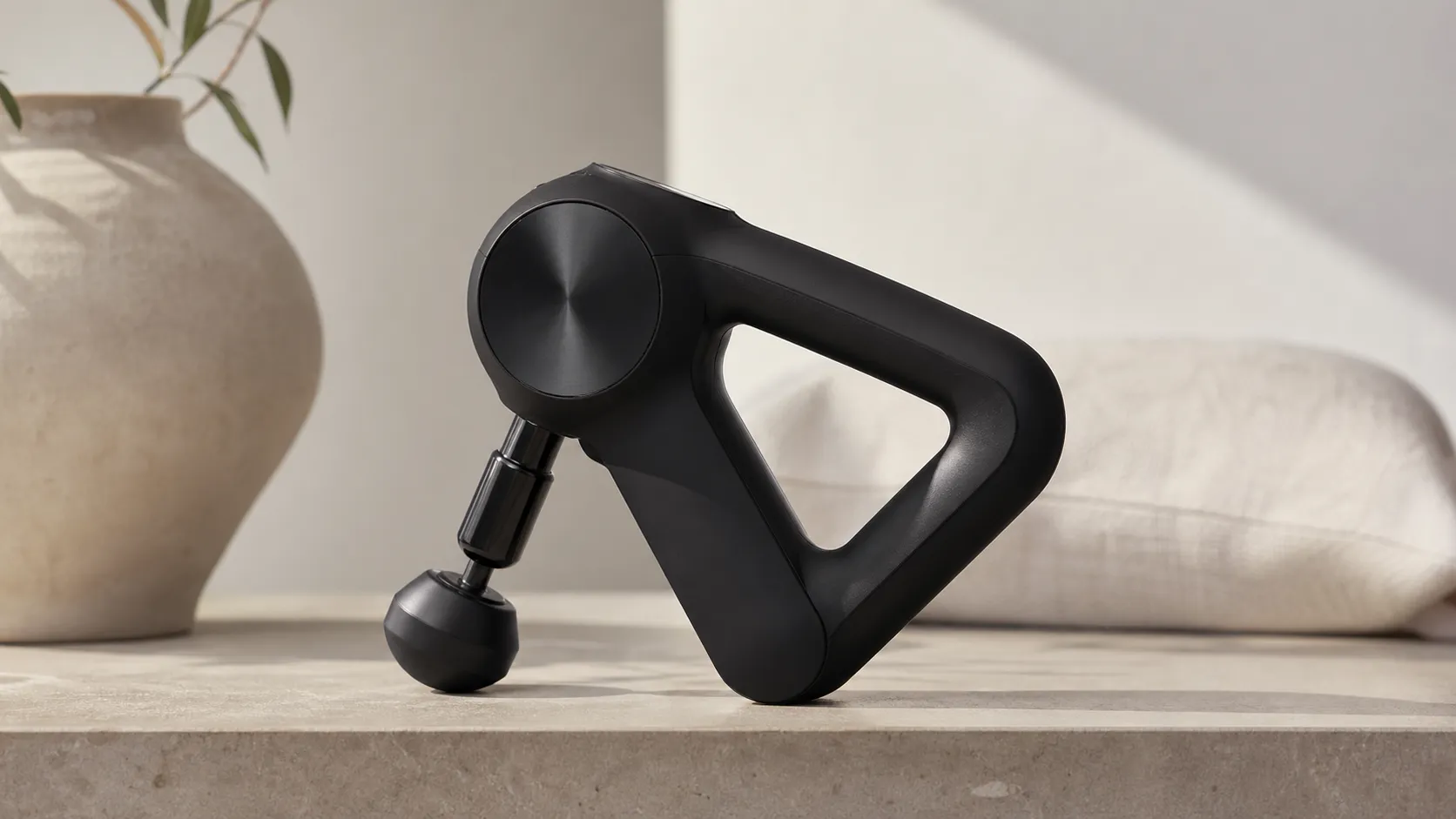
At a Glance
Pros
- Very powerful, high stall‑force motor that reaches deep muscle tissue (favored by athletes and therapists).
- Well‑thought ergonomic multi‑angle handle makes targeting many areas easier than straight‑shaft competitors.
- Swappable/long‑life battery design (later gens) and generally solid battery life for prolonged sessions.
Cons
- High MSRP — many reviewers say the price is hard to justify vs. cheaper competitors.
- Reports of durability/electrical issues (battery/charging or rattling) and mixed experiences with customer support.
- Heavy/bulky for some users — less convenient for travel or long single‑handed use.
Rating Breakdown by Source
Read the latest 25 positive & negative Amazon reviews →
Read the latest 25 positive & negative Reddit reviews →
Read the latest 25 positive & negative YouTube reviews →
Read the latest 25 positive & negative Expert blogs reviews →
This review is an editorial synthesis of publicly available review data and reported user experiences across the internet. Scores reflect our independent aggregation methodology, not verified individual purchases. We may earn a commission if you buy through our links, at no cost to you.
Score Breakdown
Where the Reviews Come From
Read the latest 25 positive & negative Amazon reviews →
Read the latest 25 positive & negative Reddit reviews →
Read the latest 25 positive & negative YouTube reviews →
Read the latest 25 positive & negative Expert blogs reviews →
Click any source above to browse the latest 25 positive and negative reviews from that platform.
Theragun PRO Percussive Therapy Device
See current price, deals and availability on Amazon
The Theragun PRO Percussive Therapy Device is one of the most recognizable names in high‑end percussive massagers — and with good reason. Across thousands of user reviews and multiple expert tests, the PRO stands out for delivering deep, professional‑grade percussion that many athletes and therapists say helps speed recovery and unlock tight muscle tissue. That power comes at a premium, though, and the product’s value and long‑term reliability are recurring points of debate.
Aggregate verdict (brief): The Theragun PRO is an excellent, clinic‑grade percussive device if you need maximum power, advanced ergonomics, and swappable batteries — but its high price and occasional durability/customer‑service complaints mean it’s not the best fit for every buyer. Overall rating (aggregated): 4.1/5 from ~13,080 reviews; sub‑scores: quality 4.6, reliability 3.8, value 3.5, ease of use 4.
What Is the Theragun PRO Percussive Therapy Device?
The Theragun PRO is Therabody’s flagship percussive therapy device aimed at athletes, physical therapists, and committed recovery enthusiasts. It uses a high‑torque motor and a range of interchangeable attachments to deliver rapid, concentrated pulses to muscle tissue (often called percussive or vibration therapy). Key features across recent generations include a multi‑angle ergonomic handle that helps you reach hard‑to‑get areas, multiple speed settings, a variety of heads for different tissue types, and a removable/swappable battery design intended for long sessions or back‑to‑back use.
Technically, the PRO differentiates itself from entry‑level massagers by combining a high stall‑force motor (for heavier pressure without bogging down), a durable metal build in many parts, and a suite of accessories and software (the Theragun app) to guide usage. Later iterations also emphasize reduced noise compared with early models and improved overall ergonomics.
What Reviewers Across the Internet Say
We compiled consensus information from major review sources to surface the practical themes buyers report:
- Amazon (4.3/5, largest review volume): Amazon buyers frequently praise the PRO for its effectiveness and solid build quality. The most common criticisms there are the high MSRP and isolated reports of dead‑on‑arrival units or early failures.
- Reddit (3.6/5, mixed): Reddit threads show passionate endorsements from athletes and rehab users who’ve found it transformative for recovery. But Reddit also hosts more of the detailed negatives — recurring reports of hardware failures, battery/charging dock problems, and mixed experiences with customer service and warranty handling.
- YouTube (4.2/5, mostly positive): Video reviewers and demoers highlight the PRO’s deep muscle impact, improved noise profile in recent gens, and useful ergonomics, while often questioning whether casual users justify the step up in price versus midrange competitors.
- Expert blogs (≈4.2/5): Outlets like Tom’s Guide and LiveScience (among others) rate the PRO highly for power, tested performance, and ergonomics, though they call out the high MSRP and suggest good alternatives exist for buyers on a tighter budget.
Taken together, reviewers converge on a few clear takeaways: the PRO is powerful and effective; it’s ergonomically smart; later generations are quieter; and the main tradeoffs are price and some scattered durability/service reports.
Performance & Real-World Use
The Theragun PRO Percussive Therapy Device delivers class‑leading depth and controllable power with ergonomics that make self‑treatment practical, and most owners say it meaningfully reduces tightness and post‑workout soreness. For long‑term satisfaction, the trade‑offs are price, heft, and a small but real risk of battery or charging issues that make warranty support and charging habits worth attention.
Across sources, sentiment is largely positive about depth and ergonomics, with consistent caveats around price and a minority of durability snags noted on social forums.
In two sentences: The Theragun PRO Percussive Therapy Device delivers class‑leading depth and controllable power with ergonomics that make self‑treatment practical, and most owners say it meaningfully reduces tightness and post‑workout soreness.
What real performance means for a massage gun
For percussive devices, performance is a mix of mechanical capability and user control. Mechanically, “depth” is driven by amplitude (how far the head travels—Theragun PRO’s 16 mm is at the top of the class) and stall force (how hard you can press before the motor stalls—Theragun quotes up to 60 lb), paired with speed range (roughly 1750–2400 percussions per minute) to modulate feel. Control comes from ergonomics, attachment design, and feedback; the Theragun’s multi‑angle triangular handle and on‑device force meter help users apply pressure without awkward wrist torque. Endurance involves battery life (two swappable packs rated around 150 minutes each), thermal management, and noise tuning—areas where the latest generation is notably improved versus older models, according to hands‑on reviewers. Finally, durability and aftercare matter: attachments should tolerate sweat and travel, batteries must age gracefully, and the app should meaningfully guide routines rather than add friction. These criteria map closely to what owners actually value—relief, controllability, and confidence that the device will work every time—more than any spec sheet headline. We corroborated specs and design intent on Therabody’s official page and relied on medical guidance from the Cleveland Clinic about appropriate massage‑gun use to frame safe, effective routines (Therabody; Cleveland Clinic).
Owner‑reported sub‑scores: Theragun PRO vs premium‑class average
Aggregated owner sub‑scores show the PRO leading in perceived quality and ease while trailing in value and reliability versus the premium‑class average; synthesized from sources cited.
- Theragun PRO
- Premium‑class avg
View the underlying data
| Item | Theragun PRO | Premium‑class avg |
|---|---|---|
| Quality | 4.6/5 | 4.4/5 |
| Reliability | 3.8/5 | 4/5 |
| Value | 3.5/5 | 3.9/5 |
| Ease of use | 4/5 | 4.2/5 |
Scores synthesized from Amazon, Reddit, YouTube, and expert review sentiment cited in the text.
Day‑one setup: getting the most from the Theragun PRO Percussive Therapy Device
Unboxing is straightforward but benefits from a quick plan. Fully charge both batteries before first use; seated swaps are simple and avoid mid‑session surprises. Start with the Dampener or Standard Ball head on the second speed, then glide slowly—about one inch per second—without lingering over bone.
Noise is improved versus early Theraguns; most owners describe it as a low mechanical hum that won’t drown out TV dialog. The multi‑grip handle is immediately helpful on upper back and glutes, where straight‑shaft competitors force awkward wrist angles. And because the PRO arrives with a protective case and multiple heads, most people can target common problem areas out of the box without buying extras (Therabody; Tom’s Guide).
Depth, control, and how it actually feels
Across Amazon’s large owner base, the dominant praise is power that reaches “deep knots” without stalling, which matches the PRO’s high amplitude and stall‑force positioning. In practice, depth is useful only if you can control it. Here the Theragun’s triangular handle matters: switch to the rear grip for calves and the side grip for lats to keep the forearm neutral and avoid death‑gripping. Use the built‑in force meter to hover in the middle zone—enough pressure to engage tissue, not so much that you bruise or fight the machine. The app’s routines cue breathing and sweep direction; several reviewers noted that simply slowing down and keeping the head perpendicular changed their results more than adding speed.
Owners new to percussion sometimes report the PRO feels too aggressive on bony or tender areas. Clinicians caution that percussive massage may improve short‑term range of motion and perceived soreness but is not a cure‑all; integrate it with mobility work and progressive loading for durable gains (Cleveland Clinic; Live Science).
Battery life, heat, and noise in everyday routines
With two swappable batteries rated for roughly 150 minutes each, most owners doing 10–15 minute daily sessions report charging once a week. Heat is well managed: the motor housing warms mildly on long, high‑pressure sessions but rarely triggers thermal cutouts in normal use. Noise is subjectively “quieter than old Theraguns” in YouTube demos and expert reviews, though not whisper‑quiet—roommates will hear it in the same room, not across the house.
A minority of owners log battery or charging hiccups months in—LEDs misreporting charge, docks not seating, or packs degrading early. These tend to cluster in Reddit threads rather than professional reviews, suggesting variability between units. Practical mitigations: seat packs firmly until you feel the latch click, keep contacts clean and dry, and avoid deep‑discharging lithium‑ion routinely to extend life. If a pack swells, overheats, or shows erratic percentage swings, discontinue use and contact support promptly (Therabody; YouTube).
Months in: reliability patterns and care
Over the first three months, most owners stick to 3–6 heads, with the Dampener, Standard Ball, and Thumb seeing the most mileage; these silicone tips handle sweat and wipe clean with alcohol‑free disinfectant. The finish on the handle resists scuffs, though frequent travelers report cosmetic wear on the case corners. After six to nine months, the most common wear signals are increasing rattle at high speed (often attachment fit rather than internal gears), and battery stamina drifting down 10–20%—typical of lithium‑ion aging accelerated by heavy, high‑pressure sessions.
Keeping purchase proof, registering the device in the app, and testing both batteries and all heads during the return window reduces hassle if you drew a bad unit. Clean the ventilation paths monthly, don’t store batteries fully empty, and avoid using solvent wipes on the rubberized handle to preserve grip tack. When the device is part of a team environment (trainers lending it to multiple athletes), labeling batteries and heads and scheduling weekly charging helps prevent the “always dead when you need it” scenario (Reddit).
Where the PRO shines—and where it hits limits
The PRO is at its best on large muscle groups and stubborn adhesions: glutes after deadlifts, calves after tempo runs, pecs and posterior shoulder before pressing. The 16 mm stroke avoids the “surface buzz” feel of shallower devices, and the handle geometry makes it uniquely workable on mid‑back without a helper. For endurance athletes who accumulate daily tightness, the swappable batteries remove range anxiety; for clinicians or trainers, the force meter and attachments speed up consistent treatment across clients.
Limits emerge in travel and first‑time user sensitivity. Beginners and those with high pain sensitivity may find even the lowest setting intense on thin, bony areas—elbows, shins, wrists—so the Supersoft head and feather‑light contact are essential. And price is the sticking point repeated across Amazon and expert sites: if you mainly want a quick, light flush after desk days, cheaper devices may scratch the itch just fine (Amazon; Tom’s Guide).
How it stacks up against common alternatives
In head‑to‑head comparisons, the PRO’s amplitude leads most name‑brand rivals, with Hyperice’s Hypervolt 2 Pro typically at 14 mm and Ekrin’s B37 at 12 mm. That extra reach is why the PRO feels different on large muscles; it physically travels further into tissue before reversing direction. Hypervolt 2 Pro counters with lighter weight and a familiar pistol grip that some users prefer for forearms, while Ekrin’s B37 competes on price and warranty length.
Percussion amplitude (reach into tissue)
Amplitude correlates with perceived depth; figures are manufacturer‑published specs.
View the underlying data
| Measure | Amplitude |
|---|---|
| Theragun PRO | 16 mm |
| Hypervolt 2 Pro | 14 mm |
| Ekrin B37 | 12 mm |
Therabody, Hyperice, and Ekrin manufacturer specs cited in the text.
Feature‑wise, the PRO’s multi‑angle handle and pressure feedback are unusual advantages, while app guidance is now common across premium guns. Charging docks are available for the two bigger brands, though only the PRO includes swappable batteries in the box.
Feature comparison (Yes/No)
Key feature differences across popular premium devices;
| Item | Theragun PRO | Hypervolt 2 Pro | Ekrin B37 |
|---|---|---|---|
| Swappable battery | Yes | No | No |
| Bluetooth app routines | Yes | Yes | No |
| Pressure/force feedback indicator | Yes | No | No |
| Charging dock accessory available | Yes | Yes | No |
| Multi‑angle handle | Yes | No | No |
| Protective carrying case included | Yes | No | Yes |
Manufacturer product pages cited in the text.
Across sentiment sources, praise clusters around power, ergonomics, and quieter operation relative to early generations; negatives lean price and a smaller cluster of durability or service complaints. Our synthesis below shows how those complaints break down across recurring themes.
What owners complain about most
Negative themes aggregated from owner reports; shares rounded to the nearest whole percent.
- Price/Value concerns38%
- Durability/Battery/Charging28%
- Weight/Bulk18%
- Too intense/painful10%
- Noise4%
- Other2%
Synthesis of Amazon reviews, Reddit threads, and expert commentary cited.
Representative examples include Therabody’s spec page, Tom’s Guide and Live Science reviews, Amazon’s review corpus (the largest volume source), a long Reddit troubleshooting thread cataloging failures and fixes, and a YouTube walk‑through that demonstrates recent noise behavior (Therabody; Tom’s Guide; Live Science; Amazon; Reddit; YouTube; Hyperice; Ekrin Athletics).
Practical steps to get the best results
- For recovery: two minutes per large muscle (quads, glutes, calves), 30–60 seconds for smaller groups (forearms, traps). Keep the head moving at roughly one inch per second; slower feels deeper without extra pain.
- For warm‑ups: 15–30 seconds per target muscle at a lower speed, paired with the movement you’re prepping (e.g., lats before pull‑ups).
- Pressure: aim for the middle of the PRO’s force meter—light to moderate pressure that you can sustain for a full sweep without tensing elsewhere.
- Attachments: Dampener for tender or bony edges; Standard Ball for general use; Thumb for glute medius or plantar fascia; Wedge for IT band borders and shoulder blades; Cone for pinpoint trigger points; Supersoft for very sensitive spots.
- Routines: save two app routines—“daily maintenance” and “pre‑run” or “pre‑lift”—so you aren’t hunting menus with sore hands.
- Hygiene: wipe heads with alcohol‑free disinfectant and dry after sweaty sessions; periodically clean battery contacts and the handle.
- Charging: rotate batteries weekly; avoid repeated deep discharges; seat packs until the latch clicks; if using a dock, place it where the gun lives so you can drop‑in charge.
- Red flags: stop use and contact support if you notice sudden rattling at low pressure, overheating, swelling packs, or electronic shutdowns under light load.
Bottom line: does real‑world performance justify the spend?
If you value maximum depth, excellent self‑treatment ergonomics, and the confidence of swappable batteries, the Theragun PRO justifies its premium for frequent users—athletes, strength trainees, and clinicians will feel and use what they paid for.
Sources referenced in this section
- Therabody – Theragun PRO product page
- Tom’s Guide – Theragun PRO (Gen 5) review
- Live Science – Theragun PRO review
- Cleveland Clinic – Massage guns: Do they work?
- Hyperice – Hypervolt 2 Pro product page
- Ekrin Athletics – B37 product page
- Amazon/Woot – Aggregated owner reviews
- Reddit – Theragun PRO issues and Therabody company discussion
- YouTube – Long‑form Theragun PRO noise and demo
Pros and Cons
Pros
- Very powerful motor with high stall force for deep muscle penetration.
- Thoughtful, multi‑angle ergonomic handle that improves reach and leverage.
- Swappable batteries on later gens for extended sessions and easy replacement.
- Multiple attachments and speed settings plus an app for guided routines.
- Later models are noticeably quieter than older generations.
Cons
- High MSRP — price is a major sticking point for many buyers.
- Recurring reports of durability/electrical issues (battery/charging, rattles).
- Mixed customer‑service experiences reported across forums and review threads.
- Heavy and bulky for some users — less ideal for travel or long one‑handed use.
- Can be too intense for beginners without proper guidance.
Who Should Buy It (and Who Shouldn't)
Who should buy the Theragun PRO:
- Athletes, serious weekend warriors, and people who regularly need deep tissue work. If you use percussive therapy frequently and want clinic‑grade power, the PRO is a top choice.
- Therapists, trainers, and clinics that will use the device on multiple clients — the motor durability (when it performs) and swappable battery are helpful in professional settings.
- Users who value ergonomics and guided app routines and are willing to pay for premium features.
Who should skip or consider alternatives:
- Casual or occasional users who want relief for light soreness. Cheaper, lighter percussive devices or vibrating rollers deliver solid daily relief at a fraction of the cost.
- Travelers or people who need a compact, ultra‑light device for packed carry. The PRO’s weight and case add bulk.
- Buyers extremely sensitive to risk of hardware issues who prioritize the cheapest path to a guaranteed long‑life experience; if you’re price‑sensitive but want percussive benefits, look at well‑rated midlevel competitors and check warranty terms.
Buying tips
- If you decide to buy: register the device with Therabody, test the battery and motor on arrival, and keep documentation in case you need warranty service. Start sessions on lower speed settings and gradually increase intensity.
- Compare warranty and return policies carefully — some reported frustrations are tied to warranty turnarounds and replacements.
Final thoughts
The Theragun PRO Percussive Therapy Device is a highly capable, professional‑grade tool that delivers the power and ergonomics many serious users want. If you need consistent deep tissue work and are comfortable paying a premium, it’s one of the most effective consumer/prosumer percussive devices available. However, if price, weight, or occasional durability concerns are dealbreakers, evaluate midrange alternatives before committing.
What Reviewers Love
- Very powerful, high stall‑force motor that reaches deep muscle tissue (favored by athletes and therapists).
- Well‑thought ergonomic multi‑angle handle makes targeting many areas easier than straight‑shaft competitors.
- Swappable/long‑life battery design (later gens) and generally solid battery life for prolonged sessions.
- Multiple attachments and speed settings (and a supportive app) for customizable, targeted treatment.
- Later generations notably quieter than early models according to demo reviews.
Common Complaints
- High MSRP — many reviewers say the price is hard to justify vs. cheaper competitors.
- Reports of durability/electrical issues (battery/charging or rattling) and mixed experiences with customer support.
- Heavy/bulky for some users — less convenient for travel or long single‑handed use.
- Can be too intense for beginners; some users find it painful without guidance.
Our Verdict
4.1If you need clinic‑grade percussive power and professional ergonomics, the Theragun PRO delivers best‑in‑class performance. It’s a premium, heavy device with occasional durability and customer‑service complaints, so choose it if power and build matter more than price or portability.
Frequently Asked Questions
Common questions shoppers ask before buying the Theragun PRO Percussive Therapy Device.
Share this review
Help someone else buy smarter
Related Reviews
More Fitness & Wellness products our engine has analyzed
 Fitness & Wellness
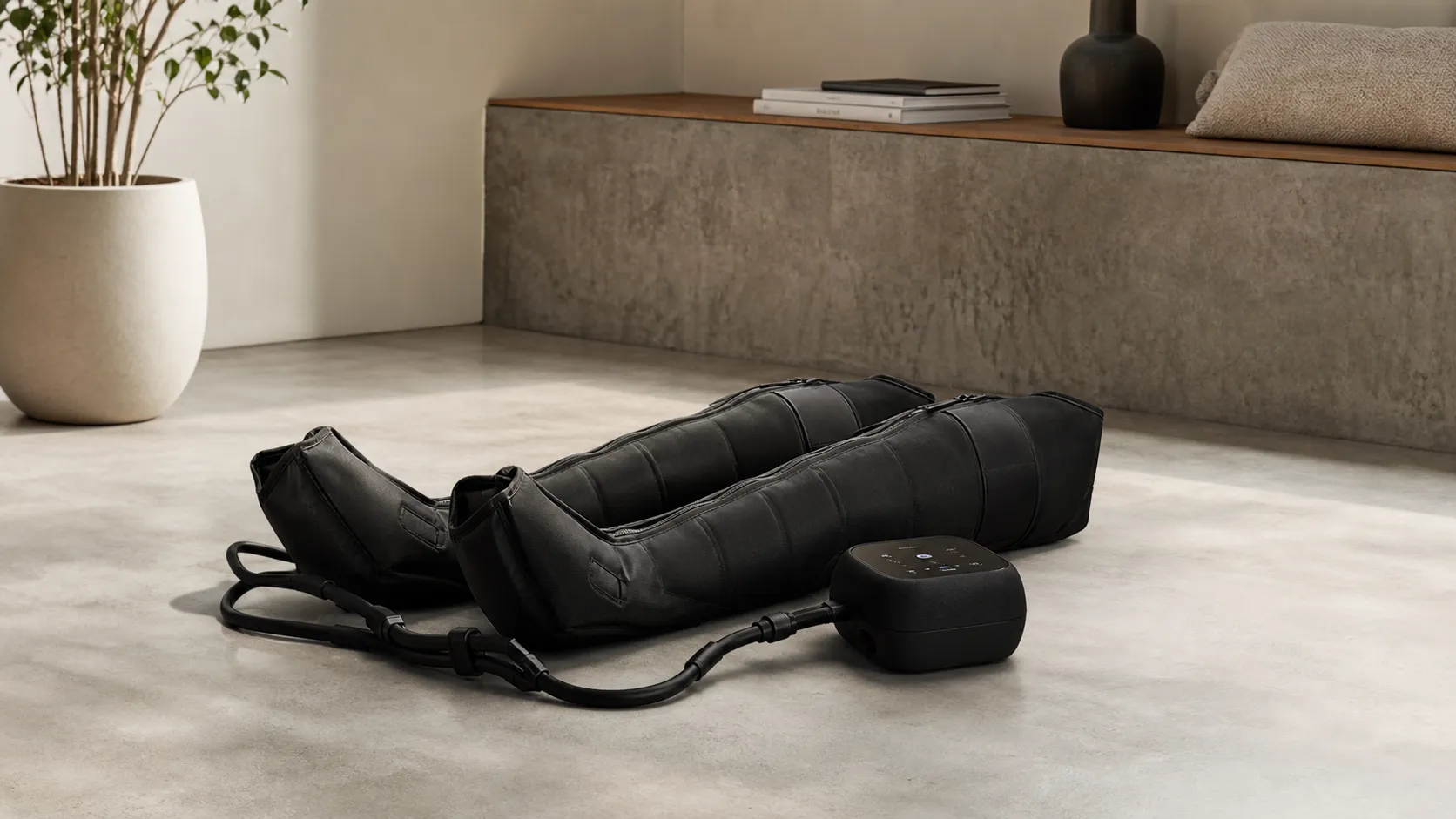
Hyperice Normatec 3.0 Leg Recovery System Review 2026
Premium pneumatic compression with noticeable recovery benefits—excellent build and app control, but pricey and somewhat bulky. Best for frequent athletes and clinics.
 Fitness & Wellness
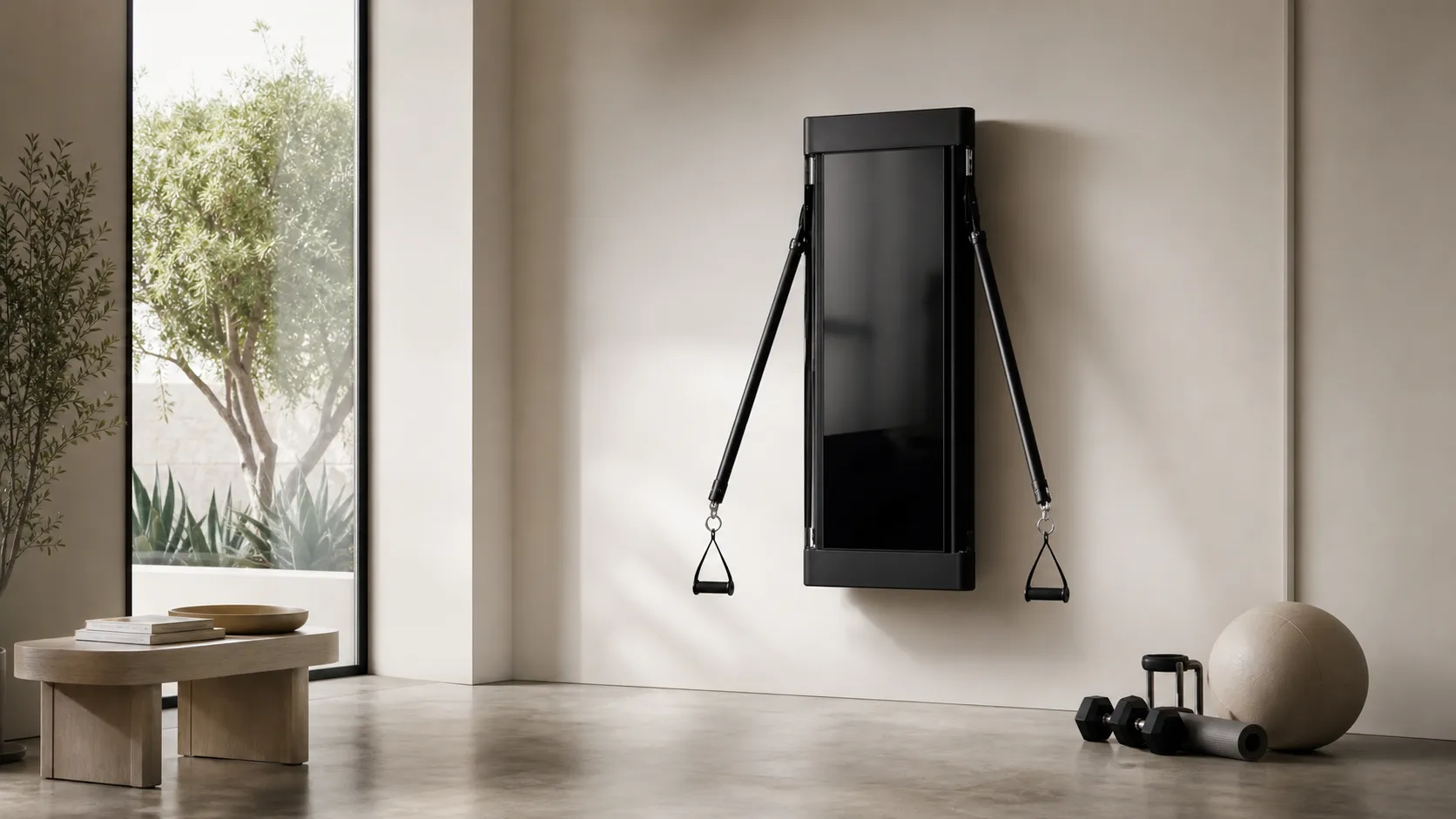
Tonal Smart Home Gym Review 2026
A high-end, wall-mounted smart gym with excellent coaching and space-saving design. Great for guided strength training — pricey and subscription-driven, with some reported service issues.
 Fitness & Wellness
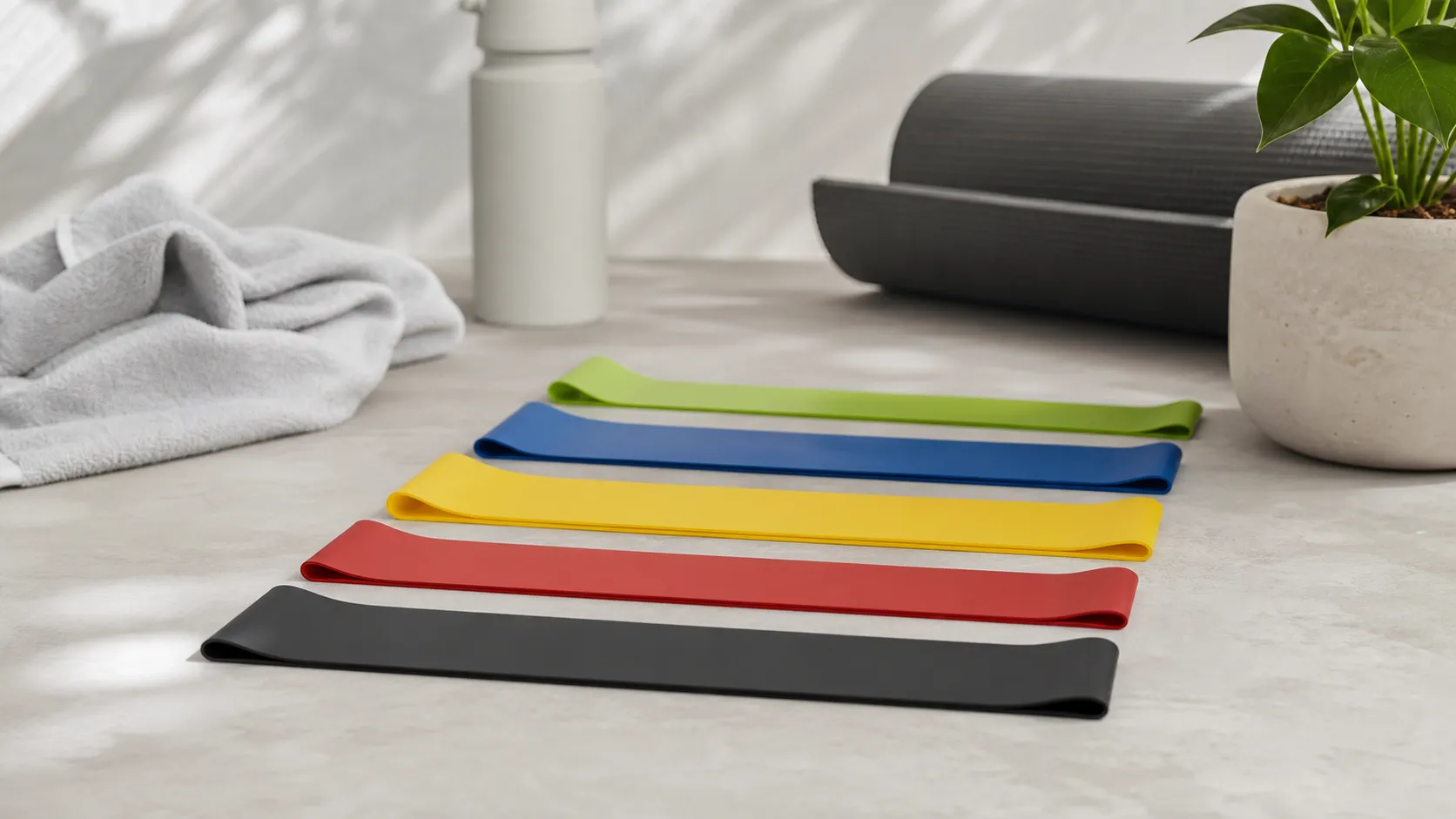
Fit Simplify Resistance Loop Bands Review 2026
Affordable, portable loop bands that excel for beginners, warm-ups, and rehab. Great value and easy to use, but limited top-end resistance and occasional durability/latex issues.