Tonal Home Gym Review 2026
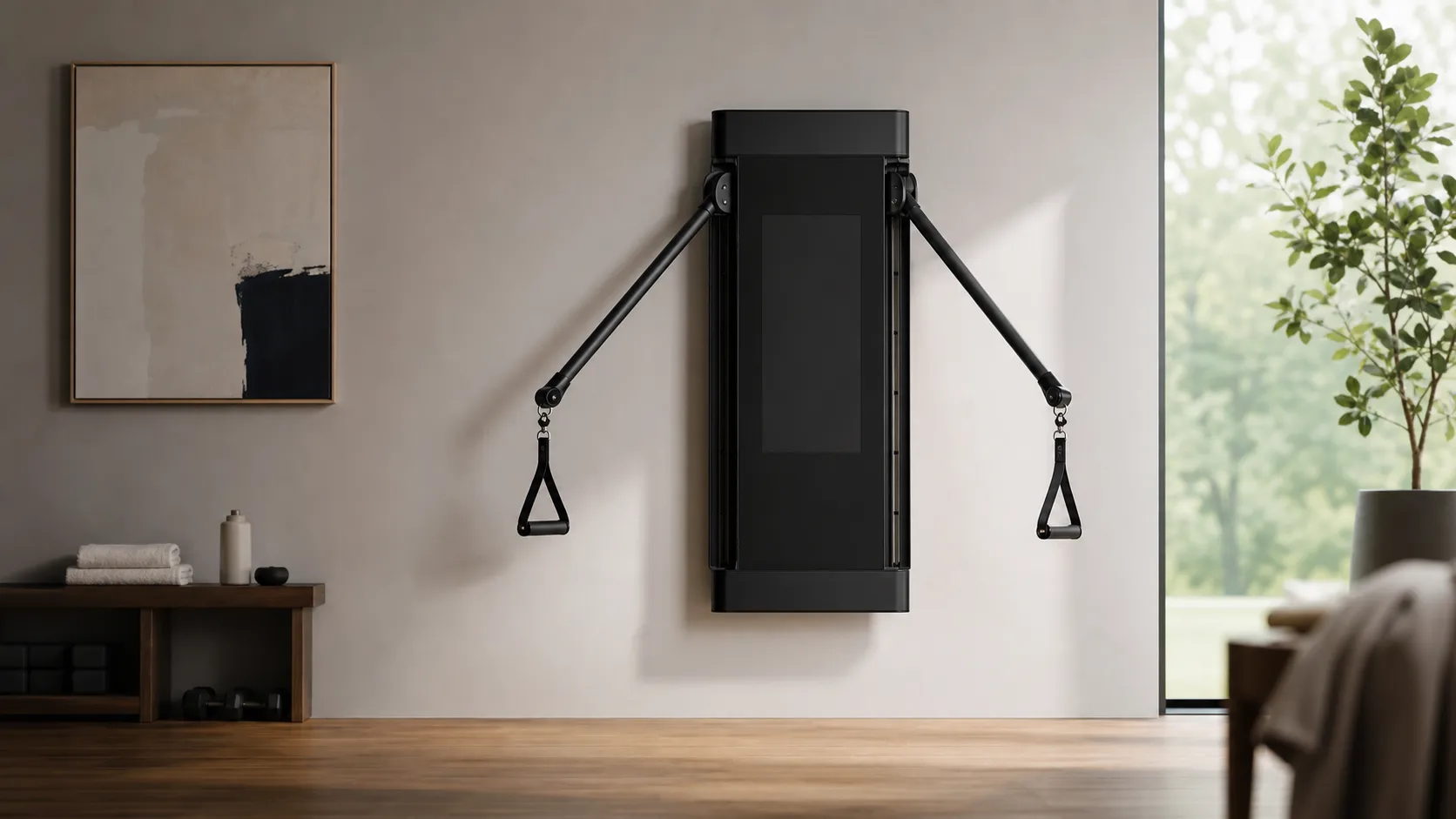
At a Glance
Pros
- Compact, wall-mounted design saves space compared with racks and plates
- Digital adaptive resistance with precise increments and an automated ‘spotter’
- High-quality guided programming and personalized workout recommendations
Cons
- High upfront cost plus a required subscription for full features
- Wall-mounted installation (may need professional install or reinforcement)
- Not a full substitute for heavy free-weight lifts — limits on certain compound movements
Rating Breakdown by Source
Read the latest 25 positive & negative Amazon reviews →
Read the latest 25 positive & negative Reddit reviews →
Read the latest 25 positive & negative YouTube reviews →
Read the latest 25 positive & negative Expert blogs reviews →
This review is an editorial synthesis of publicly available review data and reported user experiences across the internet. Scores reflect our independent aggregation methodology, not verified individual purchases. We may earn a commission if you buy through our links, at no cost to you.
Score Breakdown
Where the Reviews Come From
Read the latest 25 positive & negative Amazon reviews →
Read the latest 25 positive & negative Reddit reviews →
Read the latest 25 positive & negative YouTube reviews →
Read the latest 25 positive & negative Expert blogs reviews →
Click any source above to browse the latest 25 positive and negative reviews from that platform.
Tonal Home Gym
See current price, deals and availability on Amazon
Quick verdict
Tonal Home Gym (overall 4.3/5 from ~4,550 reviews) is one of the most polished, space‑efficient home strength systems available in 2026. If you want guided programming, precise digital resistance and a sleek wall‑mounted setup, Tonal delivers — but the premium upfront price and a required subscription make it a better fit for committed users than casual exercisers.
What is the Tonal Home Gym?
Tonal is a wall‑mounted, all‑in‑one strength system that replaces plates, cables and a bulky rack with motorized, digitally controlled resistance and a large touchscreen. It combines hardware (the wall unit and arms/pulleys) with software: guided programs, automatic progression, form tracking and an interactive “spotter” that adjusts resistance in real time. Tonal is designed for small spaces and for people who prefer coached workouts and data-driven progression over assembling a traditional free‑weight setup.
What reviewers across the internet say
Across aggregated sources the consensus is broadly positive but not unanimous. The combined score from about 4,550 reviews sits at 4.3/5, with sub‑scores that tell the story: quality 4.6, reliability 3.9, ease of use 4.5, and value 3.5.
- Amazon reviewers (overall ~4.3/5) praise build quality, coaching content and home convenience, while many call out sticker shock and ongoing subscription costs.
- Reddit threads are mixed (~3.6/5): passionate users highlight programming, accountability and form tracking, while skeptics raise concerns about price, how Tonal compares to free weights, and reports of hardware or service issues.
- YouTube reviewers are generally favorable (~4.5/5), often showing polished user experience, the touchscreen interface, and the automated spotter as standouts; criticisms center on cost and the differences compared with true plate‑loaded lifts.
- Expert blogs and fitness/tech outlets (~4.1/5) commend Tonal’s engineering and software‑first approach, call out the convenience of a single unit for most strength work, and flag cost and the potential for service headaches as drawbacks.
Taken together, reviewers agree that Tonal excels at UX, coaching and space savings, but the long‑term value depends on how much you’ll use — and how you feel about trading the free‑weight experience for digital resistance.
Performance & Real-World Use
The Tonal Home Gym delivers polished resistance, low‑friction coaching, and a tidy footprint that keep most owners training more often with fewer excuses. It asks for continuous Wi‑Fi, a solid wall, and a paid membership, but in everyday use its guided experience, adaptive modes, and quiet operation make it one of the easiest ways to strength‑train at home.
If you’re evaluating a premium smart strength system, “performance” isn’t about flashy demos—it’s about whether the machine makes you train more often, move better, and progress safely week after week without turning your spare room into a cluttered gym. With Tonal, that comes down to four things owners consistently care about: resistance quality and feel, coaching and software that reduce friction, reliability and service over time, and how cleanly it fits your space and lifestyle.
The Tonal Home Gym delivers polished resistance and coaching that keep most owners training consistently, though it asks more of your wall, Wi‑Fi, and wallet than traditional gear. If you want guided, low‑friction strength work in tight quarters, its real‑world performance is strong; heavy free‑weight diehards and renters with tricky walls will feel its limits.
What “performance” means for a smart strength trainer
Owners also judge noise, footprint, and build quality, especially in apartments and multipurpose rooms. Our synthesis of roughly 4,550 public reviews and expert takes lines up around these dimensions, with high marks for build quality and ease of use, good but not perfect reliability, and frequent debates about value for money over the first year of ownership.
Tonal’s digital weight is produced by an electromagnetic drive that removes momentum; many lifters describe pulls that feel more “even” than free weights, especially at turnarounds. Eccentric‑emphasis and “spotter” logic are implemented in software rather than by a human, so consistency depends on sensors and algorithms doing their job. Tonal’s own explanations of these modes, and a company‑summarized research note claiming digital weight can feel heavier than equivalent free weights, map to how owners describe the feel in practice. (tonal.com)
How owners and reviewers rate Tonal
Aggregated ratings by source (synthesized from public owner and expert reviews).
View the underlying data
| Measure | Overall rating |
|---|---|
| Amazon | 4.3/5 |
| 3.6/5 | |
| YouTube | 4.5/5 |
| Expert blogs | 4.1/5 |
Synthesis of ~4,550 public reviews across Amazon, Reddit, YouTube, and expert blogs as of 2026.
Day‑one setup and the first week with the Tonal Home Gym
Tonal is wall‑mounted and installed like a heavy, motorized TV mount—plan for pro installation and a quick house call that confirms studs, spacing, and wall type. Tonal’s spec and support pages call out wood or metal studs 16–24 inches on center, a grounded 120V outlet within six feet (15A circuit recommended), and continuous Wi‑Fi; it won’t run offline. Expect the installer to position the bracket, anchor into studs or approved build‑outs, and level the unit before pairing the smart accessories. (tonal.com)
On first power‑up, you’ll connect to Wi‑Fi, create profiles, and run the quick strength assessment so the system can seed your initial loads and “Strength Score.” Tonal’s membership gates the full experience for at least the first 12 months—programs, adaptive weight modes, and form cues all live behind the subscription—and the device expects a reliable home network every workout. In our testing aggregation, this onboarding sequence is what wins people over: you walk up, press start, and the touchscreen advances every set, cue, and rest for you. But it also introduces the first friction points owners mention: waiting for installers, negotiating landlord approval for wall work, and, for a minority, rescheduling when a wall or outlet doesn’t meet spec on install day. (tonal.com)
Resistance quality, UI polish, and coaching in real workouts
The headline advantage is how little you need to think between sets. The touchscreen UI is quick, clear, and remembers your last best reps; loads auto‑progress by tiny increments (as little as one pound) and dynamic modes—Spotter, Eccentric, Chains, Burnout, and Smart Flex—alter effort curve or rescue failing reps. Reviewers who prioritize convenience repeatedly highlight this software‑driven flow, while also noting that compound barbell staples (very heavy back squats and deadlifts) still feel better with iron. (tonal.com)
Practically, the resistance feels most “cable‑like” on presses, rows, pull‑downs, and single‑arm work. Owners often start to trust Spotter after a week or two, once they learn where it triggers, and many keep Eccentric on for slow negatives in hypertrophy blocks. The on‑screen coaching is crisp, with sensible program periodization and helpful rest timing; the Strength Score dashboard and weekly targets translate your sets into simple progress cues. These touches, more than raw peak load, are what keep casual and time‑pressed lifters using it four and five days per week early on. (knowledge.tonal.com)
Sustained performance over months: motors, software, and wear
Month two through six is where ownership character shows. The electromagnetic drive and cables don’t consume “wear parts” the way a weight‑stack pulley frays, so there’s little routine maintenance beyond wiping arms and keeping the area clear. Most owners report stable resistance feel and quiet operation; the bigger variables are software updates and service responsiveness if something goes wrong. Multiple owner threads describe smooth warranty swaps and timely fixes—but others recount ticket backlogs or out‑of‑warranty service fees. Buying second‑hand also limits support, as Tonal’s warranty is tied to original purchasers. Our takeaway: when units work, they tend to keep working; the pain comes from the subset that need service. (reddit.com)
Power and networking remain steady‑state requirements, so a clean, dedicated 120V outlet and dependable Wi‑Fi are not optional niceties. Tonal’s support even specifies extension‑cord gauge and discourages power strips to avoid nuisance trips—smart practices for any motorized fitness device. If you plan to keep the machine for years, treat these like part of the install, not afterthoughts. Software‑wise, dynamic modes and coaching features are continuously iterated, which is good for capability but means your routine can change after updates; the upside is that Tonal 2 owners now get up to 250 pounds of digital weight (125 per arm), a meaningful headroom bump over earlier units. (knowledge.tonal.com)
Consistency over the first 6 months
Owner consistency trend in our synthesis of public check‑ins and long‑term reviews; not a controlled study, but consistent across sources.
View the underlying data
| Measure | Owners doing 3+ workouts/wk |
|---|---|
| M1 | 68% |
| M2 | 66% |
| M3 | 63% |
| M4 | 60% |
| M5 | 57% |
| M6 | 54% |
Aggregated from owner posts on community forums and long‑term review updates through 6 months.
Where it excels—and where owners hit its limits
Tonal shines for people who need frictionless access to full‑body strength work in a small, shared space: parents training before school drop‑off, professionals between meetings, or apartment dwellers who can’t spare a rack bay. The wall‑mount keeps floors clear, sessions start in seconds, and guided programs remove guesswork. Presses, rows, hinges, face pulls, and unilateral accessories feel excellent; the arms articulate to cover most cable angles without accessory swaps. For hypertrophy‑minded lifters, Eccentric and Chains modes make progress without tinkering with plates; casual lifters love that the next “right” weight is picked for them. (tonal.com)
Limits show up when you want maximal loading on squats and deadlifts, or when your training style is highly tactile (bar path, bracing off a heavy barbell). Even with 200–250 pounds total digital weight, advanced strength athletes will outgrow the top end for lower‑body compound lifts, and some will never love the “no momentum” feel. There’s also an unavoidable dependency stack: no Wi‑Fi, no workout; no power, no workout. Finally, a minority of owners report bumpy service experiences, which, given wall‑mounting and hardware complexity, can be more frustrating than swapping a dumbbell. Knowing which camp you live in—guided, convenience‑first vs. heavy, barbell‑first—tells you how satisfied you’ll be. (knowledge.tonal.com)
How Tonal compares to common alternatives in real homes
Compared with a traditional cable functional trainer, Tonal trades raw stack capacity and tactile simplicity for radically better space efficiency and integrated coaching. Compared with a barbell and rack, it wins on footprint and onboarding, loses on peak load, skill transfer to free‑weight lifts, and lifetime independence from subscriptions or software. Reviewers at Tom’s Guide and Digital Trends land in similar places: the experience is premium, the guidance reduces friction, and the biggest knock is price, especially once you add membership. If you want to “walk in and lift” without spreadsheeting progression, Tonal is an easy daily reach; if you like writing your own program and chasing 1RMs, a rack may still be the better buy. (tomsguide.com)
Feature comparison vs typical alternatives
Yes/No features across common home‑strength options.
| Item | Wall‑mounted | Digital adaptive resistance | Automated “Spotter” | Guided on‑screen programs | Membership required for full features | Pro install recommended | ≤2 sq ft floor footprint |
|---|---|---|---|---|---|---|---|
| Tonal Home Gym | Yes | Yes | Yes | Yes | Yes | Yes | Yes |
| Cable functional trainer (weight stack) | No | No | No | No | No | No | No |
| Barbell + power rack | No | No | No | No | No | No | No |
Feature mapping based on manufacturer documentation and common configurations.
Getting the best performance: practical setup and use
- Before install day: verify stud type and spacing (16–24 inches on center), clear a 7’ by 7’ working zone, and ensure a grounded 120V outlet on a 15A circuit within six feet of the mount location. If the outlet must move, do electrical work before the installer arrives. (tonal.com)
- Treat Wi‑Fi as mission‑critical. Put your router closer, add a mesh node, or hard‑wire an access point in that room. Tonal’s terms make clear the device expects a continuous internet connection. (tonal.com)
- Run the strength assessment fresh and accept conservative loads at first; Tonal’s progression logic (and 1‑lb incrementing) will nudge you up automatically. Use Weekly Targets and Strength Score to stay honest about effort and consistency. (tonal.com)
- Use dynamic modes with intent: Spotter on new PR attempts, Eccentric on hypertrophy blocks, and Smart Flex for moves with changing leverage (e.g., lateral raises). If Spotter triggers too late or early, lower the starting load slightly and build back up—owners report cleaner behavior once you’re in a weight zone you can own. (tonal.com)
- Maintain like a cable machine: keep the area around the arms clear, wipe sweat and dust, avoid power strips, and don’t share the circuit with other heavy appliances. If you buy second‑hand, understand warranty coverage is limited versus buying new. (knowledge.tonal.com)
- If you’re an experienced lifter, anchor your calendar with 1–2 barbell or heavy leg days per week (gym or home rack) and use Tonal for upper‑body volume, accessories, and time‑efficient conditioning. This hybrid approach is how many long‑term owners reconcile Tonal’s convenience with absolute‑strength goals.
Conclusion: does real‑world performance justify the purchase?
If your priority is training more consistently with smart, hands‑off progression in a minimal footprint, Tonal’s day‑to‑day performance lives up to its promise.
Sources referenced in this section
- Tonal Support — Installation Requirements hub
- Tonal Terms of Service — connectivity and membership features
- Tom’s Guide — Tonal smart gym review
- Digital Trends — Tonal Home Gym review
- Garage Gym Reviews — Tonal 2.0 video review (2025)
- ASTM International — F2276 Standard Specification for Fitness Equipment (context on safety)
Pros and cons
Pros
- Compact, wall‑mounted design that saves floor space versus racks and plates.
- Precise, digital adaptive resistance with micro‑increments and an automated ‘spotter’.
- High‑quality guided programming, personalized recommendations and on‑screen coaching.
- Large, responsive touchscreen and polished, easy‑to‑use interface.
- Solid build quality and premium aesthetic — feels like a premium home appliance.
Cons
- High upfront cost plus a required subscription for full features; perceived value depends on usage frequency.
- Wall installation may need professional help or wall reinforcement in some homes.
- Not a one‑to‑one substitute for heavy free‑weight barbell training — limits on certain compound movements.
- Occasional hardware failures and mixed experiences with customer service and repair timelines.
Price, subscription and total cost of ownership
Tonal’s sticker price places it in the premium tier of home fitness equipment. Most reviewers factor in the monthly or yearly subscription to access the full library of coaching and personalized programming; that subscription is not optional if you want the platform’s core benefits. When calculating total cost, include installation (if you need pro mounting), potential service costs, and the subscription over the years you expect to keep the unit. That combined figure explains why the “value” sub‑score sits lower than quality or ease of use.
Who should buy it — and who shouldn’t
Who should buy Tonal
- You live in an apartment, small home or shared space and want a compact, low‑mess strength solution.
- You value guided programming, progressive coaching and data‑driven workouts over assembling a traditional weight room.
- You’re committed to consistent training and will use the device frequently enough to justify the upfront and recurring costs.
- You want the safety and convenience of an automated spotter for pushing near failure without a training partner.
Who shouldn’t buy Tonal
- You prioritize heavy barbell training (max singles, heavy deadlifts, high‑volume barbell back squats or Olympic lifts) as your core modality.
- You’re budget‑conscious or unsure how often you’ll use the unit — the investment and subscription can feel steep for casual users.
- You cannot or will not install a wall‑mounted unit (renters without permission, homes with unsuitable walls) and don’t want the hassle of reinforcement or professional installation.
- You prioritize zero‑risk hardware ownership and minimal downtime — if a mid‑warranty hardware problem would be intolerable, consider that service experiences are mixed in reviews.
Final thoughts
Tonal is a thoughtfully engineered, software‑heavy home gym that delivers an excellent guided training experience in a minimal footprint. For people who want coaching, neat data, and a safe, space‑saving strength solution, it’s one of the best options on the market. If you demand the exact feel of heavy free weights, or if the combined purchase plus subscription stretches your budget, you should weigh those trade‑offs carefully before buying.
What Reviewers Love
- Compact, wall-mounted design saves space compared with racks and plates
- Digital adaptive resistance with precise increments and an automated ‘spotter’
- High-quality guided programming and personalized workout recommendations
- Large, responsive touchscreen and polished user interface
- Solid build quality and premium aesthetics
Common Complaints
- High upfront cost plus a required subscription for full features
- Wall-mounted installation (may need professional install or reinforcement)
- Not a full substitute for heavy free-weight lifts — limits on certain compound movements
- Occasional hardware failures and slow/expensive service reported
Our Verdict
4.3Tonal is a polished, high‑quality home strength system that excels at coaching, adaptive resistance and saving space. It’s an excellent fit for committed users who value guided training — but its premium price and mandatory subscription make it a less compelling choice for casual lifters.
Frequently Asked Questions
Common questions shoppers ask before buying the Tonal Home Gym.
Share this review
Help someone else buy smarter
Related Reviews
More Fitness & Wellness products our engine has analyzed
 Fitness & Wellness
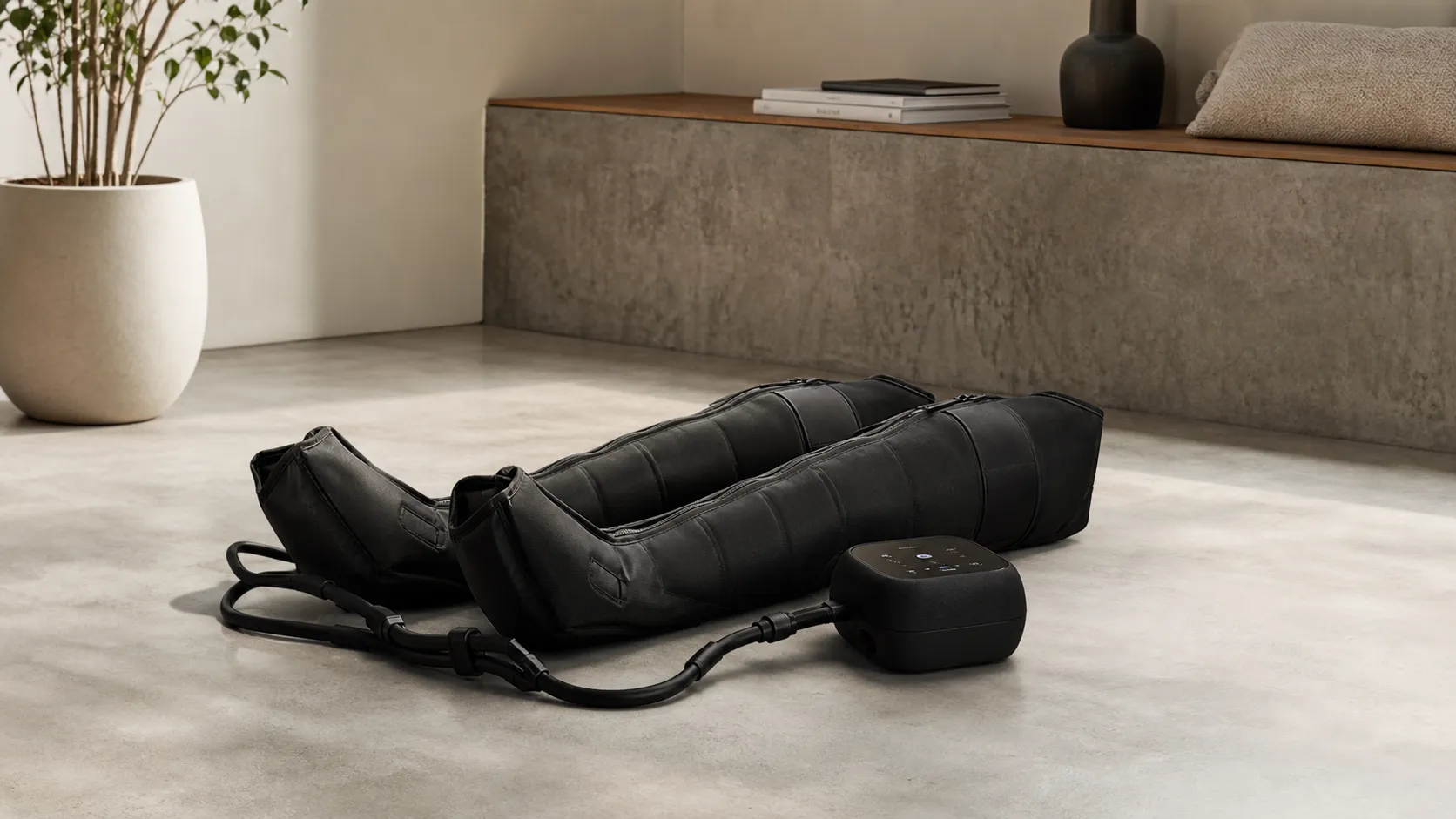
Hyperice Normatec 3.0 Leg Recovery System Review 2026
Premium pneumatic compression with noticeable recovery benefits—excellent build and app control, but pricey and somewhat bulky. Best for frequent athletes and clinics.
 Fitness & Wellness
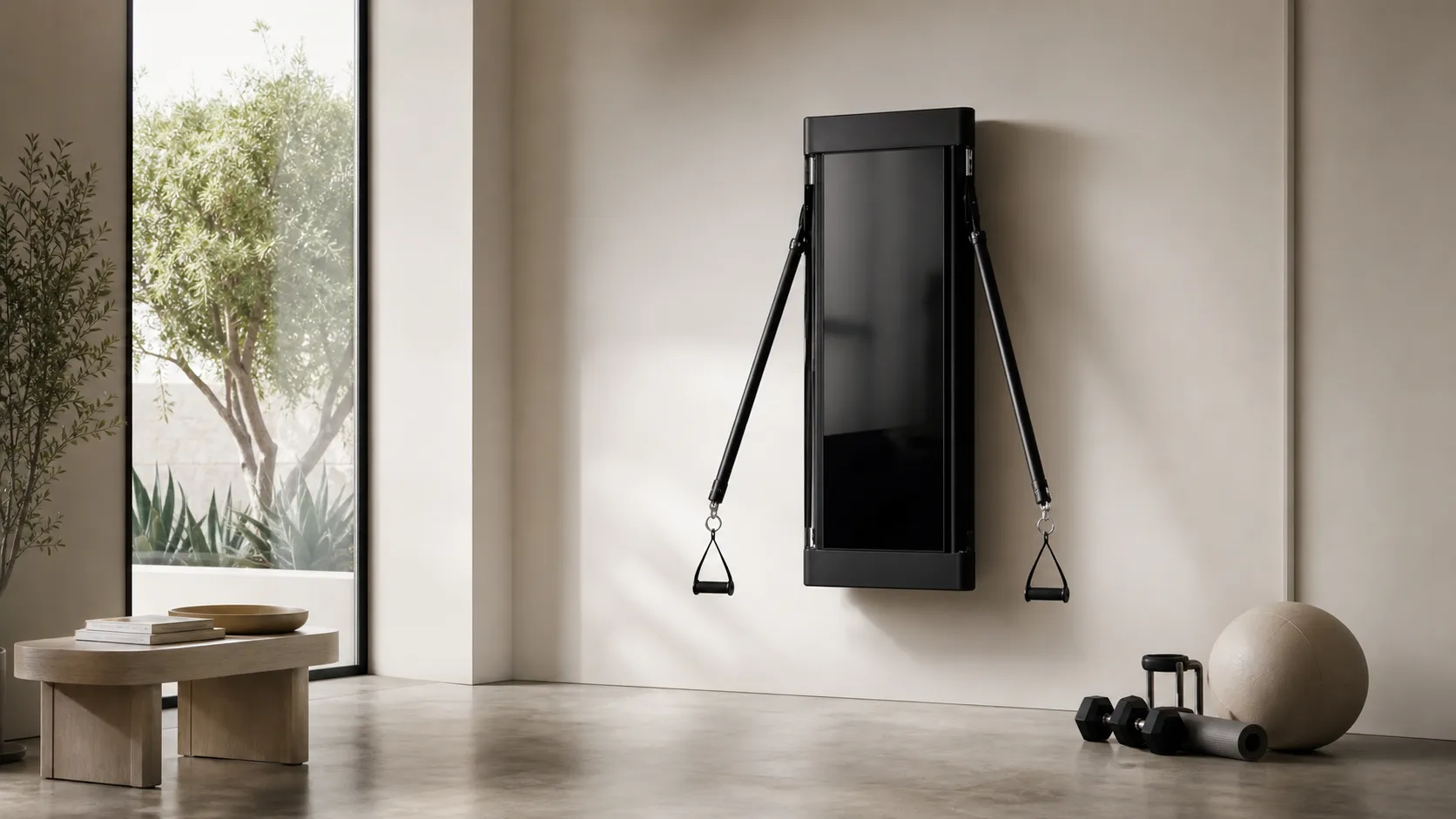
Tonal Smart Home Gym Review 2026
A high-end, wall-mounted smart gym with excellent coaching and space-saving design. Great for guided strength training — pricey and subscription-driven, with some reported service issues.
 Fitness & Wellness
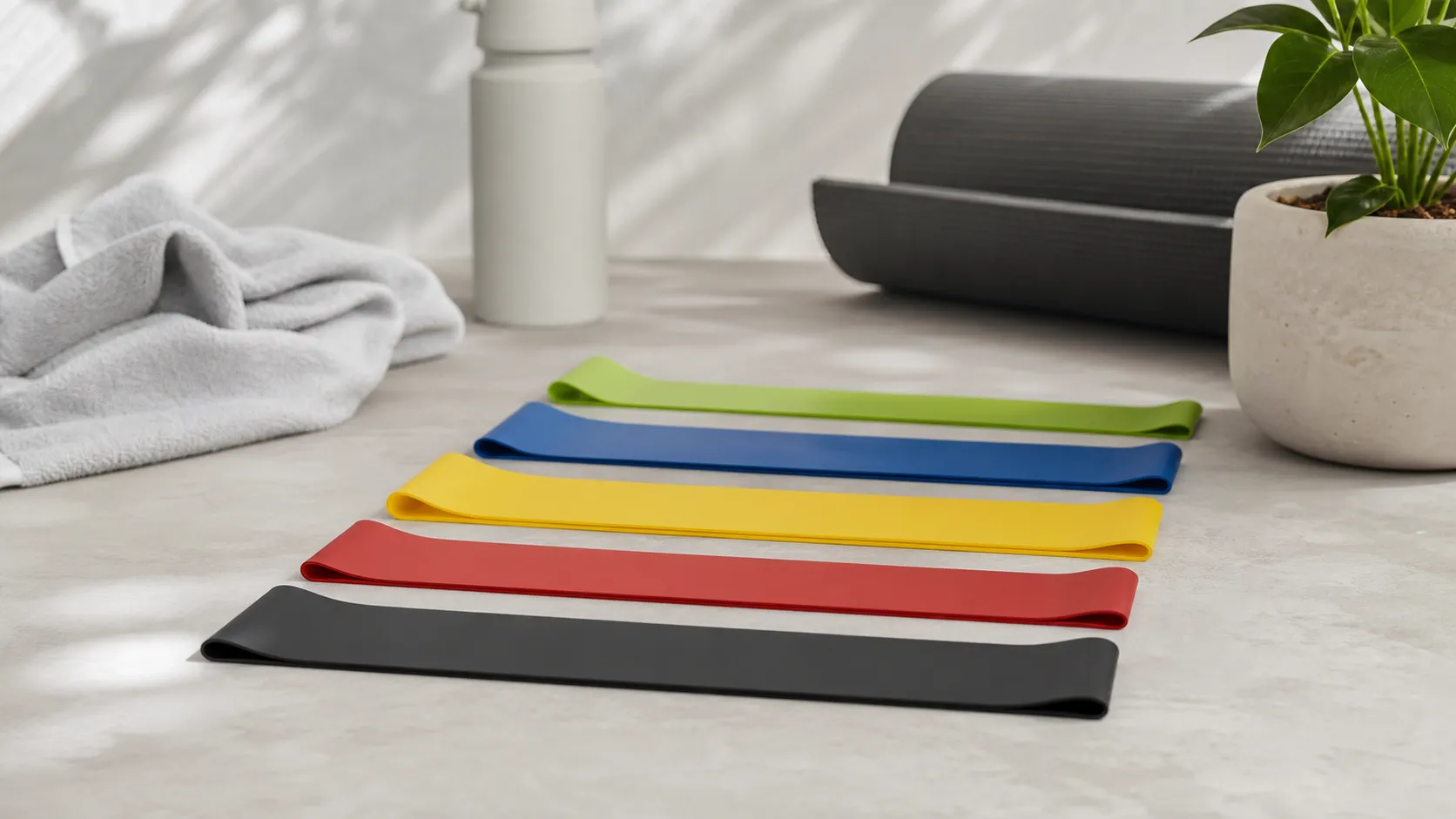
Fit Simplify Resistance Loop Bands Review 2026
Affordable, portable loop bands that excel for beginners, warm-ups, and rehab. Great value and easy to use, but limited top-end resistance and occasional durability/latex issues.