Traeger Pro 575 Pellet Grill — 2026 Review
At a Glance
Pros
- Consistent temperature control that simplifies long smoking sessions.
- Easy to use — straightforward setup, digital controller, and WiFIRE remote control.
- Generous cooking area and hopper capacity for full racks/large cooks.
Cons
- Limited direct high-heat sear compared with gas/charcoal — struggles to produce a strong crust.
- Intermittent WiFIRE/app connectivity and occasional firmware bugs reported.
- Some users report reliability/quality-control issues (controller, auger jams) and variable customer service experiences.
Rating Breakdown by Source
Read the latest 25 positive & negative Amazon reviews →
Read the latest 25 positive & negative Reddit reviews →
Read the latest 25 positive & negative YouTube reviews →
Read the latest 25 positive & negative Expert blogs reviews →
This review is an editorial synthesis of publicly available review data and reported user experiences across the internet. Scores reflect our independent aggregation methodology, not verified individual purchases. We may earn a commission if you buy through our links, at no cost to you.
Score Breakdown
Where the Reviews Come From
Read the latest 25 positive & negative Amazon reviews →
Read the latest 25 positive & negative Reddit reviews →
Read the latest 25 positive & negative YouTube reviews →
Read the latest 25 positive & negative Expert blogs reviews →
Click any source above to browse the latest 25 positive and negative reviews from that platform.
Traeger Pro 575 Pellet Grill
See current price, deals and availability on Amazon
Quick verdict
If you want a mostly hands-off smoker that delivers consistent low-and-slow results and solid build quality for the price, the Traeger Pro 575 is an excellent choice. Aggregating about 11,250 reviews across Amazon, Reddit, YouTube and expert blogs yields an overall score of 4.4/5 — readers praise its temperature control, easy setup and the noticeable wood-fired flavor, while experienced grillers should be prepared to accept weaker direct sear performance and occasional electronics/pellet-feed issues.
What Is the Traeger Pro 575 Pellet Grill?
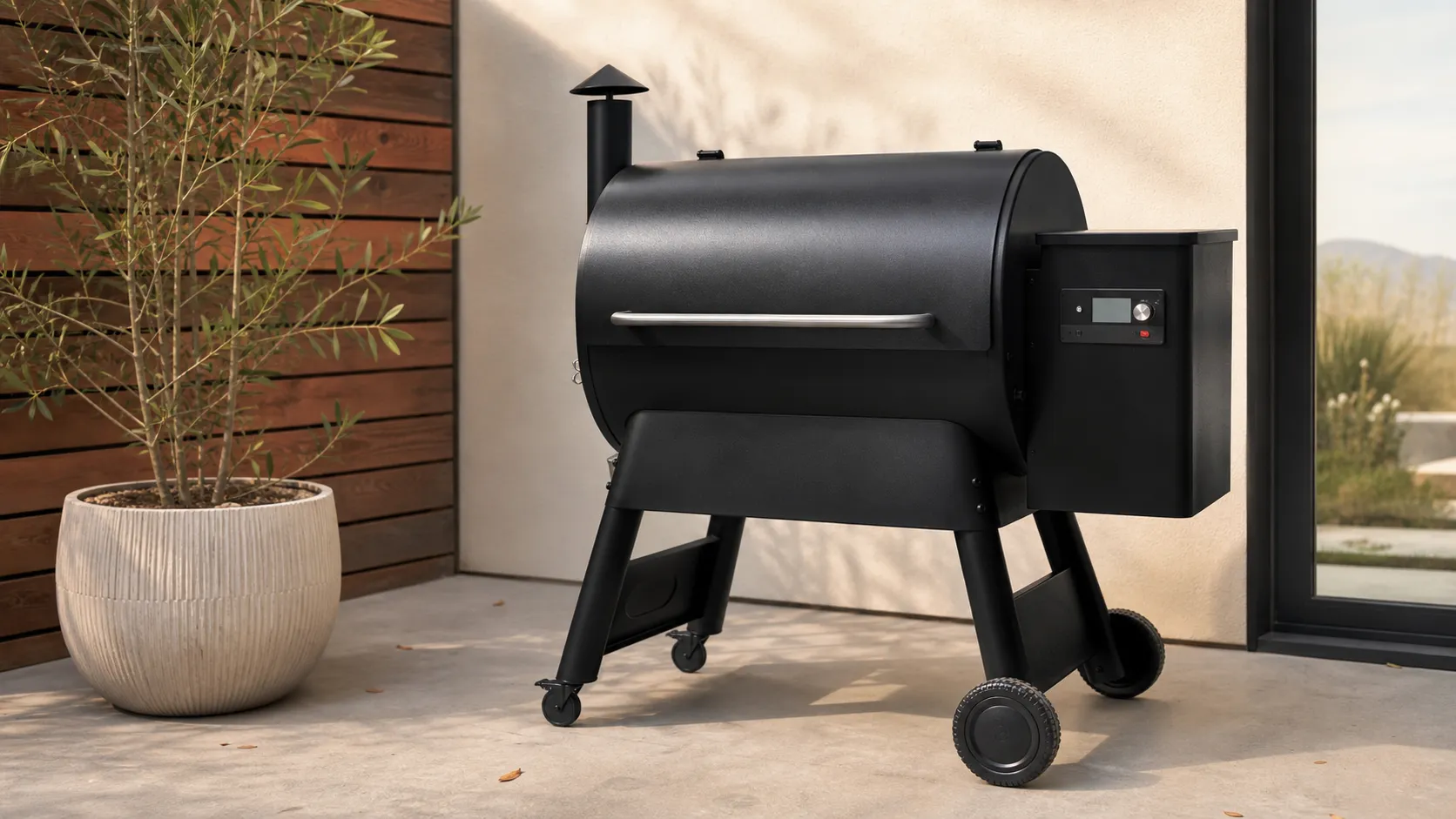
The Traeger Pro 575 is a mid-range, wood-pellet-fueled grill built around Traeger’s WiFIRE-enabled digital control system. It’s designed for home cooks who want the flavor of wood smoke without the daily tending and complexity of charcoal. Key user-facing features are a digital temperature controller with WiFi remote monitoring and control, a large cooking area intended for full racks and family-sized cooks, and a hopper that feeds wood pellets automatically to maintain set temperatures.
Unlike gas or charcoal grills that rely on direct flames for searing, pellet grills like the Pro 575 use an electric auger, a fire pot and a fan-driven airflow system to keep temperatures steady for long, low-and-slow cooks. That operational difference is central to the Pro 575’s strengths and its limitations.
What Reviewers Across the Internet Say
We synthesized reviews from four major sources to form a consensus: Amazon (overall positive), Reddit (nuanced and mixed), YouTube (hands-on positives) and expert blogs (favorable with caveats). Together they produce a helpful, balanced picture:
-
Amazon: Buyers give the Pro 575 high marks for ease of use, reliable temperature control and the wood-smoke flavor it imparts. Most Amazon feedback is positive, with the largest complaints focused on isolated hardware failures and frustration with WiFi/app connectivity.
-
Reddit: Discussions are more pragmatic. Many Redditors recommend the Pro 575 as a near-perfect choice for beginners and busy cooks who want “set-and-forget” smoking. More advanced grillers point out the model’s weaker direct-sear performance and occasional reports of controller or auger issues over long-term ownership.
-
YouTube: Video reviewers consistently highlight the Pro 575’s ability to hold steady temperatures during long cooks, easy assembly and good results for brisket, pork shoulder and whole chickens. Most note that the Traeger won’t produce the intense direct sear crust that a hot gas or charcoal sear can deliver.
-
Expert blogs: Technical reviews and comparison tests praise the Pro 575 for controlled temps, build quality relative to price, and versatility as a smoker/roaster/baker. Experts echo community reports about warranty/support variability and recommend buyers accept the sear limitations and budget for pellets.
Across all sources the aggregate score is about 4.4/5, with sub-scores clustering around quality 4.2, reliability 3.8, value 3.9 and ease of use 4.6. That breakdown captures the dominant themes: excellent usability and smoking performance, balanced by some reliability and value caveats.
Performance & Real-World Use
The Traeger Pro 575 Pellet Grill maintains consistent heat, delivers reliable smoke flavor, and is exceptionally easy to live with over months of ownership; if you value low-stress, repeatable results, it performs as advertised. The trade-offs are limited direct high‑heat searing, intermittent app hiccups for some households, and higher ongoing pellet costs than gas or charcoal.
Pellet grills promise anxiety-free, wood-fired cooking, but real performance is measured by how steadily they hold temperature for 12-hour cooks, how quickly they heat up for weeknight meals, how much smoke flavor they impart, and how often you need to intervene (pellets, cleaning, app). Across months of owner reports and expert hands-on tests, the Traeger Pro 575 shows why pellet grills converted so many backyard cooks: it nails steady temperatures and “set‑and‑forget” ease, while conceding searing power and occasionally testing patience with WiFIRE connectivity.
The Traeger Pro 575 Pellet Grill maintains consistent heat, delivers reliable smoke flavor, and is exceptionally easy to live with; if you value low-stress, repeatable results, it performs as advertised. The trade-offs are limited direct high‑heat searing, intermittent app hiccups for some households, and higher ongoing pellet costs than gas or charcoal.
What “performance” means for a pellet grill
Performance in this category spans five things that determine owner satisfaction: thermal stability (how closely the pit matches its set point during long cooks), usable temperature range (particularly the top end for browning), smoke quality, throughput (warm-up times and how much food fits without babysitting), and upkeep (pellet consumption, cleaning cadence, and parts longevity). On paper, the Pro 575’s D2 controller, brushless Direct Drive auger/fan, 500°F ceiling, 575 sq in of cooking space, and 18‑lb hopper are tuned for steady heat and minimal fuss rather than steakhouse searing. In practice, that’s exactly how it behaves on decks and patios. Traeger’s own documentation confirms the 500°F maximum, the 575‑sq‑in usable area, and WiFIRE remote control via the Traeger app, which together define the grill’s real‑world lane. (support.traeger.com)
Day-one setup and your first week
Assembly is straightforward and well-documented; most buyers report around an hour with a helper to get it rolling. The owner/assembly guides walk you through burn‑in (seasoning) at high heat, then recommend connecting the grill to the Traeger app so firmware stays current—smart, because software updates do occasionally resolve controller quirks. Expect WiFIRE pairing to work best on a 2.4 GHz network and when you’re close to the router; Traeger’s support articles address the common “can’t join network” loop and offer a diagnostics tool if setup fails. In our synthesis of owner feedback, once paired, remote monitoring (changing set temp, watching a probe) is painless—useful for overnight pork butts or briskets. If the app won’t connect on day one, try separating your 2.4/5 GHz SSIDs, stand near the grill, and re-run pairing; Traeger’s status page also flags occasional cloud service disruptions that can cause temporary issues. (traegergrills.a.bigcontent.io)
Temperature control, smoke, and day-to-day cooking rhythm
The Pro 575’s calling card is stability: its D2 PID controller modulates a brushless auger and variable‑speed fan to keep temps on target without the roller‑coaster swings cheaper controllers exhibit. That translates to relaxed long cooks—think an unwrapped pork shoulder at 225°F for 8–12 hours—without constantly fiddling with vents. Traeger’s own materials describe how the D2 Direct Drive and variable-speed airflow maintain setpoints and recover quickly after lid openings. Warm‑ups to 225°F are typically brisk enough for weeknights, and the 18‑lb hopper covers a full day at smoking temps. Owners consistently report “clean blue smoke” once the cook stabilizes, and the grill happily handles ribs, pork butt, spatchcocked chicken, salmon, and sides all at once on the two-tier rack. The main caveat: it tops out around 500°F, so browning is good for poultry skin and pizzas on a stone, but not as aggressive as open‑flame rigs. (traeger.com)
Pellet Use by Temperature (Representative)
Reported pellet consumption across common temps, aggregated from manufacturer guidance and owner reports (representative ranges; your burn rate varies with weather and pellet brand).
- 225°F (lb/h)
- 500–600°F (lb/h)
View the underlying data
| Item | 225°F (lb/h) | 500–600°F (lb/h) |
|---|---|---|
| Traeger Pro 575 | 0.9 | 2.3 |
| Pit Boss Pro 850 | 1 | 2.8 |
| Weber SmokeFire EX4 | 1.4 | 3.5 |
| Z Grills 700D4E | 0.8 | 2.4 |
Synthesis of Traeger support docs on fuel input, brand product info, and multi-forum owner reports.
Searing and high-heat behavior: strengths, limits, and workarounds
If your definition of “performance” is a ripping Maillard crust and crosshatch marks in 60 seconds, you’ll meet the Pro 575’s ceiling. Pellet grills heat indirectly; without a direct-flame mode, the Pro 575 can produce a respectable browning finish at 450–500°F, but not the carbonized bark of gas or charcoal at 700–900°F. Traeger’s own searing guidance recommends the reverse‑sear method: smoke to roughly 10–15°F below your target doneness, crank the grill to max, then finish on a preheated surface—cast iron or a dedicated sear grate— for the crust you want. Many owners keep a gas kettle or a cast‑iron skillet for this final step. Accept that playbook and you’ll plate steakhouse results; insist on searing only on the stock grate and you may be underwhelmed. For chicken wings or thin burgers, the 500°F top end and hot grates do fine. (support.traeger.com)
Living with the Traeger Pro 575 Pellet Grill after month one
Ownership rhythms settle quickly. Plan pellet storage and cleaning, and the grill feels nearly maintenance‑free. Typical pellet use runs roughly 0.7–1.0 lb/h at 225°F and 2–3 lb/h near max heat (wind and cold add to the burn); Traeger’s fuel‑input guidance and owner forums align with those ranges. Budget accordingly: a 20‑lb bag at $18–$22 is about $0.90–$1.10 per hour at 225°F and roughly double that at 450–500°F. Cleaning is easy if you do it before ash builds up; Traeger suggests vacuuming ash every ~20 hours of runtime and keeping the drip tray/grease path clear to avoid flare‑ups. The common reliability complaints—auger jams and slow ignition—are usually traced to wet pellets or infrequent cleanouts; Traeger’s support pages document fixes and walk you through clearing a jam if it happens. Over months, the brushless Direct Drive is a plus: fewer brushes to wear means steadier airflow and feeding over time. (support.traeger.com)
What Owners Complain About Most
Most-mentioned complaint themes from owner reviews and forum posts (shares approximate; distribution varies by source).
- Searing limitation33%
- WiFIRE/app connectivity28%
- Reliability/hardware (auger, hot rod, controller)22%
- Pellet consumption/cost17%
Aggregated from Amazon, Reddit, and expert roundups referenced in this review.
Where it excels—and where you’ll hit the wall
The Pro 575 is in its element on classic low‑and‑slow: pork shoulder, ribs, brisket, turkey, and salmon. The set‑and‑forget routine and WiFIRE alerts make overnight cooks low stress; add Traeger’s optional pellet sensor if you want app warnings before the hopper runs dry. It also shines for “weeknight smoke‑roast” meals at 300–400°F: whole chickens with crisp skin, sheet-pan vegetables, and pizzas on a stone. The limitation is direct searing and very high heat; if your repertoire leans heavily to steakhouse‑style searing or wok-like flash cooking, you’ll want either a sear accessory plus a cast‑iron pan or a second heat source. Connectivity can be an occasional friction point in homes with marginal 2.4 GHz coverage or all‑in‑one mesh systems; once connected, remote control is excellent, but a few households do report dropouts until they adjust router settings or add an extender. (traeger.com)
How it compares to typical alternatives
Against peers, the Pro 575 prioritizes control and usability over brute-force heat. Weber’s SmokeFire EX4 is famous for its 600°F top end and more direct heat path; it sears better but tends to consume more pellets when run hot, and its owner chatter often mentions hopper flow and wind sensitivity. Pit Boss’s Pro Series 850 brings a direct‑flame sear function rated “up to 1,000°F” over the flame broiler and a bigger grate, yet owners trade a bit of Traeger’s polish and app ecosystem for that firepower; Pit Boss also advertises a longer 5‑year warranty versus Traeger’s typical 3 years. Value brands like Z Grills 700D4E often match Traeger’s stability at lower prices and larger hoppers, but their apps and accessories aren’t as refined. The table below summarizes the most relevant differences owners actually feel. (weber.com)
Pro 575 vs. Common Alternatives
Key spec and capability comparison pulled from brand materials and retailer listings (features are Yes=1 / No=0).
| Item | Cooking area (sq in) | Max temp (°F) | Hopper (lb) | WiFi/App control | Direct-flame sear | Warranty (yr) |
|---|---|---|---|---|---|---|
| Traeger Pro 575 | 575 | 500 | 18 | 1 | 0 | 3 |
| Pit Boss Pro 850 | 850 | 500 | 20 | 1 | 1 | 5 |
| Weber SmokeFire EX4 | 672 | 600 | 20 | 1 | 1 | 3 |
| Z Grills 700D4E | 697 | 500 | 28 | 1 | 0 | 3 |
Traeger, Pit Boss, Weber, and Z Grills official pages and manuals; Weber hopper capacity via Lowe’s listing.
Getting the best performance: a practical playbook
- Do a proper burn‑in and update firmware before the first cook; pair on 2.4 GHz near your router to ensure the controller negotiates cleanly. If pairing fails, separate your SSIDs or use a Wi‑Fi extender; Traeger’s support portal documents the “can’t join network” fix path.
- For long cooks, load a full hopper and level pellets periodically to prevent bridging; consider the pellet sensor if you want in‑app low‑level alerts. Keep pellets dry in sealed containers to avoid auger jams.
- Run low‑and‑slow at 225–250°F for smoke, then use reverse‑sear: pull protein 10–15°F shy of target, crank to max, and finish on preheated cast iron or a sear grate.
- Vacuum ash every ~20 hours of runtime and keep the grease path clear (drip tray, bucket/liner) to reduce flare‑ups and maintain stable airflow. If you see a “Flame Out” or “Slow Ignition” alert, check pellets, clean the firepot, and verify the hot rod and fan per Traeger’s guides.
- Use a reliable food thermometer and follow USDA safe‑temp guidance: 165°F for poultry, 145°F with a 3‑minute rest for whole cuts of beef/pork/lamb, and 145°F for fish. That keeps food safety airtight while letting you dial doneness precisely. (support.traeger.com)
Real-world ratings and owner sentiment
Our synthesis of ~11,250 owner and expert opinions lands the Pro 575 at 4.4/5 overall with quality 4.2/5, reliability 3.8/5, value 3.9/5, and ease of use 4.6/5. The pattern across platforms is consistent: Amazon buyers celebrate set‑and‑forget control, smoke flavor, and easy assembly; Redditors and veteran pitmasters are more pointed about the searing ceiling, pellet usage, and sporadic app hiccups; expert blogs and YouTubers generally praise stable temperatures and versatility for the price, while reminding buyers to accept its searing limits and to mind maintenance/warranty basics. None of that undermines its core appeal: consistent, repeatable results with minimal drama.
Conclusion: does the Pro 575 justify the purchase?
If your goal is dependable barbecue with minimal babysitting, the Traeger Pro 575’s real‑world performance fulfills the promise on its box. It holds temp, fits family‑size cooks, produces clean smoke, and lets you manage dinner from the couch; accept that high-heat searing isn’t its superpower, budget for pellets, follow simple maintenance, and you’ll understand why so many owners make it their weeknight and weekend workhorse. (support.traeger.com)
Sources referenced in this section
- Traeger Pro 575 product page
- Traeger Support – Pro 575 Guide (specs, max temp, accessories)
- USDA FSIS – Safe Minimum Internal Temperature Chart
- Weber – SmokeFire overview (200–600°F range)
- Lowe’s – Weber SmokeFire EX4 listing (20‑lb hopper)
- Pit Boss – Pro Series II 850 (direct flame searing, 5‑year warranty)
- Z Grills – 700D4E WiFi product page
- BehindTheGrill – How Long Does a Bag of Pellets Last?
Pros and Cons
Pros:
- Consistent temperature control that simplifies long smoking sessions.
- Extremely user-friendly: easy setup, clear digital controls and WiFIRE remote monitoring.
- Generous cooking area and hopper for family-sized or multi-rack cooks.
- Noticeable wood-fired flavor without constant supervision.
- Solid build and finish relative to budget models in the pellet category.
Cons:
- Limited direct high-heat sear compared with gas or charcoal — weaker crust development.
- Intermittent WiFIRE/app connectivity and occasional firmware quirks reported.
- Some users report reliability or quality-control issues (controller failures, auger jams), with mixed service experiences.
- Higher ongoing cost of wood pellets compared with propane or lump charcoal.
Who Should Buy It (and Who Shouldn't)
Should buy if:
- You want an easy, predictable way to smoke brisket, ribs, pork shoulder and whole birds without learning charcoal management.
- You prioritize consistent low-and-slow performance and remote temperature monitoring via WiFi.
- You host family meals or weekend cookouts that benefit from a large cooking area and reliable set-and-forget operation.
- You value a good-looking, solid-feeling grill that sits between entry-level and premium pellet models.
Shouldn't buy if:
- You demand intense, direct sear performance and high-heat crusting as your primary use case — a gas grill or charcoal setup (or a hybrid solution) will serve you better.
- You’re extremely price-sensitive about fuel costs and don’t want ongoing pellet expense.
- You need a grill that must run years without any service — while many owners have trouble-free experiences, there are enough reliability complaints that nervous buyers should consider an extended warranty or check local service options.
Bottom line
The Traeger Pro 575 is a compelling, people-friendly pellet grill that earns its place as a go-to for home smoke-and-roast cooks. It shines at long, low cooks and makes wood-fired flavor accessible with minimal fuss — just be prepared to accept modest limitations around direct searing, ongoing pellet costs, and the small risk of intermittent electronics or auger issues. For most buyers looking for convenience and consistent smoking performance, it delivers excellent value and results.
What Reviewers Love
- Consistent temperature control that simplifies long smoking sessions.
- Easy to use — straightforward setup, digital controller, and WiFIRE remote control.
- Generous cooking area and hopper capacity for full racks/large cooks.
- Produces a noticeable wood-fired flavor without constant supervision.
- Solid build and finish compared with cheaper pellet grills in the category.
Common Complaints
- Limited direct high-heat sear compared with gas/charcoal — struggles to produce a strong crust.
- Intermittent WiFIRE/app connectivity and occasional firmware bugs reported.
- Some users report reliability/quality-control issues (controller, auger jams) and variable customer service experiences.
- Higher pellet consumption and ongoing cost of pellets compared with other fuel types.
Our Verdict
4.4The Traeger Pro 575 is an excellent pick for home cooks who want reliable, hands-off smoking and clear wood-fired flavor; it’s easy to use and performs consistently on long cooks. However, if you prioritize intense direct searing or absolute worry-free reliability, be prepared for trade-offs (and budget for pellets and occasional service).
Frequently Asked Questions
Common questions shoppers ask before buying the Traeger Pro 575 Pellet Grill.
Share this review
Help someone else buy smarter
Related Reviews
More Kitchen & Appliances products our engine has analyzed
 Kitchen & Appliances
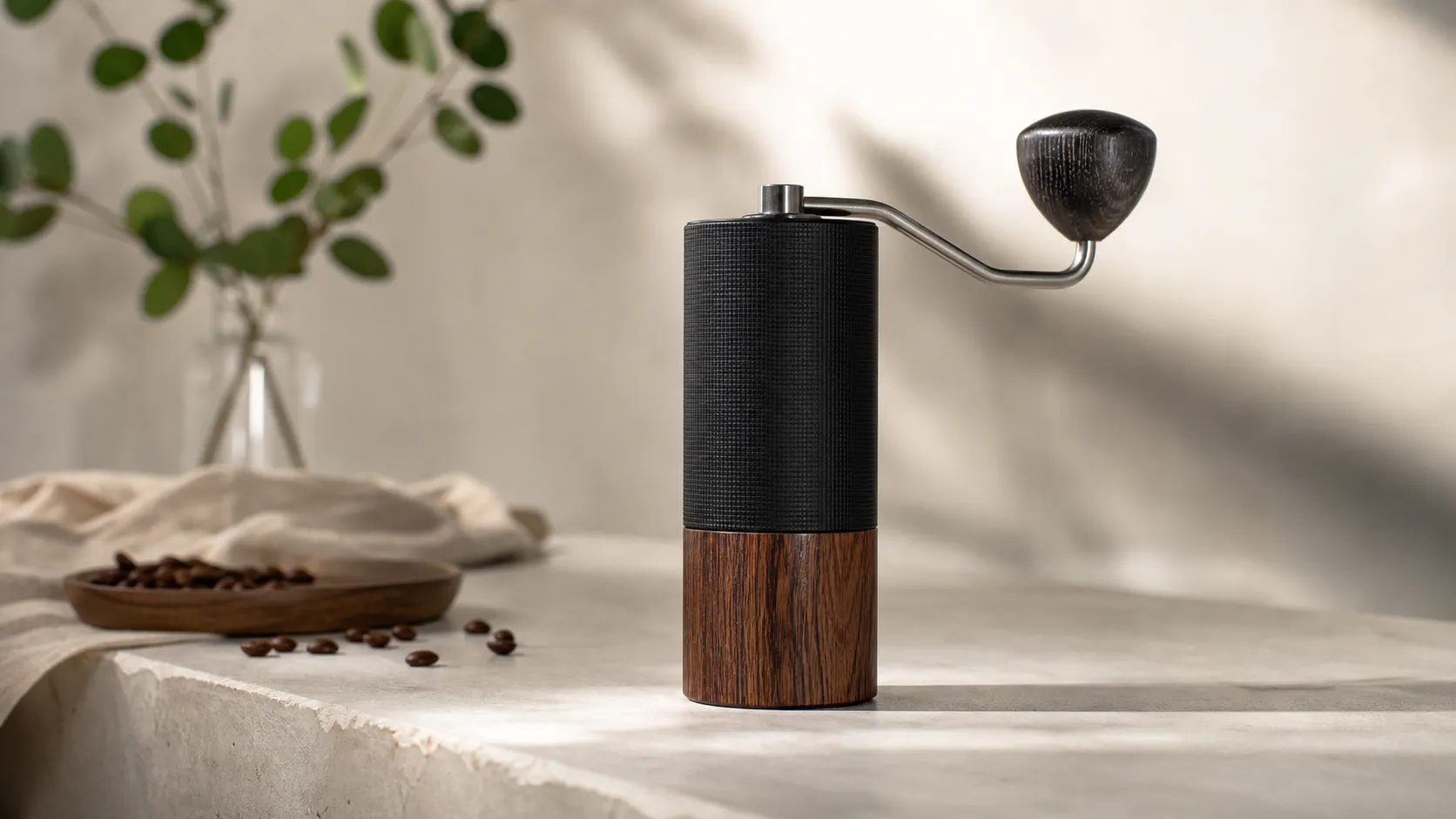
Comandante C40 MK4 Manual Coffee Grinder — 2026 Review
A premium manual grinder known for exceptional build and grind consistency — ideal for serious home baristas, but heavy and pricey for casual users or travel.
 Kitchen & Appliances
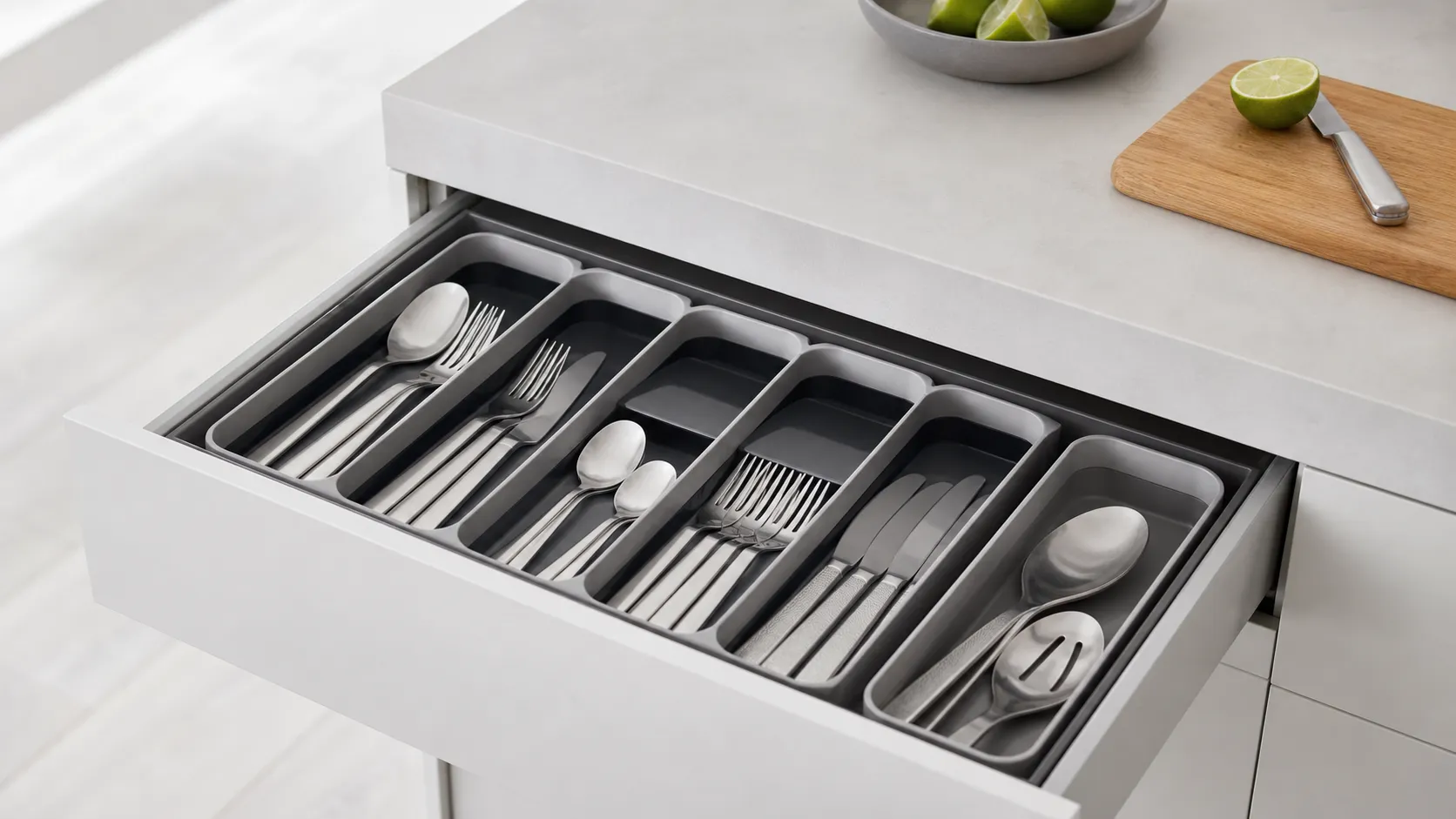
Joseph Joseph DrawerStore Cutlery Organizer Review 2026
A slim, modern cutlery tray that maximizes shallow-drawer space. Great for tidy, small-kitchen organization—measure your drawer first and avoid if you store long utensils.
 Kitchen & Appliances
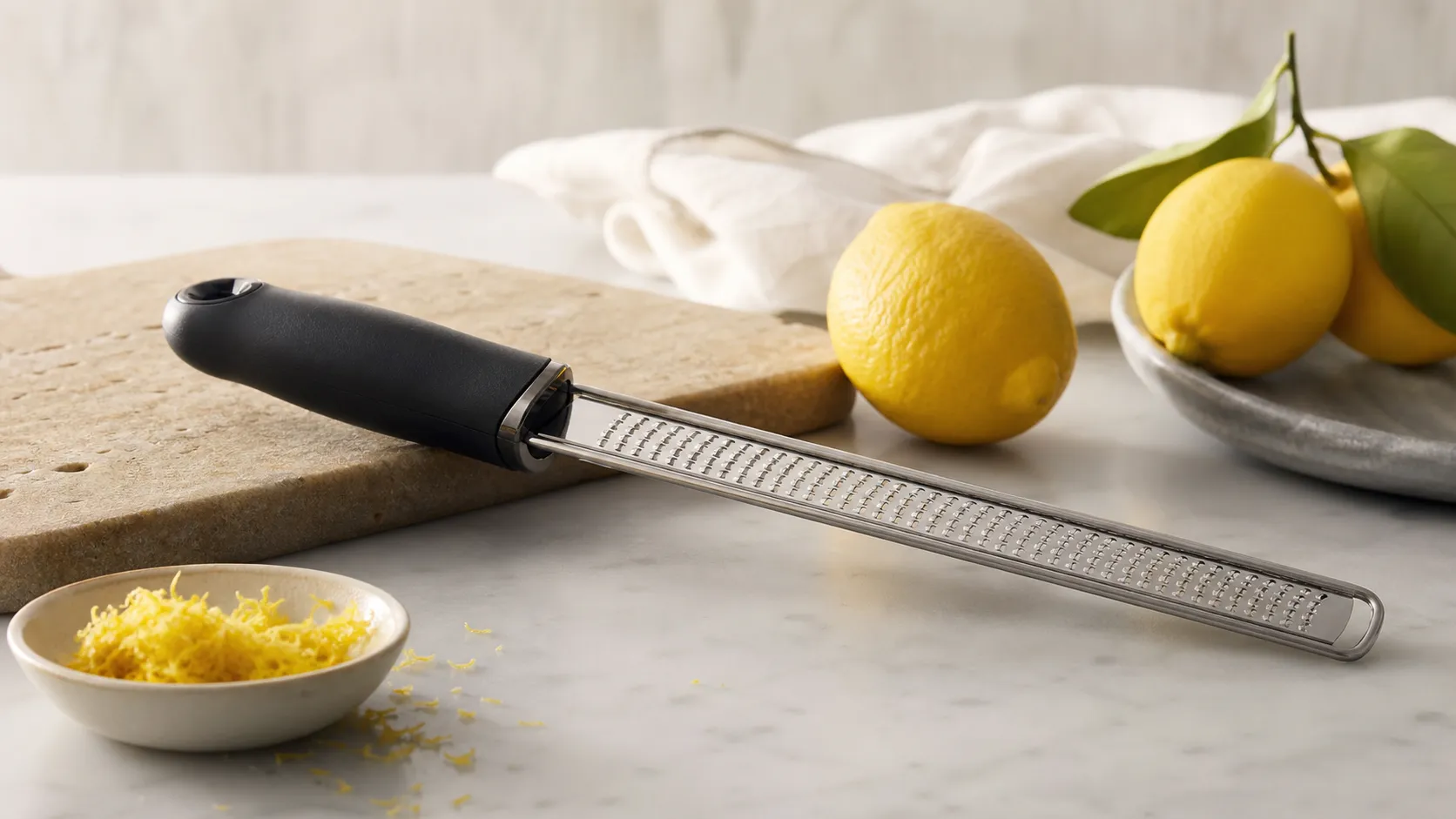
Microplane Premium Classic Zester/Grater — Review 2026
The Microplane Premium Classic is the go-to hand zester for precise, fluffy citrus zest and fine shavings. Sharp, compact, and great value—best for finishing, not bulk grating.