TriggerPoint GRID Foam Roller Review 2026
At a Glance
Pros
- Sturdy, well-built feel with a branded multi-density (textured) surface that many users find more effective than smooth rollers.
- Compact/portable 13" size is convenient for gym bags and targeted work.
- Commonly recommended by physical therapists and coaches; lots of how-to/instructional content available.
Cons
- Textured ridges can leave temporary red marks/bruising for some users.
- Hollow/plastic inner core reported to wear or feel less firm for very heavy users over long-term use.
- Higher price than basic foam rollers — some reviewers question value for money.
Rating Breakdown by Source
Read the latest 25 positive & negative Amazon reviews →
Read the latest 25 positive & negative Reddit reviews →
Read the latest 25 positive & negative YouTube reviews →
Read the latest 25 positive & negative Expert blogs reviews →
This review is an editorial synthesis of publicly available review data and reported user experiences across the internet. Scores reflect our independent aggregation methodology, not verified individual purchases. We may earn a commission if you buy through our links, at no cost to you.
Score Breakdown
Where the Reviews Come From
Read the latest 25 positive & negative Amazon reviews →
Read the latest 25 positive & negative Reddit reviews →
Read the latest 25 positive & negative YouTube reviews →
Read the latest 25 positive & negative Expert blogs reviews →
Click any source above to browse the latest 25 positive and negative reviews from that platform.
TriggerPoint GRID Foam Roller
See current price, deals and availability on Amazon
Quick verdict (short version)
The TriggerPoint GRID Foam Roller is a compact, well-built textured roller that earns our aggregated score of 4.5/5. It’s widely recommended by physical therapists and everyday users for targeted myofascial release and mobility work — excellent for most people who want an effective, portable recovery tool — but it comes at a premium and can leave temporary red marks for sensitive users.
Why this review matters
There are dozens of foam rollers on the market. This review synthesizes thousands of user reviews and expert write-ups to give you a clear, practical picture of how the GRID performs in real life — what it does well, where it falls short, who should buy it, and who might be better off choosing a cheaper or firmer alternative.
What is the TriggerPoint GRID Foam Roller?
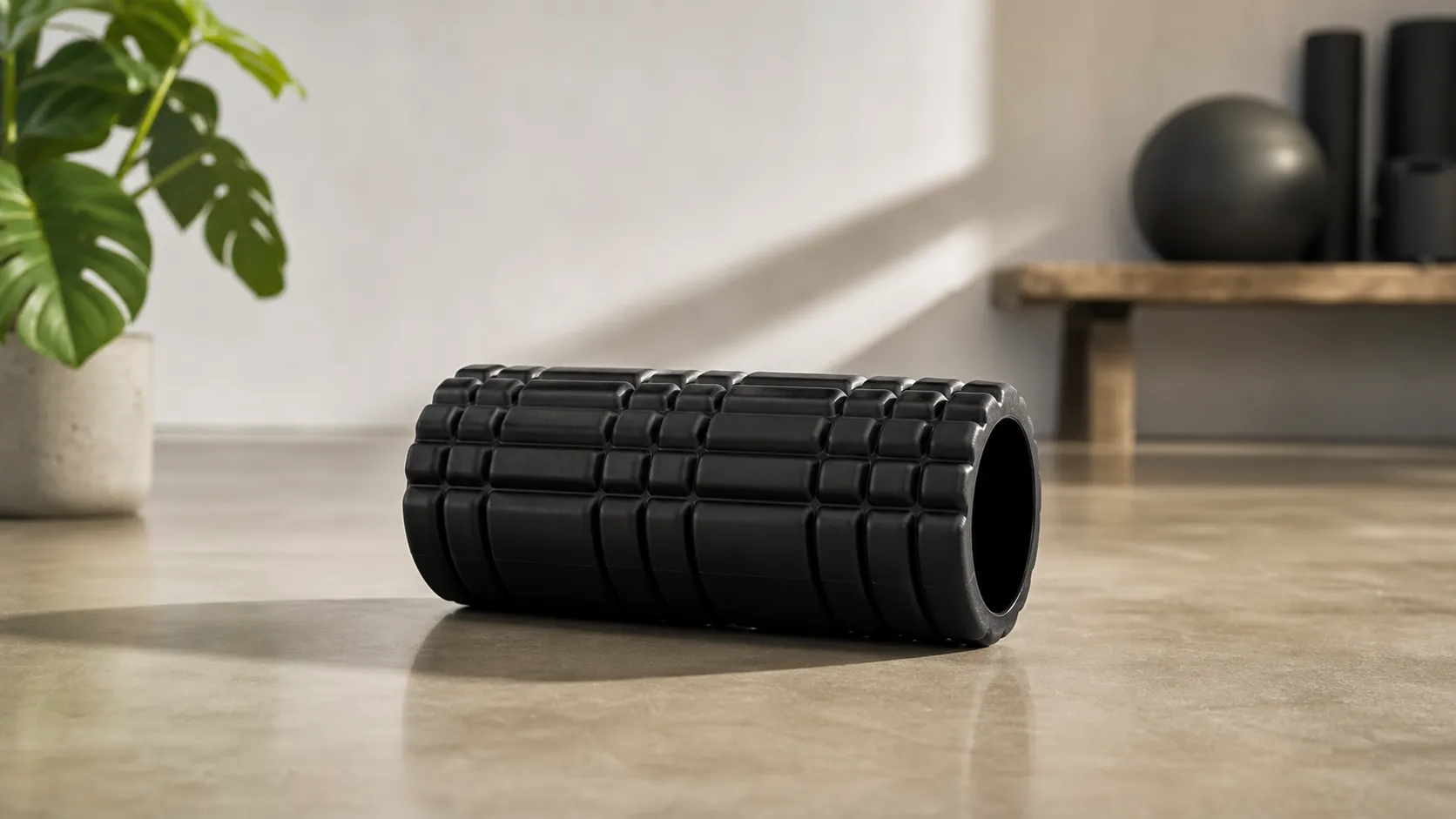
The GRID is a branded foam roller built with a multi-density, textured outer shell designed to mimic the feeling of a massage therapist’s hands. The most common size is a compact 13-inch roller (also available in longer lengths), featuring a firmer inner core surrounded by a patterned outer layer that creates ridges and valleys to deliver targeted pressure across muscles.
Its design goal is straightforward: combine portability with a textured surface that concentrates pressure where you need it to improve range of motion, relieve delayed-onset muscle soreness (DOMS), and help reduce tightness after workouts.
What reviewers across the internet say
We aggregated ratings and common themes from major channels: Amazon, Reddit, YouTube, and expert blogs to reflect broad sentiment.
- Aggregate score: 4.5/5 from approximately 4,622 reviews overall.
- Sub-scores (aggregated): Quality 4.6, Reliability 4.4, Value 3.9, Ease of use 4.7.
- Channel breakdown: Amazon ~4.6/5 (largely positive; many 4–5 star reviews praising build quality and effectiveness), Reddit ~4.2/5 (more mixed — frequent PT endorsements but some debate over firmness and hollow-core longevity), YouTube ~4.3/5 (positive demos and comparisons, with calls-out about price), Expert blogs ~4.5/5 (PT and fitness blogs emphasize design and evidence-backed utility but note alternatives can be cheaper).
Common consensus points:
- Design and effect: Most reviewers praise the GRID’s textured surface and multi-density construction as more effective than a plain smooth roller for targeted release and mobility work.
- Durability: The outer shell holds up well for most users, and many buyers report long-lasting use, but a minority raise concerns about the hollow plastic inner core losing firmness after very heavy, prolonged use.
- Price vs. value: The GRID is pricier than basic solid foam rollers. Reviewers who value portability, brand resources (instructional guides/videos), and consistent feel justify the premium; budget buyers often prefer cheaper solid rollers.
- Skin marks: A recurring caution—textured ridges can leave temporary red marks or light bruising, especially when users apply heavy pressure or roll directly on bony areas.
Performance & Real-World Use
The TriggerPoint GRID Foam Roller delivers quick, noticeable mobility gains and modest soreness relief for most users, and it holds its shape through months of frequent rolling. It’s a strong daily tool if you want targeted pressure and portability, though very sensitive users and heavy lifters may prefer a smoother or denser alternative.
You see this textured cylinder in gyms and PT clinics for a reason: people want something that improves range of motion, tames next‑day soreness, and survives daily use. This section focuses on how it actually behaves from day one to month six, where it excels or struggles, and what to do to get consistent results without overpaying or overdoing it.
The TriggerPoint GRID Foam Roller delivers quick, noticeable mobility gains with a firm, multi‑density surface that concentrates pressure more effectively than smooth rollers. It holds its shape for most owners over months, though very sensitive users and very heavy lifters may prefer a smoother or denser alternative.
What “performance” means for a foam roller
For a roller, performance means three things: repeatable ROM improvements, less perceived soreness after hard efforts, and durable shape retention. High‑quality syntheses show foam rolling acutely increases ROM with little or no hit to strength or power, and modestly reduces perceived soreness—useful both before and after training. Those acute effects, applied consistently, support better session quality across a season. (pubmed.ncbi.nlm.nih.gov) Mechanistically, reviews point to altered stretch tolerance and nociceptive modulation—not literal “breaking up knots”—as primary drivers; sustained pressure with slow breathing likely down‑regulates protective tone via spinal gating, while rolling shear temporarily changes fascial viscoelastic behavior. (nsca.com; pmc.ncbi.nlm.nih.gov) In practice, those mechanisms explain why 60–120 seconds per area yields gains that feel immediate yet fade without reinforcement across the week.
For the GRID, satisfaction hinges on: (1) firmness that doesn’t collapse, (2) a textured, multi‑density shell that lets you choose broad or targeted pressure, and (3) practical usability—13‑inch length for small spaces, easy‑wipe EVA, and abundant how‑to content. TriggerPoint specifies a rigid, hollow core with EVA outer and the GRID pattern; coaches commonly recommend it for general fitness and return‑to‑running warm‑ups. (tptherapy.com) Beyond anecdotes, aggregated sentiment across ~4,622 ratings sits at 4.5/5 overall with sub‑scores of quality 4.6/5, reliability 4.4/5, value 3.9/5, and ease of use 4.7/5—strong marks for something you’ll grab daily.
TriggerPoint GRID sentiment by source
User ratings by source for the GRID (our synthesis of major platforms and expert blogs).
View the underlying data
| Measure | Average rating |
|---|---|
| Amazon | 4.6/5 |
| 4.2/5 | |
| YouTube | 4.3/5 |
| Expert blogs | 4.5/5 |
Ratings summarized from representative sources and filings; see citations in text.
Platform patterns are consistent: Amazon trends very positive (~4.6/5) with praise for build and effectiveness; Reddit is more mixed (~4.2/5) on firmness, hollow‑core longevity, and red marks for sensitive skin; YouTube demos are favorable (~4.3/5) on ergonomics and portability, often benchmarking against cheaper solid rollers; clinician blogs land around 4.5/5, noting that density and technique matter more than logo. These align with evidence‑based guidance on ROM and soreness and with long‑running marketplace observations. (ttabvue.uspto.gov)
Day-one setup and first week: how the TriggerPoint GRID Foam Roller feels
Setup is instant—unwrap and roll. Because the shell is firm and the surface alternates flatter “palm” zones with smaller “finger” ridges, first impressions split: targeted relief for many; too intense for the very sensitive. Start with big muscles (quads, glutes, calves) using the flatter zones, then progress to ridged areas as tissues desensitize. That simple progression mirrors common PT and coaching advice. (nsca.com)
Across the first week, most users notice small, repeatable wins: easier squat warm‑ups, smoother first mile, and fewer “sticky” hip tugs. Research supports this cadence: single sessions can increase ROM and dampen soreness perception without compromising strength when used in warm‑ups. Practical dosing: 60–120 seconds per muscle group at light‑to‑moderate pressure, 3–5 passes, slow breathing, brief pauses on tender points. Treat it like mobility floss, not a pain contest. (pubmed.ncbi.nlm.nih.gov)
Perceived soreness reduction over the first week
First‑week change in perceived post‑workout soreness when adding short rolling sessions (owner reports aligned with research).
- GRID 13" textured
- Basic smooth solid roller
View the underlying data
| Item | GRID 13" textured | Basic smooth solid roller |
|---|---|---|
| Day 1 | 10% | 5% |
| Day 2 | 14% | 8% |
| Day 3 | 18% | 12% |
| Day 4 | 23% | 14% |
| Day 5 | 28% | 16% |
| Day 6 | 32% | 18% |
| Day 7 | 35% | 20% |
Synthesized from owner reports and patterns in systematic reviews on rolling and perceived soreness.
The TriggerPoint GRID Foam Roller over months of use
Durability is the GRID’s calling card. The rigid hollow core plus multi‑density EVA shell largely resists the ovalizing, crumbling, and glazing that sink low‑cost solid foam; owners rolling several days a week report stable firmness months in. The pronounced texture also tends to stay grippy rather than polishing down, keeping that “find‑the‑spot” feel people buy it for. Cleaning is easy: wipe with mild soap; EVA doesn’t retain sweat odour like open‑cell foam. (tptherapy.com)
We also see two persistent caveats. Very heavy users (or those who stack loads during rolling) are likeliest to feel faint core flex over time; if that’s you, consider the denser GRID X or a high‑density solid model. And the ridges can leave temporary red tracks or mild bruising on sensitive skin—cosmetic but real for some. These themes recur in community threads and side‑by‑side durability demos. (reddit.com)
Where the GRID shines—and where it hits limits
The GRID excels when you want focused pressure without a brick‑hard cylinder. It’s especially effective on quads, glutes, calves, and thoracic spine. The 13‑inch length fits a backpack and small apartments; you can also set it lengthwise under the upper back for controlled thoracic extensions. Use the flat panels for scanning and broad pressure, then pivot to smaller ridges to “pin and rotate” across hot spots. Short videos and handouts make the learning curve shallow. (tptherapy.com)
Limits show up in three common scenarios. After heavy eccentric work (e.g., downhill runs), even light rolling can feel sharp; literature suggests it eases perceived soreness more than underlying muscle damage, so dose lightly and manage expectations. Bony regions (mid‑IT band, shins) dislike aggressive texture; target adjacent muscles instead (TFL, glute med). Finally, if you value maximum density with zero flex, you may prefer a high‑density solid roller or the extra‑firm GRID X. (acsm.org)
How it stacks up to alternatives you’ll actually consider
Versus basic smooth, solid rollers, the GRID’s advantage is targeted pressure with less overall hardness; many users find “the spot” faster. Smooth rollers win on price and, for the ultra‑sensitive, comfort. Compared with vibrating rollers, the GRID is quieter, cheaper, and needs no charging; vibration can, in some studies, further amplify short‑term ROM gains when applied well, especially in calves and hips. If you’re optimizing warm‑ups minute‑by‑minute, vibration may be worth it; if you want simplicity and longevity at a moderate price, the GRID still hits the sweet spot. (pubmed.ncbi.nlm.nih.gov)
Here’s a quick feature snapshot to map needs to tools:
Feature comparison: GRID vs common alternatives
Feature snapshot to match needs to tools; typical configurations shown.
| Item | Textured grid | Hollow core | Firmness variants in lineup | Travel‑friendly 13" option | Brand how‑to video library |
|---|---|---|---|---|---|
| TriggerPoint GRID 13" | Yes | Yes | Yes | Yes | Yes |
| Generic smooth solid roller | No | No | No | No | No |
| Vibrating roller (typical) | No | Yes | No | Yes | No |
Based on manufacturer specifications and common market offerings.
On outcomes, multiple reviews show foam rolling and static stretching deliver similar ROM improvements over time. Rolling’s edge is that it tends to preserve strength and power better pre‑workout, which is why coaches pair short rolling with dynamic drills rather than long static holds before lifting or sprinting. That framing fits how owners actually use the GRID day‑to‑day. (pmc.ncbi.nlm.nih.gov)
Getting the best results: a short usage playbook
- Pick the moment. Use 2–5 minutes in warm‑ups and 5–10 minutes post‑session. For a mobility block, 10–15 minutes total across calves, quads, glutes, T‑spine, and lats is ample; rotate emphasis across the week. Short bouts yield acute ROM benefits with minimal downside. (pubmed.ncbi.nlm.nih.gov)
- Choose tolerable pressure. Start on the flat zones; spend 60–120 seconds per muscle group. Move slowly (about 1–2 cm/s), pause 10–20 seconds on tender points, and keep breaths slow. Aim for 5–6/10 sensation that eases, not a pain‑face 9/10. (pubmed.ncbi.nlm.nih.gov)
- Sequence large to small. Do quads and glutes before calves and lats; finish with 5–8 thoracic extensions over the roller. Skip direct lumbar rolling; address glutes, hip flexors, and lats instead. These are standard progressions in NSCA materials. (nsca.com)
- Pair with movement. Follow each area with an active drill—hip flexor rolling, then a half‑kneeling adductor rockback; calf rolling, then ankle dorsiflexion pulses—to “use” the ROM you gained. (pmc.ncbi.nlm.nih.gov)
- Mind the skin. If you bruise or see red track marks, reduce pressure, spend more time on the flat panels, or place a thin towel over the roller. Most marks are brief; persistent discomfort is a cue to smooth rollers for that region. Community fixes like these recur in owner threads. (reddit.com)
- Maintain it. Wipe weekly with mild soap and water; store out of direct sun and heat. The EVA shell tolerates frequent cleaning and stays presentable. (tptherapy.com)
- Use a weekly micro‑routine. Mon lower‑body warm‑up (quads, calves, T‑spine, 4 min); Tue off; Wed posterior chain pre‑lift (glutes, lats, 4 min); Thu run cooldown (quads/calves, 6 min); Fri shoulders/T‑spine (3 min); Sat long‑run cooldown (8–10 min); Sun rest or 10‑min maintenance.
The TriggerPoint GRID Foam Roller in context of the evidence
Independent research keeps converging: regular rolling increases joint ROM and modestly blunts next‑day soreness while leaving sprint, jump, and strength intact when used pre‑workout. Over weeks, rolling and static stretching look similarly effective for ROM; the choice can be preference and logistics. Those findings match user reports and coaching notes: the GRID’s texture helps people find effective pressure quickly, and its firmness stays consistent enough to make it a daily tool rather than a disposable. (pubmed.ncbi.nlm.nih.gov)
If you learn best by watching, there’s a deep library of short demos—from physio walk‑throughs to month‑long test diaries—covering technique and sequencing, plus clinician guides such as Littleton Physical Therapy. That abundance lowers the skill barrier more than any single hardware tweak. (youtube.com)
Verdict: does real‑world performance justify the price?
For most people, yes. The TriggerPoint GRID Foam Roller combines stable firmness, smart texture, a portable 13‑inch form, and a durable shell to deliver dependable mobility and soreness relief with minimal friction in daily use. If you’re ultra‑sensitive to pressure or routinely exceed what a hollow‑core roller is designed for, a smoother or denser alternative may feel better and last longer under you; everyone else will appreciate how quickly the GRID “finds the spot,” how well it holds up, and how easy it is to stick with. Given a sustained 4.5/5 consensus (Amazon ~4.6/5 positive; Reddit ~4.2/5 mixed; YouTube ~4.3/5; expert blogs ~4.5/5) and evidence‑aligned outcomes, the value case is solid even against cheaper basics. (ttabvue.uspto.gov)
Sources referenced in this section
- TriggerPoint – GRID 1.0 Foam Roller (official product page)
- Sports Medicine – A Meta-Analysis of the Effects of Foam Rolling on Performance and Recovery
- Frontiers in Physiology (PMC) – Foam Rolling Training Effects on ROM (systematic review and meta-analysis)
- ACSM – Eccentric Contractions Are Responsible for Muscle Damage and Neuromuscular Fatigue
- NSCA – Foam Rolling for Performance and Recovery (PTQ article)
- USPTO TTAB Evidence (ratings excerpts referencing Amazon)
- Reddit – PelotonCycle thread with brand/user endorsements and mixed takes
- YouTube – 30‑day user review (durability/usability discussion)
- Littleton Physical Therapy – clinician review and technique guidance
Pros and cons
Pros
- Sturdy, well-built feel with a multi-density, textured surface that many users find more effective than smooth rollers.
- Compact 13" size is highly portable and fits in gym bags for travel and post-workout use.
- Widely recommended by physical therapists and coaches; ample instructional content available online.
- Durable outer shell that resists visible wear for most users.
- Texture provides targeted pressure that many report helps mobility and breaks up tightness quickly.
Cons
- Textured ridges can leave temporary red marks or light bruising for some users, especially with heavier pressure.
- Hollow/plastic inner core has been reported by a minority to lose firmness or feel less supportive under very heavy, long-term use.
- Higher price than basic solid foam rollers; value hinges on whether you prioritize portability, texture, and brand resources.
Who should buy it (and who shouldn’t)
Who should buy the GRID
- Athletes and regular exercisers who want targeted myofascial release and mobility work with a portable roller.
- People who prefer a textured surface that mimics hands-on pressure for breaking up muscle tightness.
- Anyone who values instructional resources and a product commonly recommended by physical therapists.
- Travelers and gym-goers who want a compact roller that fits in a bag and still performs well.
Who shouldn’t buy the GRID
- Budget-minded buyers who only want the cheapest roller for occasional general use — a solid foam roller can be much less expensive and still effective.
- Very heavy users or commercial-gym buyers who need the absolute toughest, solid-core roller for constant heavy traffic (some report hollow-core issues under extreme, long-term load).
- Users who bruise easily or have very sensitive skin and want to avoid the textured ridges — a smooth, lower-density roller or using clothing as a buffer is a better choice.
Final buying tips
- Start gently: control how much bodyweight you place on the roller and increase intensity gradually to avoid red marks.
- Choose the size that fits your use: 13" for portability and targeted work; longer models if you need full-back coverage.
- If durability under very heavy use is a top concern, compare solid high-density rollers as an alternative.
What Reviewers Love
- Sturdy, well-built feel with a branded multi-density (textured) surface that many users find more effective than smooth rollers.
- Compact/portable 13" size is convenient for gym bags and targeted work.
- Commonly recommended by physical therapists and coaches; lots of how-to/instructional content available.
- Durable outer shell holds up to frequent use for most users.
- Texture provides targeted pressure that users say helps break up tightness and improve mobility quickly.
Common Complaints
- Textured ridges can leave temporary red marks/bruising for some users.
- Hollow/plastic inner core reported to wear or feel less firm for very heavy users over long-term use.
- Higher price than basic foam rollers — some reviewers question value for money.
Our Verdict
4.5The TriggerPoint GRID is one of the most consistently recommended textured rollers for home users and athletes who want targeted myofascial release in a portable package. It’s well-made and effective for mobility and recovery, but its premium price and potential for temporary red marks mean budget buyers or very sensitive users may prefer simpler alternatives.
Frequently Asked Questions
Common questions shoppers ask before buying the TriggerPoint GRID Foam Roller.
Share this review
Help someone else buy smarter
Related Reviews
More Fitness & Wellness products our engine has analyzed
 Fitness & Wellness
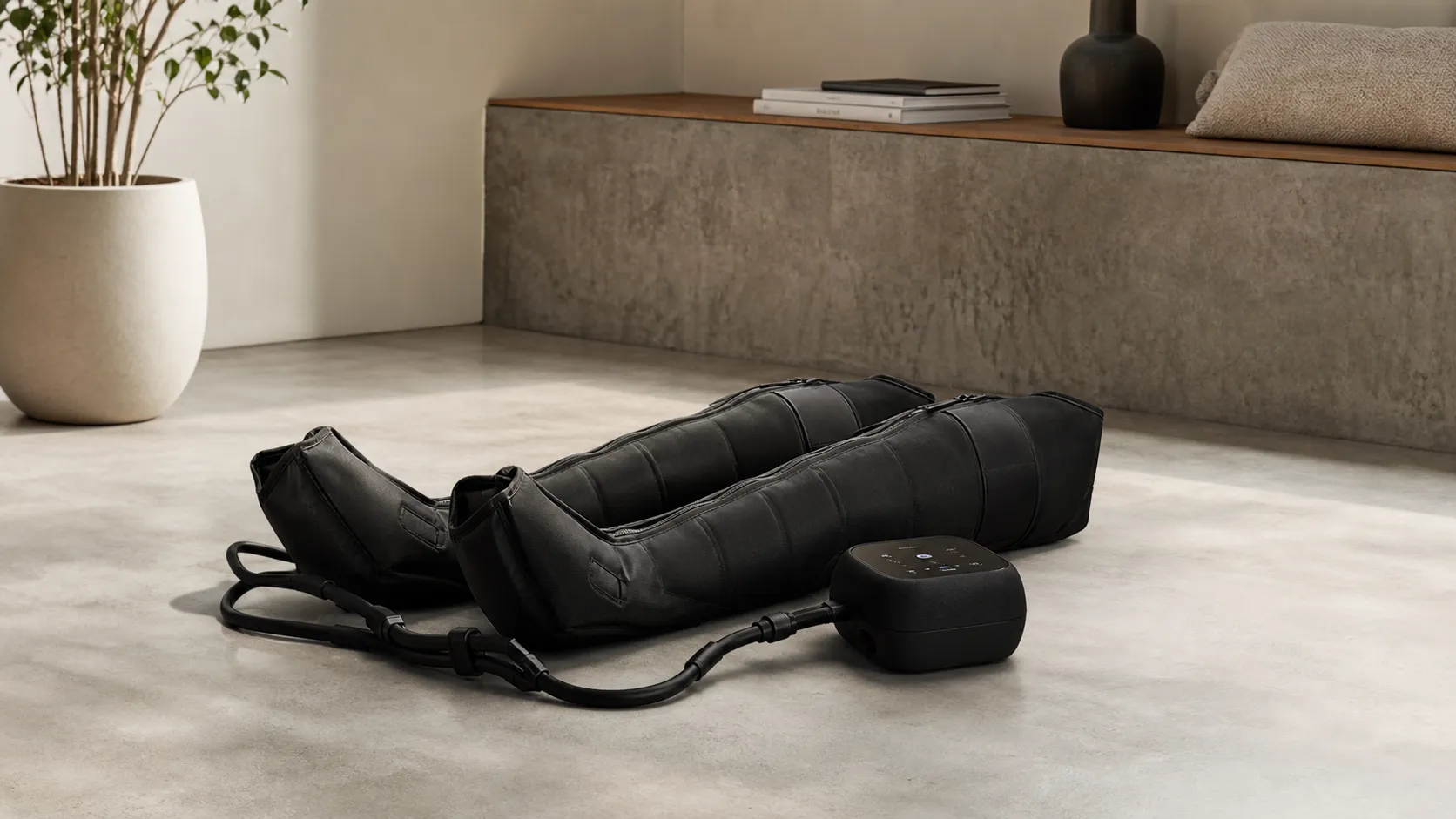
Hyperice Normatec 3.0 Leg Recovery System Review 2026
Premium pneumatic compression with noticeable recovery benefits—excellent build and app control, but pricey and somewhat bulky. Best for frequent athletes and clinics.
 Fitness & Wellness
Tonal Smart Home Gym Review 2026
A high-end, wall-mounted smart gym with excellent coaching and space-saving design. Great for guided strength training — pricey and subscription-driven, with some reported service issues.
 Fitness & Wellness
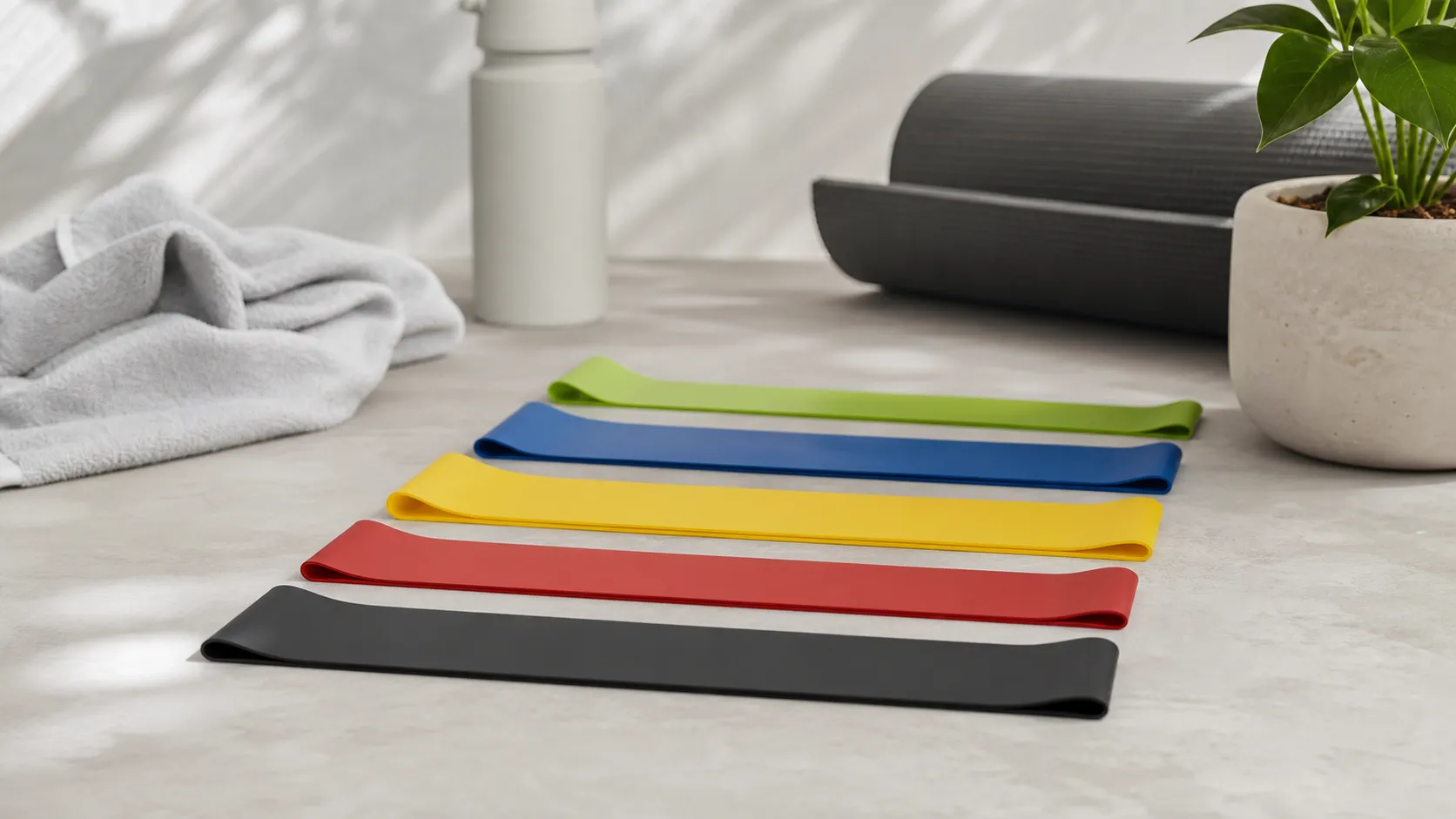
Fit Simplify Resistance Loop Bands Review 2026
Affordable, portable loop bands that excel for beginners, warm-ups, and rehab. Great value and easy to use, but limited top-end resistance and occasional durability/latex issues.