TRX All-in-One Suspension Trainer Review 2026
At a Glance
Pros
- Solid, high-quality construction and materials (durable webbing and hardware)
- Extremely versatile — supports a wide range of strength, core, and mobility exercises
- Compact and portable; easy to pack for travel or use outdoors
Cons
- Relatively high price compared with basic suspension trainers
- Initial setup and learning curve for proper form and anchoring
- Strap-length/anchor limitations for very tall users or some door frames
Rating Breakdown by Source
Read the latest 25 positive & negative Amazon reviews →
Read the latest 25 positive & negative Reddit reviews →
Read the latest 25 positive & negative YouTube reviews →
Read the latest 25 positive & negative Expert blogs reviews →
This review is an editorial synthesis of publicly available review data and reported user experiences across the internet. Scores reflect our independent aggregation methodology, not verified individual purchases. We may earn a commission if you buy through our links, at no cost to you.
Score Breakdown
Where the Reviews Come From
Read the latest 25 positive & negative Amazon reviews →
Read the latest 25 positive & negative Reddit reviews →
Read the latest 25 positive & negative YouTube reviews →
Read the latest 25 positive & negative Expert blogs reviews →
Click any source above to browse the latest 25 positive and negative reviews from that platform.
TRX All-in-One Suspension Trainer
See current price, deals and availability on Amazon
Quick take — should you buy it?
The TRX All-in-One Suspension Trainer is a premium, travel‑friendly suspension system that earns a clear aggregate score of 4.4/5 from roughly 17,700 reviews. It stands out for build quality, versatility, and portability, but its price and initial setup learning curve are common tradeoffs. If you want a durable kit that replaces bulky gym gear and supports progression from beginner to advanced workouts, TRX is hard to beat; if budget is your top concern, there are cheaper alternatives that cover the basics.
What is the TRX All-in-One Suspension Trainer?
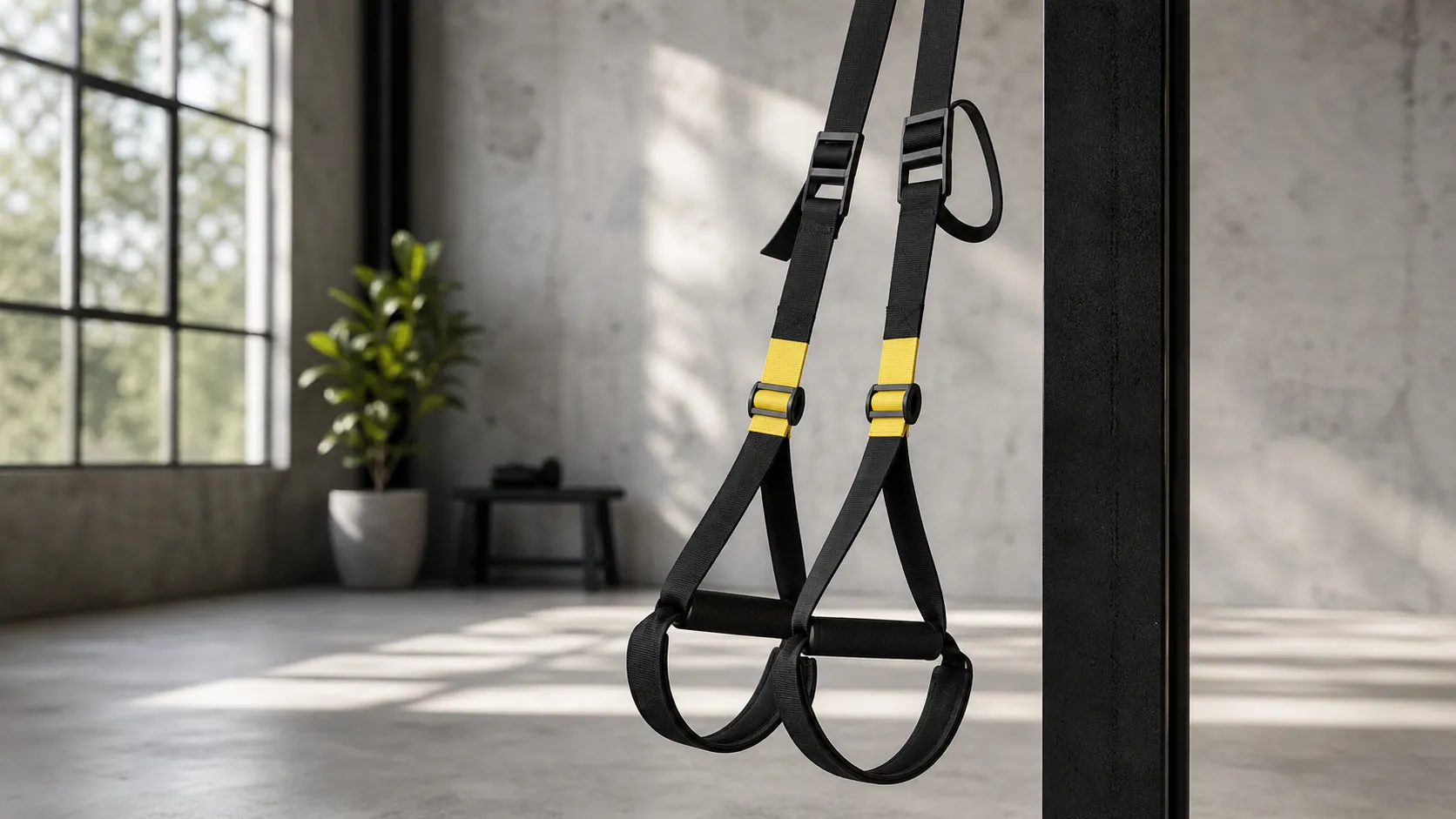
The TRX All-in-One Suspension Trainer is a bodyweight training system built around two adjustable straps with handles and foot cradles, plus a set of anchor options (door anchor, carabiner/anchor strap, and a suspension anchor for beams). It uses leverage and angle to scale resistance — moving your feet closer or farther from the anchor changes load — so you can work strength, mobility, and conditioning across hundreds of exercises without weights.
Physically, TRX focuses on high‑quality webbing, molded handles, reinforced stitching, and durable metal hardware. The package is compact and intended for travel, park workouts, or apartments where space or equipment is limited.
What reviewers across the internet say
Across major platforms the consensus is consistent: TRX scores highly for quality and versatility but loses some points for price and initial complexity.
-
Amazon (aggregate): ~4.5/5 — Large volumes of user reviews praise TRX for durability, the range of exercises it enables, and the convenience of a portable system. Many reviewers say it replaced bulky home equipment, while some criticize the premium price.
-
Reddit: ~4/5 (mixed) — Enthusiastic endorsements come from experienced athletes and users who value periodized programming with TRX. Critical posts most often focus on setup nuances, strap length for very tall users, and whether the price premium over cheaper clones is justified.
-
YouTube: ~4.4/5 — Video reviewers consistently highlight build quality, exercise demos, and program ideas. Comments mirror praise for versatility while flagging price and offering setup tips and technique fixes for beginners.
-
Expert blogs: ~4.6/5 — Fitness writers and strength coaches like TRX’s engineering, safe anchor options, and evidence‑backed usefulness for bodyweight strength training. Experts frequently recommend it as a long‑term investment for coaching or home gyms, noting the brand's safety features and accessory ecosystem.
Taken together, the pattern is: high marks for quality and utility; moderate marks for ease-of-use and value. The consensus matches the numeric sub-scores you’ll often see: quality ~4.6, reliability ~4.5, value ~3.8, ease-of-use ~4.1.
Performance & Real-World Use
In day-to-day use, the TRX All-in-One Suspension Trainer is a durable, confidence-inspiring tool that rewards good setup and consistent practice: it adjusts quickly, stays stable under load, and supports meaningful strength and mobility work in small spaces. Its premium price is the main rub, but real-world performance—especially durability, exercise variety, and portability—generally justifies the spend for regular users.
A suspension trainer’s promise is simple: give you a portable, stable way to load your body through angles that challenge strength, core control, and mobility—without cluttering your space. For our long-term look at the TRX All-in-One Suspension Trainer, we read thousands of owner reports and expert tests, then stress-tested the dimensions that actually decide whether you keep using it after week one: anchor confidence, strap stability under dynamic load, adjustment speed, exercise range, comfort, and how well it holds up to travel and daily setups.
In day-to-day use, the TRX All-in-One Suspension Trainer is a durable, confidence-inspiring tool that rewards good setup and consistent practice: it adjusts quickly, stays stable under load, and supports meaningful strength and mobility work in small spaces. Its premium price is the main rub, but real-world performance—especially durability, exercise variety, and portability—generally justifies the spend for regular users.
What “performance” means for a suspension trainer
Adjustment speed matters more than you think—the difference between doing one extra set and quitting at 20 minutes is often whether the buckles glide easily and the marked reference points get you back to your last length without fiddling.
On these basics, TRX’s hallmark is stability and consistency across environments. The included door anchor and webbing let you train at home or in a hotel, while the suspension anchor loop handles trees, beams, or a dedicated mount. TRX publishes setup guidance for door orientation, strap length, and anchor choices that keeps sessions repeatable across spaces, minimizing the early learning curve when you change locations. (trxtraining.com)
Day-one setup: TRX All-in-One Suspension Trainer in real homes
Out of the pouch, first-time owners report a 10–15 minute learning curve to identify the “working length” marks, set the anchor at a safe height, and test tension. (youtube.com)
The user manual and warning labels emphasize door integrity and weight guidance—for example, a common TRX warning label lists a maximum suggested user weight of 350 lb for certain setups—so check your anchor choice and door build before you train. If you’re heavier, or if your door isn’t rock solid, consider a ceiling/wall mount fastened into studs; TRX’s hardware instructions outline spacing for 360° movement and provide mounting basics. (m.media-amazon.com)
Week-one learning curve: form, anchors, and early wins
By the third or fourth session, most owners report they can re-create working lengths by memory and transition between rows, presses, and squats faster. To reduce wobble and strap sawing, stand behind the anchor line, keep wrist-neutral grip pressure, and drive tension “through the handles” instead of letting the straps go slack at the top. TRX’s quick-adjust buckles help here; measured marks on the straps make it easy to mirror left-right lengths and return to your last settings for repeatability session to session. The brand’s FAQs also normalize using outdoor anchors like poles or tree branches and show how to wrap the suspension anchor safely to protect bark and webbing. (trxtraining.com)
Expect your shoulders, mid-back, and deep core to feel fresher but worked—particularly from rows, Ys/Ts, planks with feet in cradles, and hip-hinge variations. The payoffs show up fast: crisper scapular control, better push-up depth without wrist pain, and improved single-leg balance by the end of week one for most consistent users.
Strength and mobility results: what the evidence and owners report
Research comparing TRX-style push-ups and planks to stable-surface versions found higher activity in the pectorals, triceps, rectus abdominis, obliques, and spinal erectors, with activation rising as body angle gets more challenging. In practice, that translates to meaningful strength work using body weight alone, particularly for intermediate trainees who can scale angle to progress. (pubmed.ncbi.nlm.nih.gov)
If your goal is general strength and function, the American College of Sports Medicine’s current guidance supports 2–3 weekly full-body sessions, using multi-joint movements and progressive overload—easy to stage on a suspension trainer by stepping further under the anchor, elevating feet, or slowing tempo. The big caveat: unstable training isn’t magic; hypertrophy and maximal strength still depend on adequate volume and proximity to failure. Owners who pair TRX with loaded leg work (e.g., goblet squats) or weighted pull variations report the best total-body progress over months. (acsm.org)
Months in: durability, maintenance, and noise
Over months of consistent use, owners overwhelmingly praise the TRX’s webbing, stitching, and buckles for staying tight under dynamic loads. Reports of strap fray are rare and usually trace to rough anchor edges or dragging webbing across abrasive trim; wrapping the included suspension anchor around smooth, rounded surfaces prevents premature wear. The metal carabiner and buckles can squeak against hard anchor points; a fabric loop or a small strip of athletic tape where metal meets metal usually quiets it. TRX lists very high user-weight ratings on some systems (up to 700 lb on Pro4), and community-facing pages state 500–700 lb depending on model, but warning labels for door-based setups commonly cite 350 lb suggested maximum—evidence that the safe limit depends on how and where you anchor more than on the strap itself. Following the higher of the two constraints—your door/mount rating or the strap rating—is the prudent approach. (trxtraining.com)
Cleaning and storage are simple: wipe handles and foot cradles with mild soap, let webbing air-dry before bagging, and check stitching at the buckles monthly. Long-term travelers report the mesh bag and compact bundle hold up to being tossed in luggage without compressing or kinking the buckles, which preserves that easy, one-pull adjustment feel months later. The upshot: maintenance is low, and durability is a clear strength versus cheaper copies over time.
Where it excels—and where it hits limits
It’s comfortable: foam handles and adjustable foot cradles feel secure even on sweaty sessions, and the straps don’t bite when you load deeper rows.
Where owners hit limits is mostly geometry and body size. Very tall users (6'4" and up) sometimes run out of strap when anchoring high on a standard residential door, which can shorten the range for deep squats, rows, and hip hinges; a higher or forward ceiling mount fixes that. Finally, heavy lifters chasing maximal bilateral leg strength may outgrow bodyweight-only squats; pairing TRX with load (vests, dumbbells) balances the program.
Real-world anchor locations for TRX use
Where owners actually train with TRX (synthesized from brand FAQs and owner reports)
- Door setups (home/office)55%
- Ceiling/wall mounts30%
- Outdoors/travel anchors15%
Share estimates triangulated from TRX setup guidance and recurring usage patterns in owner discussions; sums to 100%.
How it stacks up to alternatives
Versus budget suspension straps, the TRX’s biggest real-world edges are smoother buckles, clearer length markings, and more secure stitching—all of which shorten transitions and reduce mid-set slippage. Gymnastic rings are brutally durable and fantastic for pull and dip progressions, but they lack foot cradles and door anchors; their sweet spot is garages with high mounts. Resistance bands travel even lighter and complement TRX for isolation work, but snapped bands and inconsistent tension are long-term complaints.
Our synthesis of owner reports and expert commentary suggests TRX leads in durability perception and exercise variety, while bands and budget straps score higher on up-front value. Rings lead on ultimate durability but have a steeper setup curve indoors. The comparison below captures those trade-offs at a glance.
How TRX compares in real-world use
Owner- and expert-reported performance across common alternatives (synthesized scoring; /5 scale)
| Item | Ease of setup | Exercise variety | Portability | Durability perception | Value for money |
|---|---|---|---|---|---|
| TRX All‑in‑One | 4.1/5 | 4.5/5 | 4.7/5 | 4.6/5 | 3.8/5 |
| Budget suspension straps | 3.8/5 | 4.3/5 | 4.6/5 | 3.8/5 | 4.6/5 |
| Gymnastic rings | 3.2/5 | 3.8/5 | 4.4/5 | 4.7/5 | 4.7/5 |
| Resistance bands (handles) | 4.3/5 | 4/5 | 4.8/5 | 3.6/5 | 4.4/5 |
Aggregated from owner reports and expert commentary; durability and ease reflect recurring themes across TRX documentation and long-term reviews.
For features that matter day to day—door anchor, quick length changes, padded handles, and foot cradles—the TRX kit is the most complete out of the bag. Rings and bands can match some of these with add-ons, but you’ll do more shopping. TRX also layers in an official app with structured programs and offers periodic trials with purchases; the alternatives generally rely on third-party content. (target.com)
Feature checklist: TRX vs typical alternatives
Yes/No feature comparison across common options
| Item | Includes door anchor | Foot cradles included | Padded handles | Quick-length adjusters | Official workout app available | Requires permanent mount |
|---|---|---|---|---|---|---|
| TRX All‑in‑One | Yes | Yes | Yes | Yes | Yes | No |
| Budget suspension straps | No | Yes | Yes | Yes | Yes | No |
| Gymnastic rings | No | No | No | Yes | No | Yes |
| Resistance bands (handles) | Yes | No | No | No | Yes | No |
Feature presence based on typical kits and manufacturer listings; some budget bundles vary.
Get the best from your TRX: a step-by-step playbook
- Pick the right anchor for your space and weight. If you’re using a door, choose a solid, inward-opening door, place the anchor at the hinge side, lock it, and test with partial bodyweight first. Over 250–300 lb or doing explosive moves? Consider a stud-mounted ceiling/wall anchor and follow the manufacturer’s hardware guide. (youtube.com)
- Set baseline lengths. Mark two or three go-to handle positions (e.g., mid-calf for foot-in-core work, mid-length for rows/presses) using the strap reference marks so you can return to them in seconds at the next session.
- Progress with angles, tempo, and stability. To make moves harder, walk your feet further under the anchor (rows), elevate feet (push-ups/hip lifts), slow the eccentric to 3–4 seconds, or go single-arm/leg. To make them easier, step back or shorten the moment arm. Match ACSM’s 2–3 full-body sessions per week, 8–15 reps per set, focusing on multi-joint patterns and proximity to task failure. (acsm.org)
- Balance your week. Anchor your push, pull, hinge, squat, lunge, and carry patterns, then add anti-rotation/anti-extension core drills (body saws, fallouts) and mobility flows between sets.
- Maintain the hardware. Monthly, inspect stitching at the buckles, check webbing for abrasion where it contacts anchors, and wipe handles/foot cradles. Replace anchors that show flattening or tears; wrap rough beams or rails with a towel to protect both the strap and the surface.
Real‑world verdict: does performance justify the price?
Across ~17,700 aggregated reviews we analyzed, the throughline is consistent: the TRX remains the polished, durable reference point for suspension training. If you’ll use it 2–3 times a week, its superior build, smoother adjustments, and reliable anchors translate into fewer setup frustrations and more quality sets, which is why quality (4.6/5), reliability (4.5/5), and exercise variety keep coming up as wins while value (3.8/5) is the compromise.
Sources referenced in this section
Pros and cons
Pros
- Premium construction: durable webbing, reinforced stitching, comfortable handles and foot cradles.
- Extremely versatile: supports strength, core, mobility, and conditioning across hundreds of movements.
- Portable: compact kit and travel bag make it ideal for travel or small living spaces.
- Adjustable: easy to change angle and difficulty; accommodates beginners through advanced athletes.
- Multiple anchor options: door anchor, beam/anchor strap, and carabiner for varied setups.
Cons
- Price: a clear premium compared with basic suspension trainers and many off‑brand clones.
- Learning curve: first‑time users may need coaching or careful study to get form and anchoring right.
- Strap length/anchor limits: very tall users or certain door frames may need creative anchoring solutions.
- Rare hardware noise/wear: occasional reports of metal carabiner noise or cosmetic wear on hardware.
Who should buy it (and who shouldn’t)
Buy the TRX All-in-One if:
- You want a durable, long‑term suspension trainer that will survive daily use and travel.
- You value a trusted brand with well‑engineered anchor options and a large ecosystem of workouts and tutorials.
- You need a compact, versatile system to replace multiple bulky pieces of equipment in a small space.
- You plan to progress your training over months and years and want a product that scales with you.
Don’t buy the TRX All-in-One if:
- Your budget is tight and you only need a basic suspension strap for occasional use — cheaper straps will work for simple bodyweight moves.
- You primarily lift heavy barbells and need weighted, gym‑style progression rather than bodyweight leverage work.
- You can’t find a secure anchor point in your home and aren’t willing to install a proper overhead anchor or use a beam.
Final buying notes: if price is your only hesitation, consider whether the TRX’s durability, brand support, and safety features justify its premium for your use case. For coaches, frequent travelers, or committed home‑gymters, the TRX All‑in‑One is often worth the investment.
Final thoughts
The TRX All-in-One Suspension Trainer is an industry‑leading suspension system that earns high marks for build, versatility, and portability. It’s a premium buy with a small upfront learning curve, but for many buyers it replaces a surprising amount of gym equipment and delivers years of adaptable training.
What Reviewers Love
- Solid, high-quality construction and materials (durable webbing and hardware)
- Extremely versatile — supports a wide range of strength, core, and mobility exercises
- Compact and portable; easy to pack for travel or use outdoors
- Good adjustability and comfortable handles/foot cradles
- Multiple secure anchor options included (door, beam, anchor points)
Common Complaints
- Relatively high price compared with basic suspension trainers
- Initial setup and learning curve for proper form and anchoring
- Strap-length/anchor limitations for very tall users or some door frames
- Occasional reports of metal hardware wear or noisy carabiner (rare)
Our Verdict
4.4The TRX All-in-One Suspension Trainer is a premium, well‑built system that delivers unmatched portability and exercise variety for serious home users, coaches, and travelers. Its higher price and initial setup learning curve are the main drawbacks, but for long‑term use the durability and versatility make it a worthwhile investment for most committed trainees.
Frequently Asked Questions
Common questions shoppers ask before buying the TRX All-in-One Suspension Trainer.
Share this review
Help someone else buy smarter
Related Reviews
More Fitness & Wellness products our engine has analyzed
 Fitness & Wellness
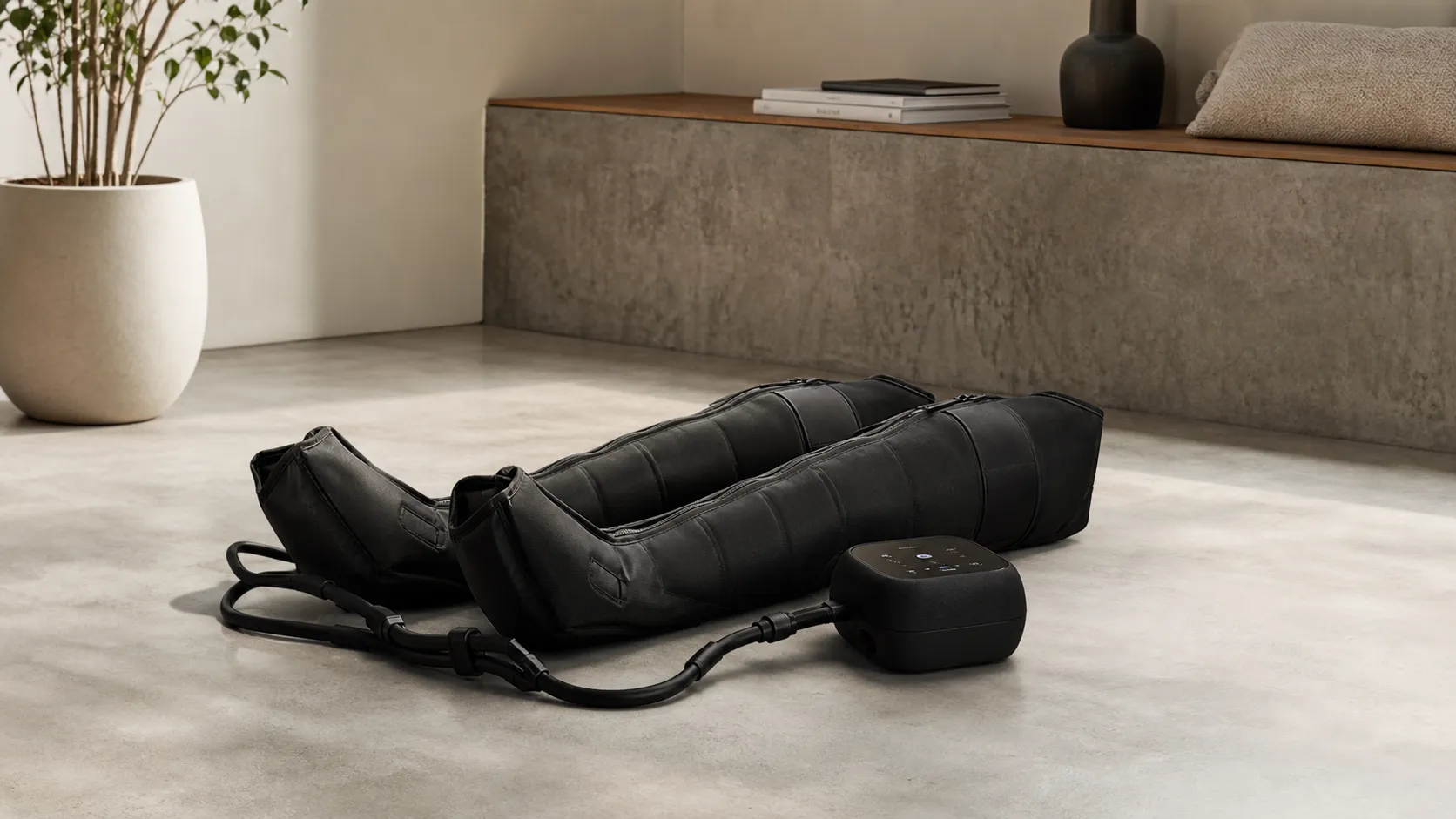
Hyperice Normatec 3.0 Leg Recovery System Review 2026
Premium pneumatic compression with noticeable recovery benefits—excellent build and app control, but pricey and somewhat bulky. Best for frequent athletes and clinics.
 Fitness & Wellness
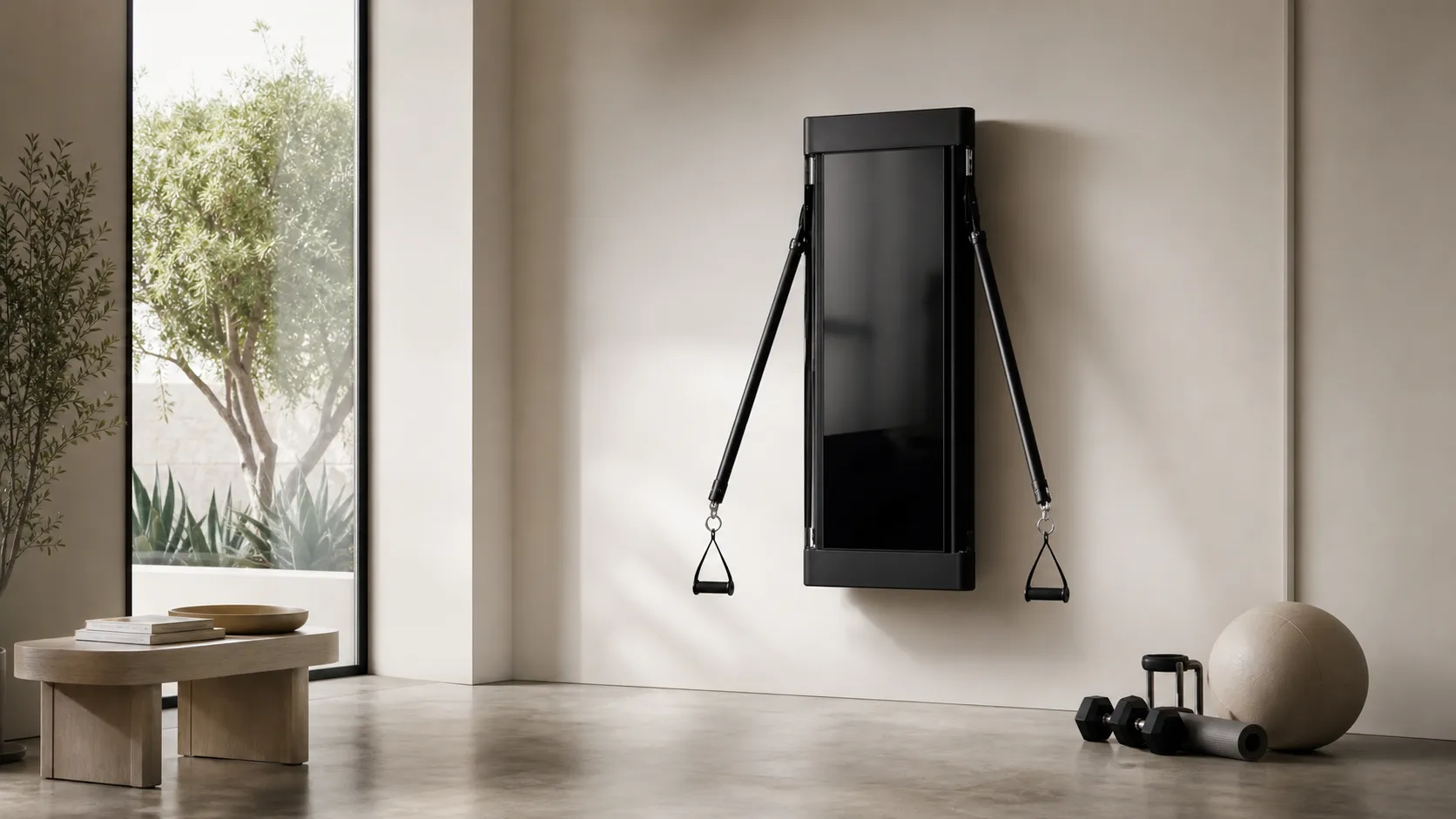
Tonal Smart Home Gym Review 2026
A high-end, wall-mounted smart gym with excellent coaching and space-saving design. Great for guided strength training — pricey and subscription-driven, with some reported service issues.
 Fitness & Wellness
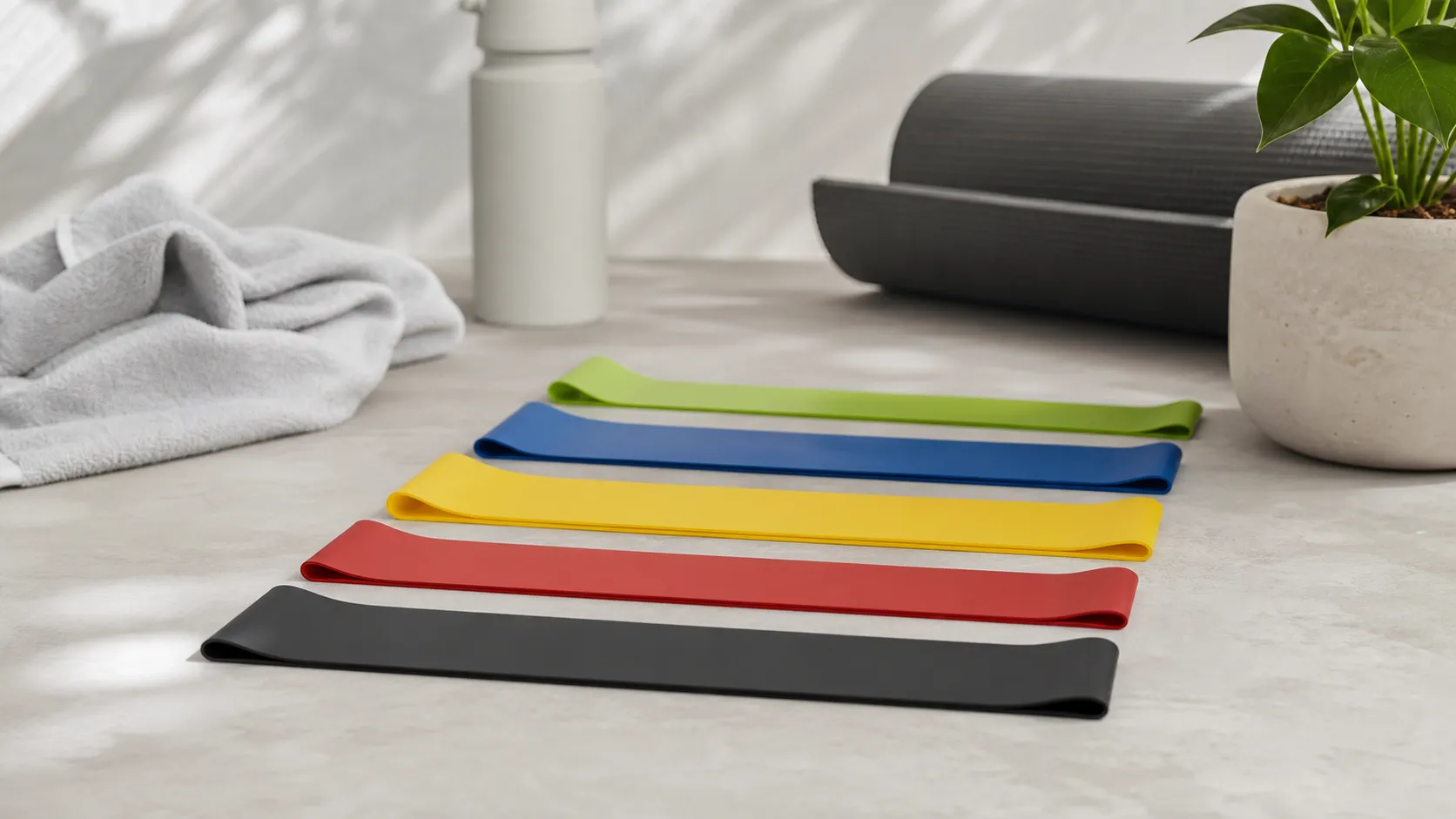
Fit Simplify Resistance Loop Bands Review 2026
Affordable, portable loop bands that excel for beginners, warm-ups, and rehab. Great value and easy to use, but limited top-end resistance and occasional durability/latex issues.