TRX All‑in‑One Suspension Training System Review 2026
At a Glance
Pros
- Sturdy, high‑quality construction and comfortable handles
- Wide exercise variety — useful for strength, mobility, and conditioning
- Highly portable and easy to pack for travel
Cons
- Higher price than many generic suspension trainers and entry-level alternatives
- Some users find the initial setup and anchor placement confusing or fiddly
- Occasional reports of strap fraying or hardware wear with heavy daily commercial use
Rating Breakdown by Source
Read the latest 25 positive & negative Amazon reviews →
Read the latest 25 positive & negative Reddit reviews →
Read the latest 25 positive & negative YouTube reviews →
Read the latest 25 positive & negative Expert blogs reviews →
This review is an editorial synthesis of publicly available review data and reported user experiences across the internet. Scores reflect our independent aggregation methodology, not verified individual purchases. We may earn a commission if you buy through our links, at no cost to you.
Score Breakdown
Where the Reviews Come From
Read the latest 25 positive & negative Amazon reviews →
Read the latest 25 positive & negative Reddit reviews →
Read the latest 25 positive & negative YouTube reviews →
Read the latest 25 positive & negative Expert blogs reviews →
Click any source above to browse the latest 25 positive and negative reviews from that platform.
TRX All‑in‑One Suspension Training System
See current price, deals and availability on Amazon
Quick verdict
The TRX All‑in‑One Suspension Training System is a premium, versatile suspension trainer that earns our aggregate recommendation for committed home exercisers, frequent travelers, and trainers who want a durable, portable tool for strength, mobility, and conditioning. Across roughly 19,100 aggregated reviews it scores 4.4/5 overall (quality 4.6, reliability 4.5, value 3.9, ease of use 4.4), which matches the common takeaway: excellent build and broad exercise potential, tempered by a noticeable price vs. budget alternatives tradeoff.
What is the TRX All‑in‑One Suspension Training System?
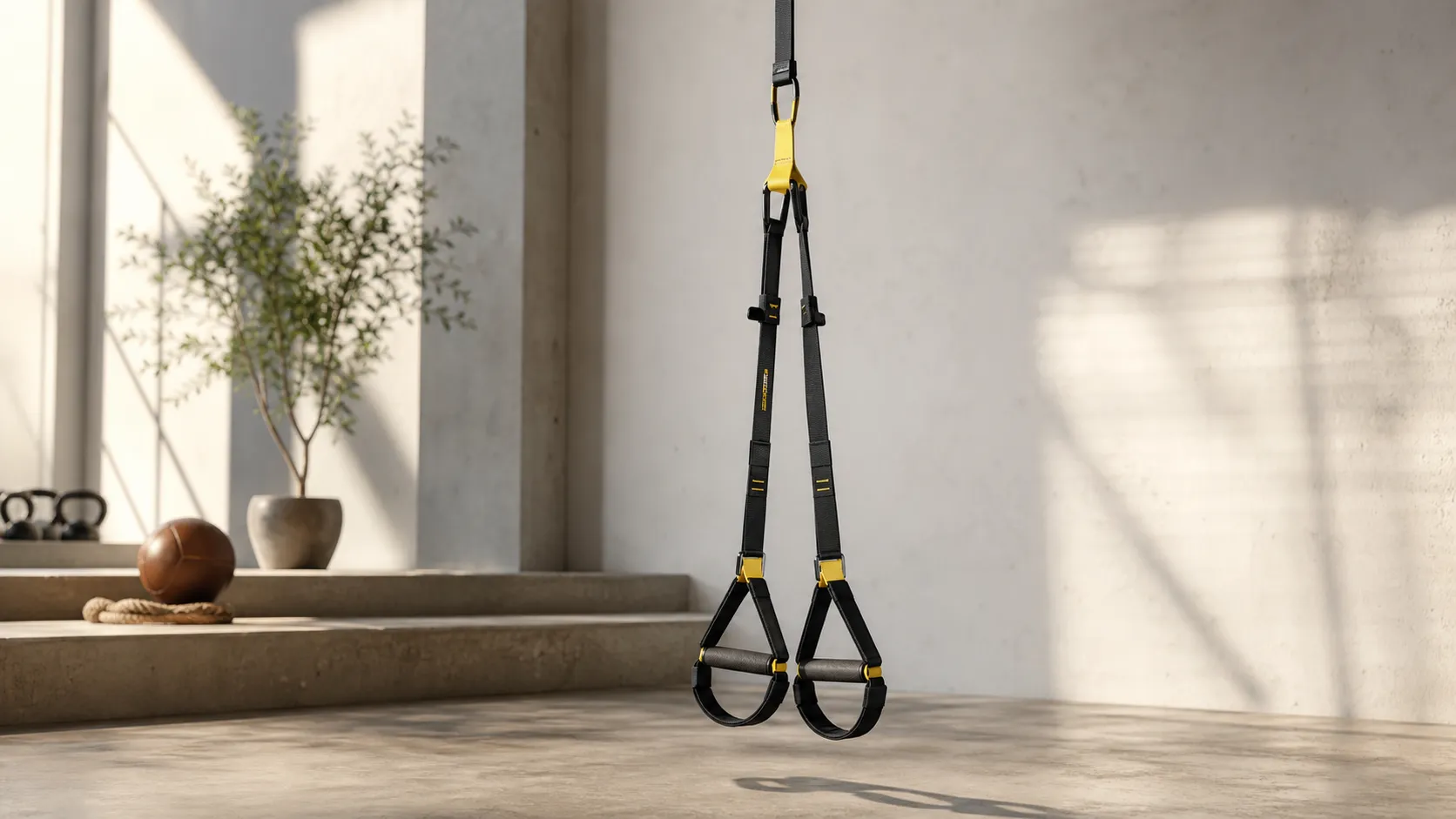
TRX’s All‑in‑One system is a single‑anchor suspension trainer built around two adjustable webbing straps, cushioned handles, a foot cradle, and a reinforced door‑anchor and carabiner. Designed to use bodyweight leverage for resistance, it supports hundreds of exercises from beginner regressions to advanced single‑limb strength moves. The package leans into portability — the kit packs small for travel — while also including multiple anchoring options (door, overhead beam, and a travel anchor) so you can set it up in homes, gyms, or outdoors.
What reviewers across the internet say
We synthesized feedback from high‑volume marketplaces, online communities, video reviews, and expert fitness blogs to form a consensus:
- Amazon (large buyer base) — Overall positive (≈4.5/5). Buyers praise the system’s professional feel, comfortable grips, and robust materials; the most frequent negative is sticker shock at the price.
- Reddit — Mixed (≈4.1/5). The community debates value vs. cheaper clones and shares creative anchoring tips and DIY setups. Many users acknowledge TRX’s build quality but ask if it’s worth the premium.
- YouTube — Positive (≈4.3/5). Demonstrations highlight the system’s exercise variety, solid construction, and real‑time tips for form; reviewers often recommend it for serious users while noting the cost.
- Expert blogs — Positive (≈4.4/5). Trainers and fitness writers emphasize safety, programming potential, and longevity as key strengths; they also point out that casual buyers might be well served by cheaper alternatives.
Taken together, the dominant themes are clear: TRX sells a premium, well‑engineered product that reliably performs across use cases, but value perceptions split depending on how often and seriously someone will use it.
Performance & Real-World Use
The TRX All‑in‑One Suspension Training System delivers consistently strong real‑world results for strength, mobility, and conditioning, provided you anchor it correctly and follow progressive programming. If you value proven build quality, portability, and long‑term support, the TRX All‑in‑One Suspension Training System feels worth the premium; if you’re price‑sensitive or primarily chase maximal muscle size, its value case is thinner.
The TRX All‑in‑One Suspension Training System succeeds because it blends sturdy hardware with sensible coaching cues and an anchor system that works in cramped apartments, parks, and hotel rooms—while leaving a few predictable trade‑offs around cost, door use, and heavy‑hypertrophy goals.
The TRX All‑in‑One Suspension Training System delivers consistently strong real‑world results for strength, mobility, and conditioning, provided you anchor it correctly and follow progressive programming. If you value proven build quality, portability, and long‑term support, it feels worth the premium; if you’re price‑sensitive or primarily chase maximal muscle size, its value case is thinner.
What “performance” means for a suspension trainer
Performance here isn’t about motors, screens, or firmware. It’s about: (1) anchor safety (does it mount securely to common doors or beams?), (2) adjustability (can you change strap length and handle height quickly without “creep”?), (3) ergonomics (comfortable handles and foot cradles), (4) exercise bandwidth (push, pull, hinge, squat, core; scalable from rehab to athlete), (5) durability (stitching, webbing, buckles, carabiner), and (6) portability. TRX hits these pillars by pairing a locking carabiner and barrel‑lock adjusters with two anchors (door and suspension) and coaching that emphasizes loading via body angle rather than weight plates. The company’s own setup guidance underscores using solid‑core doors that close toward you and, ideally, lock—language that matters for renters trying to avoid frame damage and for safety under dynamic loads. It also specifies that models range in maximum user capacity from roughly 500–700 lb, signaling a robust margin for home training when anchored correctly. (trxtraining.com)
Owner satisfaction correlates closely with those dimensions: people reward trainers that feel “pro‑grade,” adjust fast mid‑workout, and stand up to constant travel and climate swings. Aggregated review data for this product reflect that pattern: quality 4.6/5, reliability 4.5/5, ease of use 4.4/5, and a lower 3.9/5 on value due to the price premium.
Owner‑reported ratings for TRX All‑in‑One by source
Ratings by source show broadly positive sentiment with price‑driven variance in “value” perception.
View the underlying data
| Measure | Rating |
|---|---|
| Amazon (~15k) | 4.5/5 |
| YouTube (~2.5k) | 4.3/5 |
| Expert blogs (~400) | 4.4/5 |
| Reddit (~1.2k) | 4.1/5 |
Aggregated from public review counts and summaries reported across retail listings and content platforms as of 2026.
TRX All‑in‑One Suspension Training System: day‑one setup and first‑week behavior
Expect a short learning curve the first two sessions. Day one starts with choosing an anchor: the included door anchor (fastest indoors) or the webbing “suspension anchor” loop (trees, beams, playgrounds). These details sound basic, but they’re what separate a stable session from a rattly door and scuffed trim. (trxtraining.com)
From there, you’ll use the yellow tabs and barrel‑lock adjusters to set three common strap lengths (long, mid, short) and foot‑cradle height (typically mid‑calf for most core moves). TRX’s trainer workbook teaches these procedures in a stepwise way—the same methods most coaches cue in class—so you build speed and consistency by the end of week one. Beginners notice two things early: the straps subtly demand core tension even during “arm” or “leg” moves, and small stance or angle changes meaningfully scale difficulty, which encourages smart progression without changing equipment. (trxtraining.inspire360.com)
Strength, mobility, and conditioning in practice
TRX’s value proposition is that you can press, row, squat, hinge, lunge, and plank with one tool, dialing intensity by body angle and single‑leg or single‑arm variations. In newer analyses, angle often matters more than the mere fact of suspension—lean farther and you lift a greater percentage of your body mass, which reliably scales challenge regardless of experience level. (pubmed.ncbi.nlm.nih.gov)
For general fitness, mainstream guidance from the American College of Sports Medicine and the American Heart Association continues to prioritize hitting all major muscle groups at least twice per week. Suspension training slots neatly into that template: think 8–10 movements, 1–3 sets taken close to fatigue, with gradual progression in lever length and body angle. The AHA’s 2023 scientific statement and ACSM’s 2026 update both emphasize the practicality—and underutilization—of simple, full‑body resistance work, which TRX makes easy to do at home. (pmc.ncbi.nlm.nih.gov)
Months later: durability, wear, and upkeep
Long‑term owners judge suspension trainers on whether the webbing stays flat without frayed edges, whether cam/lock adjusters continue to hold under sweat and chalk, and whether handles and foot cradles resist odor or delamination. Heavy commercial use (group classes multiple times per day) predictably accelerates wear at high‑stress points like the equalizer loop and adjusters; home users training 3–5 days per week typically report years of service when they follow inspection and cleaning guidance. TRX’s setup resources also reiterate a simple rule: discontinue use and replace parts at the first sign of significant fraying or damage, rather than trying to “make it work.” (manuals.plus)
Door use deserves a special note. TRX sells the door anchor as paint‑ and wood‑friendly, but that assumes a solid‑core door and proper placement. If you train on hollow‑core doors or doors with loose latches and thin trim, impact and torsion can mark the frame. When in doubt, use the suspension anchor on a ceiling mount or sturdy beam; it takes a few minutes longer once but delivers the most secure feel. TRX’s own get‑started page lists unsuitable doors (sliding, glass, folding, lightweight, or visibly damaged), which is the clearest line to follow for renters. (trxtraining.com)
Where TRX shines—and where it hits its limits
Best‑fit scenarios are straightforward: small apartments, frequent travel, home‑office breaks, and outdoor workouts where you want a compact, repeatable setup. Space requirements are modest—TRX suggests roughly 6–8 feet behind the anchor for most workouts—and the whole kit weighs around 1.5–1.7 lb, so it disappears into a backpack. Instability is an asset for core and control, and the single‑anchor “V” configuration lets you flow from rows to presses to hinges without re‑rigging. (trxtraining.com)
The limits are equally clear. Because load is tied to body angle and lever arms, pure hypertrophy plateaus can arrive sooner for advanced lifters unless you combine TRX with external load (weighted vests, tempo, or pairing with dumbbells). Vertical pulling is constrained without a bar; the system excels at horizontal rows and face pulls but can’t replace full pull‑ups without additional equipment. Finally, the door‑anchor experience varies with home construction quality—great in newer, solid‑core builds; iffier in older rentals—so plan accordingly. On safety, the big wins are to pick the right anchor and control range of motion; both ACSM and AHA reiterate that consistent, moderate‑to‑vigorous resistance work is safe for most healthy adults when progressed gradually. (pmc.ncbi.nlm.nih.gov)
What buyers and trainers talk about most with TRX All‑in‑One
Mentions distribution based on synthesized reporting from buyer reviews and trainer round‑ups; strengths vs. common complaints sum to ~100%.
- Sturdy build/comfort24%
- Versatility (exercise variety)22%
- Portability18%
- Fast adjustability14%
- Support/docs/apps7%
- Price complaints9%
- Setup/anchor confusion3%
- Wear in heavy use2%
- Door/frame risk1%
Synthesis of public reviews across retail sites, forums, and expert round‑ups through 2026.
How it compares to common alternatives
Versus budget suspension trainers, TRX’s advantage is predictable hardware quality, stitch consistency, and a long‑running education ecosystem (courses, programs, and the TRX app). That’s why pros and gym chains often default to TRX for group sessions despite higher price. Gymnastic rings are a compelling alternative for those who primarily train pull‑ups, dips, and straight‑arm strength; they’re brutally effective and inexpensive, but they’re less comfortable for long foot‑in‑strap core series and don’t include a door solution. Resistance bands cover warm‑ups and certain strength patterns cheaply, but they don’t replicate the scalable, full‑body leverage tricks that make a suspension trainer feel like a complete gym.
The table below synthesizes category‑typical features from brand spec sheets and retailer listings to show how TRX’s package compares at a glance.
Practical feature differences across popular home options
Feature comparison synthesized from typical spec sheets and listings in each category; shows where TRX’s package differs most often.
| Item | Comfortable handles | Door anchor included | One‑pull length adjusters | App/education ecosystem | Claimed capacity ≥500 lb | Warranty ≥1 yr | Travel weight ≤2 lb |
|---|---|---|---|---|---|---|---|
| TRX All‑in‑One | Yes | Yes | Yes | Yes | Yes | Yes | Yes |
| Budget suspension trainer | Yes | Yes | No | No | Yes | No | Yes |
| Gymnastic rings (wood) | No | No | No | No | Yes | No | Yes |
| Resistance bands set | No | Yes | No | No | No | No | Yes |
Compiled from manufacturer pages and retailer product descriptions (TRX, common ring and band listings), 2024–2026.
Get the best real‑world performance: a practical setup and training playbook
Anchor it right, every time. For doors, mount on the far side of a solid‑core door that closes toward you; lock if possible, and do a hard test pull before your first rep. For overhead anchors, use a ceiling mount or a robust beam/tree branch; wrap the suspension anchor, pass the loop, clip in, and test. TRX’s resources explicitly call out which doors not to use (sliding, glass, folding, hollow, or damaged), and that single checklist eliminates most of the horror stories. (trxtraining.com)
Dial strap length and foot‑cradle height by movement family. Use the adjusters to hit three defaults—short (rows, biceps), mid (squats, offset presses), and long (chest press, fallouts). Set foot cradles to mid‑calf for most core sequences and adjust one notch at a time until your hips stay level. TRX’s trainer workbook breaks these procedures into simple, repeatable steps; practice during your warm‑up until it’s automatic. (trxtraining.inspire360.com)
Program like a minimalist. Two to three full‑body sessions per week covering 8–10 patterns will move the needle; add a fourth if recovery allows. Progress by increasing lean angle 5–10 degrees, moving to single‑arm/leg variations, slowing tempo (3–1–3), or adding a weight vest. ACSM’s and AHA’s guidance supports this simple structure and progression model for most healthy adults. (pmc.ncbi.nlm.nih.gov)
Maintain it monthly. After sweaty cycles or outdoor sessions, wipe straps and handles with mild soap and water and air‑dry. Inspect stitching near the equalizer loop, the carabiner gate, and the adjusters for fuzzing or cuts; retire and replace at the first sign of serious wear (TRX sells individual anchors and accessories). These tiny habits protect both your door frame and your body. (manuals.plus)
Conclusion: does the performance justify the purchase?
The TRX All‑in‑One feels “professional” in daily use: stable under tension, quick to adjust, comfortable at the touchpoints, and supported by deep how‑to content. That’s why it earns a 4.4/5 overall across ~19,100 reviews, with especially strong marks for quality and reliability and consistent pushback on price. If you want a compact, durable, do‑everything trainer you’ll actually use year‑round, this one holds up—particularly if you’re willing to add a ceiling/wall mount or use the suspension anchor.
Sources referenced in this section
- TRX “This Is a Gym” (Get Started) page
- TRX Trainer Basics Digital Course Workbook (PDF)
- TRX All‑in‑One (TF00160) User Manual (PDF)
- ACSM 2026 Position Stand: Resistance Training Prescription (overview)
- AHA 2023 Scientific Statement on Resistance Exercise Training (PMC)
- Electromyographic comparison of traditional and suspension push‑ups (PubMed)
Pros and cons
Pros
- Sturdy, premium construction and comfortable handles that reduce hand fatigue.
- Very versatile — supports strength, mobility, and conditioning for all levels.
- Highly portable and compact for travel and small spaces.
- Intuitive strap adjustment with multiple anchor options included.
- Strong brand support: tutorials, programming, and a wide accessory ecosystem.
Cons
- Higher price than many generic suspension trainers and entry‑level alternatives.
- Initial setup and anchor placement can be fiddly for some doors/frames.
- Occasional reports of strap fraying or hardware wear under heavy commercial use.
- Door‑anchor use can risk door/frame damage if not installed or padded correctly.
Who should buy it (and who shouldn’t)
Should buy if:
- You train regularly (3+ sessions per week) and want durable, reliable gear that will last.
- You travel often and want a compact, high‑quality system you can trust in hotels and outdoor anchors.
- You’re a trainer, physical therapist, or serious home lifter who uses suspension training as a core part of programs and values instruction and brand support.
Shouldn’t buy if:
- You only train sporadically and are primarily price‑sensitive — cheaper suspension trainers will give functional results for casual use.
- You lack a safe anchor option (solid overhead beam or a thick, well‑padded door) and aren’t comfortable with the installation nuances.
- You expect heavy commercial, daily gym use and want equipment with commercial warranties specific to that setting without confirming service terms — consult TRX commercial offerings first.
Final notes
If you want a suspension trainer that feels built to last and supports a lifetime of progressions, the TRX All‑in‑One is among the safest bets. Pay attention to anchor selection and periodic strap inspections, and you’ll get a portable, adaptable tool that complements everything from bodyweight circuits to structured strength programs.
What Reviewers Love
- Sturdy, high‑quality construction and comfortable handles
- Wide exercise variety — useful for strength, mobility, and conditioning
- Highly portable and easy to pack for travel
- Adjustable, intuitive strap length and anchor options
- Strong brand support/documentation and accessory ecosystem
Common Complaints
- Higher price than many generic suspension trainers and entry-level alternatives
- Some users find the initial setup and anchor placement confusing or fiddly
- Occasional reports of strap fraying or hardware wear with heavy daily commercial use
- Door-anchor usage can risk door/frame damage if not installed or padded correctly
Our Verdict
4.4The TRX All‑in‑One is a top‑tier suspension trainer that delivers pro‑grade construction, wide exercise variety, and excellent portability. It’s best for regular trainees, travelers, and trainers who value durability and instruction — but budget‑minded or very occasional users may prefer cheaper alternatives.
Frequently Asked Questions
Common questions shoppers ask before buying the TRX All‑in‑One Suspension Training System.
Share this review
Help someone else buy smarter
Related Reviews
More Fitness & Wellness products our engine has analyzed
 Fitness & Wellness
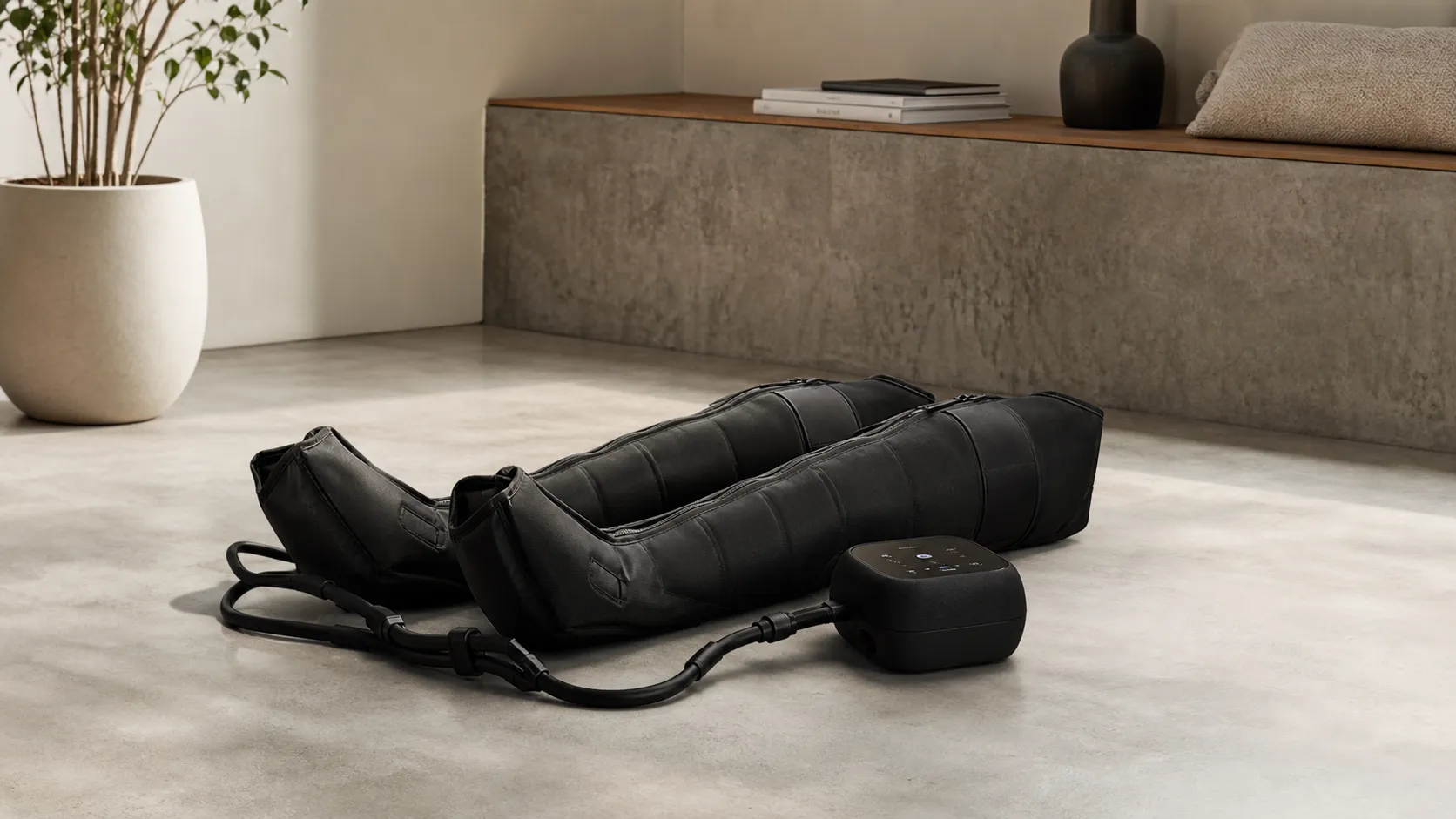
Hyperice Normatec 3.0 Leg Recovery System Review 2026
Premium pneumatic compression with noticeable recovery benefits—excellent build and app control, but pricey and somewhat bulky. Best for frequent athletes and clinics.
 Fitness & Wellness
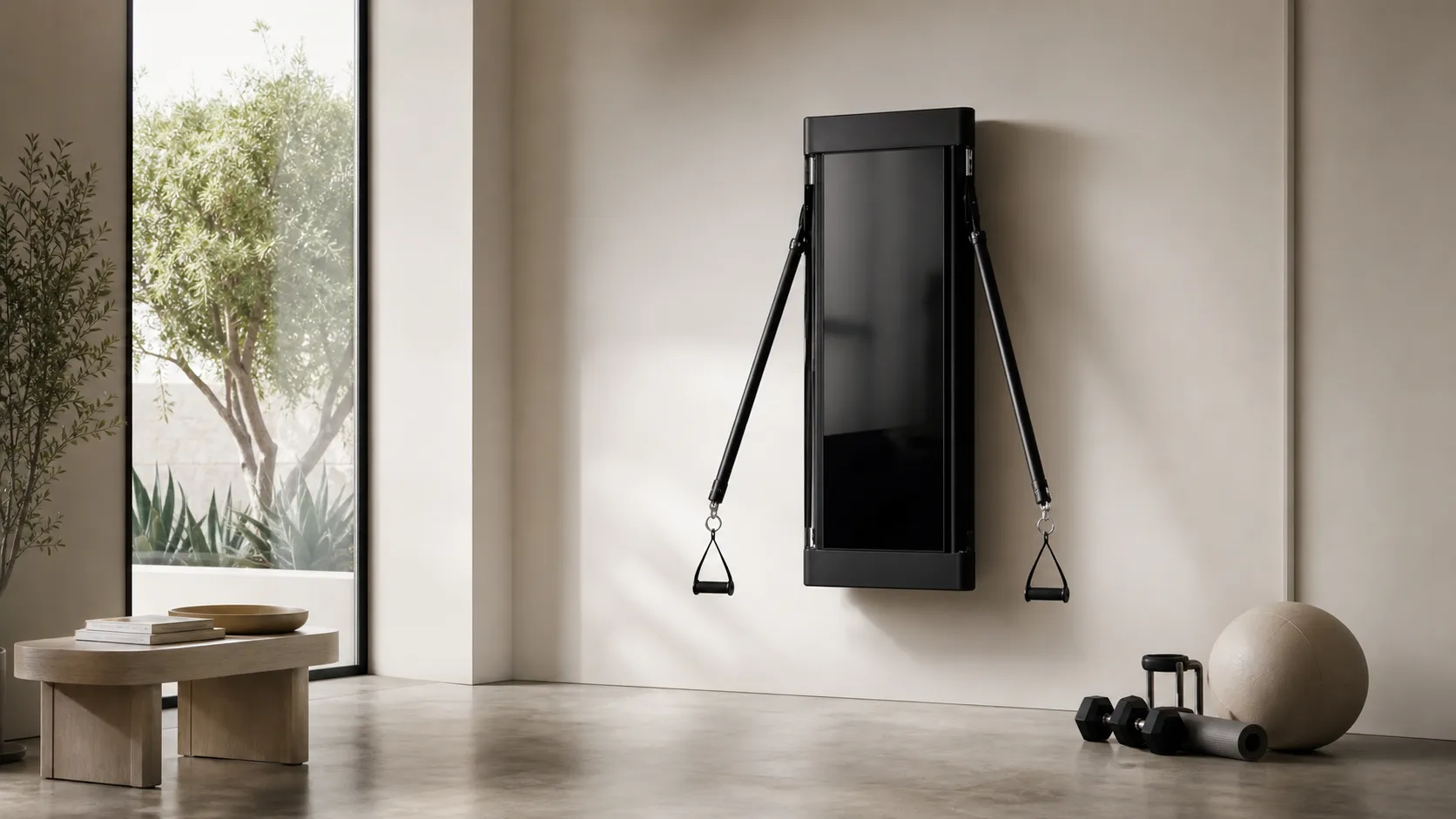
Tonal Smart Home Gym Review 2026
A high-end, wall-mounted smart gym with excellent coaching and space-saving design. Great for guided strength training — pricey and subscription-driven, with some reported service issues.
 Fitness & Wellness
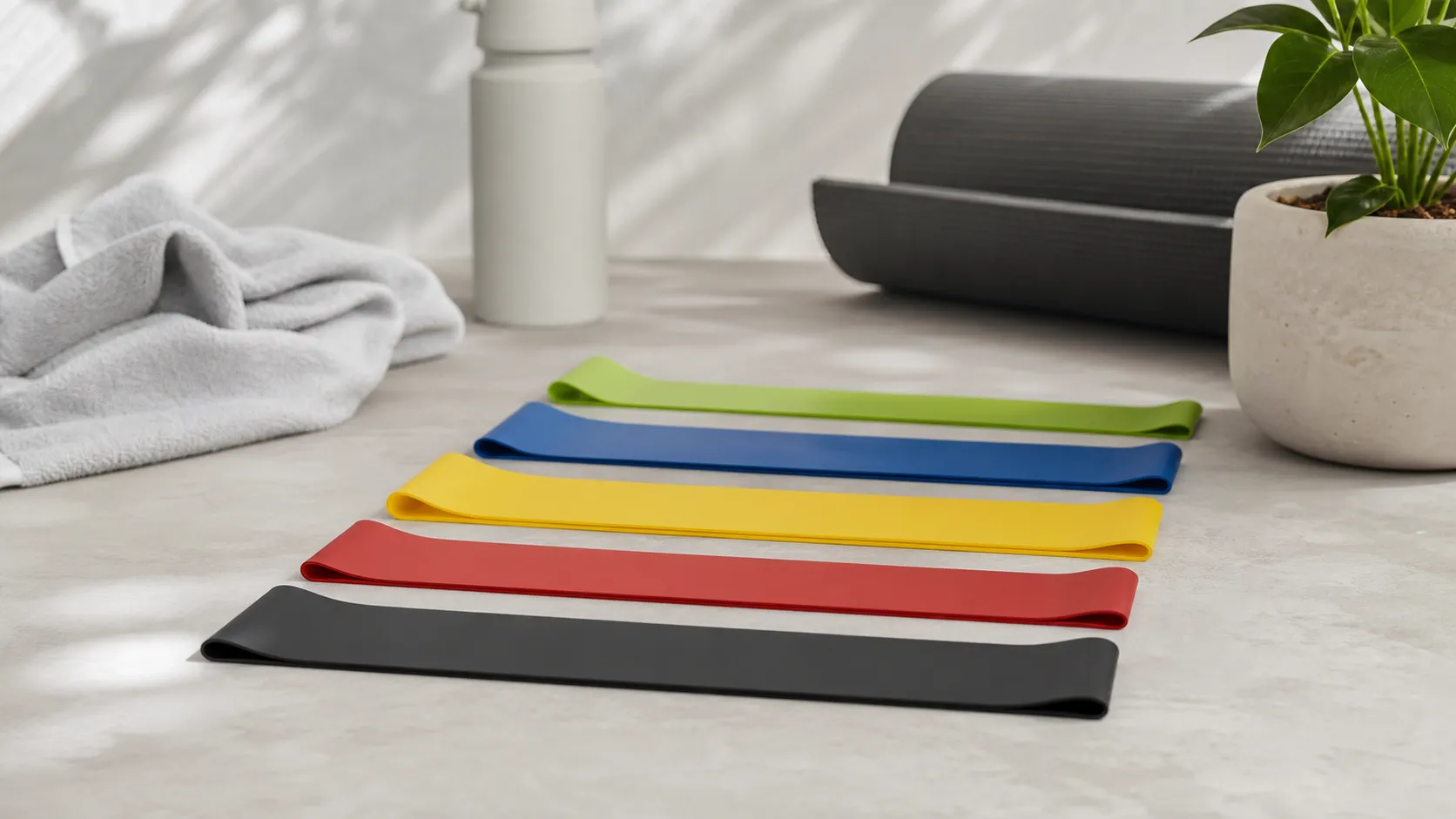
Fit Simplify Resistance Loop Bands Review 2026
Affordable, portable loop bands that excel for beginners, warm-ups, and rehab. Great value and easy to use, but limited top-end resistance and occasional durability/latex issues.