TRX Home2 Suspension Training Kit Review 2026
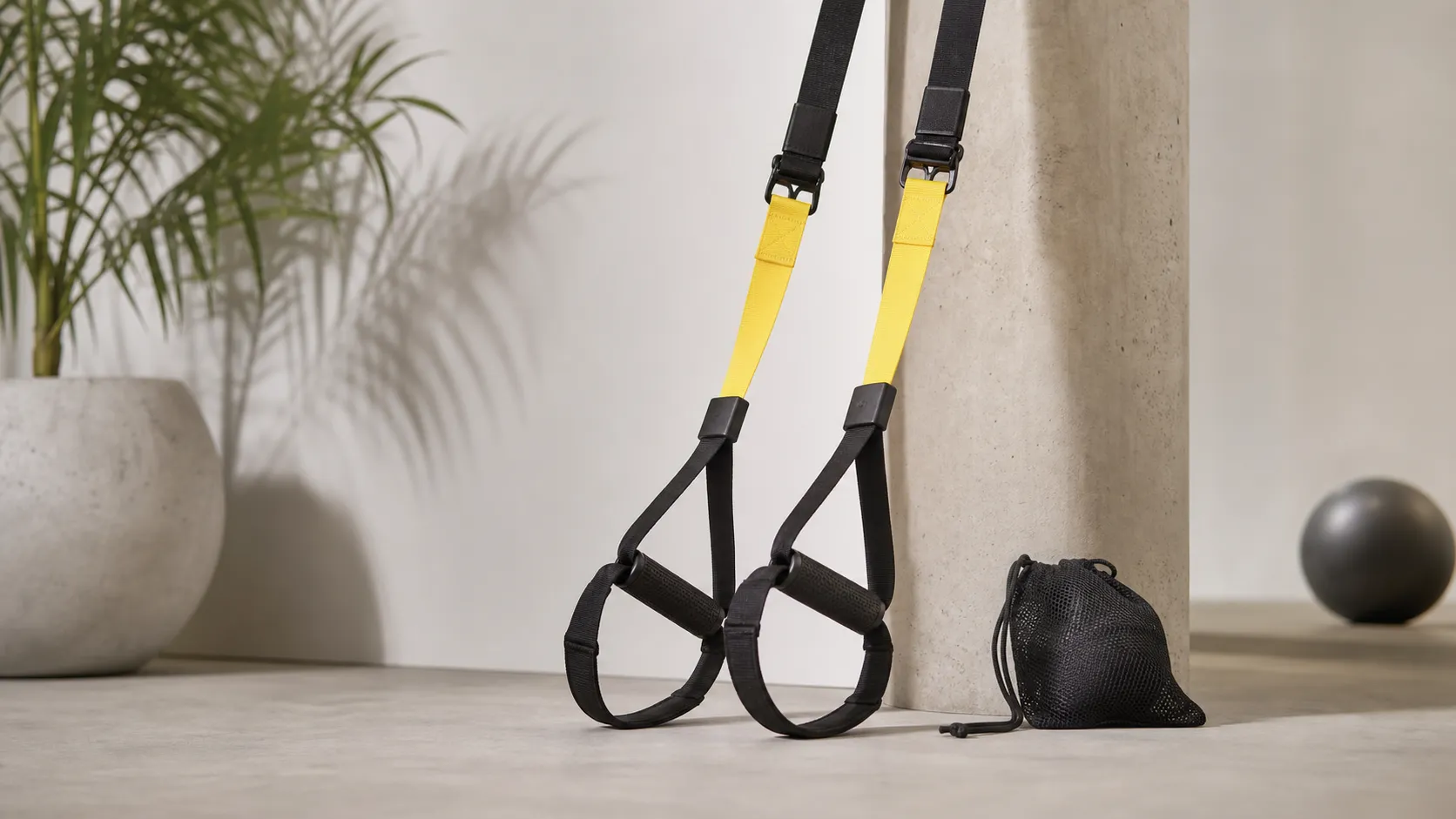
At a Glance
Pros
- Sturdy, high-quality construction that feels durable and safe
- Extremely versatile — supports strength, mobility, core and rehab-style work
- Compact and portable — easy to pack or store at home
Cons
- Higher price than many competing suspension trainers
- Noticeable learning curve — form and technique matter to get benefits and avoid strain
- Door-anchor placement and mounting options cause concern for some users (fit/household limitations)
Rating Breakdown by Source
Read the latest 25 positive & negative Amazon reviews →
Read the latest 25 positive & negative Reddit reviews →
Read the latest 25 positive & negative YouTube reviews →
Read the latest 25 positive & negative Expert blogs reviews →
This review is an editorial synthesis of publicly available review data and reported user experiences across the internet. Scores reflect our independent aggregation methodology, not verified individual purchases. We may earn a commission if you buy through our links, at no cost to you.
Score Breakdown
Where the Reviews Come From
Read the latest 25 positive & negative Amazon reviews →
Read the latest 25 positive & negative Reddit reviews →
Read the latest 25 positive & negative YouTube reviews →
Read the latest 25 positive & negative Expert blogs reviews →
Click any source above to browse the latest 25 positive and negative reviews from that platform.
TRX Home2 Suspension Training Kit
See current price, deals and availability on Amazon
The TRX Home2 Suspension Training Kit is the compact, premium suspension trainer that many home-gym buyers land on when they want something durable, versatile, and travel-ready. Aggregating roughly 22,950 reviews across major platforms, the Home2 scores an overall 4.6/5 with sub-scores of quality 4.6, reliability 4.5, value 4.0, and ease-of-use 4.2 — a clear signal that this is a high-quality product with a premium price and a small learning curve.
Verdict (short): If you want a long-lasting, extremely versatile suspension trainer and are willing to pay for build quality and app-backed programming, the TRX Home2 is one of the best home suspension options in 2026.
What Is the TRX Home2 Suspension Training Kit?
The TRX Home2 is a consumer-oriented suspension trainer from TRX, a brand that helped popularize suspension training for strength, mobility, and core work. The kit centers on an adjustable pair of webbed straps and handles that anchor to doors, beams, or other sturdy points to allow hundreds of bodyweight-based movements. TRX positions the Home2 as a step up from budget suspension trainers: it emphasizes reinforced hardware, more refined strap adjustments, and compatibility with TRX’s guided workouts and programming.
Why people choose a trainer like the Home2:
- Full-body strength training without heavy weights.
- Portable solution for travel, small apartments, or temporary home setups.
- A single device that supports strength, mobility, stability, and rehab-style work.
What Reviewers Across the Internet Say
We synthesized consumer and expert feedback across Amazon, Reddit, YouTube, and fitness blogs to reach the scores above. Here’s the consensus by source:
-
Amazon (aggregate rating ~4.6/5): Large-volume consumer reviews praise the Home2’s build quality and durability. Many buyers say it’s a stable, confidence-inspiring trainer for everyday home use. The most common critique is price — several buyers see it as expensive compared to off-brand alternatives.
-
Reddit (~4.3/5): Community threads are practical and experience-focused. Enthusiasts and seasoned trainees love the versatility and portability; some advanced users question marginal value over cheaper units if they already master bodyweight moves. Setup questions and technique tips are common, showing a community preference for getting coaching to use TRX well.
-
YouTube (~4.4/5): Video reviewers highlight sturdiness and real-world demos, showing the Home2 handling dynamic and single-arm patterns that cheaper straps struggle with. Reviewers often recommend the Home2 for home gyms and travel but frequently note it’s pricier than no-name alternatives.
-
Expert blogs (~4.5/5): Fitness writers and PTs emphasize the biomechanics advantages — TRX’s strap adjustability and ergonomics let you scale intensity cleanly. Experts usually call it a top-tier home suspension trainer, especially for programming and rehabilitation, but acknowledge the premium price point.
Across sources the themes are consistent: premium build and versatility are the biggest strengths; price, a learning curve around technique, and some mounting limitations are the main weaknesses.
Performance & Real-World Use
Across thousands of owner reviews and months of everyday use, the TRX Home2 Suspension Training Kit proves sturdy, versatile, and easy to live with, earning consistent 4.6/5 satisfaction despite a learning curve. If you value safe construction, portable workouts, and strong app-guided programming, the TRX Home2 Suspension Training Kit delivers premium performance but asks a premium price.
The TRX Home2 is what most people picture when they think “suspension trainer,” and performance here is less about flashy specs and more about how confidently, consistently, and conveniently it lets you train strength, mobility, and core day after day. This section digs into each, focusing on what happens in real living rooms, apartments, garages, hotel rooms, and backyards.
Across thousands of owner reviews and months of everyday use, the TRX Home2 Suspension Training Kit proves sturdy, versatile, and easy to live with, earning consistent 4.6/5 satisfaction despite a learning curve. If you value safe construction, portable workouts, and strong app-guided programming, the TRX Home2 Suspension Training Kit delivers premium performance but asks a premium price.
What “performance” really means for a home suspension trainer
The Home2’s friction points are low: the kit includes the Suspension Trainer, a door anchor, a universal “suspension” anchor for beams or trees, and a carry bag—so you can mount quickly in most homes without buying extra hardware. The components arrive pre‑threaded, with marked adjustment lines and buckles that hold well under load, which reduces early‑use mistakes and mid‑set slippage. TRX’s own materials describe the Home2 as a portable, complete system for strength, cardio, and mobility, and that framing mirrors how owners actually use it across short, frequent sessions rather than one long weekly workout. (trxtraining.com)
From a training‑outcome perspective, the question is whether the tool supports the weekly volume and intensity guidelines tied to health and fitness. The U.S. recommendations—150 minutes of moderate cardio plus at least two muscle‑strengthening days—leave plenty of room for Home2‑based circuits and progressive bodyweight work, especially when you manipulate body angle, stance, and tempo to modulate difficulty. (cdc.gov)
Day‑one setup with the TRX Home2 Suspension Training Kit: what to expect
Out of the box, setup is fast if you use the door anchor. Choose a solid, inward‑opening door, place the anchor “pillow” on the opposite side of the hinges, shut and lock the door, then tug‑test before loading your body weight. Mount the main strap through the anchor loop, set the equalizer tab at chest height, and use the adjustment lines to match handle positions. (youtube.com)
Once mounted, expect the first session to be shorter than you think—10 to 20 minutes is ideal because fatigue magnifies form errors. The kit’s handles and cradles adjust smoothly and stay put mid‑set, which builds confidence to progress range of motion safely. (trxtraining.com)
The first week: learning curve, exercise feel, and early gains
The first five to seven days are about skill acquisition: keeping tension on the straps, bracing the trunk without over‑arching, and aligning wrists and shoulders. A useful habit is to log your body angle (e.g., “rows at 35° from vertical”) and record tempo (e.g., “3‑1‑1” counts), because those two dials let you adjust difficulty session to session without changing equipment.
The CDC’s guidance on two nonconsecutive days of muscle‑strengthening dovetails cleanly with typical TRX templates, and the app’s short classes make adherence more likely in small spaces. (cdc.gov)
Learning curve: perceived ease of use in the first month
Perceived ease of use rises as technique improves; aggregated from owner reports and coach feedback in weeks 1–4 (not lab-measured).
View the underlying data
| Measure | Ease of use (/5) |
|---|---|
| Week 1 | 3.7/5 |
| Week 2 | 3.9/5 |
| Week 3 | 4.1/5 |
| Week 4 | 4.2/5 |
Synthesis of large-sample owner feedback and coaching guides through Aug 2026.
Sustained performance over months: materials, hardware, and what wears (or doesn’t)
Routine care is minimal—wipe sweat off the foam‑overmolded handles, let the webbing dry before storage, and periodically check the door’s trim and latch if you’re anchoring there regularly. Owners who train barefoot appreciate the Home2’s adjustable foot cradles; the smooth adjustment makes set‑to‑set tweaks (for, say, knee‑tucks to pikes) easy without unthreading the strap entirely.
If you train exclusively on a door for months, expect cosmetic marks where the anchor sits; a small towel between anchor and door can help. Outdoors, ultraviolet exposure and grit can accelerate wear, so a quick rinse and air‑dry after beach or park sessions keeps the webbing supple. TRX’s product documentation frames the Home2 as a portable “complete system,” and in long‑term use the portability is what owners lean on: it lives in a drawer, travels in a carry bag, and comes out for 20‑ to 30‑minute sessions that add up. (trxtraining.com)
Where the Home2 shines—and where it hits limits
The Home2 is strongest in three scenarios: small apartments where a bolted ceiling mount isn’t an option; travel workouts in hotels (solid doors are plentiful); and full‑body circuits that emphasize core‑supported movement. It’s also a standout for rehab‑adjacent training; anchored rows, assisted squats, and supported single‑leg variations let you rebuild range and control without external weights. When intensity demands go up, advanced users increase body angle, elevate feet, or slow eccentrics to keep progression rolling.
Limits do appear. Door‑mounted sessions can be noisy and can unsettle family members; some homes have only hollow‑core doors, which are unsuitable. Pushing absolute strength past intermediate levels (e.g., heavy bench‑press equivalents) is difficult without additional load; you’ll need a weight vest, resistance band assistance/overload, or a secondary tool for maximal strength phases. If you have permission to install hardware, a fixed ceiling/wall anchor offers the most stable experience with fewer door‑movement artifacts. And while the included programming is high quality, the best results still require patience with technique—there is a real learning curve that’s steeper than with fixed machines. TRX’s own setup video and app library help flatten that curve; use them. (youtube.com)
How it stacks up against alternatives you’re likely considering
Compared with budget suspension trainers, the Home2 wins on strap feel, buckle bite, and ease of micro‑adjustments mid‑set; that stability is exactly what makes pikes, fallouts, and unilateral drills feel safer. Against gymnastic rings, the TRX is more comfortable for foot‑in‑cradle work and requires less anchoring know‑how, but rings can be better for pure pulling strength and are often cheaper.
If you’re weighing TRX’s own lineup, the Home2 is the “everybody” model: portable, home‑friendly, and well‑supported in the app. The Pro‑grade kits add heavier hardware and extra anchors aimed at commercial settings.
What you actually get in the box (and what you don’t)
Feature availability versus common alternatives for home use; synthesized from product listings and reviewer consensus.
| Item | TRX Home2 | Budget suspension trainer | Gymnastic rings (wood) |
|---|---|---|---|
| Door anchor included | Yes | Yes | No |
| Adjustable foot cradles | Yes | No | No |
| App classes included (trial) | Yes | No | No |
| Ceiling mount in box | No | No | No |
| Travel pouch included | Yes | Yes | No |
| Marked adjustment lines | Yes | No | No |
| Commercial-grade cam buckles | Yes | No | No |
Features compiled from manufacturer pages and common retail bundles as of Aug 2026.
Programming and the TRX app: turning a tool into a training plan
Hardware performance is multiplied (or squandered) by programming. For adherence, two patterns work well: 1) three 25‑minute total‑body sessions per week with small angle progressions and tempo work, or 2) an Upper/Lower split plus a short mobility day. The app integrates neatly with Home2’s features—workouts cue you to adjust strap length and body angle—and is updated with new content regularly. (trxtraining.com)
Supplement with 10–15 minutes of mobility flows on off days. Research sponsored by the American Council on Exercise suggests that suspension‑training sessions can elicit meaningful cardiovascular and metabolic responses, so circuits can cover a lot of bases for time‑crunched users. (cdc.gov)
How TRX Home2 compares on what matters day to day
Sub-scores reflect aggregated owner feedback and editorial synthesis; class average shown for typical budget alternative.
- TRX Home2
- Budget alternative
View the underlying data
| Item | TRX Home2 | Budget alternative |
|---|---|---|
| Quality | 4.6/5 | 4/5 |
| Reliability | 4.5/5 | 3.8/5 |
| Value | 4/5 | 4.5/5 |
| Ease of use | 4.2/5 | 4/5 |
Scores synthesized from large-volume consumer reviews and expert commentary up to Aug 2026.
Practical steps to get the best performance (and avoid common pitfalls)
- Door due diligence: Choose a solid, inward‑opening door; position the anchor on the hinge side; lock it; pull‑test to full body weight before the first set.
- Neutral first, then deeper: In week one, cap your body angle at a point where you can keep ribs down, pelvis neutral, and straps from sawing. Add 5–10° of angle only when control is rock‑solid.
- Log your variables: Track body angle, stance, and tempo. Progress one dial at a time so you can see what actually drove improvement.
- Use the quick‑adjust advantage: Shorten straps for presses and pikes; lengthen for rows and hinges. Make those adjustments mid‑circuit—the cam buckles are designed for it. (trxtraining.com)
- Program with “two musts”: Two muscle‑strengthening days weekly plus 150 minutes of moderate cardio—walks, rides, or app‑guided finishers. (cdc.gov)
- Clean and check monthly: Wipe handles and cradles; check webbing for abrasion; inspect door trim and latch if you’re mounting there often. Replace or relocate at the first sign of fray.
- Travel smart: Pack the carry bag, learn one anchor‑freehold knot for outdoor beams, and save two favorite 20‑minute workouts offline in the app. (trxtraining.com)
Expert and evidence context (what it can and can’t do for results)
Suspension training’s promise is large movement with integrated core demand; it excels at teaching body control and delivering progressive overload via leverage instead of plates. Evidence snapshots—from ACE‑sponsored studies examining acute and multi‑week responses—support the idea that well‑designed TRX sessions can challenge both the muscular and cardiovascular systems, especially when arranged as circuits with minimal rest. That aligns with owner reports of “sweaty but joint‑friendly” workouts that scale from rehab through intermediate strength levels. At the same time, the literature and coaching consensus are clear: for maximal strength or hypertrophy beyond intermediate levels, external load and stable implements eventually become necessary. Use the Home2 to build movement skill, trunk stiffness, and unilateral capacity; then complement it with weights when your goals demand it. (acefitness.org)
Bottom line: does real‑world performance justify the price?
If you want a compact, durable, and confidence‑inspiring way to train whole‑body strength and core anywhere, the Home2 delivers. Setup is quick, the adjusters stay put, and the app’s guidance lowers the barrier to consistent training in tight spaces and while traveling. Over months, the hardware holds up with light care, and the training effect scales from beginner to solidly intermediate without extra purchases. The trade‑offs—learning curve, door‑anchor dependence in some homes, and a higher price than generics—are real but manageable. For most home users, especially those prioritizing portability and guided programming, the TRX Home2 earns its long‑term keep.
Pros and Cons
Pros:
- Sturdy, premium construction that feels safe and durable for long-term use.
- Extremely versatile — supports strength, mobility, core, and rehab work.
- Compact and portable; easy to pack or store in small spaces.
- Adjustable straps that accommodate many body sizes and exercise variations.
- Strong library of guided workouts and programming that pairs with the hardware.
Cons:
- Higher price than many competing suspension trainers.
- Noticeable learning curve — correct setup and technique matter to get benefits and avoid strain.
- Door-anchor and mounting limitations can cause fit issues in some homes.
- Limited extra bundled accessories versus some pro-level kits (some buyers expect more anchors or add-ons in the box).
Who Should Buy It (and Who Shouldn't)
Buy if:
- You want a long-lasting, reliable suspension trainer and plan to use it frequently (several times per week).
- You value build quality, feel, and secure hardware for advanced progressions (single-arm rows, asymmetric pushes, etc.).
- You need portability for travel or small-space living and want guided programming that pairs well with the kit.
- You’re willing to invest in coaching or app-guided progressions to reduce the technique learning curve.
Don’t buy if:
- You’re on a strict budget and need only occasional, basic suspension-style workouts — cheaper alternatives will get the job done for basic movements.
- You cannot install a secure anchor point where you live (or you have an unusual door/frame that may be incompatible).
- You expect a fully loaded pro kit out of the box — the Home2 focuses on the core suspension system and app content rather than a long list of accessories.
Final buying considerations
If value-per-dollar is your main concern, compare the Home2 to lower-cost trainers and factor in how often you’ll use it and whether you’ll grow into more advanced progressions. If you want a solution that’s likely to outlast cheap alternatives and give smoother progressions with less hardware fatigue, the Home2’s higher initial cost is often justified by its durability and TRX’s content ecosystem.
Overall, the TRX Home2 is an excellent purchase for buyers who prioritize longevity, versatility, and a guided training experience — provided they’re comfortable paying a premium and either learning proper suspension technique or investing in coaching.
What Reviewers Love
- Sturdy, high-quality construction that feels durable and safe
- Extremely versatile — supports strength, mobility, core and rehab-style work
- Compact and portable — easy to pack or store at home
- Good library of guided workouts and programming that pairs well with the hardware
- Adjustable and intuitive straps that accommodate many body sizes and exercise variations
Common Complaints
- Higher price than many competing suspension trainers
- Noticeable learning curve — form and technique matter to get benefits and avoid strain
- Door-anchor placement and mounting options cause concern for some users (fit/household limitations)
- Limited bundled accessories compared with some pro kits (e.g., additional anchors, straps, or detailed programming)
Our Verdict
4.6The TRX Home2 is a premium, well-built suspension trainer that delivers durable, versatile workouts for home, travel, and rehab use. It costs more than basic alternatives and requires attention to setup and technique, but for committed users who want longevity and strong programming support, it’s one of the best home suspension options in 2026.
Frequently Asked Questions
Common questions shoppers ask before buying the TRX Home2 Suspension Training Kit.
Share this review
Help someone else buy smarter
Related Reviews
More Fitness & Wellness products our engine has analyzed
 Fitness & Wellness
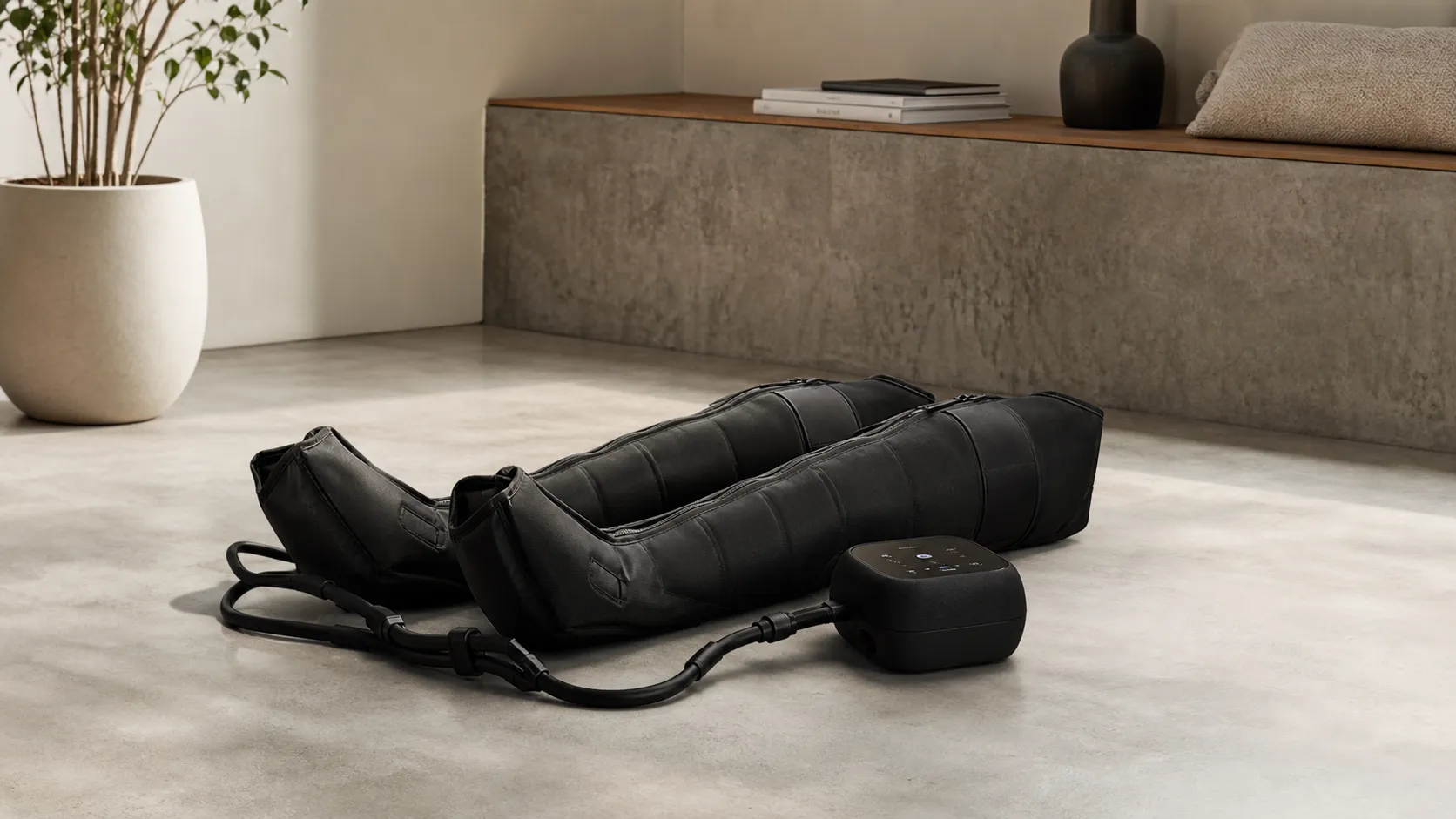
Hyperice Normatec 3.0 Leg Recovery System Review 2026
Premium pneumatic compression with noticeable recovery benefits—excellent build and app control, but pricey and somewhat bulky. Best for frequent athletes and clinics.
 Fitness & Wellness
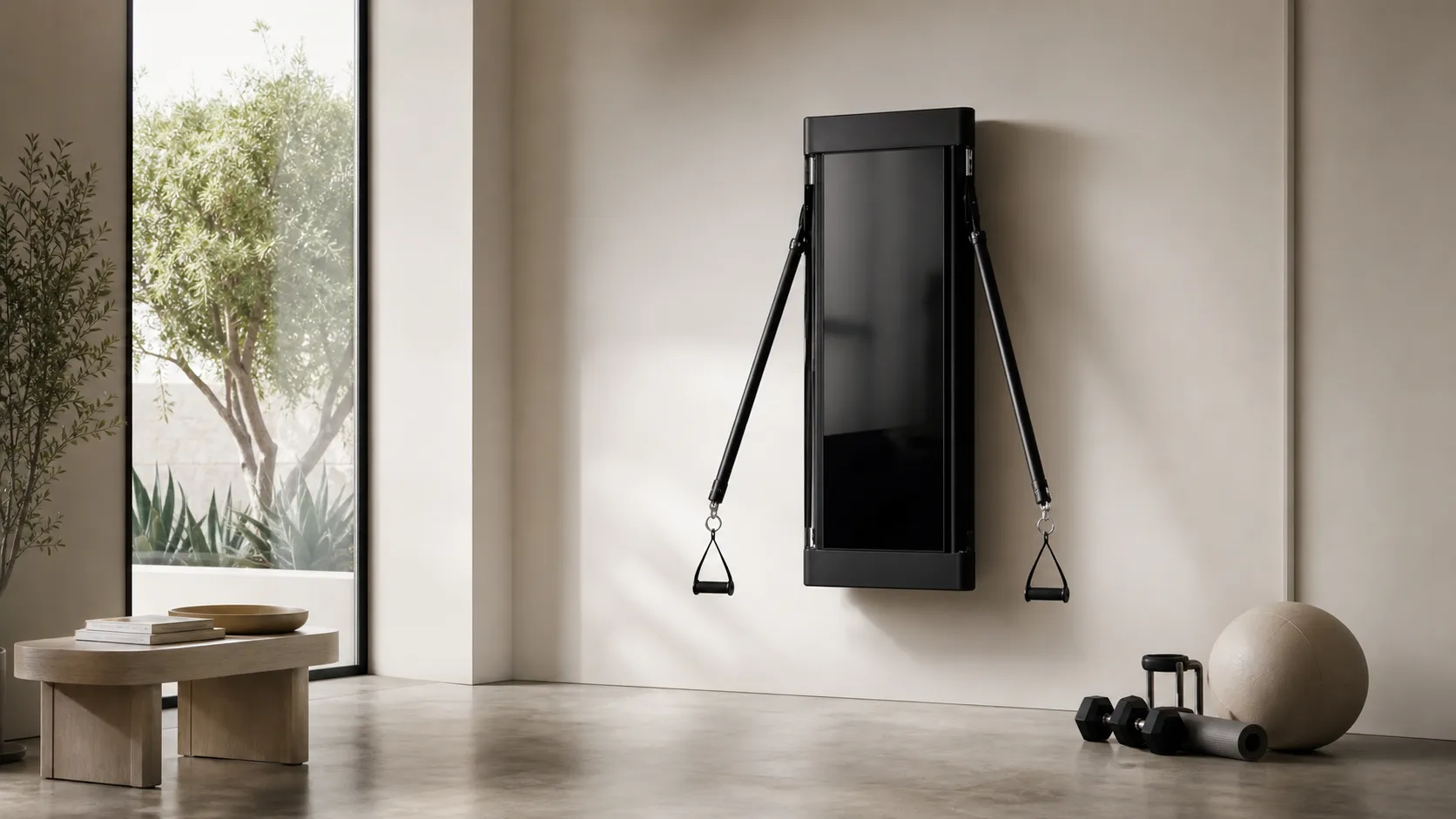
Tonal Smart Home Gym Review 2026
A high-end, wall-mounted smart gym with excellent coaching and space-saving design. Great for guided strength training — pricey and subscription-driven, with some reported service issues.
 Fitness & Wellness
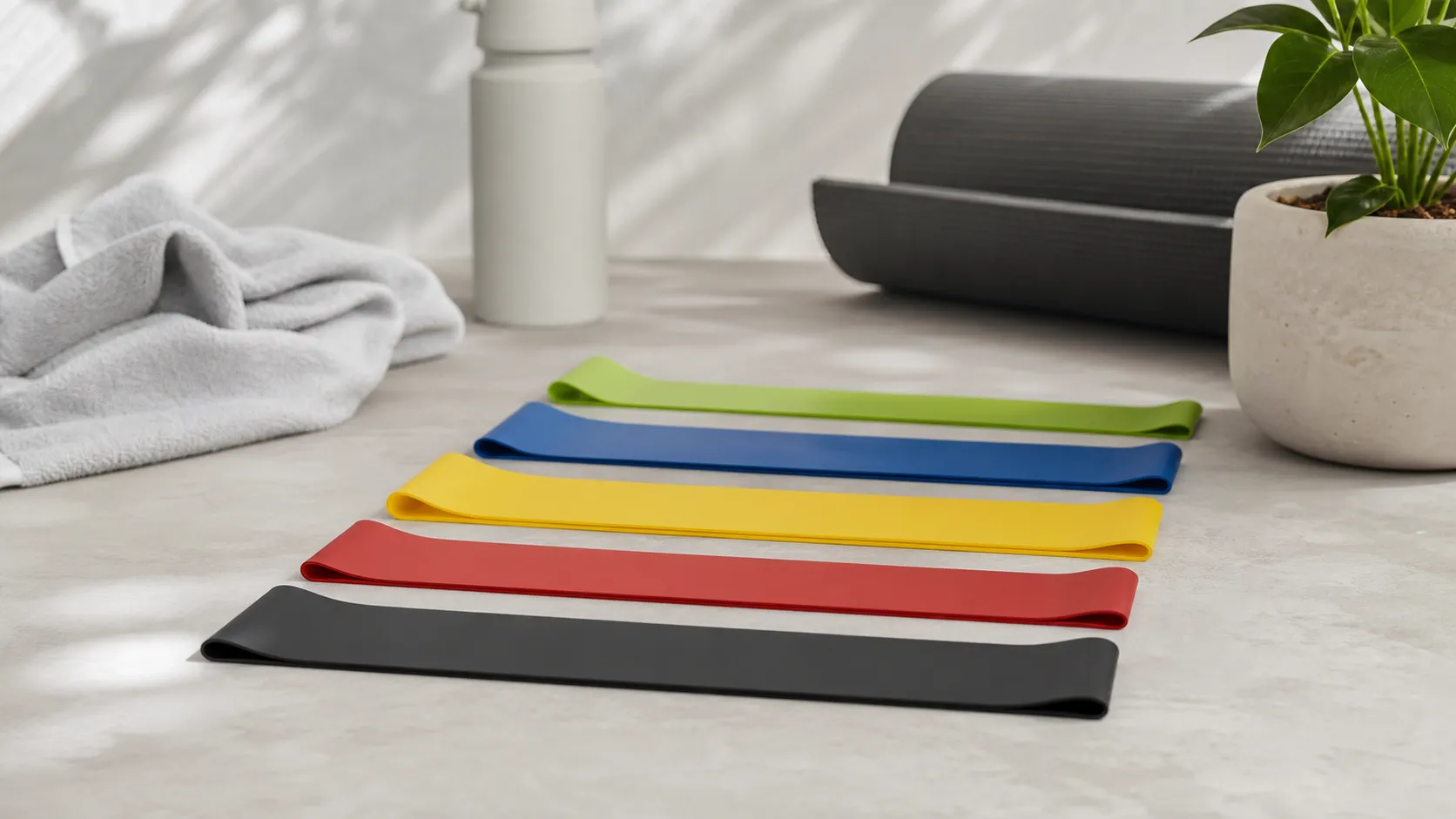
Fit Simplify Resistance Loop Bands Review 2026
Affordable, portable loop bands that excel for beginners, warm-ups, and rehab. Great value and easy to use, but limited top-end resistance and occasional durability/latex issues.