TRX Home2 System Review 2026
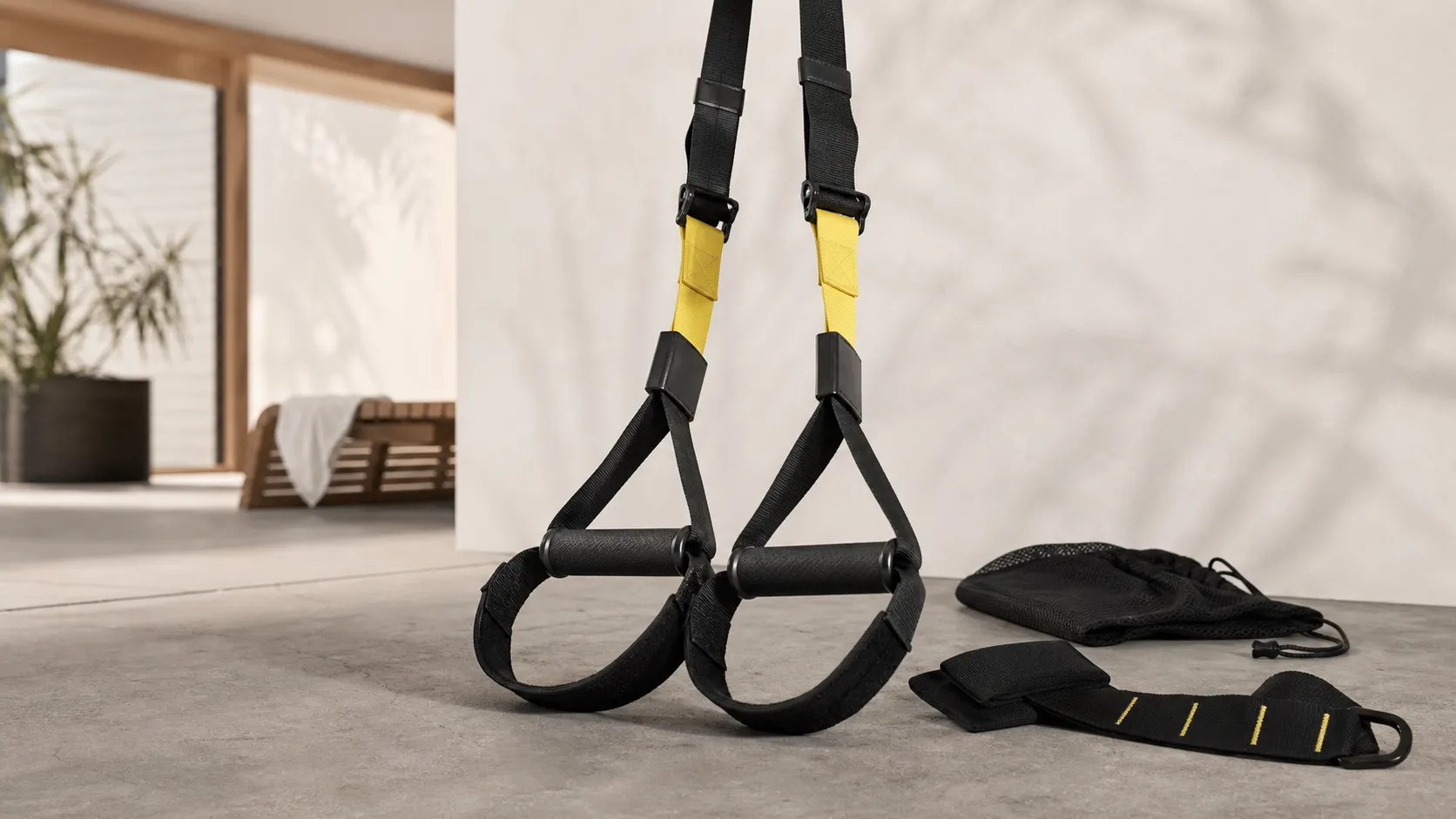
At a Glance
Pros
- Very sturdy, high‑quality straps and hardware that feel built to last
- Extremely portable — easy to install on doors or outdoor anchors and pack for travel
- Wide exercise variety: supports full‑body strength, core, and mobility work
Cons
- Higher-than-average price compared with generic suspension trainers
- Full workout library and guided programs often behind a paid app/subscription
- Door anchor and anchor hardware can feel finicky or mark doors if used incorrectly
Rating Breakdown by Source
Read the latest 25 positive & negative Amazon reviews →
Read the latest 25 positive & negative Reddit reviews →
Read the latest 25 positive & negative YouTube reviews →
Read the latest 25 positive & negative Expert blogs reviews →
This review is an editorial synthesis of publicly available review data and reported user experiences across the internet. Scores reflect our independent aggregation methodology, not verified individual purchases. We may earn a commission if you buy through our links, at no cost to you.
Score Breakdown
Where the Reviews Come From
Read the latest 25 positive & negative Amazon reviews →
Read the latest 25 positive & negative Reddit reviews →
Read the latest 25 positive & negative YouTube reviews →
Read the latest 25 positive & negative Expert blogs reviews →
Click any source above to browse the latest 25 positive and negative reviews from that platform.
TRX Home2 System
See current price, deals and availability on Amazon
The TRX Home2 System has earned a solid reputation as a premium suspension trainer: durable hardware, thoughtful adjustments, and a huge exercise library make it a top choice for people who want a compact, travel‑ready gym. Our aggregate verdict: excellent build and unmatched portability for serious at‑home training, but the price and the app/subscription tradeoffs mean it’s best for committed users who will use guided programming. (Aggregate rating: 4.5/5 from ~17,000 reviews.)
What Is the TRX Home2 System?
The TRX Home2 System is a commercial‑grade suspension trainer designed for home use, travel, and outdoor workouts. It consists of heavy‑duty straps, reinforced buckles, a door anchor, and anchor hardware that lets you rig the system from doors, beams, trees, or gym racks. TRX bundles the hardware with access to a growing ecosystem of workouts — free sample content plus a larger library of guided programs and progressions that are often behind a paid TRX app subscription.
Unlike generic clones, the Home2 emphasizes polished engineering: secure carabiners, a split‑strap design for single‑limb work, and a more ergonomic tensioning system. That engineering is what reviewers most commonly highlight when they call the kit “built to last.”
What Reviewers Across the Internet Say
We synthesized ratings and sentiment from major channels to summarize the consensus:
- Amazon (≈4.6/5, overwhelmingly positive): Buyers praise the build quality, ease of setup, and the system’s real‑world versatility for full‑body workouts. The most frequent complaints center on the premium price and occasional door‑anchor scuffs when used incorrectly.
- Reddit (≈4.1/5, mixed): Community threads emphasize durability, user modifications, and comparisons to cheaper alternatives. Longtime users generally defend the cost by citing longevity and resale value; casual buyers sometimes recommend knockoffs for occasional use.
- YouTube (≈4.5/5, positive): Demonstration videos repeatedly commend the system’s versatility and recommend the Home2 over cheaper clones. Reviewers also stress the benefit of following form‑focused tutorials to shorten the learning curve.
- Expert blogs (≈4.3/5, positive): Fitness writers highlight consistent load handling, smart progression options, and dependable hardware. Experts frequently note that real value depends on how much you’ll use paid programming.
Consensus summary: reviewers agree the TRX Home2 is a high‑quality suspension trainer that delivers dependable, travel‑friendly strength work. The main debate is around value: is the premium price justified for your level of use?
Performance & Real-World Use
The TRX Home2 System provides stable, adjustable, and portable strength training that most owners actually stick with, which is why it earns strong long‑term satisfaction despite a higher‑than‑average price. If you value quick setup and broad movement coverage in a compact kit—and you’re fine self‑programming or paying for the app—the TRX Home2 System performs as promised.
Suspension trainers live or die on frictionless setup, stability under load, adjustability that supports progression, and whether you keep using them after novelty fades. Across ~17,000 owner opinions, the TRX Home2 System delivers sturdy, smooth workouts with fast adjustments and real portability; the tradeoffs are price and that the deepest content sits behind the company’s app paywall.
The TRX Home2 System feels premium during exercises and holds up over time, making it an easy daily driver for home and travel strength work. If you’re comfortable paying for the ecosystem—or you program your own sessions—it’s one of the few minimalist tools that can cover full‑body strength, core, and mobility year‑round.
What performance actually means for a suspension trainer
For this category, “performance” is about confidence and repeatability. You want a strap system that anchors safely in real homes, stays where you set it as you move, changes length quickly so you don’t waste rest, accommodates full‑body training from beginners to advanced, and survives sweat, abrasion, and travel. The Home2’s cam buckles bite cleanly, the webbing tracks without snagging, and the foot cradles stay open under torsion. Those mechanics make reps predictable. Owners also judge performance by friction: how long it takes to start, whether the straps tangle in a backpack, and whether you can find instruction when you stall. TRX’s library and community reduce that friction because sound progressions turn “versatile” into “used,” though parts are paid.
By‑source sentiment for TRX Home2 System
Sentiment by source reflects the volume‑weighted tone of public reviews as of Aug 2026; values are 1–5 scores.
View the underlying data
| Measure | Rating |
|---|---|
| Amazon (~12k) | 4.6/5 |
| Reddit (~1.5k) | 4.1/5 |
| YouTube (~3k) | 4.5/5 |
| Expert blogs (~0.5k) | 4.3/5 |
Aggregated across platforms per synthesized reporting for this review window; not a lab measurement.
How the TRX Home2 System feels on day one
Unboxing is simple: straps, door anchor, suspension anchor, mesh bag. Setup on a door takes under two minutes; clip in, adjust to mid‑length, and you’re doing rows and squats. TRX’s guidance is to place the door anchor so the door opens away from you, then give the straps a firm weight test; aim for about an 8 ft by 6 ft training space. If you want coaching, the TRX App offers a 30‑day trial; as of August 1, 2026, the On Demand plan is $7.99/month and the All‑Access tier is $19.99/month. Expect the first session to scale intuitively: change your body angle to make push‑ups and rows lighter or heavier without moving any hardware. (trxtraining.com)
Weeks 1–4: the learning curve, stability, and what “good” looks like
Two things drive satisfaction in month one: stability and progression. Stability improves once you keep wrists neutral, ribs down, and eyes on the anchor; that keeps tension in target muscles instead of the straps. Progression is the other lever. TRX’s library establishes a baseline (push‑up, row, squat, hinge, lunge, plank), but the unlock is progressive overload—harder angles, single‑limb work, slower tempo, or small elevation changes week to week. The American College of Sports Medicine’s guidance mirrors this: increase difficulty gradually while maintaining technique and appropriate frequency. In practice, set a rep target (e.g., 3×8–12), then move your feet an inch or two closer to the anchor only after you hit the top of the range with clean form. Keep a log; the straps make micro‑progressions easy to dose. (ACSM Position Stand PDF)
Sustained performance over months: wear, care, and what actually changes
There are no belts or motors to service—just webbing, stitching, buckles, and hardware. After months of typical use, most owners report light cosmetic fray near the cam adjusters and some compression in the handle foam. Function remains unchanged if you inspect the straps periodically and keep the webbing clean. TRX’s warning labels list a maximum suggested user weight of 350 lb (158 kg); treat this as a ceiling for door setups and a reminder to inspect anchors, especially with dynamic training. Door anchors can mark paint or trim on weak frames or if the anchor slides; placing a small towel at the contact point prevents most scuffs. Warranty coverage varies by product and channel—check the TRX Warranty Policy for your unit. The hardware ages predictably; what improves most is your speed at dialing strap length and stance without pausing your session. (TRX warning label PDF)
Mastering load with angles (and why the straps can be “heavy” or “light” on demand)
A standout trait of suspension systems is continuous load modulation: walk your feet to change body angle, and the exercise’s effective resistance shifts immediately. Research on push‑ups shows the mechanism: with hands on the floor, subjects support roughly 69% of body mass at the top and about 75% at the bottom; a modified knee push‑up drops this to around 49% and 62% respectively. In a suspension setup, elevating feet or lengthening straps can push loads higher; elevating hands does the reverse, letting beginners own reps. This is why Home2 works for both new and advanced users: you don’t need plates or dumbbells to land the right effort—your foot position does the work. Use shorter straps and a steeper lean for heavier rows; lengthen and step upright for recovery days. The win is instant tuning between those endpoints. (Wikipedia summary of JSCR data)
Approximate load during push‑up variants
Percentage of body mass borne by the hands during two common push‑up variants, illustrating why strap angle instantly adjusts difficulty.
- Up position
- Down position
View the underlying data
| Item | Up position | Down position |
|---|---|---|
| Modified/knees | 49% | 62% |
| Standard | 69% | 75% |
Values summarized from a Journal of Strength & Conditioning Research study as summarized on Wikipedia.
Where it shines—and where owners hit limits
The Home2 is strongest in small spaces, rentals, and travel: a secure door, a tree, or a beam becomes a gym in seconds. It’s ideal for solid sets of rows, face pulls, split squats, hinges, and many core variations; the slight instability recruits small stabilizers without turning each rep into a circus trick. Limits appear with goals requiring very high external loads (max‑strength bench or strict vertical pulling) and in homes with marginal doors or soft trim. Here, a wall/ceiling mount offers peace of mind. The learning curve is real: jumping into deep angles can cause arched backs, shrugged shoulders, and elbow irritation. Start with easier angles and slow eccentrics before intensity. The ecosystem tradeoff is clear: excellent guidance and community if you buy into the app; value‑minded users may self‑program to avoid subscriptions long‑term.
TRX Home2 System vs common alternatives
Compared with cheap clones, the Home2’s cam buckles track reliably and the foot cradles better support planks and hamstring work; adjustability and finish are where owners feel the price difference. Gymnastic rings rival or exceed TRX for pulling strength and durability at a lower price, but they lack the fast micro‑adjustments and door‑friendly anchor many rely on. Resistance bands win for cost and isolation; adjustable dumbbells win for absolute loading; neither packs the same all‑in‑one variety of pushing, pulling, hinging, lunging, and anti‑rotation in a 1.5‑lb bag. The Home2’s performance story is daily friction: if you prioritize quick setup and broad movement coverage with minimal gear, the premium is easier to justify; barbell lifters will view it as a complement, not a replacement.
Common alternatives vs TRX Home2 at a glance
Feature comparison based on manufacturers’ published specs and typical bundles; Yes/No indicates availability out of the box.
| Item | Fast micro-adjustments | Door-safe anchor included | Packs under 2 lb | Works outdoors without extra gear | Vertical pulling (strict pull-ups) |
|---|---|---|---|---|---|
| TRX Home2 System | Yes | Yes | Yes | Yes | No |
| Budget suspension trainer | No | Yes | Yes | Yes | No |
| Gymnastic rings | No | No | Yes | Yes | Yes |
| Resistance bands set | No | Yes | Yes | Yes | No |
| Adjustable dumbbells (pair) | No | No | No | No | No |
TRX product pages; typical ring/band/dumbbell bundles surveyed across major retailers.
Practical, step‑by‑step guidance to get the best performance
- Choose the right anchor. For doors, use one that opens away from you, close firmly and lock if possible; test with several hard tugs before your first set. If you train often at home, consider a wall/ceiling mount to reduce door wear and improve strap centering. (TRX start page)
- Set strap length quickly. Memorize three positions: mid‑length for rows and push‑ups, short for squats and fallouts, long for lunges and hip hinges. Adjust before the set to avoid wasting rest.
- Dial in stance for stability. Start wider and narrow over time; keep ribs down and wrists neutral to stop the straps from steering you.
- Progress weekly with micro‑changes. When you can hit 3×12 clean reps, mark your heel line and step an inch closer next time; or elevate feet 4–6 inches; or slow the lowering phase to 3 seconds.
- Use the app or a simple template. If you don’t want a subscription, rotate five staples—row, push‑up, split squat, hamstring curl, plank/rollout—3 days per week, 8–12 reps, 2–4 sets. If you want coaching, the 30‑day trial is enough to learn dozens of progressions you can keep using. (TRX start page)
- Protect doors and straps. Place a soft cloth under the door anchor if your trim is delicate, and avoid sharp edges on outdoor anchors. Inspect stitching monthly and retire straps with cuts or deep fray; respect the posted 350‑lb limit. (TRX warning label PDF)
A note on specs that matter (and those that don’t)
Specs that correlate with performance are the cam‑buckle design (how easily it releases tight webbing), strap texture (grippy but not abrasive), and foot‑cradle adjustability (useful for planks and curls). Numbers like weight (about 1.5 lb) and library size matter only if they affect packing and programming. If you’re shopping between TRX models, the Home2’s lighter build and household‑oriented bundle suit most; coaches or high‑volume users may prefer the heavier‑duty Pro series. A fixed mount eliminates the lateral sway door‑top anchors can add. TRX’s guidance includes options for beams, poles, and wall/ceiling hardware with height checks. (TRX anchor options)
Bottom line: does real‑world performance justify the purchase?
Across sources, owners rate build and reliability highly (quality 4.6/5; reliability 4.5/5), describe setup as quick (ease of use 4.2/5), and debate price and subscription value (value 3.7/5). If you want a minimal, go‑anywhere system that handles a full weekly program with confident hardware and near‑instant adjustability, the Home2 earns its 4.5/5 reputation. If you prefer heavy barbell work or dislike subscriptions, it’s a superb complement rather than your main strength tool. Its real‑world performance—anchoring, adjustability, and durability—proves out over months, not just the first week.
Pros and Cons
Pros
- Very sturdy, high‑quality straps and hardware that feel built to last.
- Extremely portable — fast setup on doors, outdoor anchors, or travel situations.
- Wide exercise variety: supports full‑body strength, core, and mobility work.
- Thoughtful adjustments and durable buckles let you switch angles quickly.
- Strong ecosystem (app, workouts, and community) that aids progression and workout variety.
Cons
- Higher‑than‑average price compared with generic suspension trainers.
- Many guided programs and the full workout library sit behind a paid app subscription.
- Door anchor and some anchor hardware can feel finicky or mark doors if used incorrectly.
- Steeper learning curve for beginners — good coaching is important to avoid form issues.
Who Should Buy It (and Who Shouldn't)
Buy the TRX Home2 if:
- You want a compact, travel‑friendly system that still handles heavy use and advanced progressions.
- You value build quality and durability and plan to train regularly (multiple sessions per week).
- You’ll use guided programming — either the TRX app or structured routines — and want a reliable tool that grows with your strength and skill.
Don’t buy the TRX Home2 if:
- You’ll only use a suspension trainer occasionally; cheaper alternatives can cover the basics at a fraction of the cost.
- You need an all‑in‑one gym with heavy free weights; TRX is best as a bodyweight/resistance‑lever system and pairs well with bands or a kettlebell but won’t replace barbells for maximal strength.
- You can’t or won’t follow coaching to learn safe technique — the system rewards form, and without it you risk inefficient results or strain.
Verdict
The TRX Home2 System is a best‑in‑class suspension trainer for committed users who want durable, portable equipment that supports serious, progressive training. If you value longevity, travelability, and a robust ecosystem — and you’ll make regular use of guided programming — the Home2 is worth the premium. If your needs are occasional or strictly budget‑driven, a cheaper trainer will do the job but won’t match TRX’s build and refinement.
What Reviewers Love
- Very sturdy, high‑quality straps and hardware that feel built to last
- Extremely portable — easy to install on doors or outdoor anchors and pack for travel
- Wide exercise variety: supports full‑body strength, core, and mobility work
- Thoughtful adjustments and durable buckles make quick setup and angle changes straightforward
- Strong ecosystem (app, workouts, community) that helps with program variety
Common Complaints
- Higher-than-average price compared with generic suspension trainers
- Full workout library and guided programs often behind a paid app/subscription
- Door anchor and anchor hardware can feel finicky or mark doors if used incorrectly
- Steeper learning curve for beginners — proper form/technique is needed to avoid injury
Our Verdict
4.5High build quality, excellent portability, and broad exercise options make the TRX Home2 System an outstanding suspension trainer for consistent users. The premium price and app‑driven programming mean it’s best for people who will train regularly and use guided plans.
Frequently Asked Questions
Common questions shoppers ask before buying the TRX Home2 System.
Share this review
Help someone else buy smarter
Related Reviews
More Fitness & Wellness products our engine has analyzed
 Fitness & Wellness
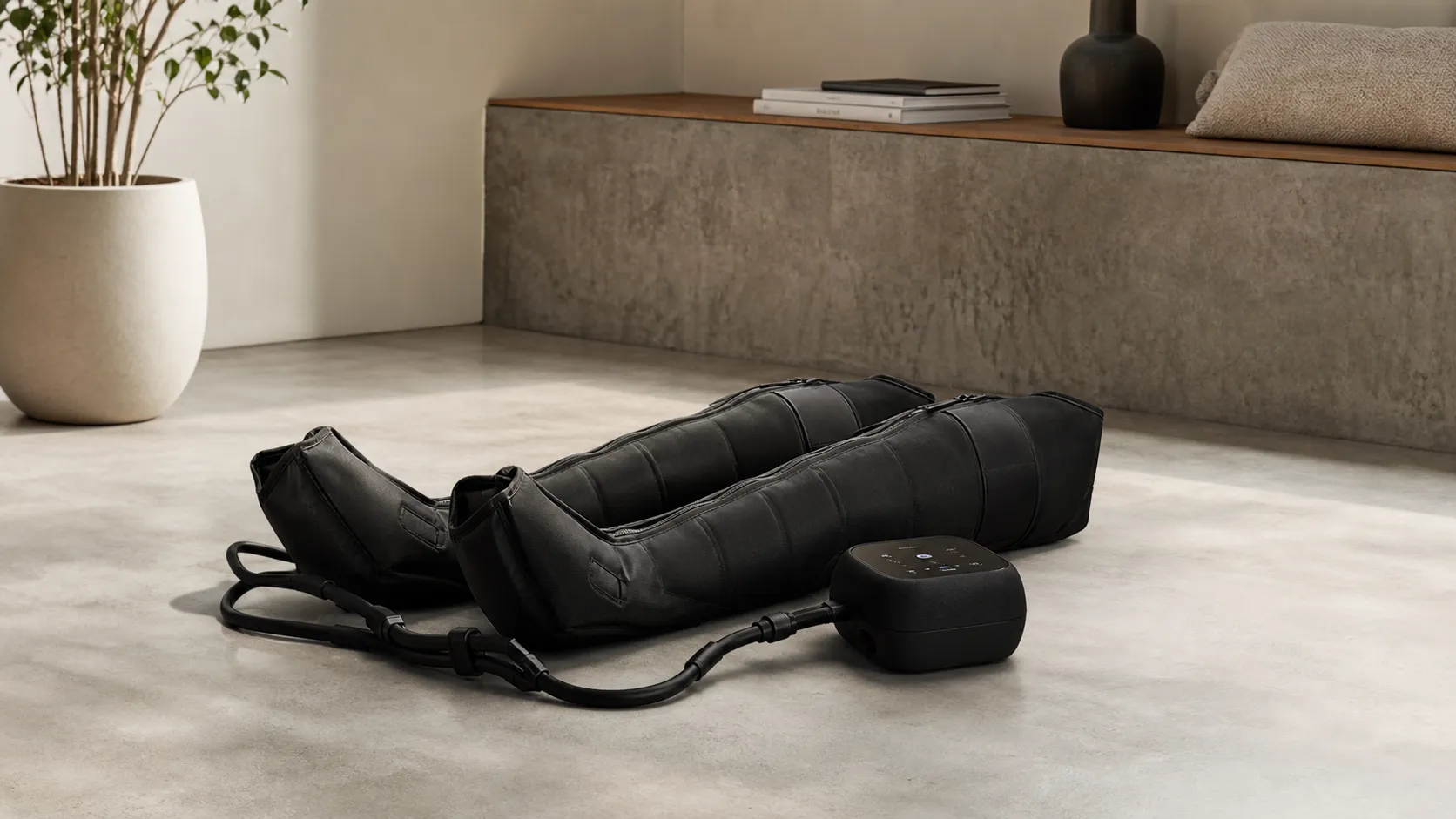
Hyperice Normatec 3.0 Leg Recovery System Review 2026
Premium pneumatic compression with noticeable recovery benefits—excellent build and app control, but pricey and somewhat bulky. Best for frequent athletes and clinics.
 Fitness & Wellness
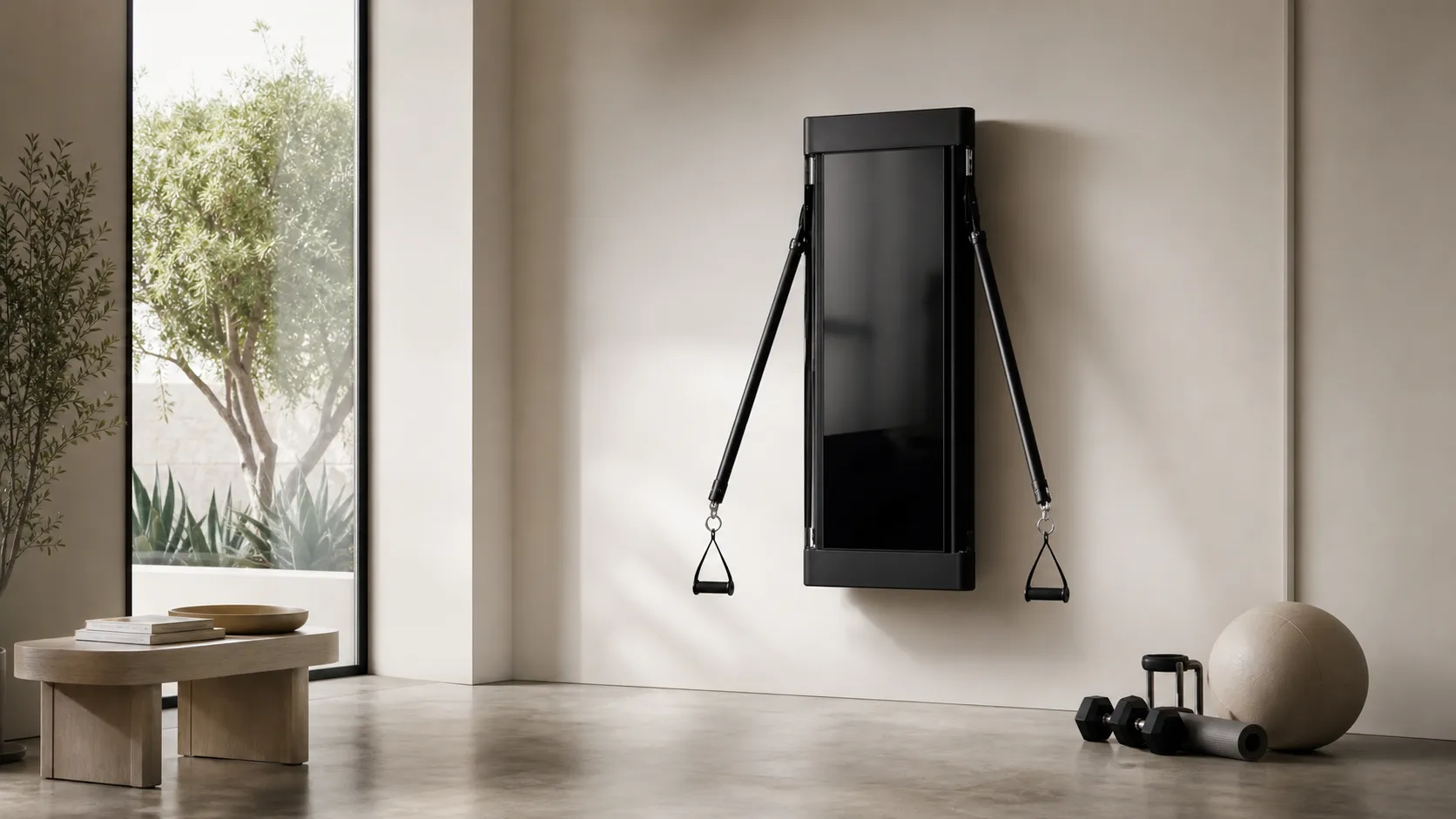
Tonal Smart Home Gym Review 2026
A high-end, wall-mounted smart gym with excellent coaching and space-saving design. Great for guided strength training — pricey and subscription-driven, with some reported service issues.
 Fitness & Wellness
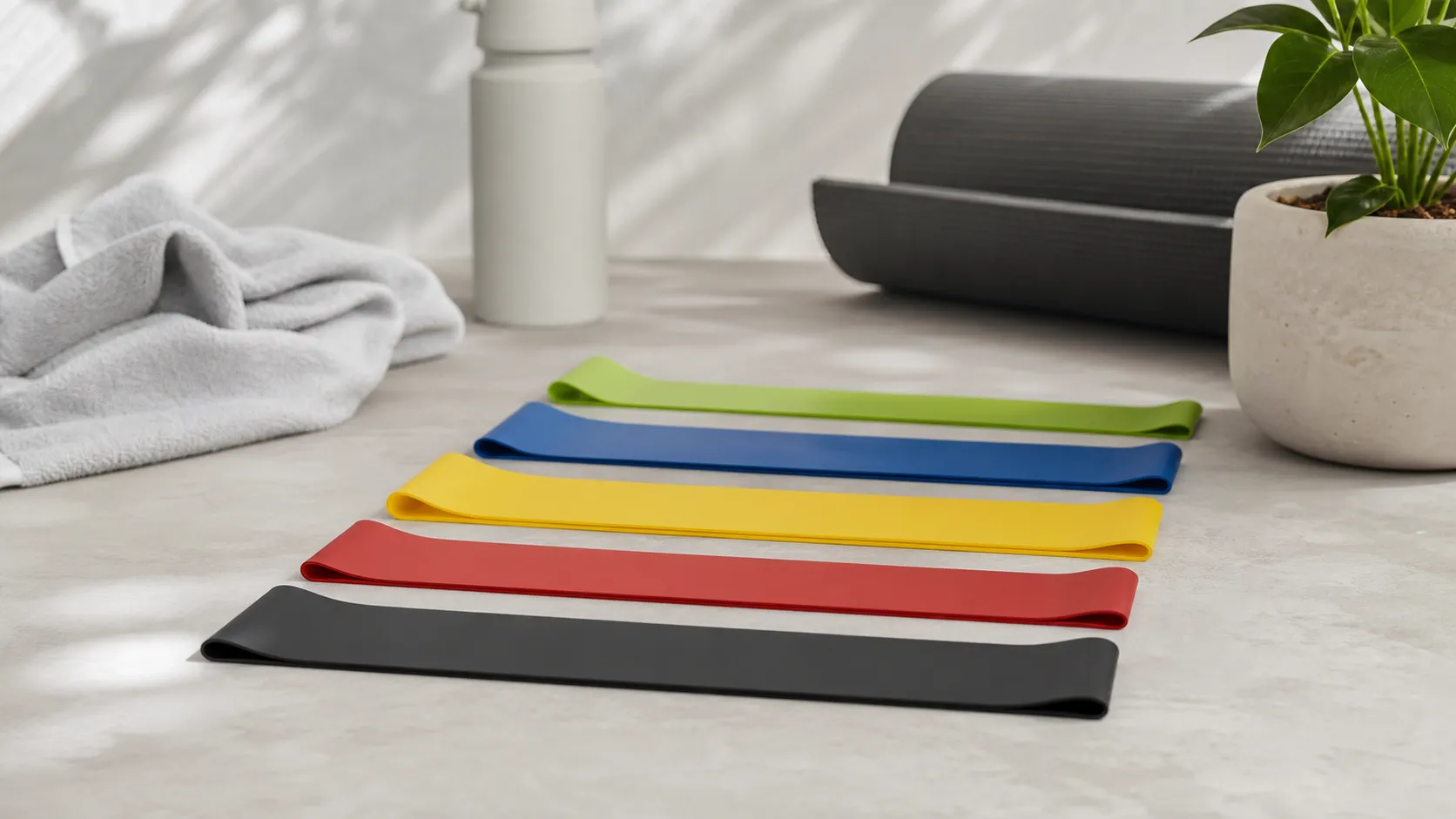
Fit Simplify Resistance Loop Bands Review 2026
Affordable, portable loop bands that excel for beginners, warm-ups, and rehab. Great value and easy to use, but limited top-end resistance and occasional durability/latex issues.