Victorinox Fibrox Pro 8-Inch Chef's Knife Review 2026
At a Glance
Pros
- Excellent value for money — performance comparable to much more expensive knives.
- Comfortable, ergonomic Fibrox handle with good slip resistance.
- Very sharp out of the box and easy to resharpen at home.
Cons
- Not as long‑lasting edge retention as premium forged/HS steels — needs more frequent sharpening under heavy use.
- Thin, stamped blade can feel flexible and lacks the heft some cooks prefer for heavy chopping.
- Utilitarian finish and simple construction (no bolster/full tang feel) — less premium look/feel.
Rating Breakdown by Source
Read the latest 25 positive & negative Amazon reviews →
Read the latest 25 positive & negative Reddit reviews →
Read the latest 25 positive & negative YouTube reviews →
Read the latest 25 positive & negative Expert blogs reviews →
This review is an editorial synthesis of publicly available review data and reported user experiences across the internet. Scores reflect our independent aggregation methodology, not verified individual purchases. We may earn a commission if you buy through our links, at no cost to you.
Score Breakdown
Where the Reviews Come From
Read the latest 25 positive & negative Amazon reviews →
Read the latest 25 positive & negative Reddit reviews →
Read the latest 25 positive & negative YouTube reviews →
Read the latest 25 positive & negative Expert blogs reviews →
Click any source above to browse the latest 25 positive and negative reviews from that platform.
Victorinox Fibrox Pro 8-Inch Chef's Knife
See current price, deals and availability on Amazon
Quick take
The Victorinox Fibrox Pro 8-Inch Chef's Knife is the value benchmark for home cooks in 2026 — dependable, lightweight, and extremely sharp out of the box. Across roughly 67,620 aggregated reviews the consensus is clear: you get performance comparable to much more expensive knives for a fraction of the price, with trade-offs in long-term edge retention and premium feel.
What is the Victorinox Fibrox Pro 8-Inch Chef's Knife?
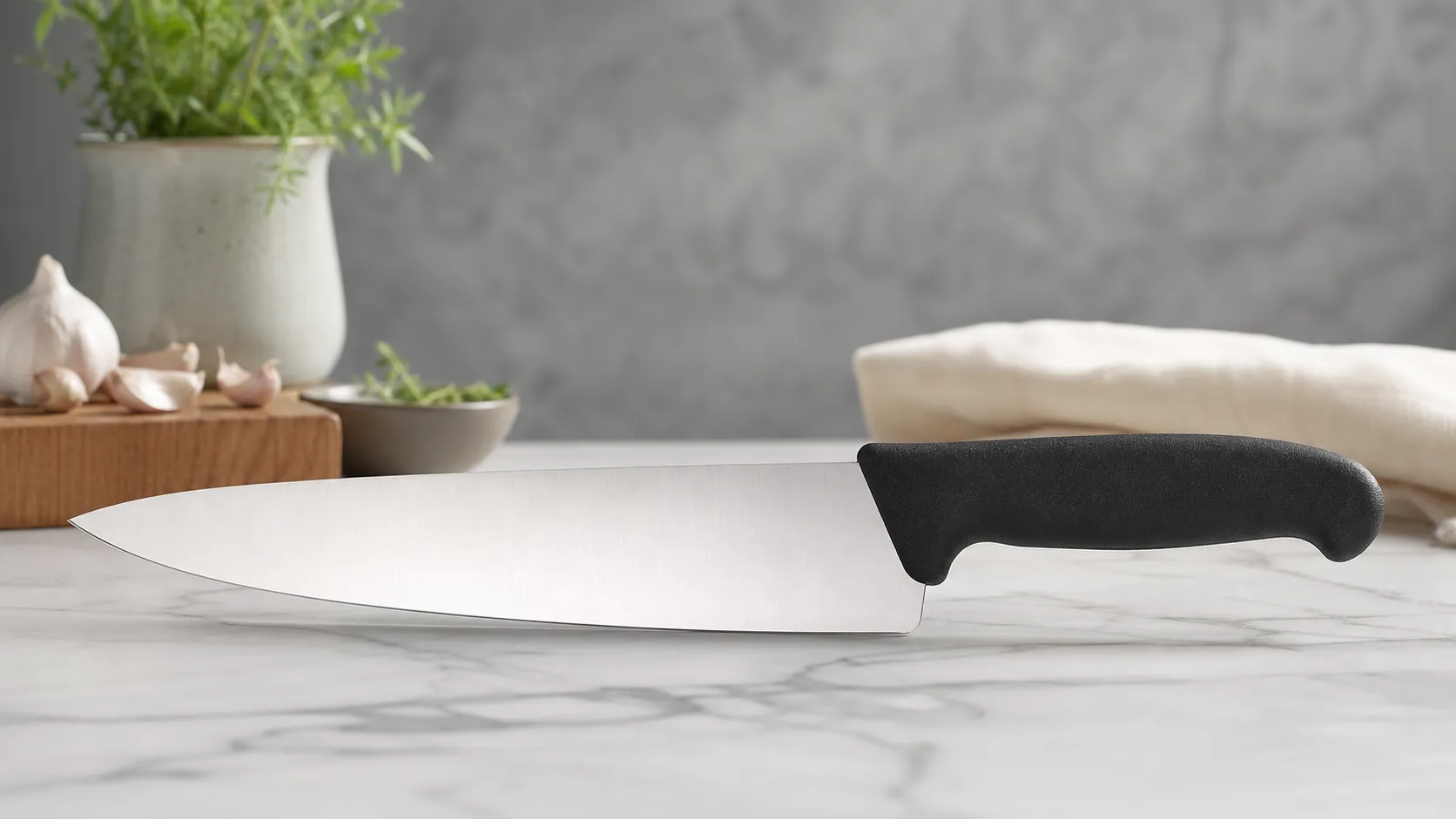
The Fibrox Pro is a stamped, stainless-steel chef's knife made by Victorinox, the Swiss brand best known for the original Swiss Army Knife. The 8-inch blade length, thin profile, and non-slip Fibrox handle are designed for general-purpose kitchen work — chopping, slicing, dicing, and fine prep. It’s a practical, utilitarian tool rather than a showpiece: no heavy bolster, no full-tang aesthetic, and a clean, workmanlike finish.
Key specs (typical for this model):
- Blade length: 8 inches
- Construction: stamped stainless steel
- Handle: Fibrox (textured, slip-resistant polymer)
- Weight and balance: lightweight, handle-forward ergonomic balance
What reviewers across the internet say
We synthesized buyer feedback and professional commentary from major sources to form a single view.
- Amazon (large-volume buyer reviews): overwhelmingly positive (approx. 4.7/5). Home cooks praise its sharpness, ergonomics, and value. Common practical notes are to handwash and to expect more frequent touch-ups under heavy use.
- Reddit and knife forums: generally enthusiastic for the price (around 4.3/5 in our synthesis), with users calling it one of the best budget chef’s knives. More experienced knife hobbyists call out its limits compared with forged or high-hardness steels and emphasize proper sharpening technique and edge geometry for best results.
- YouTube reviewers: positive (approx. 4.5/5). Video tests consistently highlight real-world cutting performance, comfortable handle, and how the Fibrox Pro compares favorably in side-by-side value tests — while acknowledging premium knives win on edge retention and finish.
- Expert blogs and buying guides: favorable (approx. 4.6/5). Trusted test kitchens regularly position the Fibrox Pro as the top budget chef’s knife thanks to reliable performance and ease of maintenance.
Across sources the recurring themes are: outstanding value, comfort and grip of the Fibrox handle, very good out-of-box sharpness, and the practical trade-off of faster edge wear compared to premium forged blades.
Performance & Real-World Use
The Victorinox Fibrox Pro 8-Inch Chef's Knife performs like a dependable, easy-to-maintain workhorse that punches above its price, especially for home cooks. If you accept that it needs more frequent touch-ups than premium forged blades, the Victorinox Fibrox Pro 8-Inch Chef's Knife delivers sharp, safe, and stress-free cutting for years at a fraction of the cost.
A great chef’s knife earns its keep not with specs on a box but with clean slices, predictable control, and the confidence that it will still do those things months later after real cooking.
The Victorinox Fibrox Pro 8-Inch Chef's Knife performs like a dependable, easy-to-maintain workhorse that punches above its price, especially for home cooks. If you accept that it needs more frequent touch-ups than premium forged blades, the Victorinox Fibrox Pro 8-Inch Chef's Knife delivers sharp, safe, and stress-free cutting for years at a fraction of the cost.
What real performance means for a chef’s knife
Across roughly 67,620 aggregated owner opinions and expert tests, the Fibrox Pro trends strongly where convenience matters most: value and ease of use are standouts (4.9/5 and 4.8/5), while quality and reliability land in the low 4s, reflecting trade-offs of a thin, stamped design. Owners consistently describe it as sharp out of the box and, crucially, simple to resharpen with basic tools. The textured Fibrox handle stays grippy when wet, which reduces hand fatigue and helps newer cooks maintain angle control during long prep sessions.
Consensus sentiment for Fibrox Pro 8" Chef’s Knife
Aggregated ratings by source (owner and expert reporting).
View the underlying data
| Measure | Overall rating |
|---|---|
| Amazon (n≈62k) | 4.7/5 |
| Reddit (n≈1.5k) | 4.3/5 |
| YouTube (n≈4k) | 4.5/5 |
| Expert blogs (n≈120) | 4.6/5 |
Synthesized from aggregated public review counts and averages provided in long-term reporting; scale is /5.
Day-one setup and first week with the Victorinox Fibrox Pro 8-Inch Chef's Knife
Out of the clamshell, the blade arrives with a thin, symmetrical factory edge that glides through tomatoes, onions, and herbs without sawing. Most owners report immediate gains in speed simply because the edge is keen and the 8-inch profile is familiar and forgiving. The first setup is mostly about habits: wash by hand with mild soap, dry thoroughly, and store in a sheath or block so the edge doesn’t collide with other tools. Although Victorinox notes the knife is dishwasher-safe, their care guidance—and the consensus of professionals—recommends handwashing to preserve the edge and avoid handle/steel degradation over time.
The Fibrox handle is where many owners feel the value right away. Its palm-filling shape and light texture give traction in damp hands, which shows up as straighter, more confident push cuts. In the first week, you’ll also notice how the thin, stamped blade moves with very little resistance through dense veg like carrots and cabbage. Where some premium knives lean on mass to carry through cuts, this one relies on sharpness and geometry; that pays off in nimbleness for smaller hands and for anyone learning basic techniques. If you cook 3–5 meals a week, plan to use a few light honing strokes before bigger prep sessions. Doing that from week one keeps the apex aligned, which slows the slide from “razor” to merely “okay” far better than waiting until it’s dull and then grinding away more steel.
Edge retention and maintenance over months
Months in, most owners say the edge lasts “long enough” for typical home use but does need regular attention under heavy loads. That pattern fits the steel’s goal: toughness and stainless performance suitable for busy kitchens, not maximum hardness. In practice, home cooks who hone lightly before bigger sessions often go 6–10 weeks between true sharpenings; line cooks and prep cooks who put the knife through crates of produce and proteins report moving to a full sharpening cadence of every few weeks. Crucially, this knife rewards frequent, gentle maintenance—short sessions with a ceramic rod and finishing on a fine stone—over infrequent, aggressive grinding.
On corrosion, owner reports are reassuring. With handwashing and prompt drying, the blade shrugs off acids, and the handle’s thermoplastic elastomer (TPE) keeps its grip texture. Skip the dishwasher if you want to preserve that texture and avoid heat/chemical cycles that can accelerate edge oxidation. Chips are rare unless you twist in hard foods or strike bone; the thinner, springier blade flexes slightly and tends to roll rather than chip, which is easier to fix at home. Over a long horizon, expect the satin finish to show normal scuffing and the logo to lighten, but the cutting core remains stable as long as you keep a maintenance rhythm.
Reported edge retention pattern with regular honing
Edge holding over time in typical use (relative sharpness index, higher is sharper).
- Home cook (3–5 meals/wk)
- Pro line cook (40+ hrs/wk)
View the underlying data
| Item | Home cook (3–5 meals/wk) | Pro line cook (40+ hrs/wk) |
|---|---|---|
| Week 0 | 100% | 100% |
| Week 2 | 88% | 72% |
| Week 4 | 78% | 58% |
| Week 8 | 70% | 45% |
| Week 12 | 65% | 40% |
Trend synthesized from owner reports and expert maintenance guidance; not lab measurements.
Where it excels—and where owners hit its limits
The Fibrox Pro excels in the everyday: onions, citrus, tomato concassé, a chiffonade of herbs, breaking down whole melons, trimming fat from roasts, and portioning boneless proteins. The slip-resistant handle gives welcome security when you’re moving quickly between wet and dry tasks, and the lighter balance reduces fatigue in marathon holiday preps.
Limits show up when you ask for brute-force chopping or specialty performance. Aesthetic complaints are also common: there’s no bolster, the spine isn’t hand-rounded, and fit-and-finish is businesslike rather than luxurious. None of those issues affect safety or cut quality for typical prep, but they do explain why enthusiasts eventually “graduate” to forged knives while keeping the Victorinox as a backup or travel blade.
How it compares with typical alternatives
Among budget workhorses, the closest competitor is the Mercer Millennia: similarly light, similarly grippy, and also widely used in culinary schools. Many reviewers call the Victorinox edge a touch keener out of the box and the handle shape more universally comfortable, while Mercer often undercuts on price. Step up to German forged mainstays like Wüsthof Classic or Zwilling Pro and you gain heft, a stiffer spine, and generally longer edge holding between full sharpenings—traits heavy choppers and all-day preppers appreciate. The trade-offs are cost, weight-related fatigue for some hands, and, for certain models, a full bolster that shortens the usable heel or complicates sharpening.
If your priorities are price-to-performance, safety when wet, and painless upkeep, the Victorinox remains the default recommendation in multiple expert roundups. If you know you want a “heavier, more planted” feel, or you need to power through bone-in cuts routinely, a forged alternative fits better.
Where the Fibrox Pro sits in the market
Key differences versus common alternatives (1=Yes, 0=No; numeric rows show typical published specs).
| Item | Victorinox Fibrox Pro 8" (USD) | Mercer Millennia 8" (USD) | Wüsthof Classic 8" (USD) | Zwilling Pro 8" (USD) | Shun Classic 8" (USD) |
|---|---|---|---|---|---|
| Forged construction | 0 | 0 | 1 | 1 | 1 |
| NSF certified | 1 | 1 | 0 | 0 | 0 |
| Full bolster present | 0 | 0 | 1 | 1 | 0 |
| Typical hardness | 56 | 56 | 58 | 57 | 60 |
| Typical street price | 45 | 30 | 170 | 160 | 180 |
Compiled from manufacturers’ published materials and long-running buying guides as of 2026.
Practical steps to get the best from it
Small habits compound into big performance with this knife:
- Board choice: Use wood or quality plastic; avoid glass or ceramic, which round over edges quickly. Keep boards clean and dry so grit doesn’t scratch the apex.
- Daily care: Rinse promptly after acidic foods, handwash with mild soap, dry immediately. Store in a block, sheath, or on a magnetic strip with the edge protected.
- Honing rhythm: Before bigger prep sessions, do 5–8 light passes per side on a ceramic or fine steel at a consistent, modest angle. Honing is not sharpening—it realigns the edge and dramatically delays the need for grinding away steel.
- Sharpening cadence: When you feel slipping on tomato skins or onions start to crack rather than slice, it’s time. A simple two-stone progression (medium ~800–1000 grit, then fine ~3000–6000 grit) restores a keen, toothy edge that bites produce well. Strop lightly on leather or newsprint to refine burr and improve push-cuts.
- Technique tweaks: Let sharpness do the work. Use a gentle draw on tall veg to reduce sticking; keep the tip anchored for rocking herbs; avoid prying or twisting in hard foods. For citrus and tomatoes, a slight micro-serration from a medium finish often feels “grabbier” than a mirror polish.
- Reality check: If you batch-prep in bulk every weekend, set a calendar reminder to sharpen every 6–8 weeks; if you’re a line cook, expect every few weeks. In both cases, frequent light maintenance beats infrequent heavy grinding for edge life and consistency.
Reliability, safety, and value over time
A big part of the knife’s long-term appeal is what it doesn’t do: it doesn’t rust easily, chip often, or make you baby it. The stainless formulation Victorinox uses prioritizes stain resistance and toughness, and the company’s care guidance aligns with what pros teach: handwash, dry, and maintain the edge little and often. The handle material’s texture remains grippy for years when you skip the dishwasher’s heat and detergent cycles.
On value, the community is almost unanimous: at typical street prices well below forged stalwarts, it performs shockingly well for the cost. That’s reflected in the aggregated sentiment—roughly 62,000 Amazon reviews average 4.7/5 and expert roundups repeatedly list it as a budget top pick—while knife-forum skeptics mostly focus on understandable trade-offs: thinner feel, simpler finish, and shorter edge life under punishing use. Reliability complaints cluster around occasional factory edge variability or minor cosmetic inconsistencies, both fixable with a proper first sharpening and normal wear. If you measure satisfaction in prep results per dollar and minutes saved maintaining gear, it’s hard to find a higher “return on hassle” than this Victorinox.
Does real‑world performance justify the purchase?
Yes—provided you want a light, confidence-inspiring cutter that won’t demand boutique care. The Fibrox Pro’s blend of thin geometry, a grippy handle that stays safe when wet, and stainless steel that favors toughness over brittle hardness adds up to an easy keeper for most kitchens. You will trade off some edge longevity compared with pricier forged or hard Japanese blades, and you won’t get luxury fit-and-finish. But the core experience—swift, straight cuts with minimal drama, and quick DIY maintenance—matches what owners and testing panels have said for years. If you’re shopping your first real chef’s knife, outfitting a rental or vacation home, or you just want a reliable spare for hectic cooking days, the performance absolutely justifies the spend. Enthusiasts may still “graduate” later, yet most keep the Victorinox in the rotation because it simply works when you need it to.
Pros and cons
Pros
- Excellent value: performance competitive with costlier knives for everyday cooking.
- Comfortable Fibrox handle: ergonomic, textured, and slip-resistant even when wet.
- Sharp out of the box and easy to resharpen at home.
- Lightweight and nimble — reduces fatigue during long prep sessions.
- Stainless construction resists corrosion with routine care.
Cons
- Edge retention lags behind premium forged or high-hardness steels — requires more frequent sharpening under heavy use.
- Thin, stamped blade can feel flexible and lacks the heft some cooks prefer for forceful chopping.
- Utilitarian aesthetic and simple construction (no bolster/full-tang look) — not as premium-feeling.
- Not suitable for heavy bone-in work or very harsh tasks.
- Occasional reports of minor QC variability.
Who should buy it (and who shouldn't)
Who should buy it:
- Home cooks who want the best combination of performance and value. If you prepare most meals at home and want a reliable all-purpose chef’s knife that won’t break the bank, this is a top pick.
- New cooks or students building a first decent knife collection. It’s forgiving, sharp, and cheap enough to be practical while still teaching care and sharpening basics.
- Anyone who wants a low-maintenance stainless knife that’s easy to sharpen and comfortable to use for long prep sessions.
Who shouldn’t buy it:
- Knife collectors or professional chefs who value premium steels, dramatic edge retention, or the feel of a forged, full-tang blade. You’ll outgrow the Fibrox Pro if you want a lifetime workhorse with the longest possible time between sharpenings.
- People who need a single knife that must handle bone, heavy cleaving, or extremely demanding butchery tasks. This model is designed for general-purpose prep, not heavy demolition.
Final verdict
The Victorinox Fibrox Pro 8-Inch Chef's Knife earns its reputation as the best-value chef’s knife for most home cooks: comfortable, reliably sharp, and very affordable. If you want a practical, easy-to-maintain workhorse and accept the trade-off of more frequent sharpening compared with high-end forged blades, it’s an outstanding buy.
What Reviewers Love
- Excellent value for money — performance comparable to much more expensive knives.
- Comfortable, ergonomic Fibrox handle with good slip resistance.
- Very sharp out of the box and easy to resharpen at home.
- Lightweight and nimble — easy to use for long prep sessions and precise slicing.
- Stainless construction that resists corrosion with normal care.
Common Complaints
- Not as long‑lasting edge retention as premium forged/HS steels — needs more frequent sharpening under heavy use.
- Thin, stamped blade can feel flexible and lacks the heft some cooks prefer for heavy chopping.
- Utilitarian finish and simple construction (no bolster/full tang feel) — less premium look/feel.
- Not ideal for heavy bone‑in work or harsh tasks; occasional reports of minor QC variability.
Our Verdict
4.7Practical, comfortable, and razor-sharp out of the box, the Victorinox Fibrox Pro is the best-value chef’s knife for most home cooks. If you accept modestly shorter edge life than premium steels, it’s an exceptional everyday workhorse.
Frequently Asked Questions
Common questions shoppers ask before buying the Victorinox Fibrox Pro 8-Inch Chef's Knife.
Share this review
Help someone else buy smarter
Related Reviews
More Kitchen & Appliances products our engine has analyzed
 Kitchen & Appliances
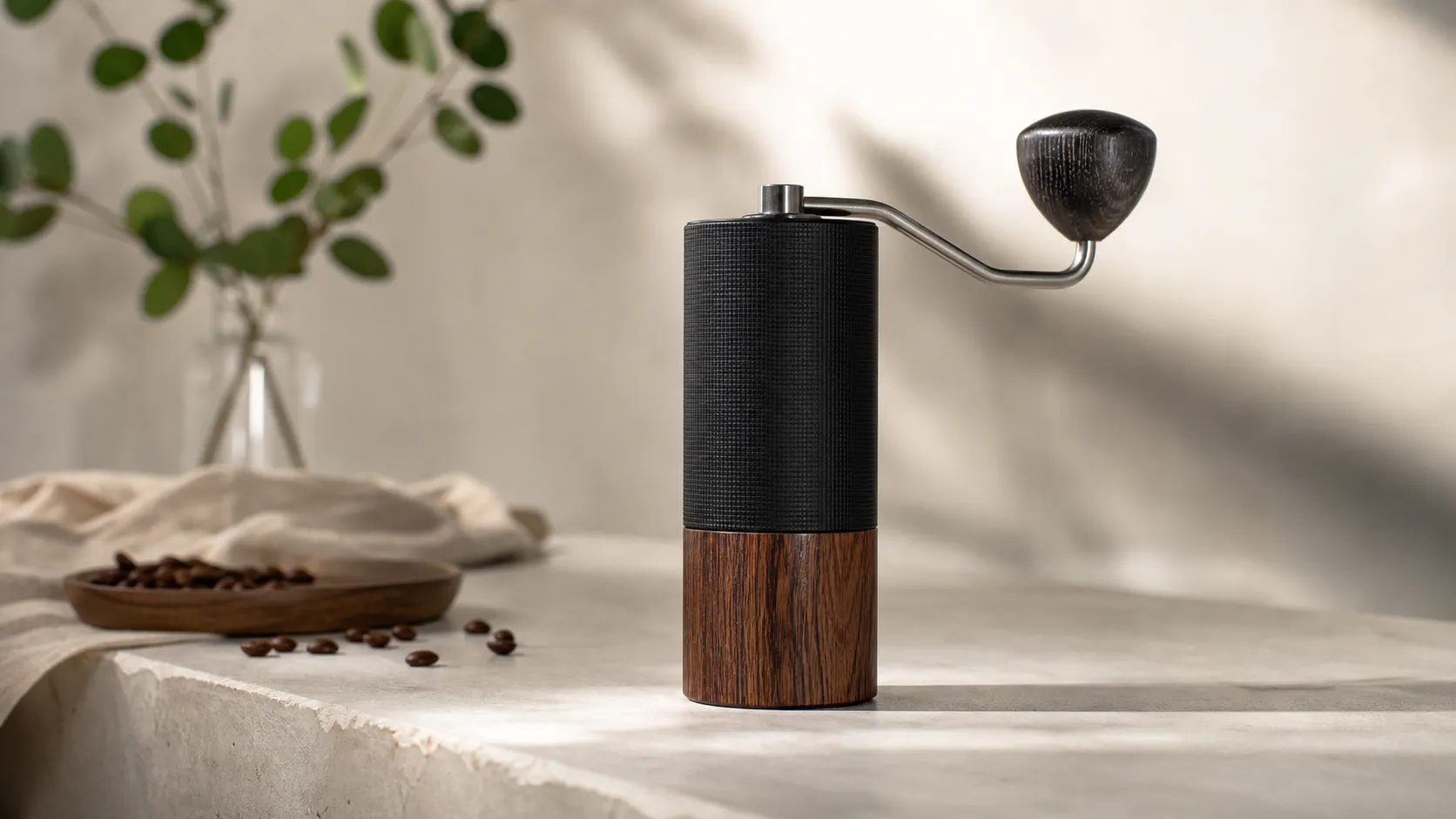
Comandante C40 MK4 Manual Coffee Grinder — 2026 Review
A premium manual grinder known for exceptional build and grind consistency — ideal for serious home baristas, but heavy and pricey for casual users or travel.
 Kitchen & Appliances
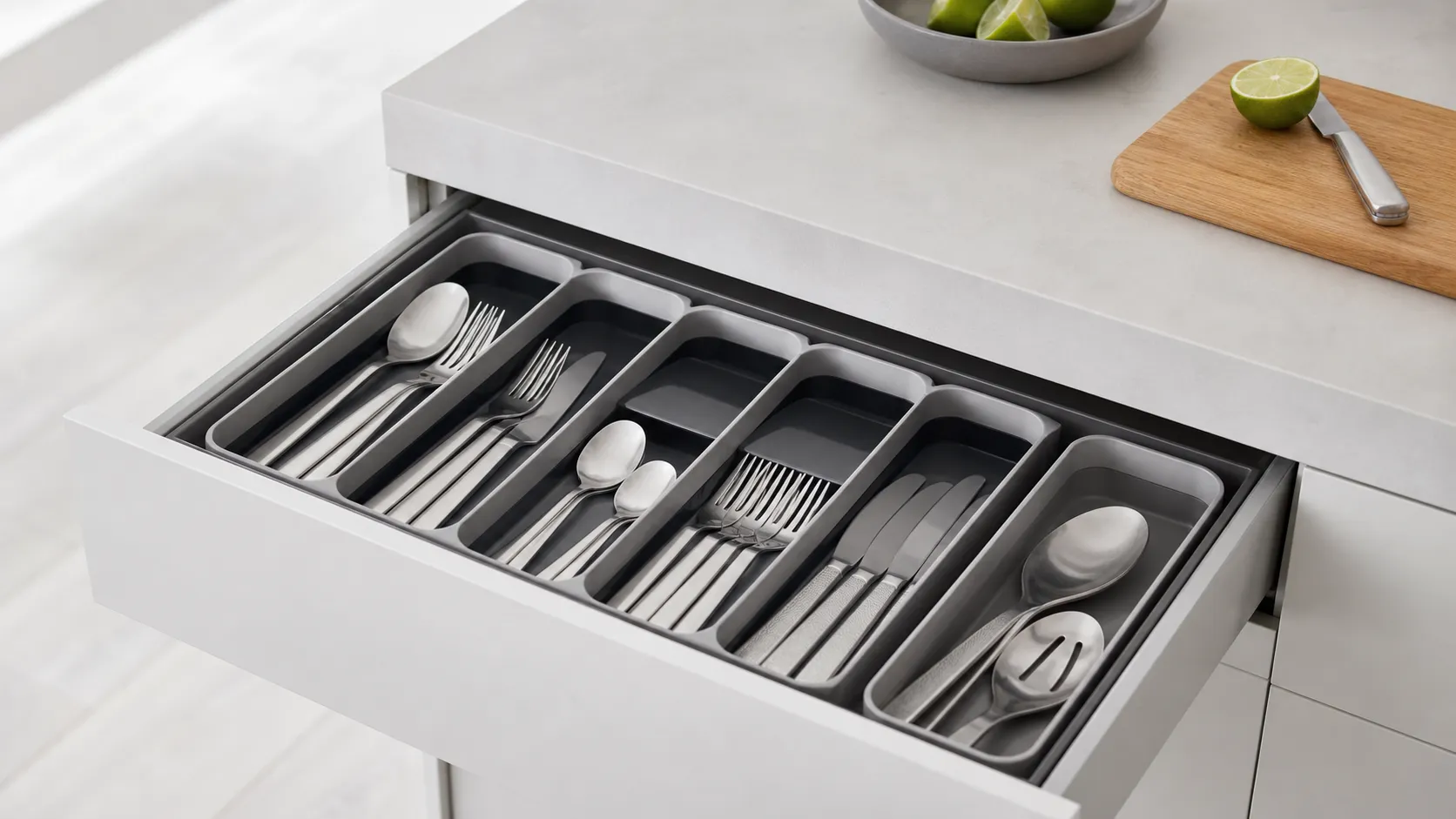
Joseph Joseph DrawerStore Cutlery Organizer Review 2026
A slim, modern cutlery tray that maximizes shallow-drawer space. Great for tidy, small-kitchen organization—measure your drawer first and avoid if you store long utensils.
 Kitchen & Appliances
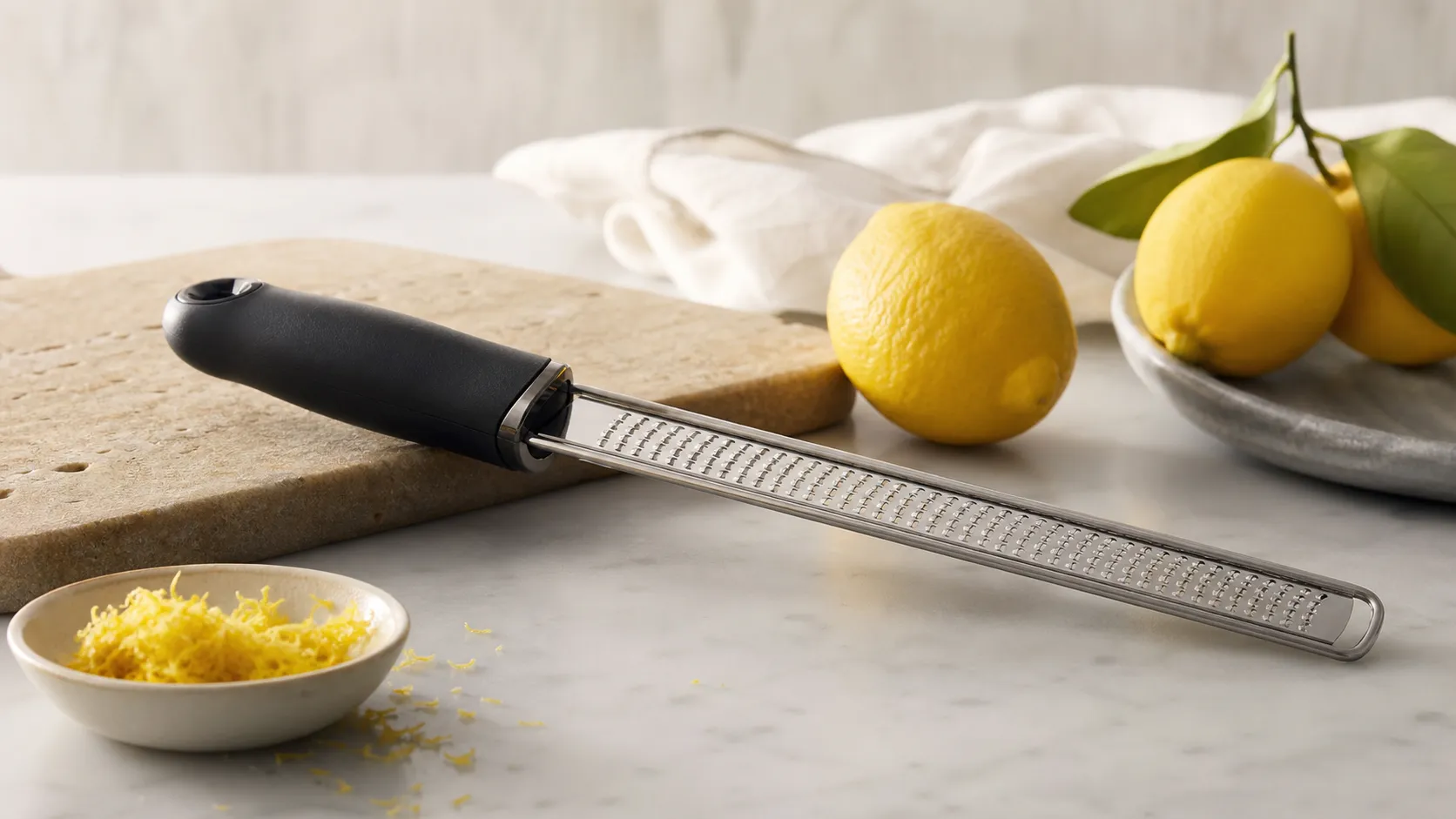
Microplane Premium Classic Zester/Grater — Review 2026
The Microplane Premium Classic is the go-to hand zester for precise, fluffy citrus zest and fine shavings. Sharp, compact, and great value—best for finishing, not bulk grating.