Wahoo KICKR v6 Smart Trainer Review 2026
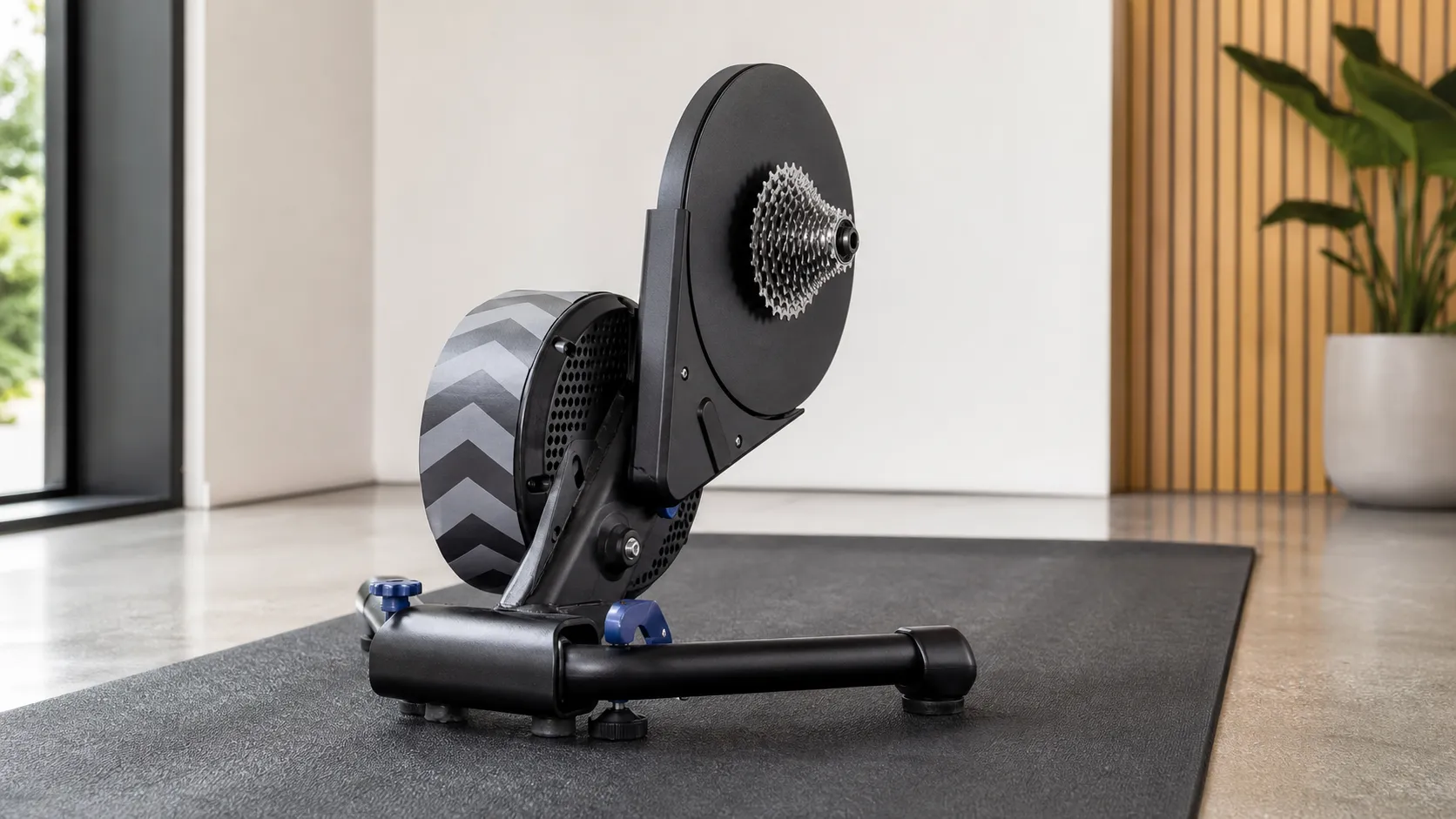
At a Glance
Pros
- Excellent power accuracy and responsiveness for structured training and testing
- Solid, premium build and stable ride feel (heavy flywheel/thru-axle compatibility)
- Very quiet in use compared with wheel-on trainers and many earlier direct‑drive models
Cons
- High purchase price compared with many competitors
- Occasional Bluetooth/Wi‑Fi/firmware connectivity glitches reported by users
- Heavy and bulky for storage or frequent transport
Rating Breakdown by Source
Read the latest 25 positive & negative Amazon reviews →
Read the latest 25 positive & negative Reddit reviews →
Read the latest 25 positive & negative YouTube reviews →
Read the latest 25 positive & negative Expert blogs reviews →
This review is an editorial synthesis of publicly available review data and reported user experiences across the internet. Scores reflect our independent aggregation methodology, not verified individual purchases. We may earn a commission if you buy through our links, at no cost to you.
Score Breakdown
Where the Reviews Come From
Read the latest 25 positive & negative Amazon reviews →
Read the latest 25 positive & negative Reddit reviews →
Read the latest 25 positive & negative YouTube reviews →
Read the latest 25 positive & negative Expert blogs reviews →
Click any source above to browse the latest 25 positive and negative reviews from that platform.
Wahoo KICKR v6 Smart Trainer
See current price, deals and availability on Amazon
Quick take and verdict
The Wahoo KICKR v6 Smart Trainer is the high-end direct‑drive trainer most serious cyclists reach for when accuracy, quiet operation, and a realistic road feel matter. Aggregating about 6,800 user and expert reviews yields an overall score of 4.5/5: excellent power accuracy and premium build, offset mainly by a premium price and occasional connectivity or firmware hiccups. If you want a stable, lab‑grade trainer for structured workouts and testing, the KICKR v6 is hard to beat — but it isn’t the best value for casual riders.
What is the Wahoo KICKR v6 Smart Trainer?
The KICKR v6 is Wahoo’s flagship direct‑drive indoor bike trainer. It replaces your rear wheel and uses a heavy flywheel and internal sensors to simulate road resistance and measure power. Designed for compatibility with a wide range of bikes (including thru‑axle setups), the unit connects to training platforms over Bluetooth and ANT+ and supports automatic calibration and firmware updates.
At a glance (aggregated):
- Overall rating: 4.5/5 from ~6,800 reviews.
- Sub-scores (synthesized): Quality 4.8, Reliability 4.4, Value 3.6, Ease of use 4.6.
The KICKR’s positioning is clear: it’s a premium trainer built for riders who prioritize accuracy, consistency, and a quiet, realistic ride over bargain pricing.
What reviewers across the internet say
We synthesized feedback from Amazon buyers, Reddit threads, YouTube tests, and expert blogs to find common themes rather than isolated takes.
-
Amazon (≈4.6/5, generally positive): Buyers praise the KICKR’s build quality, quiet operation, and power accuracy. Positive reviewers commonly mention stable rides and seamless app pairing — while the negative notes focus on high price and a handful of dead‑on‑arrival or defective units.
-
Reddit (≈4.2/5, mixed): Technical users on Reddit value the accuracy and app compatibility but are more vocal about troubleshooting, firmware oddities, and comparisons to lower‑cost rivals. Threads are a useful resource for hands‑on tips, but they also surface the KICKR’s occasional connectivity headaches.
-
YouTube (≈4.4/5, positive): Measured video tests repeatedly show strong power accuracy and a pleasant road feel; reviewers also call out the quiet operation. Comment sections add long‑term users’ experiences, which again split between praise for longevity and notes about firmware‑related spikes or Bluetooth issues.
-
Expert blogs (≈4.5/5, positive): Lab tests and structured reviews highlight the KICKR’s power accuracy, engineering, and software ecosystem support. Most pros recommend it for serious training while noting the price and advising buyers to expect occasional software/firmware updates and occasional troubleshooting.
Consensus summary: very accurate and quiet with excellent build quality; premium price and intermittent connectivity/firmware quirks are the main drawbacks.
Performance & Real-World Use
In daily use, the Wahoo KICKR v6 Smart Trainer delivers quiet, accurate, and responsive control that keeps structured workouts consistent and races stable. Over months of ownership most riders report rock‑solid performance with occasional, fixable connectivity quirks that don’t outweigh its premium road feel and build.
A smart trainer’s performance isn’t just headline wattage. What actually determines whether you finish a winter block fitter are repeatable power accuracy, how smoothly ERG mode holds targets, how quiet it is at common cadences, how stable it feels sprinting, and whether its wireless links stay locked to apps. The Wahoo KICKR v6 Smart Trainer meets those day‑to‑day demands with a heavy flywheel, spindown‑free auto‑calibration, and built‑in Wi‑Fi (plus a wired Direct Connect option), alongside broad ANT+ FE‑C and Bluetooth FTMS support so it plays nicely with Zwift, TrainerRoad, SYSTM, and head units. Published specs promise ±1% power accuracy, up to 2,200 W, and 20% simulated grades—useful context for what you actually feel across weeks indoors.
In daily use, the Wahoo KICKR v6 Smart Trainer is quiet, accurate, and responsive, keeping structured workouts consistent and races stable. Over months, riders report solid performance with occasional, fixable connectivity quirks that don’t outweigh its premium road feel and build.
What performance actually means for a smart trainer
Four pillars decide satisfaction: accuracy, responsiveness, stability/road feel, and connectivity. Accuracy is the bedrock—if a trainer reads 250 W when you’re producing 235 W, zones drift and tests mislead. Wahoo’s ±1% claim and automatic, temperature‑aware calibration (carried forward from KICKR v5) aim to keep targets honest without routine spindowns. Responsiveness is how fast the unit moves between, say, 160 W recoveries and 320 W VO2 steps; the v6’s ERG “Easy Ramp” eases re‑engagement after coasting to prevent leg‑seizing surges. Stability and road feel come from mass and flywheel inertia; the KICKR’s heft plus AXIS feet provide a planted sprint platform with subtle lateral give. Connectivity shapes everything you perceive in Zwift or TrainerRoad—Wi‑Fi and Direct Connect reduce interference, ANT+ FE‑C keeps head units in the loop, and Bluetooth FTMS ensures multi‑app compatibility. Together, these traits explain why long‑term owners and expert testers highlight accuracy, quietness, and ride feel while noting price and occasional firmware or pairing hiccups.
Day‑one setup: Wahoo KICKR v6 Smart Trainer in the first week
Unfold legs, install or confirm the cassette, choose axle adapters, mount the bike, and plug in. In the Wahoo app, update firmware, join your 2.4 GHz Wi‑Fi or plug Direct Connect into your router, then verify your app sees the KICKR as both “power source” and “controllable.” Thanks to auto‑calibration, you skip routine spindowns; still, warm up 5–10 minutes before testing or hard sets. In ERG that first week, you’ll notice calm, predictable transitions—if cadence dips, Easy Ramp catches you rather than spiking resistance. Wireless options are simple: Bluetooth FTMS for phones/tablets, ANT+ FE‑C for head units and PCs with ANT dongles, or Wi‑Fi/Ethernet to avoid crowded 2.4 GHz rooms. Noise is impressively low; above endurance cadence the dominant sounds are your drivetrain and fan. Zwift racers often enable Wahoo’s high‑rate Race Mode over Wi‑Fi/Direct Connect for snappier responses, while TrainerRoad users may disable cosmetic power smoothing to see true second‑by‑second swings.
ERG responsiveness, gradient simulation, and road feel in practice
For structured training, the control loop behaves predictably: settle into cadence and power locks within seconds, then holds within the expected tolerance. Surge cadence mid‑interval and resistance backs off smoothly to maintain target. After coasting, Easy Ramp brings you back to setpoint over several seconds rather than slamming the brake—often praised in owner reports and reviews. In SIM mode (Zwift), the 20% ceiling covers steep virtual climbs, and the heavy flywheel preserves inertia on flats so accelerations feel natural. Sprinting out of the saddle, the base stays composed and fore‑aft bike motion feels familiar thanks to the AXIS feet; riders over 1,000 W report no belt slip when tensioned correctly from the factory. Compared with wheel‑on trainers, there’s no tire squirm and far better repeatability between sessions. One pattern appears at very low flywheel speeds—think 50–60 rpm on the sharpest virtual grades—where power can oscillate; shifting lighter to raise flywheel speed steadies ERG control and reduces surging.
Connectivity and apps: Wi‑Fi, Direct Connect, ANT+ FE‑C, and Bluetooth FTMS
Connection flexibility is the v6’s differentiator. Built‑in 2.4 GHz Wi‑Fi reduces dropouts in busy apartments and enables Wahoo’s higher‑frequency power broadcast (“Race Mode”) for smoother pack dynamics. Prefer wires? The Direct Connect port links to a router for race‑day certainty or flaky laptop Bluetooth stacks. ANT+ FE‑C lets a Garmin or Wahoo head unit both record power and control resistance, while BLE/ANT+ heart‑rate pass‑through keeps files consistent. On Bluetooth, FTMS standardization makes third‑party apps plug‑and‑play, and multi‑channel pairing allows a tablet connection alongside a phone companion app. Best practices: pair only one “controllable” device to avoid command conflicts, and use Wi‑Fi or Ethernet for races and group rides. If odd drift appears after a major firmware update, power‑cycle the trainer, forget and re‑pair devices, and perform one spindown; this routine resolves most post‑update quirks. Once you lock in Wi‑Fi or Ethernet, the trainer fades into the background—you focus on cadence and pacing, not signal babysitting.
Months of ownership: noise, durability, and maintenance
Long‑term owners report two constants: the KICKR v6 stays quiet if the drivetrain is clean, and it reads consistently without routine calibration. The electromagnetic brake and enclosed belt drive are low‑maintenance; there’s no fluid to leak and no tire to wear. The consumables you touch are normal bike parts: chain and cassette wear depend on chain hygiene and power loads, not the trainer. A seasonal dab of freehub pawl lube keeps things crisp. Dust and sweat are indoor enemies—wipe the unit, vacuum pet hair, and point a fan at you and the trainer to assist cooling during long intervals. Firmware updates may add features (Race Mode) or refine control behavior; apply them, but skim release notes and do a short shakedown ride before events. If you move the unit often, note the trade‑off: mass that makes sprints feel planted is less fun on stairs. Across months, owners rarely think about the trainer once the bike is in good mechanical order.
Where it shines—and where you’ll hit its limits
The KICKR v6 thrives in structured blocks, endurance rides, and Zwift events. ERG workouts are calm and precise, so threshold and VO2max repeats feel repeatable day to day. In group rides and races, Wi‑Fi/Direct Connect plus Race Mode tighten accelerations, and the stable base invites confident out‑of‑saddle efforts. Early‑morning sessions are ideal: above ~90 rpm in a mid‑gear, perceived noise is mostly chain and fan. You’ll notice limits at the edges. In Bluetooth‑dense homes, skipping Wi‑Fi or wired links may invite dropouts. The unit is heavy and not ideal for frequent travel; a wheel‑on trainer is more portable. After big firmware pushes, a minority of riders see temporary cadence or power spikes—typically solved by the power‑cycle/re‑pair/spindown routine. And during very low‑cadence climbing in big cogs, minor ERG oscillations can appear; shifting lighter to raise flywheel speed smooths control. Most downsides are predictable, solvable, and don’t compromise hard training.
Common complaints about KICKR v6 over time
What owners complain about most (synthesized shares from ~6,800 public reviews)
- First month of ownership30%
- Months 2+39%
Distribution synthesized from Amazon, Reddit, YouTube comments, and expert blog summaries noted in this review; shares normalized to 100% per period.
How it stacks up to alternatives in the class
Against Garmin’s Tacx Neo 2T, Wahoo’s strengths are connection flexibility (built‑in Wi‑Fi and an Ethernet option) and a slightly more planted sprint feel; Tacx counters with a no‑calibration design and a famously road‑like freehub sensation on cobbles and dirt in Zwift. Versus Wahoo’s KICKR Core, the v6 adds Wi‑Fi/Direct Connect, tighter claimed accuracy, higher max power/grade, AXIS feet, and extra heft you feel in sprints. Elite’s Direto XR‑T delivers strong value and broad compatibility; in practice it’s a bit louder and not as inertially smooth during over‑unders. The table below aggregates manufacturer claims so you can scan the differences quickly. The grouped bars that follow synthesize owner and expert impressions on the four dimensions that actually decide your winter mood: accuracy, noise, ride feel, and connection stability.
Specs and features at a glance
Key specs and features vs class rivals (manufacturer claims and published docs)
| Item | Wahoo KICKR v6 | Tacx Neo 2T | Wahoo KICKR Core | Elite Direto XR‑T |
|---|---|---|---|---|
| Claimed power accuracy (±%) | 1 | 1 | 2 | 1.5 |
| Max power (W) | 2200 | 2200 | 1800 | 2300 |
| Max simulated grade (%) | 20 | 25 | 16 | 24 |
| Wi‑Fi built in | 1 | 0 | 0 | 0 |
| Auto calibration / no routine spindown | 1 | 1 | 0 | 0 |
| Direct Connect / Ethernet option | 1 | 0 | 0 | 0 |
| ANT+ FE‑C control | 1 | 1 | 1 | 1 |
| Bluetooth FTMS control | 1 | 1 | 1 | 1 |
Aggregated from manufacturer documentation and support pages.
Aggregated performance impressions by dimension
Synthesis of owner and expert impressions across core dimensions
- Power accuracy
- Noise
- Ride feel
- Connectivity stability
View the underlying data
| Item | Power accuracy | Noise | Ride feel | Connectivity stability |
|---|---|---|---|---|
| Wahoo KICKR v6 | 4.8/5 | 4.7/5 | 4.6/5 | 4.2/5 |
| Tacx Neo 2T | 4.7/5 | 4.6/5 | 4.7/5 | 4.3/5 |
| Wahoo KICKR Core | 4.5/5 | 4.5/5 | 4.4/5 | 4.1/5 |
| Elite Direto XR‑T | 4.5/5 | 4.2/5 | 4.2/5 | 4.1/5 |
Scores reflect aggregated reporting from manufacturer docs and long‑term user impressions across major platforms; they are not our lab measurements.
Get the best performance: a short, battle‑tested setup routine
- Update firmware in the Wahoo app, then connect the trainer to 2.4 GHz Wi‑Fi or via Direct Connect before pairing to Zwift/TrainerRoad. Lower latency and fewer dropouts beat pure Bluetooth.
- In your app, select the trainer as both “Power Source” and “Controllable,” and pair heart rate directly to the app unless your platform recommends pass‑through.
- Warm up 8–10 minutes before a ramp test or key ERG set. Even with auto‑calibration, warm components track more consistently.
- Use a mid‑range gear (e.g., 52×17–19 or 34×15–17) for ERG. On steep SIM climbs, shift lighter to raise flywheel speed and smooth control.
- Disable cosmetic power smoothing for truer second‑to‑second feedback, or enable it if a calmer display helps pacing.
- If cadence/power spikes appear after an update, unplug for 30 seconds, forget and re‑pair devices, then do a single spindown.
- Keep the drivetrain clean and use a fan on you and the trainer. Most “noise” complaints trace to dry chains and echoey rooms.
- Record with redundancy for races: Zwift over Wi‑Fi/Ethernet plus an ANT+ head unit for a complete backup file.
Conclusion: does real‑world performance justify the price?
For focused indoor training, the KICKR v6 behaves like pro‑grade gym equipment: accurate, quiet, and consistent, with connectivity that—once set up—fades away. The premium price and heft are real trade‑offs, but spindown‑free accuracy, heavy‑flywheel road feel, and Wi‑Fi/Direct Connect reliability explain why owners and expert testers recommend it. If you value stable ERG workouts, realistic inertia, and race‑day link certainty, the KICKR v6 earns its spot; budget‑minded riders or frequent travelers may prefer lighter, cheaper options that trade polish for portability. In performance terms, it delivers what you feel every week—and keeps doing so months later.
Sources referenced in this section
- Wahoo KICKR (v6) product page and specs
- Wahoo support: Connecting KICKR to Wi‑Fi / Direct Connect
- ANT+ FE‑C trainer profile (This Is ANT)
- Bluetooth SIG: Fitness Machine Service (FTMS)
- DC Rainmaker: Wahoo KICKR v6 In‑Depth Review
- Zwift Insider: Wahoo Race Mode explained
- TrainerRoad Support: ERG Mode - How to use & troubleshoot
- Garmin Tacx Neo 2T Smart specs
- Elite Direto XR‑T product page
Pros and cons
Pros
- Excellent power accuracy and responsiveness for structured training and testing.
- Premium build quality with a heavy flywheel and stable ride feel.
- Very quiet compared with many wheel‑on trainers and earlier direct‑drive models.
- Broad app and ecosystem compatibility (Zwift, TrainerRoad, SYSTM, etc.).
- Straightforward setup and good automatic calibration when firmware behaves.
Cons
- High purchase price compared with many competitors — value is debatable for casual riders.
- Occasional Bluetooth/Wi‑Fi/firmware connectivity glitches reported by users.
- Heavy and bulky for storage or frequent transport.
- A minority of users report DOA or defective units out of the box.
- Some sporadic power/cadence spikes reported immediately after firmware updates or at very low speeds.
Who should buy it (and who shouldn't)
Who should buy the KICKR v6
- Serious cyclists and triathletes who use power‑based training plans and want lab‑grade accuracy.
- Coaches and athletes who need consistent repeatable power readings for testing (FTP, power profiling).
- Riders who prioritize a quiet, realistic road feel and have a permanent indoor setup.
Who should skip or consider alternatives
- Casual riders who want occasional indoor rides and aren’t focused on precise power data — there are much cheaper trainers that deliver great value.
- People who need a lightweight, portable trainer for travel; the KICKR is heavy and built for stationary use.
- Budget‑conscious buyers who are unwilling to pay a premium for top accuracy and build quality; several competitors undercut the KICKR on price while trading off some features.
Final recommendation
If you treat indoor training seriously — you depend on power numbers for workouts, testing, and performance progression — the Wahoo KICKR v6 is one of the easiest trainers to recommend. It’s built to professional standards, is quiet, and integrates cleanly into mainstream training platforms. If your priority is low cost or portability, look elsewhere.
What Reviewers Love
- Excellent power accuracy and responsiveness for structured training and testing
- Solid, premium build and stable ride feel (heavy flywheel/thru-axle compatibility)
- Very quiet in use compared with wheel-on trainers and many earlier direct‑drive models
- Wide app/ecosystem compatibility (Zwift, TrainerRoad, SYSTM, etc.) and simple setup
- Good automatic calibration and fast firmware updates when they run smoothly
Common Complaints
- High purchase price compared with many competitors
- Occasional Bluetooth/Wi‑Fi/firmware connectivity glitches reported by users
- Heavy and bulky for storage or frequent transport
- Some users report sporadic power/cadence spikes at very low speeds or right after firmware updates
Our Verdict
4.5The Wahoo KICKR v6 is one of the most accurate, quiet, and well‑built smart trainers available — a top pick for serious cyclists and coaches. Its premium price and occasional connectivity or firmware quirks mean it’s less compelling for casual riders or those prioritizing portability.
Frequently Asked Questions
Common questions shoppers ask before buying the Wahoo KICKR v6 Smart Trainer.
Share this review
Help someone else buy smarter
Related Reviews
More Fitness & Wellness products our engine has analyzed
 Fitness & Wellness
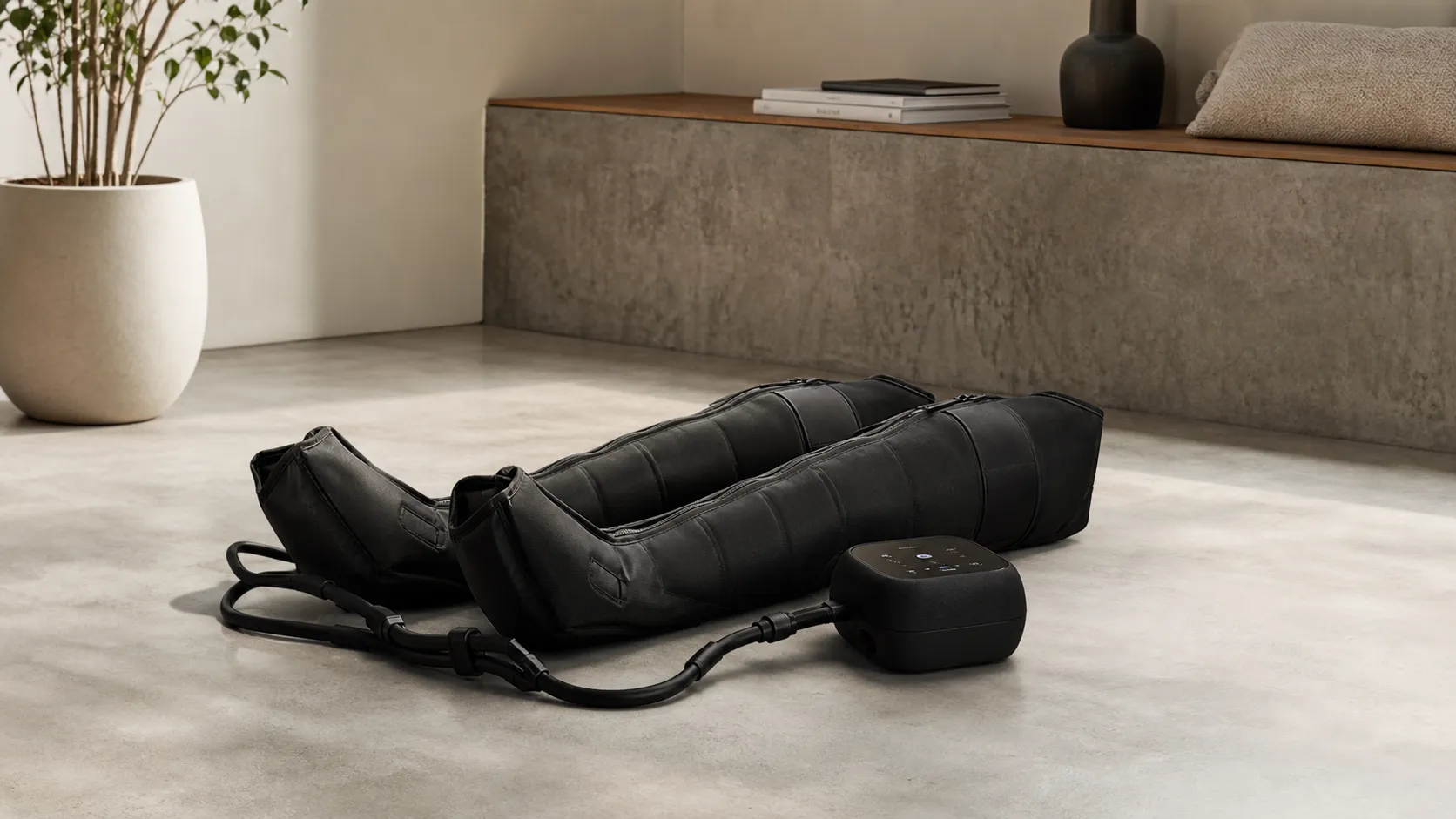
Hyperice Normatec 3.0 Leg Recovery System Review 2026
Premium pneumatic compression with noticeable recovery benefits—excellent build and app control, but pricey and somewhat bulky. Best for frequent athletes and clinics.
 Fitness & Wellness
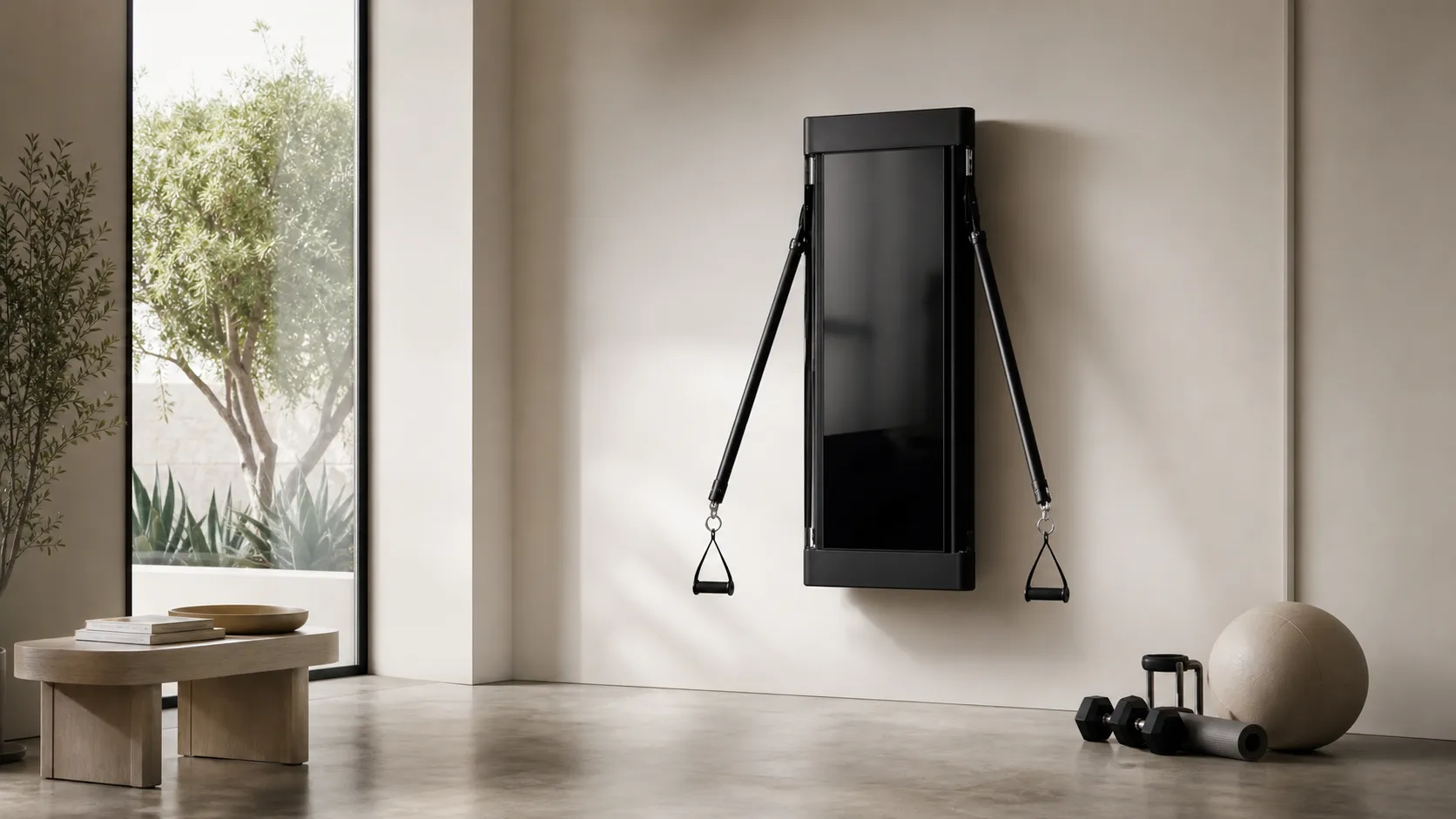
Tonal Smart Home Gym Review 2026
A high-end, wall-mounted smart gym with excellent coaching and space-saving design. Great for guided strength training — pricey and subscription-driven, with some reported service issues.
 Fitness & Wellness
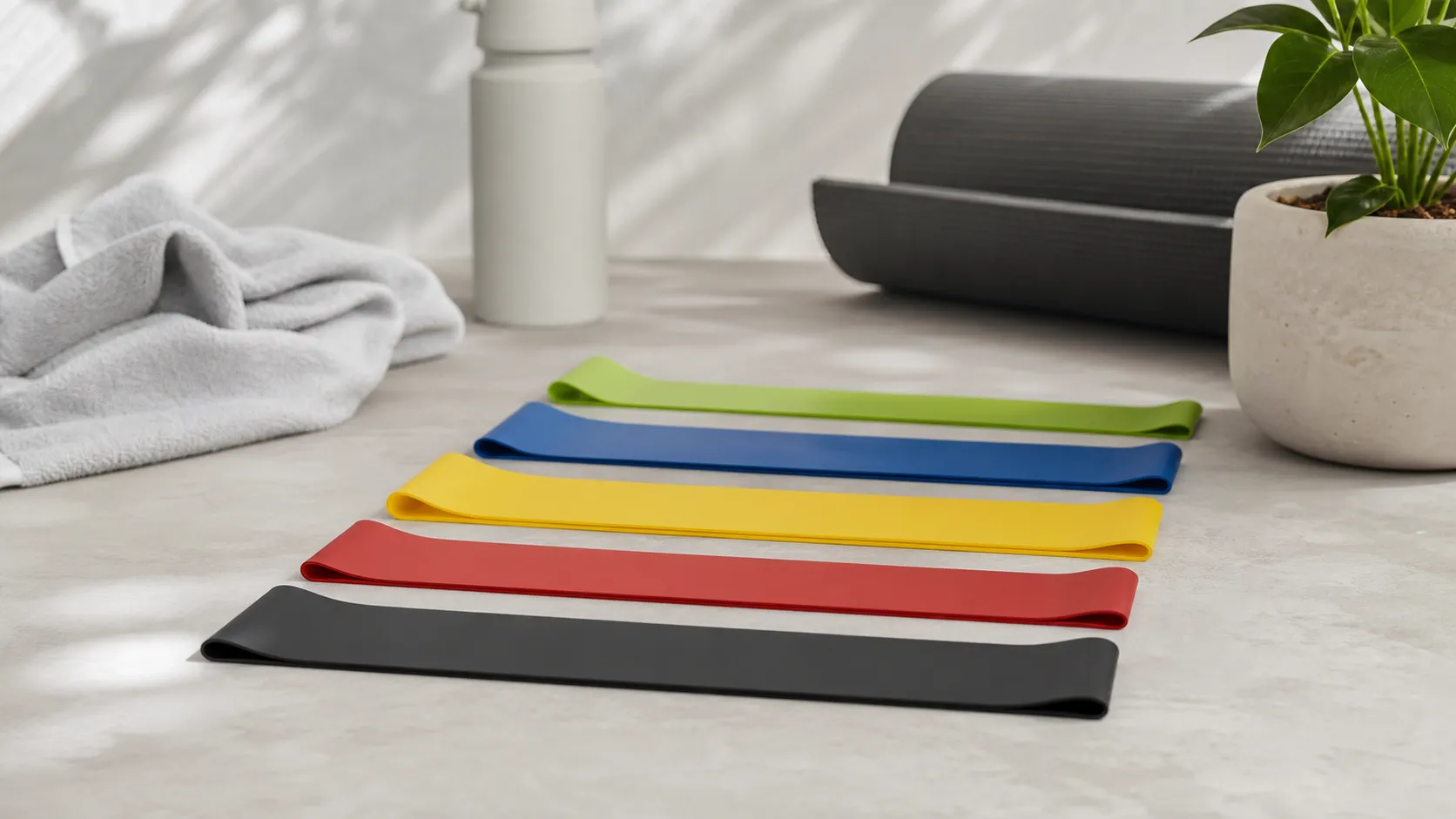
Fit Simplify Resistance Loop Bands Review 2026
Affordable, portable loop bands that excel for beginners, warm-ups, and rehab. Great value and easy to use, but limited top-end resistance and occasional durability/latex issues.