WHOOP Strap 4.0 Review 2026
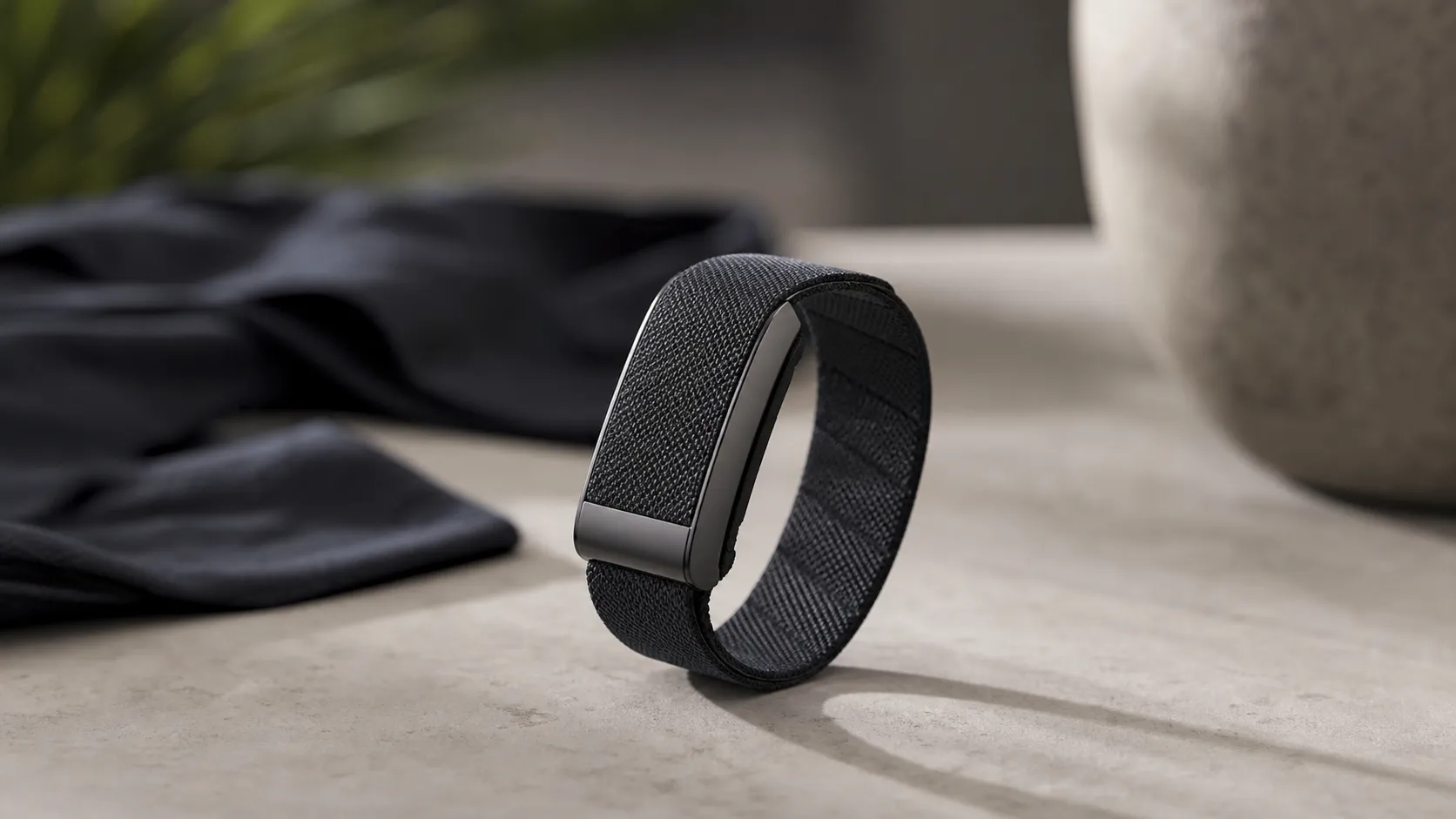
At a Glance
Pros
- Excellent sleep, HRV and recovery tracking — many reviewers call the recovery/strain model the product’s standout feature.
- Comfortable, unobtrusive design (lightweight pod + fabric bands) that people can wear 24/7.
- Flexible wear options (wrist or bicep) and a wearable charging pack that lets you charge while wearing.
Cons
- Subscription cost / membership model is repeatedly called out as poor value for casual users (many reviewers compare multi-year Whoop cost to alternatives).
- Wrist heart-rate can be variable vs chest strap during high-intensity intervals—many recommend bicep placement or a chest strap for workouts.
- No on-device display and limited workout metrics (Whoop focuses on strain/recovery rather than activity tracking).
Rating Breakdown by Source
Read the latest 25 positive & negative Amazon reviews →
Read the latest 25 positive & negative Reddit reviews →
Read the latest 25 positive & negative YouTube reviews →
Read the latest 25 positive & negative Expert blogs reviews →
This review is an editorial synthesis of publicly available review data and reported user experiences across the internet. Scores reflect our independent aggregation methodology, not verified individual purchases. We may earn a commission if you buy through our links, at no cost to you.
Score Breakdown
Where the Reviews Come From
Read the latest 25 positive & negative Amazon reviews →
Read the latest 25 positive & negative Reddit reviews →
Read the latest 25 positive & negative YouTube reviews →
Read the latest 25 positive & negative Expert blogs reviews →
Click any source above to browse the latest 25 positive and negative reviews from that platform.
WHOOP Strap 4.0
See current price, deals and availability on Amazon
Quick take
The WHOOP Strap 4.0 is a purpose-built recovery and sleep coach disguised as a discreet wearable. Aggregating roughly 27,000 reviews across retailers and forums gives it an overall score of about 4/5 — reviewers love the sleep, HRV and recovery insights but debate whether the ongoing subscription justifies the hardware. Our aggregated verdict: excellent for athletes and committed trackers; a harder sell for casual users who want a one-time purchase fitness band.
What is the WHOOP Strap 4.0?
The WHOOP Strap 4.0 is a small sensor “pod” paired with soft fabric bands designed to be worn around the wrist or bicep continuously. Unlike typical smartwatches it has no on-device screen — all data and coaching live inside the mobile app. WHOOP’s value proposition centers on recovery: it continuously measures heart rate, heart rate variability (HRV), sleep stages, respiratory rate and skin temperature to produce three headline outputs: Recovery (how ready your body is), Strain (how hard you pushed), and Sleep performance.
The 4.0 generation focuses on improved sensors and a lighter profile, while keeping the brand’s signature continuous-measurement approach. Notable hardware elements that reviewers frequently mention are the wearable charging pack (so you can top off the battery without taking the strap off) and the flexible wear options (wrist or bicep) that address accuracy complaints during intense exercise.
What reviewers across the internet say
We synthesized sentiment from Amazon, Reddit, YouTube reviews and specialist tech blogs to build a consensus picture.
-
Amazon: Overall positive (around 4.2/5). Buyers most often praise comfort, nightly sleep and recovery insights, and the ecosystem of bands and accessories. Common negative notes are subscription cost and occasional hardware or strap defects.
-
Reddit: Mixed (roughly 3.6/5). Threads are polarized — many long-term users defend WHOOP’s recovery coaching and behavioral nudges, while other users report heart-rate inconsistencies during high-intensity intervals, firmware frustrations, and dissatisfaction with company decisions.
-
YouTube: Generally favorable to mixed (about 4/5). Data-driven reviewers frequently highlight WHOOP’s strength as a longitudinal recovery tool and praise the app’s analytics, but several point out heart-rate limitations for sprinting/intervals when the strap is worn on the wrist.
-
Expert blogs (Wareable, DC Rainmaker, Tech sites): Largely positive (≈4/5). Experts commend the refined sensors and the quality of recovery coaching but emphasize that WHOOP is not a full-featured fitness watch — it’s a specialist tool.
Across sources the biggest dividing line is value: enthusiasts justify the subscription by describing behavior change and better training decisions, while casual users often find the recurring cost hard to stomach.
Performance & Real-World Use
WHOOP Strap 4.0 performs best as a recovery‑first wearable: it captures stable overnight HRV, sleep, and resting vitals, then turns them into clear daily guidance, all while lasting about five days per charge. WHOOP Strap 4.0 is less reliable for split‑second workout telemetry from the wrist, so owners who care about interval accuracy should use a bicep band or pair a chest strap and treat WHOOP as their coach, not their on‑wrist training computer.
If you’re choosing a recovery‑first tracker, real‑world performance hinges on three things: consistent 24/7 heart‑rate and sleep capture, day‑to‑day usefulness of guidance, and hardware that disappears on your body for weeks. Across months of owner reports, WHOOP’s patterns are consistent: it excels at sleep, HRV, and recovery insights; it asks you to accept no screen and a membership; and it rewards small choices—fit, placement, and charging routine—with better results.
How owners score WHOOP 4.0 day to day
Owner‑reported subscores (aggregated across ~27k reviews) show why WHOOP’s value judgement is debated while quality/ease remain strong.
View the underlying data
| Measure | Rating /5 |
|---|---|
| Quality | 4.1/5 |
| Reliability | 3.8/5 |
| Value | 3.3/5 |
| Ease of use | 4.1/5 |
Consensus synthesized from Amazon/Reddit/YouTube/Expert coverage noted in this review.
WHOOP Strap 4.0 performs best when worn snug and charged on‑wrist, delivering actionable sleep/recovery guidance and four to five days of battery life. For live workout metrics or interval‑grade wrist HR, pair a bicep band or chest strap and treat WHOOP as a recovery coach, not a training computer.
What “performance” means for a recovery wearable
Owners judge recovery wearables differently from GPS watches. The key dimensions: 24/7 capture quality (especially overnight HRV, resting HR, and respiratory rate), clear timely coaching (sleep need, recovery/readiness, strain targets), comfort that enables near‑continuous wear, battery/charge ease, and reliability over months—fewer sync gaps and strap/charger hiccups. With WHOOP, you don’t get a wrist display or GPS logs; instead, the app’s Recovery and Strain models are the north star. WHOOP calculates Recovery each morning from sleep and physiology—HRV via rMSSD, resting HR, respiratory rate, temperature and more—so the experience depends on whether nightly measurements are stable and personalized to your baseline. That design is why longtime owners report strong sleep and readiness trends, but frustration when workout‑time heart‑rate spikes or motion break the signal: WHOOP’s value is built on nighttime accuracy and cumulative habits rather than mid‑interval telemetry. (support.whoop.com)
Day‑one to week‑one: fit, calibration, and first insights with WHOOP Strap 4.0
Setup is simple: pair the sensor, size the SuperKnit strap, and fully charge once so you can wear and forget. The Battery Pack slides on to charge while you move—WHOOP quotes about five days per cycle and roughly 150 minutes for a full top‑up—so you can keep it on through sleep without creating data holes during the first learning week. Expect the Recovery score to swing until WHOOP builds your baseline; coaching becomes more consistent as it accumulates nights of HRV and sleep architecture. Two early tips matter: wear it snug (so the photoplethysmography sensor has a stable surface) and pick a placement that fits your movement patterns. WHOOP’s own guidance recommends shifting to the bicep or WHOOP Body apparel for activities that jostle the wrist (lifting, boxing) to improve signal quality—advice many community members corroborate in practice. By the end of week one, you’ll typically have a credible resting HR, nightly HRV trend, and your first feel for Strain targets. (support.whoop.com)
How the sensor behaves: accuracy, algorithms, and when PPG hits its limits
WHOOP 4.0’s optical array (green/red/IR LEDs plus photodiodes) prioritizes continuous data and nighttime stability. In independent reviews, WHOOP 4.0 notably improved on 3.0’s workout‑time HR errors, but it still isn’t a match for a chest strap in fast on‑off intervals or heavy arm flexion—limitations shared by most wrist PPG systems. The app leans on sleep‑collected HRV (rMSSD) as a major Recovery driver and weights recent weeks to personalize your baseline, so consistent wear and clean sleep windows matter more here than mile splits. To get live HR outside the app (e.g., to Peloton or a bike computer), WHOOP 4.0 can broadcast over Bluetooth; that helps you view HR during training while still letting WHOOP compute Strain and Recovery after the fact. Bottom line: treat WHOOP 4.0 as a recovery instrument first; when workouts get choppy, switch to a bicep band or pair a chest strap if you need precise interval HR. (dcrainmaker.com)
Battery, charging, bands, and durability over months
WHOOP’s on‑wrist Battery Pack is a quiet performance win: you top up in about 150 minutes and typically repeat every four to five days, so you avoid breaking multi‑month trend lines. Owners who keep the pack charged (and avoid letting the strap fully die) report the smoothest experience; the few hiccups we see long‑term are almost always linked to a depleted pack, a loose strap, or an aging band that starts slipping. WHOOP’s accessory ecosystem helps here—bands are quick‑swap, and the bicep option meaningfully improves workout HR stability when the wrist is too kinetic. Battery longevity has held up well across reporting; expect modest drift (for example, from five days to four‑and‑change) as cells age, which is typical of wearables. The most practical maintenance routine we’ve seen: clean the sensor window weekly, rinse sweat and soap from the band to preserve elasticity, and charge the Battery Pack every two to three nights so you’re never scrambling before bed. (support.whoop.com)
Where WHOOP 4.0 excels in real life
If you’re chasing better sleep and smarter training load, WHOOP’s coaching is unusually actionable. The Sleep Coach and Recovery model translate physiology into “what to do tonight/today,” and the Journal makes behavioral experiments (late caffeine, alcohol, stretching) visible in your Recovery trends. Because HRV is captured during sleep and Recovery is compared to your own 30‑day baseline, progress feels personal instead of generic. Comfort also matters more than spec sheets admit: the 27–28.5 g pod and soft fabric band stay put under shirts and during long nights, which is one reason adherence stays high months in. The platform is also friendly to hybrid setups—WHOOP can ingest data from other apps and can broadcast HR out to supported equipment—so it slots into a broader training stack rather than replacing everything. The result is a wearable that is easy to live with and skilled at surfacing “do I need more recovery?” on the mornings when you’d otherwise guess. (support.whoop.com)
Where owners hit the limits: intervals, metrics on the wrist, and the membership
Three recurring pain points. First, wrist PPG remains variable during high‑intensity intervals and heavy upper‑body work; this is a sensor physics problem, not a WHOOP‑only flaw, and peer‑reviewed validations of wrist PPG echo the same caveat. If you rely on second‑by‑second fidelity, use a bicep placement or chest strap. Second, there’s no on‑device display and limited activity metrics compared with GPS watches; you’ll view data in the app or broadcast HR to see it live elsewhere. Third, value for casual users is debated because the membership underwrites the analytics—great if you live in the app, harder to justify if you mainly want a steps counter. Those trade‑offs are why experienced reviewers frame WHOOP as a recovery coach, not a race‑day computer. Taken together, the platform rewards people who want long‑horizon guidance and are comfortable outsourcing workout dashboards to other devices. (pubmed.ncbi.nlm.nih.gov)
How WHOOP compares with the alternatives you’re likely considering
Versus ring‑style trackers and sport watches, WHOOP 4.0 lives in the “always‑on coach” lane. Oura Ring excels at invisible wear and also tracks temperature and HRV overnight, but it has no live broadcast and likewise needs a subscription for full insights. Apple Watch Series 9 delivers a bright screen, GPS, and deep app support, but typical battery life is measured in hours, not days, and live HR broadcast usually requires third‑party workarounds. Garmin’s Forerunner 265 is the training computer of the group: robust on‑wrist metrics, GPS, and native HR broadcast—but it won’t give you WHOOP’s recovery narrative unless you assemble it from separate widgets. The point of the comparison isn’t that one is “better” universally; it’s that WHOOP’s performance proposition is different: maximize adherence and sleep/recovery signal quality, then coach the rest. See the hardware and features spread below. (support.apple.com)
Everyday burden: battery life and weight across popular alternatives
Battery life and weight are the everyday frictions that decide whether you’ll actually wear a device 24/7; figures reflect manufacturer estimates and common owner reports.
- Battery life (d)
- Weight (g)
View the underlying data
| Item | Battery life (d) | Weight (g) |
|---|---|---|
| WHOOP 4.0 | 5 | 27 |
| Oura Gen3 | 6 | 5 |
| Apple Watch S9 | 0.8 | 32 |
| Garmin FR265 | 13 | 47 |
Battery life: WHOOP support; Apple tech specs; Garmin owner’s manual; Oura support. Weights: Tennis.com/CyclingNews for WHOOP; Apple, Garmin, and Oura official pages.
What you do—and don’t—get with each device
Feature availability across leading recovery/fitness wearables.
| Item | WHOOP 4.0 | Oura Gen3 | Apple Watch Series 9 | Garmin Forerunner 265 |
|---|---|---|---|---|
| On‑device display | No | No | Yes | Yes |
| Built‑in GPS | No | No | Yes | Yes |
| Temperature tracking | Yes | Yes | Yes | No |
| HR broadcast to other devices (native) | Yes | No | No | Yes |
| Subscription required for core features | Yes | Yes | No | No |
Specs and capabilities from WHOOP support, Oura support, Apple tech specs, and Garmin owner’s manual as cited.
Practical steps to get the best performance
- Fit and placement: wear the strap snug so it doesn’t slide. For lifting, boxing, rowing, or any wrist‑bending work, move the sensor to a bicep band or WHOOP Body garment to improve optical signal quality.
- Charge rhythm: keep the Battery Pack topped off (charge every two to three nights) and slide it on an hour or two before bed; you’ll preserve continuous sleep datasets and avoid last‑minute scrambles.
- Baseline patience: give WHOOP two to four weeks of nightly use before judging trends. Recovery compares you to you, and the algorithm weights recent weeks—short‑term noise settles with adherence.
- Use the Journal: pick three behaviors you suspect matter (alcohol timing, late meals, stretching) and log them daily for 90 days; WHOOP’s Month‑in‑Review will quantify which help or hurt your Recovery.
- For live training: enable Bluetooth HR Broadcast if you want HR on a bike computer or app; for intervals, pair a chest strap and let WHOOP ingest the workout afterward so Strain and Recovery still update.
- Maintenance: rinse the band after sweaty sessions, wipe the sensor window weekly, and replace worn bands before they loosen; most long‑term sync glitches trace back to loose fit or a grimy window. (support.whoop.com)
Does real‑world performance justify the purchase?
If you want a near‑frictionless way to see how sleep, stress, and training load affect your readiness each day—and you’re comfortable paying for the analytics—WHOOP 4.0 performs exactly as promised. Worn correctly and charged on‑wrist, it returns stable nightly physiology, clear coaching, and multi‑month trends that many owners find more actionable than a sea of watch screens; just remember it’s a recovery platform first, not a substitute for a GPS watch on race day. (support.whoop.com)
Sources referenced in this section
- WHOOP Support — Battery Pack and Charging Overview
- DC Rainmaker — Whoop 4.0 In‑Depth Review (accuracy, HR broadcast)
- Wareable — I’ve worn WHOOP 4.0 for two years (long‑term view)
- Apple — Apple Watch Series 9 Technical Specifications (battery)
- Garmin — Forerunner 265 Owner’s Manual (HR broadcast, specs)
- Garmin — Forerunner 265 Product Page (weight)
- Oura — Oura Ring 4 Support (weight)
- CyclingNews — WHOOP 4.0 three‑year review (weight context)
- JMIR Cardio 2026 — Wrist‑based PPG accuracy declines at high intensity (review)
Pros and Cons
Pros:
- Excellent sleep and recovery tracking; HRV insights are strong for overnight trends.
- Comfortable, low-profile hardware that’s easy to wear 24/7.
- Flexible wear options (wrist or bicep) and a wearable charging pack for continuous tracking.
- Robust app with actionable coaching, journaling and long-term trends that many users find habit-changing.
- Battery life around 4–5 days under normal use.
Cons:
- Membership model/subscription adds significant lifetime cost and is a major complaint for casual users.
- No on-device display and limited workout metrics (not a multi-sport smartwatch replacement).
- Wrist HR can be inconsistent during high-intensity intervals; bicep placement is recommended for better accuracy.
- Occasional strap, clasp and charger issues reported by community reviewers.
- Value depends heavily on how much you use and act on the recovery insights.
Who should buy it (and who shouldn’t)
Buy it if:
- You prioritize recovery, sleep quality and HRV over immediate workout metrics. WHOOP is built for people who want to optimize daily readiness and long-term recovery.
- You’re an athlete, coach, or serious fitness enthusiast who will use WHOOP’s coaching and trends to change training load.
- You prefer a lightweight, unobtrusive wearable you can comfortably wear 24/7 and value the bicep wear option.
Don’t buy it if:
- You want a traditional fitness watch with a screen, GPS, or detailed on-device workout metrics — WHOOP intentionally de-emphasizes those features.
- You’re a casual exerciser who is price-sensitive; the subscription model often makes WHOOP a less economical choice compared with one-time-purchase trackers.
- Precise, instant heart-rate accuracy during high-intensity interval sessions is critical to your training and you don’t plan to use the bicep placement or an external chest strap.
What Reviewers Love
- Excellent sleep, HRV and recovery tracking — many reviewers call the recovery/strain model the product’s standout feature.
- Comfortable, unobtrusive design (lightweight pod + fabric bands) that people can wear 24/7.
- Flexible wear options (wrist or bicep) and a wearable charging pack that lets you charge while wearing.
- Robust app and actionable coaching/insights (journal, strain coaching, recovery guidance) that users find motivating.
- Battery life around 4–5 days under normal continuous use, with quick top-ups via the pack.
Common Complaints
- Subscription cost / membership model is repeatedly called out as poor value for casual users (many reviewers compare multi-year Whoop cost to alternatives).
- Wrist heart-rate can be variable vs chest strap during high-intensity intervals—many recommend bicep placement or a chest strap for workouts.
- No on-device display and limited workout metrics (Whoop focuses on strain/recovery rather than activity tracking).
- Occasional strap/clasp and charging complaints reported by community reviewers (wear-and-tear, lost bands, charger issues).
Our Verdict
4.0The WHOOP Strap 4.0 is an outstanding recovery and sleep tracker that rewards users who commit to daily wear and act on its coaching. It’s less compelling for casual users because the subscription increases long-term cost and wrist heart-rate can lag during high-intensity work without bicep placement or an external strap.
Frequently Asked Questions
Common questions shoppers ask before buying the WHOOP Strap 4.0.
Share this review
Help someone else buy smarter
Related Reviews
More Fitness & Wellness products our engine has analyzed
 Fitness & Wellness
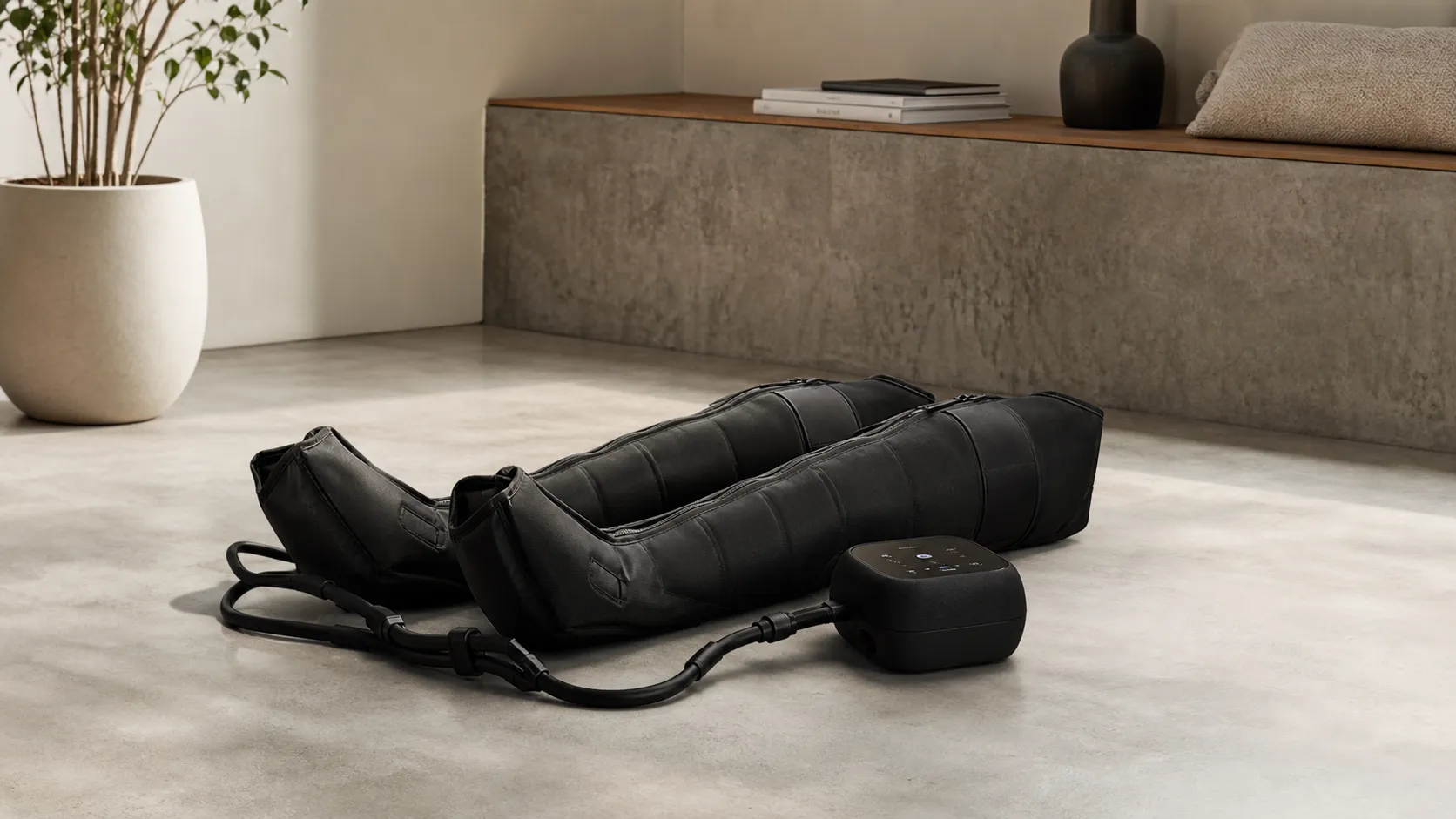
Hyperice Normatec 3.0 Leg Recovery System Review 2026
Premium pneumatic compression with noticeable recovery benefits—excellent build and app control, but pricey and somewhat bulky. Best for frequent athletes and clinics.
 Fitness & Wellness
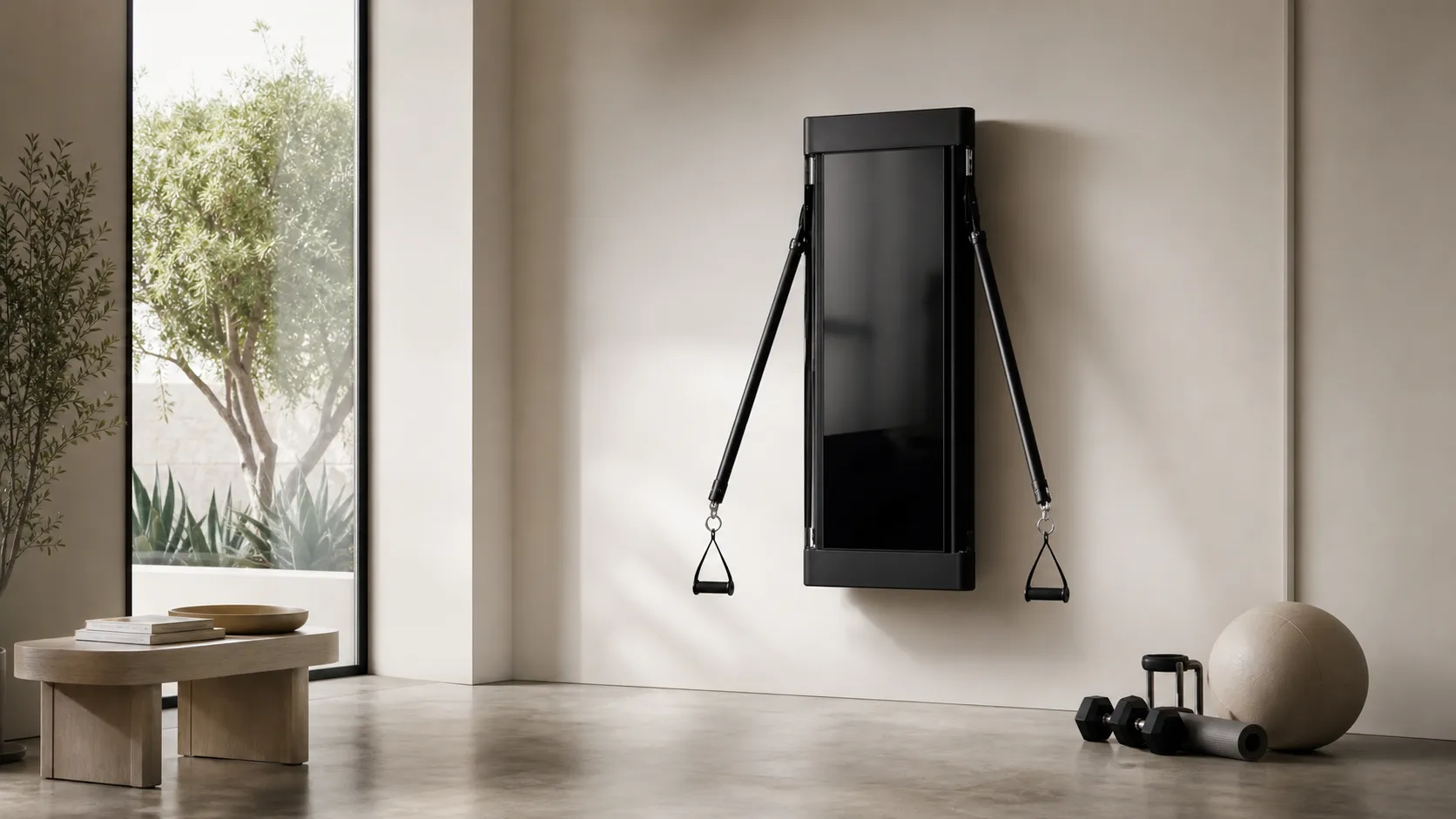
Tonal Smart Home Gym Review 2026
A high-end, wall-mounted smart gym with excellent coaching and space-saving design. Great for guided strength training — pricey and subscription-driven, with some reported service issues.
 Fitness & Wellness
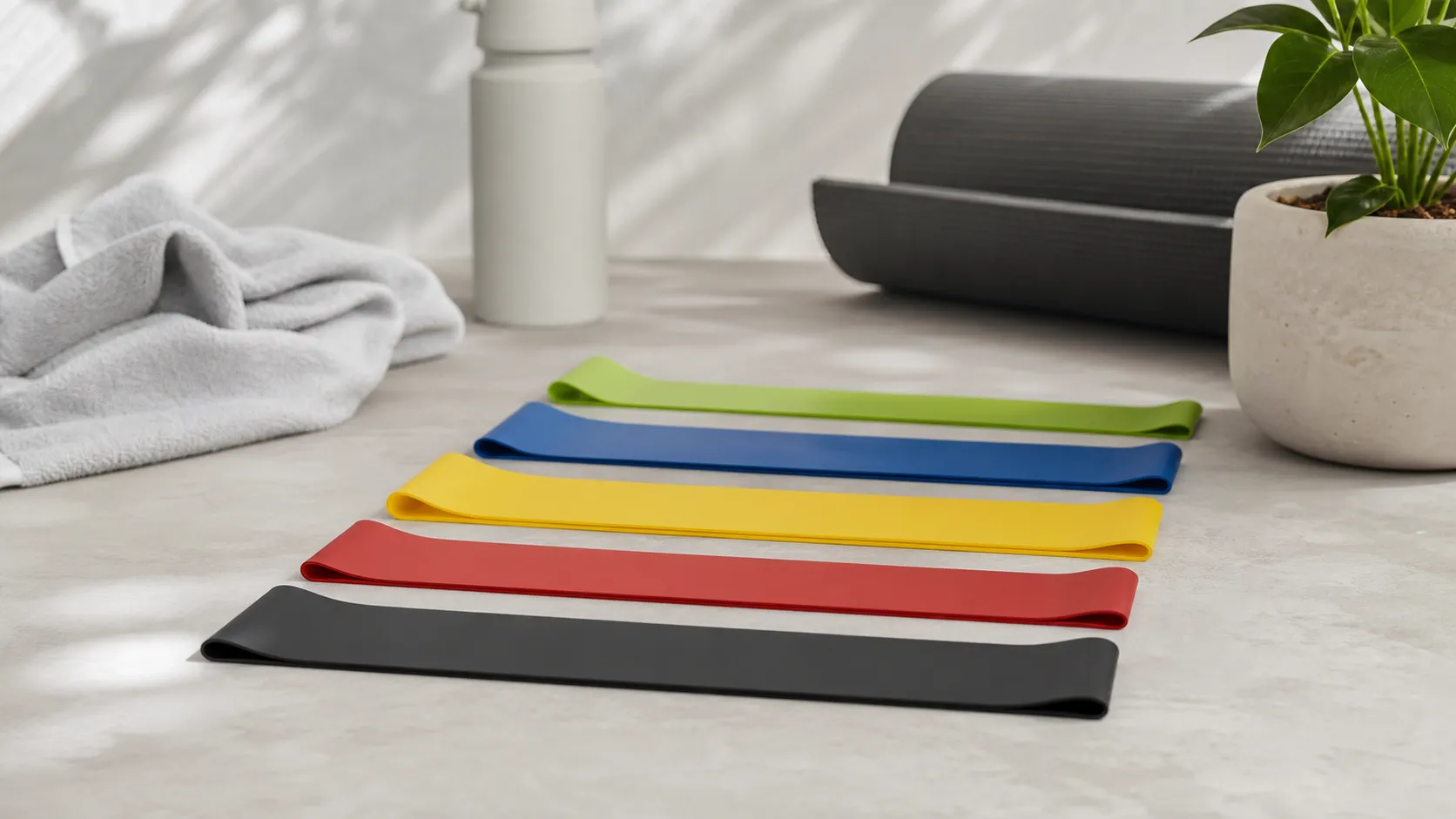
Fit Simplify Resistance Loop Bands Review 2026
Affordable, portable loop bands that excel for beginners, warm-ups, and rehab. Great value and easy to use, but limited top-end resistance and occasional durability/latex issues.