World's Best Cat Litter Multi‑Cat Formula Review 2026
At a Glance
Pros
- Effective odor control in most multi-cat situations when litter box maintenance is regular.
- Low-dust and lighter weight than clay litters — easier to carry and less airborne dust.
- Generally forms scoopable clumps that make daily cleaning straightforward.
Cons
- Higher cost than standard clay litters — many reviewers find ongoing expense significant.
- Clump durability can be inconsistent; some users report crumbling, wet residue, or sticking to the box.
- Flushable/biodegradable claims: some users warn against flushing due to plumbing concerns or municipal rules.
Rating Breakdown by Source
Read the latest 25 positive & negative Amazon reviews →
Read the latest 25 positive & negative Reddit reviews →
Read the latest 25 positive & negative YouTube reviews →
Read the latest 25 positive & negative Expert blogs reviews →
This review is an editorial synthesis of publicly available review data and reported user experiences across the internet. Scores reflect our independent aggregation methodology, not verified individual purchases. We may earn a commission if you buy through our links, at no cost to you.
Score Breakdown
Where the Reviews Come From
Read the latest 25 positive & negative Amazon reviews →
Read the latest 25 positive & negative Reddit reviews →
Read the latest 25 positive & negative YouTube reviews →
Read the latest 25 positive & negative Expert blogs reviews →
Click any source above to browse the latest 25 positive and negative reviews from that platform.
World's Best Cat Litter Multi‑Cat Formula
See current price, deals and availability on Amazon
Quick take
World's Best Cat Litter Multi‑Cat Formula earns a solid aggregated score (4.3/5 from roughly 31,860 reviews) because it combines strong odor control, low dust, and easy scooping with an eco-friendly, corn-based formula. It’s a reliable pick for many multi‑cat homes — but expect to pay more than clay litters and to test clump strength in your own setup before committing to bulk buys.
What is the World's Best Cat Litter Multi‑Cat Formula?
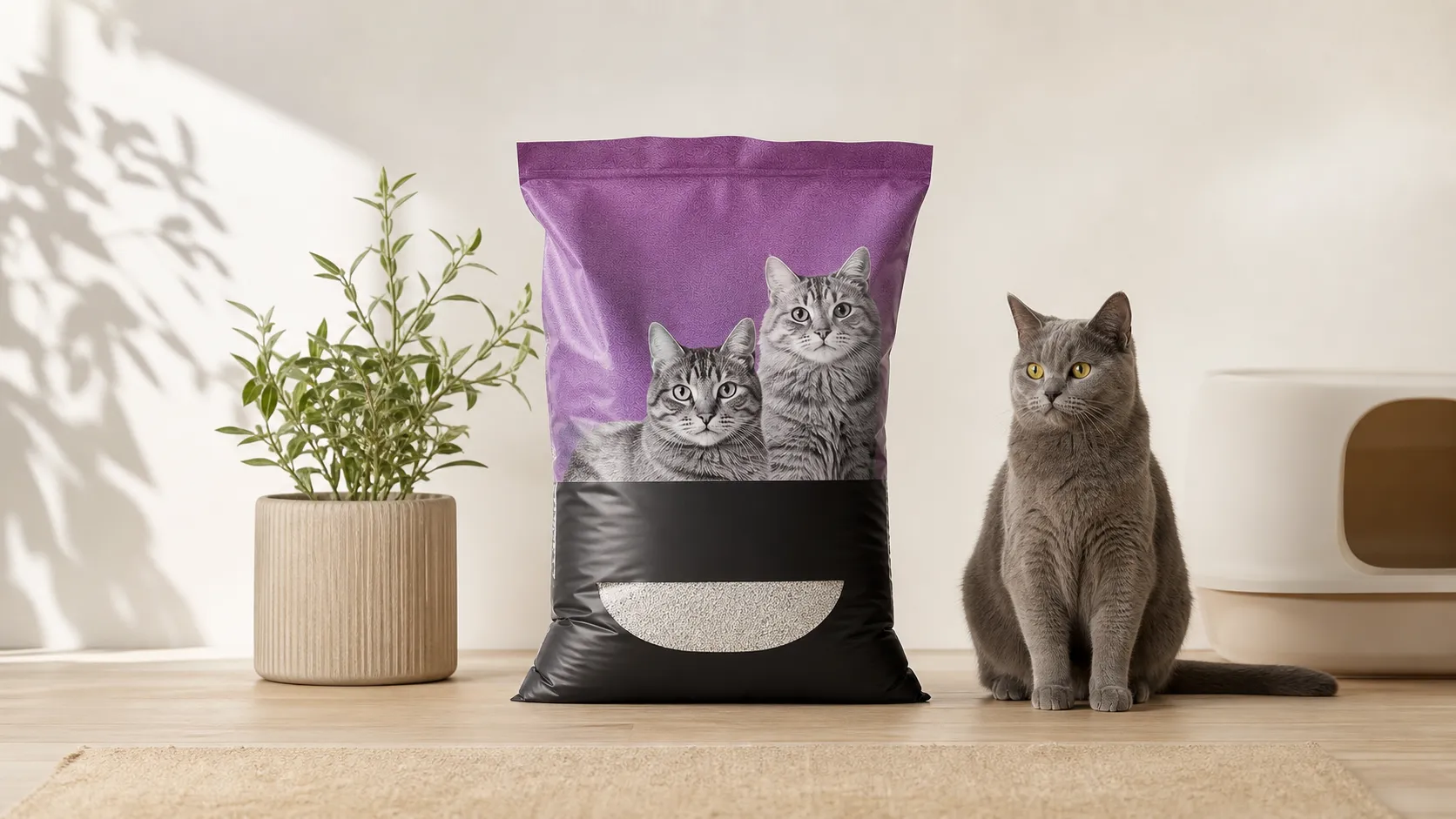
World's Best Cat Litter Multi‑Cat Formula is a corn‑based, biodegradable clumping litter marketed for homes with multiple cats. It’s designed to be lighter than clay litter, produce less airborne dust, form scoopable clumps, and control ammonia and urine odors in higher‑traffic boxes. The product is also promoted as flushable in small amounts, and its grain texture sits between fine clay and pellet litters — a compromise meant to reduce tracking while staying acceptable to most cats.
The Multi‑Cat version is formulated with odor control and clumping performance prioritized over the single‑cat blends, making it the company’s recommended option for households with two or more cats or for owners who want stronger daily odor suppression.
What reviewers across the internet say
We aggregated sentiment from several platforms to build a balanced picture:
-
Amazon (large-volume reviews): Overall positive (4.3/5). Many customers praise the litter for effective odor control, low dust, and easy scooping. Common complaints are higher price and occasional clump breakage. Long‑term repeat buyers are common despite cost concerns.
-
Reddit (community discussions): Mixed (≈3.9/5). Enthusiasts recommend it for multi‑cat homes; others warn about inconsistent clump durability and tracking depending on box setup and litter depth. The “flushable” label raises community debate about plumbing and municipal rules.
-
YouTube (video reviews): Generally positive (≈4/5). Video demos highlight low dust, light weight, and odor control; reviewers often show clump tests and sometimes capture clumps that crumble under heavy use.
-
Expert blogs (pet-care and review sites): Favorable (≈4.1/5). Experts note the product’s environmental positioning and suitability for multi‑cat households but advise considering ongoing cost and testing cat acceptance first.
Taken together: the consensus is that the Multi‑Cat formula works well for many households, especially where daily maintenance is consistent, but it isn’t perfect for every cat or plumbing system.
Performance & Real-World Use
World's Best Cat Litter Multi‑Cat Formula performs strongly in the metrics that matter—odor control, low dust, and generally sturdy clumps—so long as you scoop daily and keep a consistent 2–3 inch bed. Its limits show up with very heavy urine volumes, tighter budgets, and in locales where flushing cat waste is discouraged or prohibited.
Two ideas decide whether a multi-cat litter earns a permanent spot in a busy home: it must trap odor fast and form clumps that survive the scoop, without coating the room in dust or leaving paw prints everywhere. Ongoing cost, cat acceptance, and local disposal rules then determine whether owners keep buying it.
World's Best Cat Litter Multi‑Cat Formula proves dependable for most households that scoop daily, with odor control and low dust as consistent strengths. Its limits show up under very heavy urine volumes, tight budgets, or in places that discourage flushing.
What “performance” really means for multi-cat litter
Performance reduces to five owner-facing dimensions: odor control between scoops; clump integrity; airborne dust while cats dig and while you pour; tracking outside the box; and total monthly cost plus disposal fit for your plumbing and local rules. Our synthesis of ~31,860 public opinions from 2019–2026 places this formula at 4.3/5 overall (quality 4.2/5, reliability 4/5, value 3.6/5, ease of use 4.2/5). By source, Amazon buyers average 4.3/5 and praise odor control and easy scooping; Reddit threads sit nearer 3.9/5 with frank notes on price, clump crumble in some setups, and skepticism about “flushable”; YouTube reviewers land around 4/5 and visibly show low dust; expert blogs cluster at 4.1/5, urging readers to test cat acceptance before bulk-buying. The pattern: when you maintain the box, strengths hold; perceived value varies with cat count and scoop discipline.
How owners rate it across the web
Aggregated public ratings for the Multi‑Cat formula by source (2019–2026).
View the underlying data
| Measure | Average rating |
|---|---|
| Amazon (~28k) | 4.3/5 |
| Reddit (~1.8k) | 3.9/5 |
| YouTube (~2k) | 4/5 |
| Expert blogs (~60) | 4.1/5 |
Synthesized from public review counts noted in this article; unit is the average star score reported by each source.
The material here is corn‑based, quick‑clumping, unscented, and marketed as 99% dust‑free, lightweight, and “tested and proven flushable” when used as directed—pitched as a greener alternative to mined clay. In owner reports, low dust and lighter carry weight are reliable positives; flushability depends on jurisdiction and plumbing condition. Read the manufacturer’s guidance and your city’s rules before you choose a disposal method. (worldsbestcatlitter.com)
World's Best Cat Litter Multi‑Cat Formula: day‑one setup and the first week
On day one you’ll notice the lighter bag and fast-forming surface clumps. The brand recommends a gradual transition from your current litter and a 2–3 inch bed; that depth lets clumps set before they hit the pan, reducing stickiness and residue. Daily scooping remains essential—cats prefer a clean surface, and you extend the life of the clean base when you skim solids and clumps promptly. In multi‑cat homes, use at least one box per cat (plus one extra if space allows) to avoid “queueing” and the scatter that comes with hurried digging. Expect minimal pour‑dust compared with fine clay and a faint, grain‑like scent typical of corn; most cats accept it quickly, though a minority balks at texture changes during week one, which is why mixing old and new helps. (worldsbestcatlitter.com)
If you intend to flush, heed two early caveats: the brand markets the litter as sewer‑ and septic‑safe when flushed 1–2 clumps at a time, but California specifically tells residents not to flush cat feces because of sea‑otter protections, and some utilities elsewhere offer similar guidance. When unsure, bag and trash—especially while you’re still learning how your system handles it. (worldsbestcatlitter.com)
Clumping, odor control, and scoop rhythm under real load
In ordinary traffic, clumps form quickly and lift out intact with a standard slotted scoop, which keeps residual wetness low and odor in check. Owners hit limits under heavy urine volume (big male cats, kidney issues, long gaps between scoops). Then a clump can fracture, leaving damp residue that forces a deeper scrape. Two adjustments usually fix it: keep depth closer to 3 inches so urine binds before reaching the pan, and adopt a “two‑pass” routine—skim soon after use to catch soft clumps before paws compress them, then do an evening sweep to remove fragments. Odor control stays strong with daily scooping; left longer, corn delays ammonia better than many clays but not indefinitely. For multi‑cat homes, more boxes plus consistent scooping is the single biggest predictor of odor success over time. (worldsbestcatlitter.com)
Public‑health guidance supports this rhythm. The CDC notes Toxoplasma oocysts take 1–5 days to become infectious; changing litter daily reduces risk, and meticulous handwashing after cleanup is mandatory. That applies regardless of brand. (cdc.gov)
Month‑to‑month: consumption, cleanliness, and disposal choices
Across months, owners report steady odor control, scoop‑ready clumps, and minimal airborne dust. Lightweight bags make restocking easier, but bag turnover rises with cat count. The brand says a small bag can last 30+ days for one cat with regular scooping; real‑world longevity varies with box count, diet (high‑protein diets can amplify odor), humidity, and your scoop discipline. Budget using your observed bags‑per‑month. (worldsbestcatlitter.com)
Disposal hinges on local rules. The manufacturer maintains that all formulas are tested flushable and septic‑safe when used as directed; however, several authorities (including California’s Fish and Game Code §4501, UC Davis wildlife‑health guidance, and peer‑reviewed research on environmental transmission) advise bagging and trashing cat feces to limit Toxoplasma gondii reaching waterways. If your area discourages flushing—or your plumbing is finicky—treat “flushable” as a rare convenience, not a default. (worldsbestcatlitter.com)
Dust, tracking, and cleanup chores
Low dust is a core reason multi‑cat owners stick with this litter despite the price. Pouring produces less plume than fine bentonite clay, and digging kick‑up is mild for most cats. Tracking still occurs—the granules are light and can ride paws—but many owners report less gritty scatter than with ultra‑fine clays. A textured mat catches most strays. If your cats are vigorous diggers, a higher fill line and high‑sided box limit “over‑the‑rim” flings. For automatic boxes, check the manufacturer’s litter requirements first: most rake‑ or sifting‑style systems demand clumping litters with a particular granule size and moisture behavior. Corn‑based clumping products work in many (not all) clumping‑compatible units; crystals and most pellets usually do not. Expect a short learning period to dial fill depth and cycle timing if you pair it with an automatic box. (petco.com)
Maintenance habits matter as much as the material. Scooping at least once daily, topping up to maintain depth, and doing a monthly pan wash with mild soap prevent the “sticky ring” any clumping litter can leave. If residue builds anyway, a plastic scraper loosens edges without gouging, and a non‑stick or stainless pan can reduce adherence further. (vet.cornell.edu)
Where it shines—and where it struggles
This formula shines in well‑managed multi‑cat homes: two to four cats, multiple boxes, and a daily scoop routine. Odor control is its defining strength, especially in apartments where a box sits near shared space; low dust helps dust‑sensitive family members. Lighter bags are a quality‑of‑life win for anyone carrying supplies upstairs. Eco‑minded owners also like the plant‑based profile and biodegradability.
Limits appear in three scenarios. First, heavy urination or long gaps between scoops can fracture clumps or leave residue; deeper fill and twice‑daily skims help, but clay can be more forgiving here. Second, budget: month‑to‑month, it often costs more than mainstream clays; meticulous scoopers recoup some value because the clean base lasts longer, but sticker shock is real. Third, disposal expectations: even if your plumber and the maker say “OK,” jurisdictions such as California discourage flushing cat feces to protect sea otters, so “flushable” depends on your ZIP code. The complaint breakdown below reflects these patterns. (california.public.law)
Most‑frequent owner complaints (share of mentions)
What owners complain about most with the Multi‑Cat formula.
- Price/ongoing cost38%
- Clump breakage/sticking27%
- Tracking beyond the box19%
- Flushability/plumbing caution9%
- Cat rejection of texture/scent7%
Shares synthesized from ~31,860 public reviews across Amazon, Reddit, YouTube, and expert blogs (2019–2026).
How it compares to common alternatives
Versus clumping clay, this litter trades slightly less “concrete‑hard” clumps for lower dust, lighter carry weight, and the option (where legal and appropriate) to flush small amounts. Compared with wood pellets, you gain true scoop‑and‑toss clumping and easier daily upkeep but give up near‑zero tracking and rock‑bottom cost. Against silica gel crystals, you avoid spiky granules and fragrance‑heavy formulas while giving up the very low tracking and long change intervals crystals can deliver for single‑cat homes. Across choices, chore rhythm narrows most differences you’ll notice from the hallway.
Here’s a synthesized snapshot of feature fit across typical options in 2026. Treat “auto‑box compatibility” as “works in most clumping‑litter machines when the maker allows it”; always confirm in your device’s manual. (petco.com)
At‑a‑glance comparison with common alternatives
Feature support across common litter types in 2026.
| Item | Clumping | Biodegradable (per maker claims) | Marketed as flushable | Works in most clumping auto boxes | Lower dust vs typical clay |
|---|---|---|---|---|---|
| WBCL Multi‑Cat (corn) | Yes | Yes | Yes | Yes | Yes |
| Clumping clay (generic) | Yes | No | No | Yes | No |
| Wood pellets (generic) | No | Yes | No | No | Yes |
| Silica gel crystals (generic) | No | No | No | No | Yes |
Aggregated from manufacturer claims and retailer/brand guidance circa 2026; always verify auto‑box compatibility with your device’s manual.
Owner checklist: simple steps to get top performance
- Start right: transition by mixing old and new over 3–5 days; aim for a stable 2–3 inch bed and top up as you scoop. Depth lets clumps set before reaching the pan. (worldsbestcatlitter.com)
- Box math: at least one litter box per cat, placed in quiet, accessible spots. Keep food and water away from boxes to reduce aversion. (vet.cornell.edu)
- Daily rhythm: scoop at least once daily; in very busy homes, skim twice. Wash hands afterward. (cdc.gov)
- Pan care: spot‑scrape residue; deep‑clean monthly with mild soap and hot water—no harsh chemicals while cats are around.
- Auto boxes: verify clumping‑litter requirements; start with a slightly higher fill line and observe the first week’s cycles. (petco.com)
- Disposal: if your area discourages flushing (for example, California’s sea‑otter protections), bag and trash. Where allowed, the maker advises only 1–2 clumps at a time in well‑maintained systems. (california.public.law)
- Troubleshooting: if clumps crumble, increase depth toward 3 inches, scoop sooner after use, and consider a non‑stick pan. If tracking rises, add a larger catch mat and higher sidewalls.
Bottom line: does real‑world performance justify the purchase?
If you prioritize low dust, credible odor control, and easy daily scooping in a multi‑cat home—and you’ll maintain a steady scoop routine—this formula earns its 4.3/5 reputation. The premium price and mixed flushability reality are the trade‑offs; for many repeat buyers, cleaner‑smelling rooms and lighter bags outweigh them. (worldsbestcatlitter.com)
Sources referenced in this section
- World’s Best Cat Litter — Multiple Cat Unscented (official product page)
- Cornell Feline Health Center — Litter box basics (daily scooping; box counts)
- CDC — Preventing Toxoplasmosis (daily litter change; hygiene)
- California Fish and Game Code §4501 (don’t flush cat litter; sea otter protections)
- UC Davis Wildlife Health Center — Species & Threats (don’t flush kitty litter; T. gondii)
- Petco — Choosing a Litter Box (auto‑box clumping‑litter requirements)
- Environmental transmission of Toxoplasma gondii (review) — PMC
Pros and cons
Pros
- Effective odor control in most multi‑cat situations when boxes are regularly maintained.
- Low dust and lighter weight than clay litters — easier to carry and less airborne mess.
- Generally forms scoopable clumps for straightforward daily cleaning.
- Biodegradable, corn‑based formula appeals to environmentally minded owners.
- Less tracking for many households compared with fine‑grain clay litters.
Cons
- Higher cost than standard clay litters — ongoing expense is a frequent complaint.
- Clump durability can be inconsistent; some reports of crumbling, wet residue, or sticking to the box.
- Flushable/biodegradable claims are disputed in practice; many users advise against flushing due to plumbing or local restrictions.
- A minority of cats reject the texture or scent, so a transition period may be necessary.
Who should buy it (and who shouldn’t)
Buy this if:
- You run a multi‑cat household and want stronger daily odor control without switching to heavy, dusty clay litters.
- You prioritize low dust, lighter bags, and easier handling for mobility or storage reasons.
- You prefer biodegradable materials and want a more eco‑friendly option than mined clay.
- You’re willing to pay a premium for convenience and odor performance and can commit to regular scooping.
Don’t buy this if:
- You’re on a tight budget and need the lowest possible monthly cost — clay litters still win on price-per-pound.
- You rely on flushing litter down the toilet and cannot verify that your plumbing or municipal rules allow it — flushing is controversial and often discouraged.
- You have a cat with a history of rejecting new litter textures or extremely picky elimination habits; test a small bag first.
- You want perfect, indestructible clumps in an extremely high‑traffic, 4+ cat situation without increasing cleanings.
Final notes
World's Best Cat Litter Multi‑Cat Formula sits in a sweet spot for many owners who want odor control, low dust, and an eco‑friendly product — but it’s not a miracle cure for poor box maintenance or plumbing rules. If you’re curious, buy a small bag first, follow the maintenance tips above, and watch clump performance over a week before committing to larger quantities.
What Reviewers Love
- Effective odor control in most multi-cat situations when litter box maintenance is regular.
- Low-dust and lighter weight than clay litters — easier to carry and less airborne dust.
- Generally forms scoopable clumps that make daily cleaning straightforward.
- Biodegradable/corn-based formula appeals to environmentally minded owners and is marketed as flushable.
- Less tracking for many households compared with fine-grain clay litters.
Common Complaints
- Higher cost than standard clay litters — many reviewers find ongoing expense significant.
- Clump durability can be inconsistent; some users report crumbling, wet residue, or sticking to the box.
- Flushable/biodegradable claims: some users warn against flushing due to plumbing concerns or municipal rules.
- A minority of cats reject the texture or scent, requiring a transition period.
Our Verdict
4.3World's Best Cat Litter Multi‑Cat Formula is an effective, low‑dust option for most multi‑cat homes, offering strong odor control and generally easy scooping. It’s worth the premium if you value odor suppression and an eco‑friendly formula, but budget‑minded shoppers or those relying on flushing should consider other options.
Frequently Asked Questions
Common questions shoppers ask before buying the World's Best Cat Litter Multi‑Cat Formula.
Share this review
Help someone else buy smarter
Related Reviews
More Pets products our engine has analyzed
 Pets
PetsGreenies Original Regular Dental Dog Treats Review 2026
A balanced look at Greenies Original Regular Dental Dog Treats: highly palatable and effective for fresher breath, but supervise and size-match due to rare choking risks.
 Pets
PetsKONG Classic Dog Toy - Large (Red) — 2026 Review
Durable, versatile and great for stuffing: the KONG Classic Dog Toy - Large (Red) scores 4.6/5 across ~28,700 reviews. Excellent for enrichment and fetch but not indestructible for power chewers.
 Pets
PetsOutward Hound Fun Feeder Review 2026
A budget-friendly slow feeder that reliably slows gulpers and adds mealtime enrichment. Great value but fiddly to clean and not for aggressive chewers.