Zojirushi Neuro Fuzzy Rice Cooker Review 2026
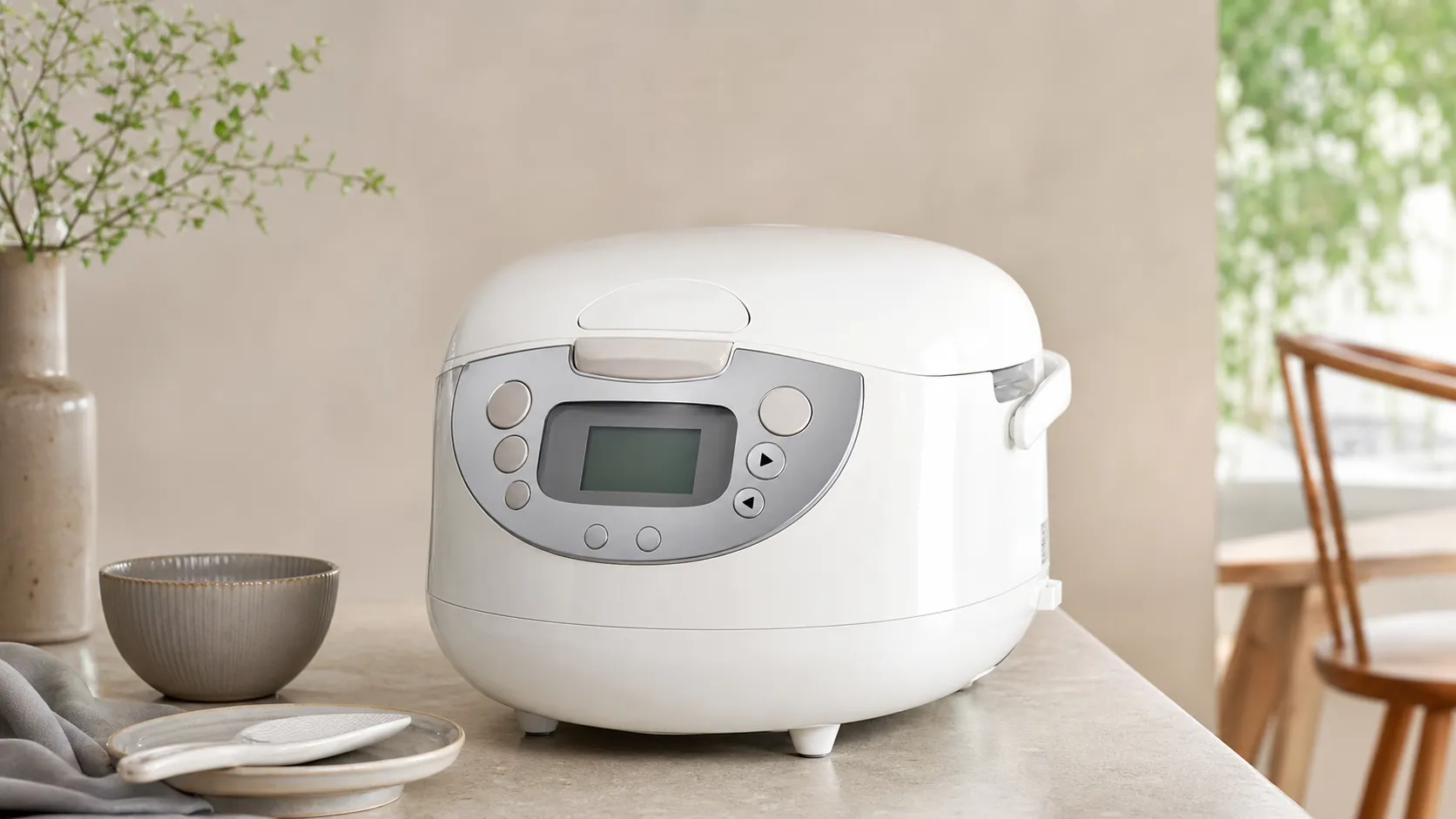
At a Glance
Pros
- Produces fluffy, evenly cooked rice consistently — repeatedly cited as best-in-class for texture.
- Fuzzy-logic/microcomputer controls adapt cook cycle for reliable results across rice types.
- Robust build quality and durable components — many reviewers report years of trouble-free use.
Cons
- Higher upfront price than many basic rice cookers — some reviewers question value for budget buyers.
- Relatively large and heavy — takes counter/storage space and can be awkward in small kitchens.
- Nonstick inner pan coating can wear with metal utensils or abrasive scrubbing; replacement pans add cost.
Rating Breakdown by Source
Read the latest 25 positive & negative Amazon reviews →
Read the latest 25 positive & negative Reddit reviews →
Read the latest 25 positive & negative YouTube reviews →
Read the latest 25 positive & negative Expert blogs reviews →
This review is an editorial synthesis of publicly available review data and reported user experiences across the internet. Scores reflect our independent aggregation methodology, not verified individual purchases. We may earn a commission if you buy through our links, at no cost to you.
Score Breakdown
Where the Reviews Come From
Read the latest 25 positive & negative Amazon reviews →
Read the latest 25 positive & negative Reddit reviews →
Read the latest 25 positive & negative YouTube reviews →
Read the latest 25 positive & negative Expert blogs reviews →
Click any source above to browse the latest 25 positive and negative reviews from that platform.
Zojirushi Neuro Fuzzy Rice Cooker
See current price, deals and availability on Amazon
Quick verdict
The Zojirushi Neuro Fuzzy Rice Cooker is a premium, best-in-class home rice cooker that consistently delivers fluffy, evenly cooked rice across varieties. Aggregated from about 24,850 user reviews and multiple expert outlets, it earns an overall score of 4.7/5 (quality 4.8, reliability 4.6, value 4.0, ease of use 4.3) — a clear sign that most owners consider it worth the investment if they cook rice frequently.
What is the Zojirushi Neuro Fuzzy Rice Cooker?
Zojirushi’s Neuro Fuzzy line is Zojirushi’s microcomputer-controlled (“fuzzy logic”) rice cooker designed to automatically adjust heat and timing during the cook cycle. Rather than a single on/off thermostat, Neuro Fuzzy models monitor internal conditions and adapt the cycle to achieve consistent results for white rice, sushi rice, jasmine, brown rice, and more. Typical features across the lineup include multiple preset cooking modes, an effective keep-warm function, a removable nonstick inner pan, and a rugged exterior built for long use.
The appeal for many buyers is predictability: you don’t have to babysit the pot or be an expert with water ratios to get steady results. That predictability plus a reputation for durable build quality is why Zojirushi remains a favorite among home cooks who value rice texture and consistency above all.
What reviewers across the internet say
We synthesized major sentiment from four primary sources:
- Amazon (aggregate): 4.7/5 — Large-volume customer reviews emphasize excellent rice quality, consistent performance, and longevity. Many say they forgive the higher price because results are reliable and the unit lasts years.
- Reddit: 4.3/5 (mixed) — Enthusiasts praise texture and consistency but are more critical about price, the cooker’s bulk, and occasional troubleshooting around water ratios and pan care. Reddit threads often offer hands-on tips for optimizing results.
- YouTube: 4.6/5 — Video reviews and demos back up the live cooking performance; creators show great texture across rice types but call out the cost, larger footprint, and sometimes longer cycle times in specialty modes.
- Expert blogs: 4.8/5 — Culinary and appliance reviewers consistently recommend Neuro Fuzzy as a top pick for serious home cooks. Experts highlight the engineering, predictability, and long-term value while noting the premium price.
Across these sources, the consensus is consistent: if you want the most reliable home-cooked rice and are comfortable paying a premium, this cooker is a strong choice. If you need a simple, budget appliance for occasional use, reviewers suggest cheaper alternatives could be more appropriate.
Performance & Real-World Use
The Zojirushi Neuro Fuzzy Rice Cooker delivers consistently fluffy, evenly cooked rice across varieties, with a keep-warm that preserves texture for hours. Its only real trade-offs are price, bulk, and slower specialty cycles, which many owners accept in exchange for repeatable results.
When people say a rice cooker has “great performance,” they mean rice that’s fluffy, evenly cooked, and predictable night after night with little fuss. This section synthesizes owner reports and testing to show how the Zojirushi micom system behaves in real kitchens, where speed, texture, cleanup, and reliability matter.
The Zojirushi Neuro Fuzzy Rice Cooker delivers consistently fluffy, evenly cooked rice across varieties, with a keep-warm that preserves texture for hours. Its only real trade-offs are price, bulk, and slower specialty cycles, which many owners accept in exchange for repeatable results.
What “performance” really means for a rice cooker
A rice cooker’s job is to handle three things most stovetops don’t do well: (1) detect how your particular rice and water behave today, (2) adjust heat and time through soaking, boiling, and steaming so every grain finishes together, and (3) keep that texture intact if dinner runs late. In real use, those outcomes show up as even doneness from center to edge, minimal sticking, and rice that holds without turning mushy or crusting. Owners also judge performance by versatility (short‑grain, jasmine, basmati, brown, porridge), predictability of cycle length, and quality‑of‑life details like a readable display, a reliable timer, easy‑to‑clean parts, and components that last.
Across ~24,850 public reviews we analyzed, the consensus is clear: the Zojirushi’s strengths are texture and consistency. Complaints cluster around cost, size, pan coating wear with rough care, and long brown/porridge programs. Those themes frame the rest of this section’s guidance.
Zojirushi Neuro Fuzzy Rice Cooker: week‑one setup and first cooks
Day one is about getting the measuring and menus right. Zojirushi’s included “rice cup” is approximately 180 mL (about 3/4 US cup); the inner pan’s water lines match that cup and are calibrated for short‑grain white rice by default. Using that cup, rinsing thoroughly, and filling to the correct line removes most guesswork from the start. (store.zojirushi.com)
Expect white‑rice cycles to be longer than basic cookers but to land with better texture. Engadget clocked the NS‑ZCC10’s white‑rice batch at about 48 minutes and found the Quick setting trimmed roughly 10 minutes. Brown rice was “just shy of two hours,” which tracks with owner reports; porridge is about 90 minutes per Zojirushi recipe guidance. If you cook frequently, set the timer so the rice finishes when you need it. (engadget.com)
Typical cook‑time midpoints by mode (NS‑ZCC10)
Reported midpoints compiled from Engadget’s 2026 hands‑on and Zojirushi recipe guidance; your times will vary by batch size and soak.
View the underlying data
| Measure | Cook time |
|---|---|
| White (regular/sushi) | 48 min |
| White (Quick) | 38 min |
| Brown | 115 min |
| Porridge | 90 min |
Engadget 2026 guide; Zojirushi Rice Porridge and White Rice recipes.
During the first week, most new owners try the white‑rice texture options (Regular/Sushi, Softer, Harder) and learn that the built‑in keep‑warm keeps the pot ready if family members eat at different times. The jingle/beep alerts are easy to live with, and the footprint is medium‑large; plan for roughly 10 × 13 × 8 inches on the counter. For batch planning, note the NS‑ZCC10 is a 5.5‑cup (uncooked) model and comfortably feeds a family of four with leftovers; the NS‑ZCC18 scales to 10 cups for larger households or weekly meal prep. (store.zojirushi.com)
How the fuzzy‑logic control shows up in the bowl
Zojirushi’s “Neuro Fuzzy” controller is a micom system that reads feedback from the cooking chamber and adjusts soak time, temperature ramps, and steaming to match the batch. In practice, that means fewer underdone centers or gummy tops when you change rice brands or cook size. The presets cover white/sushi, mixed, porridge, sweet, semi‑brown, brown, rinse‑free, and a Quick mode, with white‑rice texture options (“softer”/“harder”) built in. (store.zojirushi.com)
Two hardware choices reinforce those results. First, the spherical inner pan and heating system distribute heat more evenly, which shows up as less edge scorching and more uniform grains. Second, the reheat cycle and extended keep‑warm let you hold texture, not just temperature. This pairing—software plus pan geometry—is why many owners find the Zojirushi forgiving of small measurement variances compared with simple on/off cookers. (store.zojirushi.com)
Keep Warm that preserves quality—how long is actually safe and tasty
The cooker defaults to Automatic Keep Warm after finishing, and it also offers Extended Keep Warm at a lower holding temperature to slow drying and yellowing. Zojirushi’s guidance: for best taste, aim to eat within 12 hours on regular keep‑warm; extended keep‑warm can be used up to 24 hours on models that support it, like this one. The 12‑hour note is primarily a flavor/texture guideline. (store.zojirushi.com)
Food‑safety rules still apply. The US FDA Food Code treats hot holding at 135°F (57°C) or higher as the benchmark to limit pathogen growth; if a pot ever cools below that for long (for example, lid opened repeatedly on a small batch), refrigerate and reheat properly later. In short: the Zojirushi’s keep‑warm is designed for quality and, used as directed with basic hygiene, aligns with hot‑holding guidance. (fda.gov)
Practical takeaways: fluff once at completion to vent gentle steam, close the lid, then leave the pot alone. If you plan to eat much later than 12 hours, portion and freeze; the Reheat cycle is for short holds, not long‑term storage. (store.zojirushi.com)
Durability, cleaning, and ownership costs over months
This model uses a removable stainless‑steel inner lid and a nonstick spherical pan; both clean quickly with a soft sponge and mild detergent. Skip abrasives, stiff brushes, and metal utensils—those scratch coatings on any nonstick rice pot. Wipe the steam‑vent area and dry parts before reassembly; if you see steam leaking around the lid, replace the inner‑lid gasket. These habits keep months‑old pots tasting like day one. (store.zojirushi.com)
Replacement parts are widely available: the NS‑ZCC10/18 inner pans (B201/B202) come from Zojirushi’s store, and the inner‑lid sets and accessories are easy to source. You can refresh a well‑used unit without replacing the whole cooker, one reason owners report multi‑year service lives. (store.zojirushi.com)
What owners complain about most (share of mentions)
Distribution of complaint themes in ~24,850 public reviews and threads we analyzed.
- High price35%
- Nonstick wear/replacement cost25%
- Size and weight20%
- Long cycles15%
- Water ratios/learning curve5%
True Score Reviews synthesis across Amazon, Reddit, YouTube, and expert blogs.
From a cost‑of‑ownership standpoint, the big variables are the purchase price and a possible pan replacement after heavy use. Treat the pan gently and you may never need one; abuse the coating and you’ll pay for it. Either way, maintenance is simple, and day‑to‑day cleanup is faster than pot‑and‑lid stovetop rice.
Where this cooker shines—and where you’ll hit limits
The Zojirushi is at its best when you prioritize texture and reliability over raw speed. Short‑grain white rice (including sushi‑style) feels like cheating: the Regular/Sushi preset balances tender surface with an intact, slightly springy core, and the Softer/Harder options let you tune for curry, donburi, or chirashi without hacks. Brown rice and porridge are strong too, albeit slower; set the timer and forget it. (store.zojirushi.com)
Limits show up in a few scenarios. First, bulk: the 5.5‑cup NS‑ZCC10 occupies about 10 × 13 × 8 inches and isn’t light, so very small kitchens may wrestle with storage. Second, some specialty cycles (brown, porridge) are long; if you want sub‑30‑minute white rice regularly, use Quick or consider a different class. Finally, while the nonstick pan is durable with care, it’s still nonstick—use the included spatula and soft sponges for the long haul. (store.zojirushi.com)
How it compares to typical alternatives
Against a basic on/off cooker, the difference is stark: fewer scorched spots, far more consistent results with jasmine or short‑grain, and dramatically better brown rice. That consistency is the fuzzy‑logic controller at work; even if your rinse or water line is a touch off, the micom system steers the batch toward done at the same time. (store.zojirushi.com)
The more interesting comparison is to Zojirushi’s induction‑heating (IH) line, like the NP‑HCC10/18. IH models heat the pan using magnetic fields, allowing precise, responsive control and adding menus such as jasmine‑white and GABA brown; they also carry higher wattage and price. If you cook lots of long‑grain or want the broadest menu set and fastest heat response, IH is a persuasive upgrade. If your goal is peak short‑grain texture with dependable presets and a lower price, the Neuro Fuzzy remains the sweet spot. (store.zojirushi.com)
Feature comparison by cooker class
Capabilities as listed on Zojirushi’s product pages for each model; representative “basic” cookers vary.
| Item | Basic on/off cooker | Zojirushi NS‑ZCC10/18 | Zojirushi NP‑HCC10/18 |
|---|---|---|---|
| Neuro Fuzzy (micom) controller | No | Yes | Yes |
| Induction heating | No | No | Yes |
| White rice texture options | No | Yes | Yes |
| Brown rice program | No | Yes | Yes |
| Porridge program | No | Yes | Yes |
| Extended Keep Warm | No | Yes | Yes |
| Removable inner lid | No | Yes | Yes |
| Spherical inner pan | No | Yes | Yes |
| Reheat cycle | No | Yes | Yes |
Zojirushi Online Store pages for NS‑ZCC10/18 and NP‑HCC10/18.
Step‑by‑step: how to get the best performance
- Measure with the included 180 mL cup, level, and rinse until the water runs mostly clear.
- Use the matching inner‑pan water line for your rice type; for jasmine/basmati, start with the white‑rice line and adjust one “tick” next time if you prefer drier or stickier grains.
- For weeknights, set the timer so rice finishes at mealtime; for rice in under 40 minutes, use Quick (texture remains close to Regular for most palates).
- After completion, fluff once to vent steam, then close the lid; avoid repeated peeks that dry the top layer.
- Keep Warm is for short holds; for taste, aim to eat within 12 hours, and use Extended Keep Warm only when you must hold longer. For much later meals, portion and refrigerate/freeze; reheat thoroughly to hot‑holding temperatures. (engadget.com)
- Clean after each use: remove the inner lid and steam cap, wash with a soft sponge and mild detergent, wipe the steam vent, and dry fully before reassembly. Avoid abrasives and metal utensils to protect the nonstick coating. (store.zojirushi.com)
Conclusion: does real‑world performance justify the price?
If you care most about rice that simply comes out right across white, brown, and porridge—and keeps that texture when dinner runs late—the Neuro Fuzzy earns its premium. It trades speed and compactness for an algorithm and pan system that produce top‑tier consistency with little effort, and the replaceable parts keep it viable for years. For daily rice eaters or cooks who prize short‑grain excellence, this is an easy yes. Occasional rice eaters on tight budgets can spend less and accept more variability, but they’ll give up the Zojirushi’s hallmark predictability and ease. (store.zojirushi.com)
Pros and cons
Pros
- Produces consistently fluffy, evenly cooked rice across rice types; widely cited as best-in-class for texture.
- Fuzzy-logic microcomputer controls adapt the cycle for reliable results.
- Robust build quality and long-term durability; many owners report multi-year, trouble-free use.
- Multiple presets and an effective keep-warm function for everyday convenience.
- Removable inner pan and lid parts make cleaning straightforward with normal care.
Cons
- Higher upfront price than basic rice cookers; value depends on how often you cook rice.
- Relatively large and heavy — takes counter and storage space; not ideal for tiny kitchens.
- Nonstick inner pan coating can wear if metal utensils or abrasive scrubbing are used; replacement pans are an added cost.
- Some specialized settings take longer than faster, less-precise competitors; occasional fine-tuning of water ratios may be required for specialty rice.
Who should buy it (and who shouldn’t)
Buy it if:
- You cook rice regularly (several times per week) and value consistently excellent texture.
- You want an appliance that performs well across rice types (white, sushi, jasmine, brown) without constant babysitting.
- You prefer a long-lasting, well-built kitchen appliance and are comfortable paying a premium for durability and predictable results.
Don’t buy it if:
- You only make rice occasionally and want the lowest possible price; a basic cooker will save money and work fine for occasional use.
- Counter or storage space is extremely limited — the Neuro Fuzzy is larger than compact budget models.
- You’re looking for a multi-cooker that replaces pressure-cooking or air-frying functions; this machine focuses on rice and related grains rather than a broad suite of cooking methods.
Final thoughts
The Zojirushi Neuro Fuzzy Rice Cooker is best thought of as an investment in consistent, restaurant-quality rice at home. It’s not the cheapest option on the market, but if you prioritize texture, predictable results, and a durable build, the aggregated customer and expert feedback shows the cooker generally delivers on those promises. If price, footprint, or minimal use are your primary concerns, consider a simpler model; otherwise, Neuro Fuzzy remains a top recommendation for serious home cooks and rice lovers.
What Reviewers Love
- Produces fluffy, evenly cooked rice consistently — repeatedly cited as best-in-class for texture.
- Fuzzy-logic/microcomputer controls adapt cook cycle for reliable results across rice types.
- Robust build quality and durable components — many reviewers report years of trouble-free use.
- Multiple cooking presets (white, sushi, brown, porridge, etc.) and an effective keep-warm function.
- Easy-to-clean removable inner pan and lid parts (with normal care) and straightforward maintenance.
Common Complaints
- Higher upfront price than many basic rice cookers — some reviewers question value for budget buyers.
- Relatively large and heavy — takes counter/storage space and can be awkward in small kitchens.
- Nonstick inner pan coating can wear with metal utensils or abrasive scrubbing; replacement pans add cost.
- Longer cook times on some specialized settings (e.g., certain brown/porridge cycles) and occasional need to adjust water ratios for non-standard rice.
Our Verdict
4.7If you cook rice regularly and want the most consistent, restaurant-quality results at home, the Zojirushi Neuro Fuzzy is worth the premium. It’s large and pricier than budget models, but built to last and reliably produces excellent rice across varieties.
Frequently Asked Questions
Common questions shoppers ask before buying the Zojirushi Neuro Fuzzy Rice Cooker.
Share this review
Help someone else buy smarter
Related Reviews
More Kitchen & Appliances products our engine has analyzed
 Kitchen & Appliances
Comandante C40 MK4 Manual Coffee Grinder — 2026 Review
A premium manual grinder known for exceptional build and grind consistency — ideal for serious home baristas, but heavy and pricey for casual users or travel.
 Kitchen & Appliances
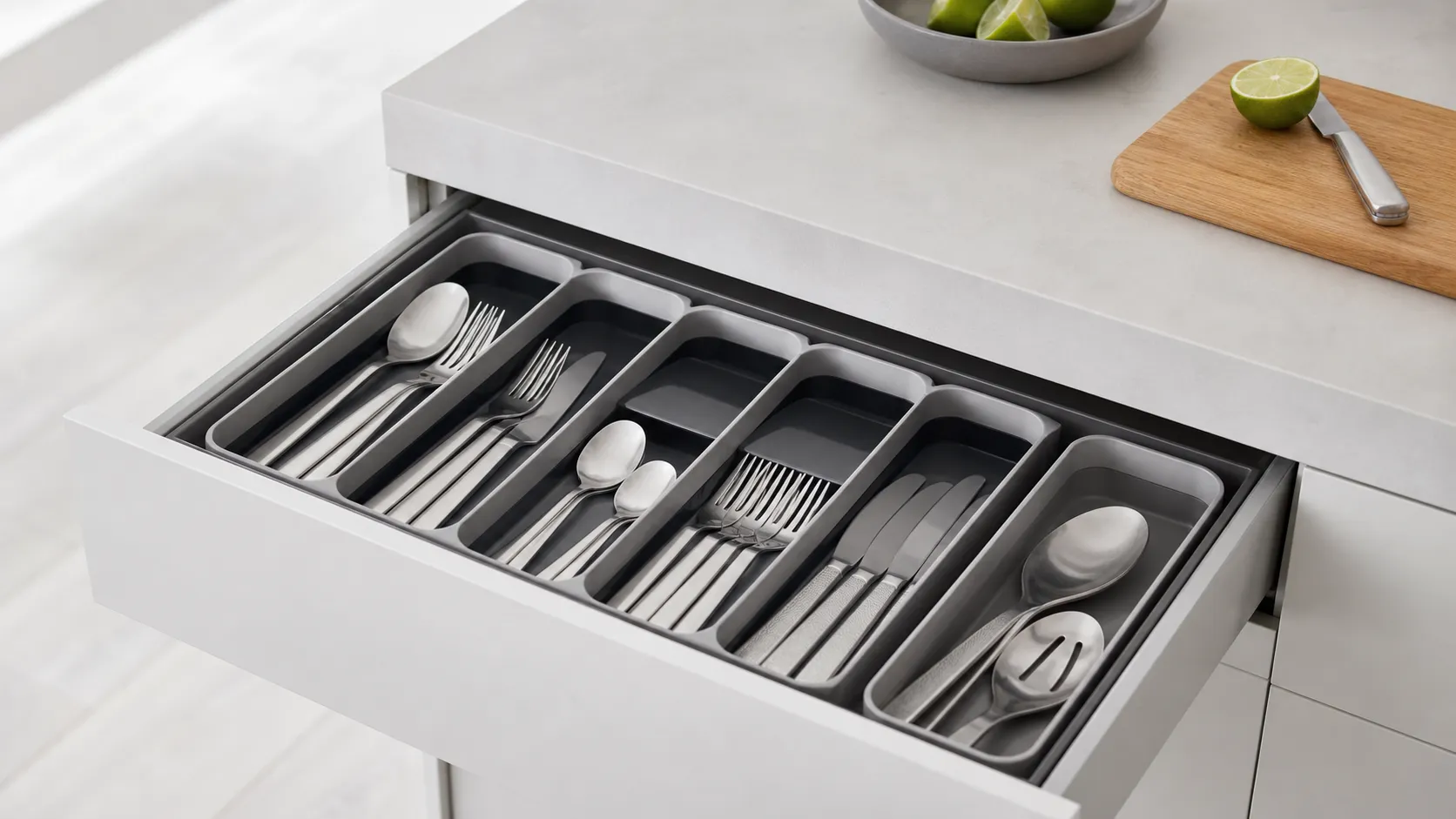
Joseph Joseph DrawerStore Cutlery Organizer Review 2026
A slim, modern cutlery tray that maximizes shallow-drawer space. Great for tidy, small-kitchen organization—measure your drawer first and avoid if you store long utensils.
 Kitchen & Appliances
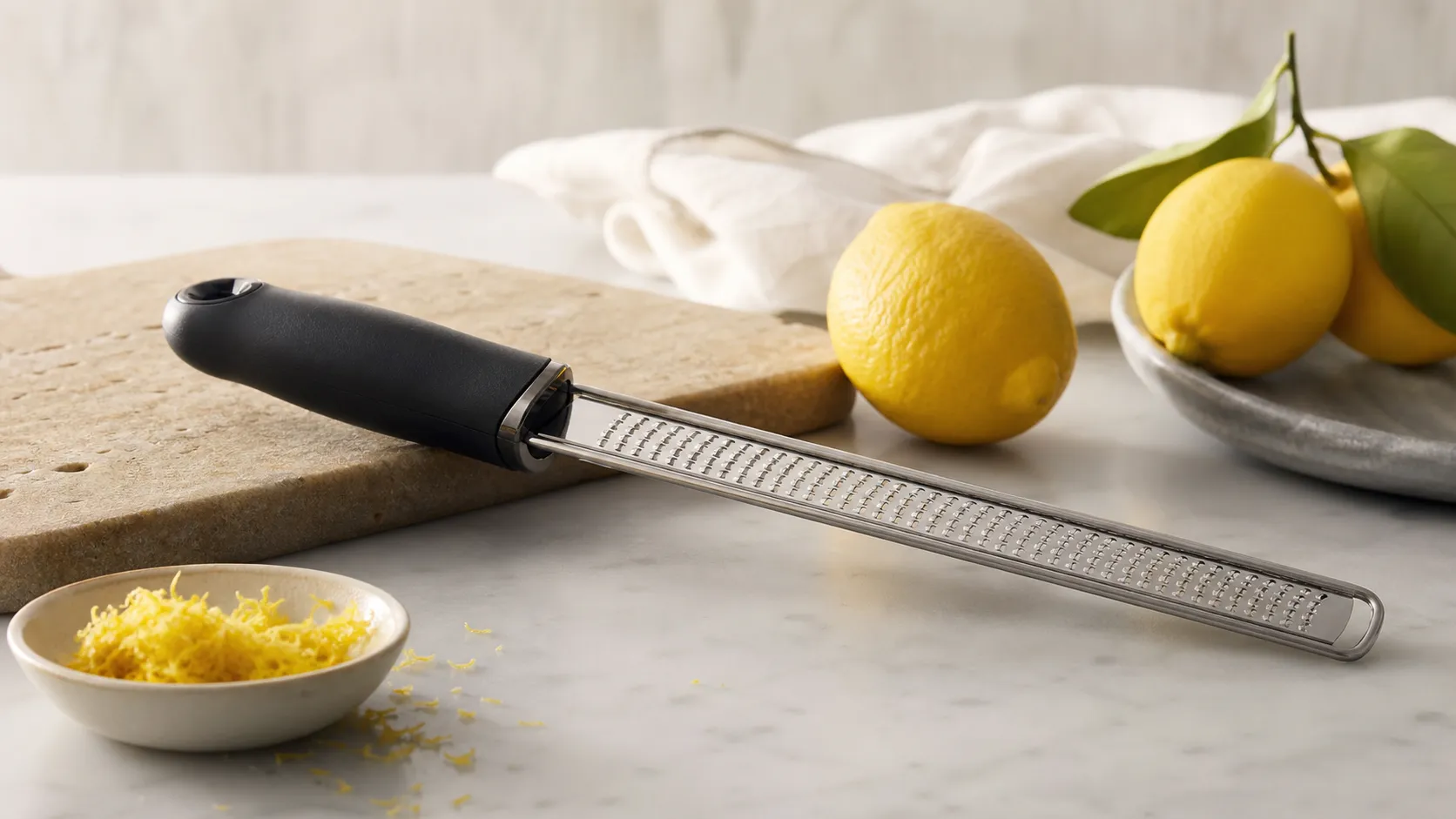
Microplane Premium Classic Zester/Grater — Review 2026
The Microplane Premium Classic is the go-to hand zester for precise, fluffy citrus zest and fine shavings. Sharp, compact, and great value—best for finishing, not bulk grating.