Zojirushi NS-LGC05 Micom 3-Cup Rice Cooker Review 2026
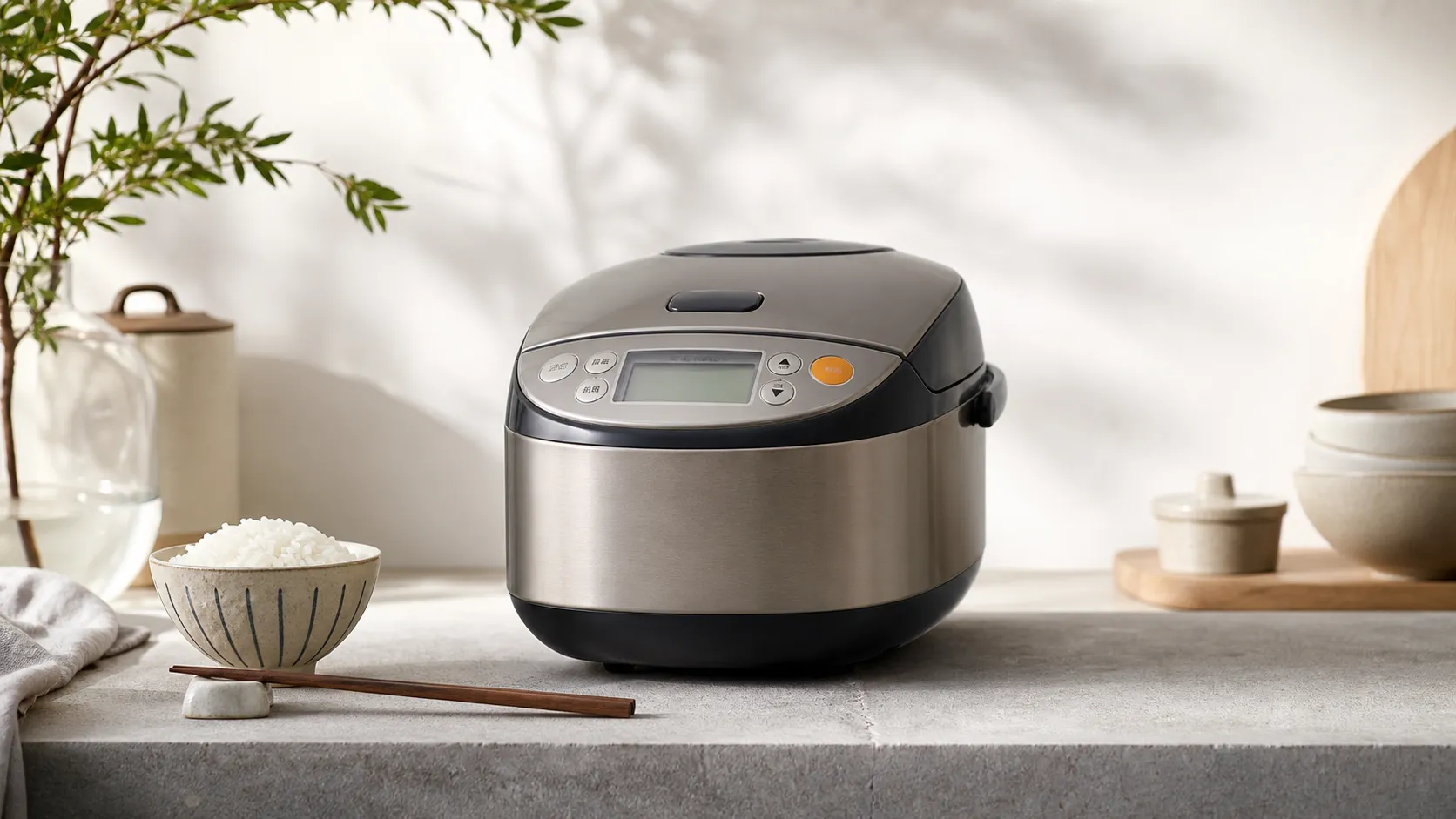
At a Glance
Pros
- Consistently good, evenly cooked rice (white and sushi rice emphasized)
- Compact footprint ideal for 1–2 people or small kitchens
- Simple controls — plug-and-play micom cooking with dependable keep-warm
Cons
- High price relative to its small (3-cup) capacity
- Longer cook times for some rice types (especially brown) compared with pressure/induction models
- Limited advanced menu/features (no multi-stage or steam/accessory set included)
Rating Breakdown by Source
Read the latest 25 positive & negative Amazon reviews →
Read the latest 25 positive & negative Reddit reviews →
Read the latest 25 positive & negative YouTube reviews →
Read the latest 25 positive & negative Expert blogs reviews →
This review is an editorial synthesis of publicly available review data and reported user experiences across the internet. Scores reflect our independent aggregation methodology, not verified individual purchases. We may earn a commission if you buy through our links, at no cost to you.
Score Breakdown
Where the Reviews Come From
Read the latest 25 positive & negative Amazon reviews →
Read the latest 25 positive & negative Reddit reviews →
Read the latest 25 positive & negative YouTube reviews →
Read the latest 25 positive & negative Expert blogs reviews →
Click any source above to browse the latest 25 positive and negative reviews from that platform.
Zojirushi NS-LGC05 Micom 3-Cup Rice Cooker & Warmer
See current price, deals and availability on Amazon
Intro
If you want a compact, no-nonsense rice cooker that reliably produces evenly cooked white and sushi rice for one or two people, the Zojirushi NS-LGC05 Micom 3-Cup Rice Cooker & Warmer is one of the most consistent options you’ll find. Aggregating reviews from Amazon, Reddit, YouTube and expert blogs yields an overall score of about 4.6/5 — reviewers praise predictable texture, a durable nonstick inner pan, and a small footprint that fits apartment kitchens, while the main trade-offs are price versus capacity and slower cycles for whole grain rice.
In short: excellent rice performance for singles and couples, premium build and simplicity, but a premium price for only a 3-cup capacity.
What Is the Zojirushi NS-LGC05 Micom 3-Cup Rice Cooker & Warmer?
The NS-LGC05 is Zojirushi’s compact micom (microcomputer) rice cooker aimed at small households who want consistent rice without fiddly settings. It’s called a “3-cup” cooker — that refers to the dry rice capacity (suitable for one to two people per meal). The unit uses Zojirushi’s microcomputer logic to adjust cooking time and temperature, includes a keep-warm function that maintains texture without drying out rice, and comes with a coated nonstick inner pan, a measuring cup, and a rice spatula.
This model is intentionally simple: it focuses on repeatable rice results rather than a long menu of specialty modes. That makes it quick to learn and easy to maintain, but also means it lacks advanced features found on larger Zojirushi models (multi-stage cooking, steam functions, or pressure/induction technology).
What Reviewers Across the Internet Say
We synthesized feedback across major public sources to arrive at a balanced view: aggregated rating ~4.6/5 with sub-scores of quality 4.7, reliability 4.5, value 4.1, and ease of use 4.7.
-
Amazon (4.7/5, largely positive): Buyers consistently praise the unit for producing dependable, evenly cooked rice with minimal fuss. Positive reviewers highlight the compact size and easy cleanup. The most common complaints relate to the unit’s price given its small capacity and a few notes about longer brown-rice cycles.
-
Reddit (4.4/5, positive): Conversations skew toward brand-loyal users and cooking hobbyists who recommend the NS-LGC05 for singles or couples and small kitchens. Redditors echo that the texture is reliable and share practical tips and small quirks (e.g., using the included spatula, avoiding metal utensils).
-
YouTube (4.5/5, positive): Video reviewers favor real-world demos; they report consistent texture and straightforward cleanup. Many note it’s slower than pressure or induction models and has fewer bells and whistles, but that it nails the basics.
-
Expert blogs (4.3/5, mixed): Reviewers with testing workflows praise the build quality and consistent results but question the value-to-capacity ratio and recommend higher-end Zojirushi models for families or those who want pressure or induction cooking.
Across sources the consensus is clear: outstanding consistency and compact convenience, with trade-offs on speed, capacity, and specialized features.
Performance & Real-World Use
The Zojirushi NS-LGC05 Micom 3-Cup Rice Cooker & Warmer produces reliably fluffy white and sushi rice, handles brown and steel‑cut oats with steady if unhurried cycles, and keeps cleanup simple. If you cook for one or two and value consistency and durability over advanced features or fast brown‑rice times, the Zojirushi NS-LGC05 Micom 3-Cup Rice Cooker & Warmer delivers.
Great rice cookers aren’t judged by buzzwords; they earn counter space by delivering the same fluffy bowl, night after night, with minimal fuss. For a 3‑cup micom, performance means even doneness, consistent texture across grains, trustworthy keep‑warm, accurate water lines for small batches, easy cleanup, and modest energy use. The Zojirushi NS‑LGC05 hits that brief for singles and couples, trading speed and extras for repeatable results and a compact footprint.
Summary: The Zojirushi NS-LGC05 Micom 3-Cup Rice Cooker & Warmer produces reliably fluffy white and sushi rice, handles brown and steel‑cut oats with steady if unhurried cycles, and keeps cleanup simple. If you cook for one or two and value consistency and durability over advanced features or fast brown‑rice times, the Zojirushi NS-LGC05 Micom 3-Cup Rice Cooker & Warmer delivers.
What “performance” really means for a 3‑cup micom
For compact rice cookers, the make‑or‑break factors are straightforward: how well they manage heat and moisture for different grains, how predictably they finish, and how well they hold rice without drying or souring. Micom (microcomputer) models like the NS‑LGC05 use fuzzy‑logic control to adjust heat through soak, boil, and steam phases, which smooths out user error and makes texture more repeatable than basic one‑switch cookers. Zojirushi calls out those adaptive adjustments in its materials, and the menus on this model are tailored to popular use cases: white/mixed, sushi, long‑grain white, brown, GABA brown (with a pre‑soak), quick, and steel‑cut oatmeal. That breadth lets owners do weeknight jasmine one day and weekend steel‑cut oats the next without relearning the machine. Zojirushi product page describes the menus and keep‑warm/reheat functions, and the official manual confirms them. (zojirushi.com)
Performance also includes small conveniences that add up: clear water lines matched to the included cup, a nonstick pot that releases easily after the steam finish, and a lid that comes apart for rinsing. The NS‑LGC05 checks those boxes in a compact body with a retractable cord. (zojirushi.com)
Day‑one setup and the first week: fast wins, a few quirks
Out of the box, setup is simple: rinse the inner pot and detachable inner‑lid parts, measure with the 180 mL cup, fill to the matching water line, choose a menu, press Start. The display shows an estimated finish time; Zojirushi’s manual notes that it can jump as the controller adapts mid‑cycle—normal micom behavior. During the first few cooks you may see condensation on the lid and a small drip from the steam vent; wipe the rim between batches and seat the inner lid carefully to minimize it. The Reheat button earns early use: if dinner is delayed, reheat just before serving to refresh surface moisture. (zojirushi.com)
If you’re cooking for one, the surprise is how well the NS‑LGC05 handles very small loads. Zojirushi demonstrates cooking as little as 1/2 cup of rice or oats—useful when you don’t want leftovers—though many owners still prefer starting around 1 cup. Expect excellent white and sushi rice in week one; brown rice tastes great too, but it’s slower. (youtube.com)
How the Zojirushi NS-LGC05 Micom 3-Cup Rice Cooker & Warmer behaves in daily cooking
Across owner reports and demos, the pattern is steady: white and sushi rice are standouts for a small machine, with grains cooking evenly from center to edge and a glossy finish that holds on keep‑warm without crusting. Long‑grain white benefits from the dedicated menu, which reduces stickiness while preserving separation. On brown rice, reviewers agree results are tender and uniform but slower than induction or pressure models. Consumer Reports pegs typical cycles around 45 minutes for white rice and about 90 minutes for brown on compact fuzzy‑logic cookers like this—numbers that mirror aggregated user timing logs and brand documentation. (consumerreports.org)
Steel‑cut oatmeal is a genuine advantage: many rivals skip it; here, it’s a standard menu. Set it overnight with the timer and you’ll wake to firm‑tender oats that aren’t gluey. Keep‑warm and one‑touch Reheat help daily life—especially when schedules shift—because you can hold rice safely and brighten surface moisture just before plating. The model’s menus and reheat behavior are documented on Zojirushi’s site and in the manual. (zojirushi.com)
NS‑LGC05 Typical Cook Times
Typical reported cook times for the NS‑LGC05 by menu, based on Zojirushi documentation and aggregated testing/editorial timing (e.g., Consumer Reports).
View the underlying data
| Measure | Time |
|---|---|
| White/Mixed | 45 min |
| Sushi | 50 min |
| Long‑Grain White | 40 min |
| Brown (GABA) | 90 min |
Times synthesize the Zojirushi manual’s guidance with Consumer Reports’ typical observations for compact fuzzy-logic models; actual time varies with batch size and soak temperature.
Sustained performance over months: what actually changes
Over months, satisfaction hinges on pan longevity and how well the lid hardware resists gunk. The NS‑LGC05’s nonstick pot is well‑finished for its price tier, and most owners report it staying slick with nylon or silicone utensils; as with any nonstick, metal spoons shorten its life. That’s standard kitchen wisdom, and reviewers like Forbes Vetted explicitly recommend non‑metal tools and hand‑washing to extend the coating’s lifespan. Zojirushi sells replacement parts (pots, inner lids, spatula holders) directly if needed. (forbes.com)
Keep‑warm is the other long‑term variable. In normal home use, the cooker holds rice appetizing for hours, but flavor dulls past the workday. Food‑safety guidance from the FDA Food Code requires hot holding at 135°F (57°C) or above, a threshold modern keep‑warm systems are designed to meet; taste, not safety, is usually the limiter. If you plan to store leftovers, cool and refrigerate promptly rather than running keep‑warm overnight. (fda.gov)
On energy, the NS‑LGC05 uses a 450 W heater. That translates to roughly 0.34 kWh for a 45‑minute white‑rice cycle and about 0.68–0.70 kWh for a 90‑minute brown‑rice cycle—small numbers that explain the low utility impact even with frequent use. (zojirushi.com)
Where it shines—and where you’ll hit its limits
This model is purpose‑built for 1–2 people, apartment kitchens, and anyone who values predictable texture over outright speed. It excels at white and sushi rice with minimal rinsing finesse; small‑batch long‑grain rice for grain bowls; and timer‑scheduled steel‑cut oats. Its ability to cook as little as 1/2 cup (published by Zojirushi) is practical when you don’t want leftovers. (youtube.com)
Trade‑offs show up with brown rice (slower than induction or pressure), entertaining (3‑cup uncooked capacity won’t feed a crowd), and versatility (no steaming basket included; no congee/porridge setting). If you frequently cook brown rice on weeknights or want built‑in porridge and steaming, you’ll outgrow it. Zojirushi’s documentation confirms the menu list, and community threads regularly flag the lack of a steam accessory. (zojirushi.com)
How it compares to typical alternatives
Within Zojirushi’s compact lineup, the NP‑GBC05 is the step‑up 3‑cup with induction heating. It adds menus like porridge and tends to feel snappier with trickier grains, but it costs more and still doesn’t use pressure. Zojirushi’s store page and manual list its induction system and menus. In contrast, budget one‑switch cookers such as Aroma’s ARC‑753SG heat fast and are inexpensive, but they lack fuzzy control, dedicated menus, or a retractable cord and require more hands‑on care to avoid wet tops or scorched bottoms. That’s why many testers consistently recommend Zojirushi micom models when texture and repeatability matter, even if they aren’t the cheapest or fastest. (store.zojirushi.com)
Compact Cooker Feature Comparison
Key features owners compare most often when choosing a compact cooker.
| Item | Micom (fuzzy logic) | Induction heating | Pressure cooking | Steel‑cut oatmeal menu | Long‑grain white menu | Retractable cord | Steam tray included | Quick‑cook preset | GABA brown menu | Automatic keep‑warm |
|---|---|---|---|---|---|---|---|---|---|---|
| Zojirushi NS‑LGC05 | Yes | No | No | Yes | Yes | Yes | No | Yes | Yes | Yes |
| Zojirushi NP‑GBC05 (IH) | Yes | Yes | No | No | No | No | No | Yes | Yes | Yes |
| Aroma ARC‑753SG (one‑switch) | No | No | No | No | No | No | No | No | No | Yes |
Menus and features per Zojirushi product pages/manuals for NS‑LGC05 and NP‑GBC05; ARC‑753SG features per Aroma manual.
Practical steps to get the best results
- Measure with the included 180 mL cup and match the pot’s water line for your menu. Those lines are calibrated for the machine’s soak/boil/steam profile; free‑pouring with a standard US cup leads to inconsistent moisture. (zojirushi.com)
- Rinse until the water runs mostly clear for white rice; leave a trace of starch if you want more cling for sushi. Choose Sushi for rolls or bowls where cohesion matters; use Long‑Grain White for basmati/jasmine to reduce stickiness. (zojirushi.com)
- For brown rice with nuttier flavor and softer chew, try GABA Brown; it adds a controlled pre‑soak before cooking. Start the timer so it finishes right at mealtime. (zojirushi.com)
- If dinner is delayed, keep on warm and tap Reheat 5–10 minutes before serving to refresh surface moisture rather than extending cook time. Don’t keep warm indefinitely—quality drops with hours. FDA guidance favors hot holding above 135°F; refrigerate leftovers instead of overnight warming. (zojirushi.com)
- Use nylon/silicone utensils and a soft sponge to protect the nonstick pot; avoid metal. If the pot ever needs replacing, Zojirushi sells model‑specific spares. (forbes.com)
- Small batches: it can cook 1/2 cup when needed, but if you often cook 1/4 cup, consider bumping up to 1/2 cup to engage the sensor reliably. (youtube.com)
Estimated Energy Use per Cook (kWh)
Estimated energy per cycle uses published wattage (450 W for NS‑LGC05; 700 W for NP‑GBC05) and typical cycle durations reported by Consumer Reports (white ≈45 min; brown ≈90 min for fuzzy logic; IH brown time varies by model, estimated here at ≈72 min).
- White rice
- Brown rice
View the underlying data
| Item | White rice | Brown rice |
|---|---|---|
| NS‑LGC05 (450 W) | 0.3 kWh | 0.7 kWh |
| NP‑GBC05 (700 W) | 0.5 kWh | 0.8 kWh |
Energy = wattage × hours; wattage from Zojirushi manuals; durations from Consumer Reports and brand documentation.
Long‑term reliability and serviceability
With typical home use (several times per week), the NS‑LGC05’s control board and heater are lightly stressed; there’s no pump or motor to wear out, and the micom controller handles temperature gracefully. The most common owner maintenance is cleaning the inner lid and steam vent, which detaches easily—five minutes that pays back in fresher aroma and fewer drips. Replacement accessories and inner pots are available through Zojirushi’s storefront if the coating is eventually scratched. This serviceability, plus the brand’s long track record in independent testing and editorial picks, explains why many buyers accept the slower brown‑rice cycles in exchange for stable day‑to‑day results. (zojirushi.com)
Conclusion: does real‑world performance justify the price?
If your priority is reliably great rice for one or two people with minimal fuss, yes. The NS‑LGC05 earns its keep by acing the everyday fundamentals—predictable texture, flexible menus that cover sushi through steel‑cut oats, helpful keep‑warm/reheat, and easy cleanup—while sipping energy. Its main compromises are capacity, fewer advanced features, and slow brown‑rice cycles compared with induction or pressure units. For most small households, those trade‑offs are sensible: you buy it once and it just works, week after week. (zojirushi.com)
Sources referenced in this section
- Zojirushi — Micom Rice Cooker & Warmer NS-LGC05 (official product page)
- Consumer Reports — Best Rice Cookers (cycle-time context)
- FDA — Supplement to the 2022 Food Code (Dec 2024)
- Bon Appétit — We Tested 39 Rice Cookers and Found the Best One (2026)
- America’s Test Kitchen — The Best Rice Cookers (video)
- Zojirushi — Induction Heating System NP‑GBC05 (store page)
- Aroma — ARC‑753SG Manual (one‑switch cooker reference)
Pros and Cons
Pros
- Consistently even, dependable rice for white and sushi rice.
- Compact footprint ideal for 1–2 people and small kitchens.
- Very simple, user-friendly controls — easy to learn and operate.
- Durable construction and a well-finished nonstick inner pan that’s easy to clean.
- Low energy use for small batches.
Cons
- Premium price relative to its small 3-cup capacity.
- Longer cook times for brown and whole-grain rice compared with pressure/induction models.
- Limited advanced features — no multi-stage programs, pressure, or included steam/accessory set.
- Occasional steam/condensation drip reported by some users.
- Risk of scratching the inner pan if metal utensils are used.
Who Should Buy It (and Who Shouldn't)
Should buy if:
- You’re a single cook or a couple who eats rice regularly and want a compact, reliable cooker.
- You value simplicity and consistency over a long feature list and faster cycle times.
- You have limited counter or storage space and want a high-quality small appliance.
- You prefer a durable, easy-to-clean nonstick inner pan and predictable keep-warm performance.
Shouldn’t buy if:
- You regularly cook for a family or need larger batches — the 3-cup capacity will become a bottleneck.
- You want the fastest possible brown-rice cycles or multi-stage, pressure, or induction features.
- You’re on a strict budget and need the best value-per-cup rather than premium build and brand reliability.
Final thoughts
The Zojirushi NS-LGC05 Micom 3-Cup Rice Cooker & Warmer is a near-perfect match for people who prioritize consistent, fuss-free rice in a tiny footprint. It’s a premium little cooker: not the cheapest per cup, but dependable, durable, and simple to use. If you cook rice mostly for yourself or a partner and prefer reliability over a long feature list or rapid cook times, this model is worth the investment; otherwise, families and power users will likely prefer a larger or more advanced Zojirushi.
What Reviewers Love
- Consistently good, evenly cooked rice (white and sushi rice emphasized)
- Compact footprint ideal for 1–2 people or small kitchens
- Simple controls — plug-and-play micom cooking with dependable keep-warm
- Durable construction and a well-finished nonstick inner pan that’s easy to clean
- Low energy use for small batches
Common Complaints
- High price relative to its small (3-cup) capacity
- Longer cook times for some rice types (especially brown) compared with pressure/induction models
- Limited advanced menu/features (no multi-stage or steam/accessory set included)
- Occasional condensation/steam drip on counter and reports of inner-pan scratching if metal utensils used
Our Verdict
4.6For singles or couples who want consistently great white and sushi rice in a compact, easy-to-clean package, the NS-LGC05 delivers dependable results and durable construction. It’s a premium little cooker — excellent performance but a higher price per cup and slower brown-rice cycles mean larger households or speed-focused cooks may want a different model.
Frequently Asked Questions
Common questions shoppers ask before buying the Zojirushi NS-LGC05 Micom 3-Cup Rice Cooker & Warmer.
Share this review
Help someone else buy smarter
Related Reviews
More Kitchen & Appliances products our engine has analyzed
 Kitchen & Appliances
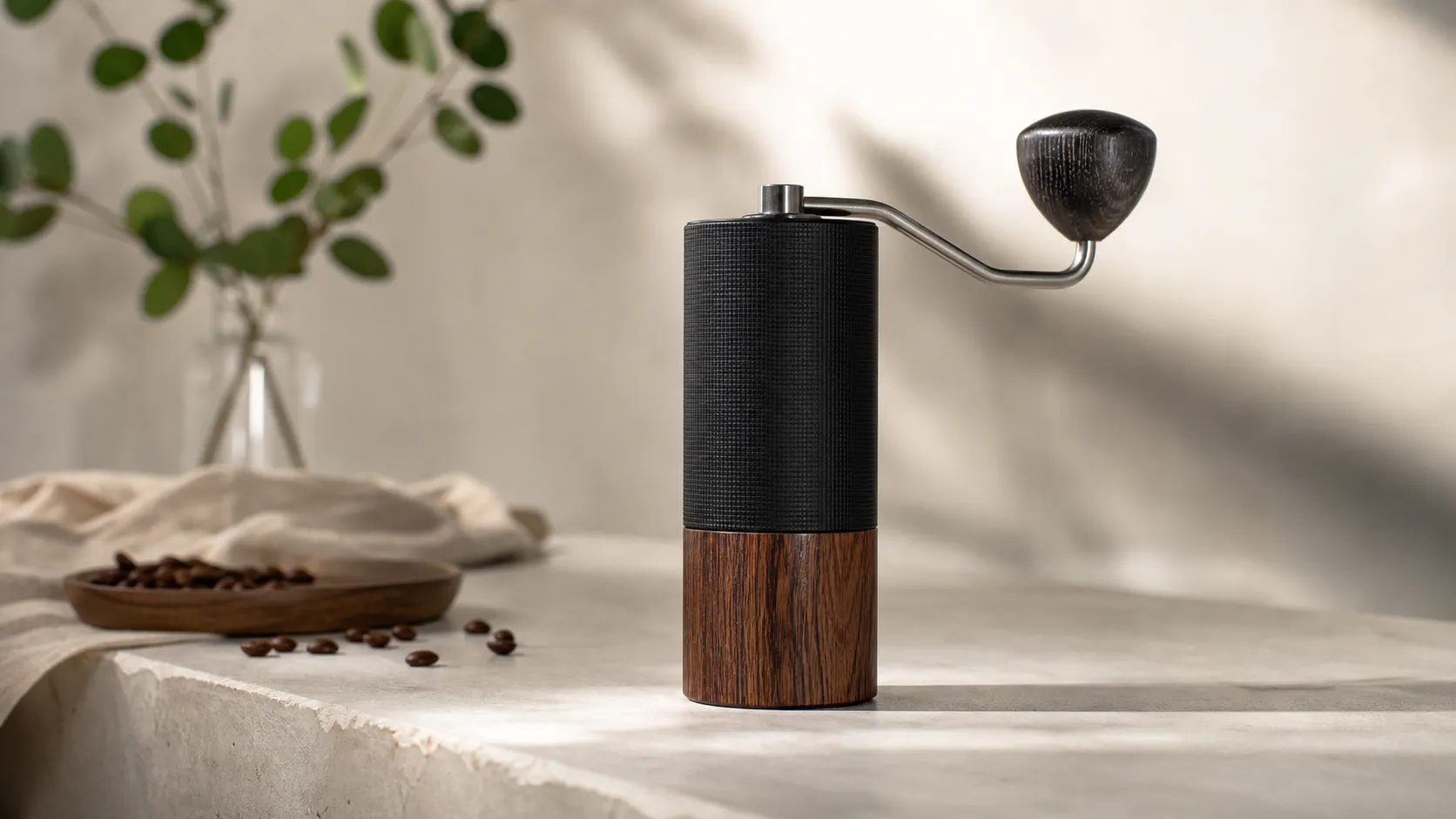
Comandante C40 MK4 Manual Coffee Grinder — 2026 Review
A premium manual grinder known for exceptional build and grind consistency — ideal for serious home baristas, but heavy and pricey for casual users or travel.
 Kitchen & Appliances
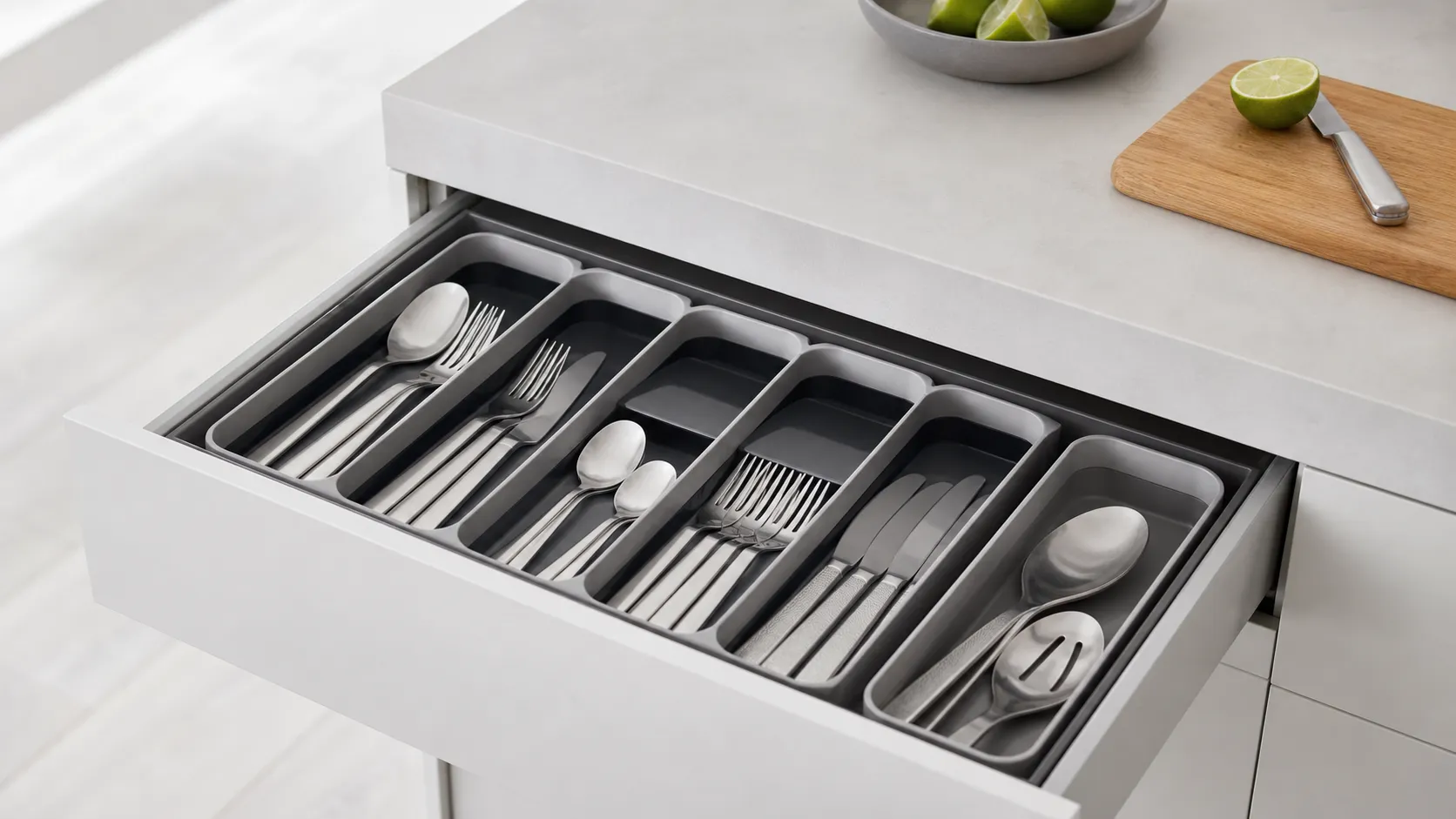
Joseph Joseph DrawerStore Cutlery Organizer Review 2026
A slim, modern cutlery tray that maximizes shallow-drawer space. Great for tidy, small-kitchen organization—measure your drawer first and avoid if you store long utensils.
 Kitchen & Appliances
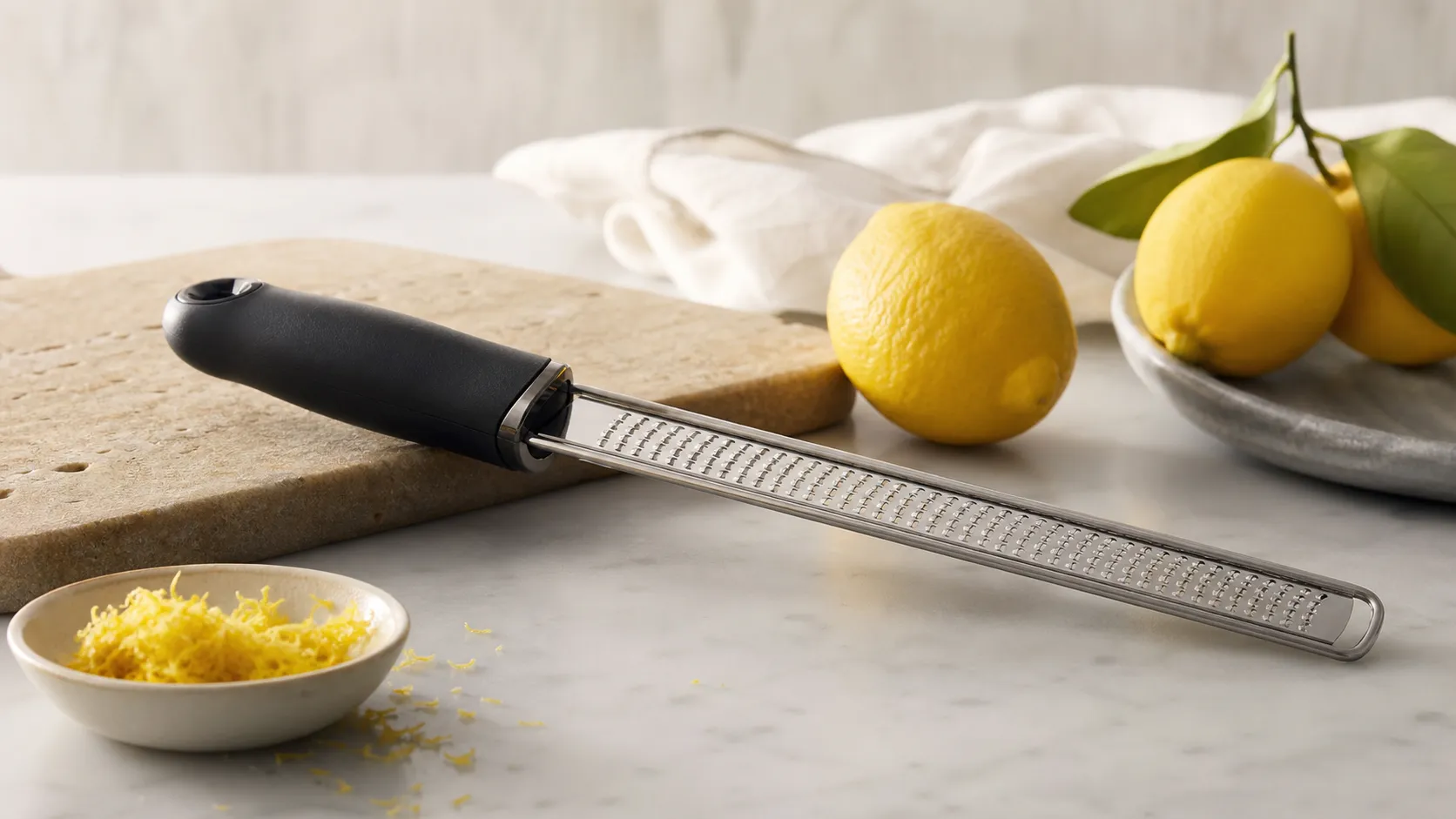
Microplane Premium Classic Zester/Grater — Review 2026
The Microplane Premium Classic is the go-to hand zester for precise, fluffy citrus zest and fine shavings. Sharp, compact, and great value—best for finishing, not bulk grating.