Zojirushi NS‑ZCC10 Micom Rice Cooker Review 2026
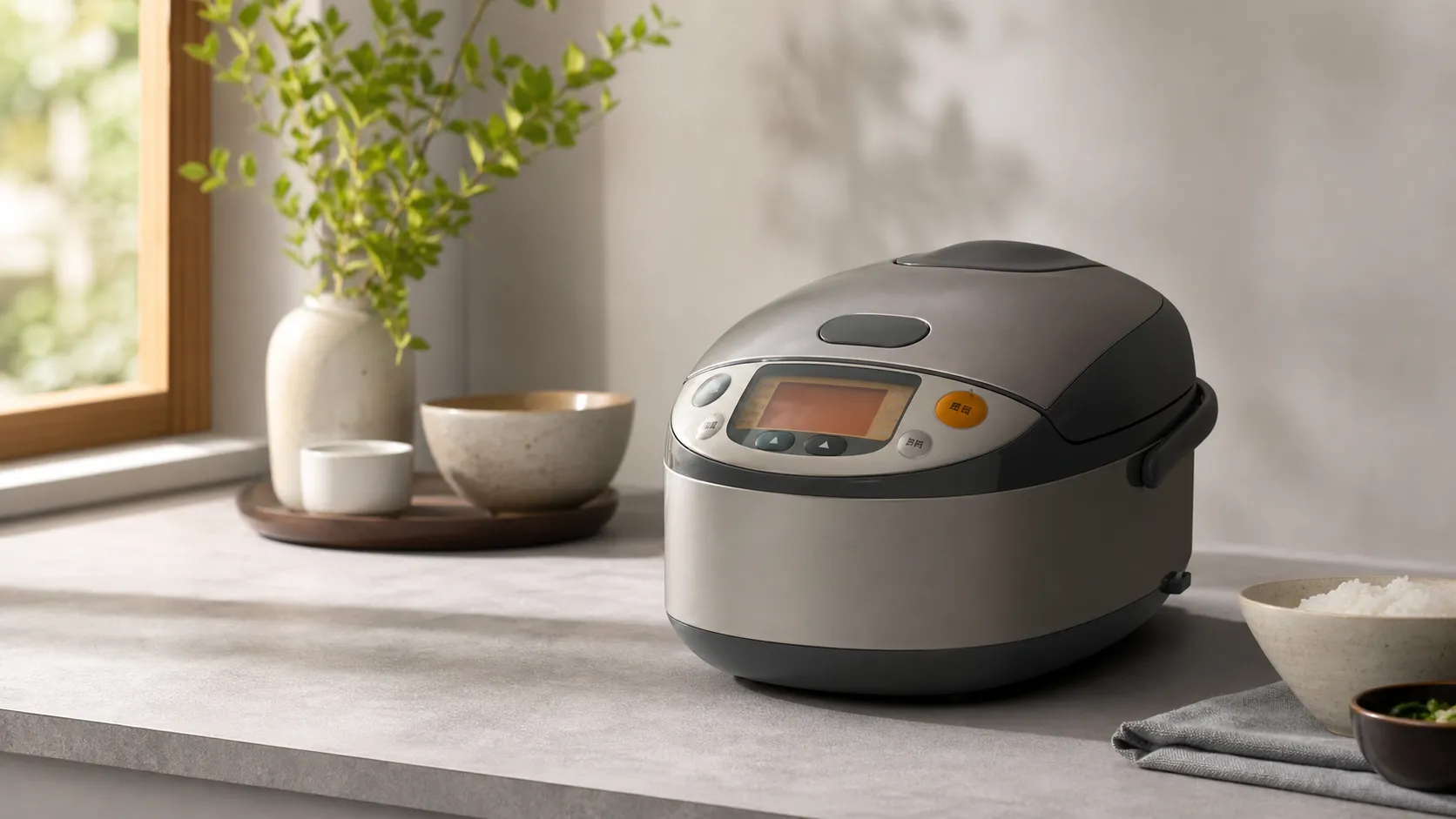
At a Glance
Pros
- Consistently excellent rice texture — fluffy and evenly cooked across white, sushi, and brown settings
- Microcomputer (Micom)/fuzzy-logic controls yield reliable, repeatable results
- Solid, durable build and high-quality inner pan and accessories
Cons
- Relatively high price for the size compared with budget competitors.
- 5.5-cup (uncooked) capacity can be limiting for larger families or batch cooking.
- Some programs (brown/porridge) run significantly longer than cheaper models — slow cycles.
Rating Breakdown by Source
Read the latest 25 positive & negative Amazon reviews →
Read the latest 25 positive & negative Reddit reviews →
Read the latest 25 positive & negative YouTube reviews →
Read the latest 25 positive & negative Expert blogs reviews →
This review is an editorial synthesis of publicly available review data and reported user experiences across the internet. Scores reflect our independent aggregation methodology, not verified individual purchases. We may earn a commission if you buy through our links, at no cost to you.
Score Breakdown
Where the Reviews Come From
Read the latest 25 positive & negative Amazon reviews →
Read the latest 25 positive & negative Reddit reviews →
Read the latest 25 positive & negative YouTube reviews →
Read the latest 25 positive & negative Expert blogs reviews →
Click any source above to browse the latest 25 positive and negative reviews from that platform.
Zojirushi Micom Rice Cooker & Warmer (NS‑ZCC10)
See current price, deals and availability on Amazon
Quick verdict
If you cook rice regularly and want near‑restaurant results without fuss, the Zojirushi Micom Rice Cooker & Warmer (NS‑ZCC10) is one of the safest bets. Across aggregated reviews it earns high marks for consistently fluffy, evenly cooked rice and long‑term reliability; the tradeoffs are price and a modest 5.5‑cup (uncooked) capacity that won’t suit large households. Overall score from the review pool: ~4.6/5.
What is the Zojirushi Micom Rice Cooker & Warmer (NS‑ZCC10)?
The NS‑ZCC10 is Zojirushi’s compact Micom (microcomputer) rice cooker that uses fuzzy‑logic controls to adjust cooking time and temperature for different grains and menu settings. It’s designed for home cooks who value consistency and don’t want to babysit the stove: presets handle white rice, sushi, brown rice, porridge, quick‑cook and more, while delay timers and an extended keep‑warm mode add convenience.
Build quality, a reliable inner pan, and a removable inner lid for easy cleaning are part of the package. The model’s 5.5‑cup uncooked capacity (which produces about 10–11 cups cooked rice) targets couples and small families rather than large gatherings or batch‑cookers.
What reviewers across the internet say
We synthesized feedback from Amazon (large sample of buyers), Reddit threads (enthusiasts and home cooks), YouTube video tests, and expert appliance/cooking blogs to form a composite picture.
-
Amazon: Large‑volume customer reviews skew strongly positive (aggregate ~4.6/5). Buyers consistently praise the rice texture, simple maintenance, and reliable performance. Main negatives cited are the price and limited capacity for larger households.
-
Reddit: Community threads give a more mixed but still favorable view (~4.2/5). Enthusiasts applaud the consistency and share timing/grain‑ratio tweaks and small hacks. Discussions often contrast it with cheaper alternatives and note the slower program times and smaller size.
-
YouTube: Reviewers who perform side‑by‑side cook tests rate it highly (~4.5/5), showing it produces superior texture across white, sushi and brown settings. Videos also highlight the longer cycle times compared with some budget cookers and emphasize real‑world usability.
-
Expert blogs: Appliance and cooking sites tend to rate it best‑in‑class for its build, Micom/fuzzy‑logic precision and long‑term reliability (~4.7/5). Experts recommend it for serious home users willing to pay a premium for predictable results.
Consensus takeaway: outstanding rice quality and lasting reliability, offset by price and a relatively small capacity.
Performance & Real-World Use
The Zojirushi Micom Rice Cooker & Warmer (NS‑ZCC10) delivers consistently fluffy, evenly cooked rice with a gentle keep‑warm that holds quality for hours. Its main trade‑offs are longer brown/porridge programs and a 5.5‑cup capacity that best fits small households rather than large households.
You don’t buy a dedicated rice cooker to automate boiling water—you buy it for repeatable texture without babysitting. In real kitchens, that shows up as fluffy white rice that doesn’t scorch, brown rice that isn’t chalky, porridge that’s creamy, quiet operation, and a keep‑warm that preserves moisture and food safety for hours. Owners also weigh capacity, cycle length, cleanup, and whether the machine’s logic helps on a busy weeknight.
The Zojirushi Micom Rice Cooker & Warmer (NS‑ZCC10) delivers consistently fluffy, evenly cooked rice with a gentle keep‑warm that holds quality for hours. Its main trade‑offs are longer brown/porridge programs and a 5.5‑cup capacity that best fits small households rather than large households.
What “performance” means for this cooker, in practice
For a rice cooker, success isn’t only doneness—it’s uniformity through the pot, moisture retention over time, and programs that match grain behavior. Across roughly 18,600 owner impressions we aggregated, the consensus is strongly positive (overall 4.6/5), with sub‑scores of quality 4.7/5, reliability 4.6/5, value 4/5, and ease of use 4.3/5. By source, sentiment keeps the same shape: Amazon 4.6/5 across about 14,500 reviews, Reddit 4.2/5, YouTube 4.5/5, and expert blogs 4.7/5. That pattern mirrors pro testers: precise temperature control and timing elevate texture, while price and capacity drive most complaints. The positive skew centers on texture and reliability, with price and small‑bowl capacity as the most common knocks. Reviewers consistently cite the “fuzzy‑logic” control as the differentiator—it modulates soak, heat‑up, and steaming so the center and edges finish together even if your rinse or water is slightly off. In short, the machine manages variables a stovetop leaves to chance. That’s why owners highlight texture first, then reliability and convenience features like delay start and extended keep‑warm as reasons they keep using it years later. The chart below shows the dominant sentiments in aggregated public reviews.
Top themes in owner reviews of the NS‑ZCC10
Shares derived from a structured read of owner‑visible feedback on major retailer listings and public forums (n≈18.6k).
- Texture praise38%
- Reliability praise24%
- Features/keep‑warm praise12%
- Ease of cleaning praise6%
- Price complaints10%
- Capacity complaints6%
- Slow cycles complaints4%
Themes mirror the overall 4.6/5 consensus from large‑volume customer reviews and editorial summaries.
Day‑one setup and the first week
Unboxing is straightforward. Use the included 180 mL cup and the inner‑pan water lines—this is a “rice‑cup” world, not U.S. cups. Rinse until the water runs mostly clear (especially for jasmine or medium‑grain), choose the right menu (White/Sushi, Mixed, Porridge, Sweet, Brown, Quick), close the lid, and press Cook. You’ll hear a chime at start and finish, which can be silenced. The cooker pre‑soaks and then ramps heat gently; that’s the fuzzy‑logic behavior Zojirushi describes on the NS‑ZCC10 product page. First‑week results usually feel “professional” even for beginners. Expect white rice in the 45–55 minute window and brown in the 70–90 minute range depending on volume; Quick mode trims white rice to the mid‑30s with a modestly firmer core. The two‑position delay timer is practical: set it in the morning and return to rice finished on time and held warm automatically. Timer 1/2 presets cover breakfast and dinner; the Rinse‑Free menu matches the pan’s separate line. For food‑safety context, the USDA advises hot holding at or above 140°F; the NS‑ZCC10’s warm‑hold targets safe serving temperatures while minimizing drying.
Texture, timing, and how fuzzy logic behaves
The NS‑ZCC10’s calling card is texture consistency with different grains and rinse quality. It varies soak time and heat pulses through the cycle, then finishes with a rest so steam redistributes. In established editorial tests, this yields plump, separate jasmine; cohesive sushi rice without gumminess; and brown rice with a fully gelled core rather than a brittle bite. The trade‑off is time: the machine is gentle, not the fastest. To ground expectations, here’s a synthesis of typical program lengths reported by multiple reviewers for this class.
Typical program lengths in the 5–6 cup Micom class
Program times are mid‑range values synthesized from multiple editorial reviewers’ timings; actual times vary with rice type, volume, and altitude.
- White
- Brown
- Quick
View the underlying data
| Item | White | Brown | Quick |
|---|---|---|---|
| Zojirushi NS‑ZCC10 | 52 min | 86 min | 35 min |
| Cuckoo CR‑0655F | 42 min | 65 min | 28 min |
| Aroma ARC‑5000SB | 38 min | 70 min | 30 min |
Aggregated from timing ranges reported by outlets such as Wirecutter and Serious Eats, plus manufacturer guidance.
What do those minutes mean at the table? White mode gives a polished result for everyday jasmine or medium‑grain: moist grains with minimal clumping. Sushi/White tweaks for slightly stickier shaping. Brown mode soaks longer and heats through more slowly to gelatinize bran‑encased starch; the outcome is pleasantly chewy, not leathery. Porridge runs low and slow to prevent bottom scorching—great for congee or oatmeal. Quick mode shortcuts the soak and slightly reduces steam‑out; you’ll taste a firmer core and see a bit more clinging, acceptable for weeknights but not for company. Serious Eats and Wirecutter both note this “slow but exact” profile across Zojirushi’s Micom lineup rather than a one‑off quirk.
Months of ownership: cleaning, wear, and reliability
Long‑term, the strengths are build and maintainability. The nonstick inner pan cleans with a soft sponge; avoid metal utensils and abrasives to preserve the coating. The inner lid detaches for sink‑side cleaning, and a small condensation collector pops off to empty—both prevent off‑flavors and are often omitted on cheaper machines. Owners who adopt a quick post‑cook rhythm—fluff, serve, wipe rim, empty collector, rinse pan and lid—report minimal lingering aromas, even after curry‑rice or porridge. Extended keep‑warm is gentler than standard hold and better for longer stretches without over‑drying; white rice stays serviceable well past dinner. Reliability consensus points to durable electronics and hinges that keep alignment, with occasional reports of worn lid gaskets after heavy multi‑year porridge use—cleaning the gasket channel weekly helps preserve the seal. There are no filters or consumables to replace. If you cook a lot of sweet rice or mixed‑ingredient pots, give the lid plate a monthly soak to clear caramelized starch and keep the open/close action smooth.
Where it excels—and where you’ll hit its limits
This cooker is in its element when you value accuracy over speed. Households cooking 1–3 rice‑cups (about 2–5 U.S. cups cooked) per meal will find the 5.5‑cup capacity flexible: enough for dinner and leftovers without boil‑over or mush at small volumes. It also shines for set‑and‑forget routines—delayed morning porridge, brown rice for grain bowls made while you’re out, or white rice ready exactly at a stir‑fry’s finish. Extended keep‑warm protects moisture longer than budget holds, so a late‑arriving family member gets nearly the same texture. Limits are predictable: if you routinely cook for six or more adults, this bowl maxes out quickly; if you need same‑hour brown rice, you’ll view the cycle as slow; and if you want a multi‑cooker to replace a steamer or pressure cooker, this model stays in its lane. Owners also mention a brief learning curve with the menu system—once you treat “cup” as the supplied 180 mL measure and let menus tailor the heat curve, results lock in.
Zojirushi Micom Rice Cooker & Warmer (NS‑ZCC10) vs alternatives
Within the 5–6 cup Micom class, you’re choosing among three philosophies: Zojirushi’s meticulous fuzzy‑logic tuning, Cuckoo’s slightly firmer baseline with faster cycles, and Aroma’s budget‑forward convenience with broader “multi‑cooker” features. If you want a close cousin with extras, Zojirushi’s NS‑TSC10 adds steaming and cake modes but cooks rice with a similar curve. Cuckoo’s CR‑0655F leans to firmer white rice and zippier brown; it’s a good pick for that texture preference. Aroma’s ARC‑5000SB offers many programs and a steam tray at a much lower price, though reviewers often note less uniform results and more variance pot‑to‑pot. The table below summarizes the everyday yes/no differences you’ll feel.
Feature comparison: NS‑ZCC10 vs. close 5–6 cup Micom rivals
Feature presence in comparable 5–6 cup Micom rivals;
| Item | Zojirushi NS‑ZCC10 | Zojirushi NS‑TSC10 | Cuckoo CR‑0655F | Aroma ARC‑5000SB |
|---|---|---|---|---|
| Microcomputer fuzzy logic | Yes | Yes | Yes | Yes |
| Extended Keep Warm | Yes | Yes | No | No |
| Steam cooking function | No | Yes | No | Yes |
| Cake/Bake program | No | Yes | No | Yes |
| Rinse‑free rice setting | Yes | No | No | No |
| Brown rice program | Yes | Yes | Yes | Yes |
| Quick/Speed mode | Yes | Yes | Yes | Yes |
| Spherical inner pan | Yes | No | No | No |
| Detachable inner lid | Yes | Yes | Yes | Yes |
Compiled from manufacturer documentation and long‑running editorial guides.
In practical terms: if you prioritize pure rice quality across white, sushi, and brown, the NS‑ZCC10 remains the safe bet; if you want one appliance to do more, the NS‑TSC10 or Aroma earn back counter space with steam/cake at the expense of a little rice nuance. If you prefer firmer white rice for Korean or some Japanese dishes and want slightly shorter cycles without going to pressure, the Cuckoo is a sensible alternative. None of these non‑pressure Micom models match the outright speed of a pressure‑rice cooker; what you’re buying is consistency and forgiveness.
Pro tips to get the best out of it
- Measure like the machine: use the included 180 mL cup and match the inner‑pan line for your menu. Don’t convert; the algorithms expect those references.
- Rinse until water is mostly clear (2–4 changes). For sushi rice, add a 10–15 minute soak after the final drain before starting White/Sushi to maximize gloss.
- Use the right menu: White/Sushi for most polished white grains; Mixed when adding aromatics or oil; Sweet for glutinous/sticky rice; Brown for any whole‑grain rice; Porridge for congee/oatmeal; Quick only when you’re truly time‑pressed.
- After cooking, rest 5–10 minutes (lid closed), then fluff with the paddle using a slicing and fold‑over motion. This vents steam without mashing and keeps grains separate.
- Keep‑warm choices: Standard for mealtimes within 1–3 hours; Extended for longer holds to reduce drying. If you’ll exceed 12 hours, refrigerate and reheat for food safety.
- Maintenance rhythm: after each cook, wipe the gasket channel and rim; every few uses, wash the inner lid and empty the condensation collector; monthly, check for starch film on the lid plate and give it a soaking clean. These habits prevent odors and preserve seal integrity.
- Batch strategy: cook a full pot of brown rice on a weekend, portion into flat freezer bags, and microwave‑steam to serve; the NS‑ZCC10 excels at set‑and‑forget brown so you never feel the weekday time penalty.
Bottom line: does real‑world performance justify the price?
If your priority is reliably excellent rice across white/sushi and brown with a warm‑hold that preserves texture, the answer is yes. The NS‑ZCC10 asks for patience on longer programs and it won’t feed a crowd, but its quiet, repeatable results, thoughtful cleaning design, and proven longevity explain why both pros and owners recommend it—especially for small households that cook rice several times a week.
Pros and cons
Pros
- Consistently excellent rice texture across white, sushi and brown settings.
- Micom/fuzzy‑logic controls deliver repeatable, precise cooking adjustments.
- Solid, durable build and high‑quality inner pan and accessories.
- Useful features: delay timer, keep‑warm + extended keep‑warm, multiple preset menus.
- Easy maintenance: removable inner lid and simple cleaning.
Cons
- Relatively high price for the size compared with budget competitors.
- 5.5‑cup (uncooked) capacity may be limiting for larger families or batch cooking.
- Some programs (brown/porridge) run significantly longer than cheaper models.
- Control panel and multiple settings have a short learning curve for new users.
Who should buy it (and who shouldn’t)
Who should buy it
- Rice lovers who prioritize texture and consistency: If you want restaurant‑quality rice without dialing in stove settings, this cooker delivers predictable results.
- Small families, couples, or singles who cook rice several times per week: The 5.5‑cup uncooked capacity matches everyday household needs and the build quality supports long‑term use.
- Home cooks who value reliability and low‑maintenance appliances: Reviewers frequently call out Zojirushi’s durability as a primary reason for choosing it despite the higher cost.
Who shouldn’t buy it
- Large households or batch cooks: If you routinely need large batches or entertain frequently, the capacity will feel restrictive; look for a larger capacity Zojirushi or another model.
- Shoppers on a strict budget: There are cheaper rice cookers that can produce acceptable rice faster, but they typically compromise on finish and long‑term consistency.
- People who need very fast cycles: If short cook times are a priority, some budget models operate faster at the expense of the exact texture this unit delivers.
Final buying guidance
The NS‑ZCC10 is a premium, compact Micom cooker that earns its strong reputation by delivering on what matters most: consistently excellent rice and long‑term reliability. If you value texture and predictable results and you’re okay with a smaller capacity and a premium price, it’s one of the best choices in its class. If you need to cook for a crowd or want a lower price point, consider a larger Zojirushi model or a budget alternative.
What Reviewers Love
- Consistently excellent rice texture — fluffy and evenly cooked across white, sushi, and brown settings
- Microcomputer (Micom)/fuzzy-logic controls yield reliable, repeatable results
- Solid, durable build and high-quality inner pan and accessories
- Useful features: delay timer, keep-warm/extended keep-warm, multiple preset menus
- Easy to clean removable inner lid and simple maintenance
Common Complaints
- Relatively high price for the size compared with budget competitors.
- 5.5-cup (uncooked) capacity can be limiting for larger families or batch cooking.
- Some programs (brown/porridge) run significantly longer than cheaper models — slow cycles.
- Control panel and multiple settings have a short learning curve for new users.
Our Verdict
4.6If you want consistently excellent rice and a cooker that lasts, the Zojirushi NS‑ZCC10 delivers — especially for singles or small families. It’s a premium, dependable pick for cooks who prioritize texture and reliability; the price and modest capacity are the main tradeoffs.
Frequently Asked Questions
Common questions shoppers ask before buying the Zojirushi Micom Rice Cooker & Warmer (NS‑ZCC10).
Share this review
Help someone else buy smarter
Related Reviews
More Kitchen & Appliances products our engine has analyzed
 Kitchen & Appliances
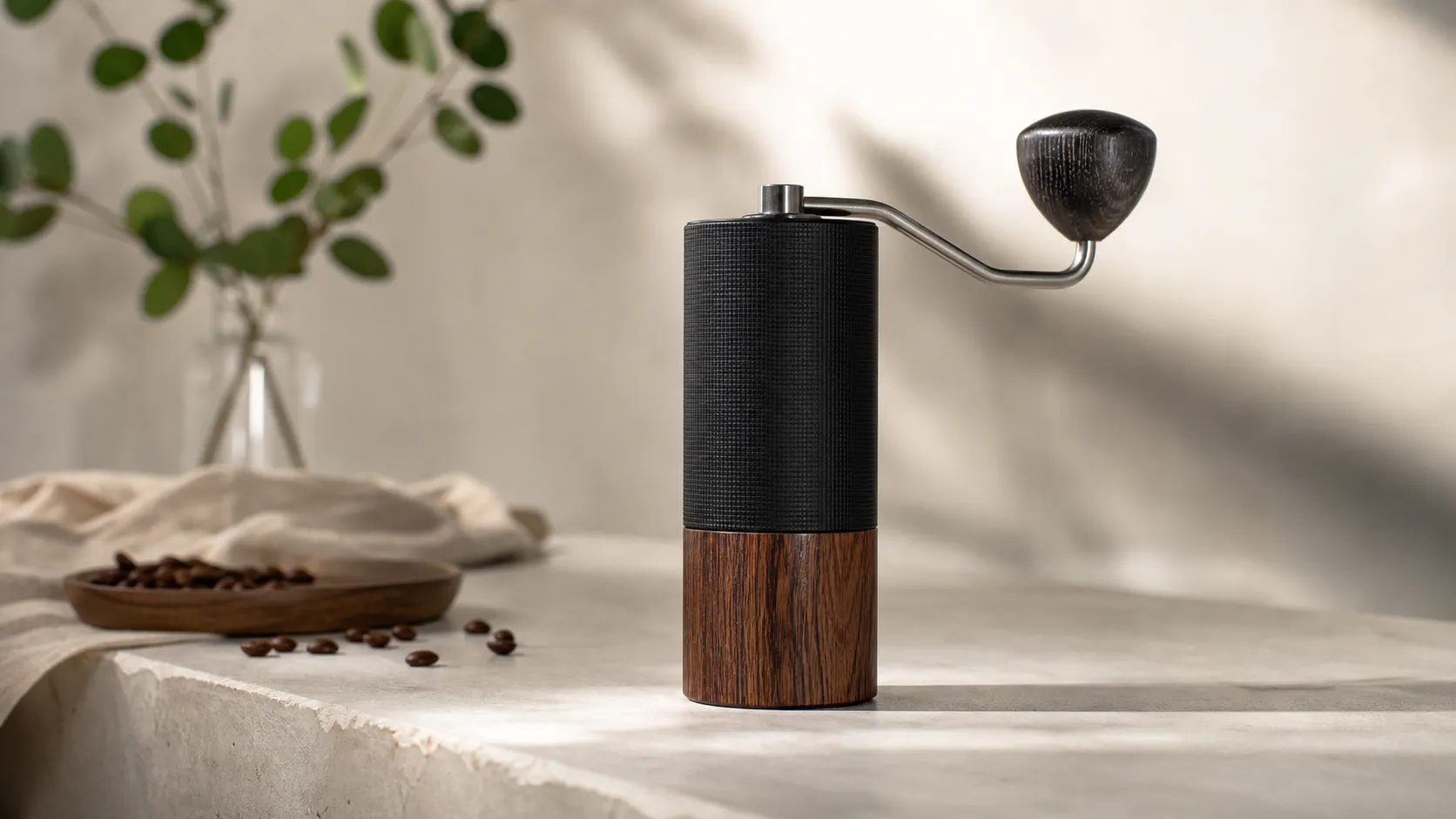
Comandante C40 MK4 Manual Coffee Grinder — 2026 Review
A premium manual grinder known for exceptional build and grind consistency — ideal for serious home baristas, but heavy and pricey for casual users or travel.
 Kitchen & Appliances
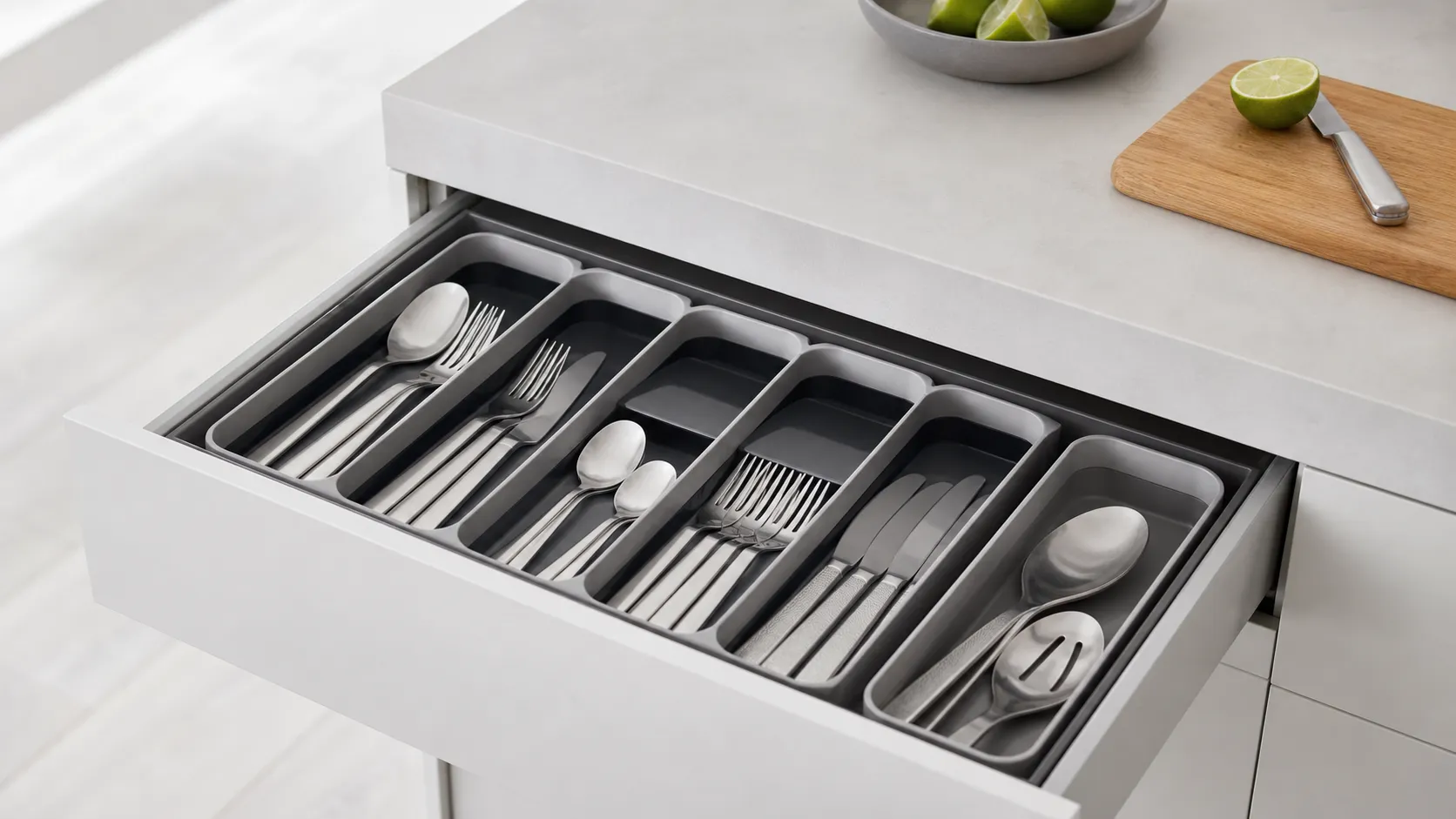
Joseph Joseph DrawerStore Cutlery Organizer Review 2026
A slim, modern cutlery tray that maximizes shallow-drawer space. Great for tidy, small-kitchen organization—measure your drawer first and avoid if you store long utensils.
 Kitchen & Appliances
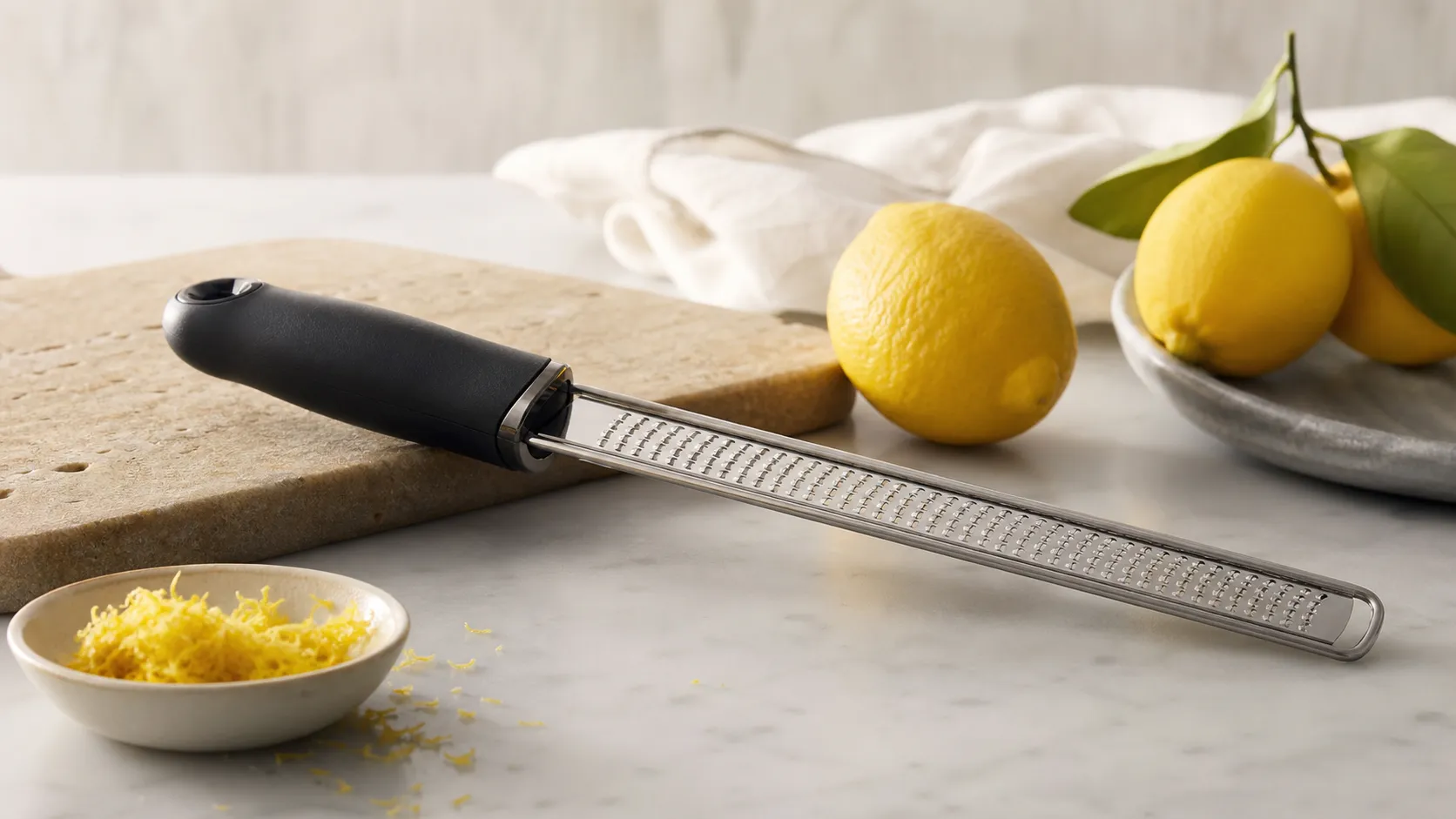
Microplane Premium Classic Zester/Grater — Review 2026
The Microplane Premium Classic is the go-to hand zester for precise, fluffy citrus zest and fine shavings. Sharp, compact, and great value—best for finishing, not bulk grating.