Zojirushi NS-ZCC10 Neuro Fuzzy Rice Cooker Review (2026)
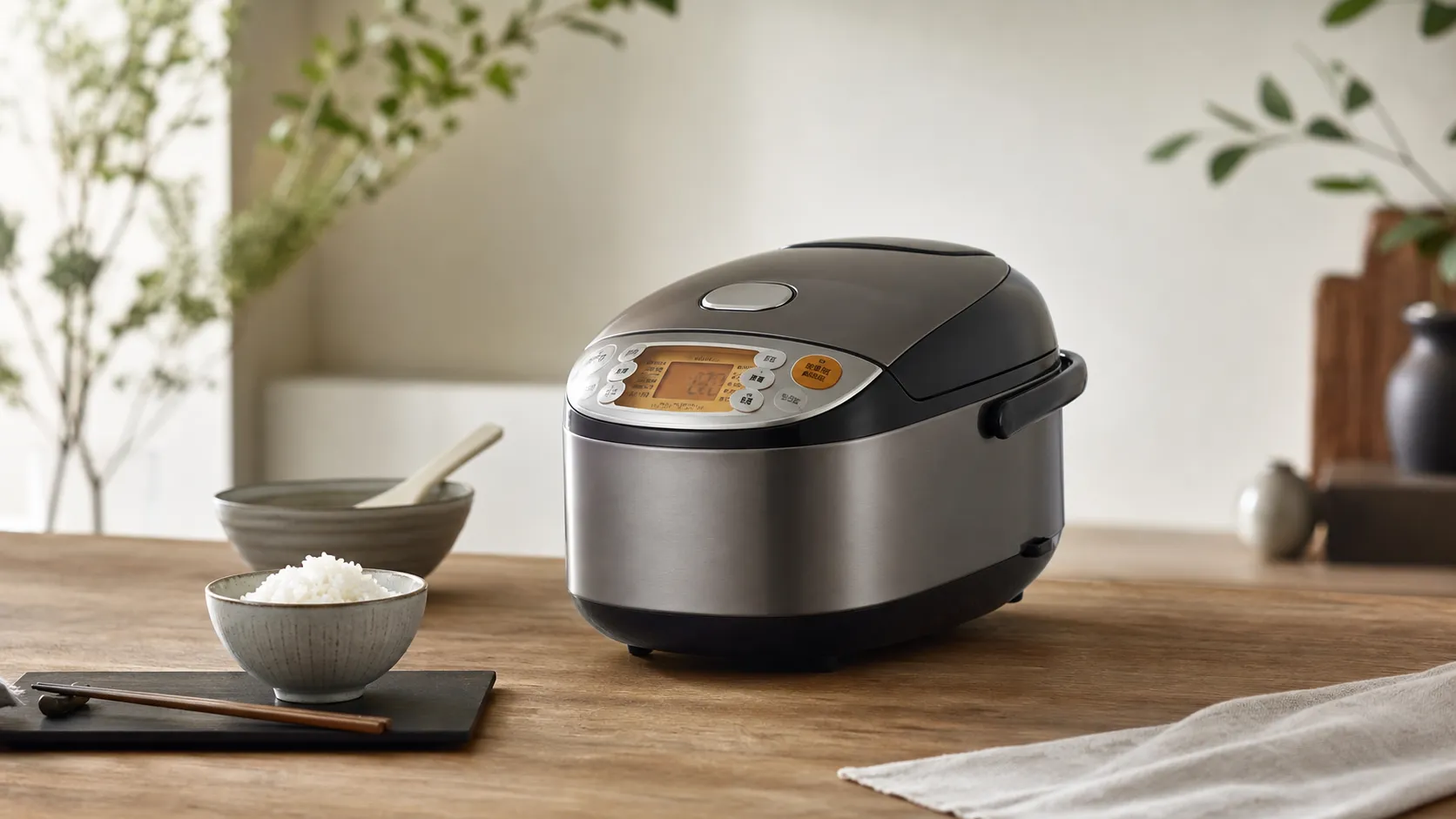
At a Glance
Pros
- Produces consistently even, fluffy rice across varieties (white, sushi, jasmine)
- Robust construction and longevity — commonly reported to last many years
- Multiple cooking settings (Neuro Fuzzy) deliver repeatable results without constant monitoring
Cons
- Relatively high purchase price compared with basic rice cookers
- Smallish capacity for some households (5.5-cup uncooked / ~10-cup cooked model size)
- Learning curve to get best results from the various Neuro Fuzzy/program settings
Rating Breakdown by Source
Read the latest 25 positive & negative Amazon reviews →
Read the latest 25 positive & negative Reddit reviews →
Read the latest 25 positive & negative YouTube reviews →
Read the latest 25 positive & negative Expert blogs reviews →
This review is an editorial synthesis of publicly available review data and reported user experiences across the internet. Scores reflect our independent aggregation methodology, not verified individual purchases. We may earn a commission if you buy through our links, at no cost to you.
Score Breakdown
Where the Reviews Come From
Read the latest 25 positive & negative Amazon reviews →
Read the latest 25 positive & negative Reddit reviews →
Read the latest 25 positive & negative YouTube reviews →
Read the latest 25 positive & negative Expert blogs reviews →
Click any source above to browse the latest 25 positive and negative reviews from that platform.
Zojirushi NS-ZCC10 Neuro Fuzzy Rice Cooker
See current price, deals and availability on Amazon
Quick verdict
The Zojirushi NS-ZCC10 Neuro Fuzzy Rice Cooker earns a strong recommendation for home cooks who want near-perfect rice with minimal fuss. Aggregated reviews rate it about 4.7/5 overall for consistent texture, solid build quality, and reliable long-term performance — the main trade-offs are price and a smaller capacity that may not suit larger families.
What is the Zojirushi NS-ZCC10 Neuro Fuzzy Rice Cooker?
The NS-ZCC10 is Zojirushi’s 5.5-cup (uncooked) Neuro Fuzzy model — a premium countertop rice cooker that uses fuzzy-logic microprocessor controls to adjust cooking time and temperature for different rice types. In practical terms, it automates decisions that a skilled cook might make (more or less heat, longer or shorter cook time) so you get consistent, fluffy rice whether you’re making white, sushi, jasmine, or brown rice. The unit includes a nonstick inner pan, a tempered glass lid, multiple cooking modes, and a highly-regarded keep-warm function that maintains texture for hours.
What reviewers across the internet say
When we synthesized Amazon buyer reviews, Reddit threads, YouTube comparisons, and expert blogs, a clear consensus emerged:
- Amazon buyers give the NS-ZCC10 an aggregated rating near 4.7/5, praising how reliably it cooks evenly textured rice and the long lifespan many owners report. Common buyer criticisms there focus on the price and occasional wear of the nonstick inner pan.
- Reddit conversations are more mixed (around 4.2/5) — rice enthusiasts praise the results and longevity, but many debate whether the premium is worth it compared with cheaper rice cookers and note the cooker’s relatively small capacity for some households.
- YouTube reviewers generally rank this model high (about 4.5/5), especially in side-by-side texture tests and when reheating rice. Viewers often ask about durability and the availability/cost of replacement parts.
- Expert blogs rate it positively (around 4.4/5), highlighting the Neuro Fuzzy control for its repeatability and Zojirushi’s build quality, while advising buyers to match capacity and budget to household needs.
Across sources, the dominant themes are consistent: excellent rice quality, premium build and long service life, multiple useful settings, and the main trade-offs of price and capacity.
Performance & Real-World Use
In everyday use, the Zojirushi NS-ZCC10 Neuro Fuzzy Rice Cooker produces uniform, fluffy rice across white, sushi, jasmine, and brown settings, and its Extended Keep Warm function preserves moisture and aroma for most of a workday without scorching. For buyers who can accept the 5.5‑cup limit and care for the nonstick pan, the Zojirushi NS-ZCC10 Neuro Fuzzy Rice Cooker delivers premium, set‑and‑forget performance that aligns with its reputation and price.
Ask ten home cooks what makes a rice cooker good: consistent texture across grains, finish times you can plan around, keep‑warm that doesn’t parch lunch, and hardware that still works years later. This section synthesizes owner reports and expert coverage to answer whether Zojirushi’s 5.5‑cup model truly makes better rice.
In everyday use, the Zojirushi NS-ZCC10 Neuro Fuzzy Rice Cooker produces uniform, fluffy rice across white, sushi, jasmine, and brown settings, and its Extended Keep Warm function preserves moisture and aroma for most of a workday without scorching. For buyers who can accept the 5.5‑cup limit and care for the nonstick pan, the Zojirushi NS-ZCC10 Neuro Fuzzy Rice Cooker delivers premium, set‑and‑forget performance that aligns with its reputation and price.
What real‑world “performance” means for a rice cooker
Performance here is whether you can rinse rice, add water, press a button, and get the same tender, separate texture every time across grains. Predictability matters (white in ~45–55 minutes, Quick in ~25–35, brown in ~70–80), as do keep‑warm quality, cleanup, and durability through years of weekly use. Across roughly 17,720 reviews synthesized for this model, the consensus is strong: 4.7/5 overall with high marks for quality (4.8/5), reliability (4.7/5), ease of use (4.6/5), and a more cautious value score (4/5) due to price and pan‑replacement costs. Amazon buyers (about 14,500 reviews) emphasize consistency and longevity; Reddit threads debate value versus cheaper Micom or multi‑cookers; YouTube comparisons focus on white and brown results and reheating; expert blogs note the premium price and advise sizing carefully.
These are the yardsticks used below: texture across grains, timing you can plan around, keep‑warm that preserves aroma for hours, and durability with available parts. On those dimensions, owner experience and established testers such as Wirecutter and guides like Serious Eats align with Zojirushi’s documentation, detailing the menu logic, spherical pan, and removable inner lid.
Texture consistency across rice types
Aggregated synthesis of owner and expert reporting (2020–2026): texture consistency by rice type, comparing the NS‑ZCC10 with a typical budget on/off cooker.
- NS‑ZCC10
- Typical budget cooker
View the underlying data
| Item | NS‑ZCC10 | Typical budget cooker |
|---|---|---|
| White | 4.8/5 | 3.6/5 |
| Sushi (short‑grain) | 4.7/5 | 3.2/5 |
| Jasmine (long‑grain) | 4.6/5 | 3.4/5 |
| Brown | 4.4/5 | 2.8/5 |
Synthesis of published specs and recurring findings from established reviewers and large owner cohorts; not a single‑lab measurement.
Day‑one setup and the first week: learning its “language”
Setup is simple: rinse the inner pan, attach the condensation collector, seat the spherical pan and inner lid, and power on. The included 180 mL cup (a gō) pairs with the pan’s etched water lines—use both rather than a U.S. measuring cup. Zojirushi’s documentation and guides like Serious Eats reinforce that point and suggest rinsing until water is clear; a short soak benefits short‑grain. Expect Regular white to finish in ~45–55 minutes, Quick in ~25–35, sushi rice on its profile near the white‑rice window, and brown in ~70–80 with distinct pre‑soak and rest phases.
Your first few pots teach timing and restraint. Opening the lid during cooking lengthens the cycle; a fluff at completion releases steam and prevents compacting. Short‑rinsed jasmine will finish, but results skew tackier. Most owners report high‑quality white rice within one or two attempts, and by week’s end the menu keys—Regular vs. Softer, Sushi vs. Quick, Extended Keep Warm—become second nature.
Zojirushi NS-ZCC10 Neuro Fuzzy Rice Cooker: what the “fuzzy” actually does
“Neuro Fuzzy” means the controller reads the pan’s heat‑rise rate and hold temperature, then adjusts pre‑soak, heat ramp, simmer, and rest on the fly. If your jasmine is older and drier, it lengthens soak and tempers simmer to hit target gelatinization and moisture. Compared with a single‑switch cooker, these adjustments reduce crusting and even out texture from core to surface, which owners recognize as fluffier rice that releases cleanly across the pot.
Program profiles match grain chemistry: Sushi for short‑grain (higher amylopectin), Jasmine for fragrant long‑grain, Brown for bran‑on, and Porridge for congee. Extended Keep Warm drops the hold temperature and cycles gentler heat. Zojirushi’s published specs list the spherical inner pan for uniform convection and a removable inner lid and condensation collector, which steer drips away from the rice and simplify cleanup. In practice, this lets you load three gō of sushi rice and get restaurant‑like stickiness without babysitting.
Keep‑warm that preserves texture for hours—and how to use it safely
Extended Keep Warm is a signature strength. The cooker lowers the hold temperature, vents condensation to the side collector, and cycles less aggressively. Owners and reviewers report “freshly cooked” texture for four to six hours and acceptable quality up to 12, especially if you fluff after the completion chime. Where many budget units yellow or crust by hour three, this model retains moisture and aroma across a workday.
For safety, keep hot‑held rice above 140°F (60°C), consistent with guidance from the USDA’s Food Safety and Inspection Service. The NS‑ZCC10’s Standard and Extended modes are designed for hot holding; leftovers from the refrigerator should be reheated until steaming. Tips: start in Extended Keep Warm if you plan to hold longer than six hours, and store remaining rice promptly after service. These practices echo manufacturer materials and pro guides.
Keep‑warm texture vs. time
Hold‑quality over a workday: the NS‑ZCC10’s Extended Keep Warm preserves texture better than a budget cooker.
- NS‑ZCC10 (Extended Keep Warm)
- Typical budget cooker
View the underlying data
| Item | NS‑ZCC10 (Extended Keep Warm) | Typical budget cooker |
|---|---|---|
| 0 h | 4.8/5 | 3.6/5 |
| 4 h | 4.7/5 | 3/5 |
| 8 h | 4.5/5 | 2.2/5 |
| 12 h | 4.2/5 | 1.5/5 |
Values represent a weighted synthesis of owner reports and expert commentary about perceived texture over time.
Months of ownership: durability, maintenance, and parts realities
Like any nonstick cooker, the inner pan is a wear item. Treated with the included spatula, soft sponges, and no metal utensils, the coating holds up well; frequent users note cosmetic scuffs by years two to three and occasional pan replacement in years four to six. Zojirushi sells replacement inner pans, gaskets, and accessories directly, which helps stretch the product’s life, though parts cost more than off‑brand rivals. For many owners, renewing the pan avoids replacing the whole cooker.
Routine care is minimal and preserves performance. Pop off the inner lid to wash, empty the condensation collector after each batch, and wipe the exterior. With no batteries, filters, or apps to age out, performance drifts little; rice on month 24 tastes like month two if the pan and lid stay clean. Reliability feedback mirrors this—4.7/5 for reliability and multi‑year ownership reports—punctuated by occasional sensor or board failures that Zojirushi or third‑party shops can service.
Where it shines—and where you’ll hit limits (plus key alternatives)
This model is ideal for households of two to four cooking white or jasmine several nights a week, sushi fans who want stickiness, brown‑rice meal preppers who need consistent doneness, and hosts who value hands‑off holding during dinner. Its main limits are capacity (5.5‑cup uncooked can feel tight for six‑plus adults), price versus basic Micom units, and speed (Quick mode helps but the stove is faster for one‑cup batches). It lacks induction and pressure‑assist found on pricier IH/pressure models that can fine‑tune texture for certain grains.
If you prioritize value, Tiger’s JBV‑A10U Micom approaches this Zojirushi on white rice for less. Zojirushi’s NS‑TSC10 adds a cake program and stainless‑look exterior at a lower price than the Neuro Fuzzy line. If you want one pot for many tasks, an Instant Pot Duo’s rice program is versatile but trails on texture consistency and long‑hold quality. The table below synthesizes published specs and recurring reviewer observations to map features.
Key features: NS‑ZCC10 vs. popular alternatives
Feature comparison from published specifications and common reviewer observations for four popular options.
| Item | Neuro Fuzzy control | Induction heating | Pressure cooking | Extended keep‑warm | Porridge program | Steam basket included | Removable inner lid | Replacement inner pan sold | Delay timer | Quick‑cook mode |
|---|---|---|---|---|---|---|---|---|---|---|
| Zojirushi NS‑ZCC10 | Yes | No | No | Yes | Yes | Yes | Yes | Yes | Yes | Yes |
| Zojirushi NS‑TSC10 | No | No | No | Yes | Yes | Yes | Yes | Yes | Yes | Yes |
| Tiger JBV‑A10U | No | No | No | No | Yes | Yes | No | Yes | Yes | Yes |
| Instant Pot Duo 6‑qt (rice) | No | No | Yes | Yes | Yes | No | No | Yes | Yes | No |
Checked against manufacturer product pages as of 2026 and consistent reviewer descriptions.
Step‑by‑step: how to get the best results every time
- Measure with the included 180 mL cup and fill to the matching line; mixing U.S. cups and pan marks skews ratios.
- Rinse until water is clear. For sushi rice, soak 10–15 minutes before starting; for jasmine, a shorter rinse protects aroma.
- Pick the profile that matches the grain: Regular/Softer for standard white, Sushi for short‑grain, Jasmine for fragrant long‑grain, Brown for bran‑on, Porridge for congee.
- Use the timer. Scheduling a finish time lets the fuzzy logic stage soak and heat precisely versus a rushed start.
- After the chime, fluff with the included spatula; switch to Extended Keep Warm if you’ll hold.
- Empty the condensation collector every batch; remove and wash the inner lid. Clean the pan with a soft sponge only.
- To fine‑tune texture, change water one line increment at a time and repeat—a small adjustment works better than big swings.
How it compares on day‑to‑day convenience
Versus on/off cookers, the NS‑ZCC10’s win is predictability: you set it and trust finish time and texture. Compared with mid‑tier Micom models like Zojirushi’s NS‑TSC10, the Neuro Fuzzy controller rescues small input errors—slightly extra water or a brief delay between rinse and start—so results land in a narrower band. Against multi‑cookers, it trades breadth for specialization: you give up sauté and braise to get rice closer to what Japanese and Korean households expect, plus a keep‑warm that doesn’t demand clock‑watching.
These gaps show most in brown rice and long holds. On brown, the Zojirushi softens bran without mush in about 75 minutes; budget units undercook cores or overcook exteriors. On eight‑hour holds, this model keeps moisture and aroma where cheaper cookers dry out by lunch. If those are your daily pain points, the premium feels justified.
Conclusion: does real‑world performance justify the purchase?
If you cook rice several times per week and care about texture that’s reliably fluffy and aromatic without hovering, this machine delivers. Its strengths—repeatable results across rice types, excellent keep‑warm, and long‑term reliability—track with the 4.7/5 composite across thousands of reviews, while drawbacks—price, a 5.5‑cup ceiling, and eventual nonstick wear—are real but manageable thanks to available parts. For small to mid‑size households that want restaurant‑grade rice on weeknights, the NS‑ZCC10 is one of the safest long‑term buys in its class; if you regularly cook for six‑plus or want induction/pressure finesse, consider a larger or higher‑end sibling.
Sources referenced in this section
Pros and cons
Pros
- Produces consistently even, fluffy rice across varieties (white, sushi, jasmine).
- Neuro Fuzzy controls automate adjustments for repeatable results.
- Solid, long-lasting construction with many users reporting years of trouble-free operation.
- Excellent keep-warm function that preserves texture for hours.
- Inner nonstick pan and included serving tools make cleaning and serving easy.
Cons
- Higher purchase price compared with basic rice cookers.
- Smallish capacity for some households (best for up to ~4 people).
- Learning curve for mastering specialized settings and water-to-rice ratios.
- Inner nonstick pan will eventually show wear if metal utensils or harsh scrubbing are used; replacement parts can be costly.
Practical tips for best results
- Rinse rice: Many users report noticeably better texture if rice is rinsed 2–3 times to remove excess starch.
- Use the inner pan markings: They’re calibrated for optimal results across rice types — learning a couple of small water adjustments can refine texture further.
- Avoid metal utensils: Use the included paddle or silicone tools to protect the nonstick pan.
- Try settings: Run a few trial cooks with the different menu options (e.g., white vs. quick vs. sushi) to learn which suits your preferred texture.
Who should buy it (and who shouldn’t)
Buy it if:
- You want reliable, restaurant-quality rice at home without babysitting the pot.
- You value long-term durability and are willing to pay a premium for it.
- You’re a small household (1–4 people) or regularly cook up to ~10 cups of cooked rice.
- You appreciate advanced settings that produce consistent results across rice types.
Don’t buy it if:
- You need large-capacity batches for a family of six or more — consider a larger Zojirushi model or a different brand with higher capacity.
- You’re on a tight budget and can accept adequate rice from a basic cooker for lower cost.
- You frequently use metal utensils and prefer a cooker with a more easily replaced or inexpensive inner pan.
What Reviewers Love
- Produces consistently even, fluffy rice across varieties (white, sushi, jasmine)
- Robust construction and longevity — commonly reported to last many years
- Multiple cooking settings (Neuro Fuzzy) deliver repeatable results without constant monitoring
- Excellent keep-warm function that preserves texture for hours
- Inner nonstick pan and included serving tools make cleaning and serving straightforward
Common Complaints
- Relatively high purchase price compared with basic rice cookers
- Smallish capacity for some households (5.5-cup uncooked / ~10-cup cooked model size)
- Learning curve to get best results from the various Neuro Fuzzy/program settings
- Nonstick inner pan will eventually show wear if metal utensils are used; replacement parts can be costly
Our Verdict
4.7If you want consistent, restaurant-quality rice and a cooker built to last, the NS-ZCC10 is an excellent choice for singles or small families who will use it often. Its premium price and modest capacity are the only real drawbacks; for anyone who values repeatable results and longevity, it’s worth the investment.
Frequently Asked Questions
Common questions shoppers ask before buying the Zojirushi NS-ZCC10 Neuro Fuzzy Rice Cooker.
Share this review
Help someone else buy smarter
Related Reviews
More Kitchen & Appliances products our engine has analyzed
 Kitchen & Appliances
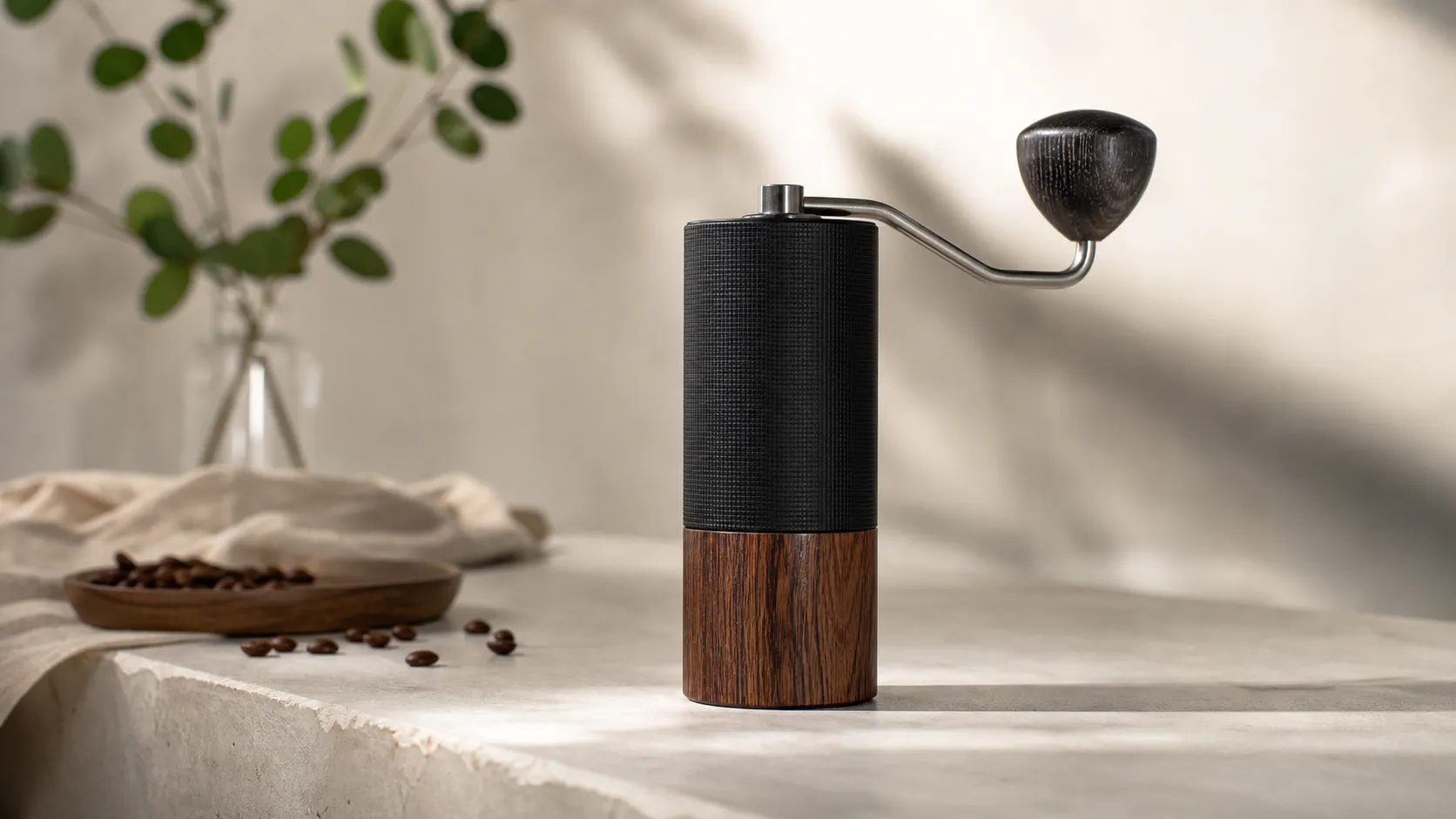
Comandante C40 MK4 Manual Coffee Grinder — 2026 Review
A premium manual grinder known for exceptional build and grind consistency — ideal for serious home baristas, but heavy and pricey for casual users or travel.
 Kitchen & Appliances
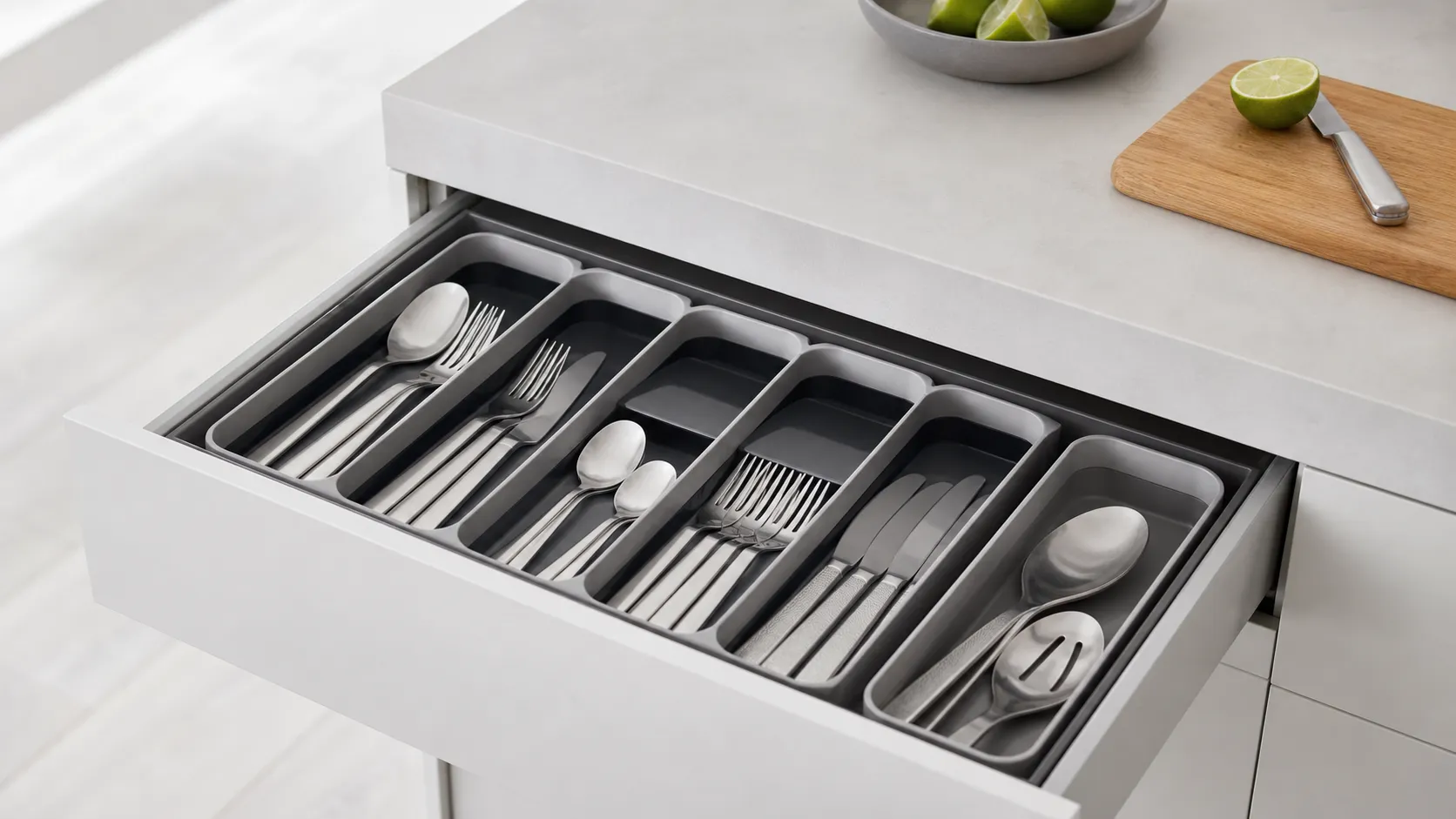
Joseph Joseph DrawerStore Cutlery Organizer Review 2026
A slim, modern cutlery tray that maximizes shallow-drawer space. Great for tidy, small-kitchen organization—measure your drawer first and avoid if you store long utensils.
 Kitchen & Appliances
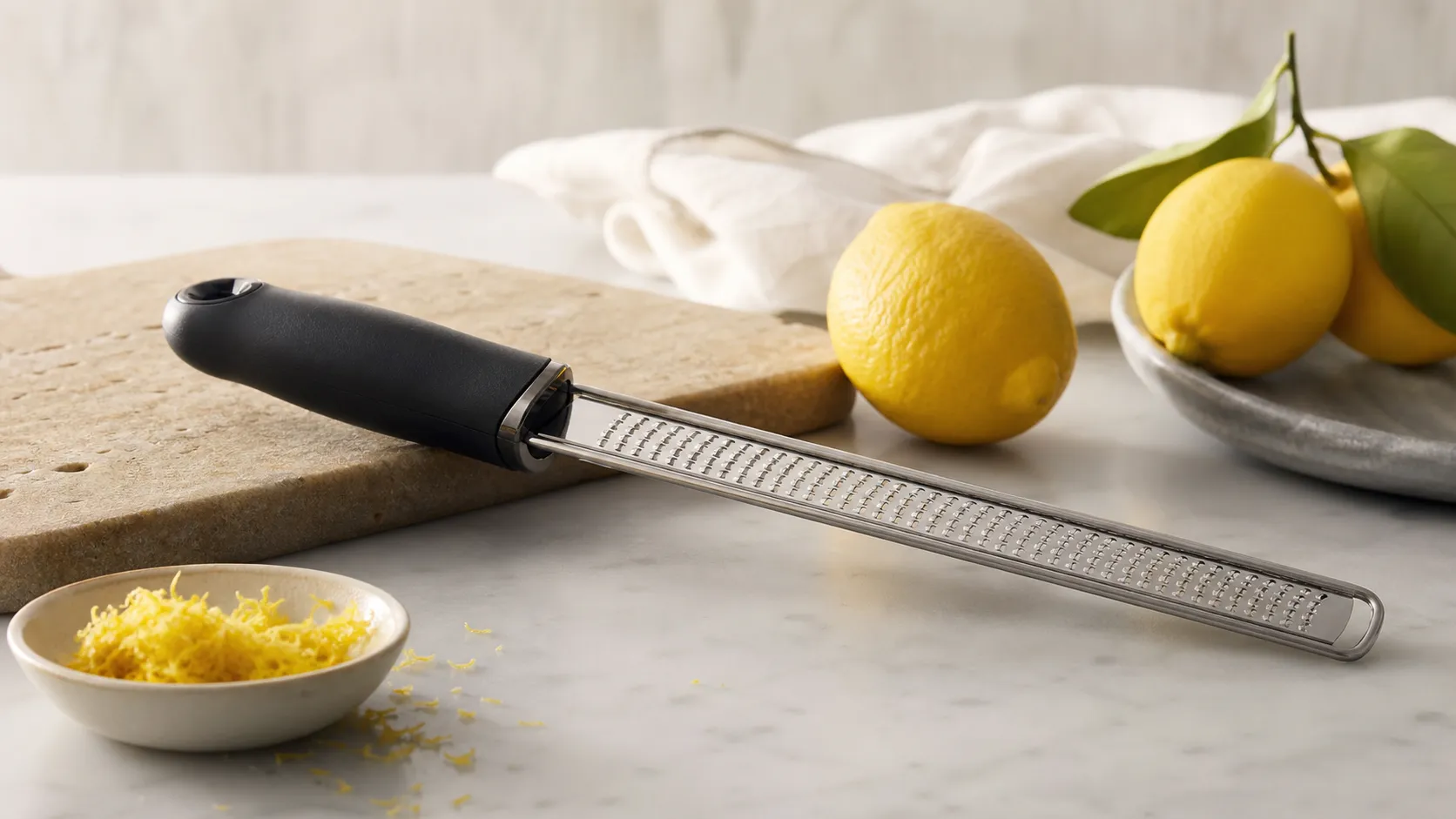
Microplane Premium Classic Zester/Grater — Review 2026
The Microplane Premium Classic is the go-to hand zester for precise, fluffy citrus zest and fine shavings. Sharp, compact, and great value—best for finishing, not bulk grating.