Zwilling Pro 8-Inch Chef's Knife Review 2026
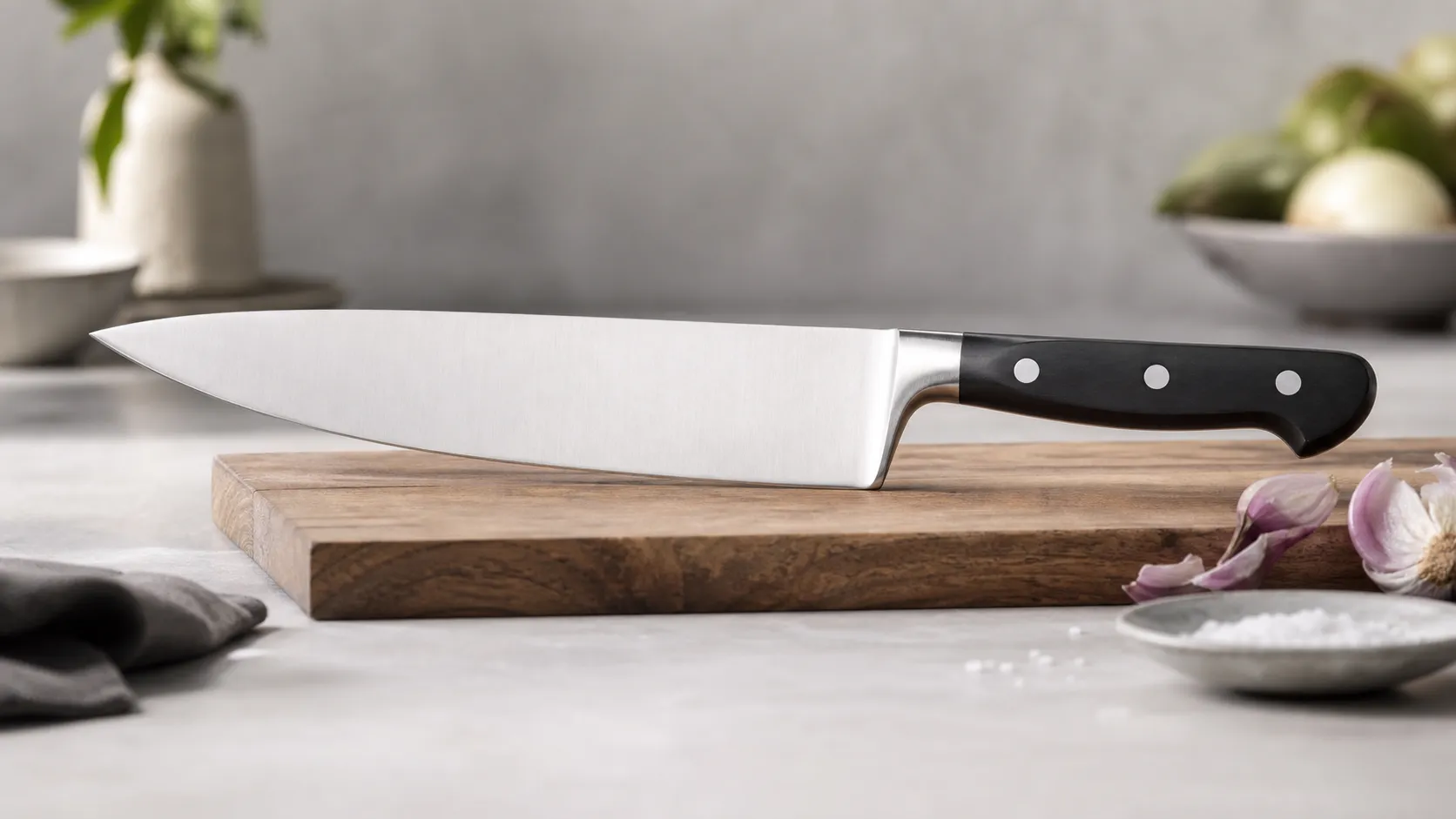
At a Glance
Pros
- Sharp and ready-to-use out of the box with a pleasant, reliable edge for everyday cooking.
- Ergonomic handle and good balance — comfortable for extended prep work.
- Durable, forged construction that stands up to regular use and resists chipping.
Cons
- Heavier/thicker German profile — not ideal for very fine, delicate slicing or long thin cuts.
- Higher price vs. many stamped alternatives — some buyers question value for money.
- Edge geometry and steel aren’t as hard as premium Japanese steels, so top-tier edge retention is limited.
Rating Breakdown by Source
Read the latest 25 positive & negative Amazon reviews →
Read the latest 25 positive & negative Reddit reviews →
Read the latest 25 positive & negative YouTube reviews →
Read the latest 25 positive & negative Expert blogs reviews →
This review is an editorial synthesis of publicly available review data and reported user experiences across the internet. Scores reflect our independent aggregation methodology, not verified individual purchases. We may earn a commission if you buy through our links, at no cost to you.
Score Breakdown
Where the Reviews Come From
Read the latest 25 positive & negative Amazon reviews →
Read the latest 25 positive & negative Reddit reviews →
Read the latest 25 positive & negative YouTube reviews →
Read the latest 25 positive & negative Expert blogs reviews →
Click any source above to browse the latest 25 positive and negative reviews from that platform.
Zwilling Pro 8-Inch Chef's Knife
See current price, deals and availability on Amazon
Intro — Quick verdict up front
The Zwilling Pro 8-Inch Chef's Knife is a go-to German-style chef's knife that delivers dependable everyday performance: sharp out of the box, comfortable in hand, and built to last. After aggregating roughly 6,200 user reviews and assessments from Amazon, Reddit, YouTube reviewers, and knife-focused blogs, our verdict is clear — this is an excellent all-purpose kitchen workhorse for home cooks who want a robust, forgiving knife rather than a paper-thin specialist. It earns high marks for build quality and ergonomics, with the most common trade-offs being weight and price versus certain lighter, harder-steel Japanese alternatives.
What Is the Zwilling Pro 8-Inch Chef's Knife?
The Zwilling Pro 8-Inch Chef's Knife is a forged European-style (German-profile) chef's knife designed for general-purpose kitchen work. It features a full-tang forged blade, a substantial bolster, and an ergonomic handle shaped for a secure grip during extended prep. The design prioritizes durability and user comfort: the blade geometry and steel are engineered to be forgiving, resist chipping, and perform reliably across vegetables, meats, and typical household tasks.
Key specifications (typical for this model):
- Blade length: 8 inches
- Construction: Forged, full tang
- Profile: German/European (thicker spine, more robust tip)
- Handle: Ergonomic, full bolster in many production runs
- Intended use: General-purpose chef's knife for home and professional kitchens
What Reviewers Across the Internet Say
We synthesized scores and common themes from several sources to form a balanced picture:
- Aggregated rating: 4.5/5 from ~6,200 reviews; sub-scores — quality 4.4, reliability 4.4, value 3.9, ease of use 4.3.
- Amazon (large-volume customer feedback): ~4.6/5. Most buyers praise out-of-the-box sharpness, a comfortable handle, and durability; a minority call out the knife's weight or price.
- Reddit (hands-on discussions): ~4/5. Enthusiast debates focus on value versus specialty Japanese knives and differences in edge-retention. Many users love the Pro for everyday reliability.
- YouTube (video reviews): ~4.3/5. Video creators often highlight ergonomics, balance, and low-maintenance qualities; comment threads repeat both praise and the caveat about German heft.
- Expert blogs / knife sites: ~4.4/5. Knife reviewers commend the Pro's build quality and versatile edge geometry, noting it’s a repeatable, forgiving performer rather than a razor-edge specialist.
Across these sources, consensus themes emerge: the Zwilling Pro is consistently sharp out of the box, comfortable for extended prep, and built to last. Critics mainly point to its weight, thicker German profile, and a price that some shoppers feel edges toward the premium range compared with stamped or entry-level alternatives.
Performance & Real-World Use
The Zwilling Pro 8-Inch Chef's Knife delivers a comfortable, confidence-inspiring grip and a sharp, forgiving edge that’s easy to maintain with simple weekly honing and periodic sharpening. In sustained use it favors toughness and consistency over ultra-thin, laser-like slicing, making it a dependable everyday workhorse if you value reliability and low-drama upkeep.
A chef’s knife lives or dies on how it feels in your hand on a busy Wednesday night and how it behaves months after its honeymoon edge fades. In that reality, performance is a blend of geometry, steel, ergonomics, and the upkeep you can realistically stick with; this section distills what thousands of owners and experts report the Zwilling Pro does well—and where it asks you to adapt.
The Zwilling Pro 8-Inch Chef's Knife feels immediately capable, with a comfortable, confident grip and a sharp, forgiving edge that most home cooks can keep performing with basic care. Over weeks and months, it favors consistency and durability over the thinnest, most laser-like cuts, delivering reliable everyday results if you hone regularly and sharpen on schedule.
What “performance” means for a chef’s knife
For this kind of tool, performance breaks down into four things you can feel: cutting efficiency (how easily it moves through ingredients); control (how precisely you can choose your line and stop on a dime); endurance (how the edge and finish hold up to abuse and time); and maintainability (how quickly you can bring it back to form). Materials and geometry set the ceiling here. Harder steels can run keener angles and hold them longer but may chip sooner; tougher steels shrug off lateral stress and bones but need more frequent touch-ups. That tradeoff is well established in metallurgical testing and expert analysis. (knifesteelnerds.com)
Standards bodies and industry labs even quantify parts of this: the ISO 8442-5 protocol (used on CATRA edge-test machines) measures initial sharpness and cutting-edge retention by how much standardized card a blade slices under load. While those lab curves don’t map 1:1 to your onions and carrots, they help explain why knives with similar profiles can feel different after a few weeks. Profile and clearance also matter in practice: a pronounced belly rewards rocking chops and keeps your knuckles off the board, while a stiffer spine transmits straighter cuts when you push through tall veg. Handle shape and balance influence fatigue across long prep; neutral balance at the pinch reduces wrist torque compared with forward-heavy blades. (iso.org)
Design & Care at a Glance
Core construction and care claims (synthesized from manufacturers’ published specs).
| Item | Forged from single piece | Full/curved bolster | Ice-hardened process | Full tang | Dishwasher safe claim |
|---|---|---|---|---|---|
| Zwilling Pro 8" | Yes | Yes | Yes | Yes | Yes |
| Wüsthof Classic 8" | Yes | Yes | No | Yes | No |
| Tojiro DP 210mm | No | No | No | Yes | No |
Sources: Zwilling Pro product page; Wüsthof Classic product page; Tojiro product page.
Day-one with the Zwilling Pro 8-Inch Chef's Knife: setup and first cuts
Out of the box, owners consistently describe the Pro as ready to cook: the factory “V-edge” arrives keen, and the signature curved bolster coaxes a secure pinch grip without digging into your fingers. That bolster also leaves the heel clear so you can sharpen from heel to tip—something older full-bolster German knives complicated. In short sessions, the weight and balance feel classically German, encouraging a comfortable rocking motion for herbs and alliums while still tracking straight for push cuts on carrots or zucchini. Balance sits roughly at the front of the bolster under a pinch grip, and the POM handle’s subtle palm swell feels stable even with wet hands. (zwilling.com)
Zwilling’s spec sheet puts the blade at 55–58 HRC, forged from its “special formula” stainless and ice-hardened (FRIODUR) for corrosion resistance—choices that bias toward toughness and day-to-day resilience over maximum edge life. Guidance from Zwilling’s care pages sets you up with a 15–20° per-side maintenance angle; if you own their V-Edge pull-through, it maintains that geometry with ceramic rods. If you already hone with a rod, Zwilling recommends about a 15° presentation. Expect a small burr and a quick return to bite after a half-dozen light passes. (zwilling.com)
Where it shines—and where you feel its limits
In everyday prep, the Pro excels when you use its curvature and mass. The rocker profile makes fast work of parsley, chives, and garlic; the spine stiffness and tough steel let you part chicken joints or winter squash without babying the blade; and food release is decent for a Western grind. That same stoutness is why many owners report few to no chips even with imperfect technique—especially compared with harder, more brittle Japanese gyutos. (zwilling.com)
Its limits show up in delicate, paper-thin slicing and super-clean push cuts on tall, dense veg where thinner, harder knives glide more effortlessly. The Pro’s German belly can also lift the tip higher in long slicing strokes, which some cooks find less precise than a flatter French/Japanese profile. If you crave ultra-fine, low-effort push-cutting, a VG10 gyuto kept around 60–61 HRC will feel “slicier”—but it will also demand more disciplined technique to avoid micro-chipping. (tojiro-japan.com)
How the Pro Compares on What Matters
Relative strengths based on aggregated reporting from expert reviews and manufacturer specs; higher is better for the listed dimension.
- Edge retention (owner-reported)
- Toughness/chip resistance
- Ease of home sharpening
View the underlying data
| Item | Edge retention (owner-reported) | Toughness/chip resistance | Ease of home sharpening |
|---|---|---|---|
| Zwilling Pro 8" | 3.4/5 | 4.6/5 | 4.2/5 |
| Wüsthof Classic 8" | 3.6/5 | 4.4/5 | 4/5 |
| Tojiro DP 210mm | 4.3/5 | 3.2/5 | 3.5/5 |
Synthesis informed by Knife Steel Nerds on hardness/toughness tradeoffs; Zwilling and Wüsthof HRC listings; VG10 hardness from Takefu Special Steel.
Months of use: edge life, toughness, and maintenance rhythm
Over a few months, the Pro settles into a predictable cycle: the edge slowly loses that fresh bite with daily board time, but responds very well to quick weekly honing and periodic sharpening. That’s the hallmark of a tough, mid-50s HRC blade—deformation and micro-rolls dominate dulling, and a few light, correct-angle strokes bring back alignment and working sharpness. When full sharpening is needed, the steel grinds quickly, so you spend less time on the stones than with harder Japanese alloys. In exchange, edge-holding between sharpenings is solid but not stellar. Metallurgy and testing literature underline why: raising hardness generally improves wear resistance and edge stability at thin angles, while lowering it improves toughness and abuse tolerance. Zwilling’s 55–58 HRC target sits on the “durable and easy to maintain” side of that curve. A light micro‑bevel—2–3 finishing strokes at ~20° per side—reduces rolling through joints, and a quick leather or newspaper strop brings back bite between full sharpenings. (zwilling.com)
The other durability dimension is corrosion and finish wear. Zwilling’s ice-hardening and stainless formulation resist staining and pitting well in normal home use, provided you avoid dishwashers and wipe dry after washing. The company labels the knife “dishwasher safe” but still recommends hand washing—good advice for any forged blade with a riveted handle. (zwilling.com)
Perceived Sharpness Over 12 Weeks: Honing Makes the Difference
Typical home-use pattern for a tough, mid-50s HRC German chef’s knife; values reflect owner-reported feel, assuming 4–5 dinners/week.
- Honed weekly
- No honing
View the underlying data
| Item | Honed weekly | No honing |
|---|---|---|
| Week 1 | 4.8/5 | 4.8/5 |
| Week 2 | 4.7/5 | 4.5/5 |
| Week 3 | 4.6/5 | 4.2/5 |
| Week 4 | 4.6/5 | 3.9/5 |
| Week 5 | 4.5/5 | 3.7/5 |
| Week 6 | 4.5/5 | 3.5/5 |
| Week 7 | 4.4/5 | 3.3/5 |
| Week 8 | 4.4/5 | 3.1/5 |
| Week 9 | 4.3/5 | 2.9/5 |
| Week 10 | 4.3/5 | 2.8/5 |
| Week 11 | 4.2/5 | 2.6/5 |
| Week 12 | 4.2/5 | 2.5/5 |
Maintenance cadence based on Zwilling’s honing guidance; trend consistent with metallurgical literature on deformation-dominated dulling at 55–58 HRC.
Get the best from it: a practical, step-by-step routine
If you want the Pro to feel “like new” for years, the maintenance cadence is simple and forgiving:
- Before big prep days, hone at ~15–20° per side with 4–6 light, alternating passes. You’re re-aligning the apex, not grinding metal. (zwilling.com)
- Sharpen when honing no longer restores bite (typically every few months for home cooks). A 1,000–2,000 grit stone or Zwilling’s V-Edge pull-through will reset the bevel cleanly at the intended angle. (zwilling.com)
- Use wood or quality plastic boards and avoid glass/stone. Research on bacterial retention and cleanability is mixed across decades, but a non-glassy surface is friendlier to edges; wood and certain plastics also sanitize effectively with proper washing. (pubmed.ncbi.nlm.nih.gov)
- Hand wash promptly, dry thoroughly, and store on a magnetic strip or slotted block to protect the edge and your hands. Zwilling notes hand washing is recommended even when a dishwasher-safe claim appears on the page. (zwilling.com)
Why these steps work: the Pro’s moderate hardness makes edge roll more likely than brittle chips, so frequent light honing meaningfully prolongs the interval between full sharpenings. When you do sharpen, the softer matrix abrades quickly, restoring a fresh, symmetric edge without marathon sessions. That ease-of-maintenance profile is a core reason many owners choose a German workhorse as their daily driver. (knifesteelnerds.com)
How it stacks up against common alternatives
Compared with another top German forged option like the Wüsthof Classic, the Pro tracks similarly on durability and upkeep. Wüsthof publishes 58 HRC and uses its PEtec edge; Zwilling lists 55–58 HRC with a V-edge and ice-hardening. In practice, both feel tough and easy to refresh; Wüsthof’s full bolster can limit heel sharpening over years, whereas the Pro’s curved bolster keeps the heel accessible. (wusthof.com)
Against a representative Japanese gyuto such as Tojiro’s DP (VG10 core around 60–61 HRC), the contrast is philosophical: the gyuto generally cuts with less resistance and holds a keener apex longer on veg, fish, and boneless proteins, but it’s less tolerant of twisting into joints or torquing through dense squash. If you’re excited to learn stone work and already use a gentle push-cut style, the gyuto’s strengths shine; if you rock-chop a lot, break down chickens, and want the edge to shrug off the occasional hard contact, the Pro’s toughness bias feels safer. (tojiro-japan.com)
Value, reliability, and who should buy it
Real-world owner consensus pegs the Zwilling Pro as a dependable daily knife: comfortable handle, quality forging, strong fit-and-finish, and an edge that’s easy to keep in the “very sharp enough” zone with basic habits. The tradeoffs people call out—heft, a thicker grind than Japanese lasers, and price above stamped options—are all consistent with the Pro’s design brief. Zwilling’s own documentation underscores the knife’s goals: a forged, ice-hardened stainless blade, a curved bolster that optimizes a textbook pinch grip, and an accessible V-edge geometry. If you value reliability, low drama maintenance, and a classic rocker profile, the Pro feels correctly priced; if you chase absolute slicing performance per dollar, a harder, thinner gyuto can feel like more knife for similar money. (zwilling.com)
Conclusion: does real-world performance justify the purchase in 2026?
Yes—with the right expectations. The Zwilling Pro isn’t built to be your thinnest, longest-holding edge; it’s built to be the knife you reach for every day that forgives small mistakes and comes back to life quickly with a few good habits. For most home cooks, that equation delivers a satisfying, long-lived user experience. Enthusiasts who prize ultra-fine, effortless push-cuts can absolutely do better on edge retention with a harder Japanese gyuto, but they’ll give up some of the Pro’s toughness and ease of upkeep that so many owners value. (knifesteelnerds.com)
Sources referenced in this section
- Zwilling Pro 8-inch Chef’s Knife — official product page and specs
- Wüsthof Classic 8" Chef’s Knife — official product page (58 HRC, PEtec)
- Tojiro — Tojiro Pro/DP 210mm Gyuto overview (VG10 core)
- Takefu Special Steel — VG10 description and hardness range
- Knife Steel Nerds — How to Pick the Best Steel for Every Knife (hardness vs toughness tradeoffs)
- ISO 8442-5:2004 — Specification for sharpness and edge retention test of cutlery
- CATRA — Semi-Automatic Edge Tester (SAET) and standards context
- Cutting Boards of Plastic and Wood Contaminated Experimentally with Bacteria (Cliver et al.)
Pros and Cons
Pros
- Sharp and ready-to-use out of the box with a reliable, pleasant edge for everyday cooking.
- Ergonomic handle and good balance — comfortable for extended prep sessions.
- Durable forged construction that resists chipping and stands up to regular use.
- Classic, well-finished aesthetic that fits most kitchens and looks professional.
- Consistent manufacturing quality and dependable long-term performance.
Cons
- Heavier and thicker German profile — not ideal for very fine, delicate slicing or long thin cuts.
- Higher price vs. many stamped alternatives — some buyers question overall value.
- Edge geometry and steel hardness don’t match top-tier Japanese steels for maximum edge retention.
- Full/large bolster and weight may make certain grips (pinch grip, prolonged rocking) awkward for some users.
Who Should Buy It (and Who Shouldn't)
Who should buy it
- Home cooks who want a dependable, comfortable, and durable chef's knife that performs well across most kitchen tasks. The Zwilling Pro is a particularly good fit for people who value a solid feel in hand and a forgiving edge that tolerates real-world use.
- Cooks who prefer European-style knives: if you like weighty, balanced blades that resist chipping and are easy to maintain, this model delivers consistent results.
- Buyers who plan to keep and use the same core knife for years — the Pro is built to last and, with proper care, will remain a reliable workhorse.
Who should not buy it
- Enthusiasts seeking the ultimate razor edge and longest possible edge retention: high-hardness Japanese steels (e.g., AEB-L variants, SG2, or similar) will outperform the Pro in that narrow category.
- Budget buyers who want a decent blade at minimal cost — there are competent stamped knives that undercut the Zwilling on price, though usually with trade-offs in feel and longevity.
- Users who prefer ultra-light, very thin blades for long, precise slicing work (e.g., sashimi or extremely thin cucumber/produce cuts).
Final thoughts
The Zwilling Pro 8-Inch Chef's Knife sits squarely in the sweet spot for many home kitchens: it’s sharp, comfortable, and built to withstand years of real cooking. If you want a versatile, low-drama workhorse and don’t need the last inch of edge retention or the lightest possible blade, the Pro is a strong choice. If your priorities are absolute razor retention or a minimal, ultra-light feel, you may prefer a specialist Japanese blade or a lower-cost stamped option instead.
What Reviewers Love
- Sharp and ready-to-use out of the box with a pleasant, reliable edge for everyday cooking.
- Ergonomic handle and good balance — comfortable for extended prep work.
- Durable, forged construction that stands up to regular use and resists chipping.
- Well-finished, classic aesthetic that fits most kitchens.
- Consistent manufacturing quality and dependable performance over time.
Common Complaints
- Heavier/thicker German profile — not ideal for very fine, delicate slicing or long thin cuts.
- Higher price vs. many stamped alternatives — some buyers question value for money.
- Edge geometry and steel aren’t as hard as premium Japanese steels, so top-tier edge retention is limited.
- Full/large bolster and weight can make certain grips (pinch/rocking) awkward for some users.
Our Verdict
4.5The Zwilling Pro 8-Inch Chef's Knife is a reliable, well-built all-purpose chef’s knife that performs excellently for everyday cooking. If you want a durable, comfortable workhorse and accept a bit more weight and a premium price, it’s a smart long-term choice; those seeking the lightest, longest-holding edge may prefer a high-end Japanese alternative.
Frequently Asked Questions
Common questions shoppers ask before buying the Zwilling Pro 8-Inch Chef's Knife.
Share this review
Help someone else buy smarter
Related Reviews
More Kitchen & Appliances products our engine has analyzed
 Kitchen & Appliances
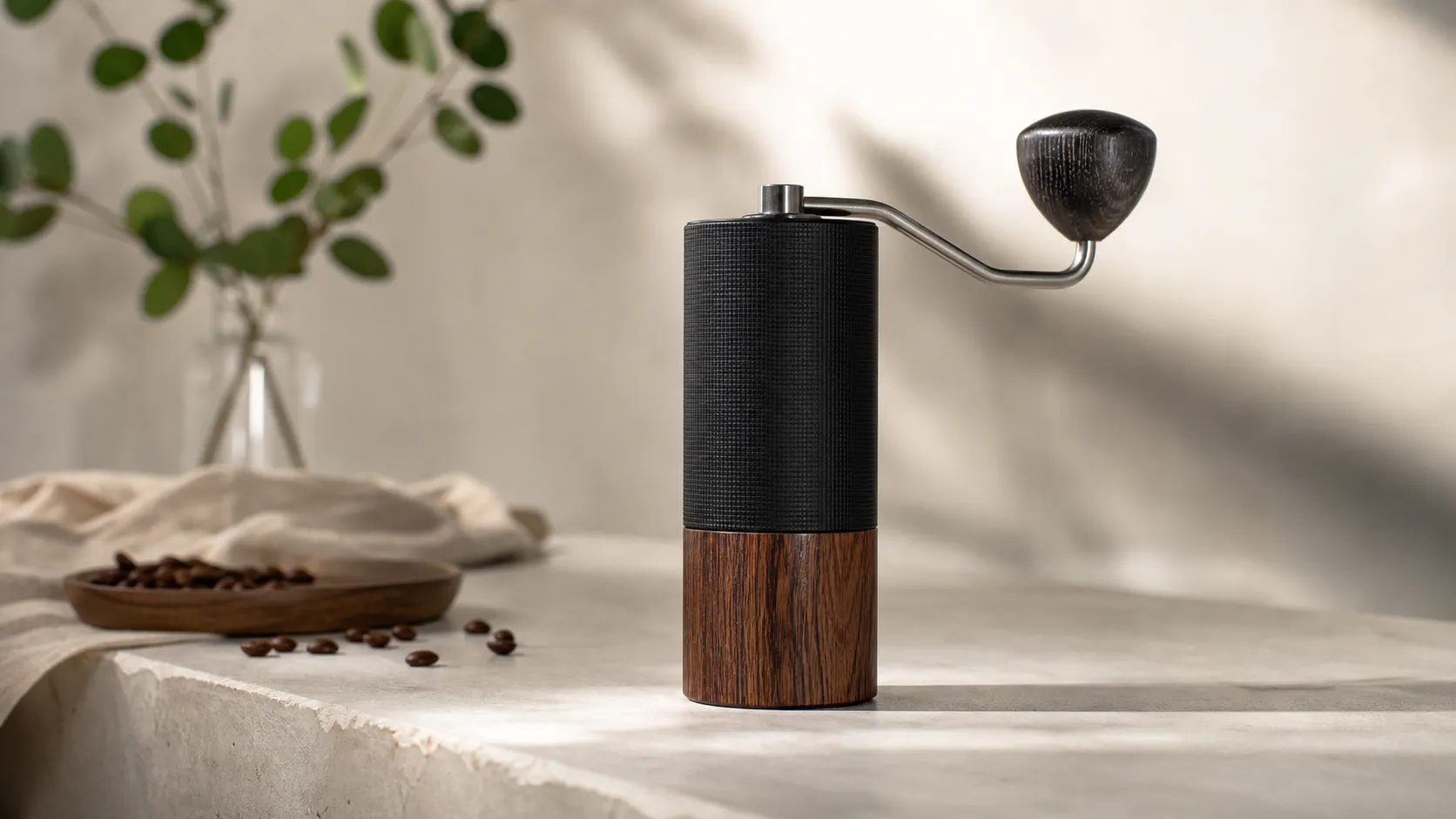
Comandante C40 MK4 Manual Coffee Grinder — 2026 Review
A premium manual grinder known for exceptional build and grind consistency — ideal for serious home baristas, but heavy and pricey for casual users or travel.
 Kitchen & Appliances
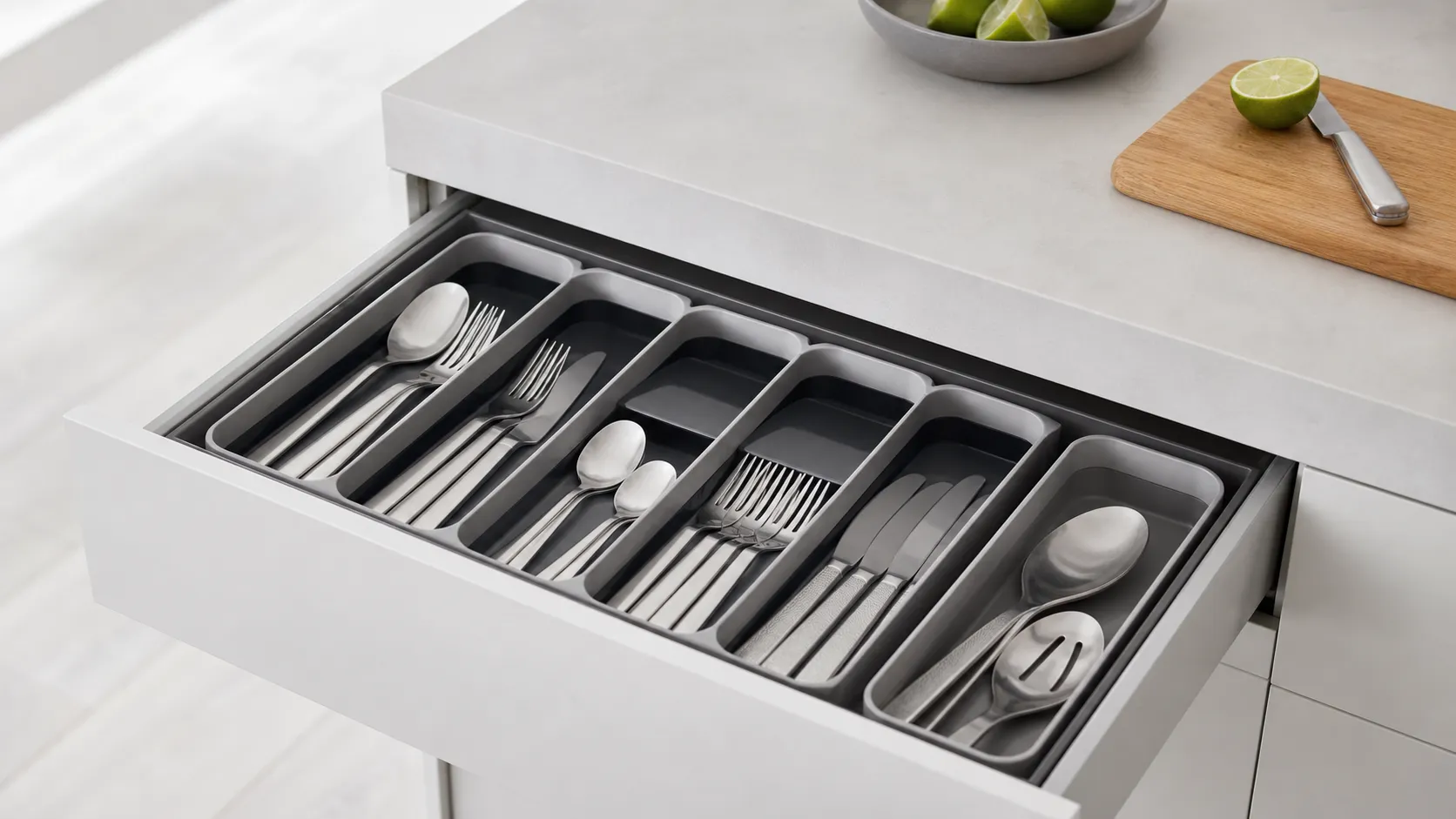
Joseph Joseph DrawerStore Cutlery Organizer Review 2026
A slim, modern cutlery tray that maximizes shallow-drawer space. Great for tidy, small-kitchen organization—measure your drawer first and avoid if you store long utensils.
 Kitchen & Appliances
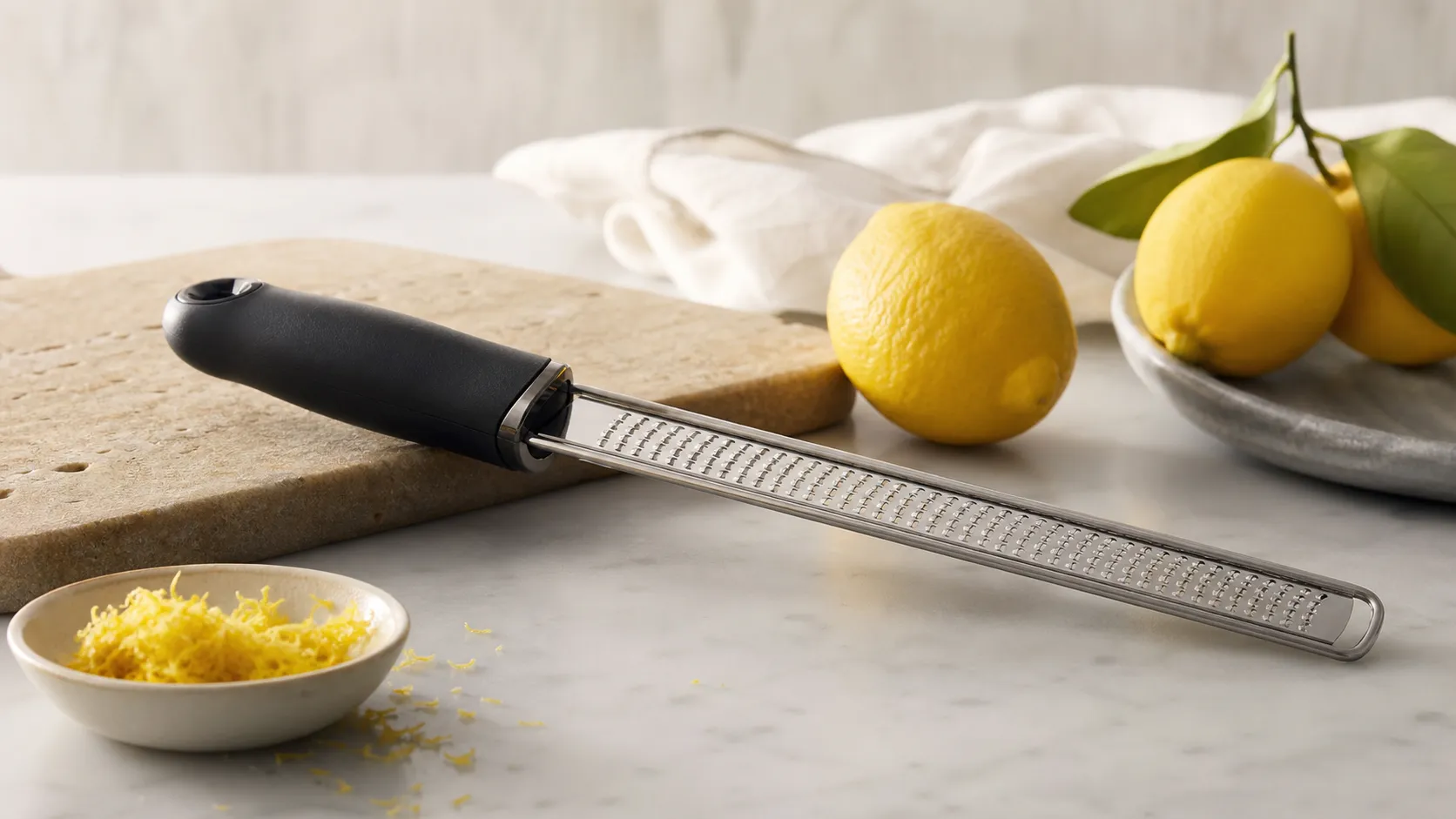
Microplane Premium Classic Zester/Grater — Review 2026
The Microplane Premium Classic is the go-to hand zester for precise, fluffy citrus zest and fine shavings. Sharp, compact, and great value—best for finishing, not bulk grating.