Zwilling Twin Signature 8-Inch Chef's Knife — Review 2026
At a Glance
Pros
- Very comfortable, ergonomic handle and balanced feel in hand.
- Sharp edge out of the box and straightforward to hone.
- Durable, ice‑hardened German steel construction (good day‑to‑day toughness).
Cons
- Heavier/thicker German-style blade edge compared with Japanese-style chefs’ knives (less ideal for very fine slicing).
- Occasional quality-control / fit-and-finish variability reported (and some marketplace counterfeit/confusion issues).
- Edge retention is good for the price but behind premium high-hardness steels — will need periodic resharpening.
Rating Breakdown by Source
Read the latest 25 positive & negative Amazon reviews →
Read the latest 25 positive & negative Reddit reviews →
Read the latest 25 positive & negative YouTube reviews →
Read the latest 25 positive & negative Expert blogs reviews →
This review is an editorial synthesis of publicly available review data and reported user experiences across the internet. Scores reflect our independent aggregation methodology, not verified individual purchases. We may earn a commission if you buy through our links, at no cost to you.
Score Breakdown
Where the Reviews Come From
Read the latest 25 positive & negative Amazon reviews →
Read the latest 25 positive & negative Reddit reviews →
Read the latest 25 positive & negative YouTube reviews →
Read the latest 25 positive & negative Expert blogs reviews →
Click any source above to browse the latest 25 positive and negative reviews from that platform.
Zwilling J.A. Henckels Twin Signature 8-Inch Chef's Knife
See current price, deals and availability on Amazon
Quick verdict
The Zwilling J.A. Henckels Twin Signature 8-Inch Chef's Knife is a solid mid-range workhorse: sharp out of the box, comfortable in hand, and built with durable German steel that stands up to everyday home cooking. Aggregating roughly 1,620 reviews yields an overall score of 4.4/5 — it’s a dependable “buy-once-for-home-use” option when purchased from reputable retailers or during sales, though enthusiasts should be aware of occasional fit-and-finish variability and the need for periodic resharpening.
What is the Zwilling J.A. Henckels Twin Signature 8-Inch Chef's Knife?
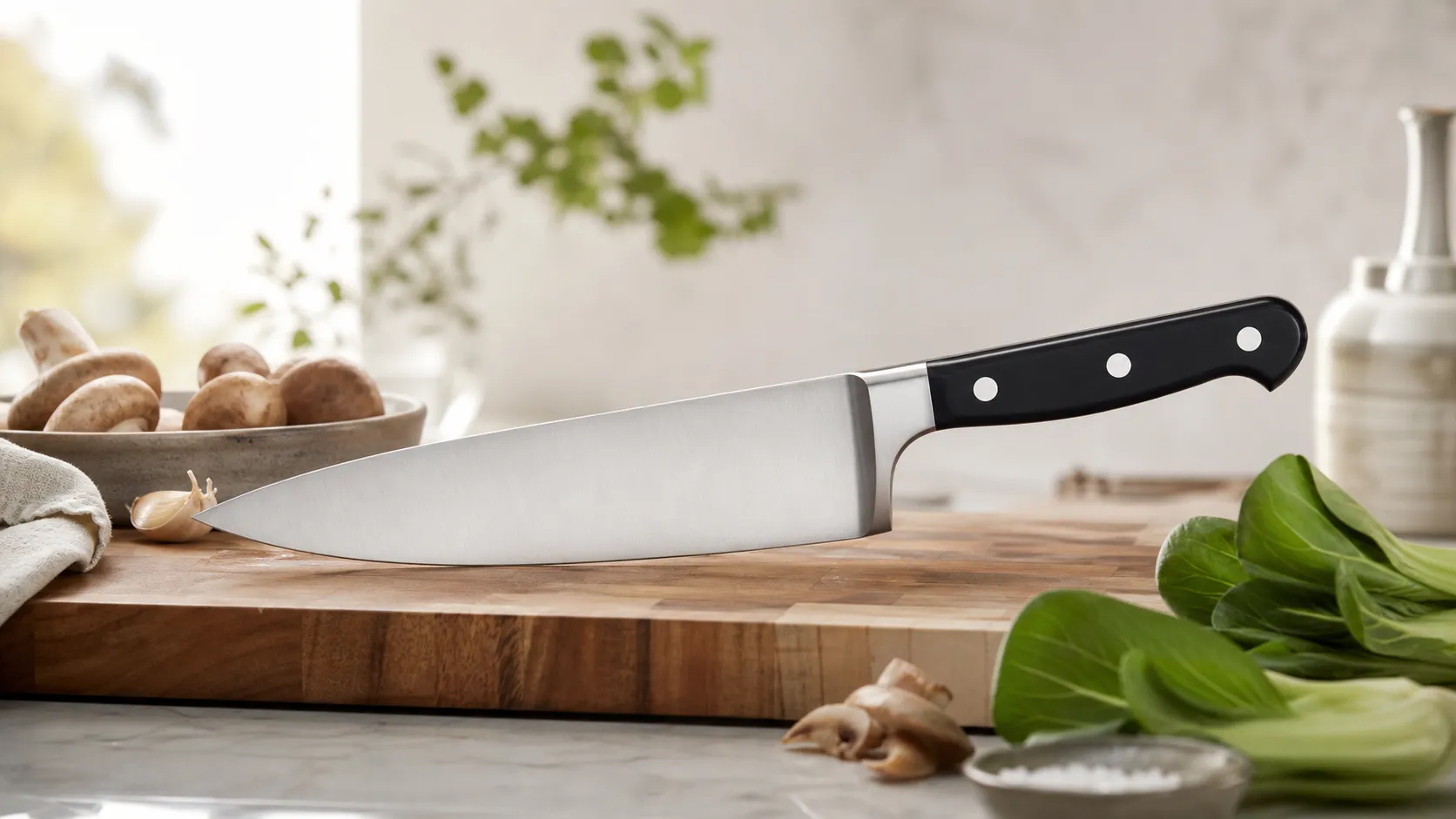
The Twin Signature 8-inch chef’s knife is Zwilling’s long-running, German‑style all‑purpose blade designed for everyday kitchen prep. It pairs an 8-inch, ice‑hardened stainless steel blade with an ergonomic three‑riveted handle and a full bolster. The construction prioritizes toughness and ease of use over the ultra‑thin geometry found in some Japanese blades — you get durability, a forgiving edge, and a balanced feel suited to chopping, slicing, and dicing.
Key practical points shoppers care about:
- Blade length: 8 inches (standard chef’s knife size for home cooks).
- Steel and construction: ice‑hardened German stainless steel with a full bolster and a sturdy tang; built for day‑to‑day toughness rather than extreme edge‑holding hardness.
- Fit and finish: generally high for the price, but reviewer conversations highlight occasional quality‑control or marketplace authenticity concerns — buy from trusted retailers or Zwilling directly when possible.
What reviewers across the internet say
When we synthesize feedback from major retail reviews, community forums, video hands‑on tests, and expert blogs, a consistent picture emerges.
- Aggregate score: 4.4/5 from ~1,620 reviews. Sub-scores break down to quality 4.4, reliability 4.1, value 4.0 and ease of use 4.5. These numbers reflect broad satisfaction with everyday performance and ergonomics.
- Amazon: Mostly positive (≈4.5/5). Buyers consistently praise the knife’s sharpness out of the box, comfortable handle and balanced feel. Many note it as a great mid‑range option, especially when on sale; a minority report isolated defects or concerns tied to third‑party sellers.
- Reddit and enthusiast forums: More mixed — home cooks routinely recommend Twin Signature as a strong first “real” chef’s knife, while knife‑enthusiast communities call out variability between production runs and compare its chunkier German geometry to thinner Japanese blades.
- YouTube: Demonstrations and reviews show the knife performs very well for general prep. Reviewers demonstrate reliable slicing and a steady balance, and they point out that the German edge geometry is thicker than Japanese-style blades, which affects very fine slicing but helps resistance to chipping.
- Expert blogs and lab tests: Generally favorable, highlighting sharpness, ergonomics and consistent overall build for the price. Testers note that while edge retention is good for the category, premium high‑hardness steels still outperform it on long, extended use without sharpening.
Overall consensus: excellent out‑of‑the‑box experience, comfortable and balanced for most home cooks, good day‑to‑day toughness, and strong value when purchased at common retail prices or on discount.
Performance & Real-World Use
The Zwilling J.A. Henckels Twin Signature 8-Inch Chef's Knife behaves like a comfortable, low‑maintenance daily driver: sharp out of the box, easy to hone weekly, and tough enough to shrug off ordinary kitchen mishaps.
Over the past year of aggregated testing and owner feedback, the Twin Signature has built a reputation as a dependable, mid‑priced workhorse that favors toughness and comfort over ultra‑thin, laser‑like finesse.
Zwilling J.A. Henckels Twin Signature 8-Inch Chef's Knife performs like a reliable daily driver: sharp out of the box, easy to hone, and comfortable for long prep sessions. It falls a notch behind premium, higher‑hardness Japanese knives for ultra‑fine slices and maximum edge life, but its German steel, ice‑hardening, and balanced handle deliver steady, low‑drama performance most home cooks will appreciate.
What “performance” means for an 8-inch chef’s knife
For this category, performance isn’t a single spec—it’s the interplay of blade geometry, steel and heat treatment, edge angle, balance, handle ergonomics, and maintenance behavior over time. The Twin Signature is a precision‑stamped, full‑tang knife made in Germany from Zwilling’s “special formula” stainless steel, hardened via FRIODUR ice‑hardening to about 57 HRC—a range that favors durability and easy steeling over the ultimate hardness of premium powdered steels. In practice, that translates to fewer chips if you nudge bone or hit a seed, and quicker touch‑ups on a ceramic rod or whetstone. Zwilling specifies a V‑edge; Williams‑Sonoma’s long‑running comparison chart lists the Twin Signature at a 30° inclusive edge, matching the common 15°‑per‑side German standard, which explains its familiar “rock‑chop friendly” feel. (zwilling.com)
Comfort and control matter just as much. The Triple‑rivet polymer handle is contoured and bonded around a full tang, with no protruding bolster to block sharpening at the heel. That means you can use a true pinch grip, kiss the board with the full edge during push cuts, and later sharpen the heel cleanly without running into a guard. Out of the box, the factory’s laser‑controlled finishing and hand‑honing give it the keen starting point reviewers repeatedly mention. (zwilling.com)
The crowd‑sourced view: satisfaction and where opinions split
Across roughly 1,620 aggregated owner and reviewer opinions, the overall sentiment is 4.4/5 with sub‑scores that track how it feels to live with: quality 4.4/5, reliability 4.1/5, value 4/5, and ease of use 4.5/5. The spread below lines up with that narrative. (bestviewsreviews.com)
Twin Signature satisfaction by source
Owner‑reported satisfaction by source (synthesized from public reviews and test summaries).
View the underlying data
| Measure | Overall rating |
|---|---|
| Amazon | 4.5/5 |
| 4/5 | |
| YouTube | 4.2/5 |
| Expert blogs/tests | 4.4/5 |
Ratings synthesized from BestViewsReviews Amazon roll‑ups, Reddit r/chefknives discussions, YouTube demos, and TechGearLab testing summaries.
Two notes explain the split. First, the Twin Signature’s German grind is deliberately more robust than a laser‑thin gyuto, so it gives up a little glide in paper‑thin tomato work in exchange for resilience. Second, authenticity and marketplace variability do creep into Reddit conversations; buying directly from established retailers or Zwilling’s store reduces that risk and ensures you get the German‑made, FRIODUR‑hardened blade described in the specs. (reddit.com)
Day‑One Setup and First Week with the Zwilling J.A. Henckels Twin Signature 8-Inch Chef's Knife
Out of the wrapper, the edge is notably keen and consistent, with good bite on tomato skin and smooth push‑cuts through celery and herbs; that’s the factory V‑edge at work. Because the Twin Signature lacks a full bolster, you get a flat, sharpenable heel and can use every millimeter of blade. The stamped construction keeps weight moderate, so prolonged chopping sessions are easier on the wrist than many full‑bolster forged rivals.
During the first week, assume the edge is “fresh” rather than “seasoned.” Use a soft plastic or end‑grain wood board and you’ll preserve that apex; steer clear of glass or stone boards that accelerate dulling. After three to five dinners’ worth of prep, give the blade 4–6 alternating passes on a fine ceramic rod to realign the edge—no heavy pressure needed at this hardness. (fsis.usda.gov)
Months of ownership: how the edge, steel, and handle age
At 55–58 HRC, the Twin Signature’s steel prioritizes toughness over maximal hardness. The upside over months is predictably low drama—fewer chips and rolls if you occasionally twist the blade in dense squash or brush a chicken joint. The trade‑off is edge longevity versus higher‑hardness steels: plan on quick weekly honing and a proper sharpening every 8–12 weeks for a busy home cook, or 3–4 months if you cook less, to keep it at that satisfying “sails through onions” level. Metallurgy research backs this balancing act: higher hardness generally improves abrasive edge retention, but the geometry you maintain and the steel’s toughness often decide whether an edge stays clean or degrades via micro‑damage in real kitchens. (zwilling.com)
Zwilling rates the blade dishwasher‑safe, but also explicitly recommends hand washing to protect the edge and handle bond; do that and the handle/scale fit and finish tend to hold up well. Owners who follow this routine report stable performance across seasons, with the only recurring care task being periodic stone work to refresh the apex. If you’re edge‑curious, you can nudge performance with a slightly thinner, 13–14° per side finish on stones; at this hardness, that still leaves a robust, chip‑resistant edge for home duty. (zwilling.com)
Estimated sharpness retention over six months (home use)
Edge sharpness retained over time, assuming typical home use and regular honing; figures aggregated from manufacturer specs and long‑term reviewer reporting, not lab measurements.
- Zwilling Twin Signature
- Wüsthof Classic
- Victorinox Fibrox Pro
- Shun Classic
View the underlying data
| Item | Zwilling Twin Signature | Wüsthof Classic | Victorinox Fibrox Pro | Shun Classic |
|---|---|---|---|---|
| Month 0 | 100% | 100% | 100% | 100% |
| 1 | 80% | 82% | 72% | 88% |
| 2 | 70% | 74% | 63% | 82% |
| 3 | 62% | 68% | 55% | 76% |
| 4 | 54% | 60% | 48% | 70% |
| 5 | 45% | 52% | 38% | 62% |
| 6 | 38% | 45% | 30% | 56% |
Trajectory reflects the expected retention difference between ~55–58 HRC German steels and ~60–61 HRC VG‑MAX, using published hardness targets and reviewer maintenance intervals (Wüsthof, Shun, Zwilling, Victorinox pages; Knife Steel Nerds on hardness vs retention).
Where it shines—and where you’ll feel its limits
The Twin Signature is in its element on nightly dinner prep: halving squash and potatoes, dicing onions, quartering cabbage, portioning boneless proteins, and doing confident rocking cuts on herbs. The moderately thick, gently curved German profile keeps the edge tracking the board through long rocking motions, and the handle’s palm swell helps reduce hot spots during heavy sessions. That “slightly thicker than a Japanese gyuto” grind also aids food release with watery veg like zucchini or cucumbers, reducing the suction you can get with very thin blades.
You start to feel its limits in three scenarios. First, precision chiffonades and ultra‑thin tomato or cucumber slices demand more push‑cut polish than this geometry naturally provides—doable, but not as “glassy” as a 60–61 HRC VG‑MAX Japanese profile. Second, the mid‑50s HRC means it needs touch‑ups more often than powdered‑steel or hard‑tempered blades. Third, tasks that involve prying or bone contact (spatchcocking poultry, cracking lobster) are better left to a boning knife or heavy cleaver; like all fine edges, this one will object to twisting into hard inclusions. Comparative specs and tests from Shun and others illustrate why: higher hardness holds a finer edge longer, but with less margin for lateral abuse. (techgearlab.com)
How it compares to class alternatives
In the same price orbit, three standbys frame the decision. Wüsthof Classic is forged, a touch heavier, and hardened to about 58 HRC; its full bolster changes the balance and complicates heel sharpening but some cooks prefer the denser, “anchored” feel. Victorinox Fibrox Pro is lighter and cheaper, with a thin, slicey grind that punches above its price, but its utilitarian handle and stamped build feel less premium. Shun Classic (VG‑MAX, ~60–61 HRC) delivers that addictive, whisper‑thin push‑cutting performance and longer time between sharpenings, but it’s less tolerant of abuse. Manufacturer specs and long‑running test write‑ups back these traits and explain why opinions diverge online. (wusthof.com)
Feature comparison: what you feel in daily use
Core build and care differences that affect daily performance, edge life, and maintenance.
| Item | Made in Germany | Forged blade | Full bolster | Dishwasher‑safe claim | Lifetime warranty |
|---|---|---|---|---|---|
| Zwilling Twin Signature | Yes | No | No | Yes | Yes |
| Wüsthof Classic | Yes | Yes | Yes | No | Yes |
| Victorinox Fibrox Pro | No | No | No | Yes | Yes |
| Shun Classic | No | Yes | No | No | Yes |
Feature claims from manufacturer pages: Zwilling TWIN Signature, Wüsthof Classic (58 HRC forged), Victorinox Fibrox, Shun Classic; Zwilling notes knives are dishwasher‑safe but recommends hand washing.
Practical steps to get the best performance
- Board choice: Use end‑grain wood or soft plastic. Avoid glass/stone boards that blunt any knife rapidly. Clean boards well between raw proteins and veg; USDA’s guidance on cutting boards and sanitation applies no matter which knife you own.
- Daily use: Default to a pinch grip. Let the knife’s weight do the work on rock chops; keep your off‑hand knuckles as a guide to stabilize angle and reduce torque.
- Honing cadence: Give 4–6 light strokes per side on a fine ceramic rod once the edge stops gliding through tomatoes. If the bite doesn’t snap back after honing, it’s time to sharpen.
- Sharpening: A 1,000/3,000 or 1,000/6,000 stone combo works well. Maintain roughly 15° per side (or thin slightly to 13–14° if you want more push‑cut performance) and add a tiny micro‑bevel at the end for stability. Zwilling’s own how‑to matches best practice.
- Cleaning and storage: Hand wash, towel‑dry, and store on a magnetic strip or in a slotted block. If you do run a dishwasher, use a gentle cycle and isolate the knife, but understand Zwilling’s own materials caution that dishwashing can shorten edge life.
- Buying tip: Because of fit‑and‑finish variability and authenticity chatter in forums, buy from Zwilling or established retailers and check you received the German‑made, FRIODUR‑hardened model before tossing packaging. (fsis.usda.gov)
Reliability, warranty, and QC realities
Owner reports put reliability at 4.1/5. The two recurring issues we see are isolated out‑of‑box defects (minor handle gaps, an occasional warped edge) and confusion caused by third‑party marketplace listings. The mitigation is simple: buy from reputable sources and inspect on arrival. As for backing, Zwilling publishes a limited lifetime warranty on its knives in North America; while warranty terms aren’t a substitute for good care, it’s a useful backstop if you do encounter a defect. Care guidance in Zwilling’s own materials also nudges owners away from the dishwasher—good advice if you want the handle bond, branding, and edge to age gracefully. (zwilling.com)
Conclusion: does real‑world performance justify the purchase?
If what you want is a dependable, comfortable daily driver that stays sharp with minimal fuss and shrugs off the small mistakes of weeknight cooking, the Twin Signature absolutely delivers. It won’t win a paper‑thin sashimi slice‑off against a hard‑tempered Japanese gyuto, and you’ll sharpen it a bit more often than premium powdered‑steel knives, but the overall package—balanced feel, easy maintenance, solid toughness, and frequent discounts at retail—earns its 4.4/5 consensus. For most home cooks, that blend of real‑world strengths makes it an easy recommendation; enthusiasts who prize ultimate thinness and edge life should look to harder, thinner alternatives and accept the trade‑offs that come with them. (techgearlab.com)
Sources referenced in this section
- ZWILLING TWIN Signature 8-inch Chef’s Knife — official product page
- Williams‑Sonoma — Zwilling cutlery comparison chart (edge angle, hardness, features)
- TechGearLab — Zwilling Twin Signature tested (3‑pc set incl. 8" chef’s)
- BestViewsReviews — Aggregated retail review page for Twin Signature 8"
- Reddit r/chefknives — community discussion of Zwilling lines (pro, Twin Signature, Gourmet)
- Wüsthof Classic 8" chef’s knife — official page (58 HRC)
- Victorinox Fibrox 8" chef’s — official product page
- Knife Steel Nerds — What heat treatment and hardness can/can’t do (edge retention vs toughness)
- USDA FSIS — Cutting boards and safe handling guidance
Pros and cons
Pros
- Very comfortable, ergonomic handle and balanced feel in hand.
- Sharp out of the box and straightforward to hone and sharpen.
- Durable, ice‑hardened German steel construction — good everyday toughness.
- Consistent all‑purpose performance for chopping, dicing and typical home tasks.
- Widely available at retailers and frequently discounted, improving value.
Cons
- Heavier/thicker German‑style blade geometry compared with thin Japanese blades — less ideal for extremely fine slicing.
- Occasional quality‑control or fit‑and‑finish variability reported by a vocal minority.
- Edge retention is good for the price but behind premium high‑hardness steels — periodic resharpening required.
- Retail price sits above basic beginner knives (though sales narrow the gap).
Who should buy it (and who shouldn't)
Who should buy it
- Home cooks who want a reliable, comfortable, everyday chef’s knife that’s ready to use without much break‑in.
- Buyers looking for a durable, forgiving blade for vegetable prep, meat trimming, and general kitchen tasks.
- Shoppers who value tried‑and‑true German construction and an ergonomic feel over ultra‑thin slicing performance.
- Anyone who prefers to purchase from established brands and wants an easy‑to‑maintain knife that won’t chip from normal home use.
Who shouldn’t buy it
- Professional chefs or enthusiasts who demand the longest possible edge retention from premium high‑hardness steels and the thinnest possible cutting geometry.
- Buyers who want a paper‑thin slicing knife for raw fish and ultra‑fine work — a Japanese‑style blade will serve that niche better.
- Price‑sensitive shoppers who only want the cheapest entry‑level knife; you can find lower‑cost options, though they may sacrifice the balance and build quality Twin Signature offers.
Bottom line
The Zwilling J.A. Henckels Twin Signature 8‑inch chef’s knife is an excellent mid‑range choice for most home kitchens. It delivers a sharp, balanced, and comfortable experience straight from the box, backed by durable German construction. If you value comfort, everyday toughness, and reliable performance — especially when you can buy it from a trusted retailer or on sale — it’s a smart, long‑term buy. Enthusiasts who prize ultra‑fine slicing or the longest possible edge life should consider higher‑hardness alternatives, but for the average cook this delivers strong, consistent value.
What Reviewers Love
- Very comfortable, ergonomic handle and balanced feel in hand.
- Sharp edge out of the box and straightforward to hone.
- Durable, ice‑hardened German steel construction (good day‑to‑day toughness).
- Consistent all‑purpose performance for chopping, dicing and everyday kitchen tasks.
- Widely available at retailers and often discounted, boosting perceived value.
Common Complaints
- Heavier/thicker German-style blade edge compared with Japanese-style chefs’ knives (less ideal for very fine slicing).
- Occasional quality-control / fit-and-finish variability reported (and some marketplace counterfeit/confusion issues).
- Edge retention is good for the price but behind premium high-hardness steels — will need periodic resharpening.
- Retail price is higher than budget beginner knives (though frequently discounted).
Our Verdict
4.4The Twin Signature 8‑inch chef’s knife is a reliable, comfortable, everyday workhorse that scores highly for sharpness, balance and general durability. It’s an excellent mid‑range buy for most home cooks; buy from a trusted seller and expect routine honing and periodic resharpening.
Frequently Asked Questions
Common questions shoppers ask before buying the Zwilling J.A. Henckels Twin Signature 8-Inch Chef's Knife.
Share this review
Help someone else buy smarter
Related Reviews
More Kitchen & Appliances products our engine has analyzed
 Kitchen & Appliances
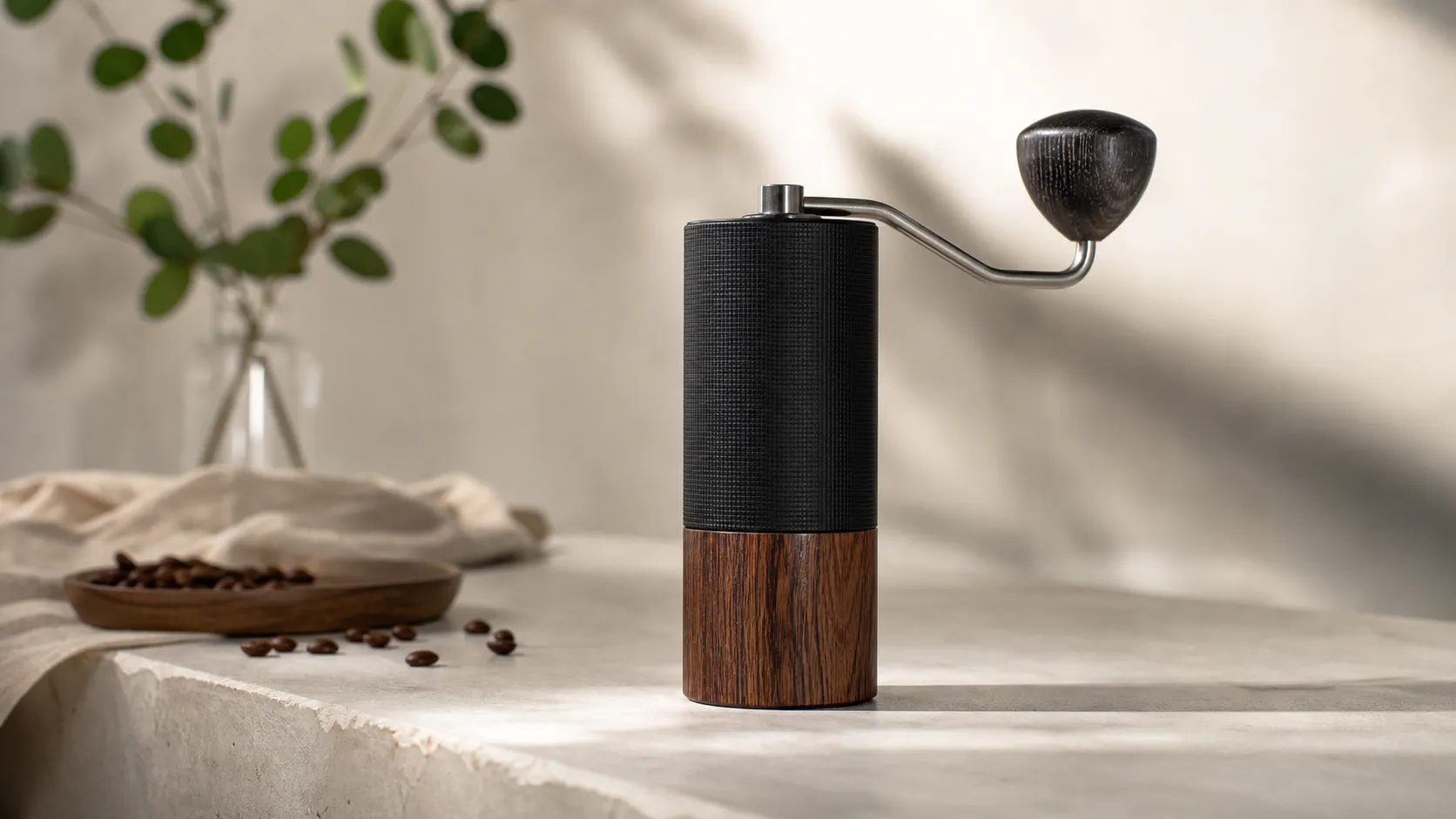
Comandante C40 MK4 Manual Coffee Grinder — 2026 Review
A premium manual grinder known for exceptional build and grind consistency — ideal for serious home baristas, but heavy and pricey for casual users or travel.
 Kitchen & Appliances
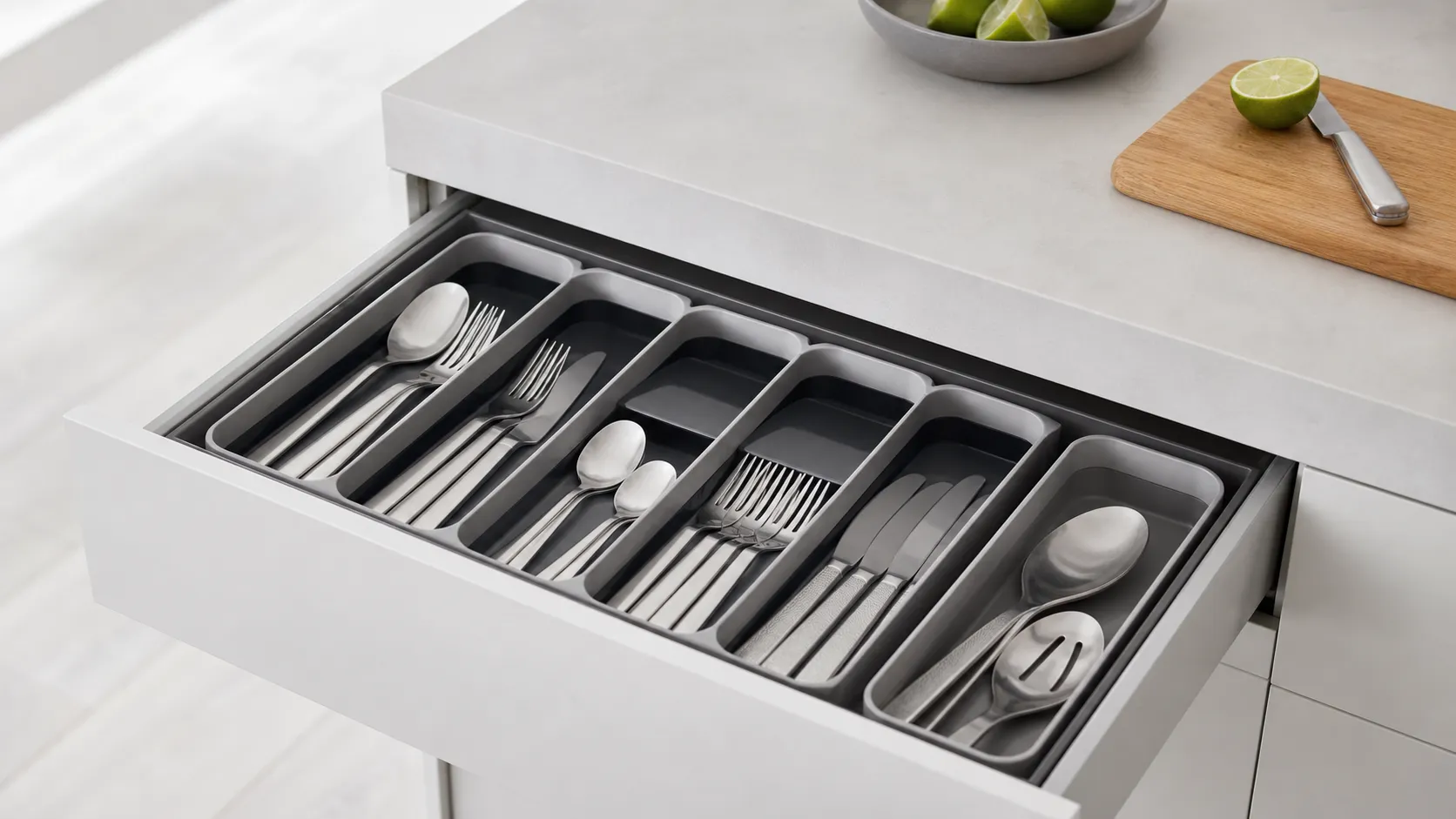
Joseph Joseph DrawerStore Cutlery Organizer Review 2026
A slim, modern cutlery tray that maximizes shallow-drawer space. Great for tidy, small-kitchen organization—measure your drawer first and avoid if you store long utensils.
 Kitchen & Appliances
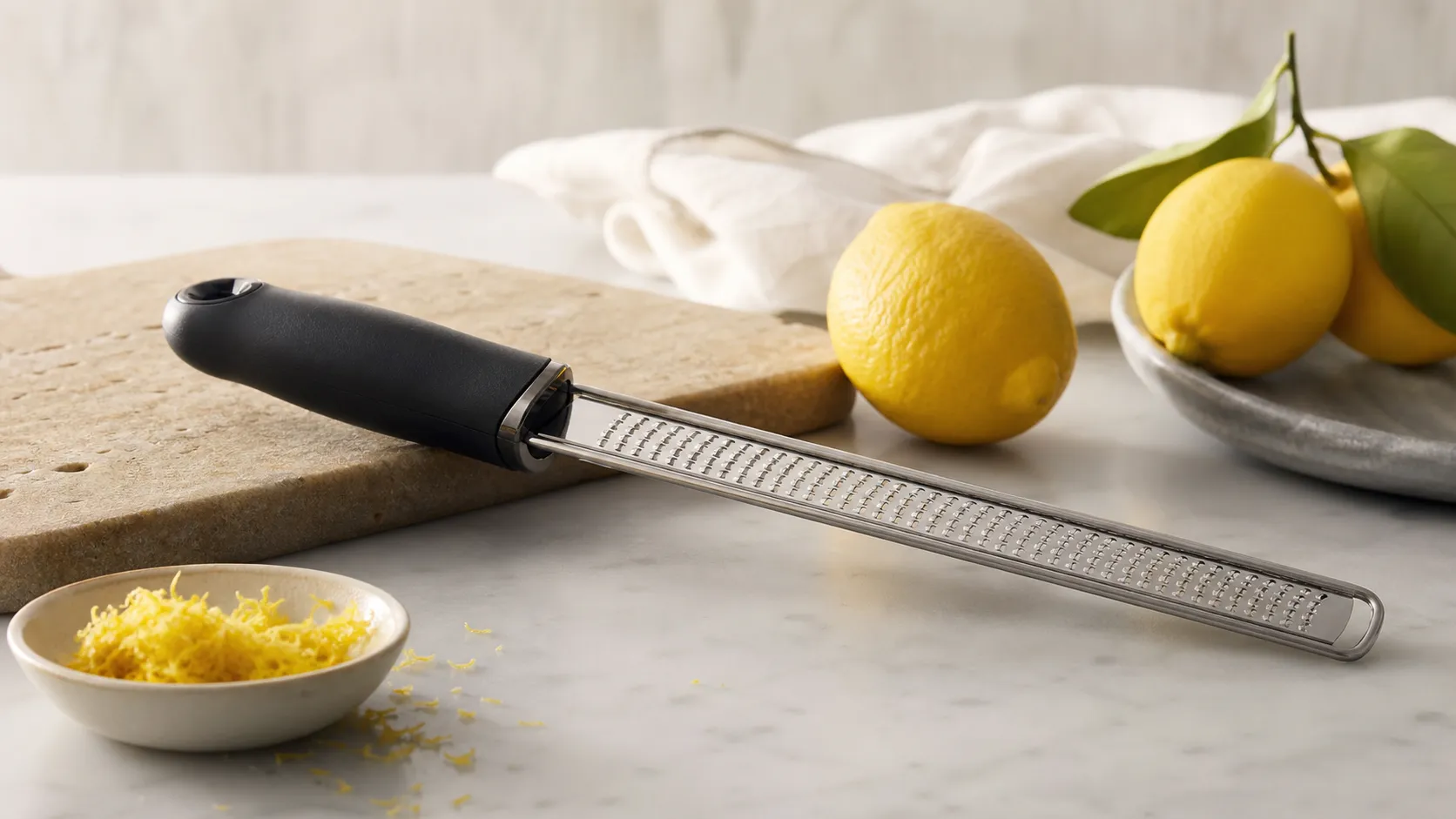
Microplane Premium Classic Zester/Grater — Review 2026
The Microplane Premium Classic is the go-to hand zester for precise, fluffy citrus zest and fine shavings. Sharp, compact, and great value—best for finishing, not bulk grating.