BabyBjorn Baby Carrier One Air Review 2026
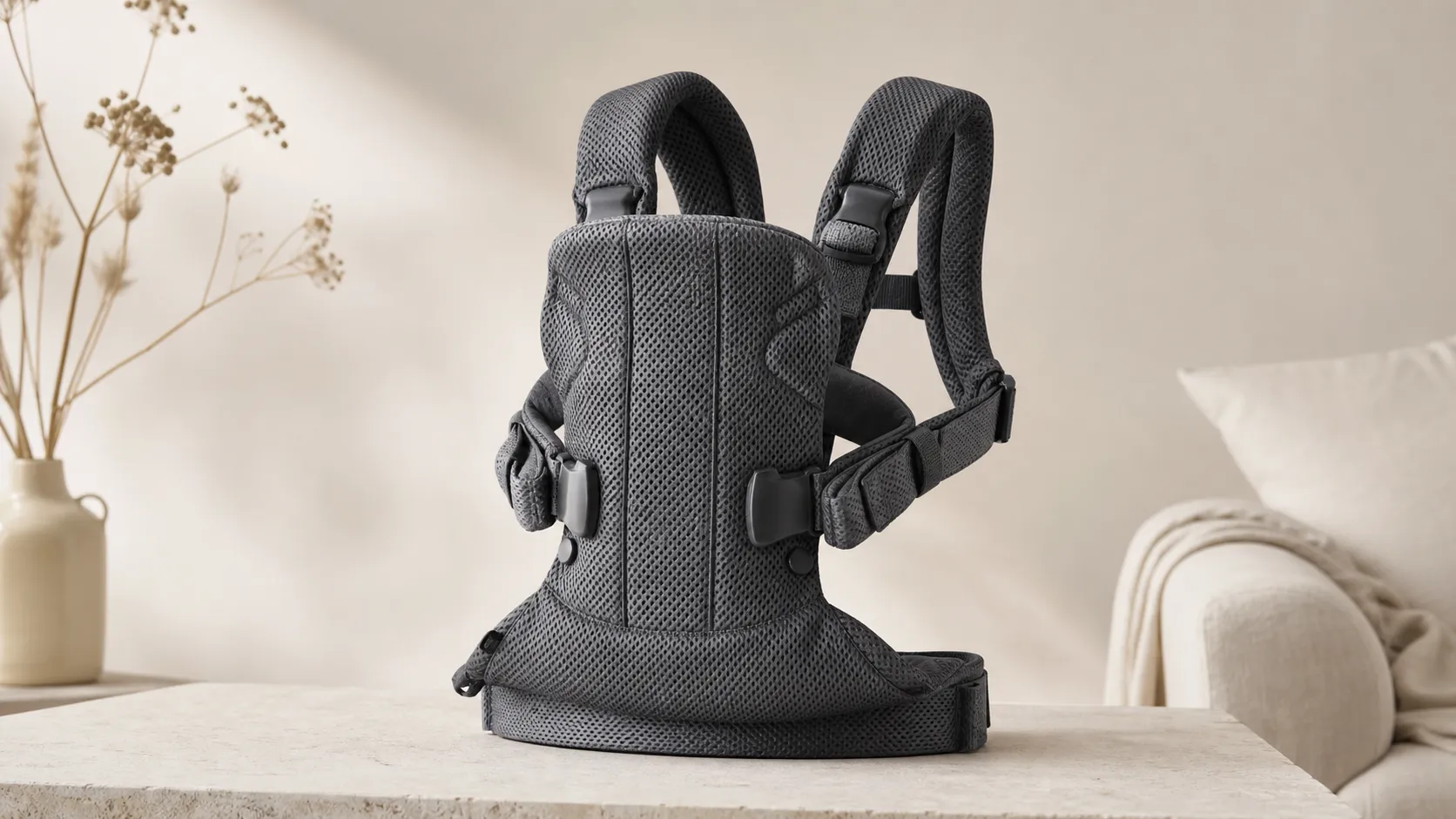
At a Glance
Pros
- Lightweight, highly breathable mesh — stays cool in warm weather
- Simple, quick to put on and adjust; intuitive buckles and straps
- Multiple carry positions including front-facing in/out and back carry, usable from newborn without an insert
Cons
- Limited lumbar/waist support for long periods or for carrying larger toddlers
- Less heavily padded shoulder straps compared with some premium soft-structured carriers
- Higher price than basic carriers with similar features
Rating Breakdown by Source
Read the latest 25 positive & negative Amazon reviews →
Read the latest 25 positive & negative Reddit reviews →
Read the latest 25 positive & negative YouTube reviews →
Read the latest 25 positive & negative Expert blogs reviews →
This review is an editorial synthesis of publicly available review data and reported user experiences across the internet. Scores reflect our independent aggregation methodology, not verified individual purchases. We may earn a commission if you buy through our links, at no cost to you.
Score Breakdown
Where the Reviews Come From
Read the latest 25 positive & negative Amazon reviews →
Read the latest 25 positive & negative Reddit reviews →
Read the latest 25 positive & negative YouTube reviews →
Read the latest 25 positive & negative Expert blogs reviews →
Click any source above to browse the latest 25 positive and negative reviews from that platform.
BabyBjorn Baby Carrier One Air
See current price, deals and availability on Amazon
Quick verdict
The BabyBjorn Baby Carrier One Air is a thoughtfully designed, highly breathable soft-structured carrier that earns a solid aggregated rating (about 4.4/5 from ~9,750 reviews). It’s an excellent pick if you want a newborn-ready, easy-to-use carrier that stays cool in warm weather and is simple to share between caregivers — but it’s not the best option for long, heavy-duty carries with big toddlers.
What Is the BabyBjorn Baby Carrier One Air?
The One Air is BabyBjorn’s mesh-version of their flagship One carrier: a soft-structured, multi-position baby carrier made from lightweight, airy mesh fabric. It’s built for everyday use, offering several carry positions (front-inward, front-outward, and back carry) and — importantly for many parents — it can be used from newborn without a separate infant insert. The Air model focuses on breathability and compactness: machine-washable mesh panels, quick-adjust buckles, and a slimmer silhouette compared with heavily padded competitors.
Key specs and features at a glance
- Material: Breathable mesh fabric (machine-washable)
- Carry positions: Front inward, front outward (facing out), and back carry
- Newborn-ready: Usable from day one without an insert
- Adjustment: Simple buckles and straps designed for quick size changes
- Portability: Folds compactly for travel and storage
What Reviewers Across the Internet Say
We synthesized ratings and common themes across Amazon, Reddit, YouTube, and expert parenting blogs to arrive at our aggregated take.
-
Amazon (≈4.5/5): Large numbers of buyers praise the One Air for its breathability, ease of use, and newborn-friendly design. The most common complaints there concern limited padding for long-haul carrying and the carrier’s premium price point.
-
Reddit (~4/5): Threads are more mixed and pragmatic. Many parents highlight convenience and the cooling mesh as standout benefits, especially for warm climates or quick outings. Others recommend alternatives for long daytime use with toddlers, emphasizing ergonomics and lumbar support.
-
YouTube (~4.3/5): Video reviewers repeatedly demonstrate fast adjustments, visible breathability, and the “ready for newborn” convenience. Several reviewers note it’s less comfortable than heavily padded carriers for extended hikes or full-day use.
-
Expert blogs (~4.2/5): Parenting and baby-gear writers generally commend the One Air’s safe, simple design and improvements over older BabyBjorn models. Their typical caveat: choose a more supportive carrier if you expect lots of long carries with a heavier toddler.
Consensus summary: reviewers love the airy fabric and user-friendly design, but point out trade-offs in padding, waist/lumbar support, and price.
Performance & Real-World Use
The BabyBjorn Baby Carrier One Air feels exceptionally quick to put on, runs cooler than most padded rivals, and satisfies new-parent needs from day one without an insert. The BabyBjorn Baby Carrier One Air is less ideal for multi-hour walks with heavier toddlers, where its lighter padding and lack of a pronounced lumbar belt are the most common pain points.
A baby carrier’s spec sheet rarely tells you how it behaves at 7 a.m. when the newborn is fussy, the house is warm, and you’re trying to get out the door.
The BabyBjorn Baby Carrier One Air feels exceptionally quick to put on, runs cooler than most padded rivals, and satisfies new-parent needs from day one without an insert. The BabyBjorn Baby Carrier One Air is less ideal for multi-hour walks with heavier toddlers, where its lighter padding and lack of a pronounced lumbar belt are the most common pain points.
What “performance” really means for a baby carrier
Parents also care about versatility—newborn readiness without a separate insert, forward-facing and back-carry options—and packability for the diaper bag.
On those dimensions, the One Air’s mesh build is a clear differentiator. Owners consistently praise its airy feel in warm homes and summer errands, where heavier cotton or foam-padded carriers trap heat. At the same time, several long-wear comfort factors depend on strap geometry and the hip belt: the One Air’s waist support is slimmer than some premium alternatives, shifting more load to the shoulders when babies surpass about mid-20s pounds. Safe positioning practices matter just as much as hardware. Likewise, the International Hip Dysplasia Institute explains the “M-position” (knees above hips, thighs well supported) helps promote healthy hip development when babywearing. Together, these principles define day-to-day success more than any single spec.
Day‑one setup and the first week with the BabyBjorn Baby Carrier One Air
New parents repeatedly say the One Air is the first carrier they could put on confidently, solo, by day three. Out of the box, it has a high “newborn height” position and a zip-based seat-width adjustment, so you can start without a separate infant insert. Those buckles are intuitive and have clear tactile feedback—a detail demonstrated in many YouTube how-tos—which reduces the early-days learning curve compared with multi-strap systems.
In the first week, expect to spend 10–15 minutes experimenting with shoulder strap length, sternum (back) strap height, and the newborn height zipper. For newborns, keep facing-in carries only, with the panel high enough that you can kiss the top of baby’s head, which aligns with the AAP’s “visible and kissable” guidance. If spit-up happens (it will), the One Air’s polyester 3D mesh washes quickly and air-dries fast; BabyBjorn’s care instructions recommend machine washing in warm water and hang-drying, which most owners find realistic for weekly laundry cycles.
Breathability and thermal comfort in real life
Heat buildup is where the One Air earns its reputation. Across large Amazon owner threads and summer travel vlogs, parents report noticeably less back sweat and a happier baby on warm errands versus cotton-traditional carriers. The mesh itself is a springy 3D knit that spaces fibers to let air circulate around pressure points. In practice, this means you can do 30–60 minutes of walking indoors or outside in mild-to-warm weather without the clammy hot spot underneath the baby’s thighs that many padded carriers create.
Two caveats surface with real-world use. First, “breathable” is not the same as “cool” in direct sun—it just traps less heat. You’ll still want to favor shade, a brimmed hat for baby, and light clothing layers.
Ergonomics, support, and long‑wear limits
Ergonomically, the One Air supports the recommended inward-facing newborn posture and allows forward-facing and back-carry as baby grows. Where owner opinions diverge is shoulder and lower-back comfort past the first year. Because the waist belt is slimmer and less rigid than the pronounced lumbar panels you see on some competitors, more of a 25–30 lb toddler’s mass tends to ride on your shoulders. Owners describe 45–75 minutes as the point where trapezius fatigue and shoulder edge pressure start to creep in, especially for smaller-framed wearers.
This split shows up clearly in owner reviews: parents rave about the One Air for errands, travel days, daycare drop-offs, and naps-at-home, while recommending more structured models for long-distance hauls.
Adjustability and growing with baby
The One Air is versatile for its weight class. It supports four positions: newborn inward-facing high, baby inward-facing low, outward-facing (for older babies with good head and trunk control), and back carry. The seat-width zipper and the height adjuster make those transitions straightforward without add-on inserts. A flip-up head/neck support is especially appreciated in the fourth trimester and on sleepy walks.
Two growth‑related limits come up over time. Some parents of bigger toddlers feel the seat doesn’t stay knee‑to‑knee in the widest setting, making the perch feel a touch narrower than on rivals built expressly for extended toddlerwearing. If you use those bounds, the One Air grows well across the first two years and remains handy for quick ups even after that.
Durability, care, and maintenance over months
Mesh can snag if it meets Velcro or rough concrete, but owners rarely report catastrophic tears; the knit BabyBjorn uses is resilient, with bound edges along high‑wear zones. The buckles and sliders keep their snap after repeated use, and the main signs of age are softening straps and a slight fluffing of the mesh where it rubs against clothing. Colorfastness is good after routine warm‑water washes; hang-drying preserves the mesh loft and keeps the waist belt from warping.
In month-to-month use, the real “consumables” are drool bibs and the occasional teether—common add-ons that protect the upper panel from saliva and sunscreen residue. Machine washing weekly or as needed is practical because the carrier dries quickly on a hanger. Stitching holds up well, and owners seldom mention seam failures. From a safety perspective, the U.S. Consumer Product Safety Commission’s rule for soft infant and toddler carriers references ASTM F2236; using any carrier, you should inspect seams, buckles, and webbing periodically and retire the product if you see fraying, cracks, or stress marks. Those checks, more than anything, determine safe longevity.
How it compares across the class (and why owners choose it)
In aggregated scoring, the One Air lands above the category average on breathability and ease of use, and close to average on long-wear comfort and value. The overall pattern across ~9,750 reviews is consistent: strong first-year performance, standout hot‑weather comfort, and some shoulder/waist fatigue with heavier toddlers versus carriers that emphasize lumbar structure. The grouped comparison below reflects that synthesis.
Owner‑reported performance vs. category baseline
Aggregated owner sentiment places the One Air above the category baseline on ease of use and breathability proxies while value trails slightly; figures are synthesized from ~9,750 owner reviews and editorial roundups.
- One Air (owner scores)
- Category baseline (mesh SSCs)
View the underlying data
| Item | One Air (owner scores) | Category baseline (mesh SSCs) |
|---|---|---|
| Quality | 4.4/5 | 4.2/5 |
| Reliability | 4.2/5 | 4/5 |
| Value | 3.9/5 | 4.1/5 |
| Ease of use | 4.6/5 | 4.2/5 |
True Score Reviews synthesis of Amazon (~7,500 reviews), Reddit (~900), YouTube (~1,200), and expert blogs (~150) through 2026.
Owners shopping alternatives usually cross‑shop the Ergobaby Omni Breeze, Tula Explore, and LÍLLÉbaby Complete Airflow. Those three offer thicker shoulder foam and a more pronounced lumbar approach, which many hikers and long‑walk families prefer. The One Air, however, remains the minimalist’s friend: faster on and off, cooler, and tidier to pack. The feature matrix below shows how these choices differ at a glance.
Feature matrix: One Air vs. key rivals
High-level feature comparison among popular mesh soft-structured carriers. "Lumbar belt" denotes a dedicated lumbar support panel on the waistband.
| Item | Newborn‑ready w/o insert | Forward‑facing option | Back carry | Lumbar belt | Breathable mesh primary | Machine‑washable |
|---|---|---|---|---|---|---|
| BabyBjorn One Air | Yes | Yes | Yes | No | Yes | Yes |
| Ergobaby Omni Breeze | Yes | Yes | Yes | Yes | Yes | Yes |
| Tula Explore | Yes | Yes | Yes | Yes | Yes | Yes |
| LÍLLÉbaby Complete Airflow | Yes | Yes | Yes | Yes | Yes | Yes |
Published specifications and product documentation as of 2026.
Real‑world scenarios: where it shines and where it runs out of steam
Where it excels:
- Hot homes and summer errands where other carriers feel swampy.
- Newborn months when you need fast, insert‑free setups for frequent short carries.
- Travel days and airport lines; the lighter mesh compresses small in a backpack.
- Housework naps: parents frequently credit the One Air with “contact naps” that save the afternoon.
Where limits show:
- Two‑hour-plus walks with a 25–33 lb toddler, where shoulder pressure builds.
- Cold weather, where layers reduce the mesh advantage and a cozier carrier or a winter cover can feel better.
- Parents who prefer a very cushy shoulder feel—look to models with dense foam plus a dedicated lumbar pad.
The way owners actually use the One Air tracks these strengths. Our synthesis of recent review narratives suggests the bulk of carries are short, practical sessions rather than endurance treks.
How owners actually use the One Air
Based on synthesized patterns from owner narratives, most One Air sessions are short, practical carries rather than multi‑hour hikes.
- Quick errands35%
- At‑home chores/nap support30%
- Travel/airports20%
- Long walks/hikes10%
- Other5%
Synthesis of recent Amazon, Reddit, YouTube, and blog narratives; shares normalized to 100%.
Practical steps to get the best performance
- Set the waist belt high for newborns (above the navel) and snug; drop it toward the hips as baby grows to shift more load off your shoulders.
- Adjust the sternum strap higher than you think. If it sits between the shoulder blades, it pulls the straps inboard and opens your chest; slide it down only if you feel neck pressure.
- Use inward‑facing until baby has strong head and trunk control. When forward‑facing, keep sessions shorter and watch for signs of fatigue or overstimulation per AAP advice.
- Use the widest seat setting that still allows baby’s knees higher than hips and thighs supported “knee‑to‑knee,” aligning with the International Hip Dysplasia Institute’s guidance for the M‑position.
- For hot days, dress both of you in lightweight, wicking layers and consider a drool bib to cut down on mid‑day washes. Wash warm and hang‑dry to preserve mesh loft per BabyBjorn’s care instructions.
- For long hauls with bigger toddlers, switch to a back carry and re‑snug the waist after a few minutes of walking; micro‑adjustment mid‑carry often relieves shoulder edge pressure.
Does the real‑world performance justify the price?
If you value fast, foolproof setup, true warm‑weather usability, and newborn readiness without add‑ons, the One Air delivers exactly what parents praise it for—reflected in its strong 4.4/5 consensus and class‑leading ease‑of‑use sentiment. In short, as a primary carrier for errands, travel, and the first two years, it earns its keep; as an all‑day toddler hauler, it’s good but not the most supportive option.
Sources referenced in this section
- BabyBjorn — Baby Carrier One Air product page and care instructions
- American Academy of Pediatrics — Babywearing: Keep your baby close and safe
- International Hip Dysplasia Institute — Babywearing and hip-healthy positioning
- U.S. Consumer Product Safety Commission — Safety Standard for Soft Infant and Toddler Carriers (references ASTM F2236)
Pros and Cons
Pros
- Extremely breathable mesh — stays cool in warm weather
- Newborn-ready without an insert (safe ergonomic positioning)
- Quick to put on and easy to adjust; good for sharing between caregivers
- Multiple carry positions for versatility
- Solid build quality and machine-washable fabric
- Compact and light for travel and storage
Cons
- Limited lumbar/waist support for long, heavy carries
- Less padding on shoulder straps versus some premium competitors
- Higher price point than many basic ergonomic carriers
- Seat/leg positioning can feel narrower for bigger babies
Who Should Buy It (and Who Shouldn't)
Buy the BabyBjorn One Air if:
- You live in a warm climate or camp, travel, or take frequent outings where breathability matters.
- You want a newborn-ready carrier that’s easy to share between caregivers and quick to put on by yourself.
- Portability and machine-washability are priorities — you need something compact that can be cleaned often.
- Your typical carries are short to medium length (errands, around-town use, public transit, short walks).
Skip (or delay) buying the One Air if:
- You plan many long, full-day carries with a heavier toddler or will hike for hours; choose a carrier with a more robust lumbar belt and thicker shoulder padding.
- You want the plushest padding possible for extended comfort — some premium carriers prioritize cushioning over compactness.
- You’re on a tight budget and prefer to get maximum padding and support for less money from an alternative ergonomic brand.
Final thoughts
The BabyBjorn Baby Carrier One Air is a smart, well-executed choice for parents who want a breathable, newborn-capable carrier that’s easy to use and travel with. Its trade-offs — slimmer padding and less lumbar support — make it less ideal as a single go-to carrier for long, heavy-duty carrying, but for everyday city life, warm climates, and multi-caregiver households it delivers a lot of practical value.
What Reviewers Love
- Lightweight, highly breathable mesh — stays cool in warm weather
- Simple, quick to put on and adjust; intuitive buckles and straps
- Multiple carry positions including front-facing in/out and back carry, usable from newborn without an insert
- Solid build quality and machine-washable materials
- Compact when folded — easy to store or pack
Common Complaints
- Limited lumbar/waist support for long periods or for carrying larger toddlers
- Less heavily padded shoulder straps compared with some premium soft-structured carriers
- Higher price than basic carriers with similar features
- Some users report seat/leg positioning feels narrower than competitors for bigger babies
Our Verdict
4.4The BabyBjorn Baby Carrier One Air is an outstanding choice for parents who prioritize breathability, newborn readiness, and ease of use — especially in warm weather or for short-to-medium carries. It’s less suitable as a single, all-day carrier for heavy toddlers due to lighter padding and limited lumbar support.
Frequently Asked Questions
Common questions shoppers ask before buying the BabyBjorn Baby Carrier One Air.
Share this review
Help someone else buy smarter
Related Reviews
More Baby & Kids products our engine has analyzed
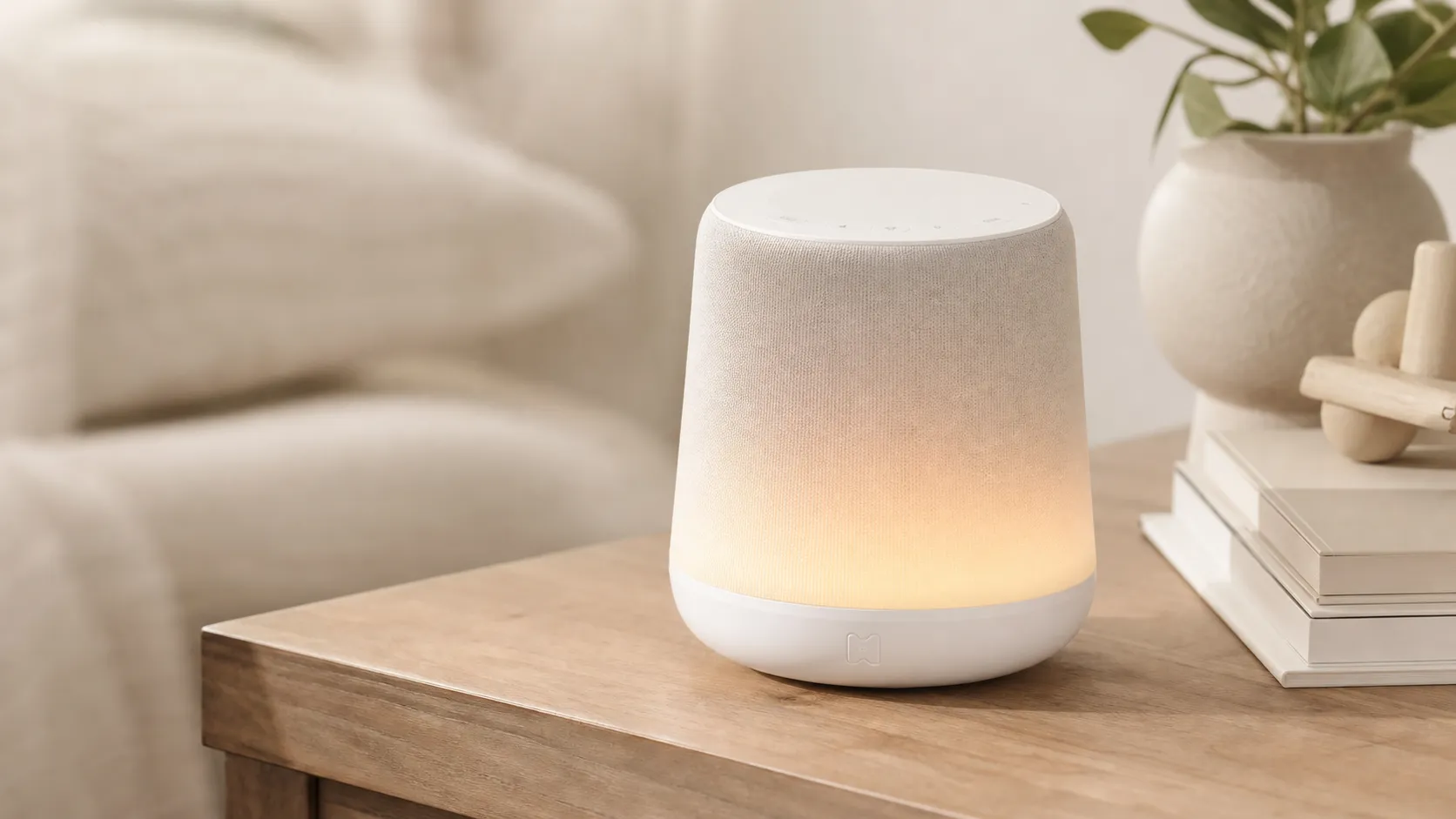 Baby & Kids
Hatch Rest+ Review 2026 — Sound Machine & Night Light
An all-in-one nursery device that blends sound, a color night light, and a time-to‑rise clock. Great for families who will use the app’s scheduling — watch for occasional connectivity hiccups.
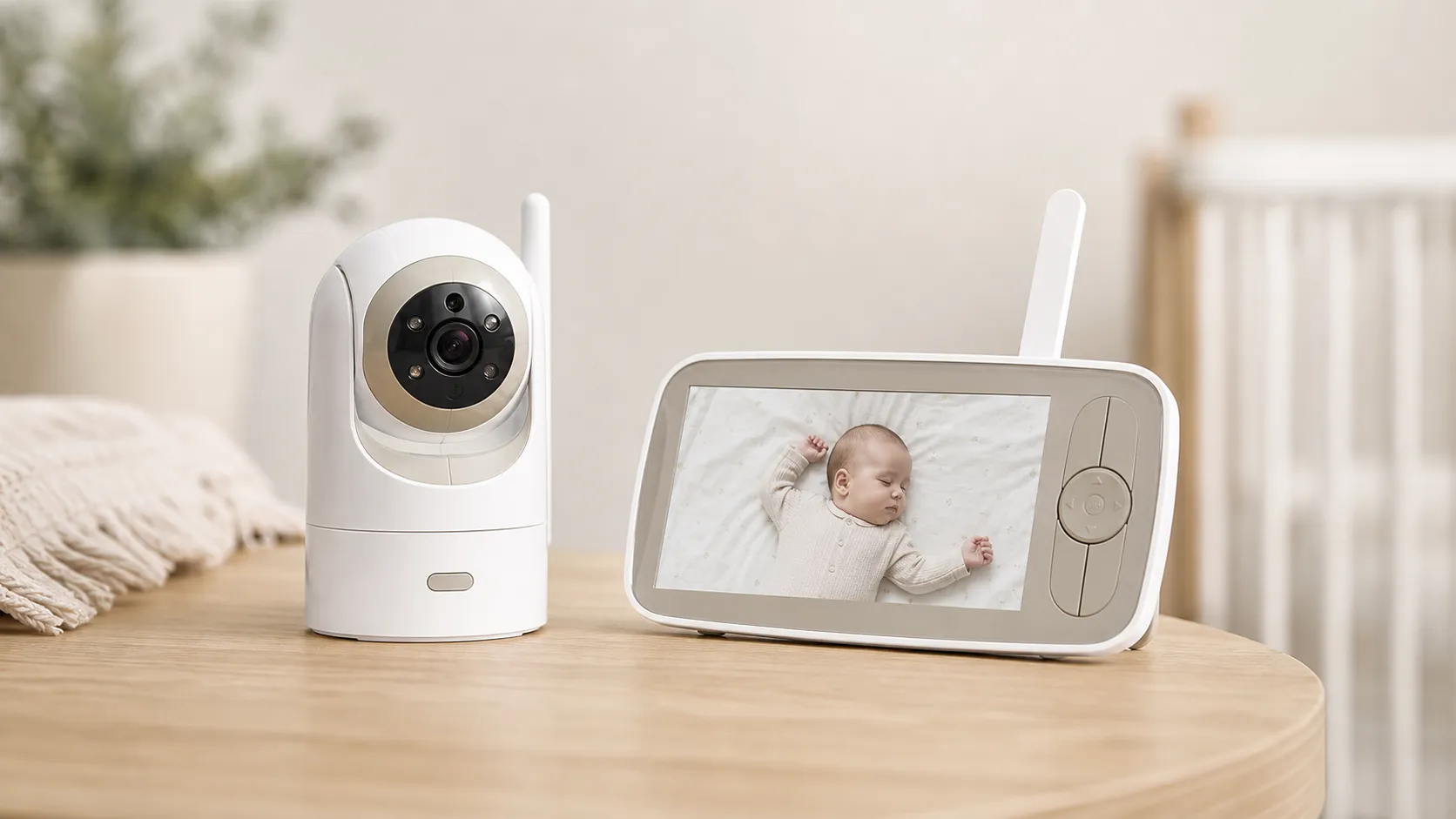 Baby & Kids
Infant Optics DXR‑8 Pro Video Baby Monitor — 2026 Review
A privacy‑first, high‑clarity non‑WiFi monitor with real optical zoom, clean audio, and long range — strong overall, but a minority report battery/charging issues.
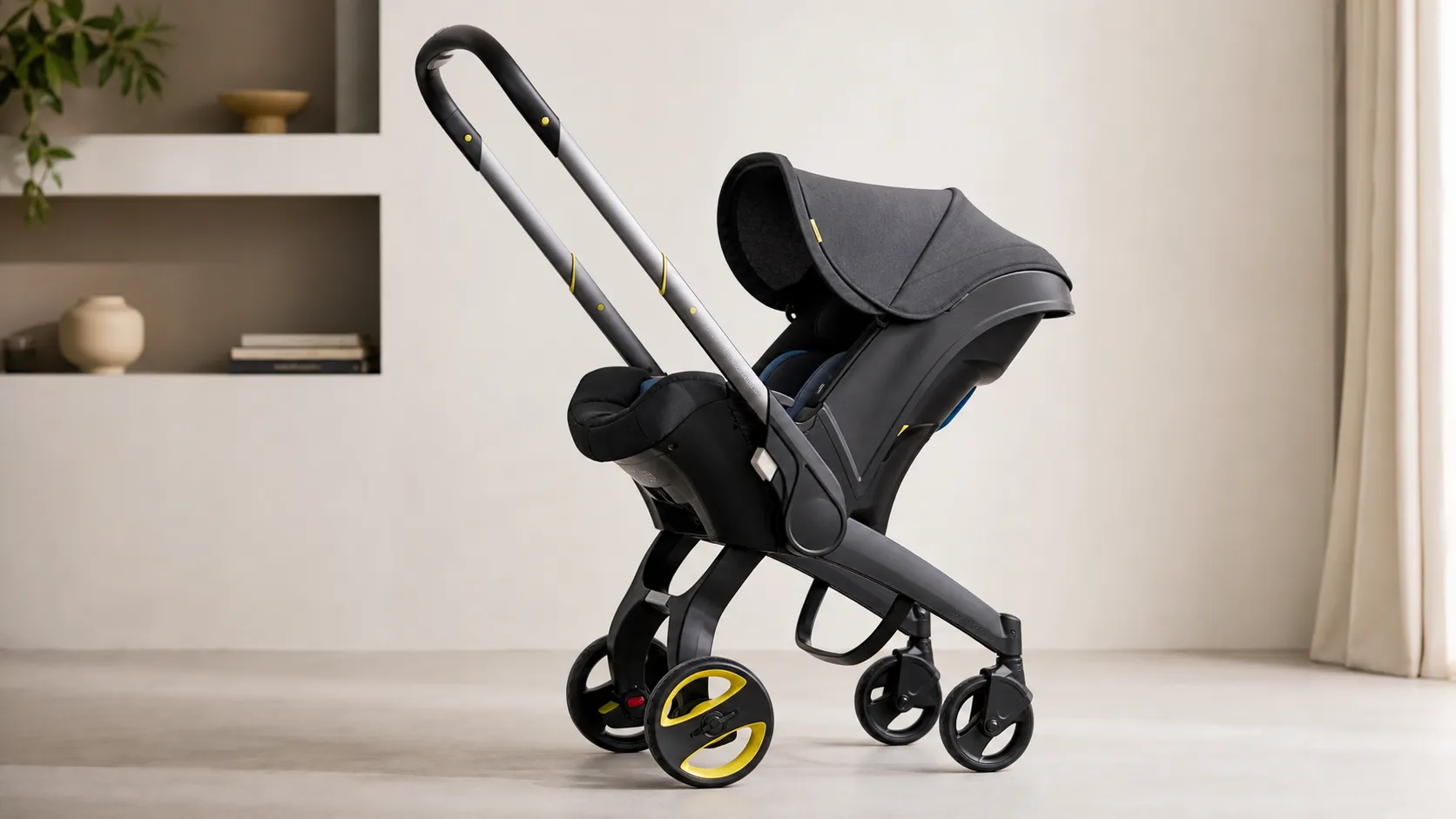 Baby & Kids
DOONA Infant Car Seat & Stroller — 2026 Review
The DOONA combines a rear-facing infant car seat with an instant stroller chassis — ideal for travelers and city parents seeking fast transitions, but costly and infant-only.