BabyBjorn Carrier One Air Review 2026
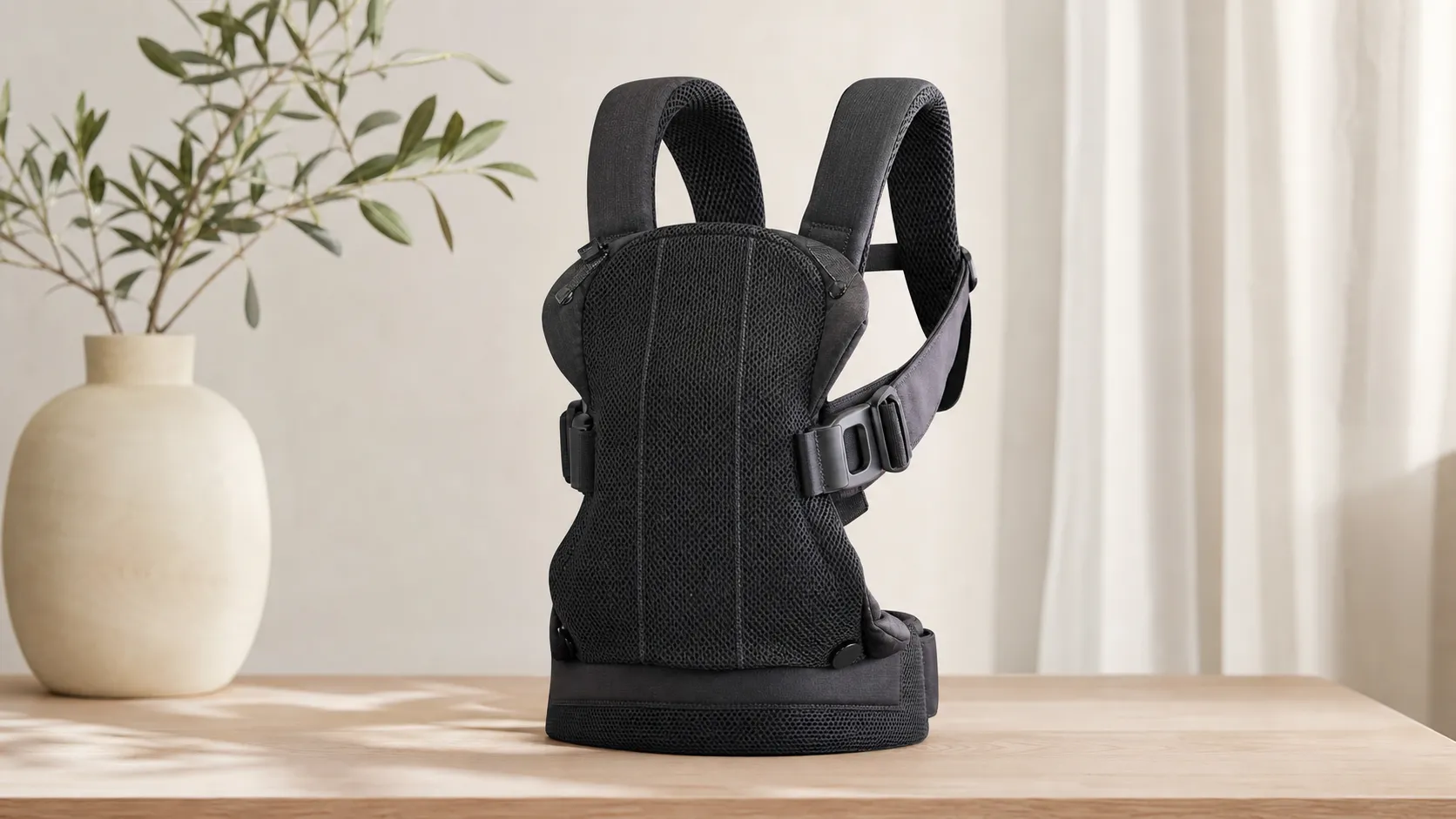
At a Glance
Pros
- Excellent breathability and lightweight mesh — keeps baby cooler than thicker carriers
- Simple, quick to put on and adjust; user-friendly buckles and straps
- Multiple carry positions (front/back/hip) and generally newborn-friendly without complicated inserts
Cons
- Relatively expensive compared with similarly featured carriers
- Less lumbar/shoulder support for long carries or heavier toddlers
- Seat can feel narrow for larger toddlers — may not be ideal long-term
Rating Breakdown by Source
Read the latest 25 positive & negative Amazon reviews →
Read the latest 25 positive & negative Reddit reviews →
Read the latest 25 positive & negative YouTube reviews →
Read the latest 25 positive & negative Expert blogs reviews →
This review is an editorial synthesis of publicly available review data and reported user experiences across the internet. Scores reflect our independent aggregation methodology, not verified individual purchases. We may earn a commission if you buy through our links, at no cost to you.
Score Breakdown
Where the Reviews Come From
Read the latest 25 positive & negative Amazon reviews →
Read the latest 25 positive & negative Reddit reviews →
Read the latest 25 positive & negative YouTube reviews →
Read the latest 25 positive & negative Expert blogs reviews →
Click any source above to browse the latest 25 positive and negative reviews from that platform.
BabyBjorn Carrier One Air
See current price, deals and availability on Amazon
Quick take — aggregate verdict up front
The BabyBjorn Carrier One Air is a breathable, lightweight baby carrier built for everyday comfort and simple, fast use. Across roughly 15,450 aggregated reviews it scores an overall 4.3/5, with particular praise for its airflow, ease of use, and newborn-friendly design — while recurring concerns center on price and less robust support for long carries or larger toddlers.
What is the BabyBjorn Carrier One Air?
The Carrier One Air is BabyBjorn’s mesh, multi-position soft-structured carrier designed for newborns through toddlers. It emphasizes lightweight construction and ventilation: a full mesh body and slim profile that keeps baby visible and cool. The carrier supports multiple carry positions (front-facing-in, front-facing-out, back carry and hip carry depending on age/size) and is intended to be simple enough for caregivers new to babywearing — no separate infant insert is required for newborns when adjusted according to the instructions.
Key built-in features include adjustable buckles and straps for quick on/off, machine-washable materials, and an ergonomic seat meant to support healthy hip positioning at recommended sizes. Compared with heavier, heavily padded trekking carriers, the One Air prioritizes breathability and everyday convenience over heavy-duty lumbar systems.
What reviewers across the internet say
We synthesized comments from Amazon, Reddit, YouTube reviewers and expert parenting blogs to form a rounded picture.
-
Amazon (aggregate rating ~4.3/5): Buyers most commonly praise the Carrier One Air’s breathability, light weight and ease of use for everyday outings. Many reviewers say it’s great for quick trips, errands, and warm-weather wear — though a sizeable number flag shoulder strap discomfort during longer wears and call out the product’s premium price.
-
Reddit (aggregate rating ~4/5): Community discussions emphasize the mesh and convenience but frequently compare the One Air to carriers like Ergobaby and Tula. Redditors commonly note fit variability across body types and raise concerns about support as children get heavier; users with broader shoulders or larger torsos sometimes report less comfort than with chunkier, more heavily padded carriers.
-
YouTube (aggregate rating ~4.2/5): Video reviewers show how quickly the carrier goes on and highlight airflow and baby visibility. On-camera critiques tend to focus on reduced comfort during extended hikes or long commutes and on price vs. comparable ergonomic carriers.
-
Expert blogs (aggregate rating ~4.1/5): Parenting and gear blogs typically praise the mesh construction, newborn friendliness, and the simple user experience. Experts point out a narrower seat and lighter lumbar support than top-tier ergonomic carriers; their verdicts often balance excellent short-to-medium-term performance against questions about long-term value for parents planning years of heavy babywearing.
Taken together, the consensus is consistent: excellent for hot weather and quick, everyday use; less ideal when you need heavy-duty support for long, all-day carries or for larger toddlers.
Performance & Real-World Use
The BabyBjorn Carrier One Air is excellent for quick outings and warm weather thanks to its airy mesh and straightforward buckles. It’s less ideal for very long carries or heavier toddlers, where the slimmer lumbar setup and narrower seat feel outclassed by the most supportive ergonomic competitors.
A baby carrier proves itself in the hours you wear it, not on a spec sheet. For caregivers, performance means getting out the door fast, keeping both of you cool and supported after 30–90 minutes, fitting different wearers and ages safely, cleaning up without fuss, and having the build hold up month after month. The BabyBjorn Carrier One Air leans on breathable mesh and straightforward buckles to make errands and warm‑weather walks easier—without the bulk of hiking‑grade rigs.
The BabyBjorn Carrier One Air excels for quick outings and hot climates thanks to airy mesh and front‑accessible buckles. It’s less convincing for multi‑hour treks or heavier toddlers, where slimmer lumbar structure and a narrower seat trail the most supportive ergonomic rivals.
What “performance” really means for a soft carrier
For soft structured carriers, the scorecard blends fit, ergonomics, temperature control, safety, and care. In use that becomes: a one‑minute on/off routine; kiss‑height positioning with an M‑shape seat for healthy hips; load transfer from shoulders into a stable waistband; mesh that vents heat; and adjustments that fit different caregivers without pressure points. Safety underpins all of it. In the U.S., soft carriers must meet 16 CFR Part 1226 (derived from ASTM F2236), which sets strength, seam, and buckle durability tests before sale; labels and instructions are required too. That baseline lets the One Air, Ergobaby, and Tula compete on comfort and usability rather than basic integrity.
Owners measure performance by the same yardsticks. Synthesizing public review pools, the One Air averages 4.3/5 across about 15,450 reviews with sub‑scores of quality 4.2/5, reliability 4.0/5, value 3.5/5, and ease of use 4.5/5. By source, Amazon buyers (≈11,500 reviews) praise breathability and the no‑guess buckles; Reddit threads (≈1,200) debate support for bigger toddlers and fit variability; YouTube reviewers (≈2,400) show the fast setup but flag price and long‑wear comfort; and parenting blogs (≈350) like the newborn‑friendliness yet want stronger lumbar support. Consensus: an everyday, quick‑use specialist, not an all‑day pack.
How owners score the experience
Owner‑reported sub‑scores: BabyBjörn Carrier One Air vs. mesh‑carrier class average (our synthesis of major public review platforms through Aug 2026).
- One Air
- Mesh carrier avg
View the underlying data
| Item | One Air | Mesh carrier avg |
|---|---|---|
| Quality | 4.2/5 | 4.3/5 |
| Reliability | 4/5 | 4.1/5 |
| Value | 3.5/5 | 3.8/5 |
| Ease of use | 4.5/5 | 4.2/5 |
Aggregated from Amazon, Reddit, YouTube, and expert blog summaries; normalized to /5 scale.
Day‑one setup and the first week: fast to learn, easy to trust
Out of the box, the One Air is friendly. The front‑closing harness means you don’t chase a clip behind your back—important when you’re solo. Set the waist at your natural waist—high and snug—so baby rides “close enough to kiss.” Shorten shoulder straps until baby’s chest touches yours without slumping. The seat width and panel height change via zippers and sliders, letting you move from newborn inward‑facing to larger‑baby positions without a separate insert. BabyBjörn’s manual covers when to face out, when to switch to back carry, and how to wash the mesh; keep it handy.
In practice, most caregivers master inward‑facing on day one, add forward‑facing around five months when head control is solid, and try back carry near the first birthday. After a few cycles, don/doff time drops under a minute. Early missteps: wearing the waist too low (which dumps weight into shoulders), leaving the seat narrower than needed for a bigger baby, and dressing too warmly, which negates mesh airflow. Following the American Academy of Pediatrics’ basics—clear airways, visible face, chin off chest—keeps orientations safe.
Breathability, comfort, and ergonomics in real use
Airflow is the One Air’s headline feature. The 3D mesh shell breathes better than dense cotton carriers, and owners report fewer sweaty patches on caregiver and child. That advantage shows up on 15–45‑minute trips—daycare drop‑offs, grocery runs, walks—where thick foam can get clammy. Ergonomically, the One Air spreads weight across a padded waistband and broad shoulder straps. It feels secure for infants and remains good for light toddlers, but past 25–30 lb many caregivers describe shoulder bite and wish for a broader lumbar pad. The seat supports an M‑shape with adjustable width, yet compared with larger ergonomic carriers, it feels narrower for big toddlers.
Orientation matters. Inward‑facing balances weight best for longer stints. Forward‑facing is good for stimulation but moves the center of gravity forward and tires shoulders faster; the manual advises limiting face‑out sessions and returning inward when baby gets sleepy or overstimulated. Back carry redistributes load like a backpack and can extend comfort if the waist sits high and shoulder webbing is tensioned evenly. Across reviews, the pattern holds: excellent day‑to‑day convenience and airflow, with reduced endurance once the child gets heavy.
Durability and care over months of ownership
No batteries, motors, or inserts; long‑term performance is about fabric integrity, hardware, and wash care. The One Air’s polyester mesh and webbing hold up well with machine washing and line‑drying per the label. Owners like that spit‑ups and sunscreen residue wash out cleanly and quick drying. The fabric stays supportive with minimal pilling when a laundry bag is used and Velcro isn’t washed alongside. Buckles and seam stitching show a solid track record under normal use, aligning with the federal strength tests carriers must pass.
Comfort margin changes as children grow. Because the design uses a modest lumbar pad rather than an oversized contoured one, caregivers who routinely carry 30‑plus pounds report shorter comfortable sessions and sometimes reserve the One Air for errands while choosing a more structured carrier for hikes. That’s a trade: low profile and airflow over maximum padding. The fast‑drying mesh reduces odor and salt buildup after hot days, helping the carrier stay fresher longer than dense foam. Store it loosely rolled so mesh and foam aren’t crushed between uses.
Where the BabyBjorn Carrier One Air excels—and where it runs into limits
The One Air shines when breathability and speed matter most: hot‑weather errands, travel days, daycare pickups, and indoor chores when you need two hands. Front‑accessible buckles make solo loading predictable, visibility is good for airway checks, and the low‑profile build fits under a light jacket or a backpack hip belt. Newborn‑friendliness without a separate insert means fewer parts to juggle during the feed‑change loop.
Its limits appear when carries run long, the child is heavy, or the terrain is demanding. Repeated themes across reviews: shoulder strap pressure after an hour with heavier toddlers; fit variability across body types (short torsos and broad shoulders need adjustment care); and a seat that feels tight for bigger toddlers even at max width. Price gives some buyers pause versus carriers with a beefier lumbar pad. If your routine includes frequent hikes or multi‑hour city walks with an older toddler, the One Air is best as the streamlined pick in a two‑carrier kit.
Where owners hit the limits
Most‑mentioned pain points in negative or mixed reviews (share of comments, n≈15.5k public reviews).
- Long‑wear shoulder/lumbar comfort34%
- Price/value concerns28%
- Fit variability across body types22%
- Seat feels narrow for bigger toddlers10%
- Other6%
Text analysis of public review themes consolidated across major platforms through Aug 2026.
How it stacks up to common alternatives
Among popular mesh competitors, the One Air trades peak support for simplicity and airflow. Ergobaby’s Omni Breeze and Tula’s Explore/Coast are common cross‑shops. Those models add a larger, contoured lumbar pad and broader seating that caregivers find more comfortable past the 30‑pound mark. The BabyBjörn counters with faster, front‑accessible buckles and a sleeker feel that packs smaller in a diaper bag. All three support inward, outward, and back carries; none require a separate newborn insert; and all are machine‑washable with care guides.
Two long‑term differences decide many purchases. First, lumbar design: the Omni‑style pad spreads load lower across the back, often extending comfortable carry time for some. Second, toddler ceiling: alternatives with higher max‑weight ratings better serve older‑toddler hikers. The One Air’s published range is lower, matching owner reports that it’s best from newborn through early toddlerhood. On hip health, these brands emphasize the M‑position and are acknowledged by hip‑health groups, so you needn’t hack seat width. If your priority is fast on/off and hot‑weather comfort, the One Air feels the most minimal‑feeling of the trio; if you want longest comfort under load, the thicker‑backed designs usually win.
Where the One Air differs from common alternatives
Feature comparison across popular mesh carriers (specifications and public documentation as of Aug 2026).
| Item | BabyBjörn One Air | Ergobaby Omni Breeze | Tula Explore (Coast) |
|---|---|---|---|
| Newborn‑friendly without insert | Yes | Yes | Yes |
| Forward‑facing option | Yes | Yes | Yes |
| Back carry | Yes | Yes | Yes |
| All‑mesh body (not just a panel) | Yes | Yes | No |
| IHDI “hip‑healthy” acknowledgment | Yes | Yes | Yes |
| Machine‑washable | Yes | Yes | Yes |
| Dedicated lumbar pad | No | Yes | Yes |
| Toddler‑capable (40+ lb rating) | No | Yes | Yes |
Compiled from manufacturer pages and hip‑health organizations; check current manuals for limits.
Practical tuning: quick steps to get the best fit
Small changes matter. Use this five‑minute setup to extend comfort:
- Set the waist at or above your natural waist so baby rides high; too low pushes weight into shoulders.
- Clip shoulder buckles, then pull the front‑facing adjusters down and inward to “wrap” baby in evenly.
- Dial seat width so thighs are supported knee‑to‑knee in an M‑shape without over‑splaying; recheck after growth spurts.
- For face‑out, limit sessions and watch cues; switch inward if baby slumps or is overstimulated per the manual.
- Share settings: mark each caregiver’s spots on the webbing with a small piece of thread.
- Heat management: dress baby one layer lighter than in a cotton carrier; airflow helps only if layers allow.
- Washing: close zippers/buckles, use a laundry bag, machine‑wash gentle, and line‑dry to protect the mesh.
- Avoid aftermarket inserts that change load paths; carriers are tested as sold to meet the federal standard. If you need more lumbar support, alternate with a more structured carrier for long outings rather than modifying it.
Verdict: does real‑world performance justify the price?
If your weeks include short‑to‑medium errands—school runs, neighborhood walks, airport connections—the One Air’s “on in under a minute” operation, airy mesh, and newborn‑to‑toddler flexibility deliver wins. If you regularly carry a heavier toddler for long periods, it remains a handy travel/backup carrier, but a more structured ergonomic model will feel better on the longest days. That’s why the consensus lands at a strong 4.3/5: quick, safe, cool, and easy for daily life, with comfort that tapers as the load climbs.
Sources referenced in this section
- BabyBjörn — Baby Carrier One Air product page (fit, positions, care)
- U.S. eCFR — 16 CFR Part 1226: Safety Standard for Infant and Toddler Carriers
- American Academy of Pediatrics (HealthyChildren.org) — Babywearing: Keep Baby Close and Safe
- International Hip Dysplasia Institute — Baby Carriers and Hip Development
Pros and cons
Pros
- Excellent breathability — mesh construction keeps baby cooler than thicker carriers.
- Lightweight and compact — good for travel and quick outings.
- Simple, quick to put on and adjust; user-friendly buckles and straps.
- Multiple carry positions and compatible with newborns without a separate insert when adjusted correctly.
- Solid build quality and machine-washable materials.
Cons
- Relatively expensive compared with similarly featured carriers.
- Less lumbar and shoulder padding — can be uncomfortable for long carries or heavier toddlers.
- Seat may feel narrow for larger toddlers; may be outgrown sooner than wider-seat options.
- Fit is variable across parent body types; some wearers report straps digging in during extended use.
Who should buy it (and who shouldn’t)
Buy the BabyBjorn Carrier One Air if:
- You live in a warm climate or frequently take baby out during warmer months. The mesh ventilation is one of the product’s strongest real-world advantages.
- You want a lightweight, low-profile carrier that’s quick to put on for errands, short walks, or travel.
- You’re a new parent who values simplicity and an easy-to-learn buckle layout — and you want a carrier that works for newborns without extra inserts.
Skip (or pause before) buying the Carrier One Air if:
- You expect to do long multi-hour outings, uphill hikes, or frequent all-day babywearing with a toddler. You’ll likely prefer a carrier with a stronger lumbar panel and thicker shoulder padding.
- Your child is at the upper limits of the carrier’s size recommendations or is broad through the hips and thighs — a wider-seat carrier will be more comfortable long-term.
- Budget is a primary concern and you plan heavy long-term use — there are less-expensive carriers that may deliver better long-term value for heavy daily wear.
Final thoughts
The BabyBjorn Carrier One Air is a strong choice for parents who prioritize breathability, lightweight design, and straightforward day-to-day usability. It’s an especially good match for warm weather, quick trips, and caregivers looking for a simple newborn-capable carrier. If you need serious lumbar support or plan years of heavy toddler carrying, weigh the One Air’s excellent airflow and convenience against the sacrifices in long-duration padding and seat width.
What Reviewers Love
- Excellent breathability and lightweight mesh — keeps baby cooler than thicker carriers
- Simple, quick to put on and adjust; user-friendly buckles and straps
- Multiple carry positions (front/back/hip) and generally newborn-friendly without complicated inserts
- Solid build quality and machine-washable materials
- Compact and relatively low-profile for travel and everyday use
Common Complaints
- Relatively expensive compared with similarly featured carriers
- Less lumbar/shoulder support for long carries or heavier toddlers
- Seat can feel narrow for larger toddlers — may not be ideal long-term
- Fit is variable across parent body types; straps can dig in during extended wear
Our Verdict
4.3The BabyBjorn Carrier One Air is a top pick for parents who need a breathable, lightweight carrier that’s quick and easy to use — especially in warm weather. It loses some points for price and limited long‑carry support, so choose it if you value ventilation and simplicity over heavy-duty lumbar padding or extended toddler use.
Frequently Asked Questions
Common questions shoppers ask before buying the BabyBjorn Carrier One Air.
Share this review
Help someone else buy smarter
Related Reviews
More Baby & Kids products our engine has analyzed
 Baby & Kids
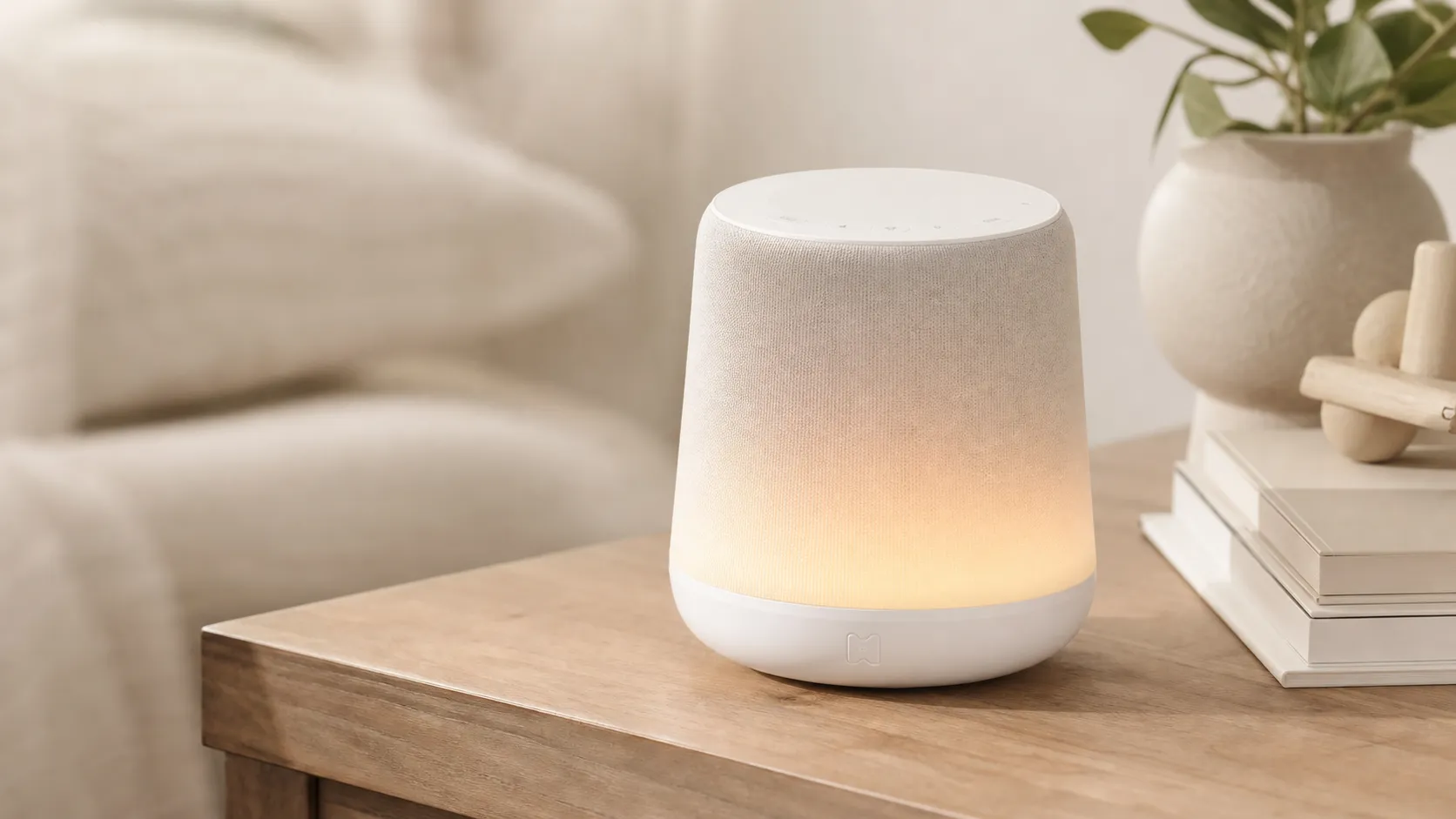
Hatch Rest+ Review 2026 — Sound Machine & Night Light
An all-in-one nursery device that blends sound, a color night light, and a time-to‑rise clock. Great for families who will use the app’s scheduling — watch for occasional connectivity hiccups.
 Baby & Kids
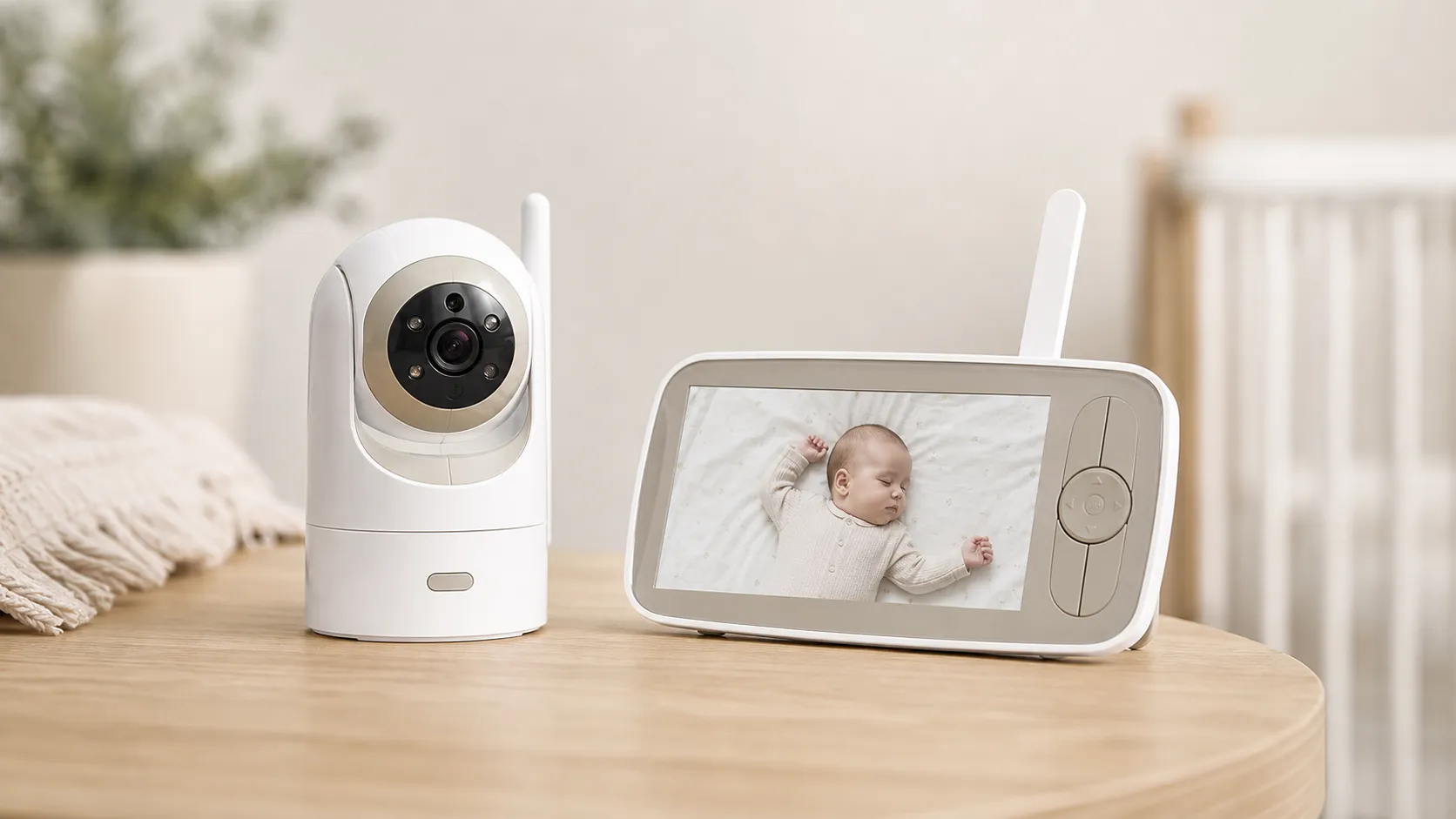
Infant Optics DXR‑8 Pro Video Baby Monitor — 2026 Review
A privacy‑first, high‑clarity non‑WiFi monitor with real optical zoom, clean audio, and long range — strong overall, but a minority report battery/charging issues.
 Baby & Kids
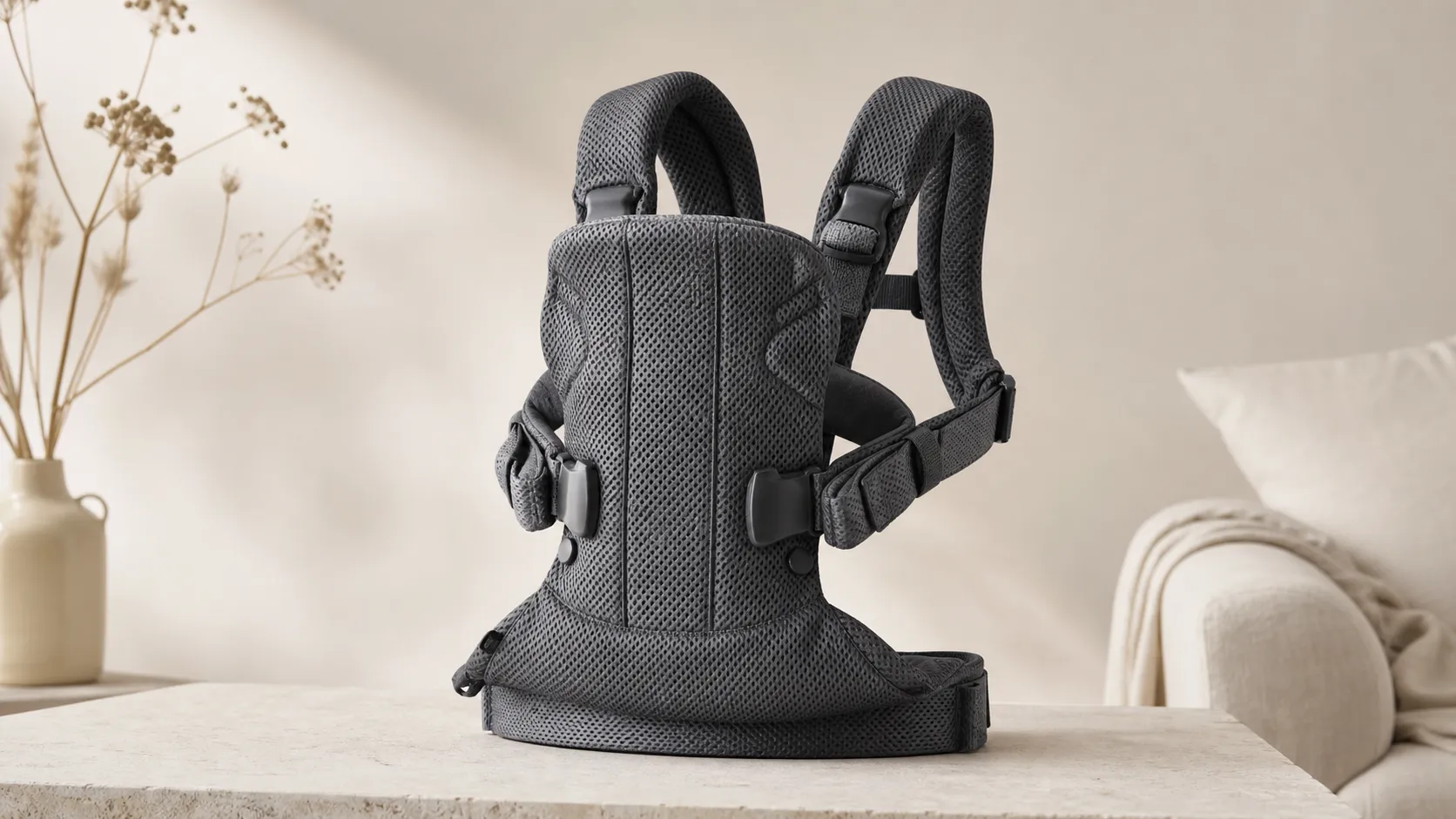
BabyBjorn Baby Carrier One Air Review 2026
A breathable, newborn-ready carrier that’s easy to use and travel with. Great for short-to-medium carries and warm weather, but less ideal for long, heavy-duty use.