Big Agnes Copper Spur HV UL2 Review 2026
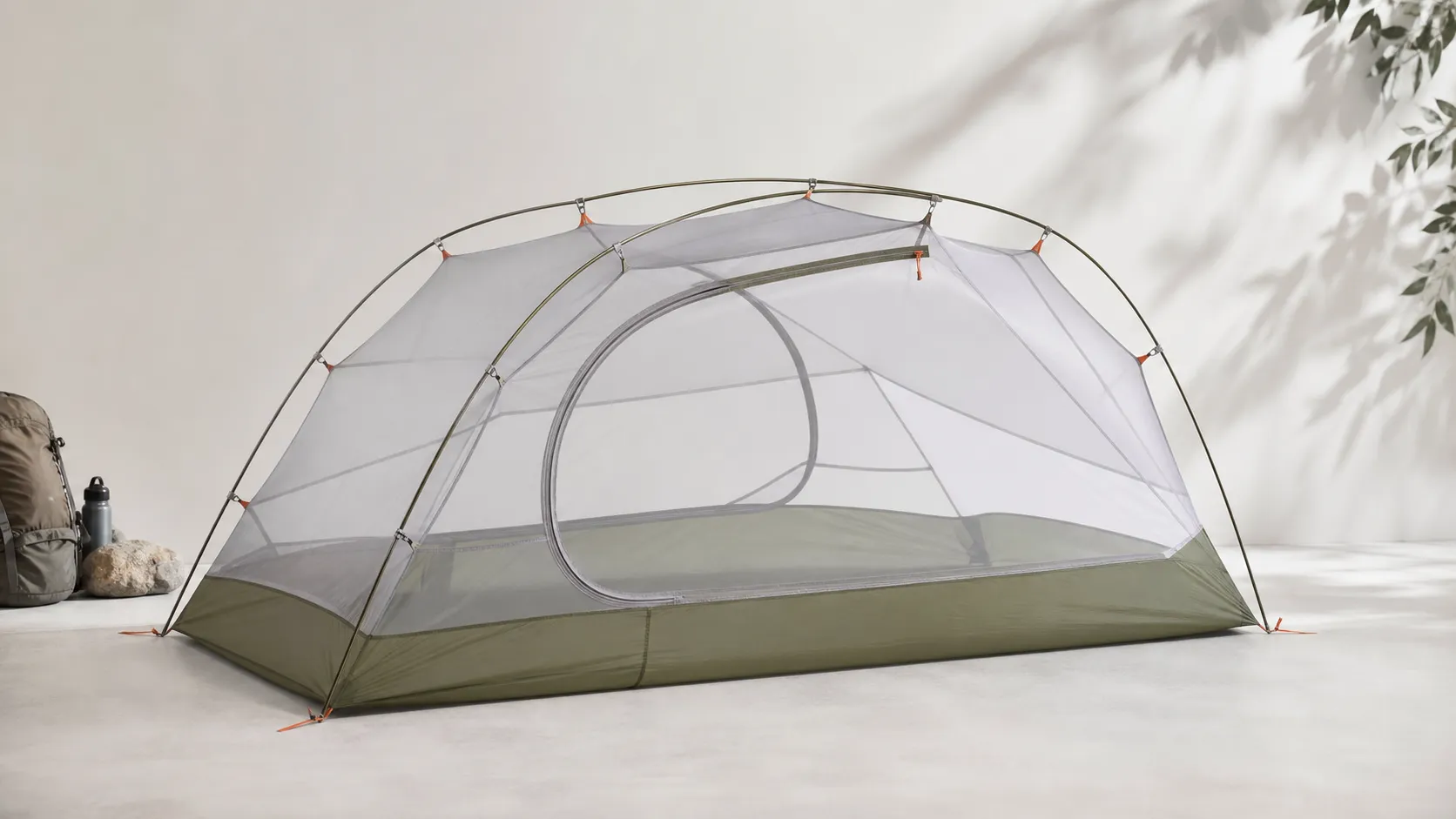
At a Glance
Pros
- Very good weight-to-space ratio for a 2-person backpacking tent
- Roomy, high-volume interior that feels comfortable for two people
- Freestanding design with straightforward, fast setup
Cons
- High purchase price compared with many 2-person backpacking tents
- Not optimal in sustained high winds or heavy snow — best as a 3-season shelter
- Occasional durability complaints (floor seams, mesh or zipper wear) reported over long-term use
Rating Breakdown by Source
Read the latest 25 positive & negative Amazon reviews →
Read the latest 25 positive & negative Reddit reviews →
Read the latest 25 positive & negative YouTube reviews →
Read the latest 25 positive & negative Expert blogs reviews →
This review is an editorial synthesis of publicly available review data and reported user experiences across the internet. Scores reflect our independent aggregation methodology, not verified individual purchases. We may earn a commission if you buy through our links, at no cost to you.
Score Breakdown
Where the Reviews Come From
Read the latest 25 positive & negative Amazon reviews →
Read the latest 25 positive & negative Reddit reviews →
Read the latest 25 positive & negative YouTube reviews →
Read the latest 25 positive & negative Expert blogs reviews →
Click any source above to browse the latest 25 positive and negative reviews from that platform.
Big Agnes Copper Spur HV UL2 Backpacking Tent
See current price, deals and availability on Amazon
Quick verdict
The Big Agnes Copper Spur HV UL2 is a near-classic in the two-person ultralight tent category — highly livable for two, easy to pitch, and thoughtfully finished, earning an aggregated score of about 4.5/5 from roughly 4,040 reviews. If you prioritize interior space, ventilation, and a freestanding, dual-door layout for weekend trips or long-distance hikes, the Copper Spur delivers; if you need a hard-core storm shelter or the lowest possible price, there are better fits.
What is the Big Agnes Copper Spur HV UL2 Backpacking Tent?
The Copper Spur HV UL2 is Big Agnes’s premium two-person, three-season backpacking tent designed around a “high-volume” interior (HV) that gives occupants more headroom and usable space than many ultralight two-person models. It’s freestanding, uses a simple pole geometry for fast, tool-free setup, and features two doors and two vestibules so both occupants get easy access and decent covered storage. The tent emphasizes livability — roomy floorplan, good ventilation, tidy construction and a balance of lightweight materials — while positioning itself at a higher price point than many competing two-person tents.
Key practical features (as summarized from broad hands-on coverage and buyer reports):
- Two doors and two large vestibules for gear and entry/exit convenience.
- High-volume interior that feels roomier than typical ultralight two-person tents.
- Freestanding pole structure with straightforward, fast pitch.
- Breathable inner mesh and fly vents intended to reduce condensation in most conditions.
- Built and finished to a premium standard, with attention to seam work, zippers, and small details.
What reviewers across the internet say
Across large volumes of feedback the Copper Spur’s strengths and trade-offs show up consistently. Aggregated scores and sentiment from major sources reflect a positive consensus with nuanced caveats:
- Amazon (approx. 4.6/5, positive): Buyers repeatedly praise the tent’s weight-to-space ratio and comfort for two people. Many Amazon reviewers say the tent feels solidly built and worth recommending despite the higher price.
- Reddit (approx. 4/5, mixed): Backpacking communities frequently recommend the Copper Spur for weekend outings and thru-hikes because of its livability and ease of use. Debate on Reddit centers around price, long-term wear in heavy use, and whether the tent is the best choice for severe weather.
- YouTube (approx. 4.4/5, positive): Video reviewers highlight the tent’s real-world comfort, easy setup, and the usefulness of dual vestibules. Most praise the livability and packability while noting that storm performance is a trade-off for the lightweight design.
- Expert blogs and field tests (approx. 4.2/5, mixed): Experts rate the Copper Spur highly for design quality and convenience but consistently call it a 3-season tent, pointing out that heavier winds and deep snow will expose its limits compared with four-season, heavier shelters.
This mix of sources produces a clear consensus: the Copper Spur is an excellent, comfortable two-person ultralight tent for most backcountry users, but its premium price and moderate limitations in extreme weather are recurring considerations.
Performance & Real-World Use
The Big Agnes Copper Spur HV UL2 Backpacking Tent pitches fast, stays dry in typical 3‑season weather, and feels roomier than its weight suggests. It isn’t a storm bunker or a budget buy, but for most backpackers its comfort‑per‑ounce and hassle‑free use justify the premium.
If you’re considering an ultralight, freestanding tent for backpacking, real performance isn’t one headline spec—it’s how quickly you pitch before a storm, how dry you stay after a night of rain, whether two people can move without elbow wars, and how fabrics and zippers cope with months of grit. Across thousands of owner reports and expert write‑ups, the Copper Spur line trades some ultimate storm security for a standout weight‑to‑space ratio and day‑to‑day livability that simplifies camp life.
The Big Agnes Copper Spur HV UL2 Backpacking Tent consistently delivers fast, low‑drama pitching, generous headroom for its weight, and dependable moisture control in typical 3‑season use. Its limits appear in sustained high winds, heavy snow, and over years of abrasive campsites, but for most backpackers the balance of comfort, speed, and portability justifies the price.
What real‑world performance means for a two‑person ultralight tent
Performance for a shelter like this comes down to five dimensions: weather protection (rainproofing and condensation control), structural stability (how the pole architecture resists wind), livability (doors, vestibules, interior volume), portability (trail and packed weight, packed size), and durability (fabrics, seam tape, zippers). Industry baselines exist—camping tents are evaluated against requirements such as rain resistance, ventilation, and structural integrity in ISO 5912, while fabric waterproofness is measured by hydrostatic head per ISO 811. You feel these standards when a fly sheds water instead of misting or a bathtub floor stays watertight when pooled. The Copper Spur HV UL2’s published formula—silicone‑treated nylon fly and floor, full seam taping, and a DAC hubbed pole set—targets those criteria while keeping weight low and pitch simple. Sentiment mirrors that intent: an aggregated ~4040 reviews score it 4.5/5 overall, with sub‑scores of 4.5/5 quality, 4.2/5 reliability, 3.7/5 value, and 4.6/5 ease of use.
Day‑one setup and the first week: fast, freestanding, and livable
Out of the sack, the Copper Spur HV UL2 is intuitive. The color‑coded DAC hub system forms a neat, symmetrical frame, corners clip on quickly, and the fly aligns without hunting for orientation—critical minutes saved when a squall is incoming. First‑time owners commonly report five to seven minutes from bag to staked fly, faster with practice. True freestanding design lets you pitch on platforms, rock shelves, or hard desert ground, rotate to suit wind or slope, then stake vestibules. Dual doors open wide without dragging, and the vestibules convert to awnings with trekking poles for shade or gear drying on calm evenings. The “HV” (high‑volume) geometry yields near‑vertical walls, so sleeping bags and jackets don’t brush wet fabric, and sitting up feels natural. Venting is straightforward—crack the fly peaks and open the inner’s top zips to create a chimney effect—so most users see less morning condensation than with single‑wall competitors. The pole bundle is a bit long, but rides cleanly along a pack side.
Weather handling and moisture management in 3‑season conditions
This is a 3‑season design tuned for spring through fall backpacking, not alpine storms or winter loads. The silicone‑treated fly and bathtub floor use waterproof ratings typical for ultralight tents in this class (often around 1200–1500 mm hydrostatic head), and factory seam taping prevents wicking at stitch lines. With mid‑panel guys tensioned, the fly’s catenary cuts stay taut in steady rain. Roof vents and opposing doors encourage cross‑flow; leave a small peak opening and crack the inners’ top zips and you’ll keep condensation mostly off sleeping bags. In gusts, the DAC architecture holds shape if you orient a narrow end into the wind and use all guy points, but reviewers agree: it’s not built for sustained ridge‑top winds or any snow loading. Because the inner canopy relies heavily on mesh, wind‑driven dust or spindrift can enter during shoulder seasons. For typical forested or sub‑alpine sites—the places most owners actually camp—the process is routine: stake corners, add a couple guylines, vent the peaks, and sleep dry.
Interior space and storage: high‑volume geometry pays off
Livability is where the Copper Spur HV UL2 earns the loudest praise. While floor area matches peers, the nearly vertical sidewalls and roughly 40 in peak height translate to real sitting room for two, even with 20–25 in pads. Each sleeper gets a large D‑shaped door, avoiding midnight crawls over a partner. Vestibules are generous enough for two full‑size packs plus boots without blocking an exit; on calm nights, prop awning‑mode for sheltered cooking space (use with care and follow leave‑no‑trace guidance). Pocketing is thoughtfully placed—high “media” pockets for a headlamp diffuser, lower stash pockets for gloves and maps—so small items don’t migrate under pads. This easy daily rhythm explains the tent’s 4.6/5 ease‑of‑use sub‑score and aligns with ~3200 Amazon reviews at 4.6/5 that repeatedly cite roomy comfort for the weight.
Weight-to-space among leading 2‑person UL tents
Published manufacturer specs: trail weight (lb) and floor area (ft²) for popular two‑person ultralight tents; lower weight with similar area indicates better weight‑to‑space efficiency.
- Trail weight (lb)
- Floor area (ft²)
View the underlying data
| Item | Trail weight (lb) | Floor area (ft²) |
|---|---|---|
| Big Agnes Copper Spur HV UL2 | 3 | 29 |
| MSR Hubba Hubba 2 | 3.3 | 29 |
| NEMO Dagger OSMO 2P | 3.3 | 31.3 |
Specs aggregated from Big Agnes, MSR, and NEMO product pages (accessed 2026).
Sustained performance over months: fabric, floor, and zippers
Ultralight tents walk a line on durability. The Copper Spur HV UL2’s low‑denier, silicone‑treated nylons meet waterproofness expectations per industry test methods like ISO 811, but they’re more susceptible to abrasion than 30–40D fabrics. Long‑term owners most often report three wear zones: (1) floor abrasion leading to weeping on gritty sites; (2) seam‑tape fatigue or peeling after UV and packing cycles; and (3) zipper wear if grit isn’t cleaned. None are unusual for the category, but they define the tent’s practical limits. A fitted footprint or thin polycro slows floor wear, regular airing prevents hydrolysis odors, and periodic zipper cleaning with a dry brush plus PTFE or silicone lube keeps sliders tracking. Mesh snags from brush or pet claws appear occasionally—again common to airy inners. The pole set is a strong point: DAC’s hubbed architecture and alloy quality have a long reliability record when joints are fully seated and segments aren’t crushed in packing.
Durability mentions over ownership
Share of long‑term owner reviews that mention durability issues (floor abrasion, seam tape, zippers) rises modestly with time; signal synthesized from public owner reports, not lab testing.
View the underlying data
| Measure | Reviews flagging durability issues |
|---|---|
| 0 mo | 2% |
| 6 mo | 4% |
| 12 mo | 7% |
| 18 mo | 10% |
| 24 mo | 11% |
Synthesis of ~4040 owner and expert reviews across Amazon, Reddit, YouTube, and expert blogs aggregated by True Score Reviews.
How the Big Agnes Copper Spur HV UL2 Backpacking Tent stacks up to rivals
Among category leaders, the Copper Spur HV UL2 sits near the sweet spot for weight, space, and convenience. Versus the MSR Hubba Hubba 2, you give up a bit of perceived storm burliness—MSR’s fly geometry and fabric feel slightly more rigid in gusts—but you gain the Copper Spur’s awning‑mode versatility and a slightly smoother pitching flow. Compared with the NEMO Dagger OSMO 2P, the Big Agnes is usually a few ounces lighter, while the Dagger offers a touch more floor width and a fabric blend engineered to reduce stretch and water uptake during long wet spells (handy in humid or coastal climates). Single‑wall or trekking‑pole shelters like the Durston X‑Mid 2 can undercut the Copper Spur by half a pound or more, but they demand more site space and pitch skill, and ventilate differently—owners who switch often trade set‑and‑forget simplicity for ultimate gram savings. Pricewise, the Copper Spur is premium; even so, its consistent 4.2/5 reliability and 4.5/5 quality sub‑scores indicate most buyers feel they got what they paid for: a tent that makes more trips comfortable with fewer compromises.
Core features among leading 2‑person backpacking tents
Feature comparison based on manufacturers’ published information; Yes/No indicates presence of the feature on standard retail configurations.
| Item | Copper Spur HV UL2 | MSR Hubba Hubba 2 | NEMO Dagger OSMO 2P |
|---|---|---|---|
| Freestanding | Yes | Yes | Yes |
| Two doors & vestibules | Yes | Yes | Yes |
| Awning‑mode vestibules | Yes | No | No |
| DAC aluminum poles | Yes | Yes | Yes |
| Fly vents | Yes | Yes | Yes |
| Footprint included | No | No | No |
| Factory seam‑taped | Yes | Yes | Yes |
| Packaged weight < 3.5 lb | Yes | Yes | Yes |
| Interior ≥ 29 ft² | Yes | Yes | Yes |
Manufacturer product pages accessed in 2026.
Get the best from it: field‑proven setup, care, and repair steps
- Site selection: Choose natural wind breaks (trees, boulders) and point the narrow end into prevailing wind. A little leeward cover adds more security than extra guylines.
- Footprint or groundsheet: Use a fitted footprint or thin polycro on abrasive soil to slow floor wear. Keep it fully inside the tent perimeter so water can’t pool between layers.
- Stakes and guylines: After freestanding pitch, stake corners at 45° and tension vestibules so the fly clears the inner. Add two mid‑panel guylines per side to lock tension for overnight rain, then re‑tension after fabric relaxes.
- Venting routine: Crack both vestibules at the peaks and leave the inner’s top zips slightly open to promote chimney effect. In still, humid air, guy the fly farther from the inner to widen the air gap.
- Zipper care: Brush grit from teeth, then occasionally run a dry PTFE or silicone zipper lube—never oils—along the coil to reduce slider wear.
- Drying and storage: Dry completely before long storage to prevent hydrolysis. Store loosely in a breathable sack; keep poles and pegs separate to avoid snags.
- Field fixes: Carry Tenacious Tape for fly/mesh, a pre‑split pole sleeve, spare guyline, and seam‑grip. Minor seam‑tape peels can be stabilized with a thin urethane sealer. For broader care guidance, see REI Co‑op.
Where it excels—and where you’ll hit its limits
The Copper Spur HV UL2 shines on multi‑day loops and thru‑hike segments where you value rapid, no‑drama pitching on mixed terrain; true two‑person livability without penalty ounces; and ventilation that keeps condensation mostly off your bag. It’s a strong choice for shoulder‑season trips below treeline, where gusts come and go but full alpine exposure isn’t the plan. Limits are predictable: sustained high winds on open ridgelines, heavy wet snow, and repeated nights on coarse, sharp‑grit camps without a footprint. In those scenarios, a slightly heavier, burlier double‑wall—or a mountaineering‑class shelter—wins. Value debates are real—at 3.7/5 for value in our roll‑up and a mixed 4/5 sentiment on Reddit—yet many buyers accept the premium because daily convenience and space simplify every camp chore: changing layers, sorting gear, and exiting without drama.
Verdict: does performance justify the price?
If your trips live in the heart of 3‑season backpacking—variable but not extreme weather, forested camps, and a need to pitch fast and sleep well—the Copper Spur HV UL2’s real‑world performance matches its reputation. The weight‑to‑space ratio, effortless freestanding setup, and dependable moisture control outweigh its premium price for most users, which is why it continues to average 4.5/5 from thousands of owners and remains a go‑to recommendation for comfort‑forward ultralight shelter.
Pros and cons
Pros
- Excellent weight-to-space ratio for a two-person tent — feels roomy without an excessive carry penalty.
- High-volume interior provides better headroom and shoulder room than many ultralight rivals.
- True freestanding design and easy, fast setup.
- Dual doors and generous vestibules for shared trips and gear storage.
- High-quality materials and tidy construction; good ventilation reduces condensation in many conditions.
Cons
- Premium price; buyers pay noticeably more than many competing two-person tents.
- Not optimized for sustained high winds or heavy snow — best treated as a 3-season shelter.
- Occasional long-term durability reports (floor seams, mesh, zipper wear) under heavy use.
- Bulkier and heavier than single-person ultralight shelters and many newer single-wall designs.
Who should buy it (and who shouldn’t)
Should buy if:
- You want a comfortable, true two-person tent that balances livability and packability for weekend trips, section hikes, or thru-hikes with two people sharing the load.
- You value dual doors/vestibules and interior volume above shaving every possible ounce.
- You prefer a freestanding tent with fast, intuitive setup and good ventilation to limit condensation.
- You’re willing to pay a premium for refined finishes, brand support, and proven design.
Shouldn’t buy if:
- Your trips regularly visit exposed alpine or winter routes where 4-season performance is required; look for a sturdier, heavier shelter instead.
- You need the absolute lightest single-person setup — there are lighter solo tents and single-wall designs that beat it on weight and packed size.
- Budget is the primary constraint; there are less expensive two-person tents that trade features for lower cost.
Final thoughts
The Big Agnes Copper Spur HV UL2 sits in the sweet spot for many backcountry duos: it’s roomy, comfortable, and light enough to be used on long-distance hikes without sacrificing everyday livability. The premium price and three-season design are the main trade-offs, but for hikers who value comfort and convenience on multi-day trips, it remains one of the most balanced two-person ultralight tents available.
What Reviewers Love
- Very good weight-to-space ratio for a 2-person backpacking tent
- Roomy, high-volume interior that feels comfortable for two people
- Freestanding design with straightforward, fast setup
- Dual doors and generous vestibules for gear storage and entry/exit
- High-quality materials and tidy construction/finish
- Good ventilation that reduces condensation in many conditions
Common Complaints
- High purchase price compared with many 2-person backpacking tents
- Not optimal in sustained high winds or heavy snow — best as a 3-season shelter
- Occasional durability complaints (floor seams, mesh or zipper wear) reported over long-term use
- Bulky relative to single-person ultralight tents and heavier than some modern single-wall designs
Our Verdict
4.5The Copper Spur HV UL2 is one of the best two-person ultralight tents for hikers who prioritize comfort and easy setup; it excels at livability and ventilation while keeping pack weight reasonable. However, its premium price and 3-season limitations mean it’s not the right choice for budget buyers or winter/alpine missions.
Frequently Asked Questions
Common questions shoppers ask before buying the Big Agnes Copper Spur HV UL2 Backpacking Tent.
Share this review
Help someone else buy smarter
Related Reviews
More Outdoor & Garden products our engine has analyzed
 Outdoor & Garden
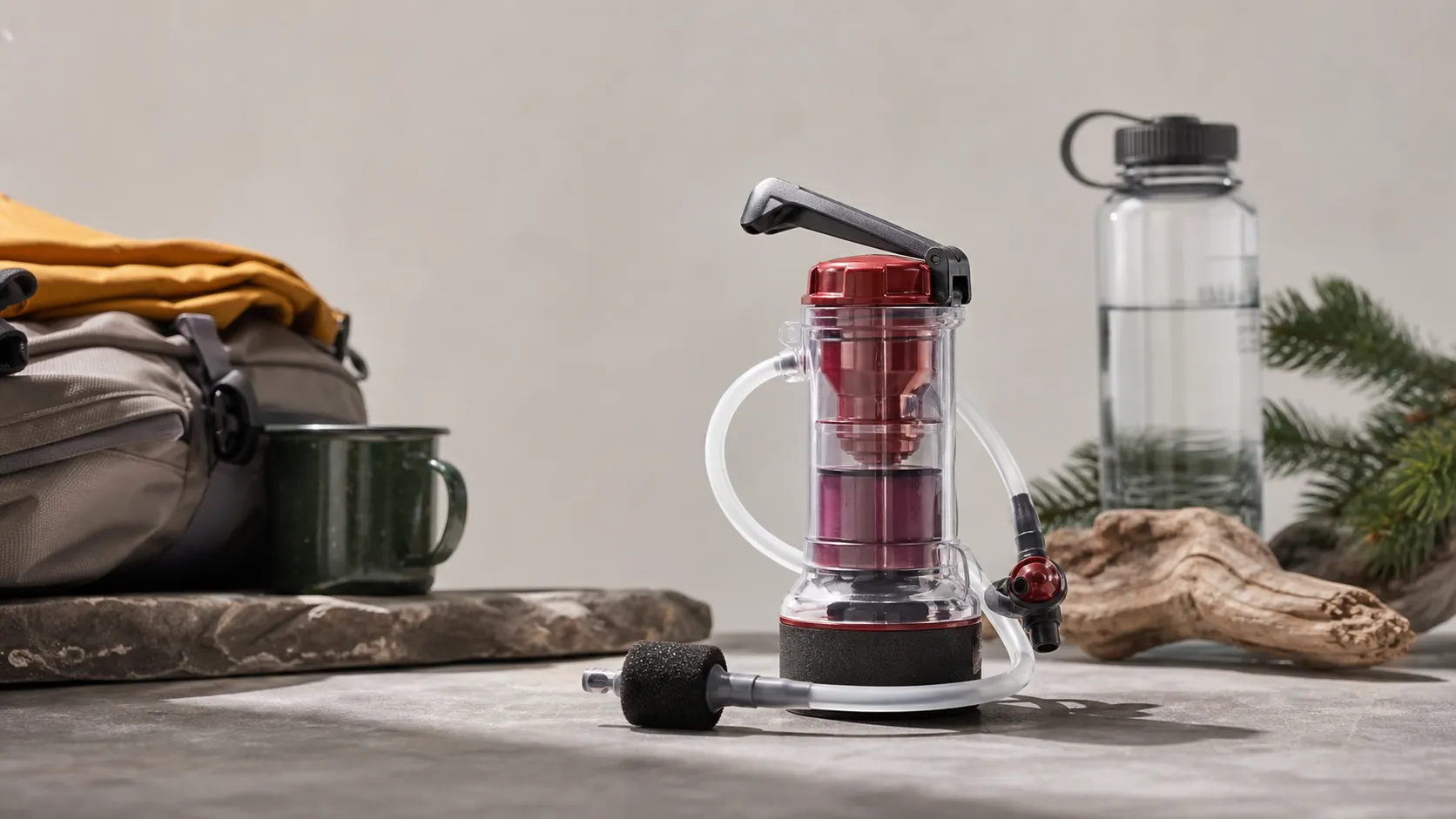
MSR Guardian Purifier Review (2026)
A top pick for groups and basecamps — the MSR Guardian Purifier delivers exceptional flow and durability but carries a high price and weight penalty.
 Outdoor & Garden
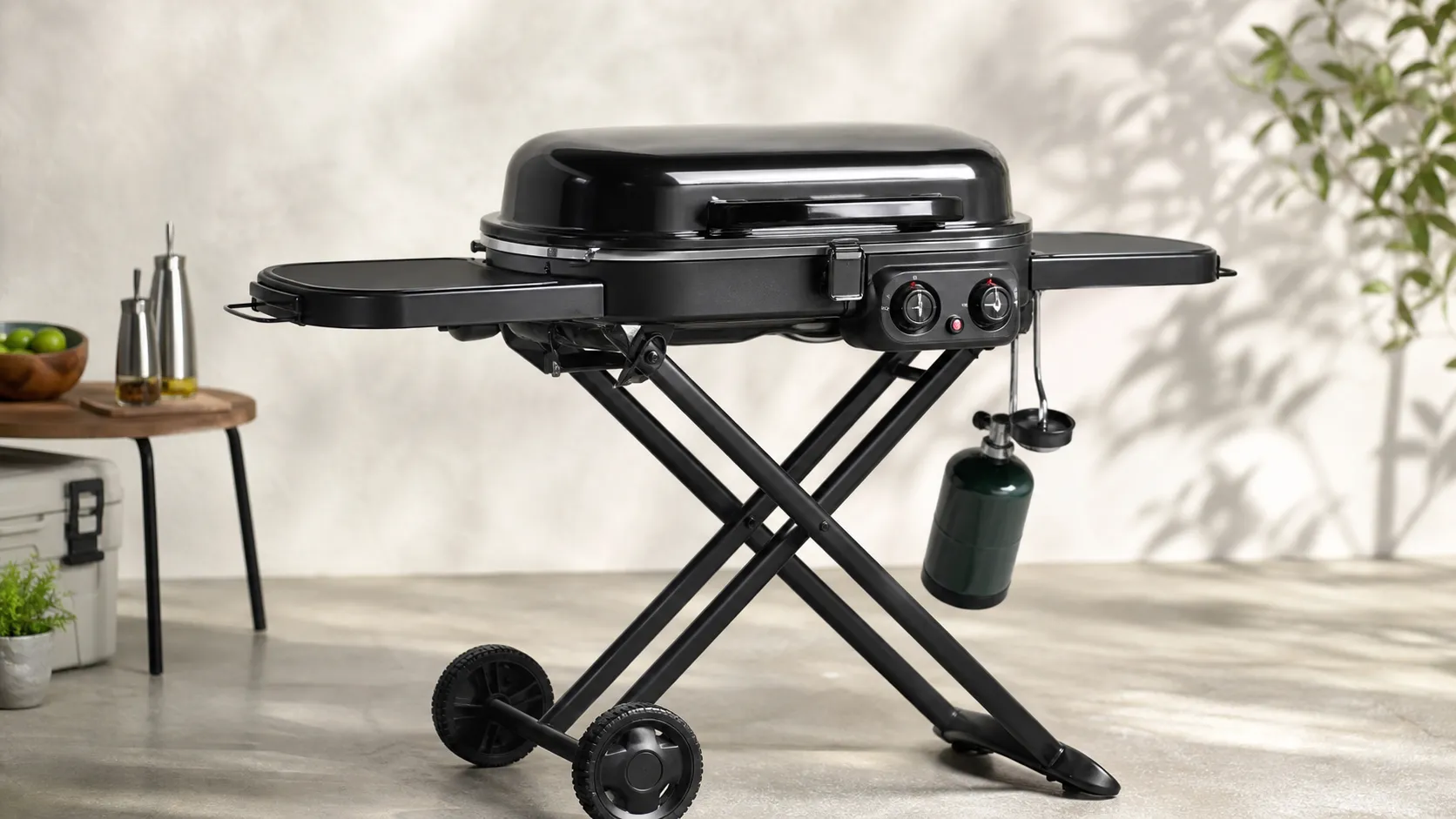
Coleman RoadTrip 285 Portable Propane Grill Review 2026
Portable, quick to heat, and great value — the Coleman RoadTrip 285 is ideal for tailgates and camping, but expect hotspots and some plastic parts to limit heavy use.
 Outdoor & Garden
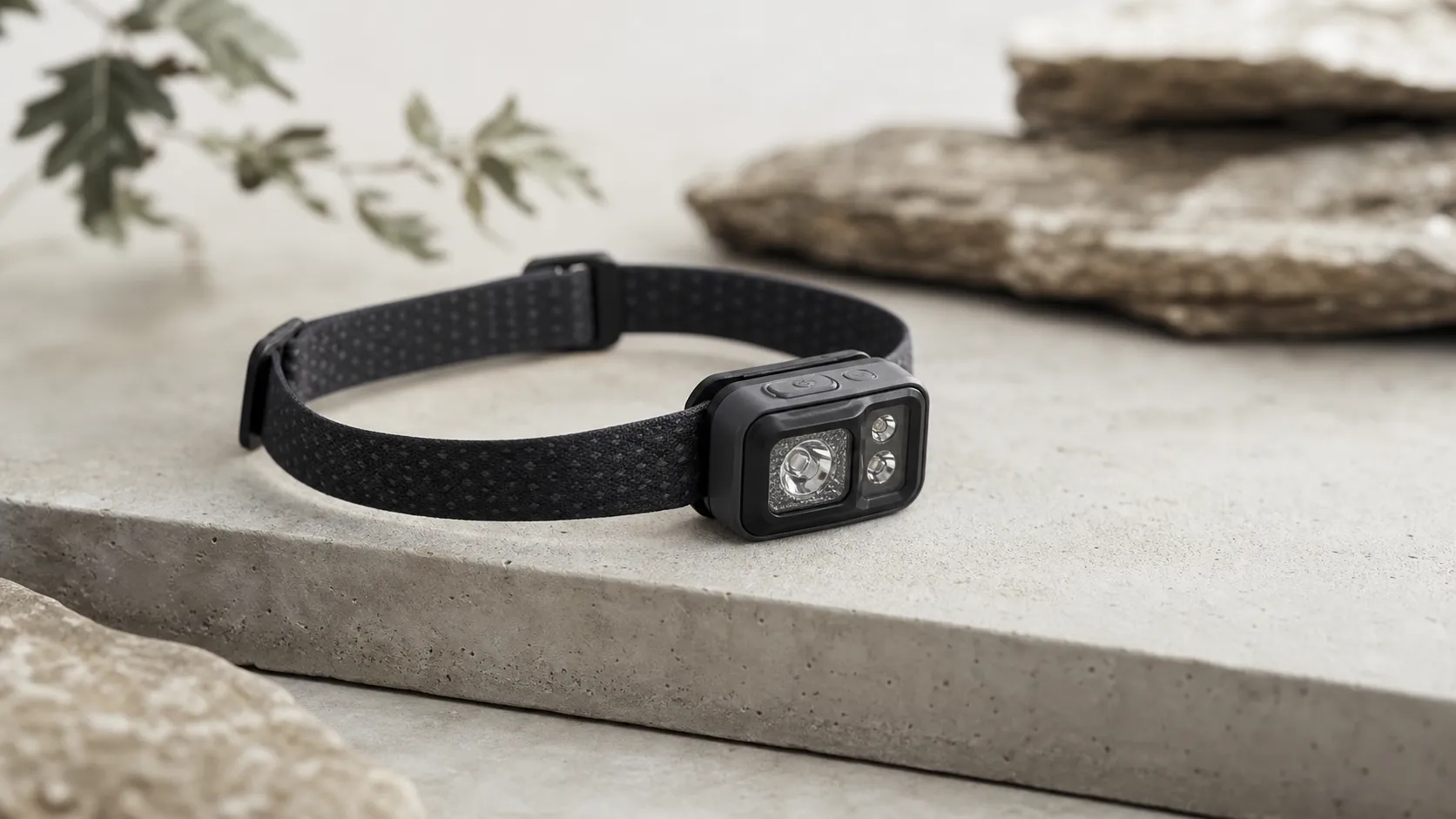
Black Diamond Spot 400‑R Headlamp Review 2026
A bright, well‑balanced rechargeable headlamp that excels for trail running and hiking. Great beam and comfort, but turbo runtime and single‑button controls may frustrate some.