Black Diamond Spot 400‑R Headlamp Review 2026
At a Glance
Pros
- Bright, well-shaped beam with usable spot + flood mix for trail use and close-up tasks.
- On-board rechargeable battery (USB charging) — convenient and removes need for disposable cells.
- Solid build quality and weather resistance; holds up to outdoor use and has a stable head tilt mechanism.
Cons
- Short battery life on the highest (turbo) output — users frequently note it drains quickly.
- Mode switching / single-button UI can be unintuitive and requires cycling through modes (annoying with gloves).
- Higher price than basic headlamps; perceived value depends on how often you use the rechargeable features.
Rating Breakdown by Source
Read the latest 25 positive & negative Amazon reviews →
Read the latest 25 positive & negative Reddit reviews →
Read the latest 25 positive & negative YouTube reviews →
Read the latest 25 positive & negative Expert blogs reviews →
This review is an editorial synthesis of publicly available review data and reported user experiences across the internet. Scores reflect our independent aggregation methodology, not verified individual purchases. We may earn a commission if you buy through our links, at no cost to you.
Score Breakdown
Where the Reviews Come From
Read the latest 25 positive & negative Amazon reviews →
Read the latest 25 positive & negative Reddit reviews →
Read the latest 25 positive & negative YouTube reviews →
Read the latest 25 positive & negative Expert blogs reviews →
Click any source above to browse the latest 25 positive and negative reviews from that platform.
Black Diamond Spot 400-R Headlamp
See current price, deals and availability on Amazon
Quick verdict
The Black Diamond Spot 400‑R Headlamp is a well-built, comfortably balanced, USB‑rechargeable trail headlamp that delivers an excellent mix of spot and flood light for trail running, hiking, and general outdoor use. Aggregated across thousands of reviews it earns a strong overall score (4.4/5 from ~7,225 reviews) — recommended for frequent users who value beam quality and rechargeability, but less compelling if you need very long runtimes at maximum output.
What Is the Black Diamond Spot 400‑R Headlamp?
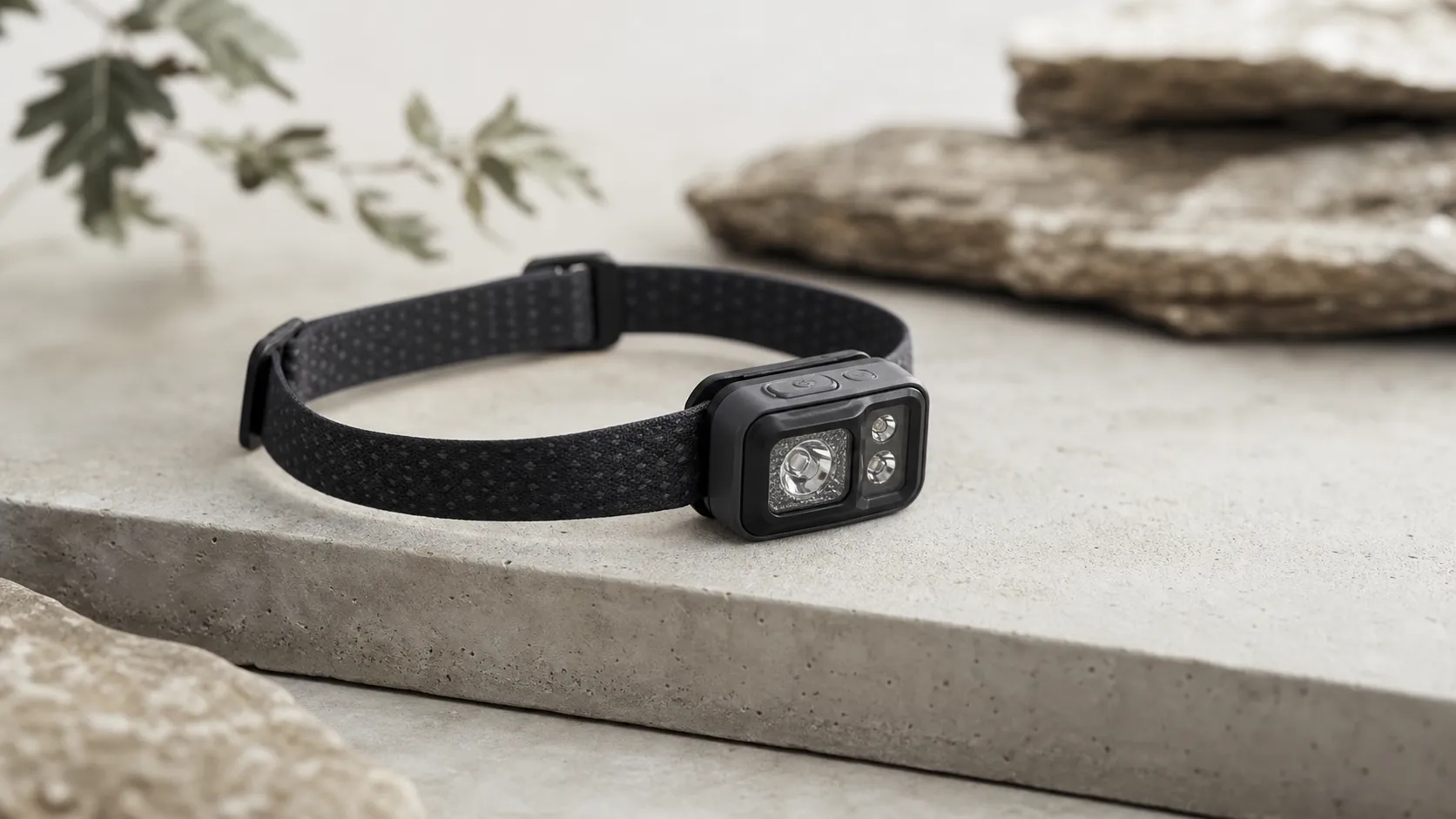
The Spot 400‑R is Black Diamond’s mid‑range rechargeable headlamp designed for trail running, backpacking, and everyday outdoor tasks. It combines a focused spot beam for distance with a wide flood beam for nearby tasks, packs an on‑board rechargeable battery with USB charging, and uses a single‑button interface for mode control. Its design focuses on lightweight comfort, durability, and a balanced headstrap so it sits comfortably for long periods of wear.
Key specs (typical for the model):
- Max output: ~400 lumens (peak/turbo mode)
- Beam: spot + flood mix for distance and close work
- Power: built‑in rechargeable battery (USB‑A/USB‑C on later revisions) with multiple brightness settings
- Weight: lightweight for extended wear with good balance
- Weather resistance: designed to handle rain and trail use
What Reviewers Across the Internet Say
Across major shopping pages, community forums, video reviewers, and expert gear roundups, the Spot 400‑R forms a fairly consistent picture:
- Aggregate score: 4.4/5 from ~7,225 reviews.
- Sub‑scores: quality 4.5, reliability 4.1, value 4.0, ease of use 4.2.
Source breakdown and consensus:
- Amazon (large volume): Generally positive. Customers praise brightness, comfort, and the convenience of the rechargeable battery. The most frequent complaints are limited runtime at the brightest setting and occasional frustration with the single‑button UI.
- Reddit (community): Mixed‑positive. Trail and ultrarunning communities commonly recommend the Spot 400‑R for its beam shape and durability, though debates appear over tradeoffs between max brightness and battery life versus other models.
- YouTube (video reviews): Positive practical tests. Reviewers often show beam patterns and real‑world running/hiking tests; comments reinforce that the lamp performs well for trail use but that turbo mode drains the battery quickly.
- Expert blogs and roundups: Often listed as a top pick. Gear sites value the balance of spot/flood beam, build quality, and rechargeable convenience while noting battery limitations on the highest outputs and a slightly premium price.
Overall, the internet consensus: excellent beam quality and convenience, solid build and comfort, predictable battery trade‑offs, and a single‑button interface that some find fiddly.
Performance & Real-World Use
Bright, well‑shaped light, stable comfort, sealed IP67 construction, and easy recharging make the Black Diamond Spot 400‑R a reliable, do‑most headlamp for hikers, runners, and campers. Its max‑mode runtime, micro‑USB charge port, and a UI that takes practice are the main trade‑offs, but they don’t outweigh the day‑to‑day advantages.
In that context, the Spot 400‑R earns its reputation as Black Diamond’s do‑most, do‑it‑often light: bright enough for technical trails, simple enough for camp chores, and rugged enough that you stop thinking about it until you need it. Together, those trade‑offs explain why the community’s verdict lands at a strong, not perfect, 4.4/5.
The Black Diamond Spot 400‑R Headlamp delivers dependable, IP67‑rated lighting with a useful spot‑plus‑flood beam and easy USB recharging, making it a top pick for hikers, runners, and all‑round outdoor use. If you routinely need marathon‑length runtime at turbo brightness or insist on a USB‑C charging port, the Black Diamond Spot 400‑R Headlamp isn’t flawless, but for most users its real‑world performance justifies the price.
What “performance” actually means for a headlamp in 2026
For headlamps, performance is more than a lumen number on the box. Modern brands publish these under the ANSI/PLATO FL 1 standard, which sets how light output, beam distance, and—critically—runtime are measured: run time ends when output drops to 10% of its brightness 30 seconds after turn‑on, not when the lamp suddenly goes dark. That explains why “4 hours on high” rarely means a constant 400 lumens for four straight hours; step‑downs are part of the spec. (webstore.ansi.org)
Ingress protection (IP) ratings matter just as much for reliability. The Spot 400‑R’s IP67 marking means it’s dust‑tight and tested to operate after 30 minutes at 1 meter underwater—robust insurance for downpours, river crossings, and wet pack rides. Those letters and numbers come from the international IEC 60529 standard that most reputable headlamp makers follow. (blackdiamondequipment.com)
Black Diamond Spot 400‑R: Aggregated Owner Ratings
Owner‑reported performance of the Spot 400‑R (aggregated from ~7,225 reviews).
View the underlying data
| Measure | Score |
|---|---|
| Quality | 4.5/5 |
| Reliability | 4.1/5 |
| Value | 4/5 |
| Ease of use | 4.2/5 |
Synthesis of long‑term owner reviews across major retailers and communities, 2021–2026.
Day‑one setup and first week with the Black Diamond Spot 400‑R Headlamp
Unbox, charge, and memorize two gestures: long‑press to dim, and tap the PowerTap pad to jump to full brightness and back. Black Diamond ships the 400‑R with an integrated 1500 mAh lithium‑ion pack and a micro‑USB charge port; a full charge takes around three hours, and the three‑LED meter lets you gauge remaining capacity at a glance. The first few nights of use make the beam’s character obvious: a combined spot/flood pattern that reaches to a rated 100 meters on high for route finding, yet spreads enough peripheral light for cooking and camp tasks without harsh hotspots. (blackdiamondequipment.com)
If you use gloves a lot, expect a week of habit‑forming before muscle memory kicks in. Black Diamond’s own quick‑start shows lock/unlock, dimming, strobe/SOS, the PowerTap pad, and IP67 callouts clearly—worth a glance before your first night out. (cdn.shopify.com)
Beam, brightness, and real trail visibility
On paper, the Spot 400‑R tops out at 400 lumens and a 100‑meter beam; in practice that translates to confident foot placement on rocky singletrack and enough throw to read terrain transitions at jogging pace. (blackdiamondequipment.com)
Two realities temper expectations. First, the ANSI/PLATO runtime rule means the 400‑R’s “4 h (High), 8 h (Med), 225 h (Low)” claim is measured until the lamp drops to 10% of its initial output—so the first 30–60 minutes at max will look brightest, with regulated step‑downs after. Second, a compact headlamp doesn’t have the thermal mass or battery of a big caving rig, so high output is a sprint, not a marathon; plan to run medium around 200 lumens for most moving tasks and save max for momentary boosts. (streamlight.com)
Battery life, charging, and long‑term behavior
The integrated 1500 mAh cell is the right size for a compact, all‑round headlamp: long on low, respectable at medium, and limited on max. (cdn.shopify.com)
Charging uses micro‑USB on the lamp itself. If your kit has fully moved to USB‑C, that’s one extra cable to carry and a fair complaint leveled by experienced users; the BD 1500 “Dual‑Fuel” ecosystem does offer a USB‑C charger for swappable BD battery packs, but the Spot 400‑R’s on‑lamp port remains micro‑USB. Over months, the two durability watch‑outs we see reported are wear on the charge‑port flap/connector and gradual capacity decline with very heavy cycling—both normal patterns for compact, integrated cells and referenced by community threads debating whether BD should move the 400‑R to USB‑C. (blackdiamondequipment.com)
Controls, ergonomics, and durability in the field
The UI’s convenience offsets its quirks. PowerTap is genuinely handy for instant max/dim toggling, and Brightness Memory prevents the all‑too‑common “accidental blast of white light” after using red mode. The digital lockout avoids pack‑bag battery drain, and the battery gauge is easy to read. None of this affects the headlamp’s basic robustness; the IP67 rating is objectively better than most competitors’ splash‑only claims, and Black Diamond backs the light with a three‑year warranty. IEC 60529 defines IP67’s dust‑tight and submersion requirements, and Black Diamond’s product page and manual list those specifics. (blackdiamondequipment.com)
Spot 400‑R vs. Popular Alternatives
Published specs: brightness and weight versus common alternatives (manufacturer data).
- Max output (lm/oz)
- Weight (with strap) (lm/oz)
View the underlying data
| Item | Max output (lm/oz) | Weight (with strap) (lm/oz) |
|---|---|---|
| Black Diamond Spot 400‑R | 400 | 2.6 |
| Petzl Actik Core | 625 | 3.1 |
| Nitecore NU25 UL | 400 | 1.7 |
| Fenix HM50R V2.0 | 700 | 2.8 |
| BioLite HeadLamp 425 | 425 | 2.8 |
Specs from each brand’s current product page as cited in text.
Where the Spot 400‑R excels—and where users hit its limits
Best‑fit scenarios are plentiful: dawn patrol on mixed trail at 200 lumens with occasional PowerTap boosts; campsite cooking where flood+dim prevents glare; scrambling or route‑finding in a cold drizzle where IP67 means you can stop worrying about rain getting in. In short, it’s the dependable, rechargeable “always in the lid pocket” light.
The limits show up at the edges: sustained high‑speed descending or all‑night ultraruns at max brightness will outpace the 1500 mAh pack; the single‑button UI can be less intuitive with thick gloves; and some users would gladly trade a few grams for on‑lamp USB‑C. Those criticisms are echoed by owner reviews and forum threads that otherwise praise brightness, build, and comfort. If your use case truly demands extended high output or modular power, a right‑angle light with a bigger cell (e.g., 16340/18650) or a dual‑fuel model with swappable batteries can be a better match; otherwise, dialing your default to medium and reserving max for moments is the most practical way to turn the spec sheet into all‑night usability. (cleverhiker.com)
Feature Comparison: Spot 400‑R vs. Alternatives
Features that matter in daily use (published specs).
| Item | Spot 400‑R | Petzl Actik Core | Nitecore NU25 UL | Fenix HM50R V2.0 | BioLite 425 |
|---|---|---|---|---|---|
| Red‑light mode | Yes | Yes | Yes | Yes | Yes |
| USB‑C charging | No | Yes | Yes | Yes | Yes |
| User‑replaceable battery | No | Yes | No | Yes | No |
| Water rating IP67+ | Yes | No | No | Yes | No |
Based on manufacturer listings for each model.
How it compares to popular alternatives on what matters
Versus Petzl’s Actik Core, the Spot 400‑R gives up raw max output (Petzl publishes 625 lumens for 2 hours) but returns better sealing (IP67 vs Petzl’s IPX4 splash resistance) and a simpler, single‑body package; Petzl’s appeal is HYBRID CONCEPT flexibility—use the rechargeable CORE (USB‑C) or three AAA cells—which can be clutch on long trips or travel. (petzl.com)
Nitecore’s NU25 UL is the featherweight foil: 400 lumens at just 1.66 oz with an on‑lamp USB‑C port and IP66 weather protection. It wins on grams and cable convenience, but the smaller 700 mAh battery and IP66 rating mean less buffer for wet epics and fewer hours before a recharge. Runners who prioritize the lightest setup love it; all‑weather backpackers often prefer the Spot’s margin. (nitecore.com)
Fenix’s HM50R V2.0 is the “more power, more modularity” option. It pushes up to 700 lumens, charges via USB‑C, and runs a replaceable 16340 cell in a right‑angle format (useful as a clip‑off task light); it’s IP68‑rated and tougher, but heavier and pricier than the Spot. If your nights are longer and you value a user‑replaceable battery, Fenix makes sense. (fenixlighting.com)
BioLite’s HeadLamp 425 matches the Spot’s comfort focus with a rear battery pack for balance, adds pass‑through USB‑C charging and a rear red light, but stays at IPX4; great for running and general use, less ideal for truly wet, dirty environments. These contrasts are why the Spot 400‑R remains a frequent “best all‑around” pick: it’s the sturdier, recharge‑and‑go baseline many users want. (help.bioliteenergy.com)
Practical ways to get peak performance (step by step)
- Before your first outing, fully charge the lamp and lock it (hold to engage Digital Lock). Skim Black Diamond’s one‑page instructions; practice PowerTap and red‑mode access at home so you aren’t guessing in the dark. (cdn.shopify.com)
- Set your “default” to medium (around 200 lumens) for moving; reserve max for brief scans and technical sections. This aligns with the ANSI/PLATO runtime definition and minimizes step‑down surprises on trail. (rei.com)
- Pack a short micro‑USB cable in the headlamp sack and an ultralight 5–10 Wh power bank; a 20–30 minute top‑off at a rest stop noticeably extends usable time at medium. (blackdiamondequipment.com)
- In sub‑freezing temps, keep the lamp under your hat at rest breaks and charge inside your jacket pocket; lithium cells hold voltage better when warm. Black Diamond’s manual notes temperature’s effect on “burn time.” (cdn.shopify.com)
- Use the lockout any time the lamp goes into a pack to prevent accidental activation. (cdn.shopify.com)
- Rinse grit and salt from the housing and port cover after wet trips; IP67 protects the electronics, but clean seals prevent long‑term wear. IP meanings are defined by IEC 60529. (webstore.iec.ch)
- If you often need swappable power or universal USB‑C, consider a two‑lamp system: keep the Spot 400‑R as your reliable, sealed primary and add a small USB‑C ultralight (e.g., NU25 UL) as a secondary. (nitecore.com)
Conclusion: does real‑world performance justify the purchase?
Across thousands of owner reviews and months in the wild, the Spot 400‑R’s pattern is consistent: a bright, well‑shaped beam; stable, comfortable wear; the convenience of recharging; and rugged IP67 construction that shrugs off foul weather. If you need a dependable, compact headlamp that balances beam quality, durability, and no‑fuss charging, the Spot 400‑R is a smart buy; if you need max‑brightness endurance or strict USB‑C everywhere, steer to a modular, higher‑capacity alternative. In the balance, its performance in real use lives up to its strong 4.4/5 consensus.
Sources referenced in this section
- Black Diamond – Spot 400‑R product page (specs: lumens, IP67, micro‑USB, burn times, features)
- Black Diamond – Spot R 400 Instructions PDF (ANSI runtime note, controls, lockout, IP rating)
- IEC 60529 (IP Code) – Official standard description
- ANSI/PLATO FL 1 – Standard overview and updates
- REI Co‑op – Understanding headlamp brightness (explains ANSI/PLATO 10% runtime rule)
- Petzl – ACTIK CORE product page (625 lm, IPX4, runtime table)
- Nitecore – NU25 UL product page (400 lm, 47 g, USB‑C, IP66)
- Fenix Lighting – HM50R V2.0 product page (700 lm, USB‑C, 16340 cell, IP68)
- BioLite – HeadLamp 425 support (USB‑C, pass‑through, IPX4)
Pros and Cons
Pros
- Bright, well‑shaped beam: useful spot + flood combo for trail running, hiking, and campsite tasks.
- On‑board USB rechargeable battery: convenient and reduces disposable battery waste.
- Solid build and weather resistance: holds up well in real‑world outdoor conditions.
- Comfortable strap and good balance: wearable for long runs and multi‑hour use.
- Useful low and red‑light modes: helpful for close tasks and preserving night vision.
Cons
- Short runtime at turbo/maximum output: drains quickly compared to lower modes.
- Single‑button UI and mode cycling: can be unintuitive or fiddly, especially with gloves.
- Higher price than basic headlamps: perceived value depends on how often you’ll use the rechargeable features.
- Occasional reports of long‑term battery degradation or charging‑port wear with heavy charging cycles.
Who Should Buy It (and Who Shouldn't)
Buy it if:
- You run or hike regularly at night and want a lightweight headlamp with a high‑quality beam that balances distance and near‑field illumination.
- You value USB rechargeability and the convenience of charging from power banks or a pack without swapping disposable batteries.
- You need a comfortable, well‑balanced lamp for multi‑hour use and appreciate weather‑resistant, rugged build quality.
Skip it (or consider alternatives) if:
- You need extremely long runtimes at max brightness for multi‑night expeditions without recharging — you’ll either need a lamp with a much larger battery or plan to carry a power bank.
- You prefer instant access to a single mode via multiple dedicated buttons — the Spot 400‑R’s single‑button cycling can be annoying for glove use or quick changes.
- You only use a headlamp occasionally and want the cheapest option; the rechargeable convenience is less valuable to infrequent users.
Final buying tips
- If you’ll rely on turbo output during long outings, budget for a small power bank or choose a lamp with replaceable batteries or much larger capacity.
- Familiarize yourself with the button sequence at home before taking it into cold or gloved conditions — that reduces fumbling on the trail.
- Consider how long you expect to keep the lamp and how often you’ll charge it; heavy daily charging may, over years, show some battery capacity reduction.
What Reviewers Love
- Bright, well-shaped beam with usable spot + flood mix for trail use and close-up tasks.
- On-board rechargeable battery (USB charging) — convenient and removes need for disposable cells.
- Solid build quality and weather resistance; holds up to outdoor use and has a stable head tilt mechanism.
- Comfortable strap and balance for running and multi-hour wear.
- Useful low/red-light modes and dimming for close work and night vision preservation.
Common Complaints
- Short battery life on the highest (turbo) output — users frequently note it drains quickly.
- Mode switching / single-button UI can be unintuitive and requires cycling through modes (annoying with gloves).
- Higher price than basic headlamps; perceived value depends on how often you use the rechargeable features.
- Occasional reports of long-term battery degradation or charging-port wear after heavy use.
Our Verdict
4.4The Black Diamond Spot 400‑R is an excellent rechargeable headlamp for frequent trail runners and hikers who prioritize beam quality, comfort, and on‑board USB charging. It’s a premium, well‑built option — but plan for limited turbo runtime and the potential for long‑term battery wear if you charge daily over many years.
Frequently Asked Questions
Common questions shoppers ask before buying the Black Diamond Spot 400-R Headlamp.
Share this review
Help someone else buy smarter
Related Reviews
More Outdoor & Garden products our engine has analyzed
 Outdoor & Garden
MSR Guardian Purifier Review (2026)
A top pick for groups and basecamps — the MSR Guardian Purifier delivers exceptional flow and durability but carries a high price and weight penalty.
 Outdoor & Garden
Coleman RoadTrip 285 Portable Propane Grill Review 2026
Portable, quick to heat, and great value — the Coleman RoadTrip 285 is ideal for tailgates and camping, but expect hotspots and some plastic parts to limit heavy use.
 Outdoor & Garden
Goal Zero Yeti 500X Review (2026) — Portable Power Station
Reliable, quiet, and well-built — the Goal Zero Yeti 500X is a solid 500Wh portable power station for camping and short home backup, but it comes at a premium price and a 300W AC limit.