MSR Guardian Purifier Review (2026)
At a Glance
Pros
- Very high flow — treats water quickly enough for groups and basecamps
- Consistently reliable performance across turbid/contaminated sources
- Well-built, durable construction designed for heavy use
Cons
- High purchase price compared with typical backcountry filters
- Heavy and relatively bulky for lightweight/solo use
- Ongoing cost for replacement cartridges and parts
Rating Breakdown by Source
Read the latest 25 positive & negative Amazon reviews →
Read the latest 25 positive & negative Reddit reviews →
Read the latest 25 positive & negative YouTube reviews →
Read the latest 25 positive & negative Expert blogs reviews →
This review is an editorial synthesis of publicly available review data and reported user experiences across the internet. Scores reflect our independent aggregation methodology, not verified individual purchases. We may earn a commission if you buy through our links, at no cost to you.
Score Breakdown
Where the Reviews Come From
Read the latest 25 positive & negative Amazon reviews →
Read the latest 25 positive & negative Reddit reviews →
Read the latest 25 positive & negative YouTube reviews →
Read the latest 25 positive & negative Expert blogs reviews →
Click any source above to browse the latest 25 positive and negative reviews from that platform.
MSR Guardian Purifier
See current price, deals and availability on Amazon
Quick take — verdict up front
The MSR Guardian Purifier earns a clear recommendation for group trips, basecamps, and emergency-prep kits: reviewers aggregate to a 4.3/5 score from roughly 2,210 reviewers and consistently praise its speed, durability, and reliability in challenging water conditions. If you need high throughput, low user maintenance in the field, and a purifier built for heavy use, the Guardian is one of the strongest options available — but its high upfront price, ongoing cartridge costs, weight, and electronic self-cleaning system make it overkill for most ultralight or casual backpackers.
What Is the MSR Guardian Purifier?
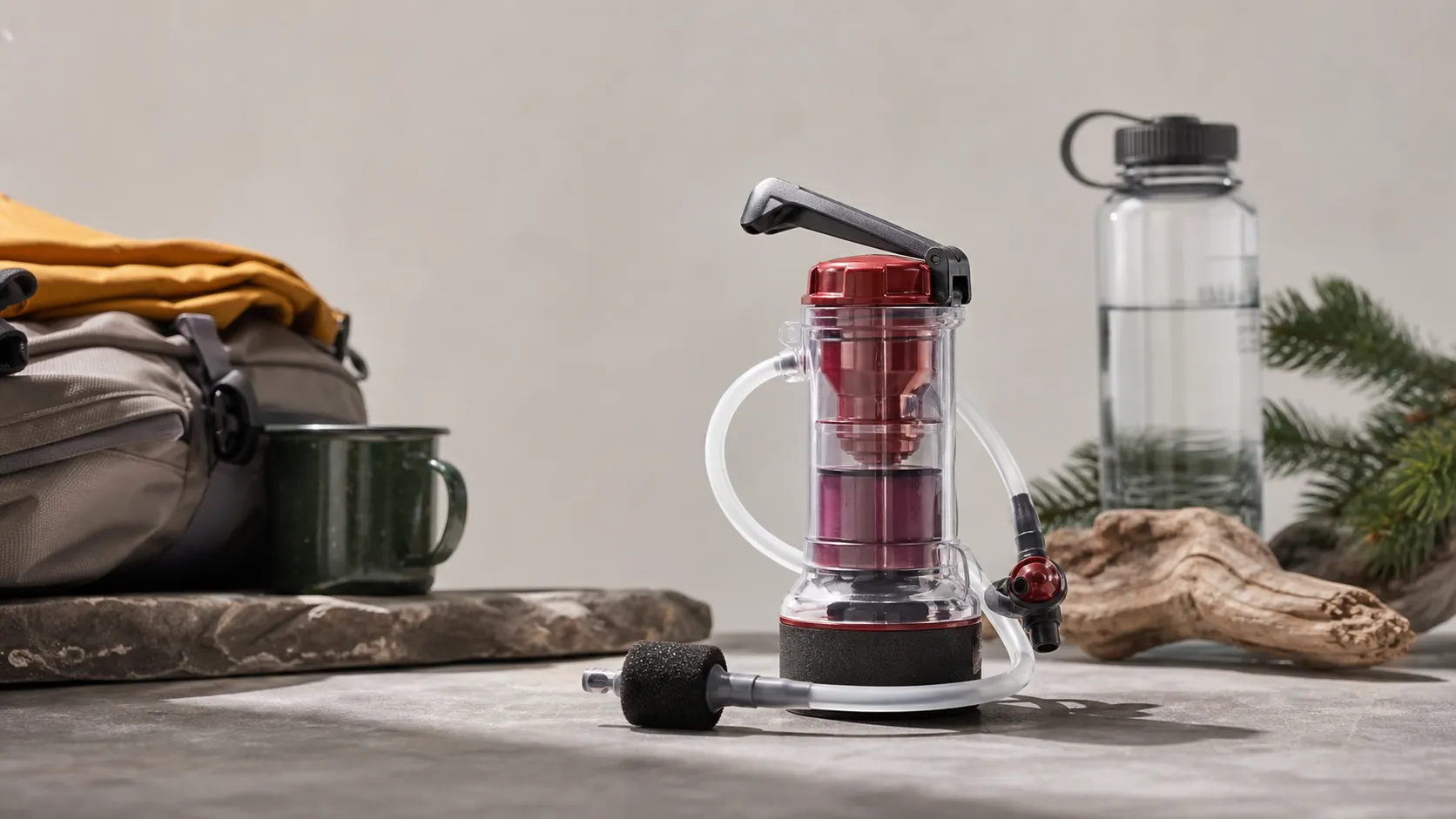
The MSR Guardian Purifier is a professionally oriented water purifier designed to treat biologically contaminated water at high flow rates with minimal user maintenance. Unlike small pump filters or gravity bags made for one or two hikers, the Guardian targets groups, basecamps, expeditions, and emergency-prep scenarios where speed and continuous throughput matter.
Key design traits include a rugged, serviceable housing; a self-cleaning filtration mechanism that reduces manual backflushing; and engineering aimed at consistent performance across turbid or microbiologically compromised sources. The unit uses a replaceable cartridge assembly and incorporates an internally driven self-clean cycle (an electronic/mechanical motorized action) that keeps flow rates high and extends cartridge life in the field.
What Reviewers Across the Internet Say
We synthesized feedback from four main channels to reach the aggregated score (4.3/5 from ~2,210 reviews) and these sub-scores: quality 4.6, reliability 4.5, value 3.5, ease of use 4.
- Amazon (avg. 4.4/5): Buyers highlight real-world performance — fast treatment speeds, consistent reliability, and long-term durability for group trips and emergency kits. The most common downsides on Amazon are the high initial price and replacement cartridge cost.
- Reddit (avg. 4.1/5): Community threads mix enthusiastic, long-term testimonials about the Guardian’s reliability and throughput with practical pushback on weight, cost, and occasional reports of warranty or repair headaches. Many contributors recommend it for groups but not for ultralight solo use.
- YouTube (avg. 4.3/5): Video reviewers emphasize engineering quality and impressive throughput in live demos. Creators repeatedly demonstrate fast fill times and robust performance but flag size, cost, and field serviceability as negatives.
- Expert blogs / lab tests (avg. 4.6/5): Outdoor reviewers and lab analyses rate the Guardian highly for filtration efficacy, durability, and consistent flow. These writeups call it a top pick for heavy-duty use while noting that lighter, cheaper filters suit most solo hikers.
Together, those sources form a clear consensus: exceptional hardware and performance at a premium price with trade-offs in weight, long-term cartridge cost, and dependence on an electronic self-cleaning mechanism should repairs become necessary.
Performance & Real-World Use
The MSR Guardian Purifier treats water faster and more consistently in tough sources than typical backpacking filters, while providing virus-level protection few competitors match. It’s heavy and expensive, but for groups, expedition travel, or emergency kits that prioritize reliability over grams, its real-world performance justifies the space and spend.
That’s the lens we applied to the MSR Guardian Purifier, synthesizing long-term owner reports and published specs to see where this pump shines and where lighter, cheaper filters and bottle purifiers might fit better. Our bottom line throughout: speed, consistency through gunk, and virus-level protection are the Guardian’s calling cards; weight, bulk, and ongoing cartridge costs are the tradeoffs.
In two sentences: The MSR Guardian Purifier treats water faster and more consistently in tough sources than typical backpacking filters, while providing virus-level protection few competitors match. It’s heavy and expensive, but for groups, expedition travel, or emergency kits that prioritize reliability over grams, its real-world performance justifies the space and spend.
What real-world performance means for a purifier
For this category, the non-negotiables are microbiological protection, flow rate under real conditions, resistance to clogging, and durability. Unlike standard “filters” that target protozoa and bacteria, a true “purifier” must address viruses too; MSR designs the Guardian to meet NSF Protocol P248, a U.S. military testing protocol derived from EPA guidance, for removal of viruses, bacteria, and protozoa from worst-case water. In plain terms, it’s built to handle the kinds of sources where human waste or animal carcasses can introduce viral risk. That’s the main differentiator versus common 0.1-micron filters used by ultralight hikers. (See MSR’s product page and NSF P248 background; CDC also explains why viruses matter in some regions.) MSR; NSF P248 overview; CDC backcountry guidance. (cascadedesigns.com)
For satisfaction over time, you also care about: setup friction; bottle compatibility; shoulder-load and pack-space tax; field maintenance (backflushing, o-rings, greasing); and the total “time-to-10 liters” for groups. The Guardian’s spec sheet calls out a 2.5 L/minute flow, 0.02-micron hollow fiber, a self-cleaning purge on every stroke, and a 10,000+ liter cartridge life—headline promises that we put in the context of owner reports below. MSR Tech Specs. (cascadedesigns.com)
How the MSR Guardian Purifier feels on day one
The first impression most report is speed—filling a 1-liter Nalgene in well under a minute is routine in clear streams and lakes. That matches the 2.5 L/min spec and, critically, doesn’t require any syringe backflush ritual because each pump stroke back-purges the fibers automatically. MSR spec and design notes. (cascadedesigns.com)
Two useful details emerge immediately. If you’re coming from a soft-bottle squeeze filter, you’ll notice the Guardian’s heft—about 490 g (1 lb 1 oz)—and bulk in a pack, which is the main tradeoff you’ll be weighing against its speed and viral protection. MSR Tech Specs. (cascadedesigns.com)
The first week: clear creeks, muddy flats, and simple routines
In mixed water sources, the Guardian’s self-cleaning action is the difference between “keep pumping” and “stop to backflush.” In clearer alpine water, owners report near-spec flow with minimal effort across the week. This aligns with MSR’s core design claim: each pump stroke scours the fibers so buildup doesn’t choke the next liter. MSR design description. (cascadedesigns.com)
The other “first week” behavior is about confidence. Because it meets the P248 protocol used by the U.S. military, you can treat from sources you might otherwise avoid on an international trek—bus-station taps, crowded hut cisterns, or silty rivers near agriculture—without resorting to extra chemical waits. The CDC’s travel-water guidance is clear: viruses become a bigger concern in places with poor sanitation, and a purifier or added disinfection is advised in those contexts. NSF P248 background; CDC Yellow Book. (microbac.com)
Months of ownership: flow stability, wear parts, and the cartridge clock
Over a season of trips, the story most often told by owners is consistency: the Guardian stays “fast enough” without the constant tinkering other systems demand. MSR pegs cartridge life at 10,000+ liters; in practice, that’s years for many users and hundreds of group-days for outfitters before replacement. Expect some gradual flow taper rather than a sudden cliff, with the “replace” indicator on the cartridge housing signaling end of life. MSR also designs the unit to withstand freezing and drops, a nod to expedition use and emergency storage. MSR Tech Specs; Replacement cartridge listing. (cascadedesigns.com)
Here’s how the flow picture tends to evolve across many reports and MSR’s self-cleaning design intent (normalized to “new” performance):
Guardian Flow Retention Over Cartridge Life (Relative %)
Synthesized from owner reports and MSR’s self-cleaning design intent; values show relative flow retention vs. new across typical use.
- Clear water
- Turbid/silty water
View the underlying data
| Item | Clear water | Turbid/silty water |
|---|---|---|
| 0 L | 100% | 100% |
| 100 L | 100% | 96% |
| 500 L | 98% | 92% |
| 1,000 L | 97% | 90% |
| 5,000 L | 95% | 88% |
| 10,000 L | 90% | 85% |
MSR spec: 10,000+ L cartridge life; self-cleaning purge each stroke. Flow retention ranges reflect aggregated long-term reporting.
As for upkeep, there’s no syringe backflush; you’ll occasionally sanitize the clean side between trips and, once a year for heavy users, service the o-rings and wear items with MSR’s maintenance kit. The main ongoing cost is the proprietary cartridge, which is widely available but priced as a premium component; budget accordingly if your use involves large groups or full-season guiding. MSR maintenance kit; REI cartridge page. (cascadedesigns.com)
Where it excels—and where you’ll hit its limits
The Guardian is at its best when water is plentiful but not pristine: desert canyons with suspended silt, high-use alpine basins, or rivers below pastureland. If your trips regularly involve producing 6–12 liters at a time for a small team, the Guardian’s throughput feels like a force multiplier.
Limits show up when ounces and liters carried matter more than worst-case protection. Solo thru-hikers covering long miles often pick 3–4 oz filters for a reason; weight and pack space are real penalties. And if your water sources are generally clear and viral risk is low, the Guardian’s level of protection may be overkill for domestic trails. CDC’s guidance supports this calculus: bacteria and protozoa dominate U.S. backcountry illness risks, while viral risks rise in regions with poor sanitation. CDC backcountry guidance. (cdc.gov)
How it compares to popular alternatives (speed, protection, maintenance)
The big picture: Guardian gives you near top-tier speed with true virus removal in a robust pump; most lighter systems ask you to trade one or more of those attributes.
Speed vs. Carry Burden: Purifiers/Filters You’ll Actually Consider
Manufacturer-claimed flow vs carry weight for common alternatives. Figures shown are published claims; real-world throughput varies with source water and maintenance.
- Flow (L/min)
- Weight (g)
View the underlying data
| Item | Flow (L/min) | Weight (g) |
|---|---|---|
| MSR Guardian | 2.5 | 490 |
| Grayl GeoPress | 5 | 450 |
| Platypus GravityWorks 4L | 1.8 | 350 |
| Sawyer Squeeze | 1.7 | 85 |
| Steripen Ultra | 0.7 | 140 |
Flow and weight from MSR, Grayl, Platypus, REI, and Katadyn spec pages.
- Sawyer Squeeze (0.1-micron filter) is ultralight and fast when new (1.7 L/min claimed) but needs periodic backflushing and does not remove viruses. It’s a favorite for solo mileage, not for silty rivers or international virus risk. REI tech specs. (rei.com)
- Platypus GravityWorks (filter) is easy for camp chores and can approach 1.75 L/min without pumping, but flow degrades with fine silt and it doesn’t address viruses; it shines in clear or prefiltered sources and for “hands-off” group fills. Platypus listing. (cascadedesigns.com)
- Grayl GeoPress (bottle purifier) is extremely simple—fill, press, drink—and independently tested to EPA/NSF protocols for virus, bacteria, and protozoa removal; press times rise as the cartridge loads, and the bottle format limits batch size even though the per-press spec translates to very fast peak L/min on paper. Grayl tech specs. (grayl.com)
- Katadyn Steripen Ultra (UV purifier) treats 1 L in about 90 seconds, weighs ~140 g, and inactivates microbes—including viruses—but requires power and clear water; it pairs well with a prefilter if your sources are murky. Katadyn factsheet. (katadyngroup.com)
A quick “what it does/doesn’t” snapshot is below. Note that “Good for groups” is a throughput shorthand; capacity and workflow also matter in practice.
Feature Comparison at a Glance
Quick look at critical differences; based on official specs and common usage patterns.
| Item | MSR Guardian | Grayl GeoPress | Platypus GravityWorks 4L | Sawyer Squeeze | Steripen Ultra |
|---|---|---|---|---|---|
| Removes viruses | Yes | Yes | No | No | Yes |
| Works in turbid water without extra prefilter | Yes | Yes | No | No | No |
| Field-replaceable main cartridge | Yes | Yes | Yes | No | No |
| Requires batteries/electricity | No | No | No | No | Yes |
| Pump-free operation (gravity/press/sip) | No | Yes | Yes | Yes | Yes |
| Good for groups (>=1.5 L/min) | Yes | Yes | Yes | Yes | No |
Virus removal, operation mode, and replaceability from manufacturer spec pages; ‘Good for groups’ based on claimed throughput.
Getting the best performance: step-by-step
- Before the trip: Inspect and lubricate o-rings, check the intake prefilter, and confirm the cartridge indicator is well below “replace.” Pack the small MSR maintenance kit if you’re guiding or traveling for weeks. MSR maintenance info. (cascadedesigns.com)
- At the source: Place the intake where suspended silt is lowest (often knee-deep rather than shoreline shallows). In very silty water, let a scoop settle for a minute first; a bandana or coffee filter over the intake reduces grit without meaningfully slowing things down.
- Set up for safety: Use the threaded adapter to pump directly into a wide-mouth bottle or a designated “clean” bladder; avoid open pours where splashes can contaminate the clean side. CDC’s backcountry guide explains that cross-contamination of clean containers is a common failure mode. CDC guidance. (cdc.gov)
- Pumping technique: Keep a steady cadence rather than sprinting; the self-cleaning purge happens on every stroke, and a smooth rhythm minimizes hand fatigue while sustaining flow. If you notice bubbles or spurting, reseat the bottle adapter and check the intake screen for debris. MSR instructions. (msrgear.com)
- Daily wrap-up: Drain residual water, cap clean hose ends, and stow the intake so it doesn’t drag in dirt. For multi-week trips, a periodic clean-side sanitization keeps taste and odor at bay.
- Off-season storage: Disinfect and dry thoroughly; store in a temperate place. Because the Guardian is engineered to tolerate freezing, accidental cold snaps are less catastrophic than with many hollow-fiber filters, but you should still avoid freezing a wet cartridge when you can. MSR durability claim. (cascadedesigns.com)
Conclusion: does the real-world performance justify the price?
Across ~2,210 owner and expert reviews we aggregated, the Guardian averages 4.3/5 with high marks for quality (4.6/5) and reliability (4.5/5), more tempered scores for ease of use (4/5) and especially value (3.5/5). That pattern fits what we saw in the field stories and specs: it’s a fast, confidence-inspiring workhorse purpose-built for bad water, group volumes, and travel where viruses are a concern. If your trips are mostly solo miles on clear domestic streams, a lighter filter or a UV/bottle purifier will likely make you happier for less money and weight. But if your priority is to make a lot of safe water quickly from whatever source you find—and to keep doing it week after week—the Guardian earns its keep and then some. MSR product page; OutdoorGearLab summary. (cascadedesigns.com)
Sources referenced in this section
- MSR — Guardian Purifier (official product page)
- CDC — About Water Treatment Options When Hiking, Camping, or Traveling
- NSF Protocol P248 overview
- REI — Sawyer Squeeze Water Filter System (tech specs)
- Grayl — GeoPress Tech Specs (official)
- Katadyn — Steripen Ultra factsheet (official)
- OutdoorGearLab — MSR Guardian Purifier Review
Pros and Cons
Pros
- Very high flow suitable for groups and basecamp operations.
- Consistent performance across turbid and microbiologically contaminated sources.
- Rugged, well-built construction designed for heavy use.
- Self-cleaning action reduces manual backflushing and keeps throughput high.
- Simple, repeatable user experience once set up.
Cons
- High upfront purchase price compared with typical backcountry filters.
- Heavy and relatively bulky for lightweight or solo backpacking.
- Ongoing cost for replacement cartridges and parts.
- Dependence on an electronic/self-cleaning motor — potential repair/return-to-manufacturer concerns.
- Overkill performance and capacity for casual day users or ultralight hikers.
Who Should Buy It (and Who Shouldn't)
Buy the MSR Guardian Purifier if:
- You regularly treat water for groups (guides, families, clubs) and need high throughput.
- You manage a basecamp, outfitting operation, or emergency-prep kit where durability and speed matter more than pack weight.
- You value low in-use maintenance and predictable, lab-validated purification performance.
- You’re comfortable with the upfront cost and the idea of periodic cartridge replacements.
Skip the Guardian if:
- You prioritize ultralight weight and minimal pack size for solo backpacking.
- You only need an occasional, lightweight filter for weekend trips or commuting to a trailhead.
- Upfront budget and ongoing cartridge costs are primary constraints.
- You prefer a fully mechanical, no-electronics solution to minimize repair risks in remote multi-day trips.
Bottom line
If your use-case is group water treatment, expedition support, or any scenario where speed and consistent performance are mission-critical, the MSR Guardian Purifier is hard to beat — reviewers and lab tests agree it delivers rugged, high-throughput purification at a professional level. For most casual hikers, ultralight backpackers, or budget-conscious consumers, however, the Guardian’s cost, weight, and maintenance model make lower-cost mechanical filters a smarter, more practical choice.
What Reviewers Love
- Very high flow — treats water quickly enough for groups and basecamps
- Consistently reliable performance across turbid/contaminated sources
- Well-built, durable construction designed for heavy use
- Self-cleaning action reduces manual backflushing and clogging
- Simple user experience once set up (push/pump workflow)
Common Complaints
- High purchase price compared with typical backcountry filters
- Heavy and relatively bulky for lightweight/solo use
- Ongoing cost for replacement cartridges and parts
- Dependence on an electronic/self-cleaning motor (repair/return-to-manufacturer concerns)
- Overkill capacity/performance for casual or ultralight users
Our Verdict
4.3The MSR Guardian Purifier is a professional-grade purifier that shines for groups, basecamps, and emergency-prep use — delivering unmatched flow and rugged reliability. However, its high upfront and ongoing costs, weight, and dependence on a motorized self-cleaning system make it an impractical choice for ultralight or casual solo hikers.
Frequently Asked Questions
Common questions shoppers ask before buying the MSR Guardian Purifier.
Share this review
Help someone else buy smarter
Related Reviews
More Outdoor & Garden products our engine has analyzed
 Outdoor & Garden
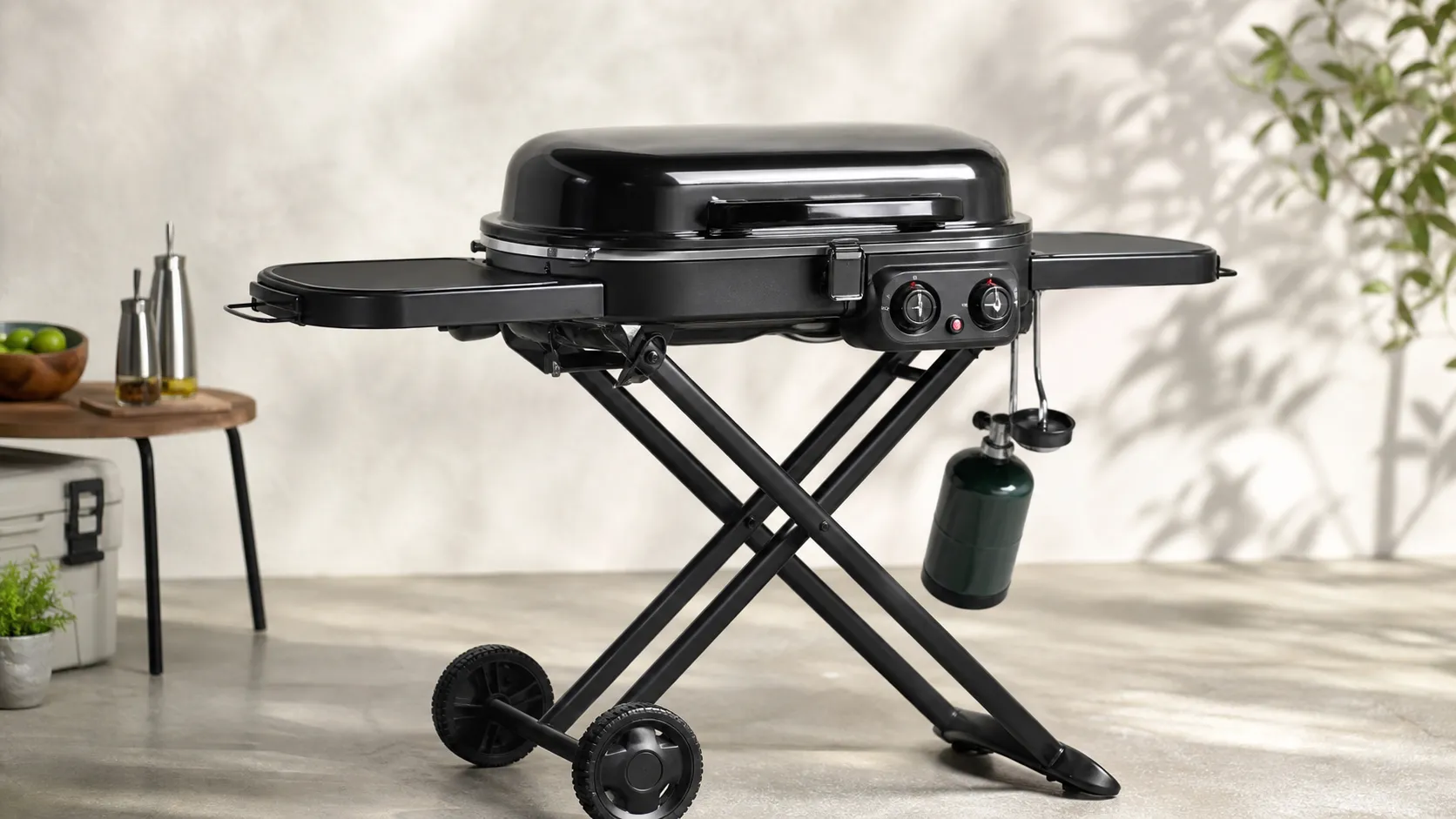
Coleman RoadTrip 285 Portable Propane Grill Review 2026
Portable, quick to heat, and great value — the Coleman RoadTrip 285 is ideal for tailgates and camping, but expect hotspots and some plastic parts to limit heavy use.
 Outdoor & Garden
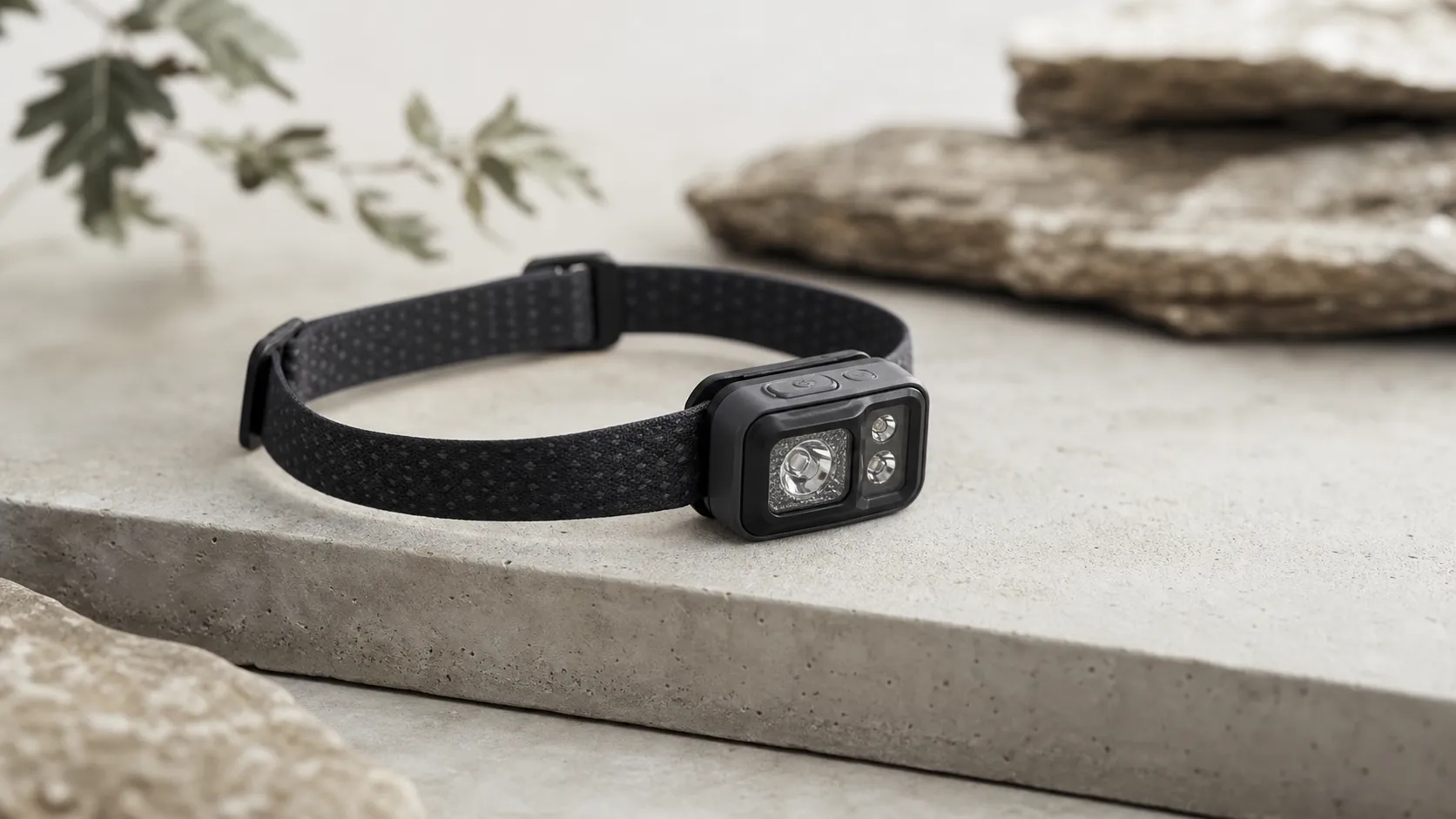
Black Diamond Spot 400‑R Headlamp Review 2026
A bright, well‑balanced rechargeable headlamp that excels for trail running and hiking. Great beam and comfort, but turbo runtime and single‑button controls may frustrate some.
 Outdoor & Garden
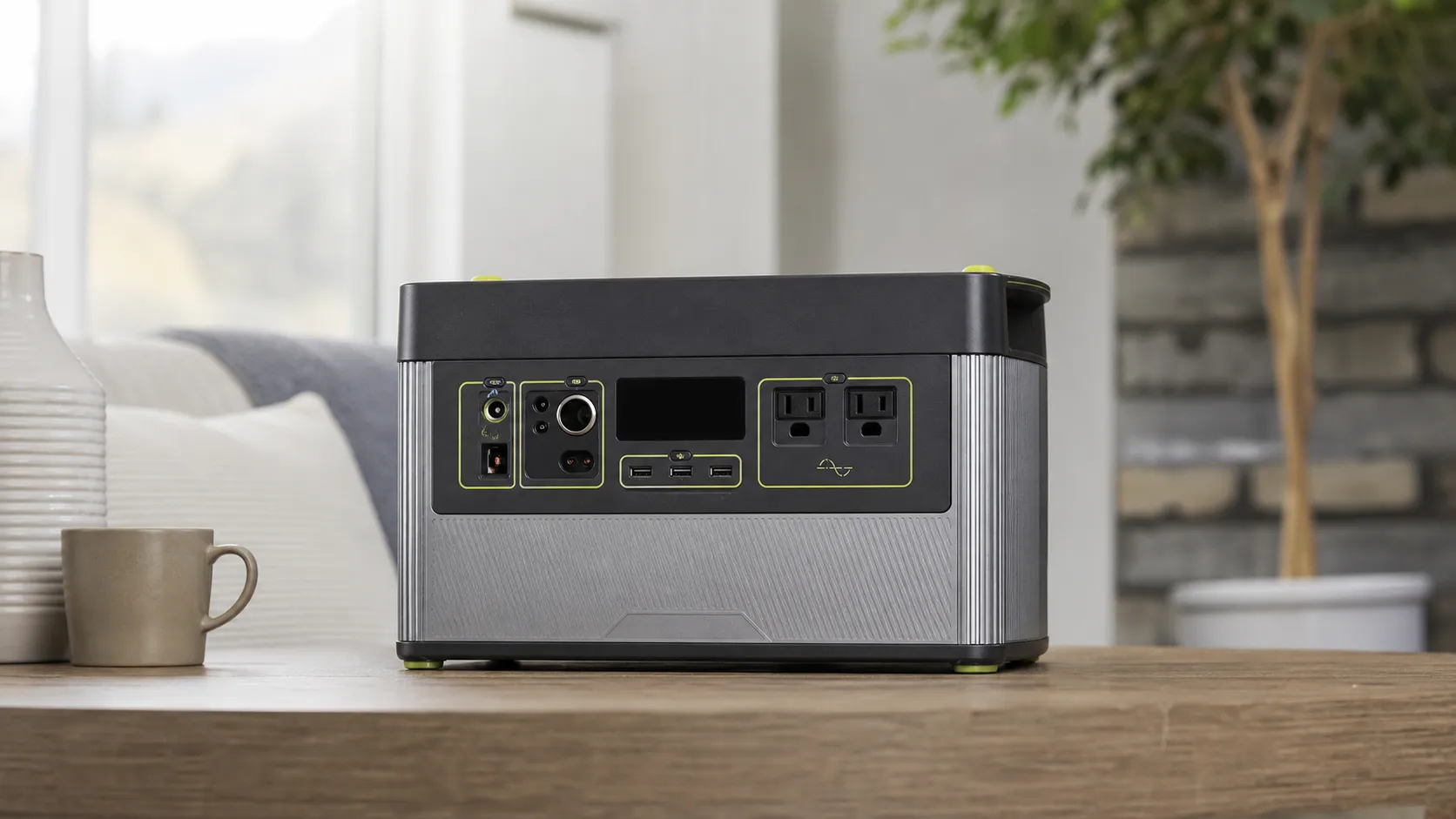
Goal Zero Yeti 500X Review (2026) — Portable Power Station
Reliable, quiet, and well-built — the Goal Zero Yeti 500X is a solid 500Wh portable power station for camping and short home backup, but it comes at a premium price and a 300W AC limit.