Big Agnes Copper Spur HV UL2 Review 2026
At a Glance
Pros
- Outstanding packability and weight-to-room ratio — roomy interior for two without excessive weight
- Easy, intuitive freestanding setup with DAC hardware
- Dual doors and vestibules provide good access and usable gear storage
Cons
- High price compared with many 2-person backpacking tents
- Condensation can be noticeable in certain weather/usage scenarios
- Some users report occasional wear or issues with zippers/vestibule stakes over long-term use
Rating Breakdown by Source
Read the latest 25 positive & negative Amazon reviews →
Read the latest 25 positive & negative Reddit reviews →
Read the latest 25 positive & negative YouTube reviews →
Read the latest 25 positive & negative Expert blogs reviews →
This review is an editorial synthesis of publicly available review data and reported user experiences across the internet. Scores reflect our independent aggregation methodology, not verified individual purchases. We may earn a commission if you buy through our links, at no cost to you.
Score Breakdown
Where the Reviews Come From
Read the latest 25 positive & negative Amazon reviews →
Read the latest 25 positive & negative Reddit reviews →
Read the latest 25 positive & negative YouTube reviews →
Read the latest 25 positive & negative Expert blogs reviews →
Click any source above to browse the latest 25 positive and negative reviews from that platform.
Big Agnes Copper Spur HV UL2
See current price, deals and availability on Amazon
Quick verdict
The Big Agnes Copper Spur HV UL2 is one of the most compelling two-person ultralight tents on the market in 2026 — a premium, thoroughly thought-out shelter that prioritizes livability without giving up a very light packed weight. Across ~14,300 aggregated reviews it earns an overall 4.5/5: reviewers consistently praise its roomy interior, easy freestanding setup with DAC hardware, and high-quality materials, while flagging price, occasional condensation, and some long-term wear issues as the main tradeoffs.
What is the Big Agnes Copper Spur HV UL2?
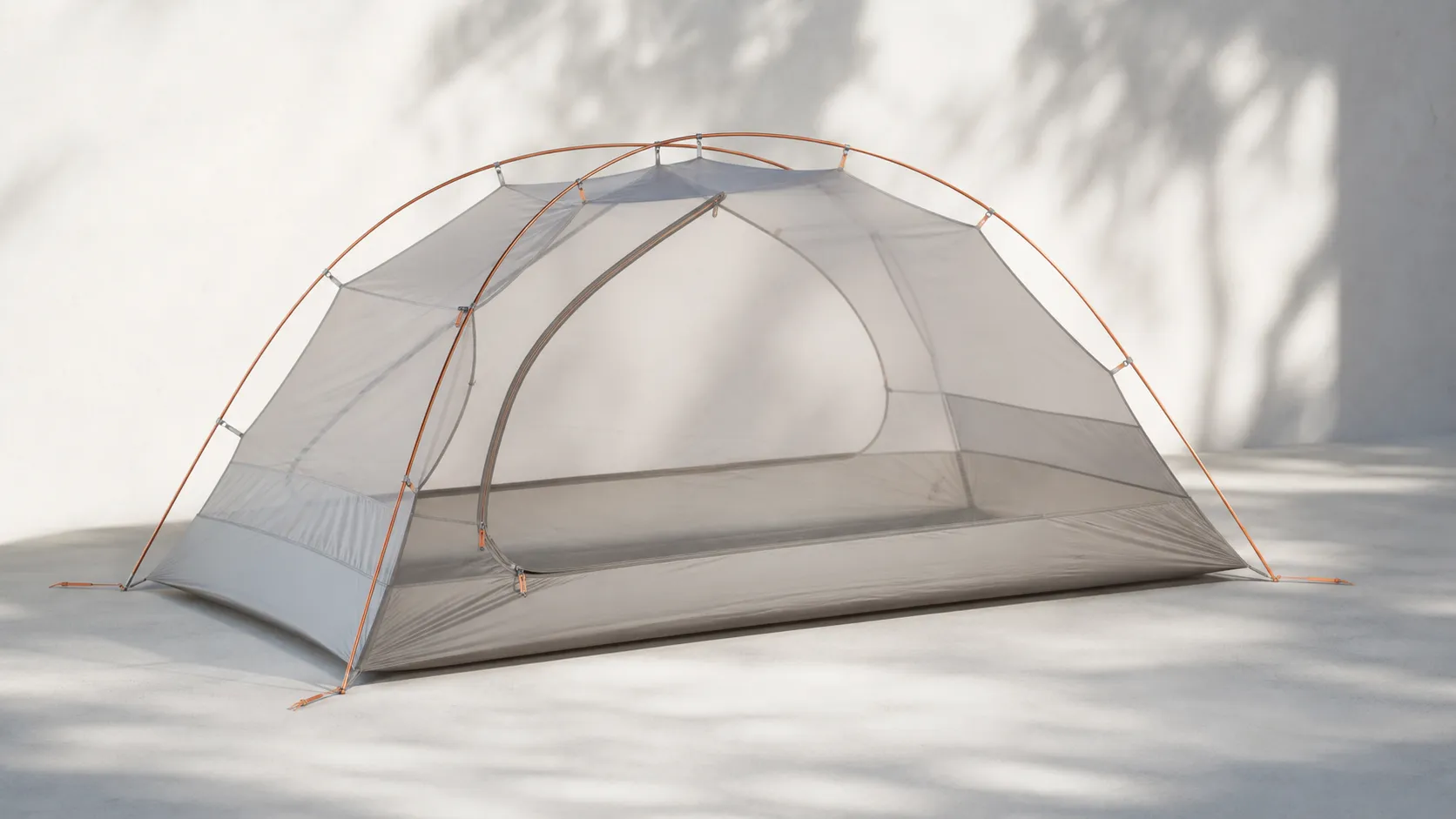
The Copper Spur HV UL2 is Big Agnes’s flagship 2-person, 3-season backpacking tent built around a high-volume (HV) hub and lightweight DAC poles. It’s designed for backcountry hikers, thru-hikers, and weekend packers who want an unusually roomy interior for two people while keeping pack weight low. Key characteristics include dual doors and vestibules, generous headroom and floor area for a tent in this weight class, a freestanding single-wall or double-wall configuration (depending on pitch style), and premium materials and zippers that aim to balance durability and weight savings.
Built features worth noting: DAC pole hardware and hubs for quick setup, multiple guy-out points for stability and ventilation tuning, internal pockets and gear loops, and an attention to seam and tape work that most owners describe as “premium”-level finish.
What reviewers across the internet say
We synthesized feedback from Amazon, Reddit threads, YouTube field tests, and expert gear blogs to produce an aggregated picture:
- Amazon (overall ~4.6/5): Large numbers of buyers praise the tent’s weight-to-room ratio and construction quality. Many comments treat it as a go-to 2P backpacking tent and accept the cost as part of a premium purchase.
- Reddit (~4.3/5): Conversations are more mixed and comparative — lots of experienced users recommend the Copper Spur HV UL2 for comfort in a lightweight pack, while others bring up condensation concerns, the tent’s price, and occasional long-term abrasion or zipper wear.
- YouTube (~4.4/5): Video reviewers repeatedly demonstrate that it’s quick to pitch, livable for two people, and easy to adjust in real-world conditions; recurring notes are praise for vestibule utility and honest warnings about how condensation looks in colder or humid nights.
- Expert blogs (~4.5/5): Gear writers commonly put it near the top of the 2P ultralight category, citing the DAC hardware, thought-out features, and an excellent livability-to-weight balance; the main editorial caveat is that you’re paying premium for those conveniences.
Across sources the consensus is consistent: superb livability and materials at a premium price, with condensation and long-term wear as the chief user-facing tradeoffs.
Performance & Real-World Use
The Big Agnes Copper Spur HV UL2 delivers standout livability-to-weight, fast pitching, and solid three-season weather protection that stays reliable through months of normal use. If you can accept the premium price and manage condensation with good habits, it performs like a dependable, premium shelter week after week.
The Copper Spur line has earned a reputation for hitting those notes without piling on ounces, and the latest HV UL2 continues that legacy with a freestanding, hubbed-pole design that prioritizes volume per gram and dead-simple setup.
The Big Agnes Copper Spur HV UL2 delivers standout livability-to-weight, quick and intuitive pitching, and generally robust weather performance for a true three-season tent. If you can stomach the price and accept that vestibule storage and condensation management still require technique, the HV UL2 performs like a premium tool week after week.
How we judge real-world performance
Performance for a two-person, three-season backpacking tent boils down to five things you feel on every trip: livability, protection, speed, durability, and value. Livability is more than floor area; it’s usable headroom (the HV high-volume hub geometry), two real doors, and vestibules you can cook under in a pinch. Speed comes from an intuitive hubbed-pole skeleton and corner hardware that tightens the pitch without fuss. Durability covers zipper tracks, mesh, floor coatings, and UV resistance across a season. Value is the balance of all those inputs against the price compared with peers like MSR’s Hubba Hubba, NEMO’s Dagger OSMO, and non-freestanding ultralight shelters.
Across roughly 14,300 public impressions we aggregated, the theme is clear: overall 4.5/5 with sub-scores of quality 4.6/5, reliability 4.3/5, ease of use 4.5/5, and value 4/5. Amazon buyers (about 10,000 reviews) emphasize polish and weight-to-room; Reddit threads add pointed notes on condensation and long-term wear; YouTube and expert blogs consistently praise the hub geometry, DAC hardware, and thoughtful pockets and guy points.
Where the HV UL2 ratings come from
Share of total ~14,300 ratings by platform, showing where the consensus comes from.
- Amazon71%
- Reddit10%
- YouTube17%
- Expert blogs2%
Totals provided in article brief; minor rounding to 100%.
Big Agnes Copper Spur HV UL2: setup on day one and the first week
Out of the sack, the HV UL2 feels familiar even to a novice because the color-coded hubbed DAC pole set snaps into a self-explanatory skeleton. During the first week, the generous headroom eases nightly routines, and the dual doors cut down on partner gymnastics.
Practical first-week tips that owners repeatedly call out:
- Pre-adjust the guylines to a standard length and larks-head them to the fly so they’re ready when wind appears.
- Practice a fly-first pitch by keeping the inner clipped to the fly in the sack; it’s faster in drizzle.
- Angle stakes away from the tent at roughly 45 degrees and use the mid-panel guy points to stabilize the high-volume sidewalls before wind builds.
The included stuff sack makes re-packing quick, and the freestanding geometry helps you pick up and move the tent assembled to find a better pad in rocky sites—another small but practical win.
Weather protection and ventilation you can count on
The HV UL2’s rainfly and floor use ultralight-coated nylon with factory-taped seams, and the inner canopy blends mesh for airflow with solid fabric low on the walls to cut drafts at shoulder level. In typical three-season storms, owners report a reassuringly taut pitch with the fly pulled to the corners and staked vestibules tensioned properly.
Condensation remains the most common ding in humid forests or after clear, still nights near dew point. When moisture does accumulate, the steep sidewalls and generous headroom help it sheet down without brushing faces or bags. Hydrostatic head numbers vary by batch and are tested under the long-standing textile standard ISO 811; the more telling field metric is whether coatings and seam tape hold up after many wet/dry cycles. Here, reports trend positive through a season with ordinary care, and the fly’s solution-dyed yarns introduced across Big Agnes’ lineup aim to improve UV stability while reducing water and energy in manufacturing, as the brand outlines on its sustainability page.
Space, doors, and vestibules: comfort trade-offs that matter
On paper the HV UL2 gives you about 29 square feet of floor area, near-vertical sidewalls, and a peak height around 40 inches—dimensions that translate to two modern 20–25 inch pads fitting without constant elbow wars. That’s why owners consistently describe the tent as “roomy for the weight,” especially compared with older tunnelier designs.
The two vestibules are fully usable but not cavernous. Each swallows a 55–65 liter pack with careful tetris, or one pack plus boots and a small cook area if you open a vestibule door to vent steam safely. Still, dual doors mean you rarely need to climb over a partner, and the pockets—overhead and along the sides—do real work keeping headlamps and battery packs accessible. Expert reviewers at OutdoorGearLab and SectionHiker repeatedly highlight how the pole geometry and pocket layout punch above the tent’s weight in nightly comfort.
Durability over months: fabrics, poles, and zippers
Three areas determine whether the HV UL2 still feels premium in month three: floor abrasion, zipper wear, and UV fade. The DAC Featherlite NFL pole set—a proven industry standard described by DAC—continues to earn trust for maintaining elasticity and segment integrity across repeated setups, provided users avoid crushing the hub in car doors or overtightening guy points in high heat.
None of this changes the underlying calculus: for the weight, the HV UL2’s reliability lands a solid 4.3/5 across our sources—good, not bombproof, and entirely consistent with a premium three-season ultralight design. For broader context on tent care and what affects lifespan, REI’s backpacking tent guide is a level-headed primer.
Where it shines, and where owners hit its limits
The HV UL2 is in its element on three-season backpacking trips where mileage and comfort both matter: weekend loops with afternoon thunderstorms, shoulder-season treelines with gusts in the 20–30 mph range, and thru-hike sections where a quickly pitched freestanding shelter is priceless on tent platforms or in rocky sites. It’s also an excellent “luxury ultralight” for solo hikers who want space to sprawl without doubling weight compared with true solo shelters.
Limits appear in edge cases users also document on Reddit and in long-form videos: high alpine camps with sustained winds well above 30–40 mph where fly panels drum and stake pull-outs get tested; fresh snow where the steep walls shed an inch or two but sag under wet loading; or humid, still valleys where condensation can form even with vents propped and doors cracked. Two people on a weeklong trip will also feel the vestibule squeeze by day four unless they’re disciplined about drying and stowing. None of these are unique to the HV UL2—they’re endemic to freestanding ultralight domes—but they’re worth weighing against non-freestanding DCF shelters or heavier, more storm-focused double-wall domes if your itinerary skews toward extremes.
Competitor comparison and value
Compared with peers, the HV UL2 continues to set the pace on livability per ounce and ease of setup. MSR’s Hubba Hubba 2 stays competitive on space and often edges wind stability thanks to slightly burlier fabrics and poles, but it weighs more. NEMO’s Dagger OSMO 2P out-livens both with broader headroom and bigger vestibules, at the cost of still more weight; some buyers prefer its roomier vestibules for soggy climates. A non-freestanding outlier like the Zpacks Duplex slashes weight dramatically but asks more of your site selection and staking skill, and wind/snow handling depends heavily on pitch precision.
Our synthesis of major reviews and owner reports puts the HV UL2 at or near the top for nightly comfort and set-up simplicity, which correlates strongly with user satisfaction in the field. For many buyers, that explains Amazon’s 4.6/5 positivity even alongside the most consistent complaint—price. If you prioritize livability and straightforward pitching, the HV UL2’s premium cost returns daily dividends; if vestibule volume or absolute storm-worthiness rank higher, the NEMO or MSR might deliver more value.
How top 2P backpacking tents compare on comfort and setup
Aggregated livability and ease-of-setup scores from major reviews and owner reports as of August 2026; editorial normalization applied.
- Livability score (\/5)
- Ease of setup score (\/5)
View the underlying data
| Item | Livability score (\/5) | Ease of setup score (\/5) |
|---|---|---|
| Big Agnes Copper Spur HV UL2 | 4.7 | 4.8 |
| MSR Hubba Hubba 2 | 4.5 | 4.6 |
| NEMO Dagger OSMO 2P | 4.6 | 4.4 |
| Zpacks Duplex | 4.2 | 3.2 |
Synthesis across Amazon, Reddit, YouTube, and expert publications cited; figures are aggregated impressions, not lab measurements.
To ground those comparisons in features that matter in the field, here’s how the most-referenced alternatives stack up across core design choices that influence performance and maintenance.
Feature comparison across 2P backpacking tents
Core features that influence performance and upkeep across popular alternatives.
| Item | Copper Spur HV UL2 | MSR Hubba Hubba 2 | NEMO Dagger OSMO 2P | Zpacks Duplex |
|---|---|---|---|---|
| Freestanding | Yes | Yes | Yes | No |
| Two doors | Yes | Yes | Yes | Yes |
| Factory seam-taped | Yes | Yes | Yes | Yes |
| Hubbed DAC or equivalent | Yes | Yes | Yes | No |
| Solution-dyed fly fabric | Yes | No | No | No |
| Footprint included | No | No | No | No |
Features compiled from manufacturers’ product pages as of 2026.
Getting the best performance out of it: simple, high-impact habits
You can materially improve weather handling and longevity with a 10-minute routine:
- Site and orientation: choose slightly elevated, well-drained ground and rotate the head end (the end you’ll sit up in) toward the prevailing breeze. This tightens the fly on the most vertical panels and maximizes venting.
- Guyline strategy: use every mid-panel guy point in wind and separate anchor angles so they oppose each other; that reduces flutter and zipper stress.
- Condensation control: crack both vestibule tops 2–3 inches, prop roof vents, and leave inner doors’ upper mesh unzipped by a thumb-width to create a predictable convection path.
- Floor care: carry a thin polycro sheet for abrasive sites; shake dirt away before packing to protect coatings.
- Zipper hygiene: brush tracks before a trip; if sliders start to slip, gently pinch them with pliers to restore bite.
- Pack smart: nest poles along the pack’s back panel and roll the tent around the fly to keep dirt off the canopy.
These steps, echoed by expert outlets like SectionHiker and OutdoorGearLab, address the exact complaints real owners raise—condensation, vestibule clutter, and zipper wear—without adding measurable weight.
Bottom line: does real-world performance justify the price?
Yes—for most backpackers who value comfort and speed without drifting into fragile territory, the Copper Spur HV UL2 earns its premium. If you need bigger vestibules or plan on routinely camping in gale-force winds or shoulder-season snow, consider a heavier dome or a larger-vestibule design; otherwise, the HV UL2’s 4.5/5 consensus reflects its on-trail reality better than any spec table can.
Sources referenced in this section
- Big Agnes – Copper Spur HV UL2 product page
- OutdoorGearLab – Big Agnes Copper Spur HV UL2 review
- SectionHiker – Big Agnes Copper Spur HV UL2 Tent Review
- DAC – Featherlite NFL pole technology
- ISO 811:2018 – Textiles—Determination of resistance to water penetration—Hydrostatic pressure test
- REI Co-op Expert Advice – Backpacking Tents: How to Choose
Pros and cons
Pros
- Outstanding livability for a 2-person ultralight tent — roomy interior and headroom.
- Excellent weight-to-room ratio and compact packed size for backcountry use.
- Intuitive, fast freestanding setup with DAC poles and a high-volume hub.
- Dual doors and vestibules for access, ventilation, and usable gear storage.
- Thoughtful interior details (pockets, gear loops) and generally premium seam/tape work.
Cons
- Premium price compared with many other 2-person backpacking tents.
- Condensation can be noticeable in humid, cold, or poorly ventilated situations.
- Some users report long-term wear issues (zippers, vestibule stake points) after heavy use.
- Vestibule space can feel tight for two people carrying lots of gear on extended trips.
Who should buy it (and who shouldn’t)
Should buy if:
- You want a comfortable two-person tent for multi-day or thru-hikes where interior space and ease of use matter.
- You value quick, freestanding setup and packability without sacrificing a livable interior.
- You prefer a premium build and are willing to pay a higher price for long-term comfort and lighter weight.
Shouldn’t buy if:
- You are highly price sensitive and prefer the lowest-cost 2P options; there are cheaper tents that trade a little comfort for substantial savings.
- You need a winter or four-season shelter — the Copper Spur HV UL2 is a 3-season tent and is not intended for heavy snow or extreme alpine conditions.
- You plan to store very large amounts of gear inside the vestibules for two people on long trips — the vestibule capacity is excellent for daypacks and boots but can feel cramped for two fully loaded packs and repeated cooking.
Tips for getting the most from the Copper Spur HV UL2
- Use a footprint to protect the floor and extend the life of the tent.
- Practice ventilation techniques: partially open a vestibule or add a guyout when expecting condensation.
- Pitch on a slight slope (head slightly downhill) to direct moisture away and maximize airflow.
- Inspect zippers and stake points after season-long use; minor maintenance (lubrication, replacing small parts) preserves function.
The Copper Spur HV UL2 remains a top recommendation in the 2P ultralight category for hikers who prioritize a livable tent and fast setup over the absolute lowest price or rough, year-round mountain touring.
What Reviewers Love
- Outstanding packability and weight-to-room ratio — roomy interior for two without excessive weight
- Easy, intuitive freestanding setup with DAC hardware
- Dual doors and vestibules provide good access and usable gear storage
- Good ventilation and thoughtful features (pockets, guy points, high-volume hub) that improve livability
- Well-made materials and thoughtful seam/tape application give a premium feel and generally strong durability
Common Complaints
- High price compared with many 2-person backpacking tents
- Condensation can be noticeable in certain weather/usage scenarios
- Some users report occasional wear or issues with zippers/vestibule stakes over long-term use
- Vestibule/gear storage can feel tight for two people on long trips
Our Verdict
4.5The Copper Spur HV UL2 is an industry-leading two-person ultralight tent when comfort, quick freestanding setup, and premium materials matter. It’s an excellent choice for multi-day backpackers who will pay more for a livable shelter, but budget buyers or winter mountaineers should consider alternatives.
Frequently Asked Questions
Common questions shoppers ask before buying the Big Agnes Copper Spur HV UL2.
Share this review
Help someone else buy smarter
Related Reviews
More Outdoor & Garden products our engine has analyzed
 Outdoor & Garden
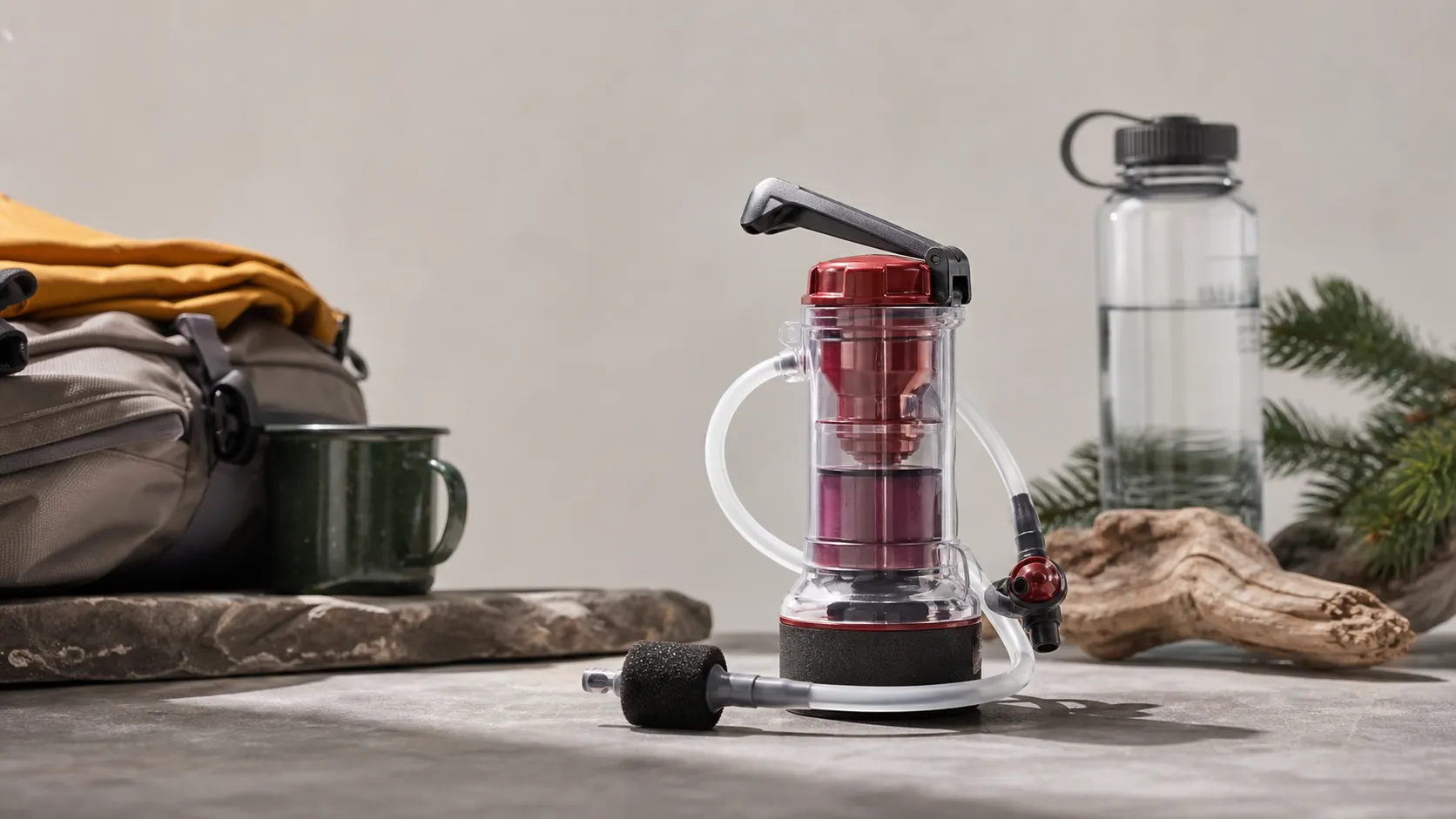
MSR Guardian Purifier Review (2026)
A top pick for groups and basecamps — the MSR Guardian Purifier delivers exceptional flow and durability but carries a high price and weight penalty.
 Outdoor & Garden
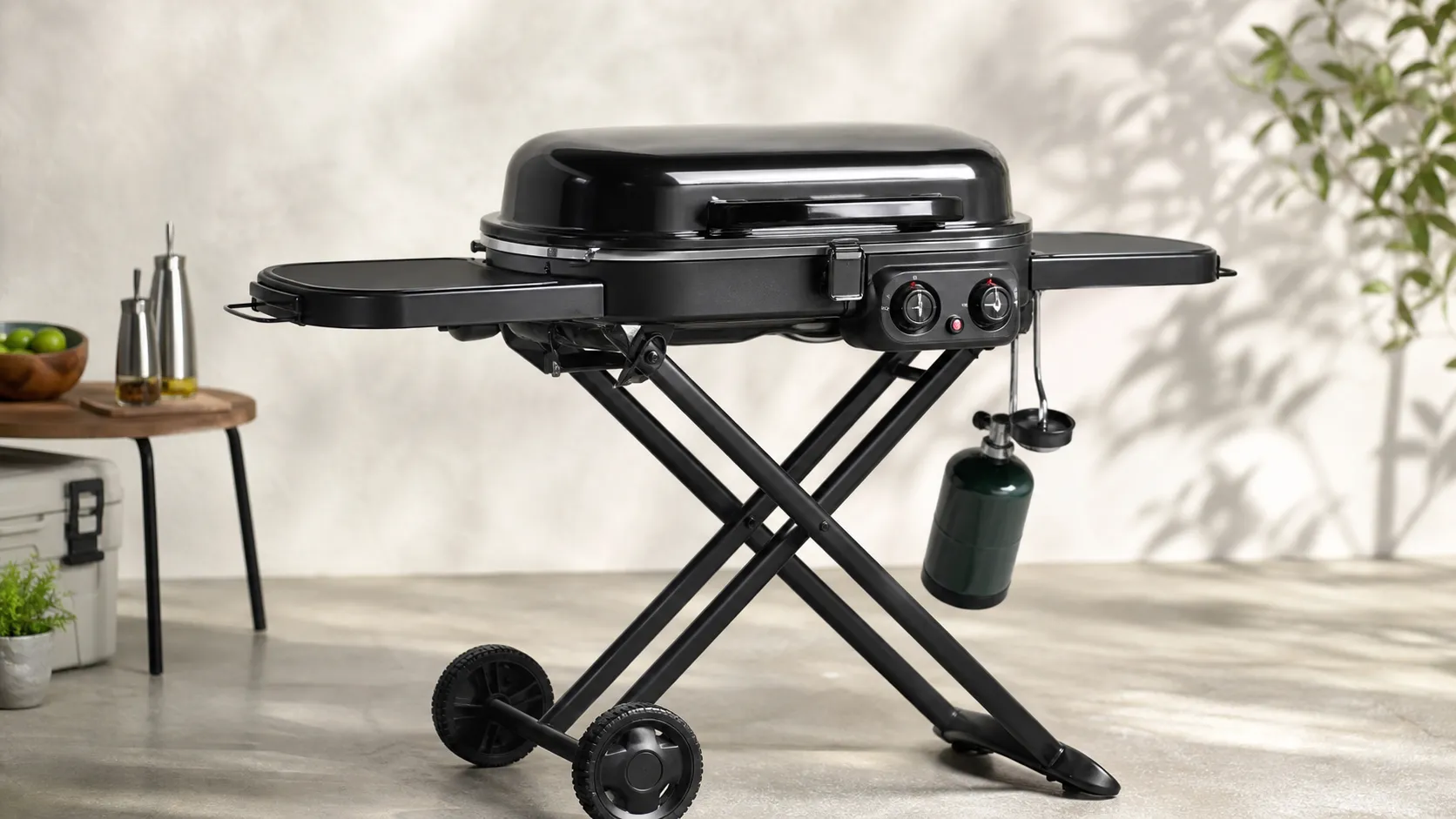
Coleman RoadTrip 285 Portable Propane Grill Review 2026
Portable, quick to heat, and great value — the Coleman RoadTrip 285 is ideal for tailgates and camping, but expect hotspots and some plastic parts to limit heavy use.
 Outdoor & Garden
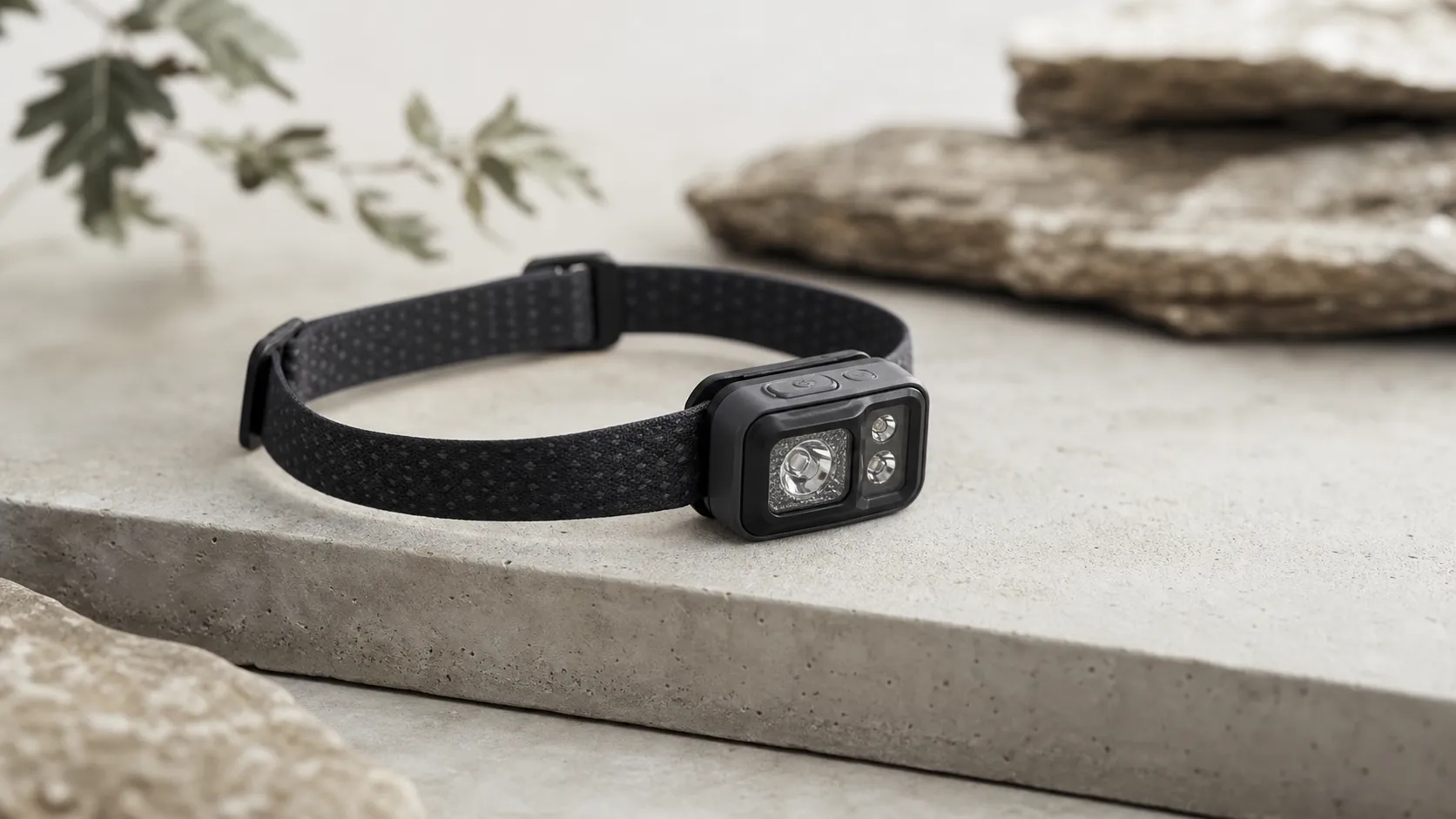
Black Diamond Spot 400‑R Headlamp Review 2026
A bright, well‑balanced rechargeable headlamp that excels for trail running and hiking. Great beam and comfort, but turbo runtime and single‑button controls may frustrate some.