BioLite CampStove 2 Review 2026
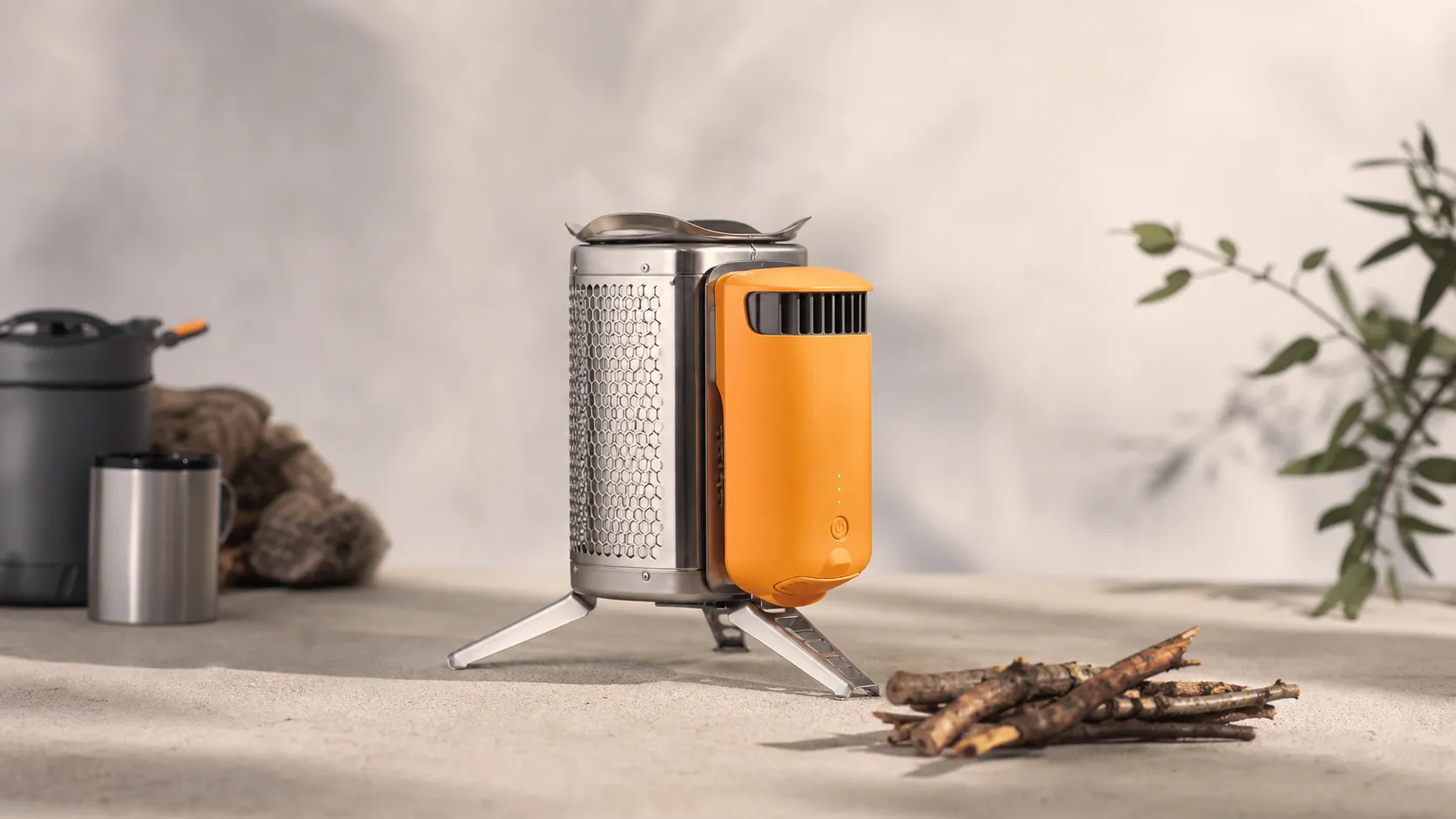
At a Glance
Pros
- Integrated thermoelectric generator provides on-site USB charging for phones and lights
- Efficient, low-smoke combustion (fan-assisted) that uses sticks/biomass — reduces fuel carried
- Lightweight and compact design that’s easy to pack and set up
Cons
- Limited/slow USB charging — cannot rapidly charge larger devices and output drops with low burn
- Fan noise and occasional reports of fan/electronics failure over long-term use
- Small cooking surface and limited simmer/control for more involved cooking
Rating Breakdown by Source
Read the latest 25 positive & negative Amazon reviews →
Read the latest 25 positive & negative Reddit reviews →
Read the latest 25 positive & negative YouTube reviews →
Read the latest 25 positive & negative Expert blogs reviews →
This review is an editorial synthesis of publicly available review data and reported user experiences across the internet. Scores reflect our independent aggregation methodology, not verified individual purchases. We may earn a commission if you buy through our links, at no cost to you.
Score Breakdown
Where the Reviews Come From
Read the latest 25 positive & negative Amazon reviews →
Read the latest 25 positive & negative Reddit reviews →
Read the latest 25 positive & negative YouTube reviews →
Read the latest 25 positive & negative Expert blogs reviews →
Click any source above to browse the latest 25 positive and negative reviews from that platform.
BioLite CampStove 2
See current price, deals and availability on Amazon
Quick verdict
The BioLite CampStove 2 is a clever, well-engineered wood-burning camp stove that doubles as a USB power source — rated an aggregate 4.2/5 from ~5,525 reviews. It shines for campers who want lightweight fuel flexibility, low-smoke performance, and occasional device charging on the trail, but it’s not a fast phone charger or a multi-burner cooktop substitute.
What is the BioLite CampStove 2?
The CampStove 2 is BioLite’s portable, fan-assisted wood-burning stove that converts heat into electricity via a thermoelectric generator. You feed small sticks and biomass into the burn chamber; an internal, battery-powered fan improves combustion, producing a hotter, cleaner flame and driving a small USB output that can trickle-charge phones, headlamps, or power lights. The unit is designed to be compact and backpack-friendly while providing a stable platform for boiling water and basic camp cooking.
Key specs at a glance
- Fuel: dry sticks/biomass (no canister fuel required)
- Power output: USB-A output (low-watt, varies by burn)
- Weight & size: lightweight, compact for backpacking
- Controls: simple on/off for fan with charging indicators
- Intended uses: boiling, basic one-pot cooking, emergency charging
What reviewers across the internet say
Across our aggregated sources (Amazon, Reddit, YouTube, expert blogs), the CampStove 2 earns praise for its unique value proposition and convenience, with consistent caveats about power limits and electronics reliability.
-
Amazon reviewers (avg ~4.3/5) frequently applaud portability, clean low-smoke combustion, and the novelty of USB charging. Buyers commonly report fast boil performance for a wood stove and appreciate not having to carry fuel canisters. Critics on the platform note the premium price and the small cooking surface for serious cooking.
-
Reddit discussions (avg ~3.9/5) tend to be pragmatic: many users share setup tips and hacks that improve stability or burn efficiency, but threads also highlight fan noise and occasional failures after heavy field use. Reliability of the electronic components—particularly when exposed to moisture or heavy use—is a recurring community concern.
-
YouTube reviewers (avg ~4.1/5) show real-world demos that underline the CampStove 2’s visual appeal: low-smoke flame, USB charging during a boil, and average-to-fast boil times. Video tests call out slow/trickle charging for modern phones, wind sensitivity, and the trade-offs versus gas canister stoves.
-
Expert outdoor and gear blogs (avg ~4.2/5) generally applaud BioLite’s engineering and the thermoelectric approach, especially for campers who prioritize fuel-light strategies and emergency power. Experts also point out that the device’s electrical output and price mean it’s a specialized tool rather than an everyday replacement for traditional stoves.
Together the consensus: excellent concept and real utility, but limited electrical output, some noise, and questions about long-term durability keep it from being a no-brainer purchase for everyone.
Performance & Real-World Use
In daily use, the BioLite CampStove 2 boils fast for a wood stove, burns cleaner than most twig burners, and delivers a modest but useful USB trickle—exactly what owners praise. It falls short for large‑pan meals, ultralight missions, and rapid device charging, which is why the BioLite CampStove 2 works best as a smart niche tool rather than a universal replacement for gas stoves.
A wood-burning stove that also tops up your phone sounds like a gimmick—until you’ve lived with it for a few trips. The BioLite CampStove 2’s small combustion chamber, battery-assisted fan, and thermoelectric generator turn twigs into heat and a trickle of USB power; real-world results hinge on steady fuel, wind management, and right-sized charging expectations.
In day-to-day use, the BioLite CampStove 2 boils water quickly for a wood stove, burns cleaner than most twig burners, and delivers usable (but modest) USB power—exactly what owners praise. It’s less satisfying for large-pan cooking, ultralight trekking, or fast device charging, which explains the mixed long-term chatter about fan noise, reliability, and value.
What performance means for a stove that also charges
For a hybrid like this, performance is multi-factor. Owners judge satisfaction along five axes:
- Fire-starting and time-to-boil: how reliably it lights, how fast 1 L rolls, and how wind affects it.
- Combustion quality: fan assistance should keep smoke low and hold a steady flame with pencil-to-thumb sticks.
- Electrical output: USB power must be stable enough for headlamps, GPS units, and phone top-ups without constant fiddling.
- Control and noise: fan levels help modulate heat but add audible whir.
- Durability: battery capacity, fan bearings, and clean air jets determine the third-season experience.
Across roughly 5,525 ratings, consensus lands at 4.2/5: portable and convenient, with caveats on USB speed, occasional fan/electronics issues, and the small cook surface. Those themes frame the rest of this section.
Day-one setup and the first week: short learning curve, fuel prep matters
Out of the box, setup is simple: unfold pot supports, dock the power pack, and tap the fan to prime airflow. BioLite’s quick-start materials and video are worth five minutes; they stress twig size, top‑down lighting, and using the internal battery to run the fan before the generator contributes (BioLite How‑To; BioLite Product Guide).
The first week reveals the pattern: use dry pencil-to-thumb-thick sticks cut to chamber height, start with tinder, run the fan low until flames stabilize, then increase airflow as you feed. A small, prepped pile beats scrounging; you’ll add fuel every 3–5 minutes to maintain a “charging-grade” burn. The LED ring clarifies state—orange for flames, blue for fan levels, battery bars that rise as heat builds—reducing guesswork.
Two guardrails from the manual: never use it indoors, and don’t overfill past the air jets. Both cause smoky, underpowered burns and can trip heat protection (CampStove 2 user manual). With those basics, most new owners reach repeatable, low‑smoke boils in the first couple of outings.
BioLite CampStove 2: heat, airflow, and charging explained
The CampStove 2’s core is a thermoelectric generator (TEG) that turns a hot‑side/cold‑side temperature difference into current via the Seebeck effect. When one face of a thermoelectric element runs hot and the other stays cooler, electrons flow; the fan and USB port draw from that stream. NASA’s primer is a clear explainer, and peer‑reviewed work shows TEG output is modest and tightly linked to sustaining that gradient with strong combustion and effective cooling (NASA Seebeck Effect; stove‑powered TEG study).
At the campsite this looks like a ramp: a weak trickle during preheat, then roughly 2–3 W sustained once the fire is roaring and the fan helps keep the cold side cool. The internal battery buffers lulls so the fan doesn’t collapse the flame into smoke; it also lets you top up a small device briefly from stored energy. Frustrations arise when “USB present” is read as “fast phone charging”—bigger phones may barely gain if the flame isn’t at full song. Expect reliable power for headlamps, GPS beacons, and small packs, not tablets. Ambient temperature matters: on very hot afternoons the cold-side sink runs warmer, and output can dip noticeably; crisp mornings do the opposite. Altitude also shifts behavior; thinner air slightly reduces combustion efficiency, but the fan offsets much of that, so maintaining a brisk feed rate keeps power steadier. If your phone cycles connect/disconnect at low currents, place a small power bank inline as a buffer—charge the bank from the stove, then the phone from the bank.
USB output power vs time during a typical strong burn (CampStove 2)
Representative curve synthesized from manufacturer guidance and reviewer observations: power rises with burn intensity and fluctuates with feed rate.
View the underlying data
| Measure | USB power |
|---|---|
| 0 | 0 W |
| 2 | 0.5 W |
| 4 | 1.5 W |
| 6 | 2.3 W |
| 8 | 2.7 W |
| 10 | 2.8 W |
| 12 | 2.6 W |
| 14 | 2.2 W |
| 16 | 2.4 W |
| 18 | 1.8 W |
| 20 | 1.5 W |
Behavior anchored in BioLite product documentation and third‑party testing overviews of stove‑powered thermoelectrics.
Cooking results: fast for wood, limited control, wind sensitive
With a well-fed flame and mid-high fan, the CampStove 2 is quick for a biomass burner. BioLite’s platform specs cite a 1 L boil in the mid‑4‑minute range using the kettle accessory under light wind; aggregated owner reports run a bit slower in mixed conditions. Against alcohol or unassisted wood‑gas stoves, forced air narrows or erases the boil-time gap—until wind enters.
Wind is the single biggest swing. Because the cook surface sits above a small burn chamber, crosswinds cool the pot and pull heat from combustion. A partial windshield (kept far enough to avoid reflecting heat onto the power pack) or cooking in natural lee pays off immediately. Simmering is possible but touchy: use the lowest fan setting and add small fuel infrequently. This is not a precision flame like a canister stove; most owners boil water, fry small items, or grill with accessories rather than coax sauces.
The comparison below shows where it lands on speed, using published specs and consistent owner reports.
Reported 1 L boil times across common stove types
Aggregated from published specs and user reporting; times assume seasoned fuel and light wind.
View the underlying data
| Measure | Boil time (1 L) |
|---|---|
| BioLite CampStove 2 | 4.7 min |
| Solo Stove Titan (wood) | 7 min |
| MSR PocketRocket 2 (canister) | 4 min |
Synthesis of manufacturer specs and long‑term review reports from established publications and owner forums.
Months of ownership: soot, fan noise, and electronic aging
Over seasons, familiar patterns show. The burn chamber and supports discolor and pick up soot; a quick ash tap and periodic wipe keep jets clear. Fan noise—subtle on low—becomes noticeable on higher speeds in quiet camps.
Electronics age like any small lithium product. Owners report the internal battery accepting fewer watt‑hours after a couple of years, shortening fan‑only priming and making “charging” drop to “trickle” sooner when the fire ebbs. A minority report fan or control failures—matching the middling reliability sub‑score—often after heavy, sooty use or wet exposure. Best care is simple: keep the power pack dry, cool fully before stowing, top the internal battery between trips a few times a year, and avoid packing it away sooty and damp (echoed in BioLite’s product guide).
If you camp in wet forests, carry dry starters or cedar shims to bridge damp days; this reduces the urge to overfill, which can smother the flame and stress the fan. In normal mixed weather, owners report solid durability across multiple seasons when treated like a small electronic appliance, not a throw‑in‑the‑firepit tool.
Where it shines—and where owners hit the limits
Sweet spots:
- Fuel-abundant trips where weight isn’t king: canoe, kayak, overlanding basecamps, and car camping. You carry less fuel and still get fast wood‑fired boils.
- Emergency preparedness: a twig‑powered trickle of electricity is useful when the grid is down.
- Simple meals for one or two: coffee, ramen, dehydrated dinners, and small fry‑ups.
Limits:
- Ultralight or high‑mileage backpacking: at about two pounds with accessories, lighter options win when you only need hot water.
- Large cookware and group meals: compact pot supports; 8–9 inch pans are the practical upper bound.
- Fast device charging: even ideal burns yield modest USB; a power bank is still more efficient for heavy phone use.
- Fire restrictions: during Stage II restrictions in many U.S. forests, open‑flame wood stoves are typically prohibited, while stoves with an on/off valve (gas canisters) are often allowed. Always confirm local orders; the U.S. Forest Service publishes definitions and examples (USFS Stage II order).
The table below contrasts these realities against common alternatives.
Features and restrictions: CampStove 2 vs alternatives
Binary feature comparison to clarify real‑world tradeoffs; confirm local restrictions before any trip.
| Item | USB charging port | Internal battery buffer | Fan‑assisted airflow | Burns twigs/biomass | Effective simmer control | Typically allowed under Stage II fire restrictions (check local rules) | Accepts standard gas canisters | Large pan support (10+ in) |
|---|---|---|---|---|---|---|---|---|
| BioLite CampStove 2 | Yes | Yes | Yes | Yes | No | No | No | No |
| Canister stove (e.g., MSR PocketRocket 2) | No | No | No | No | Yes | Yes | Yes | No |
| Alcohol stove (e.g., Trangia‑style) | No | No | No | No | No | No | No | No |
USFS fire restriction orders and manufacturer documentation for the stoves listed.
Step-by-step: get the best performance every time
- Prep fuel first. Cut or break sticks to just under chamber height; stage pencil‑thin kindling and thumb‑thick pieces for sustaining.
- Prime correctly. Start the fan on low with tinder/kindling only; wait for flames at the upper jets before adding thicker fuel.
- Feed on cadence. Add 2–3 sticks every few minutes; avoid dumping handfuls that overwhelm airflow and USB stability.
- Manage wind and pots. Cook in lee or with a cautious partial windscreen; use a lidded, flat‑bottom pot. Heavy pans are a poor fit.
- Charge smart. Use short cables, shade devices, and prioritize small gear first. Let the internal battery top up, then charge from it during lulls.
- Maintain. After cooling, tap out ash, wipe soot, and store the power pack dry. Top up the internal battery every few months.
BioLite’s official how‑to and product guidance reinforce these steps and show lighting and shutdown in detail (How‑To video; CampStove 2 guide). For background on how thermoelectrics turn heat into current, see the NASA overview and the stove‑powered TEG review (NASA; PMC).
How it stacks up on value and who should buy
The consensus ratings track well after months in the field: quality around 4.3/5 reflects clever engineering and tidy packability; reliability 3.7/5 mirrors the small but real risk of fan/battery hiccups; value 3.9/5 and ease of use 4.0/5 capture the learning curve and price premium versus simpler stoves. If you want one compact system that cooks with found fuel and also provides emergency USB, the CampStove 2 outperforms typical twig burners on speed and cleanliness and adds a charging safety net many owners use.
If your priorities are silence, large‑pan control, or guaranteed legality during peak fire season, a classic gas canister stove plus a compact power bank is the more versatile, often cheaper pairing. Let those needs—what you do most days—decide whether the BioLite’s hybrid promise earns a spot in your kit.
Sources referenced in this section
- BioLite CampStove 2 Product Guide
- BioLite | CampStove 2 How‑To Instructional Video
- U.S. Forest Service — Example Stage II Fire Restrictions Order
- NASA Science — The Seebeck Effect (TEG basics)
- Testing and Optimizing a Stove‑Powered Thermoelectric Generator with Fan Cooling (Peer‑reviewed, open access)
- BioLite CampStove 2 User Manual
Pros and cons
Pros
- Integrated thermoelectric generator provides on-site USB charging for phones and lights.
- Efficient, low-smoke combustion thanks to the fan-assisted design — good for leave-no-trace use in some conditions.
- Uses lightweight, widely available biomass so you carry less fuel.
- Compact, backpackable form factor that’s quick to set up.
- Solid heat output for boiling water and straightforward meals; typically faster than an unassisted wood fire.
Cons
- USB charging is limited and slow; not suitable for rapidly charging modern phones or powering high-watt devices.
- Fan noise can be noticeable in quiet campsites.
- Electronics (fan/charging module) have occasional reliability problems, especially with moisture/dirt exposure and heavy use.
- Small cooking surface and limited simmer control make it less versatile for elaborate cooking.
- Price is higher than many basic backpacking stoves and some users debate cost vs. value.
Who should buy the CampStove 2 (and who shouldn't)
Who should buy it
- Minimalist backpackers and overlanders who value not carrying canisters and want occasional charging ability.
- Campers who prioritize low-smoke, efficient wood burning and the ability to boil quickly.
- People building an emergency kit who want a dual-function stove + trickle charging for lights and phones.
- Users who appreciate the engineering novelty and will accept limited electrical output.
Who shouldn’t buy it
- Campers who need fast, reliable USB charging for multiple devices or who plan to rely on the CampStove 2 as a primary power source.
- Backpackers who cook multi-course meals or need precise simmer control and larger cook surfaces.
- Users who frequently travel in heavy rain or muddy conditions and cannot protect the electronics; the unit’s fan and electronics are more vulnerable than purely mechanical stoves.
- Buyers looking for the lowest-cost stove for occasional car-camping — cheaper gas or alcohol stoves will give more cooking flexibility for less money.
Final thoughts
The BioLite CampStove 2 is a smart, purpose-driven tool: it does what it promises — burns sticks cleanly, boils water quickly, and provides emergency USB power — but it has clear limitations. If you prize fuel independence, lightweight packing, and the novelty of on-site charging for occasional top-ups, it’s an excellent piece of gear. If you need high electrical output, silent operation, or multi-burner cooking flexibility, you’ll likely be better served by traditional stoves and a separate power setup.
What Reviewers Love
- Integrated thermoelectric generator provides on-site USB charging for phones and lights
- Efficient, low-smoke combustion (fan-assisted) that uses sticks/biomass — reduces fuel carried
- Lightweight and compact design that’s easy to pack and set up
- Solid heat output for boiling water and basic cooking; fast boil times for a wood stove
- Well-designed user-facing indicators and simple charging interface
Common Complaints
- Limited/slow USB charging — cannot rapidly charge larger devices and output drops with low burn
- Fan noise and occasional reports of fan/electronics failure over long-term use
- Small cooking surface and limited simmer/control for more involved cooking
- Relatively expensive compared with basic backpacking stoves
Our Verdict
4.2The BioLite CampStove 2 is a clever, well-built hybrid: excellent for lightweight campers who want low-smoke burning and occasional USB charging. It’s not a fast charger or a full cooking workhorse, and electronics reliability is the primary long-term caveat — buy it if the trade-offs match your use case.
Frequently Asked Questions
Common questions shoppers ask before buying the BioLite CampStove 2.
Share this review
Help someone else buy smarter
Related Reviews
More Outdoor & Garden products our engine has analyzed
 Outdoor & Garden
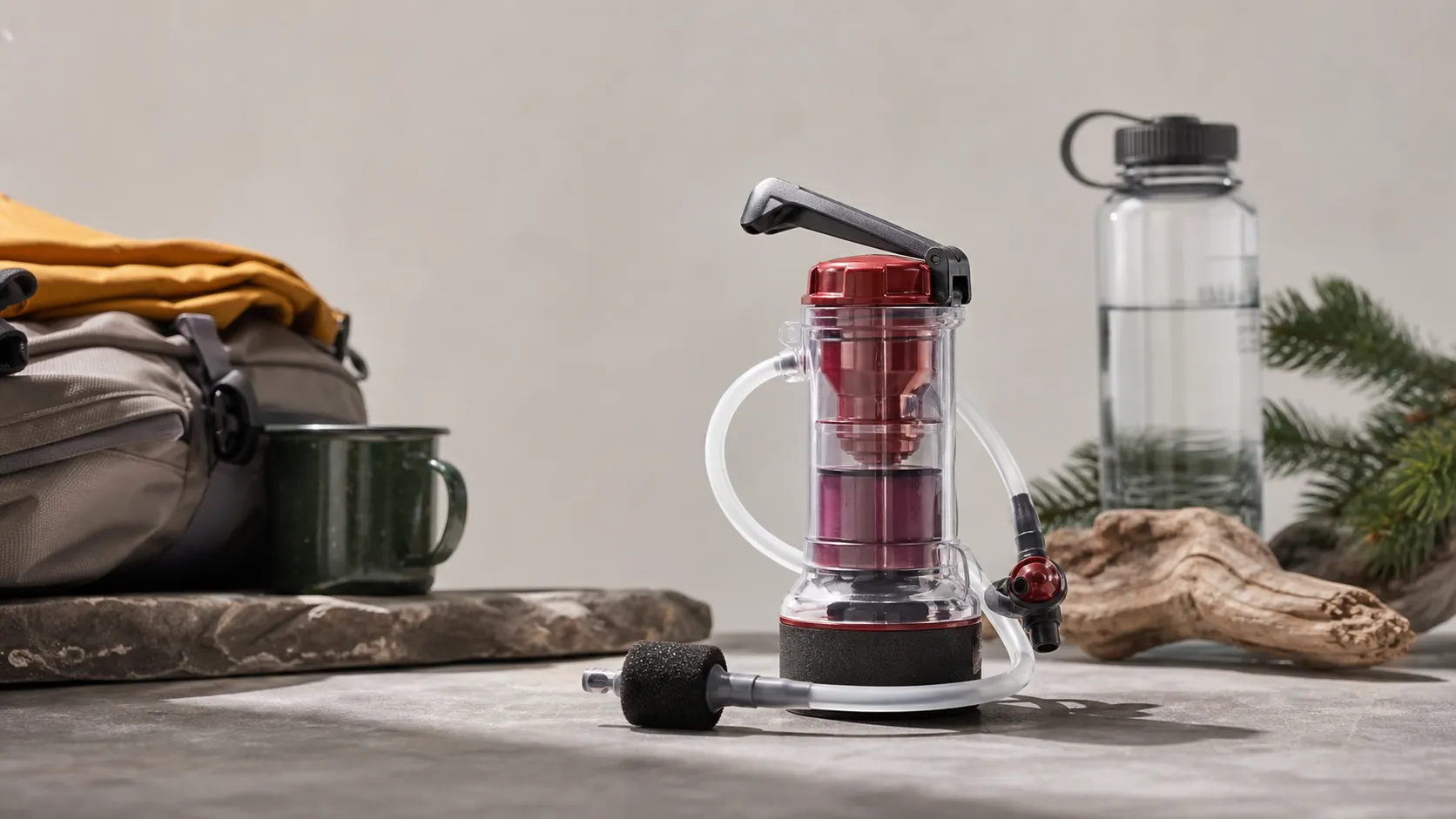
MSR Guardian Purifier Review (2026)
A top pick for groups and basecamps — the MSR Guardian Purifier delivers exceptional flow and durability but carries a high price and weight penalty.
 Outdoor & Garden
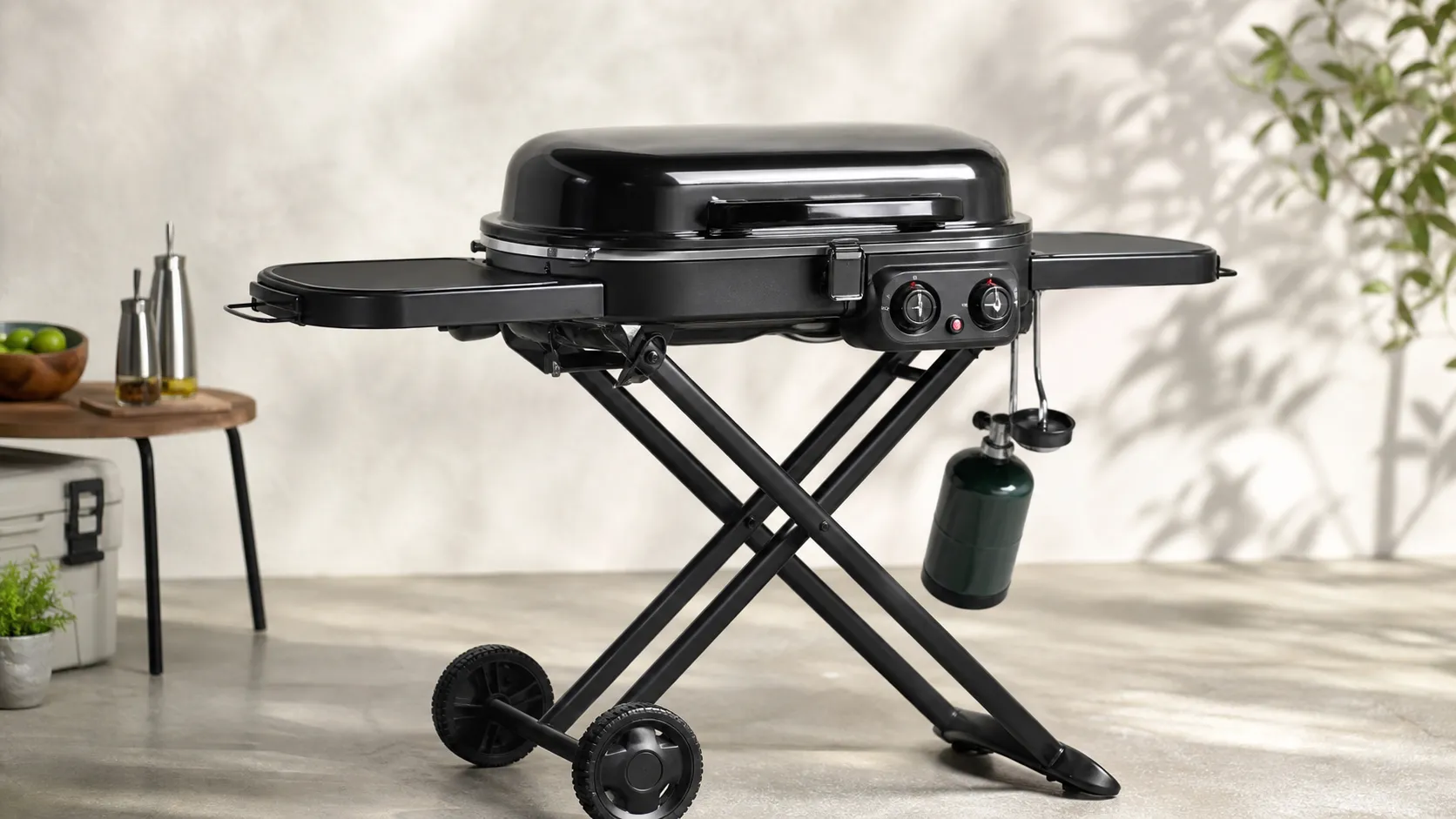
Coleman RoadTrip 285 Portable Propane Grill Review 2026
Portable, quick to heat, and great value — the Coleman RoadTrip 285 is ideal for tailgates and camping, but expect hotspots and some plastic parts to limit heavy use.
 Outdoor & Garden
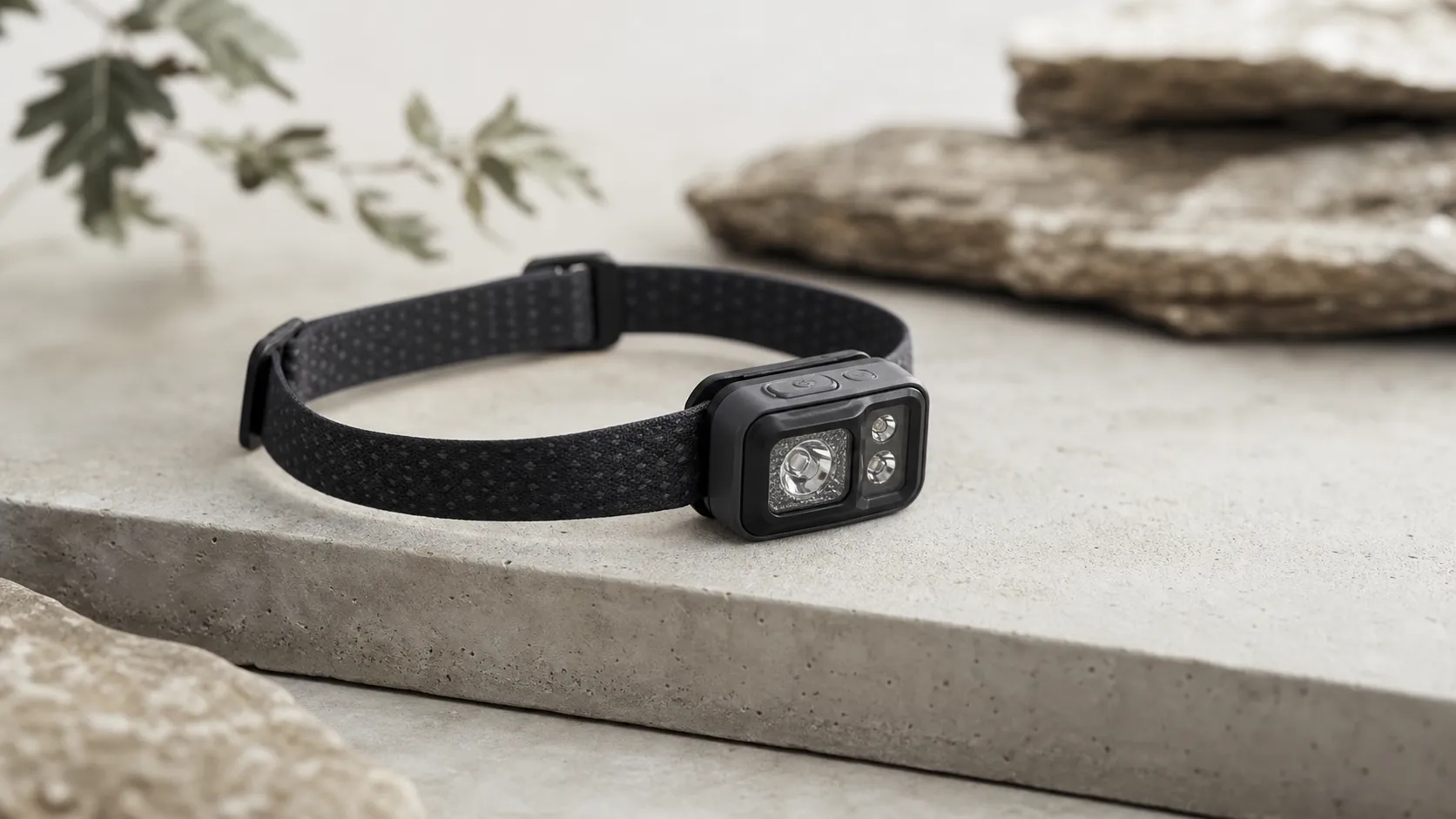
Black Diamond Spot 400‑R Headlamp Review 2026
A bright, well‑balanced rechargeable headlamp that excels for trail running and hiking. Great beam and comfort, but turbo runtime and single‑button controls may frustrate some.