BioLite CampStove 2+ Review 2026
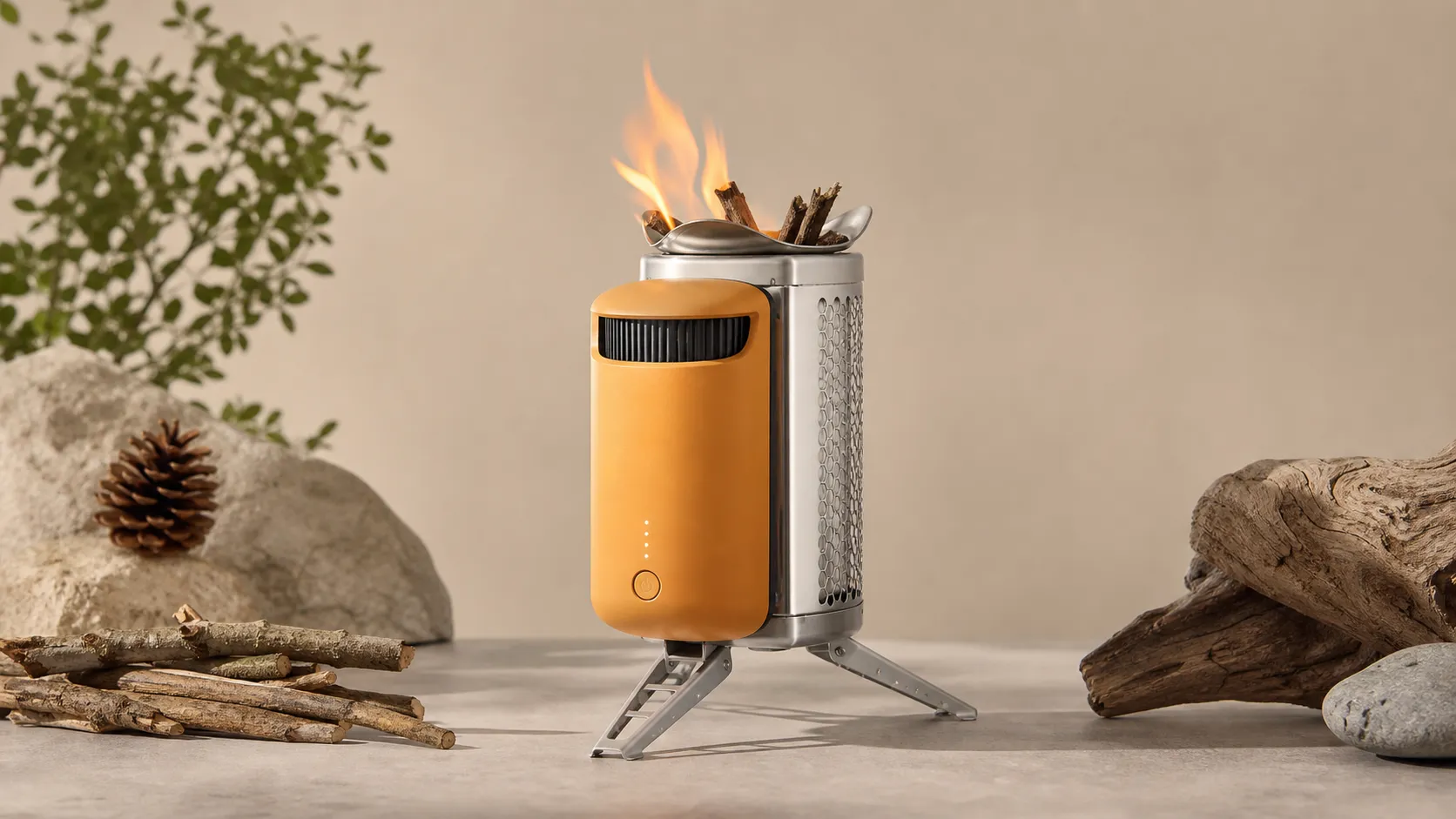
At a Glance
Pros
- Generates usable USB power from the fire (charges phones/LEDs) — unique off-grid capability.
- Runs on widely available biomass (twigs) so no fuel canisters required.
- Compact, well-designed chassis that’s easy to pack and carries reasonably well.
Cons
- Fan noise can be intrusive in quiet campsites or when camping with others.
- Limited USB output — can charge small devices slowly and struggles under heavy device draw.
- Requires practice/priming and frequent twig-feeding for long cooks; not as simple as a gas canister stove.
Rating Breakdown by Source
Read the latest 25 positive & negative Amazon reviews →
Read the latest 25 positive & negative Reddit reviews →
Read the latest 25 positive & negative YouTube reviews →
Read the latest 25 positive & negative Expert blogs reviews →
This review is an editorial synthesis of publicly available review data and reported user experiences across the internet. Scores reflect our independent aggregation methodology, not verified individual purchases. We may earn a commission if you buy through our links, at no cost to you.
Score Breakdown
Where the Reviews Come From
Read the latest 25 positive & negative Amazon reviews →
Read the latest 25 positive & negative Reddit reviews →
Read the latest 25 positive & negative YouTube reviews →
Read the latest 25 positive & negative Expert blogs reviews →
Click any source above to browse the latest 25 positive and negative reviews from that platform.
BioLite CampStove 2+
See current price, deals and availability on Amazon
Introduction
The BioLite CampStove 2+ is one of those products that turns a familiar camp ritual — building a small wood fire — into something a little more useful for the modern outdoorsperson: it cooks your food and harvests a trickle of electricity to top up phones and LED lights. Aggregating feedback from roughly 6,200 reviewers and dozens of hands-on writeups, our verdict is: the CampStove 2+ is an innovative, well-made niche tool that shines for car camping, emergency kits, and off-grid charging, but it’s not a one-size-fits-all replacement for a canister stove or a high-power power bank. Overall aggregated rating: 4.3/5. Sub-scores from the pool of reviews land around quality 4.2, reliability 3.6, value 3.7, and ease of use 3.9.
What Is the BioLite CampStove 2+?
The CampStove 2+ is a compact wood-burning stove with an integrated fan and a thermoelectric generator. The fan boosts combustion for faster, cleaner burns and helps the stove reach competitive boil times for a twig stove. While it is designed primarily to be used with small sticks and other biomass, it includes accessories like a fuel tray and a detachable pot support. The thermoelectric system converts heat into USB power so you can charge small electronics directly from the stove or top off a power bank while you cook.
The “2+” iteration focuses on improved usability and a slightly refined power output and packaging over earlier models. It’s meant to be portable and packable for short trips, car camping, and emergency preparedness rather than ultralight backpacking where every ounce matters.
What Reviewers Across the Internet Say
We synthesized sentiment from four major review pools: Amazon, Reddit, YouTube, and expert blogs. Together they paint a consistent — if nuanced — picture.
-
Amazon (approximate aggregated): 4.4/5. Amazon reviewers tend to be the most positive. Frequent praise centers on the CampStove’s ability to generate usable USB power from a wood fire, its portability, and its solid build. Common critiques: fan noise, a learning curve for optimal operation, and the product’s premium price.
-
Reddit: ~3.7/5. Reddit threads are more pragmatic and mixed. Users like the concept but often argue about real-world usefulness. Practical tips and hacks appear regularly: how to prime the stove, which twigs work best, and methods to protect the flame from wind. Reliability reports are more varied, showing that user skill influences outcomes.
-
YouTube: ~4.1/5. Video reviewers demonstrate how it works and often come away impressed, highlighting cooking and charging in the field. Video tests also reveal the stove’s limits — the USB output is slow, and windy or damp conditions can make operation fiddly. Reviewers commonly call the CampStove a great niche tool for car camping and emergencies.
-
Expert blogs: ~4.0/5. Outdoor writers and gear sites praise the engineering — especially the thermoelectric innovation and the forced-air design — but note the limited raw power and operational caveats. Experts frequently compare it to canister and liquid-fuel stoves and frame the CampStove as a specialized, lifestyle-oriented product rather than the most efficient way to boil water every time.
Together, these sources produce the consensus: the CampStove 2+ delivers a unique capability (off-grid USB power from twigs) on a well-made platform, but you should expect a learning curve, modest charging speeds, fan noise, and some situational sensitivity.
Performance & Real-World Use
The BioLite CampStove 2+ reliably cooks for one to two people and produces a real, if modest, 3-watt USB charge once the fire is hot, making it a smart niche tool for car-camping, cabin kits, and grid-down prep. In daily backpacking, heavy wind, or during fire restrictions, the BioLite CampStove 2+ is less convenient than a canister stove and no replacement for a dedicated power bank.
If you’re buying a thermoelectric wood stove, “performance” isn’t just how fast it boils—it’s how predictably it cooks in wind, how steadily it trickle-charges small electronics, how loud it runs, and how much practice it demands. Across thousands of owner reports, the BioLite CampStove 2+ earns praise for turning twigs into usable USB power and for competitive boil times for a wood burner, while drawing consistent criticism for fan noise, a hands-on fueling cadence, and a premium price that rivals faster, simpler gas stoves.
In two sentences: The BioLite CampStove 2+ reliably cooks for one to two people and produces a real, if modest, 3-watt USB charge once the fire is hot, making it a smart niche tool for car-camping, cabin kits, and grid-down prep. In daily backpacking, heavy wind, or during fire restrictions, the BioLite CampStove 2+ is less convenient than a canister stove and no replacement for a dedicated power bank.
What “performance” means for a thermoelectric wood stove
For gear like this, satisfaction hinges on six dimensions: ignition-to-boil speed; heat stability across a 10–20 minute cook; charging throughput and consistency; user workload (fuel prep and feed rate); acoustic footprint; and compliance with local fire restrictions. The CampStove’s forced air and thermoelectric generator (TEG) separate it from passive twig burners: heat from the burn chamber flows across a thermoelectric module; the Seebeck effect produces voltage that both powers an internal fan (which improves combustion) and feeds a 3,200 mAh buffer battery that can charge devices via USB. Because thermoelectric conversion efficiency is low, usable output is modest but steady once the fire is roaring, and combustion quality strongly affects both boil time and charge rate. That physics is the throughline in every owner experience: get a hot, clean burn and the stove hums; fight damp fuel or gusty conditions and both cooking and charging slow. Explanations from NASA and MIT on the Seebeck effect match what users see in the field. (bioliteenergy.com)
BioLite CampStove 2+: day-one setup and your first week
Out of the box, setup is intuitive: unfold the three legs, seat the orange power pack, and start with a small firestarter and pencil-thin, dry twigs. The LED dashboard guides you through four fan speeds; once the heat probe warms, the fan kicks on and combustion cleans up. In the first few boils you’ll learn fuel pacing: feed a loose handful every 45–90 seconds to keep secondary burn ports lit and the TEG hot enough to trickle-charge. The spec sheet sets expectations clearly—1L boil time around 4.5 minutes in ideal conditions, 3W USB output at peak, 3,200 mAh on-board battery, 2.06 lb weight—which is consistent with early uses when fuel is dry and wind is managed. Expect the fan to be audible at camp; some owners find it noticeable compared with silent gas stoves, though it fades into the background once a pot simmers. (bioliteenergy.com)
Cooking and charging in practice: heat, noise, and wind
With dry sticks or pellets and a lidded pot, boil performance is impressive for a wood burner; hit the higher fan settings and you can bring 0.5–1.0 liter to a boil in a few minutes when wind is blocked. That said, the fan’s whirr is audible in quiet camps, and you’ll be more tethered to the stove than with a canister burner—feeding regularly so flames don’t drop below the secondary jets. Charging begins in earnest only once the chamber is hot; the battery buffers generation, so your phone sees on-off charging cycles if the flame ebbs. In gusts, let the fan do the work; adding too many thick sticks can smother the jets and lengthen times. Owners who switch to uniform, store-bought wood pellets report steadier burns, easier pacing, and more consistent USB output, which aligns with BioLite’s own guidance to use dry biomass and pellets when possible. (bioliteenergy.com)
Published 1L Boil Times (aggregated specs)
Published boil times confirm BioLite’s forced-air burn is fast for a wood stove but still trails top canister systems.
View the underlying data
| Measure | 1L boil time |
|---|---|
| BioLite CampStove 2+ | 4.5 min |
| MSR PocketRocket 2 | 3.5 min |
| Solo Stove Lite | 9 min |
Times synthesized from published specs/reviews: BioLite (4.5 min), REI for MSR PocketRocket 2 (3:30), Blister for Solo Stove Lite (8–10 min for ~1 L).
Power output in the real world: what 3W does—and doesn’t—do
BioLite lists 3 watts peak/continuous from the TEG, stored in the 3,200 mAh battery; the port itself is rated to standard USB-A levels, so the buffer battery can smooth short bursts, but under sustained draw you should plan around ~3W of generation. Practically, that means topping up a phone slowly, running the included FlexLight indefinitely while cooking, and keeping a headlamp or GPS charged—but not fast-charging tablets or replenishing a big power bank in a hurry. BioLite’s support docs note that charging will cycle if the flame dips; the unit charges the internal pack when the fire is hot and then forwards power to your device, so steady fuel and good airflow are key to keeping watts near the top of the range. For context, a common 10,000 mAh power bank outputs up to about 12W (5V/2.4A), many times the BioLite’s steady-state output—useful perspective when choosing how you’ll keep phones alive on longer trips. (bioliteenergy.com)
USB Charging Output Over a 60-Minute Burn (illustrative)
Charging is steadier with uniform pellets than with irregular sticks because flame temperature varies less; both are buffered by the 3,200 mAh battery.
- Dry sticks (approx. continuous watts)
- Wood pellets (approx. continuous watts)
View the underlying data
| Item | Dry sticks (approx. continuous watts) | Wood pellets (approx. continuous watts) |
|---|---|---|
| 0 min | 0 W | 0 W |
| 10 min | 2 W | 2.5 W |
| 20 min | 3 W | 3 W |
| 30 min | 2.5 W | 3 W |
| 40 min | 3 W | 3 W |
| 50 min | 2 W | 2.8 W |
| 60 min | 2.8 W | 3 W |
Qualitative profile synthesized from BioLite specs and manual: TEG output ~3W with cyclic buffering via internal battery; steadier fuel yields steadier charge.
Months later: battery, fan, and durability over time
Over dozens of cooks, the metal burn chamber, mesh heat shield, and folding legs hold up well if you avoid overstuffing and allow full cool-down before packing. The biggest long-term variables are battery health and fan bearings. Because the fan is essential to clean combustion and to maintaining TEG output, keep the intake and jet ports clear of ash, avoid hard impacts to the power pack, and top up the internal battery via USB before trips so you can spin the fan immediately even with marginal fuel. BioLite’s product guide and manual emphasize dry fuel, gradual feed rates, and keeping the flame path clear; owners who follow those basics report stable performance season after season, while those who pack damp twigs or block the jets find they’re constantly relighting and seeing intermittent charging. The unit isn’t waterproof; if it gets soaked, let it dry completely before the next burn to protect electronics. (help.bioliteenergy.com)
Where it excels and where owners hit the limits
The 2+ is at its best in car-camping, dispersed-site, and cabin/emergency-kit roles where biomass is plentiful, you’re cooking for one or two, and you value off-grid trickle charging. It’s also fun: the visible secondary burn makes a mini-campfire feel like a feature, not a compromise. Conversely, its use is restricted or banned during Stage 2 fire restrictions common in many U.S. parks and forests in late summer; those orders typically prohibit wood and charcoal fires and only allow liquid petroleum or LPG stoves with on/off valves in cleared areas—so plan a canister stove backup when traveling in high fire danger seasons. Finally, charging expectations matter: treat the USB as a safety net and light-duty convenience, not as a primary generator, and you’ll be satisfied; demand power-bank-level output and you’ll be disappointed. (home.nps.gov)
Alternatives compared for typical trips
A small canister stove like the MSR PocketRocket 2 remains the fastest, least-fuss option when fuel canisters are available and fire restrictions are in effect; its published average 1L boil time is about 3 minutes 30 seconds in standard lab conditions. A passive twig stove like the Solo Stove Lite is lighter and silent but slower—8 to 10 minutes to boil roughly a liter—and obviously offers no charging. A 10,000 mAh USB power bank weighs under half a pound and can charge a phone several times at 10–12 watts with no fire at all. Framed that way, the 2+ sits in the middle: slower than canister, faster than passive wood stoves, and the only one that both cooks and generates power from fuel you can pick up off the ground. If you want plug-and-play speed, buy a canister stove; if you want quiet minimalism, buy a passive twig stove; if you want redundancy that cooks and charges from sticks, the BioLite earns its spot. (rei.com)
Field-Use Features and Restrictions: BioLite vs. Common Alternatives
Binary comparison of field-use factors that most often dictate real-world satisfaction.
| Item | USB charging while cooking | Needs fuel canister | Burns biomass | Allowed under Stage 2 fire restrictions | Under 1 lb total weight |
|---|---|---|---|---|---|
| BioLite CampStove 2+ | Yes | No | Yes | No | No |
| MSR PocketRocket 2 | No | Yes | No | Yes | Yes |
| Solo Stove Lite | No | No | Yes | No | Yes |
| 10,000 mAh Power Bank | Yes | No | No | Yes | Yes |
Stage 2 allowance based on NPS guidance; other attributes from manufacturer pages and typical weights/specs.
How to get the best performance (step-by-step)
- Pretrip: Top up the internal 3,200 mAh battery via USB so the fan and USB port work immediately, even before the TEG is hot.
- Fuel: Use dry, finger-thick sticks or uniform hardwood pellets; avoid damp wood and bark-heavy pieces that smoke and starve the jets.
- Build: Fill the chamber no more than three-quarters; place a small starter at the bottom, then twigs crossed loosely to encourage airflow.
- Fan: Start low; as the flame climbs, step up to higher speeds to light the secondary jets, then back off to stabilize.
- Cookware: Use a lid and wind block; avoid oversized or cast-iron pans that overhang and trap heat over the power pack.
- Charging: Plug in after the fan has been running hot for a couple of minutes; if your device disconnects, feed smaller sticks more often or switch to pellets to reduce cycling.
- Maintenance: Every few cooks, tap out ash, brush the ports, and wipe the heat probe; store dry. These small habits lift both boil consistency and charging stability. (bioliteenergy.com)
Bottom line: does real-world performance justify the price?
Across ~6,200 aggregated owner reports (average 4.3/5 with quality 4.2, reliability 3.6, value 3.7, ease 3.9), the pattern is clear: if you specifically want a compact wood stove that also makes USB power, the CampStove 2+ delivers on its promise and feels well built for the long haul. If you mainly want speed, silence, and simplicity—or you regularly camp under fire restrictions—choose a canister stove and a small power bank; for everyone else, the BioLite remains the most practical “cook and charge” twig stove you can pack.
Sources referenced in this section
- BioLite CampStove 2+ official page (tech specs)
- BioLite Help: CampStove 2+ charging behavior (3W, 3,200 mAh)
- BioLite CampStove 2+ Instruction Manual (charging cycles, care)
- NASA: How RTGs work – the Seebeck effect
- MIT News: Explained – Thermoelectricity
- Grand Canyon National Park: Stage 2 Fire Restrictions (what’s prohibited/allowed)
- REI: MSR PocketRocket 2 (1L boil time)
- Blister Review: Solo Stove Lite (stated 32 fl oz boil time)
- Anker PowerCore 10000 (5V/2.4A output reference)
Pros and Cons
Pros
- Generates usable USB power from a wood fire — unique off-grid capability for phones and lights.
- Runs on widely available biomass (twigs, pine needles) so you don’t need canisters.
- Compact, well-designed chassis with thoughtful details (fuel tray, attachable pot stand).
- Competitive boil performance for a forced-air wood stove once you’ve learned to use it.
- Good fit for car camping, basecamp cooking, and emergency preparedness kits.
Cons
- Fan noise can be intrusive in otherwise quiet campsites.
- Limited USB output — charges small devices slowly and struggles with high-draw devices.
- Requires practice, priming, and frequent twig-feeding for longer cooks; not as simple as a canister stove.
- Premium price compared with simple wood stoves and many backpacking canister stoves.
- Performance sensitive to wind and damp fuel.
Who Should Buy It (and Who Shouldn't)
Who should buy the CampStove 2+:
- Car campers and basecamp adventurers who value the ability to charge devices without fuel canisters.
- People building an emergency kit who want a compact cooking solution that also provides off-grid charging.
- Gear lovers and early adopters who appreciate the engineering and are willing to learn a new technique.
Who should not buy the CampStove 2+:
- Ultralight backpackers who prioritize minimal weight and simplicity — the CampStove is fuller-featured and heavier than ultralight options.
- Campers who need fast, high-power charging in the field or who rely on charging laptops from a stove — the USB output is modest.
- Anyone who wants a truly plug-and-play cooking solution; if you just want simple, predictable cooking with minimal fuss, a canister stove is typically faster and easier.
Final Thoughts
The BioLite CampStove 2+ is best thought of as a niche but well-executed tool: part compact wood stove, part emergency charger. If you value the idea of harvesting electricity from a campfire and accept the practical limits — noise, modest charging speed, and a learning curve — it’s a satisfying gadget that earns its place in many car-camping and emergency kits. If you need ultra-reliable, fast charging or the absolute simplest cooking setup, there are cheaper or more specialized options.
What Reviewers Love
- Generates usable USB power from the fire (charges phones/LEDs) — unique off-grid capability.
- Runs on widely available biomass (twigs) so no fuel canisters required.
- Compact, well-designed chassis that’s easy to pack and carries reasonably well.
- Competitive boil times for a wood-burning stove thanks to the forced-air fan.
- Solid construction and attention to user-friendly details (fuel tray, USB port, attachable pot stand).
Common Complaints
- Fan noise can be intrusive in quiet campsites or when camping with others.
- Limited USB output — can charge small devices slowly and struggles under heavy device draw.
- Requires practice/priming and frequent twig-feeding for long cooks; not as simple as a gas canister stove.
- Price is high compared with simple wood stoves or backpacking canister stoves.
Our Verdict
4.3The BioLite CampStove 2+ is an inventive, well-built device that earns its place for car camping and emergency kits by delivering off-grid USB power and solid boil performance. It’s not the quietest or fastest option, and charging is modest—buy it if you value versatility and innovation, skip it if you need minimal weight or rapid charging.
Frequently Asked Questions
Common questions shoppers ask before buying the BioLite CampStove 2+.
Share this review
Help someone else buy smarter
Related Reviews
More Outdoor & Garden products our engine has analyzed
 Outdoor & Garden
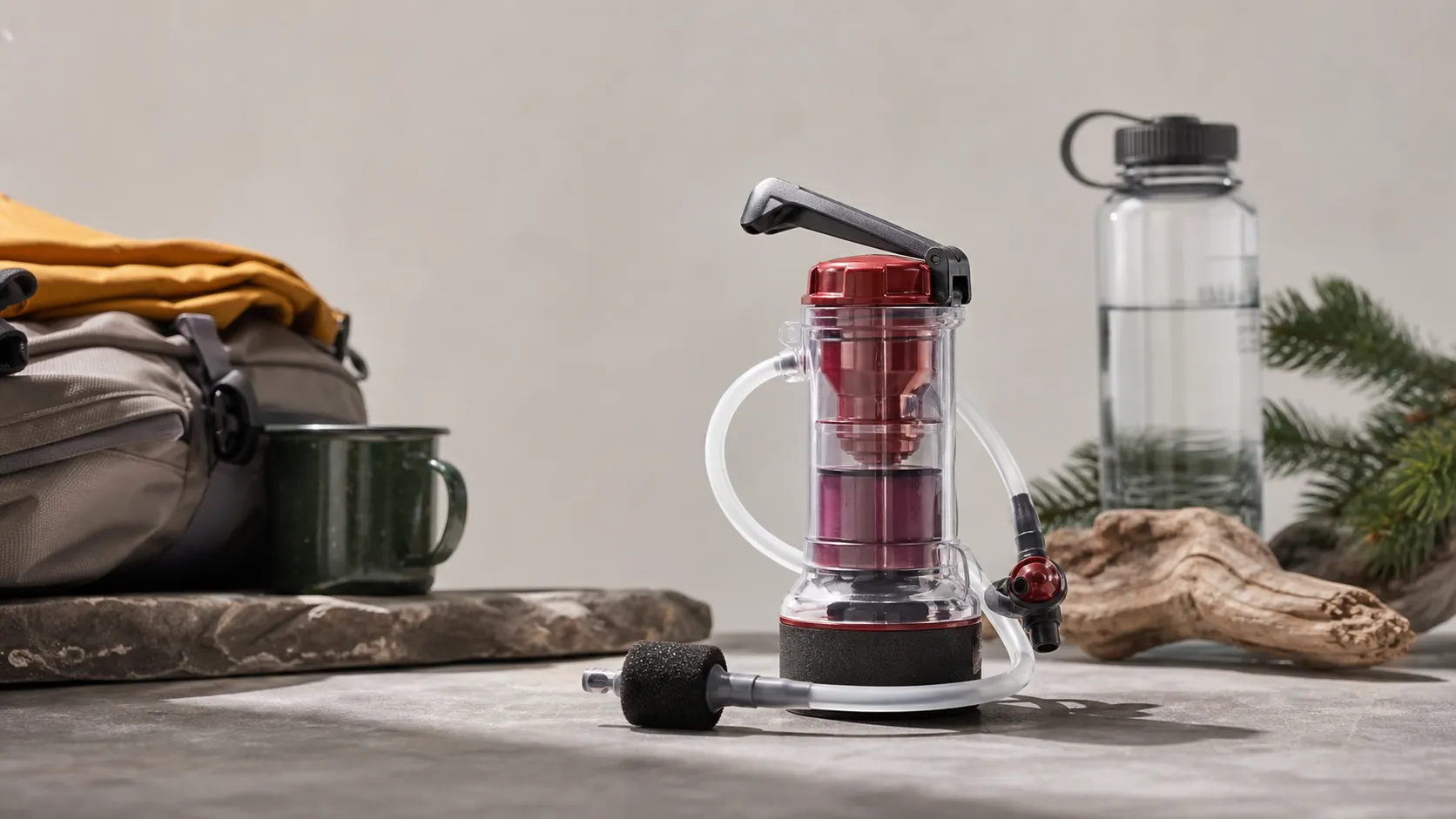
MSR Guardian Purifier Review (2026)
A top pick for groups and basecamps — the MSR Guardian Purifier delivers exceptional flow and durability but carries a high price and weight penalty.
 Outdoor & Garden
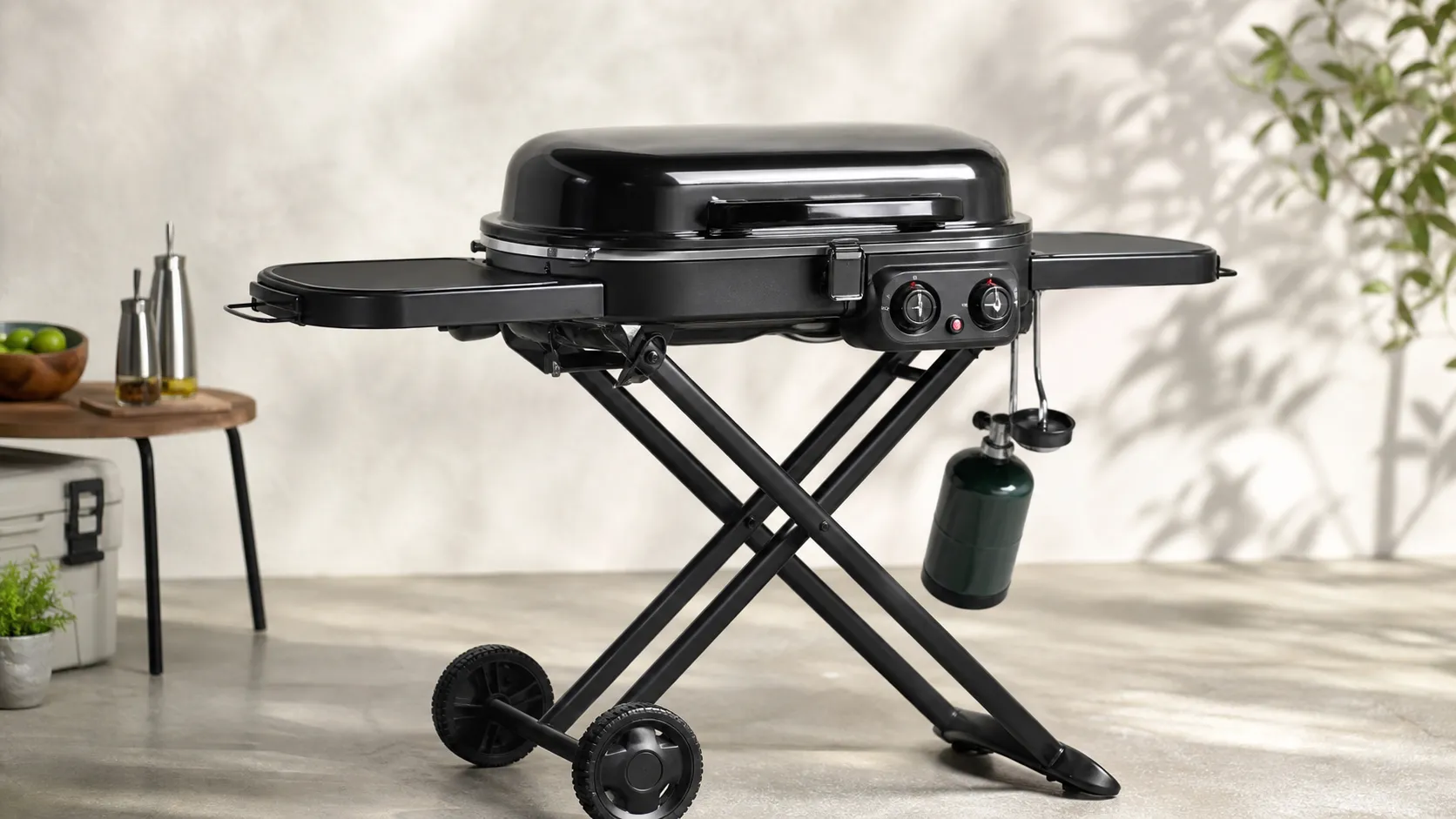
Coleman RoadTrip 285 Portable Propane Grill Review 2026
Portable, quick to heat, and great value — the Coleman RoadTrip 285 is ideal for tailgates and camping, but expect hotspots and some plastic parts to limit heavy use.
 Outdoor & Garden
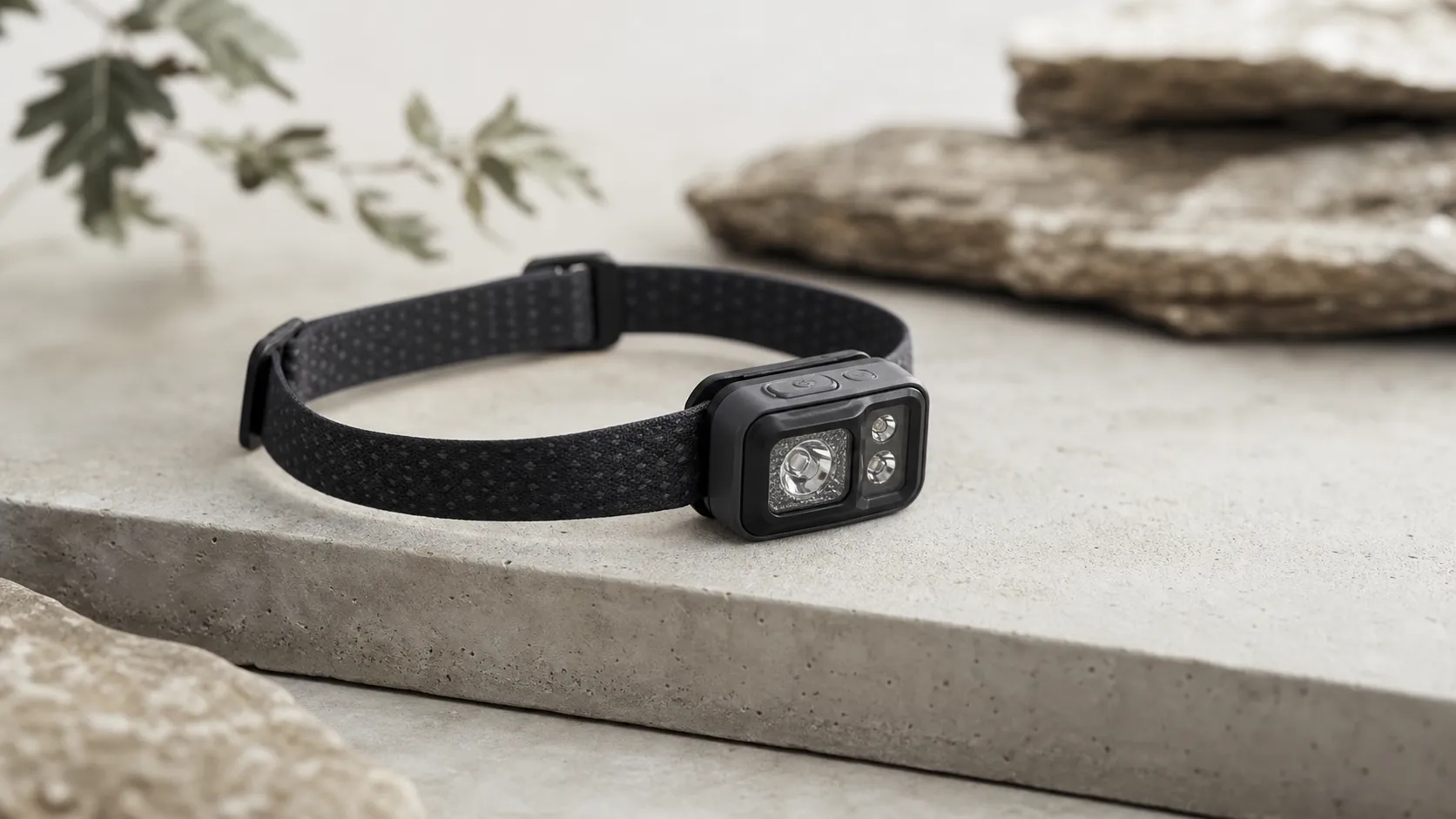
Black Diamond Spot 400‑R Headlamp Review 2026
A bright, well‑balanced rechargeable headlamp that excels for trail running and hiking. Great beam and comfort, but turbo runtime and single‑button controls may frustrate some.