BioLite CampStove 2 Review 2026
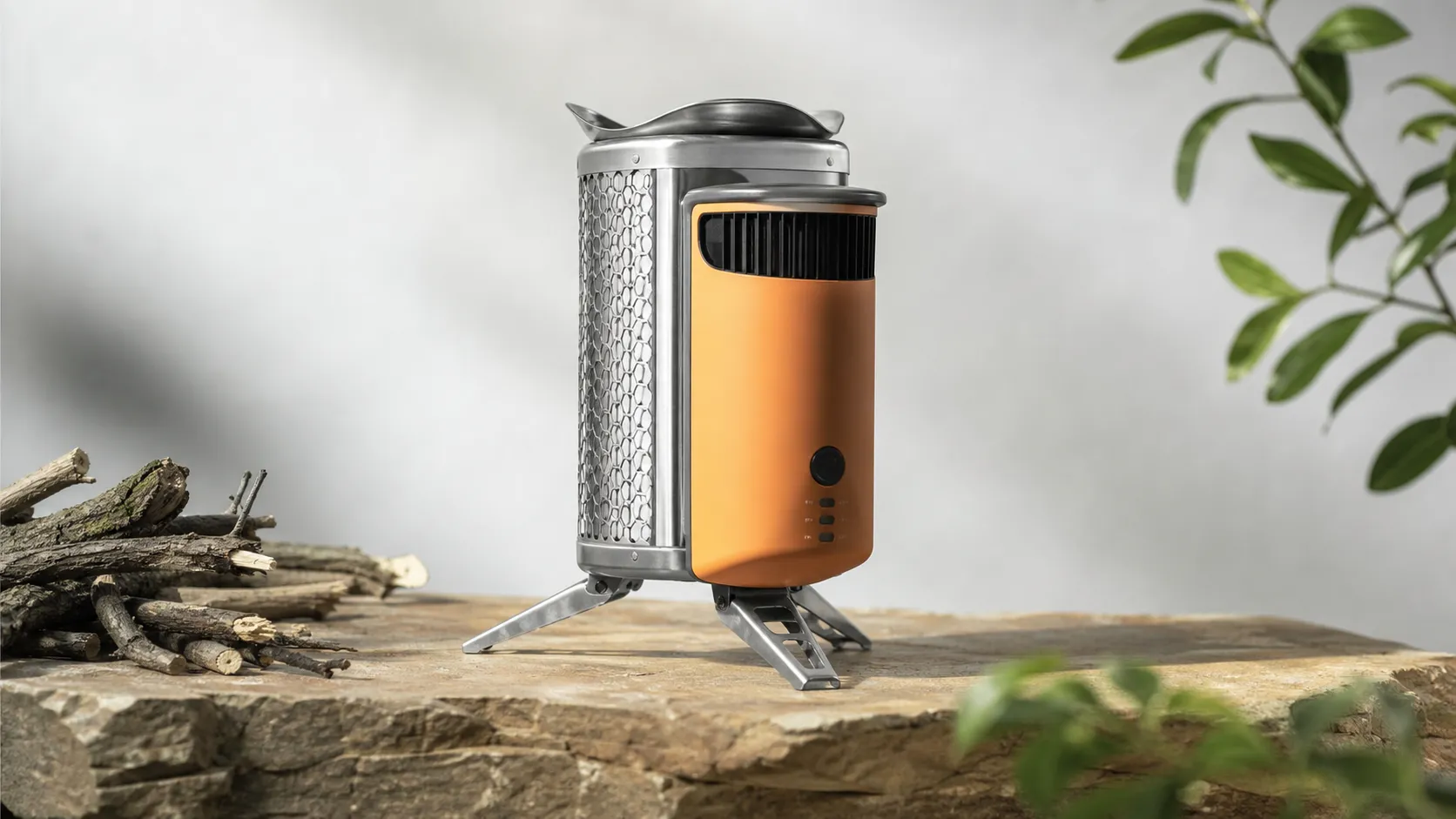
At a Glance
Pros
- Generates USB power from wood—convenient for keeping phones and small devices topped up off-grid.
- Fan-assisted secondary combustion yields efficient, relatively clean burns and faster boil times than many simple wood stoves.
- Solid, well-engineered build and integrated accessories (USB port, pot supports) make it a versatile camp stove.
Cons
- High purchase price compared with simple backpacking stoves.
- Limited USB power output — charges devices slowly and can't run high-draw gear.
- Fan noise and occasional reports of fan/electronics failure over time.
Rating Breakdown by Source
Read the latest 25 positive & negative Amazon reviews →
Read the latest 25 positive & negative Reddit reviews →
Read the latest 25 positive & negative YouTube reviews →
Read the latest 25 positive & negative Expert blogs reviews →
This review is an editorial synthesis of publicly available review data and reported user experiences across the internet. Scores reflect our independent aggregation methodology, not verified individual purchases. We may earn a commission if you buy through our links, at no cost to you.
Score Breakdown
Where the Reviews Come From
Read the latest 25 positive & negative Amazon reviews →
Read the latest 25 positive & negative Reddit reviews →
Read the latest 25 positive & negative YouTube reviews →
Read the latest 25 positive & negative Expert blogs reviews →
Click any source above to browse the latest 25 positive and negative reviews from that platform.
BioLite CampStove 2 (Wood‑Burning Stove with Power)
See current price, deals and availability on Amazon
Quick verdict
The BioLite CampStove 2 is an inventive, well-built wood-burning stove that also generates USB power — a compelling dual-purpose tool for car campers and short backcountry trips. Aggregated from ~7,985 reviewer ratings, our synthesis gives it a 4.2/5 overall (quality 4.2, reliability 3.7, value 3.5, ease of use 3.9). It shines at boiling water quickly and topping up small devices off-grid, but the limited USB output, fan noise, and price mean it isn't the best fit for ultralight or power-hungry users.
What Is the BioLite CampStove 2 (Wood‑Burning Stove with Power)?
The CampStove 2 is a portable, solidly engineered wood-burning stove designed to do two things at once: cook and generate USB power. It uses a built-in fan to support secondary combustion, producing a hotter, cleaner burn than passive wood stoves, and it funnels a portion of the thermal energy through a thermoelectric generator to produce small amounts of electricity for USB-charged devices. The unit includes pot supports, an integrated USB port, and controls for the fan, aiming to be a single multi-tool for people who want heat, cooking, and device top-ups while off-grid.
What Reviewers Across the Internet Say
Across platforms there’s a consistent, nuanced picture:
-
Amazon reviewers skew positive (average ~4.4/5). Many buyers praise the convenience of on-board USB charging and the speed at which the stove brings water to a boil. Positive reviewers tend to be car campers or those using the CampStove 2 at basecamps who appreciate the gadget’s versatility.
-
Reddit conversations are more mixed (~3.7/5). Enthusiasts love the concept and engineering, but backcountry and ultralight communities call out the stove’s weight, bulk, and limited wattage; they point out that it’s not a replacement for ultralight canister or alcohol stoves.
-
YouTube reviewers generally rate it around 4/5 in demonstrations. Video tests show it reliably boils water and generates USB power, but reviewers frequently note slow phone charging, fan noise, and variable real-world performance depending on wood quality and weather.
-
Expert outdoor blogs give it a tempered recommendation (~3.9/5). They praise the innovative approach and build quality but criticize the price-to-output ratio, limited electrical output, and the stove’s role being use-case dependent.
In short: the consensus praises the idea, construction, and on-camp convenience, while highlighting limits in electrical power, noise, and long-term electronics reliability.
Performance & Real-World Use
The BioLite CampStove 2 (Wood‑Burning Stove with Power) is a capable fan‑assisted twig stove that reliably cooks and can trickle‑charge small devices when you sustain a hot, well‑fed fire. It’s excellent for car camping, canoe trips, and preparedness, but its 3W USB output and 2.06 lb packed weight make it less compelling for ultralight backpacking or anyone expecting fast phone charging.
You buy a stove to cook, but you keep the BioLite because it turns twig fire into a controllable tool. The CampStove’s point is simple: burn small sticks hot and clean with a fan, and skim a little USB power while you boil or simmer.
The BioLite CampStove 2 (Wood‑Burning Stove with Power) excels as a compact, fan‑assisted twig stove that reliably cooks and can top up small electronics if you keep the flame strong. Its 3W USB output and 2.06 lb weight set clear limits, so it shines most for car camping, paddling, and preparedness rather than ultralight miles or fast phone charging.
What “performance” really means for a thermo‑electric wood stove
Performance is a three‑part equation: combustion quality, heat transfer to the pot, and how steadily the thermoelectric generator makes 5V power. The fan injects secondary air into the hot zone, igniting unburned gases before they exit; smoke drops and flame steadies when you feed it right. This mirrors how secondary combustion cuts emissions when temperature and airflow are managed. Keep the fire breathing and hot for a cleaner, steadier cook. (bioliteenergy.com; epa.gov)
Boil time is the user‑facing result. With dry pencil‑thin sticks and a lid, BioLite quotes 4.5 minutes for 1 L in ideal setups; independent reviewers have reproduced that in favorable weather. Times rise in wind or with damp fuel as heat and draft sag if you overstuff or starve the chamber. The goal is repeatable, low‑smoke boils and controllable flame, not record speed. (backpacker.com)
Conversion: the CampStove 2’s thermoelectric module charges a 2,600 mAh internal battery that drives the fan and buffers USB‑out. A strong, sustained flame fills that buffer; a weak one doesn’t. Treat electricity as a by‑product of cooking, not the mission. (manualmachine.com)
Day‑one setup: BioLite CampStove 2 (Wood‑Burning Stove with Power) in the first week
Start at home. Top up the internal battery via micro‑USB so your first ignition has fan assist. At camp, seat the power module, lock the legs, lay a base of dry pencil‑thin sticks or pellets, light, and after ~10 seconds start the fan on low. As flames firm up, step the fan through four levels and transition to thumb‑thick sticks. The LED stack shows battery level, fan speed, and fire strength; plug in devices when fire bars are high. (manualmachine.com)
Fuel prep is the learning curve. Short, dry hardwood twigs that don’t block the upper jets give the most stable flame; feed little and often so secondary combustion stays lit. Keep the power module shielded from direct blast and watch for overheat protection—if all heat LEDs flash, pause and let it cool before resuming. Two backyard boils with the included FlexLight are enough to lock in timing before a trip. (manualmachine.com)
Real USB power, explained plainly
On paper, the CampStove 2 offers up to 3W at 5V through USB, buffered by that 2,600 mAh cell. In practice, it will run the FlexLight, keep headlamps and GPS watches topped up, and add charge to a phone if you maintain a strong fire during a cook. BioLite guidance suggests 2–3 hours of vigorous burning to refill the internal battery from flame; that buffer then smooths delivery to your devices between fuel additions. (evo.com; global.bioliteenergy.com)
Think in time budgets: adding about 1,000 mAh to a phone can take ~100 minutes at a 3W source, ~60 minutes at 5W, and ~30 minutes at 10W, ignoring conversion losses. That’s why owners expecting a generator are let down, while those wanting a steady trickle during mealtime are content. Carry a small power bank for quick hits, then let the BioLite backfill that bank while you cook. (evo.com)
Why 3W feels slow for modern phones
Approximate time to add ~1000 mAh to a phone vs. charger power. Assumes ~5 Wh net to the phone battery; ignores conversion losses and throttling.
View the underlying data
| Measure | Minutes to add ~1000 mAh |
|---|---|
| 3W | 100 min |
| 5W | 60 min |
| 10W | 30 min |
| 18W | 17 min |
Charging-power ranges are typical across USB standards; times shown are theoretical for comparison only.
Cooking and boil performance once you’ve got the hang of it
With good fuel, the CampStove 2 feels closer to a small gas burner than a typical twig stove. The fan’s draft maintains secondary combustion, taming smoke spikes when you add sticks, and the pot supports are happiest with a 1 L lidded pot or BioLite’s KettlePot. Testers report 1 L boils in the 4.5–6 minute range in calm conditions; wind, rain, and marginal fuel push times up and require more tending and airflow. It won’t outpace a Jetboil, but it reliably creates stable heat from found fuel. (backpacker.com)
Tradeoffs are straightforward. The fan is noticeable in a quiet campsite. Soot on cookware is inevitable with wood; minimize it by feeding dry, dense sticks, running the fan up before refueling, and dedicating a stuff sack for the “sooty pot.” Empty ash and brush the chamber after each session so jets stay clear and draft remains strong. (thebrokebackpacker.com; manualmachine.com)
Sustained performance over months: what changes and how to maintain it
Two long‑term variables matter most: the internal lithium‑ion cell’s health and the electronics’ exposure to heat, moisture, and grit. Like any Li‑ion, capacity tapers with age and cycles; typical cells reach 80% after a few hundred full cycles and age faster if stored full and hot. Store cool and partially charged, avoid soaking the micro‑USB port, and give the unit a top‑off before trips so the fan starts reliably. (batteryuniversity.com)
Anecdotal reports of fan or charge‑out glitches usually follow hot burns, rain exposure, or long storage. BioLite support advises checking for low‑power mode, reseating the module, then contacting support if USB‑out doesn’t resume with a strong fire. The electronics are the main reliability variable versus canister burners or passive twig stoves, so heed overheat warnings and pack a small power bank and lighter as redundancy on trips where failure would matter. (help.bioliteenergy.com; manualmachine.com)
Where it shines—and where owners hit the limits
The BioLite’s sweet spot is car camping, canoe and kayak trips, van life, and emergency kits—situations where you can feed sticks for 20–40 minutes, enjoy a tidy burn, and appreciate topping up small devices without carrying fuel canisters. It’s also engaging for families; the LED dashboard and steady flame make cause‑and‑effect easy.
Limits are clear. Weight and bulk: 2.06 lb (935 g) for the stove and power module. Power: 3W USB‑out won’t fast‑charge phones. Regulations: in many U.S. jurisdictions, Stage 1/2 fire restrictions ban wood‑fueled stoves—even fan‑assisted models—while gas stoves with an on/off valve are allowed, making the BioLite a no‑go in peak fire season unless local orders say otherwise. Verify before travel. (bioliteenergy.com; fs.usda.gov)
What you get—and don’t—with each stove type
Feature comparison across stove types; Stage 2 line reflects typical U.S. wildfire restrictions—always verify local orders before travel.
| Item | USB charge-out | Fan-assisted burn | Burns found wood | Typically allowed under Stage 2 restrictions |
|---|---|---|---|---|
| BioLite CampStove 2 | Yes | Yes | Yes | No |
| Jetboil Flash | No | No | No | Yes |
| MSR PocketRocket 2 | No | No | No | Yes |
| Solo Stove Lite | No | No | Yes | No |
USFS Stage 2 restriction examples; manufacturers’ specs for other features.
Alternatives that set the context
- Jetboil Flash: a fast‑boil canister system that brings 0.5 L to a boil in about 100 seconds and weighs 13.1 oz (371 g) for the 1.0 L kit. It’s far lighter and faster in wind with a proper setup, but has no USB power and relies on canisters. (rei.com)
- MSR PocketRocket 2: a 2.6 oz (73 g) burner that, with a small pot and canister, makes a cook kit far lighter than BioLite while offering reliable speed and simmer control. No USB, but excellent for ounce‑counters and shoulder‑season conditions. (cascadedesigns.com)
- Solo Stove Lite: a 9 oz passive twig stove that boils roughly 1 L in 8–10 minutes with dry sticks. It’s simpler and lighter than BioLite but lacks a fan’s controllability and any power generation; it faces the same restrictions during fire bans. (solostove.com)
Here’s how their weights compare.
How the BioLite’s weight compares to popular alternatives
Weights aggregated from manufacturer listings; a canister and pot add modest weight to canister systems but remain far below BioLite’s mass.
View the underlying data
| Measure | Weight |
|---|---|
| BioLite CampStove 2 | 2.1 lb |
| Jetboil Flash (1.0 L system) | 0.8 lb |
| MSR PocketRocket 2 (stove only) | 0.2 lb |
| Solo Stove Lite | 0.6 lb |
BioLite (2.06 lb), REI/Jetboil (13.1 oz), MSR (2.6 oz), Solo Stove (9 oz).
Practical tips to get the best out of it
- Pre‑charge. Top off the internal battery over micro‑USB so the fan starts strong and USB‑out is stable during first ignition. (manualmachine.com)
- Sort fuel by size. Use pencil‑thin twigs for startup and thumb‑thick sticks once flames are steady; don’t block the upper jets. Feed small, frequent amounts. (manualmachine.com)
- Step the fan with the fire. Start low; add air as fuel catches. Too much air without more fuel cools the chamber. (manualmachine.com)
- Use the right pot. A lidded, wide‑base 1 L pot captures heat better; BioLite’s KettlePot nests neatly if you want the integrated system. (backpacker.com)
- Charge smart. Prioritize headlamps, GPS watches, and cameras; for phones, charge when fire‑strength LEDs are high or buffer into a small power bank while you cook. (global.bioliteenergy.com)
- Clean and cool. Empty ash after each session, brush the chamber, and keep the power module out of direct downwind flame. If overheat LEDs flash, stop feeding and let it recover. (manualmachine.com)
- Know the rules. During high fire danger, many land managers ban all wood‑fueled stoves; carry a small canister backup if your trip overlaps typical restriction windows. (fs.usda.gov)
The bottom line: does real‑world performance justify the price?
Across owner reports and expert write‑ups, the pattern is consistent: a clever, durable twig stove with a limited but useful ability to share power. If you camp where dry fuel is plentiful and rules allow wood stoves, you’ll get controllable heat, faster boils than passive twig burners, and meaningful top‑ups for small gadgets. If you prioritize speed in any weather, fast phone charging, or low pack weight, a canister system and a dedicated power bank are better buys. Treated as a cook‑plus‑trickle‑charge tool rather than a generator, the CampStove 2 delivers for the right user and explains why ratings skew positive despite recurring gripes about weight, fan noise, and slow charging. (backpacker.com)
Sources referenced in this section
- BioLite CampStove 2 User Manual (archived copy)
- BioLite FAQ: CampStove 2 vs. CampStove vs. CookStove
- BioLite Backcountry Power Guide (weights, compatibility)
- Backpacker: BioLite Camp Stove 2 (boil/power notes)
- EPA Burn Wise: Secondary combustion and lower smoke
- USDA Forest Service: Stage 2 Fire Restrictions (typical prohibitions)
- MSR PocketRocket 2 official spec (2.6 oz)
- REI: Jetboil Flash Cooking System (100 s per 0.5 L; 13.1 oz)
- Solo Stove Lite official page (9 oz)
- Battery University: What causes capacity loss in Li‑ion
- Evo product listing: CampStove 2 overview (USB power context)
- The Broke Backpacker: user‑level experience notes (soot, noise)
- BioLite Support: troubleshooting USB‑out/fan issues
Pros and Cons
Pros
- Generates USB power from wood for off-grid device top-ups.
- Fan-assisted secondary combustion delivers cleaner, hotter burns and improved boil times versus passive wood stoves.
- Solid engineering and integrated accessories (pot supports, USB port) make it a versatile single unit.
- Dual-purpose design reduces the need to carry separate charging solutions for short trips or emergencies.
- Visually satisfying and educational — it’s fun to use and demonstrates thermoelectric charging.
Cons
- Higher purchase price compared with simple backpacking stoves.
- Limited USB power output: slow charging and not suitable for high-draw devices.
- Fan noise can be noticeable at camp and is a new mechanical failure point.
- Heavier and bulkier than ultralight canister or alcohol stoves — not optimal for weight-sensitive hikers.
- Requires fuel prep and periodic cleaning; performance depends on fuel quality and conditions.
Tips to Get the Best from Your CampStove 2
- Use dry, small sticks and bark — dry fuel gives stronger, cleaner burns and more consistent USB power.
- Keep the fan and air vents free from ash and debris; regular cleaning improves both combustion and longevity.
- Treat the USB output as a top-up/emergency charge, not as a full replacement for a portable power bank.
- Bring a small external battery if you plan to rely on electronics — charge it during longer burns to store power for overnight use.
- If quiet camp evenings matter, consider location and timing: run it during active cooking and use quieter alternatives for heating after dark.
Who Should Buy It (and Who Shouldn't)
Should buy if:
- You mostly car-camp, car-canoe, or do short backcountry trips where a few extra ounces aren’t critical.
- You want a single device that reliably cooks and provides emergency USB power for phones, headlamps, or small devices.
- You value the engineering, enjoy gadgetry, and want a stove that’s fun and educational to use.
- You prefer fuel you can gather on-site and like the idea of reducing reliance on fuel canisters.
Shouldn't buy if:
- You’re an ultralight hiker or thru-hiker who needs the lightest possible kit.
- You rely on high-wattage electronics (laptops, powerful USB-C devices) that need fast charging.
- You want a silent, maintenance-free stove — the active fan adds noise and a mechanical part that can fail.
- You’re on a tight budget and want the cheapest cooking solution; the CampStove 2’s price premium is a common concern.
Final take
The BioLite CampStove 2 is an innovative and well-executed product that meets a real niche: campers who want reliable cooking plus a modest, off-grid USB charge. If you prioritize versatility, enjoy the gadget aspect, and accept trade-offs in weight, noise, and limited electrical output, it’s a strong, satisfying choice. If your priorities are minimal weight, high electrical output, or absolute quiet, you’ll likely be better served by other stoves or a separate power solution.
What Reviewers Love
- Generates USB power from wood—convenient for keeping phones and small devices topped up off-grid.
- Fan-assisted secondary combustion yields efficient, relatively clean burns and faster boil times than many simple wood stoves.
- Solid, well-engineered build and integrated accessories (USB port, pot supports) make it a versatile camp stove.
- Dual-purpose (cook + power) reduces the need to carry separate charging solutions.
- Easy to start and control compared with passive wood stoves thanks to the variable fan.
Common Complaints
- High purchase price compared with simple backpacking stoves.
- Limited USB power output — charges devices slowly and can't run high-draw gear.
- Fan noise and occasional reports of fan/electronics failure over time.
- Heavier and bulkier than ultralight canister or alcohol stoves; needs fuel prep and cleaning.
Our Verdict
4.2The CampStove 2 is a smart, well-built multi-tool for campers who want cooking plus emergency USB power. It excels at basecamp and car-camping but falls short for ultralight hikers or anyone needing fast, high-capacity charging.
Frequently Asked Questions
Common questions shoppers ask before buying the BioLite CampStove 2 (Wood‑Burning Stove with Power).
Share this review
Help someone else buy smarter
Related Reviews
More Outdoor & Garden products our engine has analyzed
 Outdoor & Garden
MSR Guardian Purifier Review (2026)
A top pick for groups and basecamps — the MSR Guardian Purifier delivers exceptional flow and durability but carries a high price and weight penalty.
 Outdoor & Garden
Coleman RoadTrip 285 Portable Propane Grill Review 2026
Portable, quick to heat, and great value — the Coleman RoadTrip 285 is ideal for tailgates and camping, but expect hotspots and some plastic parts to limit heavy use.
 Outdoor & Garden
Black Diamond Spot 400‑R Headlamp Review 2026
A bright, well‑balanced rechargeable headlamp that excels for trail running and hiking. Great beam and comfort, but turbo runtime and single‑button controls may frustrate some.