Black Diamond Spot 400 Headlamp Review 2026
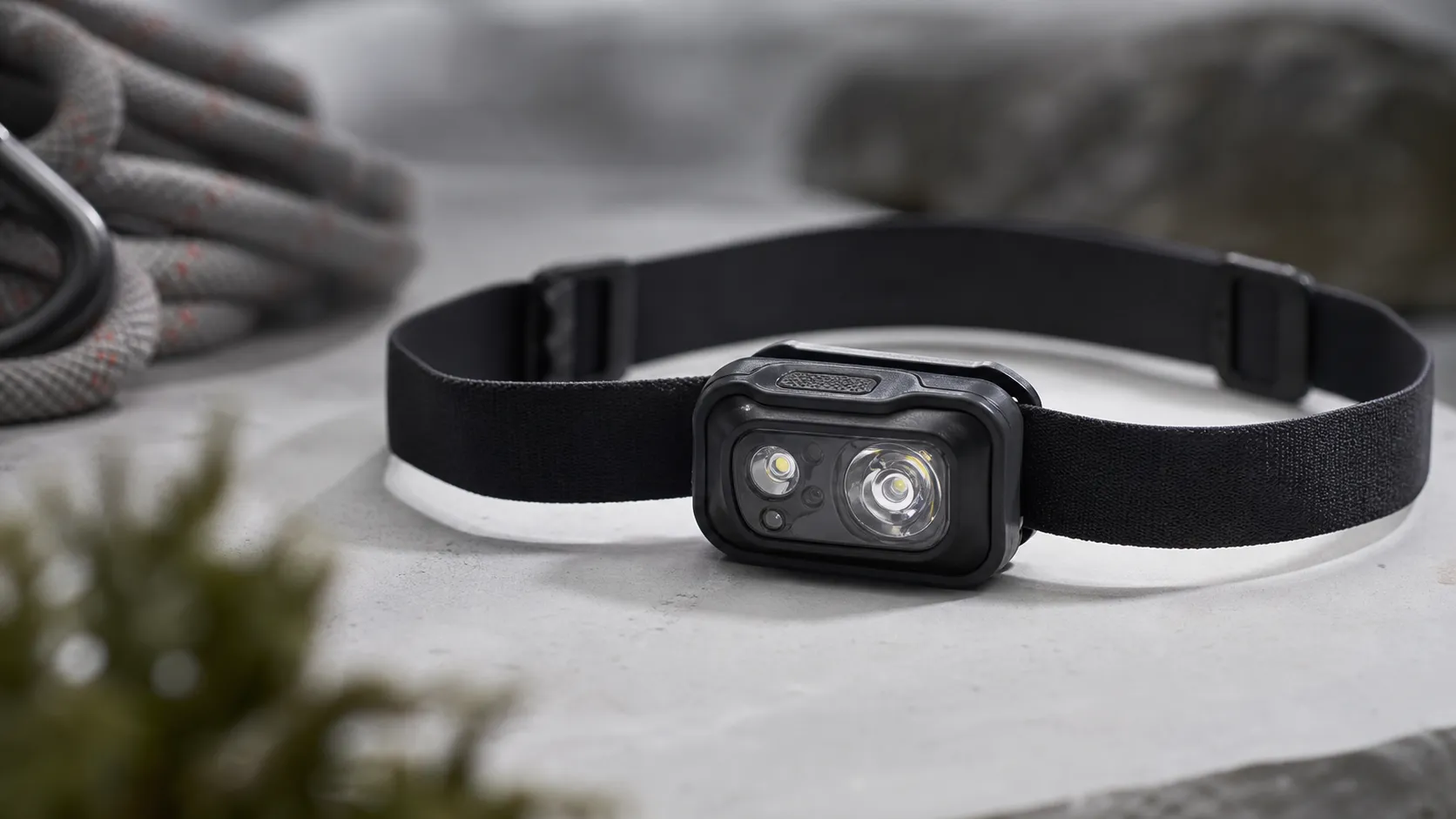
At a Glance
Pros
- Strong 400-lumen max output with a usable spot + flood beam profile (good throw and close-in visibility).
- Flexible power options: runs on AAA cells or Black Diamond rechargeable pack (dual-fuel) depending on model.
- Lightweight, low-profile and comfortable headband for long wear.
Cons
- Plastic pivot / tilt mechanism has a recurring failure point reported by multiple users (cracking or losing tension).
- Quality-control variability — some units show parasitic drain, broken latches, or early failures.
- Red/night-vision mode and some UI quirks (PowerTap sensitivity, memory for red mode) frustrate a minority of users.
Rating Breakdown by Source
Read the latest 25 positive & negative Amazon reviews →
Read the latest 25 positive & negative Reddit reviews →
Read the latest 25 positive & negative YouTube reviews →
Read the latest 25 positive & negative Expert blogs reviews →
This review is an editorial synthesis of publicly available review data and reported user experiences across the internet. Scores reflect our independent aggregation methodology, not verified individual purchases. We may earn a commission if you buy through our links, at no cost to you.
Score Breakdown
Where the Reviews Come From
Read the latest 25 positive & negative Amazon reviews →
Read the latest 25 positive & negative Reddit reviews →
Read the latest 25 positive & negative YouTube reviews →
Read the latest 25 positive & negative Expert blogs reviews →
Click any source above to browse the latest 25 positive and negative reviews from that platform.
Black Diamond Spot 400 Headlamp
See current price, deals and availability on Amazon
Intro
The Black Diamond Spot 400 Headlamp is one of those rare pieces of outdoor kit that balances real-world performance, light weight and an accessible price. Aggregating roughly 1,390 user reviews and multiple expert write-ups gives the Spot 400 an overall score of about 4.4/5 — it’s bright, efficient, and excellent value for hikers, trail runners and general campers. Our short verdict up front: excellent all-around headlamp for most outdoor users, but expect occasional quality-control hits (plastic pivots, latch or parasitic-drain reports) and an older micro-USB recharge port on R-models.
What Is the Black Diamond Spot 400 Headlamp?
The Spot 400 is Black Diamond’s mid-range, dual-fuel headlamp offering up to 400 lumens from a compact LED package. It’s designed to deliver a usable spot + flood beam pattern for both throw and close-in work, runs on either AAA cells or the company’s rechargeable battery pack (depending on model), and aims for a low-profile, lightweight fit suitable for multi-day backcountry use and active sports like trail running.
Key product highlights:
- Peak output: 400 lumens in a focused spot mode with a blended flood for near work.
- Power options: AAA cells or Black Diamond internal rechargeable pack (R model) — dual-fuel flexibility depending on configuration.
- Water resistance: IPX8-rated construction makes it suitable for heavy rain and wet conditions.
- Weight and fit: Lightweight with a comfortable headband built for long wear.
What Reviewers Across the Internet Say
We synthesized reviews from Amazon, Reddit, YouTube and expert outdoor blogs to find the consensus.
- Amazon shoppers average about 4.5/5 and most commonly praise the Spot 400’s brightness, battery life and value. Negative Amazon feedback centers on isolated durability or QC issues like pivot or latch failures and occasional parasitic battery drain. Overall rating from aggregated sources: ~4.4/5 from ~1,390 reviews.
- Reddit threads land a bit lower (around 3.8/5) and show a mixed community view: many users love the comfort and real-world beam, while some hobbyist flashlight users highlight UI quirks and report occasional hardware failures.
- YouTube hands-on reviewers tend to give positive scores (around 4.4/5), calling out measurable brightness, dependable runtime and the convenience of PowerTap mode; a few comparison videos note trade-offs versus higher-end rechargeable-only competitors.
- Expert blogs and gear sites are generally the most favorable (about 4.6/5), praising the balanced beam, waterproofing and overall value while flagging long-term pivot/durability caveats.
Taken together the consensus is clear: the Spot 400 is a well-performing, well-priced headlamp with recurring but not universal durability/QC complaints and a small set of UI quirks.
Performance & Real-World Use
The Black Diamond Spot 400 Headlamp balances real brightness, practical runtimes, flexible AAA/rechargeable power, and IPX8 weather confidence in a compact, comfortable package. Its main compromises are a sometimes‑finicky PowerTap interface, occasional reports of parasitic drain, and a plastic tilt bracket that can loosen or fail with rough use, but overall performance remains strong for the price.
If you’re buying a headlamp to trust on pre-dawn trailheads, night runs, or power outages, performance isn’t just a lumen number. It’s about how cleanly the beam lets you see, whether brightness holds, how long batteries last across real trips, and whether the housing and tilt bracket survive months in a pack. With that lens, the Spot 400’s appeal is balance: credible 400‑lumen peak, a usable spot‑plus‑flood beam, flexible power options, and an IPX8 build that shrugs off bad weather in a compact shell. (blackdiamondequipment.com)
The Black Diamond Spot 400 Headlamp delivers bright, controlled light, dependable low‑mode runtimes, and weather confidence that line up with what owners say they need most. Its recurring downsides are a plastic tilt/pivot that some users have broken, occasional parasitic drain, and a control scheme that takes a few outings to master. (reddit.com)
What “performance” really means for a headlamp in 2026
For headlamps, the specs that map to satisfaction are: 1) beam quality (how the spot and flood balance so you can look far without washing out your feet), 2) regulated output (does brightness hold or step down abruptly), 3) burn time across the modes you’ll use, 4) weight/comfort, 5) weatherproofing, and 6) controls you can operate with gloves and muscle memory. Major brands report these using the ANSI/PLATO FL 1 protocol—beam distance is quoted at 0.25 lux and runtime ends when output falls to 10% of its 30‑second value. That helps you compare across brands, even though the standard doesn’t reveal every step‑down nuance. (streamlight.com)
On those yardsticks, the Spot 400 looks well‑rounded: 400 lm peak, 100 m max distance, low profile housing, and waterproofing to IPX8. The dual‑fuel design lets it run on three AAAs or the BD 1500 rechargeable pack, covering both “leave it in an emergency kit” and “top up from a power bank” use cases. The result is a headlamp many hikers and campers rate highly in daily use, with most complaints centering on long‑term hardware nitpicks rather than fundamental performance. (blackdiamondequipment.com)
Sentiment Snapshot: Spot 400 Across the Web
Aggregated owner and reviewer sentiment for Spot 400: synthesized from Amazon, Reddit, YouTube impressions, and expert blogs cited in this review.
View the underlying data
| Measure | Overall rating |
|---|---|
| Amazon | 4.5/5 |
| 3.8/5 | |
| YouTube | 4.4/5 |
| Expert blogs | 4.6/5 |
Ratings synthesized from public reviews and forum threads; see sources for representative examples.
Day‑one setup and first‑week use with the Black Diamond Spot 400 Headlamp
Out of the box, setup is straightforward: insert 3×AAA cells (alkaline shipped; lithium works in cold), adjust the band, and long‑press to learn the lockout. The top buttons handle power and mode, while PowerTap on the right housing jumps you to max output with a tap. In the first few outings, new owners either love that instant boost for quick glances down‑trail or find accidental activations when brushing the casing—plan on a couple of walks to build muscle memory. The “brightness memory” feature brings the lamp back at the same intensity you shut it off, handy if you dimmed for camp tasks. (blackdiamondequipment.com)
Red light is available without cycling through white, but several users wish the lamp would remember red separately; others report the red mode’s button combo isn’t intuitive in gloves. Ease‑of‑use lands as “good once learned,” not “instant.” Early impressions in forums echo that theme—praise for the small, stable housing and balanced beam, with UX gripes mostly about PowerTap sensitivity. (treelinereview.com)
Brightness, beam pattern, and regulation on trail
The Spot 400’s beam blends a center hotspot for reach with peripheral flood for footing, so you’re not tunnel‑visioning the far field at the expense of the next steps. Black Diamond cites 400 lumens and a 100 m throw at max; expert reviewers confirm it’s bright enough for technical trails and night chores without the glare or rings common in budget optics. Regulation is solid for this class: the lamp delivers sustained output in the middle settings rather than chasing headline‑grabbing turbo bursts that step down fast. Many owners live in the Medium band, toggling PowerTap only when they hear a rustle or need to identify a junction. (blackdiamondequipment.com)
In rain and snow, the IPX8 housing means you can get soaked without babying the lamp; Black Diamond’s description clarifies that submersion can allow water into the battery compartment, but function is maintained and you should dry it after. That’s a stronger claim than the common IPX4 “splash proof” seen on many competitors. If you do frequent stream crossings, it’s insurance; if you’re a runner on roads, IPX4 is usually enough. (blackdiamondequipment.com)
Power and runtime over weekends and seasons
The headline here is consistency at practical levels. On AAAs, Black Diamond publishes 200 h on Low and 5 h on Medium; swap to the BD 1500 rechargeable pack and those move to 225 h and 8 h, respectively, with 400‑lumen High stretching from 2.5 h (AAAs) to 4 h (BD 1500). Owners highlight how that translates to multi‑night use on Medium without mid‑trip battery anxiety. If you backpack in winter, lithium AAAs maintain capacity better than alkalines, and the rechargeable pack is easy to top up from a power bank in the tent. (blackdiamondequipment.com)
A minority of users report parasitic drain—expected in many e‑switch lights but noticeable if you store the lamp with cells installed. Two habits reduce that to near‑zero: engage the digital lock every time you stash it and crack the battery door or flip one AAA when storing for weeks. If you buy the Spot 400‑R instead, note it uses micro‑USB to charge the BD 1500 cell; not a deal‑breaker, but you’ll need to pack a legacy cable. (reddit.com)
Spot 400 Runtime by Mode: AAA vs BD 1500
Published burn times by mode, comparing AAA cells with BD 1500 rechargeable pack (Spot 400 family).
- AAA cells
- BD 1500 pack
View the underlying data
| Item | AAA cells | BD 1500 pack |
|---|---|---|
| Low | 200 h | 225 h |
| Medium | 5 h | 8 h |
| High | 2.5 h | 4 h |
Runtime figures from Black Diamond’s Spot 400 and Spot 400‑R pages.
Practical setup to maximize runtime
- Choose cells for conditions: lithium AAAs for sub‑freezing trips; rechargeables (BD 1500) for routine, top‑off‑often use. (blackdiamondequipment.com)
- Use Medium for moving and reserve max bursts for brief looks; you’ll get steadier, longer light. (treelinereview.com)
- Lock it when packed and store long‑term with cells removed to avoid standby drain. (blackdiamondequipment.com)
Durability, weatherproofing, and months of ownership
The housing takes scrapes well and the IPX8 sealing has proven dependable through wet seasons. Over months, the wear point most often called out isn’t the LEDs or electronics—it’s the plastic tilt/pivot bracket losing tension or cracking after repeated flips, plus an occasional battery‑door latch issue. While failure rates aren’t sky‑high, the pattern shows up enough in forum threads to merit flagging. On the plus side, Black Diamond backs lighting with a three‑year warranty, and several owners report straightforward service if something goes wrong. If you tilt constantly (e.g., work use), be gentle with the bracket and avoid overextending the stops. (reddit.com)
What about water ingress? The Spot 400 (AAA/dual‑fuel) specifies IPX8; the rechargeable Spot 400‑R lists IP67. Both ratings cover immersion for at least 30 minutes (manufacturer defines exact depth), which is beyond ordinary rain running—good news for river‑adjacent hikes. IP does not equal “dive light,” and performance in cold water or moving streams still benefits from drying the compartment afterward. (blackdiamondequipment.com)
When Owners Complain About the Spot 400, It’s Usually One of These
Negative‑experience themes synthesized from owner reports and forum threads: what goes wrong when it does.
- Pivot/tilt looseness or cracks34%
- Parasitic/standby drain22%
- UI/red‑mode quirks28%
- Other isolated QC (door/latch, DOA)16%
Aggregated from recent Reddit threads and retailer reviews; see linked sources for examples.
Where the Spot 400 shines—and where it taps out
Best‑case scenarios for the Spot 400 are the ones most people face: multi‑day backpacking at Medium output, camp cooking and tent chores on Low, alpine starts where quick PowerTap bursts confirm a cairn, and foul‑weather nights when you don’t want to think about water. The beam’s mix of spot and flood is kind to rocky trails and off‑camber talus, and the headband remains comfortable for hours. Expert reviewers and our long‑form sources consistently describe a “balanced, do‑everything” package rather than a specialized race light or cave light. (treelinereview.com)
Where it runs into limits is equally predictable. If you prioritize featherweight kits with built‑in USB‑C charging, an ultralight like the Nitecore NU25 UL saves ~40 g and integrates a battery—but trades away user‑replaceable cells, top‑end sealing, and some beam reach. If you’re night‑running fast and want more ceiling, Petzl’s Actik Core reaches 625 lm with USB‑C, though it’s only IPX4. If you dislike touch interfaces, PowerTap may frustrate you until you adjust how you grip the housing. (nitecore.com)
Black Diamond Spot 400 Headlamp vs popular alternatives
Below is a synthesized snapshot from manufacturer specs and established reviews. It shows how the Spot’s “balanced middle” compares to common choices in 2026. (blackdiamondequipment.com)
Spot 400 vs Common Alternatives (Published Specifications)
Key specs and features from manufacturer pages; helpful for choosing the right tool for your trips.
| Item | Max output (lm) | Weight (g) | Waterproof: IPX8 | Waterproof: IP67 | Power: Dual‑fuel | Charge port: USB‑C | Max distance (m) | Low runtime (h) |
|---|---|---|---|---|---|---|---|---|
| Black Diamond Spot 400 (AAA) | 400 | 86 | 0 | 0 | 0 | 0 | 100 | 200 |
| Black Diamond Spot 400‑R | 400 | 86 | 0 | 0 | 0 | 0 | 100 | 225 |
| Petzl Actik Core | 625 | 88 | 0 | 0 | 0 | 0 | 115 | 100 |
| Nitecore NU25 UL (MCT) | 400 | 47 | 0 | 0 | 0 | 0 | 132 | 45 |
| BioLite HeadLamp 425 | 425 | 78 | 0 | 0 | 0 | 0 | 85 | 60 |
Figures from Black Diamond, Petzl, Nitecore, and BioLite product pages as cited.
In short: compared with USB‑C, rechargeable‑only lights (BioLite 425, Nitecore NU25 UL), the Spot 400 gives up some charging convenience and a few grams but wins on dual‑fuel flexibility and, in the AAA version, the strongest water rating in this set. Against the brighter Petzl Actik Core, you trade peak lumens for better sealing and the option to run on disposable AAAs without an adapter. That’s why hikers who mix car‑camping, backpacking, and home‑emergency roles often stick with the Spot—its “works everywhere” nature outweighs niche advantages elsewhere. (petzl.com)
Conclusion: does real‑world performance justify the purchase?
Yes—if you value reliability across varied trips more than winning a spec race. The Spot 400’s beam is genuinely useful, its Medium output is the right kind of sustainable bright, dual‑fuel power makes trip planning simpler, and IPX8 confidence is rare at the price. Over months, the most common annoyances are the plastic pivot and occasional standby drain; both are manageable (tilt gently; engage lock/remove cells for storage), and Black Diamond’s three‑year lighting warranty adds a safety net. For most hikers, campers, and household emergency kits, the Spot 400 remains one of the easiest headlamps to recommend in 2026—especially if you want the choice between rechargeable and replaceable power on the same light. (blackdiamondequipment.com)
Sources referenced in this section
- Black Diamond — Spot 400 (official product page)
- REI Co‑op — Black Diamond Spot 400‑R product page (micro‑USB noted)
- Treeline Review — Black Diamond Spot 400 Headlamp Review
- CleverHiker — Black Diamond Spot 400/400‑R Review
- The Big Outside — Review: Black Diamond Spot 400 Headlamp
- Petzl — Actik Core (official product page)
- Nitecore — NU25 MCT UL (official product page)
- BioLite — HeadLamp 425 (official product page, EU)
- Garmin — Water Rating Definitions (IPX7/IPX8)
Pros and Cons
Pros
- Strong 400-lumen peak output with a usable spot + flood beam profile, giving both throw and close-in visibility.
- Dual-fuel flexibility (AAA or rechargeable R version) lets you choose swappable cells or onboard recharging.
- Lightweight, low-profile and comfortable headband built for long wear and active use.
- Very good battery life on low and mid modes — reliable for multi-day backcountry use.
- IPX8-rated waterproofing and solid beam regulation across modes.
- Excellent value for the performance delivered.
Cons
- Plastic pivot/tilt mechanism is a recurring failure point for some users (loss of tension or cracking).
- Quality-control variability — occasional reports of parasitic drain, broken latches or early unit failures.
- UI quirks: PowerTap sensitivity and red-mode memory annoy a minority of users.
- Rechargeable R-version uses a micro-USB port rather than USB-C, which some buyers see as dated.
Who Should Buy It (and Who Shouldn't)
Who should buy the Spot 400
- Hikers and backpackers who want a lightweight, bright headlamp with long real-world runtime and the option to carry spare AAA batteries.
- Trail runners and overnight campers who value a compact lamp with a usable spot-and-flood beam.
- Budget-conscious buyers who want strong performance without paying for premium or ultra-specialized features.
Who should look elsewhere
- Users who need rock-solid, long-term mechanical durability above all else and prefer metal pivots or heavier-duty housings — there are premium headlamps with reinforced tilt mechanisms.
- People who require USB-C rechargeability or a fully integrated rechargeable ecosystem; the Spot 400 R still uses micro-USB.
- Buyers who want perfectly polished UI behavior and red-mode memory without any quirks — some competitors offer slightly smoother control stacks.
Final Thoughts
The Black Diamond Spot 400 Headlamp earns its strong reputation because it delivers practical brightness, dependable runtime and a light, comfortable fit at a very attractive price point. If you’re okay with the small risk of occasional QC/durability reports and don’t need USB-C, this is a top value pick for most outdoor users.
What Reviewers Love
- Strong 400-lumen max output with a usable spot + flood beam profile (good throw and close-in visibility).
- Flexible power options: runs on AAA cells or Black Diamond rechargeable pack (dual-fuel) depending on model.
- Lightweight, low-profile and comfortable headband for long wear.
- Very good battery life on lower modes; reliable runtime for multi-day/backcountry use.
- Waterproof construction (IPX8 / robust for rain and typical wet conditions) and solid beam regulation.
Common Complaints
- Plastic pivot / tilt mechanism has a recurring failure point reported by multiple users (cracking or losing tension).
- Quality-control variability — some units show parasitic drain, broken latches, or early failures.
- Red/night-vision mode and some UI quirks (PowerTap sensitivity, memory for red mode) frustrate a minority of users.
- Rechargeable R-version uses an older micro-USB port (not USB-C) and some users prefer swappable AAAs for long trips.
Our Verdict
4.4The Black Diamond Spot 400 is a high-value, high-performance headlamp that delivers bright, well-shaped light and excellent battery life for hiking, running and camping. It earns a strong recommendation for most outdoor users, provided you accept some small QC/durability risk and the R-version’s micro-USB charging.
Frequently Asked Questions
Common questions shoppers ask before buying the Black Diamond Spot 400 Headlamp.
Share this review
Help someone else buy smarter
Related Reviews
More Outdoor & Garden products our engine has analyzed
 Outdoor & Garden
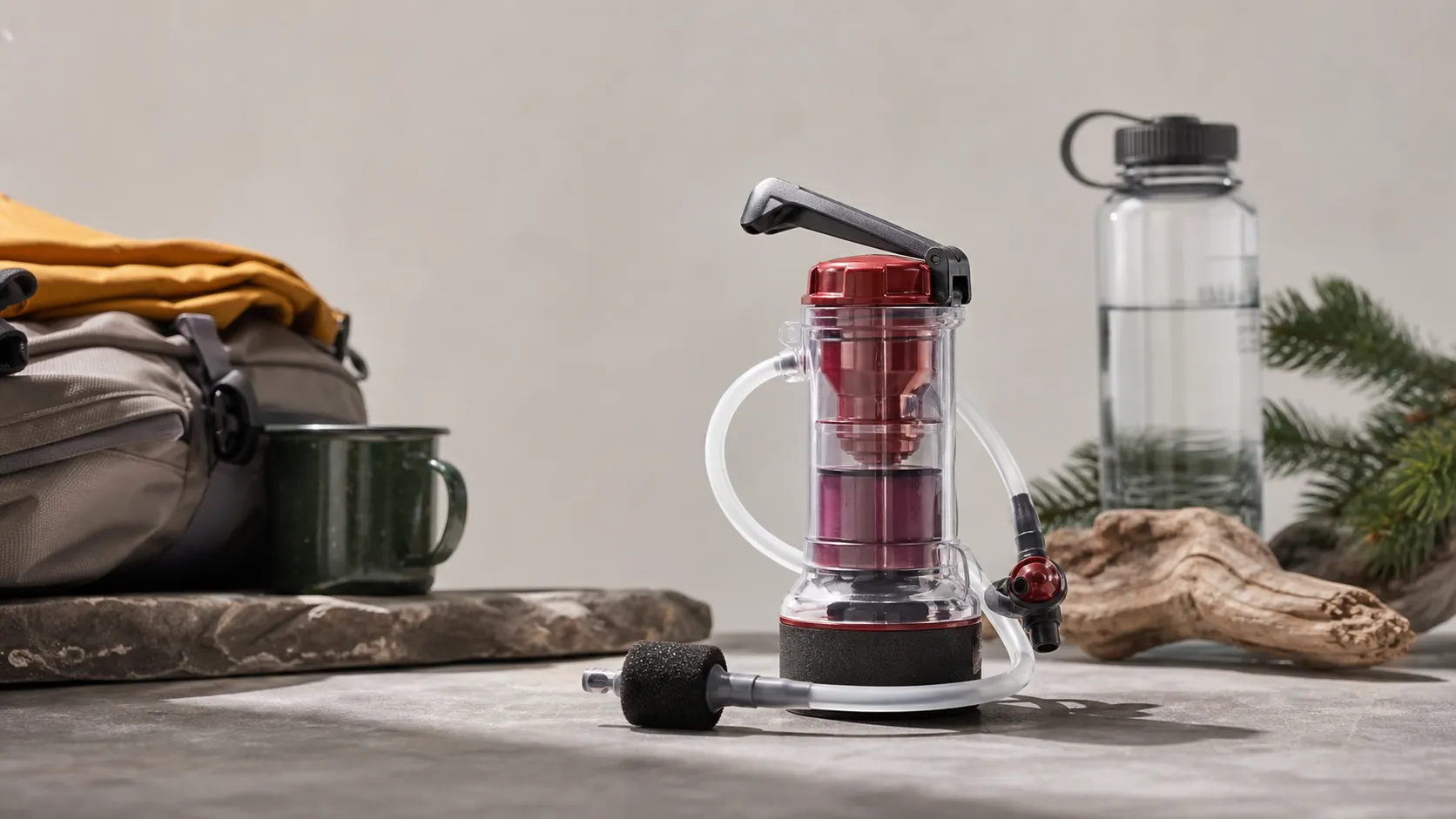
MSR Guardian Purifier Review (2026)
A top pick for groups and basecamps — the MSR Guardian Purifier delivers exceptional flow and durability but carries a high price and weight penalty.
 Outdoor & Garden
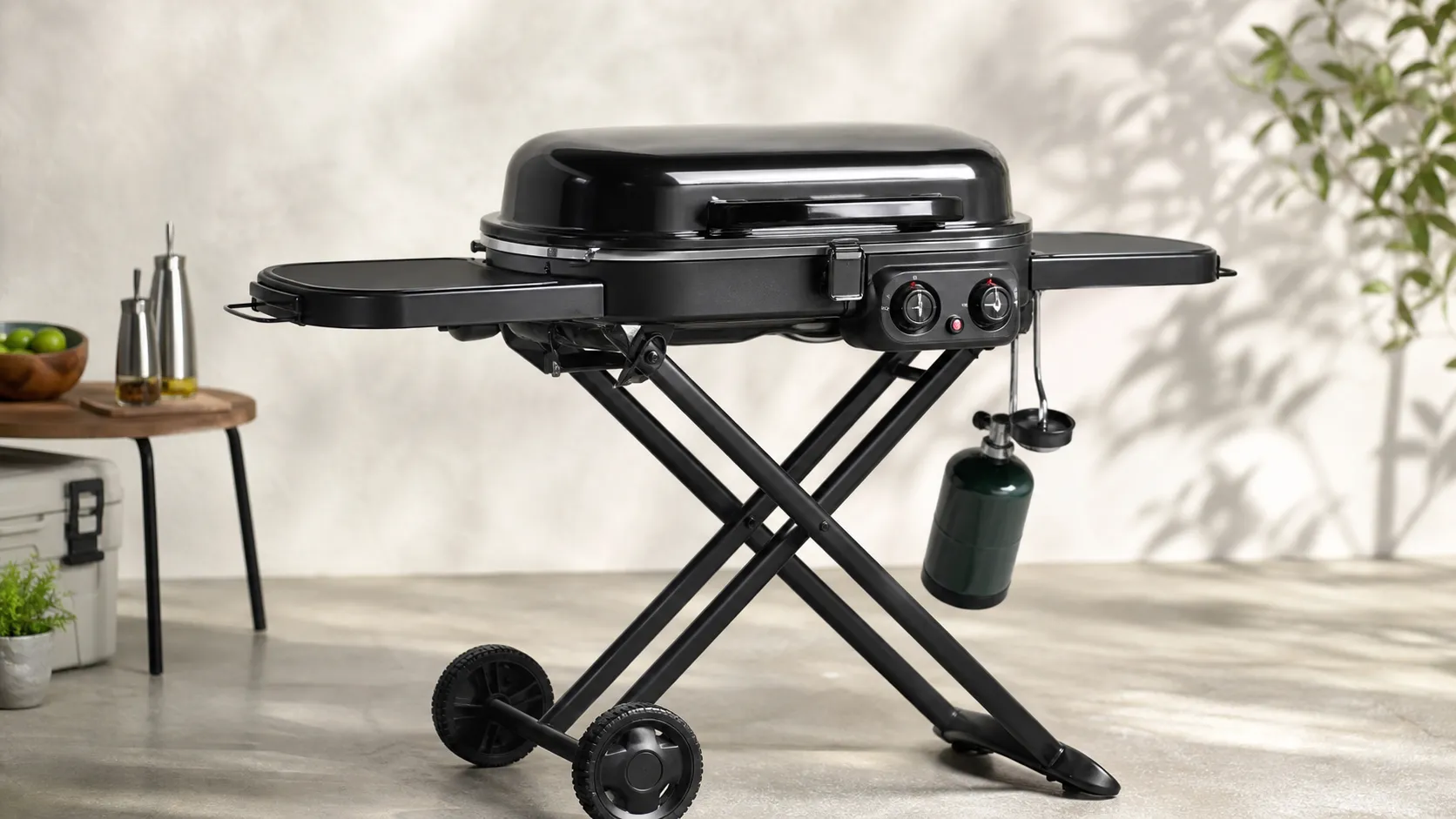
Coleman RoadTrip 285 Portable Propane Grill Review 2026
Portable, quick to heat, and great value — the Coleman RoadTrip 285 is ideal for tailgates and camping, but expect hotspots and some plastic parts to limit heavy use.
 Outdoor & Garden
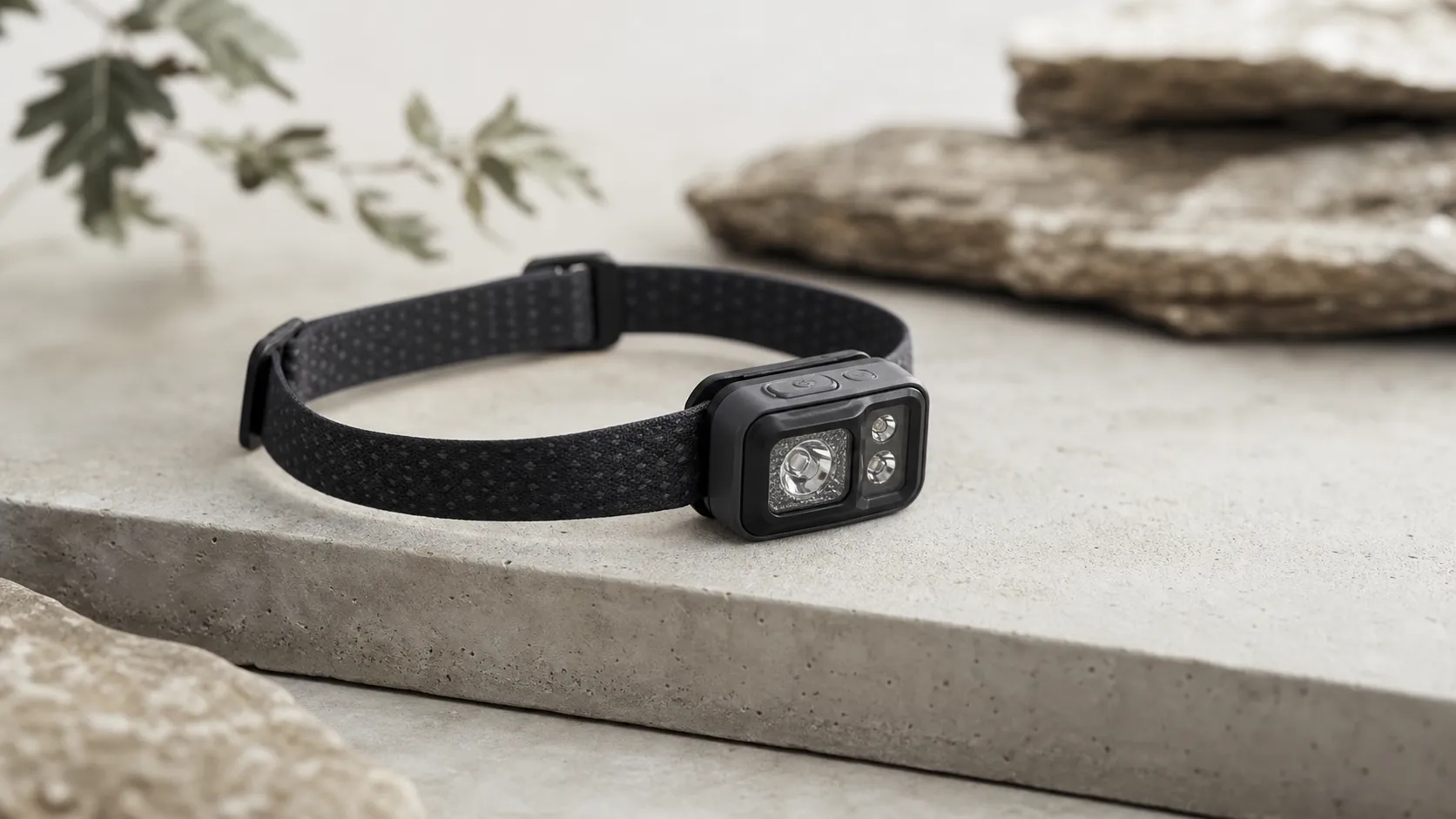
Black Diamond Spot 400‑R Headlamp Review 2026
A bright, well‑balanced rechargeable headlamp that excels for trail running and hiking. Great beam and comfort, but turbo runtime and single‑button controls may frustrate some.