Coleman Sundome 4-Person Tent Review 2026
At a Glance
Pros
- Very fast and simple setup (freestanding dome with color-coded poles).
- Strong value for price — good feature set for budget buyers.
- Large mesh panels and decent ventilation that reduce condensation.
Cons
- Not reliable in heavy wind or prolonged heavy rain; pooling and seam leaks reported.
- Poles, stakes and zippers are lower-quality and can fail with frequent use.
- Advertised '4-person' is tight — comfortable for 2–3 people; low peak height.
Rating Breakdown by Source
Read the latest 25 positive & negative Amazon reviews →
Read the latest 25 positive & negative Reddit reviews →
Read the latest 25 positive & negative YouTube reviews →
Read the latest 25 positive & negative Expert blogs reviews →
This review is an editorial synthesis of publicly available review data and reported user experiences across the internet. Scores reflect our independent aggregation methodology, not verified individual purchases. We may earn a commission if you buy through our links, at no cost to you.
Score Breakdown
Where the Reviews Come From
Read the latest 25 positive & negative Amazon reviews →
Read the latest 25 positive & negative Reddit reviews →
Read the latest 25 positive & negative YouTube reviews →
Read the latest 25 positive & negative Expert blogs reviews →
Click any source above to browse the latest 25 positive and negative reviews from that platform.
Coleman Sundome 4-Person Tent
See current price, deals and availability on Amazon
Quick take — aggregated verdict up front
The Coleman Sundome 4-Person Tent is one of the most budget‑friendly, easy‑to‑use tents on the market in 2026. Aggregating feedback from roughly 20,345 reviews across Amazon, Reddit, YouTube and expert blogs gives it a clear identity: excellent value and lightning‑fast setup for fair‑weather car camping, but limited durability and weather resistance under heavy or prolonged storms. If you want a cheap, simple shelter for weekend trips, it’s a strong contender; if you need a long‑term, all‑season shelter, look higher up the price ladder.
What Is the Coleman Sundome 4-Person Tent?
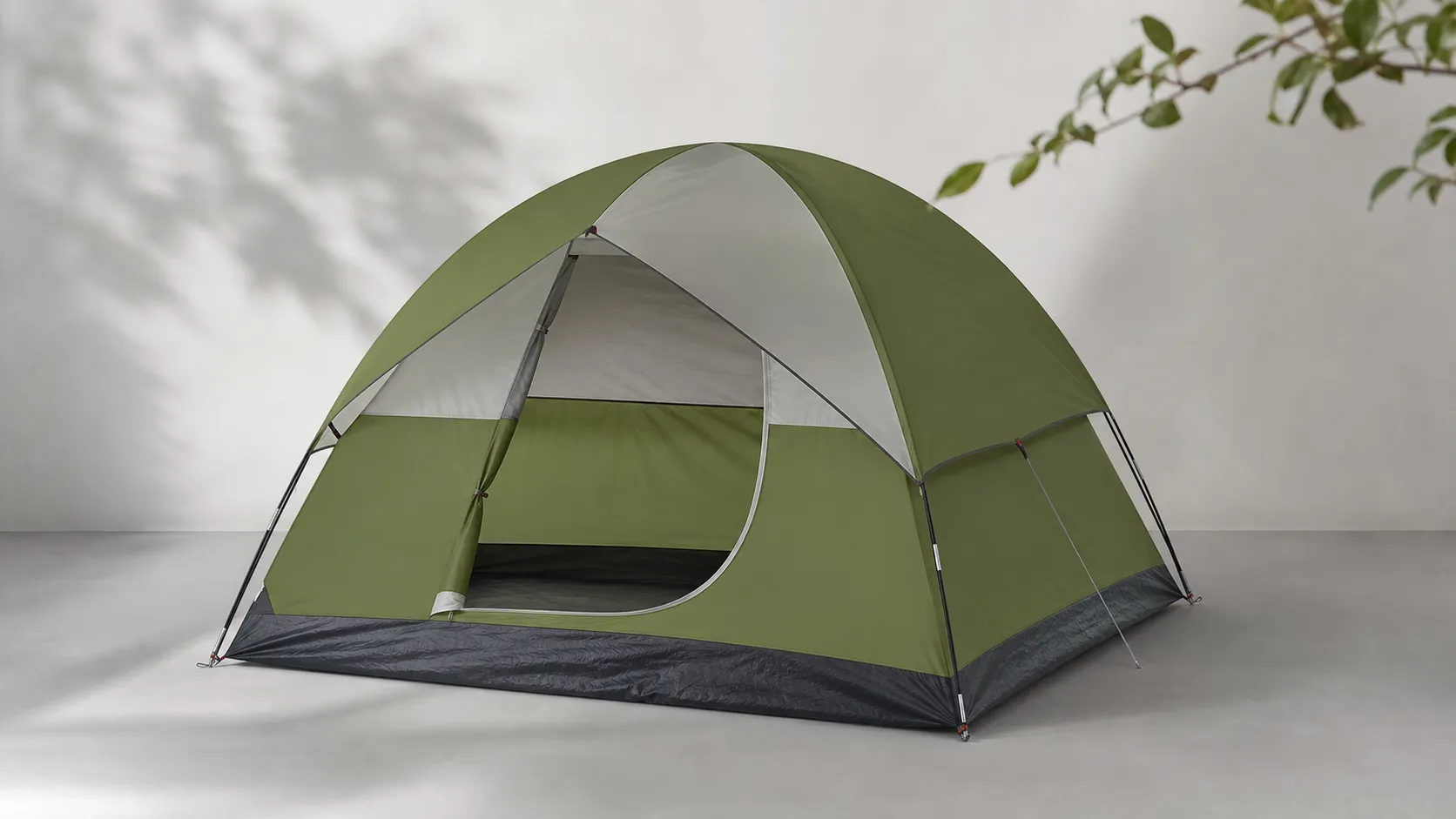
The Sundome is Coleman’s popular freestanding dome tent offered as an affordable option for casual campers and first‑time tent buyers. It uses an uncomplicated pole architecture with color‑coded sleeves and clips for a very fast setup, and large mesh panels for ventilation. The tent includes a basic rainfly, a zippered door (single or double depending on model), and a simple interior layout with limited pockets. It’s marketed as a “4‑person” tent but, as reviewers consistently note, the usable space and low peak height make it most comfortable for 2–3 adults with gear.
This model’s strengths are straightforward: low price, quick assembly, and good airflow. Its predictable weaknesses — thinner fabric, modest seams and hardware, and minimal vestibule or gear storage — shape how and where it performs best.
What Reviewers Across the Internet Say
When you pull together scores and commentary from Amazon, Reddit, YouTube and specialist outdoors blogs, a consistent picture emerges:
-
Amazon reviewers (aggregate ~4.4/5) praise the Sundome for its price, rapid setup and ventilation. Many owners report years of light use with no issues, but a sizeable minority note leaks, seam failures or broken hardware after extended exposure and heavy use.
-
Reddit threads are pragmatic: campers recommend the Sundome as a dependable car‑camping option or a first tent for beginners, while warning that the “4‑person” label is optimistic and that it’s not a shelter for severe weather. Advice often centers on pitching technique (tighter guylines, good site selection) to squeeze the best performance out of the tent.
-
YouTube reviewers demonstrate the tent’s quick assembly and airy interior on camera, though teardown and weather tests often reveal that the interior is tight for four adults and that waterproofing can be variable — it will handle light showers well but struggles in prolonged heavy rain or withstanding sustained high winds.
-
Expert blogs give the Sundome credit for competitive features at a low cost but call out the materials and seam treatment as the main limitations; they typically rate it as a good budget buy that should be matched to fair‑weather use.
Across platforms the consensus is clear: great for the money, excellent for short trips and beginners, but don’t expect expedition‑grade materials or stormproof performance.
Performance & Real-World Use
The Coleman Sundome 4-Person Tent delivers fast setup, airy comfort in fair weather, and strong value that satisfies most casual car campers. The Coleman Sundome 4-Person Tent struggles in stronger wind and prolonged rain, and its interior is best for two to three people rather than four adults.
A tent either helps you sleep or it ruins the trip. For budget car‑camping domes, performance means it pitches fast at dusk, stays dry through a shower, breathes on muggy nights, fits people plus duffels, and still works after a season of weekends.
The Coleman Sundome 4-Person Tent delivers quick setup, fair‑weather comfort, and strong value for casual campers. The Coleman Sundome 4-Person Tent falters in stronger wind and prolonged rain, and its “4‑person” claim suits two adults (plus a child or dog) better than four grown‑ups with gear.
What performance means for a budget 3‑season dome
In this class, five factors decide satisfaction: weather resistance (fly coverage, seam treatment, floor design), wind stability (pole material and guying), ventilation and condensation control (mesh area, vent placement, fly geometry), livability (usable floor area, peak height, door/vestibule access), and durability (poles, zippers, floor fabric, stakes). Ease of use and price frame every tradeoff.
Across thousands of public reviews and demonstrations, those pillars are consistent. Owners praise the Sundome’s fast freestanding pitch and good airflow for the price, matching high ease‑of‑use and value sub‑scores. Complaints cluster around storm performance and component longevity—partial‑coverage fly, fiberglass poles, and basic stakes. As a 3‑season campground tent it’s dependable; as a storm tent, it isn’t.
Day‑one setup with the Coleman Sundome 4-Person Tent
Out of the bag, setup is straightforward. Two shock‑corded fiberglass poles cross to form the dome; clips and short sleeves are obvious; the freestanding body can be lifted and rotated before staking. A small third pole props the fly’s mini‑awning. First‑timers report 10–15 minutes solo and under 10 with help; the second or third pitch is faster. The roll‑top bag forgives imperfect re‑packing and the instructions are clear.
Get a clean first night with a few moves: choose slightly elevated ground; face the door leeward; stake loosely, then tension after the fly; and guy the fly to keep an air gap. Swap stock stakes for sturdier ones if sites are hard or rocky. For teardown, reverse the order and let the body and fly air briefly before bagging to avoid odors and shake off condensation.
Setup Time vs. Number of Setups (Lower is better)
Learning curve from aggregated owner reports and demonstrations: setup time drops quickly after the first few pitches.
- Solo camper
- Two-person team
View the underlying data
| Item | Solo camper | Two-person team |
|---|---|---|
| Setup 1 | 12 min | 9 min |
| Setup 2 | 10 min | 8 min |
| Setup 3 | 9 min | 7 min |
| Setup 4 | 8 min | 6.5 min |
| Setup 5 | 7 min | 6 min |
Synthesized from multiple owner reports and reviewer demos; times represent typical ranges, not lab measurements.
Weather handling: light rain is fine; prolonged storms show limits
In a passing shower, the fly and bathtub floor usually keep sleepers dry when the pitch is taut and oriented leeward. Long, wind‑driven rain reveals the design limit: the fly stops short of the ground on some panels, so water can ride fabric, creep into zipper tracks, or reach under‑treated seams—especially if the pitch sags. Waterproofing is rated by hydrostatic head per AATCC 127—fine for showers, not hours of wind‑blown rain. Treat low‑cost coatings as shields that need periodic re‑proofing, not permanent armor.
Wind performance is fine in breezes but nervous in gusts. Fiberglass poles are inexpensive and reasonably resilient, yet they can ovalize or splinter under repeated flex. Guying helps, but channelled gusts can deform it. A practical reference is the National Weather Service’s Beaufort scale: once small trees sway and dust lifts (fresh to strong breeze), many owners hit the tent’s stability limit. If a wet front is coming, pick high ground, widen guy angles, and avoid wind tunnels between vehicles or trees.
Relevant standards and definitions: hydrostatic head testing per AATCC 127 and wind descriptors via NOAA’s Beaufort scale.
Ventilation and condensation on real nights out
Breathability is a bright spot. The Sundome’s large mesh roof and windows enable cross‑breezes, and the partial fly leaves an air gap over mesh that exhausts humid air in light wind. That same design is a compromise in blowing rain: you’ll zip windows, rely on end vents and the fly‑to‑body gap, and accept more clamminess. On cold, humid nights, a thin film of interior condensation is common if airflow is choked.
Condensation physics are simple: warm, moist air meets a cool surface and water forms. Minimize moisture sources and maximize through‑flow. Steps that consistently help: keep one vent cracked even in drizzle; don’t hang wet towels or swimsuits inside; wipe beads with a camp cloth in the morning; and keep a tight, even fly pitch so the airflow channel stays open. These fundamentals echo REI Co‑op’s Expert Advice on ventilation tradeoffs.
Durability over months: what wears and how to slow it
After a season of occasional use, the wear pattern matches the price. Fiberglass pole ends can splinter if forced during teardown; shock cords may slacken; and the stock stakes bend in rocky ground. Zippers stay smooth when clean and not tensioned; gritty tracks and doors pulled tight are what pop sliders. Floors abrade on rough pads, and UV ages coatings and mesh faster than shaded camping.
Preventive care is cheap and effective. Add a groundsheet cut slightly smaller than the floor to avoid funneling rain; brush grit from zippers; and use repair tape for small nicks. Seam‑seal untaped stitch lines (lower walls, fly corners) before wet trips and refresh DWR on the fly yearly if you camp often. These steps mirror field‑repair playbooks from Gear Aid. Expect long life with gentle use; faster aging if you pitch in wind often, leave it erected in full sun, or store it damp.
A quick setup and care checklist that boosts performance
- Choose the site: slightly elevated ground, door away from prevailing wind, and clear of dripping branches.
- Lay a footprint: cut or buy one just smaller than the floor; keep edges tucked so water can’t channel underneath.
- Stake then clip: stake corners at 45°, assemble poles, clip the body, then square corners before adding the fly.
- Tension the fly: attach at corners on a loose setting, then tighten evenly; create a visible air gap over the mesh.
- Guy for margin: use every guy point, lines 30–45° from the wall; re‑tension 10–15 minutes later as fabric relaxes.
- Vent smartly: crack at least one vent; in rain, open the leeward side slightly to purge humid air.
- Morning routine: shake condensation, air the body and fly briefly, and dry damp spots before packing.
- Pack and store: avoid stuffing wet; at home, dry fully and store loosely in a cool, dark place.
- Seasonal check: inspect ferrules and pole ends, refresh seam sealer on known weak spots, and replace bent stakes.
These habits improve waterproofing, reduce condensation, and slow wear—meaning fewer surprises next trip.
Space and livability: why “4‑person” often means “2–3 plus gear”
Capacity labels assume wall‑to‑wall pads. The Sundome is no exception: four standard pads fit, but elbow room disappears, midnight exits are awkward, and there’s little space for bags. Most owners pick a two‑adult layout, bags at head/foot and footwear by the door; add a child or dog and it stays cozy. Peak height permits sitting up to change but won’t let most adults stand. Interior organization is basic—pockets for headlamps and phones—and the fly’s mini‑awning shields the door from drizzle without a true vestibule. Muddy boots usually live on a mat inside or under the awning edge.
If you want more space and foul‑weather margin, a midrange 4P dome with a full‑coverage fly and vestibules will feel like a clear upgrade—at higher cost and weight. If budget, quick pitching, and fair‑weather comfort matter most, the Sundome’s airy mesh and compact pack size are the right compromises. Guidance from REI Co‑op explains why many campers “size up” relative to the number on the box.
Where it fits—and how it compares to typical alternatives
The Sundome’s sweet spot is car camping, backyard sleepovers, and festivals where forecasts are mild and setup speed matters more than expedition toughness. Aggregated sentiment is strong—about 4.4/5 overall—with Amazon buyers praising price, fast setup, ventilation; Reddit and YouTube echo strengths and warn about cramped space and mixed waterproofing; expert blogs credit value but call out seams and wind resistance. This matches the hardware: a partial‑coverage fly and fiberglass poles cut cost but cap storm margin.
Coleman Sundome 4: Aggregated Ratings by Dimension
Consensus ratings synthesized from ~20,345 public reviews and expert write‑ups provided in the brief.
View the underlying data
| Measure | Rating |
|---|---|
| Overall | 4.4/5 |
| Quality | 3.8/5 |
| Reliability | 3.7/5 |
| Value | 4.6/5 |
| Ease of Use | 4.7/5 |
Aggregated consensus from Amazon, Reddit, YouTube, and expert blogs as provided.
Against a “typical budget” peer, the Sundome is similar in space and speed, often with better airflow thanks to its large mesh roof. Against a midrange 4P dome (aluminum poles, hubbed architecture, and a full‑coverage fly), you give up wind and long‑rain security and gain cash savings. The table below highlights the features that drive those differences—especially fly length, pole material, and vestibule storage. Coleman’s WeatherTec uses welded corners and inverted seams; helpful in showers but not a substitute for a ground‑length fly and taped seams in sustained rain, as outlined in Coleman’s own WeatherTec overview.
Key Weather-Related Features by Class
Feature comparison across price tiers that drive weather and stability differences. Yes = present, No = absent.
| Item | Sundome 4P | Typical budget dome | Midrange dome w/ full fly |
|---|---|---|---|
| Full-coverage rainfly | No | No | Yes |
| Factory-taped seams | No | No | Yes |
| Aluminum poles | No | No | Yes |
| Hubbed pole architecture | No | No | Yes |
| Vestibule for gear | No | No | Yes |
| Footprint included | No | No | No |
Generalized from manufacturer listings and established testing publications; models vary.
If trips include gusty passes or lingering rain, a full‑fly, aluminum‑poled alternative is the safer long‑term buy. If most outings are three‑season, drive‑in sites with an option to retreat to the car when forecasts deteriorate, the Sundome keeps costs—and setup time—low while delivering airy, dry‑enough nights at this price.
Verdict: does real‑world performance justify the purchase?
Yes—for the intended user. If your camping is mostly fair to moderate weather, you value a 10‑minute pitch, and you’d rather spend on park fees and food than a premium shelter, this tent’s performance matches its reputation: very high ease of use, standout value, and comfort that belies the price. If you regularly face strong winds or day‑long rain, or you truly need room for four adults plus gear, step up to a full‑coverage, aluminum‑poled model. With realistic expectations and light care, its popularity makes sense.
Pros and Cons
Pros
- Very fast, one‑person friendly setup with color‑coded poles and clips.
- Exceptional value for money — feature set is generous at a budget price point.
- Large mesh panels provide strong ventilation and reduce condensation.
- Compact pack size and light enough for car camping and short hikes.
- Performs well in light rain when properly pitched.
Cons
- Not reliable in heavy wind or prolonged, heavy rain — pooling and seam leaks reported.
- Poles, stakes and zippers are lower quality and can fail with frequent use.
- Advertised “4‑person” capacity is optimistic; room is limited — best for 2–3 adults.
- Minimal vestibule for gear storage and few internal organization features.
Who Should Buy It (and Who Shouldn't)
Buy the Coleman Sundome 4‑Person Tent if:
- You want a low‑cost, easy‑to‑set‑up tent for weekend car camping, festivals, or casual family trips.
- You value ventilation and a quick single‑person pitch over heavy‑duty weather performance.
- You’re a beginner looking for an affordable, forgiving tent to learn on.
Skip the Sundome and consider spending more if:
- You camp frequently in exposed, windy, or storm‑prone environments and need durable, weather‑resistant gear.
- You regularly sleep four adults or need significant interior gear storage and vestibule space.
- You need long‑term durability and heavy‑use hardware — invest in a higher‑end tent with stronger poles, taped seams and better zippers.
Final thoughts
The Coleman Sundome 4‑Person Tent is a pragmatic, budget‑first tent that delivers on setup speed and value. For fair‑weather weekenders, newcomers to camping, and anyone wanting a cheap backup shelter, it’s hard to beat. Just be realistic about capacity and weather limits — treat it as a light‑duty tent and you’ll get reliable service for many outings.
What Reviewers Love
- Very fast and simple setup (freestanding dome with color-coded poles).
- Strong value for price — good feature set for budget buyers.
- Large mesh panels and decent ventilation that reduce condensation.
- Reasonably roomy for 2–3 people and packs down compactly.
- Performs well in light rain when rainfly is properly installed.
Common Complaints
- Not reliable in heavy wind or prolonged heavy rain; pooling and seam leaks reported.
- Poles, stakes and zippers are lower-quality and can fail with frequent use.
- Advertised '4-person' is tight — comfortable for 2–3 people; low peak height.
- Minimal vestibule/gear storage and limited internal organization.
Our Verdict
4.4The Coleman Sundome 4‑Person is an excellent budget tent for weekend car camping and beginners thanks to its fast setup and ventilation. However, its limited weather resistance, modest hardware quality and tighter-than‑advertised capacity mean it isn’t the right choice for frequent, storm‑exposed, or four‑person expeditions.
Frequently Asked Questions
Common questions shoppers ask before buying the Coleman Sundome 4-Person Tent.
Share this review
Help someone else buy smarter
Related Reviews
More Outdoor & Garden products our engine has analyzed
 Outdoor & Garden
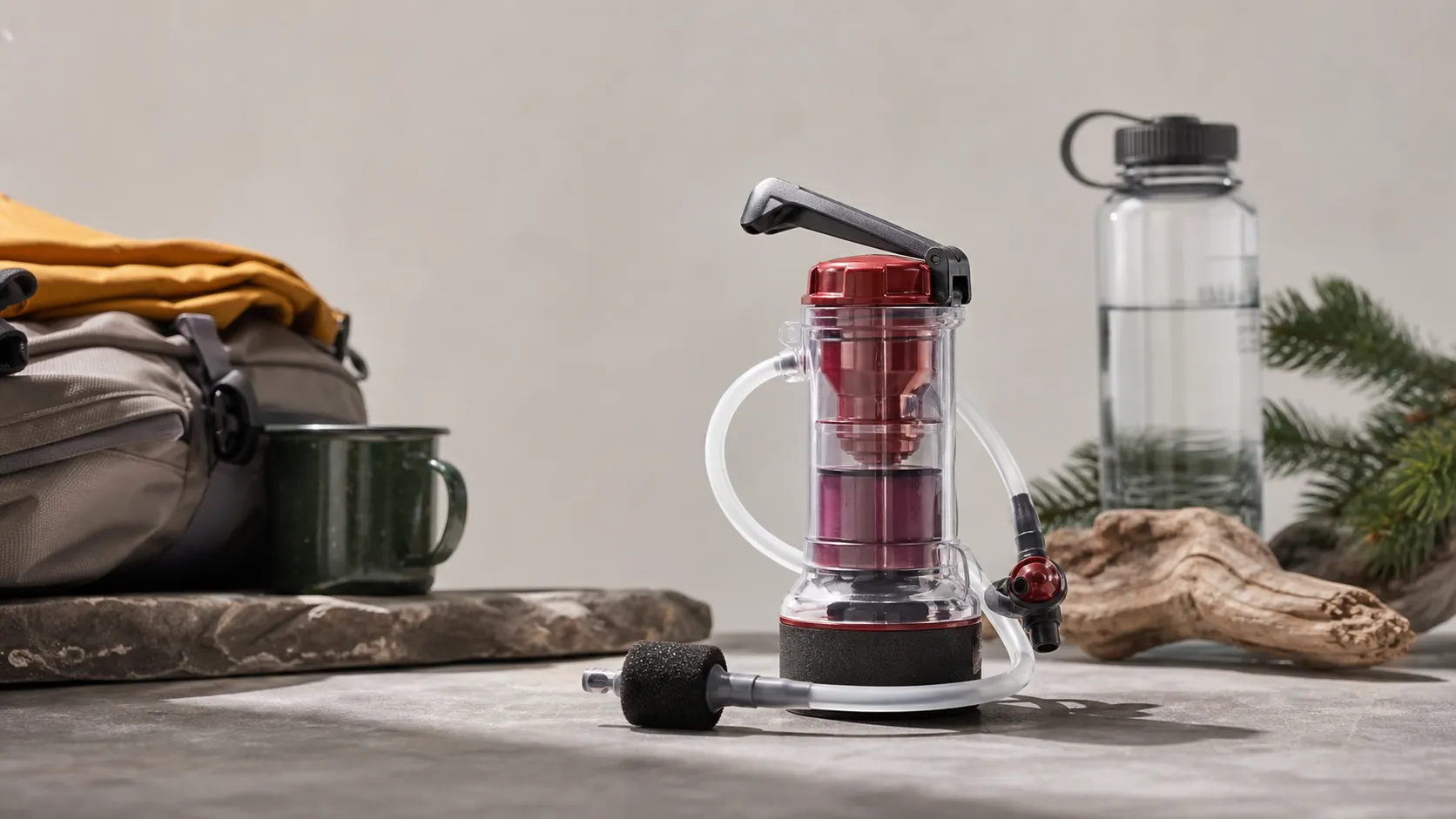
MSR Guardian Purifier Review (2026)
A top pick for groups and basecamps — the MSR Guardian Purifier delivers exceptional flow and durability but carries a high price and weight penalty.
 Outdoor & Garden
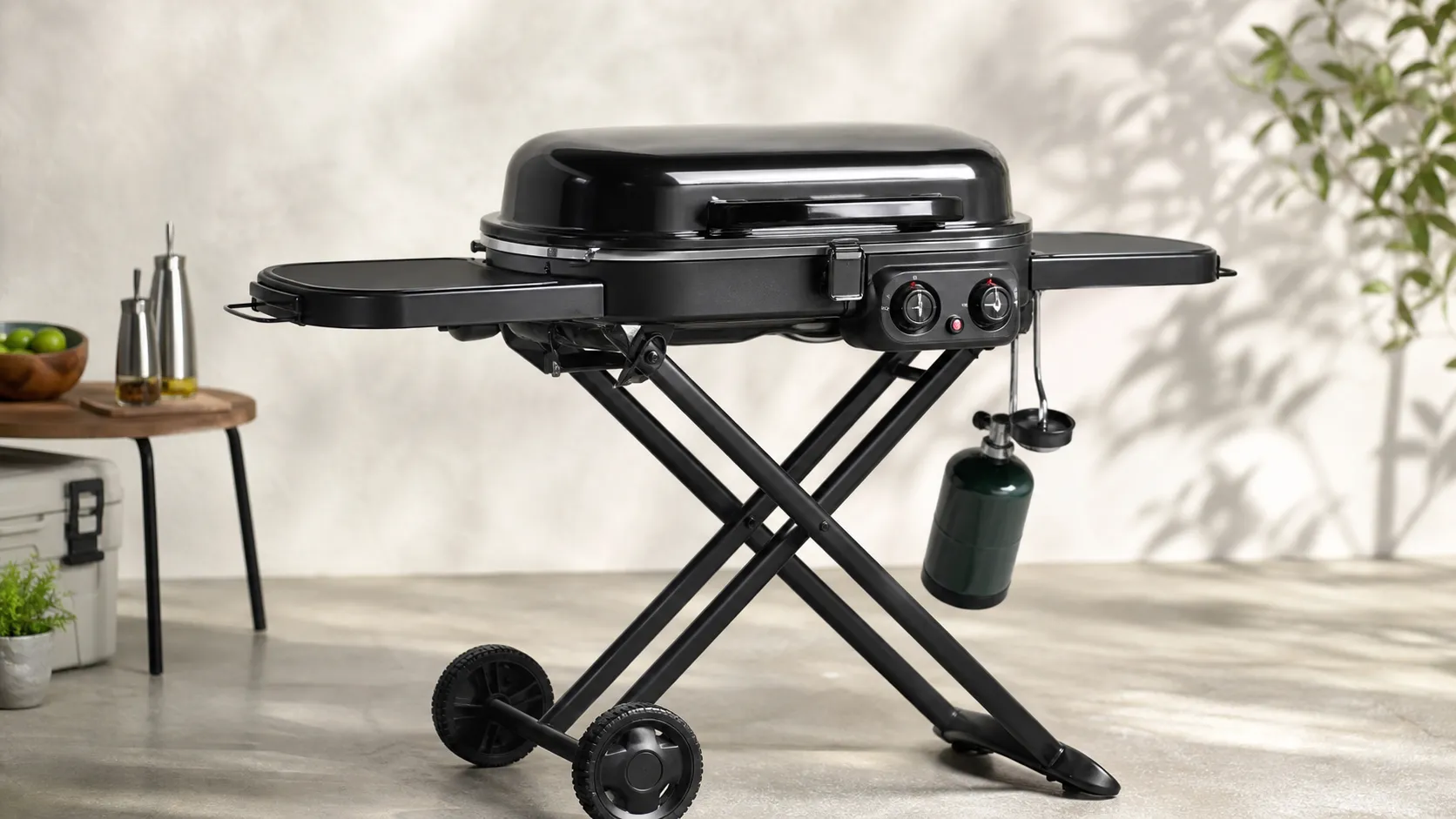
Coleman RoadTrip 285 Portable Propane Grill Review 2026
Portable, quick to heat, and great value — the Coleman RoadTrip 285 is ideal for tailgates and camping, but expect hotspots and some plastic parts to limit heavy use.
 Outdoor & Garden
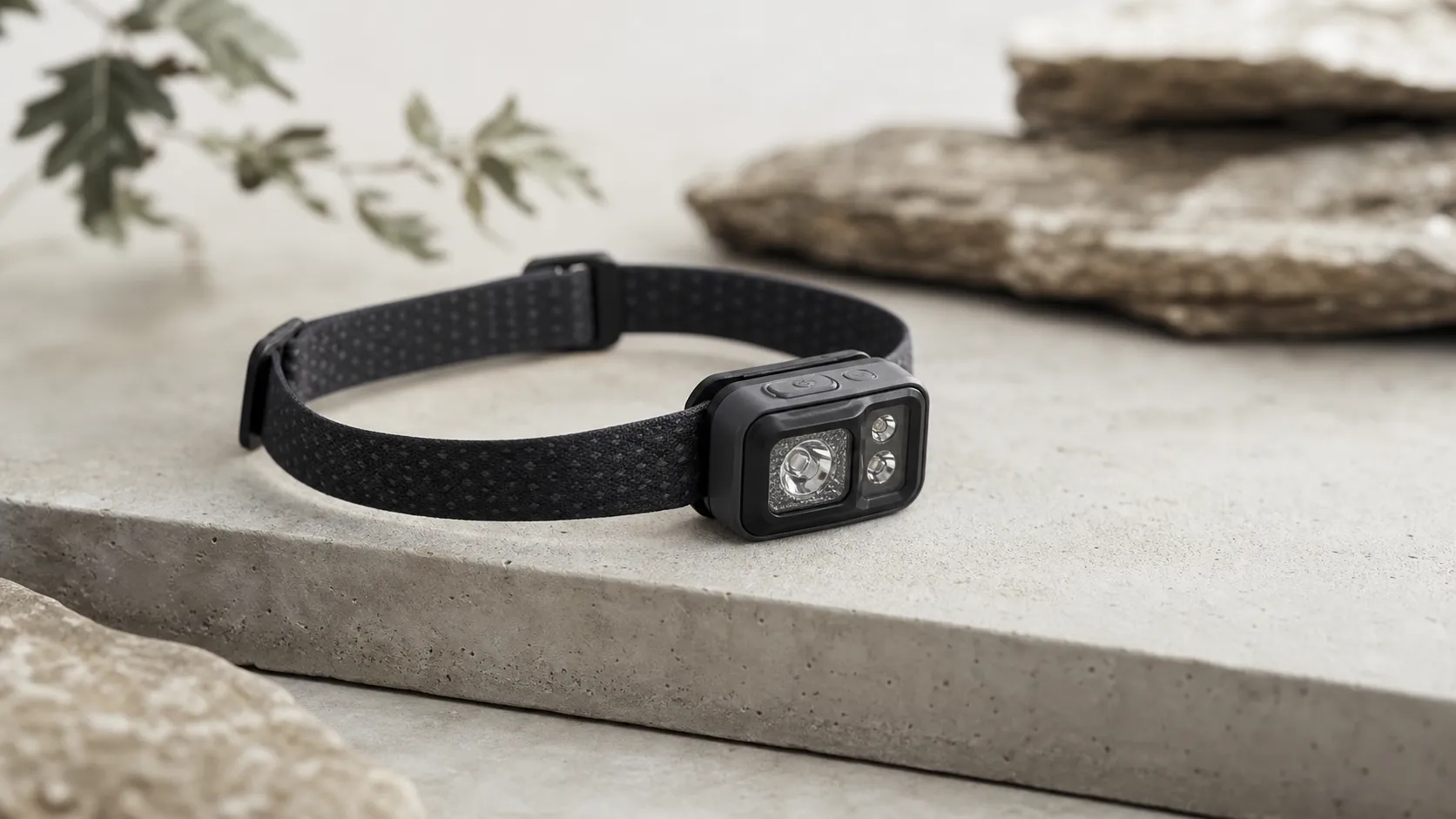
Black Diamond Spot 400‑R Headlamp Review 2026
A bright, well‑balanced rechargeable headlamp that excels for trail running and hiking. Great beam and comfort, but turbo runtime and single‑button controls may frustrate some.