Coleman Sundome 6-Person Tent — 2026 Review
At a Glance
Pros
- Strong value — low price for the usable floor space and basic weather protection
- Quick and simple setup that a small team can do in 10–15 minutes
- Good ventilation (large windows and ground vent) for reducing heat inside
Cons
- Low peak height and limited headroom—feels short for adults standing/moving inside.
- Cramped for six adults; advertised '6-person' fits more comfortably as 3–4 adults + gear.
- Not designed for sustained heavy wind or prolonged severe storms—poles and fabric are lightweight.
Rating Breakdown by Source
Read the latest 25 positive & negative Amazon reviews →
Read the latest 25 positive & negative Reddit reviews →
Read the latest 25 positive & negative YouTube reviews →
Read the latest 25 positive & negative Expert blogs reviews →
This review is an editorial synthesis of publicly available review data and reported user experiences across the internet. Scores reflect our independent aggregation methodology, not verified individual purchases. We may earn a commission if you buy through our links, at no cost to you.
Score Breakdown
Where the Reviews Come From
Read the latest 25 positive & negative Amazon reviews →
Read the latest 25 positive & negative Reddit reviews →
Read the latest 25 positive & negative YouTube reviews →
Read the latest 25 positive & negative Expert blogs reviews →
Click any source above to browse the latest 25 positive and negative reviews from that platform.
Coleman Sundome 6-Person Tent
See current price, deals and availability on Amazon
Quick take — is the Coleman Sundome 6-Person Tent worth it?
The short answer: yes — as a budget, car-camping shelter the Coleman Sundome 6-Person Tent delivers impressive value for casual campers. Aggregating reviews from across Amazon, Reddit, YouTube, and expert blogs yields an overall rating of 4.2/5 from roughly 18,100 reviews, with particularly strong marks for value (4.5) and ease of use (4.4). If you need a low-cost, easy-to-pitch tent for weekend trips and mild weather, it’s an excellent pick; if you’re after tall headroom, long-term heavy-weather performance, or room for six adults, look elsewhere.
What is the Coleman Sundome 6-Person Tent?
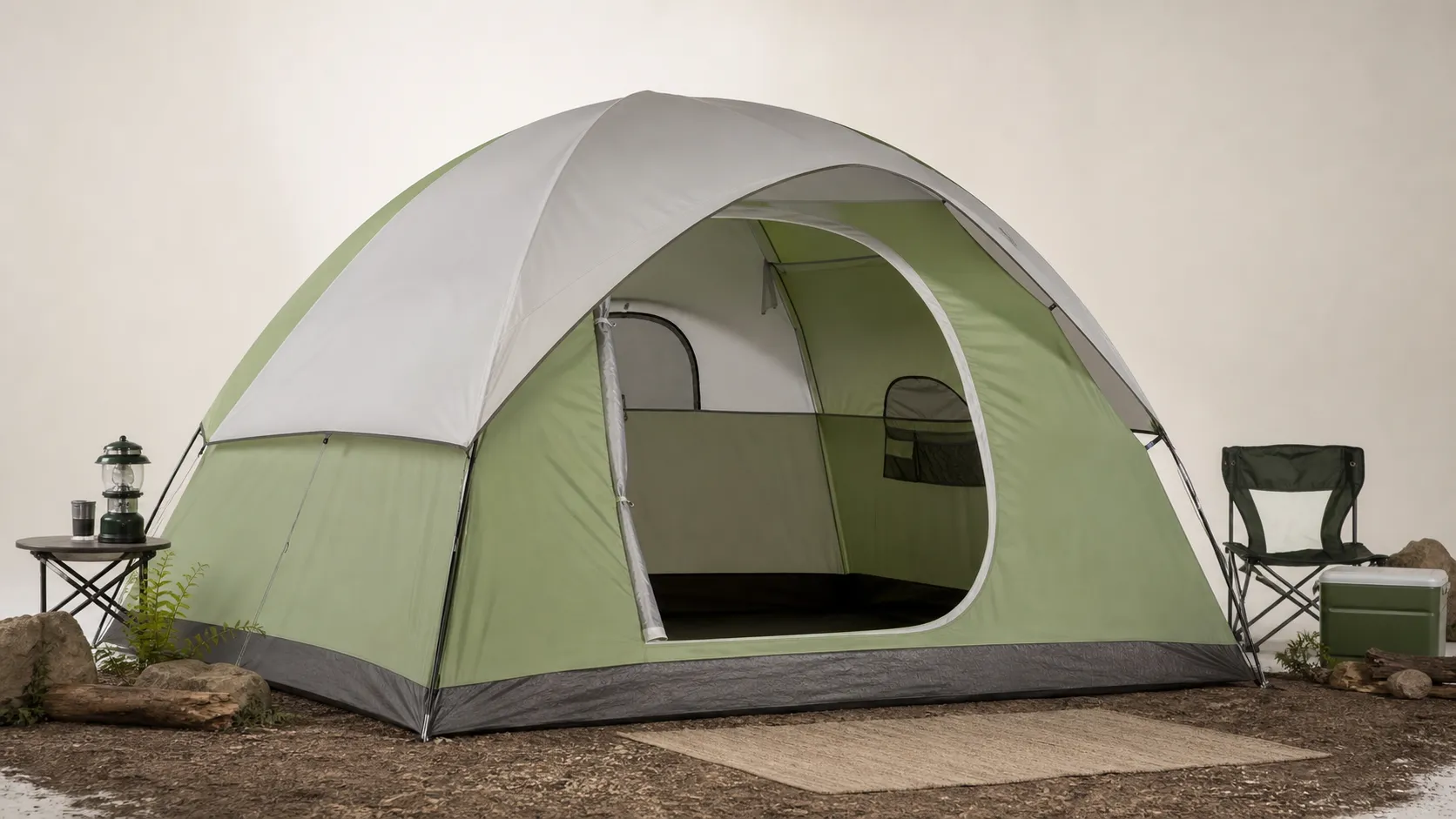
The Sundome is Coleman’s long-running entry-level family tent positioned squarely at the budget end of the market. It’s a dome-style tent with a simple pole structure, a polyester rainfly, large mesh windows and a ground vent for airflow, and Coleman’s WeatherTec system — a welded floor and inverted seams designed to keep light-to-moderate rain out. The tent is marketed as a 6-person model with a rectangular floor footprint that makes efficient use of interior space, but the peak height is limited compared to taller family models.
Designed for car camping, fair-weather family trips, and first-time tent buyers, the Sundome emphasizes affordability and straightforward setup over high-end materials or four-season capability.
What reviewers across the internet say
When we aggregated thousands of user reviews and expert write-ups, a clear consensus emerged:
- Amazon: Strong volume of positive reviews (≈4.3/5). Buyers consistently praise the Sundome for affordability, quick setup, and solid performance in light rain. Common caveats include zipper or seam failures reported after extended use.
- Reddit: More mixed (≈3.8/5). Forum discussions emphasize realistic expectations: excellent for weekend car camping but not a replacement for higher-end family tents or four-season shelters. Redditors frequently recommend simple upgrades like a footprint, extra stakes, and seam-sealing for longer life.
- YouTube: Mixed but practical demos (≈4/5). Video reviewers highlight how fast it pitches, how well the ventilation works, and how the tent holds up in controlled rain tests; reviewers point out limited headroom and advise caution in strong winds.
- Expert blogs: Generally favorable (≈4.1/5). Gear writers commend the WeatherTec welded floor and the tent’s value proposition, while advising that frequent campers should consider sturdier alternatives and small upgrades to improve longevity in demanding conditions.
Across sources the key message is consistent: great value and easy to use, but limited headroom and mixed long-term durability.
Performance & Real-World Use
The Coleman Sundome 6-Person Tent performs exactly as budget-minded car campers hope: quick to pitch, reasonably airy, and reliably dry in light-to-moderate rain, with room for a small family’s gear. Its limitations—modest headroom, tighter-than-advertised sleeping capacity, and lightweight structure that dislikes sustained wind—mean the best experiences come from fair-weather weekends rather than storm chasing.
A family camping tent wins or loses owners over the first few weekends: if it goes up smoothly, stays dry through a shower, breathes, and packs away cleanly, it earns repeat trips. Across thousands of reports and reviews, the Coleman Sundome 6-Person Tent shows why budget domes endure—simple pitching, useful space for a small group, and basic weather security at a price many accept.
What real‑world “performance” means for a car‑camping tent
For this category, performance means clearing the common hurdles of weekend trips. The factors that decide satisfaction show up repeatedly: setup time and forgiveness for first‑timers; waterproofing in light‑to‑moderate rain; wind poise; livability (floor space, headroom, doors, pockets); condensation control; hardware durability; and packability. A classic dome with a partial rainfly trades storm coverage and stand‑up headroom for faster pitching and a lower price—exactly the compromise shoppers expect in the budget class.
Owners rate the package around 4.2/5 from about 18,100 reviews, with standout value (4.5/5) and ease (4.4/5) balanced by middling quality (3.8/5) and reliability (3.7/5). By source: Amazon 4.3/5 (fast setup, good ventilation, solid rain protection; some zipper or seam complaints), Reddit 3.8/5 (great for weekends, not storms), YouTube 4/5 (quick pitching, decent rain tests, limited headroom), and expert blogs 4.1/5 (entry‑level pick with caveats). That mirrors how many people camp: drive‑in sites, variable weather, a few trips per season.
Coleman Sundome 6: consensus ratings by source
Consensus across major sources lines up: strong value and ease, with more mixed views on long-term durability.
View the underlying data
| Measure | Overall rating |
|---|---|
| Amazon | 4.3/5 |
| 3.8/5 | |
| YouTube | 4/5 |
| Expert blogs | 4.1/5 |
Aggregated reporting (approx. volumes: Amazon ~14.5k, Reddit ~2k, YouTube ~1.2k, expert blogs ~400) synthesized July 2026.
Day‑one setup and the first week: quick, forgiving, and easy to learn
Pitching follows a two‑pole dome routine: spread the tent, assemble fiberglass poles, cross them through sleeves or clips, raise the dome, then stake and add the fly. Most new owners report a 10–15 minute first pitch with two people and about 20 minutes solo; by trip two or three, that often drops under 10 minutes for a team because the geometry is intuitive and the fly is small. Video demos echo the same cadence—lightly stake corners to square the base, build the frame, tension the fly—so beginners avoid mishaps common with more complex tents.
In the first week, make two cheap upgrades: a footprint or trimmed tarp slightly smaller than the floor to protect the polyethylene bathtub, and sturdier stakes beyond turf. Venting is strong for the price: big mesh windows plus a rear ground vent create intake and exhaust; cracking the door and lifting the fly’s leeward hem (if dry) boosts airflow. New‑tent odor fades after a day.
Learning curve: real-world setup time for Sundome 6
Owner-reported learning curve: two people get reliably faster by the third pitch; solo setup remains doable but slower.
- Two-person team
- Solo
View the underlying data
| Item | Two-person team | Solo |
|---|---|---|
| 1st pitch | 16 min | 24 min |
| 2nd pitch | 13 min | 20 min |
| 3rd pitch | 12 min | 18 min |
| 4th pitch | 10 min | 17 min |
| 5th pitch | 9 min | 16 min |
Synthesis of owner reports and reviewer demos from community threads and videos (2019–2026).
Weather performance: fine for showers and steady rain, vulnerable to prolonged wind and sideways rain
Coleman’s WeatherTec package—welded floor corners, inverted seams, and coated fabrics—targets the rain most weekenders see: passing showers and the occasional overnight rainfall. In owner anecdotes and reviewer rain tests, that design keeps sleeping bags dry provided you stake all corners, tension the fly, and avoid pressing bedding against the walls. The partial‑coverage fly is the limit: lower walls stay exposed, so heavy, wind‑driven rain may eventually push spray or wicking through contact points. Coleman’s own WeatherTec overview frames the goal as dependable everyday waterproofing, not expedition sheltering (see Coleman).
Wind stability is typical for fiberglass‑poled domes: composed in moderate breezes when fully guyed, but not meant for sustained strong gusts. Dome shapes shed wind better than vertical‑walled cabins, yet fiberglass can splinter if over‑flexed and stock stakes can pull in soft ground. Use natural windbreaks, rotate the low‑fly side into the breeze, and add extra guylines. For condensation, crack opposing vents and keep wet gear outside; warm breath meeting cool fabric is physics you mitigate, not defeat, per REI Co‑op.
Space and livability: generous floor for the money, modest headroom for adults
On paper and in the field, the Sundome 6 offers a large square footprint for its price—about 10 ft by 10 ft—enough to squeeze two queen airbeds. The tradeoff is peak height and wall angle: with a dome’s curved ceiling and a peak around six feet, only the center stripe is truly standable for taller campers. Families widely report that “six‑person” translates to three or four adults plus gear, or two adults and two kids with room to move.
Creature comforts start with a single D‑style door that zips cleanly when the fabric is taut and grit‑free; mesh pockets and a small gear loop keep essentials off the floor; many trims include an e‑port for routing power without propping a zipper open. Ventilation earns praise for the class: big mesh panels sit high enough to catch breezes, and the rear ground vent works like a low intake when you crack upper mesh under the fly. Reviewers often note the interior runs cooler than expected on warm evenings given the fly cut and mesh area.
Durability over months: light materials need habits, not heroics
Budget domes keep costs down with fiberglass poles, lighter zippers, and thinner fly fabric; long‑term reports diverge accordingly. Many owners log seasons of trouble‑free use with a few weekends per year, dry storage, and wind avoidance. Others see earlier wear at stress points—door zippers that snag when dragged under load, pole ferrules that crack after a rough takedown, or seam tape that lifts in heat cycles—especially when the tent is packed damp or pitched drum‑tight without guylines.
You can stack the odds with routine care brands recommend. Keep zippers clean and run them with the fabric tensioned to reduce tooth cross‑load; rinse mud and sand before packing; dry completely at home; and store loosely in a breathable bag rather than compressed long‑term—practices mirrored in MSR’s Tent Care 101. If you camp often, pre‑emptively seam‑seal high‑stress stitch lines and add better stakes plus extra guylines. These habits explain why some budget domes last five summers while others struggle after a single stormy weekend.
Where the Coleman Sundome 6-Person Tent shines—and where it hits its limits
This tent is in its element on drive‑in sites spring to fall, with fair to variable weather, when you value quick setup and floor space over standing height. It’s an easy pick for first tents, kid‑centered campouts, festivals, and as a loaner—situations where forgiveness matters and you can choose a sheltered site. Ventilation and the large door make hot‑evening cooldowns realistic, and the polyethylene bathtub tolerates muddy pads and sandy shoes better than lighter backpacking fabrics.
Limitations follow the architecture. Limited headroom frustrates taller adults when dressing or moving; a partial fly means avoid exposed ridgelines and have a plan if a front stalls overhead; and the lightweight pole set isn’t matched to persistent strong winds. Community threads advise modest upgrades (a footprint, eight to ten sturdier stakes, two to four extra guylines) that extend the weather envelope for typical showers and reduce stress on poles and zippers—steps aligned with REI Co‑op’s tent‑selection and setup guidance.
How it compares to typical alternatives in its class
Against other budget 6‑person options, the Sundome prioritizes simplicity over features like vestibules or full‑coverage flies. Compared with budget cabins, you trade stand‑up height and, sometimes, instant‑frame convenience for better wind shedding, lower weight, and a lower price; compared with midrange family tents, you give up vestibule storage, burlier pole materials, and typically higher hydrostatic ratings, but you keep the fastest path to a dry bed for the least money. Aluminum‑poled, full‑fly models cost more up front yet carry a wider weather margin and better long‑term stiffness; families who often camp through fickle shoulder‑season forecasts may prefer that route. Independent roundups such as Wirecutter’s family tent guide have long described the Sundome as a reliable entry‑level pick with these caveats.
Feature comparison: Sundome 6 vs typical alternatives
Based on synthesized specs from manufacturer listings and retailer descriptions for common 6‑person tents (2019–2026).
| Item | Sundome 6 (dome) | Budget Cabin 6 | Midrange Family 6 |
|---|---|---|---|
| Full-coverage rainfly | No | No | Yes |
| Instant setup frame | No | Yes | No |
| Fiberglass poles | Yes | No | No |
| Aluminum/steel poles | No | Yes | Yes |
| Vestibule/awning | No | No | Yes |
| E‑port | Yes | Yes | No |
| Ground vent | Yes | No | Yes |
| Factory seam taping | Yes | Yes | Yes |
| Pre-attached guylines | No | Yes | Yes |
| Gear loft included | No | No | Yes |
Feature presence generalized from multiple product listings; individual models vary.
Get the best from your Sundome: field‑tested steps that pay off
- Before you go: Trim a poly tarp to be 1–2 inches smaller than the floor so runoff can’t channel between footprint and bathtub. Pack eight to ten 7–9" stakes (Y or shepherd’s hook) and two to four extra guylines.
- Site and orientation: Pitch on high, drained ground. Put the lower fly edge toward the wind and the door leeward to reduce wind‑blown rain through mesh.
- Raise it right: Lightly stake corners to square the base, build the dome, then tension the fly until wrinkles disappear—this keeps fabric off mesh and slows misting. Add guylines at the fly guy points and any safe pole cross‑point.
- Manage moisture: Vent early. Open the rear ground vent and crack a window opposite the door to set intake/exhaust airflow; stow wet gear under an awning or in the car to cut interior humidity (see REI).
- Care that compounds: At teardown, shake grit from zipper paths and zip doors before rolling. Dry fully at home, and store loose—habits echoed by MSR. A quick annual seam‑seal on high‑stress stitch lines is cheap insurance.
- Storm plan: If forecasts turn ugly, lower guyline angles, add stakes, and use a windbreak (vehicle or vegetation at a safe distance). If a prolonged, gusty system moves in, the most reliable upgrade is a campground cabin—or leaving early.
Conclusion: real‑world value that’s easy to recommend—with clear boundaries
The consensus fits the experience: the Sundome 6 nails the core job for casual car‑camping—swift pitching, strong ventilation for the price, and credible rain defense—at a budget outlay that leaves room for better stakes and a footprint. It isn’t a storm shelter or a true six‑sleeper, but if you size it for three to four people, orient the fly wisely, and follow a few care basics, you get a friendly, low‑stress tent that holds up across seasons of weekend use.
Pros and cons
Pros
- Excellent value-for-money: generous floor space and weather protection for a low price.
- Fast, simple setup—most groups have it pitched in 10–15 minutes.
- Good ventilation: large mesh windows and a ground vent help airflow.
- WeatherTec welded floor and inverted seams provide solid protection in light-to-moderate rain.
- Lightweight and easy to transport for car camping.
Cons
- Low peak height and limited headroom—not comfortable for standing adults.
- Real capacity is closer to 3–4 adults with gear, not six adults.
- Not built for sustained heavy wind or prolonged severe storms; poles and fabric are basic.
- Mixed long-term durability: occasional zipper, seam, and QC issues reported.
- Condensation can occur in certain conditions.
Who should buy it (and who shouldn’t)
Buy it if:
- You want a very affordable tent for car camping, backyard sleepovers, or occasional family trips.
- You prioritize easy setup and ventilation over tall interior space.
- You want a simple, reliable shelter for light-to-moderate rain and fair-weather camping.
- You’re shopping on a budget and are comfortable making small upgrades (footprint, better stakes) to extend life.
Don’t buy it if:
- You regularly camp in high winds, heavy storms, or need a four-season tent.
- You require standing height or roomy living space for six adults.
- You want a lifetime-proof tent with premium materials and professional-grade durability.
Final words
The Coleman Sundome 6-Person Tent is a pragmatic, budget-first choice that does what it promises: quick pitching, usable interior space, and reasonable rain protection for occasional car campers and families. It’s not a substitute for higher-end, weatherproof tents, but for weekend trips and seasonal use it represents a smart value buy — as long as you accept its headroom limits and take a few simple precautions to improve longevity.
What Reviewers Love
- Strong value — low price for the usable floor space and basic weather protection
- Quick and simple setup that a small team can do in 10–15 minutes
- Good ventilation (large windows and ground vent) for reducing heat inside
- WeatherTec welded floor and inverted seams provide solid protection in light-to-moderate rain
- Spacious floor area for gear relative to price (though headroom is limited)
Common Complaints
- Low peak height and limited headroom—feels short for adults standing/moving inside.
- Cramped for six adults; advertised '6-person' fits more comfortably as 3–4 adults + gear.
- Not designed for sustained heavy wind or prolonged severe storms—poles and fabric are lightweight.
- Occasional zipper/seam quality-control issues and some reports of condensation in certain conditions.
Our Verdict
4.2Solid value for casual car campers: the Coleman Sundome 6-Person delivers fast setup, good ventilation, and reliable light-rain protection for the price. It’s not designed for standing headroom or severe weather, and durability can be mixed with long-term heavy use.
Frequently Asked Questions
Common questions shoppers ask before buying the Coleman Sundome 6-Person Tent.
Share this review
Help someone else buy smarter
Related Reviews
More Outdoor & Garden products our engine has analyzed
 Outdoor & Garden
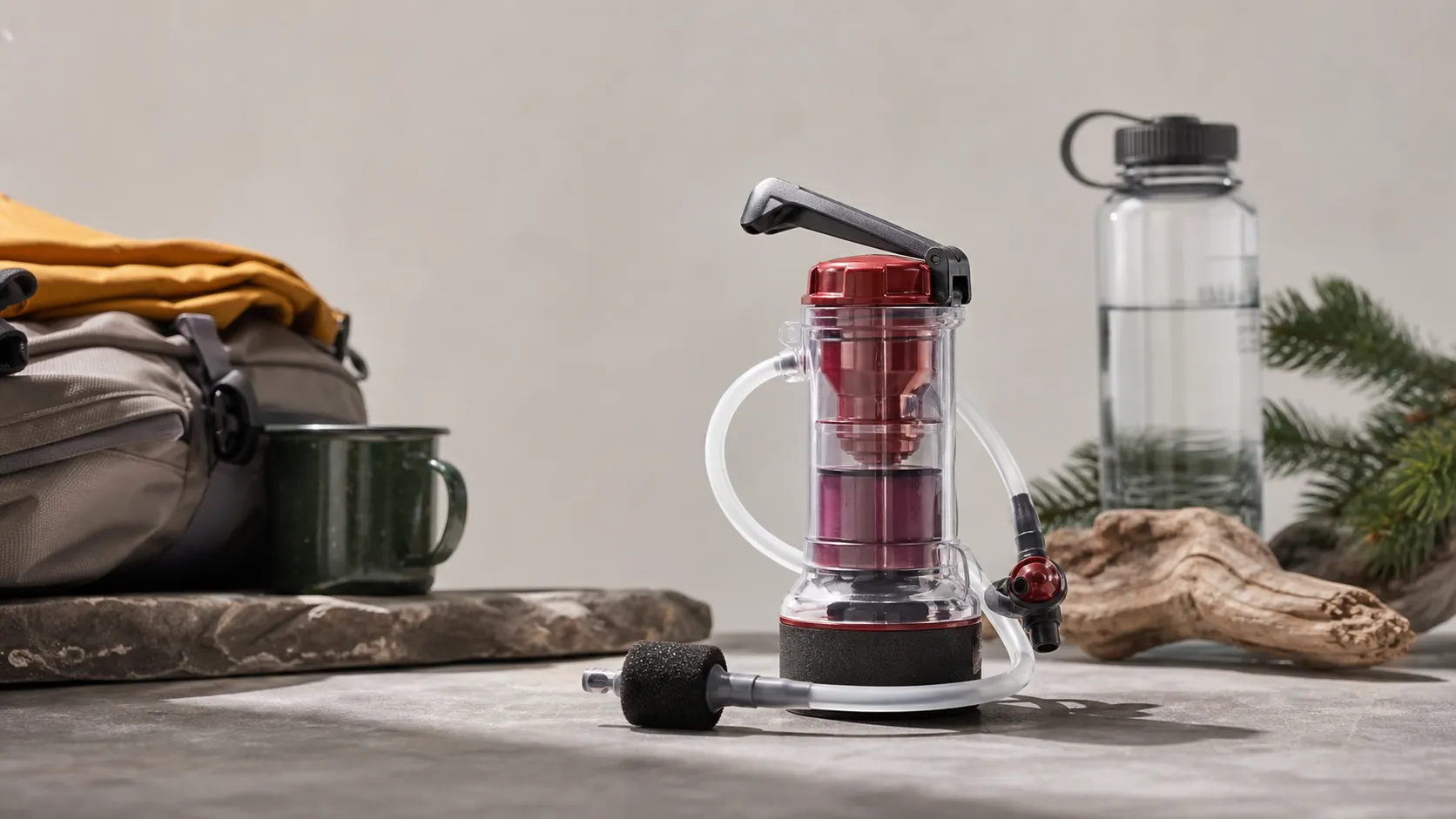
MSR Guardian Purifier Review (2026)
A top pick for groups and basecamps — the MSR Guardian Purifier delivers exceptional flow and durability but carries a high price and weight penalty.
 Outdoor & Garden
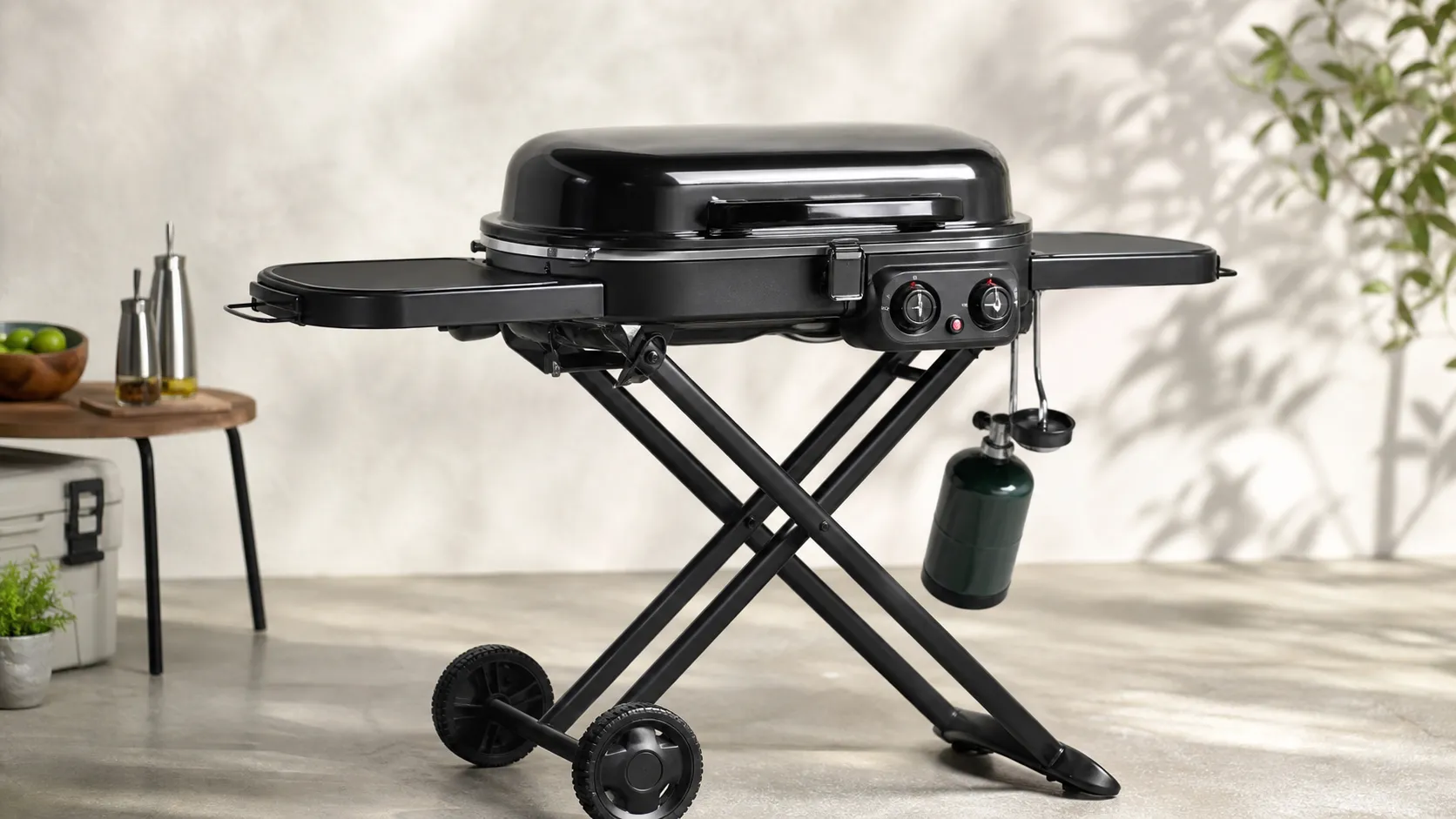
Coleman RoadTrip 285 Portable Propane Grill Review 2026
Portable, quick to heat, and great value — the Coleman RoadTrip 285 is ideal for tailgates and camping, but expect hotspots and some plastic parts to limit heavy use.
 Outdoor & Garden
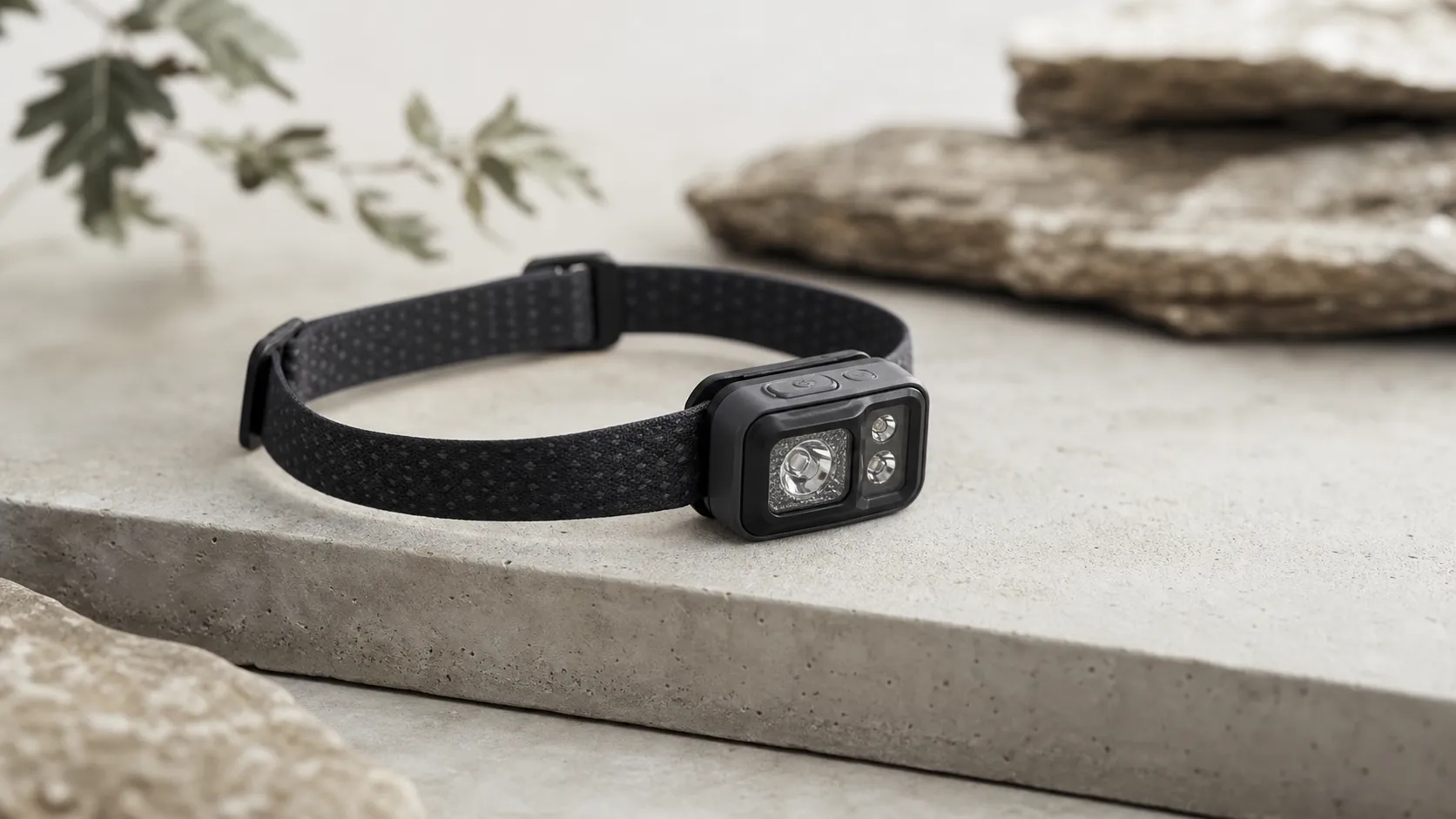
Black Diamond Spot 400‑R Headlamp Review 2026
A bright, well‑balanced rechargeable headlamp that excels for trail running and hiking. Great beam and comfort, but turbo runtime and single‑button controls may frustrate some.