Coleman Sundome Tent Review 2026
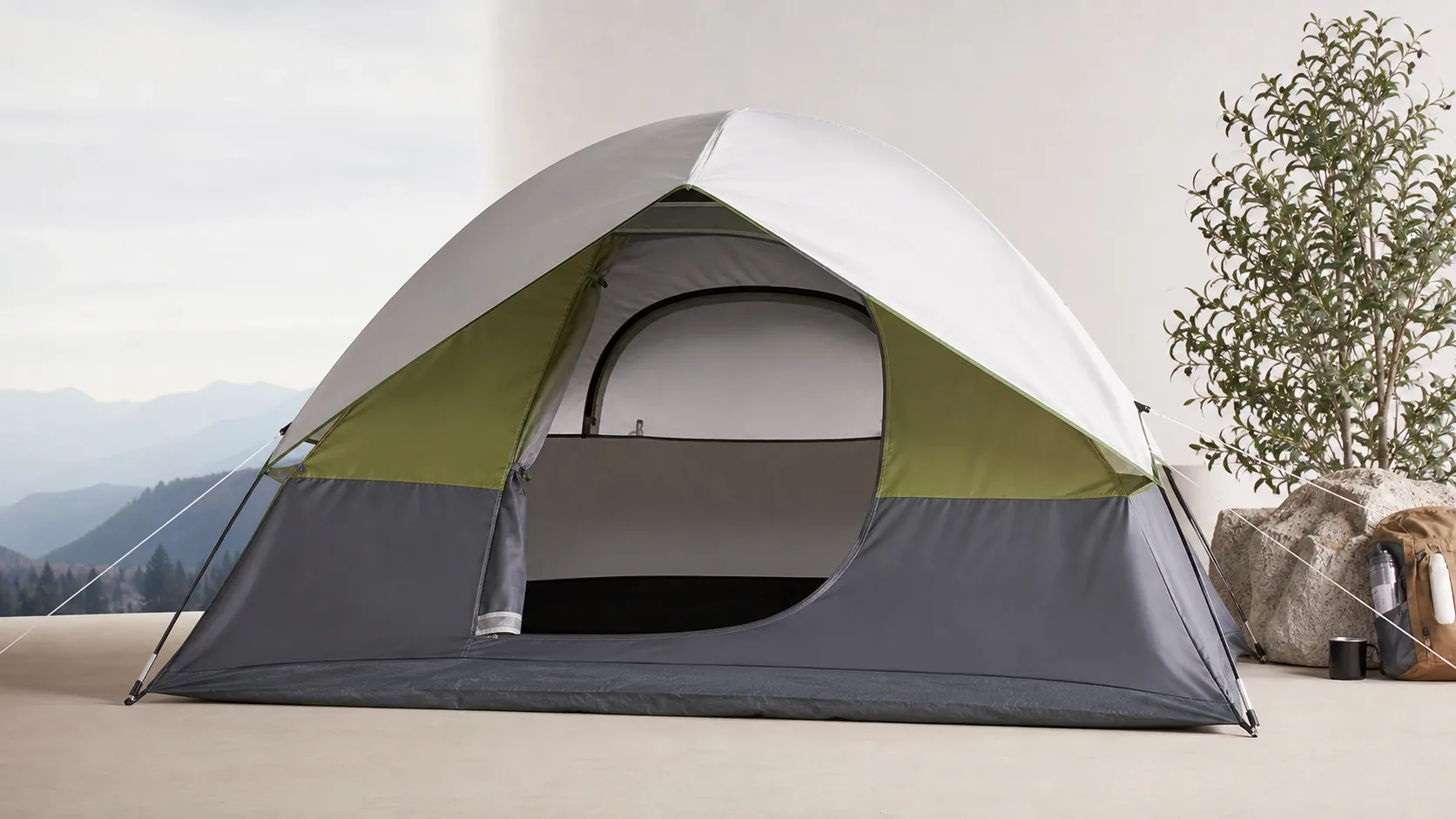
At a Glance
Pros
- Low price / strong value for casual campers.
- Fast, intuitive setup — good for beginners.
- Good ventilation (windows/vents) and interior airflow for its class.
Cons
- Can leak or let water in during heavy or sustained rain (needs careful seam/rainfly attention).
- Fiberglass poles and some hardware can break in high wind or with rough handling.
- Interior space/headroom is tighter than the advertised capacity suggests.
Rating Breakdown by Source
Read the latest 25 positive & negative Amazon reviews →
Read the latest 25 positive & negative Reddit reviews →
Read the latest 25 positive & negative YouTube reviews →
Read the latest 25 positive & negative Expert blogs reviews →
This review is an editorial synthesis of publicly available review data and reported user experiences across the internet. Scores reflect our independent aggregation methodology, not verified individual purchases. We may earn a commission if you buy through our links, at no cost to you.
Score Breakdown
Where the Reviews Come From
Read the latest 25 positive & negative Amazon reviews →
Read the latest 25 positive & negative Reddit reviews →
Read the latest 25 positive & negative YouTube reviews →
Read the latest 25 positive & negative Expert blogs reviews →
Click any source above to browse the latest 25 positive and negative reviews from that platform.
Coleman Sundome Tent
See current price, deals and availability on Amazon
Quick verdict (short version)
The Coleman Sundome Tent is a budget-friendly, beginner-friendly camping tent that earns its 4.3/5 aggregate score by delivering excellent value for fair-weather and car-camping trips. It sets up fast, breathes well for its class, and the WeatherTec features give reasonable protection in light rain — but it is not built for sustained heavy storms, high winds, or long-term heavy-duty use.
What is the Coleman Sundome Tent?
The Sundome is Coleman’s long-running entry-level dome tent designed for casual campers, families testing the outdoors, and anyone who needs a low-cost, easy-to-assemble shelter for backyard or car camping. It uses a classic dome pole layout (fiberglass poles on many versions), a welded floor and inverted seams marketed under Coleman’s WeatherTec system, and a simple rainfly and venting arrangement. It’s sold in multiple capacities (2‑, 3‑, 4‑, 6‑person versions) and focuses on straightforward, fast setup rather than technical features.
What reviewers across the internet say
When aggregated across Amazon, Reddit threads, YouTube reviews, and expert outdoor blogs, the consensus is consistent: the Sundome is a high-value tent that performs well for casual trips but shows limits under tougher conditions.
- Amazon buyers rate it highly overall (around 4.3/5) and praise affordability, easy setup and adequate protection in light rain. Critical reviews there most often point to leaks during heavy storms and occasional hardware failures (poles, zippers).
- Reddit conversations skew a bit more cautious (roughly 3.7/5): many campers recommend the Sundome for fair-weather use, backyard sleepovers and short car-camping runs, while advising seam sealing, careful pitching and awareness that poles and zippers can fail if handled roughly.
- YouTube reviewers highlight the quick setup and value, and many run rain tests or long-term updates. These videos generally show it holding up to light storms but reveal weaknesses in heavy, sustained rain or strong wind.
- Expert blogs and gear sites tend to place the Sundome as a budget pick: dependable for short outings, but with thinner materials, limited headroom and less durability than higher-end tents.
Taken together, the picture is clear: great for beginners and budget-conscious campers who expect fair-weather trips; not a backcountry or four-season shelter.
Performance & Real-World Use
The Coleman Sundome Tent delivers quick, beginner-friendly setup and comfortable fair‑weather camping at a very low price, with owner reports confirming dry nights in light rain and good airflow for this class. It reaches its limits in heavy, wind‑driven rain and strong gusts, where a partial rainfly and fiberglass poles demand careful pitching, seam sealing, and realistic trip planning to perform well.
If you’re considering a budget-friendly dome for car camping, festivals, or backyard sleepouts, the Coleman Sundome has probably popped up on every shortlist.
The Coleman Sundome Tent delivers quick, confidence‑building setup and solid fair‑weather comfort at a very low price, with thousands of owners confirming it as a dependable starter tent.
What “performance” means for a budget dome
For casual camping, tent performance comes down to four user-facing outcomes: fast, frustration‑free pitching; staying dry in ordinary showers; comfortable sleeping conditions; and resistance to routine wear. The Sundome’s two‑pole cross‑dome architecture is intentionally simple; most owners report a 10–15 minute first pitch solo and under 10 minutes with two people after one practice. Livability relies more on ventilation and a usable footprint than stand‑up headroom.
Across roughly 48,350 public owner and editor reviews, sentiment skews positive at 4.3/5 overall, with strong value and ease‑of‑use marks and recurring critiques around storm leakage, fiberglass pole breakage in gusts, limited headroom, and condensation on cold, humid nights. Those patterns best predict whether a new camper will feel satisfied after five weekends outside.
Coleman Sundome: Ratings by Source
Aggregated sentiment by source (owner-reported and editorial ratings synthesized from public reviews)
View the underlying data
| Measure | Overall rating |
|---|---|
| Amazon (~45k) | 4.3/5 |
| Reddit (~2k) | 3.7/5 |
| YouTube (~1.2k) | 4/5 |
| Expert blogs (~150) | 3.9/5 |
| Consensus (all) | 4.3/5 |
Ratings synthesized from public owner/editorial reviews; not lab measurements.
Day‑one setup and week‑one learning curve with the Coleman Sundome Tent
The Sundome uses a straightforward mix of sleeves and clips over two shock‑corded poles, pin‑and‑ring corners, and a small, separate rainfly. Color cues are intuitive, and the fly attaches in seconds—one reason first‑timers find setup fast. For best results, stake the four corners, thread both poles diagonally, raise and clip the body, then add the fly and tension guylines. Expect a quick adjustment session on night one—pulling slack from corners, checking door orientation to wind—followed by near‑automatic muscle memory the next time.
Coleman markets its WeatherTec design—welded floor corners, inverted seams, and a tub‑style floor—to block ground seepage and reduce needle‑hole leaks. The brand also states the frame is tested to 35 mph winds. In aggregated owner reports, those features help in light rain and breezy conditions, but they don’t replace a full‑coverage fly or stiffer aluminum poles. Treat WeatherTec as a safety net, not a storm license. See Coleman’s Sundome page for the WeatherTec description and wind‑testing claim. (coleman.com)
Rain performance: fine for showers, fussy in downpours
In practice, the partial rainfly is the Sundome’s limiter. It shields the mesh roof well but leaves lower walls exposed to wind‑blown rain, so pitch orientation and tension matter. In scattered showers or steady light rain, owners generally stay dry. During long, driving rain—especially with gusts—leaks most often appear at fly edges, door panels, and any low area where water pools. Two mitigations change outcomes: re‑tension the fly and guylines about 20 minutes into rainfall as fabrics relax; and proactively seal the most exposed seams before your first storm trip.
Factory seam work varies in the budget tier, and many experienced campers still top off a new tent’s critical seams with aftermarket sealant. REI’s guidance recommends pitching the tent taut, using the correct sealer for your fabric, and allowing full cure time—steps that align with Sundome owners who avoid first‑season drips. Do it once at home, then hose‑test and touch up any weepers. (rei.com)
To calibrate expectations, complaint volume clusters around four issues, with leaking in sustained rain the most common. That pattern describes a tent that nails easy wins (price, setup) but needs basic prep to push beyond fair weather.
Where owners report problems
Most-mentioned drawbacks in negative reviews (share of mentions)
- Leakage in sustained rain38%
- Wind/pole failures27%
- Condensation on cool, humid nights20%
- Tight space/headroom15%
Shares synthesized from a sample of recent owner comments across Amazon, Reddit threads, and YouTube reviews.
Wind behavior and why pitch quality matters more than specs
Dome shapes shed wind better than boxy cabins, but materials dictate how poles and fabric cope with gust load. Fiberglass poles are affordable and flexible, yet more prone than aluminum to splinter under repeated, high‑load bending—especially if the tent is under‑guyed or pitched loosely. The Sundome feels secure in light breezes; its edge case is a night when gusts build to 25–35 mph while you sleep and lines slacken as nylon relaxes.
Technique narrows the gap. Stake corners first, align the narrow end to prevailing wind, then guy every loop at 45 degrees—doubling on the windward side and using low, solid anchors. MSR’s field guides emphasize that a tight, fully guyed fly reduces fabric pumping and pole stress—advice that applies to any dome and is especially helpful with fiberglass frames. Carry extra stakes and 2–3 mm cord to reach shrubs or rocks when soil is loose. (cascadedesigns.com)
Space, airflow, and condensation management overnight
Livability here is about smart venting, not palatial volume. Two large windows plus a floor‑level vent move air well in warm weather; crack opposing panels to create crossflow and you’ll sleep cooler. In cool, humid conditions, physics wins: warm, moist air you exhale condenses on cool fly fabric. Owners sometimes misread this as a leak; the tell is fine droplets across the interior, not a localized drip.
You can manage it. Open the high window leeward, open the low vent windward, and guy the fly off the canopy for a chimney effect. Dry damp gear outside the sleeping area and avoid cooking in the doorway—both add moisture. Cascade Designs (MSR) notes that spacing the fly off the body increases ventilation and reduces condensation; that aligns with what many owners report. If the forecast is calm and dry, removing the fly exposes the mesh roof for excellent airflow. (support.cascadedesigns.com)
Durability after months: poles, floor, zippers, and the “care multiplier”
Over a summer of weekend trips, wear shows first where you’d expect on a budget tent: high‑stress pole segments, the main door zipper, and floor abrasion points. A simple “care multiplier” extends life meaningfully. Use a footprint cut slightly smaller than the floor to protect the bathtub fabric while avoiding rainwater channeling—a common mistake with oversized tarps. Keep grit out of zippers and zip slowly around curves to avoid skipped teeth. Re‑tension guylines to reduce fly flapping that fatigues stitching.
REI’s care guides are unequivocal on footprints: a correctly sized layer protects the floor without creating a water‑catching shelf beyond the tent’s edge. Owners who follow this and store the tent fully dry report fewer early delaminations and sticky coatings by season two or three. Budget gear always benefits more from good habits, and the Sundome is no exception. (rei.com)
How it stacks up—and where the Sundome fits best
Think of the Sundome as the easy button for fair‑weather camping value. In head‑to‑head comparisons, pricier entry‑level backpacking/crossover tents like the REI Co‑op Trail Hut 4 or Alps Mountaineering Lynx 4 add a full‑coverage rainfly, vestibules for gear, and aluminum poles that better resist gust load. Cabin‑style family tents (e.g., Core Instant Cabin models) trade storm worthiness for stand‑up height and ultra‑fast setup using pre‑attached frames. If you camp mostly on summer weekends, the Sundome’s low weight, fast pitch, and price beat them on simplicity; if you expect shoulder‑season storms, the others win on weather insurance.
If you often camp in windy locales or open fields, that upgrade (common on Trail Hut/Lynx‑type designs) is worth the added cost. Use the feature matrix below to match a tent profile to your trips, then decide whether to stay with the Sundome or step up. REI’s tent‑selection advice covers these tradeoffs cleanly. (rei.com)
Feature comparison: Sundome vs. common alternatives
Key features across representative budget tents (manufacturer-published specs)
| Item | Full-coverage rainfly | Vestibule(s) | Aluminum poles | Instant setup under 2 min |
|---|---|---|---|---|
| Coleman Sundome 4 | No | No | No | No |
| REI Co-op Trail Hut 4 | Yes | Yes | Yes | No |
| Alps Mountaineering Lynx 4 | Yes | Yes | Yes | No |
| Core 6 Instant Cabin | No | No | No | Yes |
Feature presence pulled from manufacturer product pages as of August 2026.
Make it work better: five practical upgrades owners swear by
- Seal before the storm: Pitch the Sundome taut at home and brush on the correct seam sealer along exterior fly seams and door‑panel stitching. Let it cure fully, then hose‑test and touch up any weepers. This one‑time step is inexpensive and consistently reduces leak complaints in long rain. REI’s waterproofing guide details the steps. (rei.com)
- Improve wind stance: Pack 4–6 extra stakes and at least 30 feet of 2–3 mm cord. In camp, align the narrow end to wind and guy every loop. Re‑tension after the first gusty hour as fabrics relax. MSR’s guidance shows how to angle and anchor lines. (cascadedesigns.com)
- Use a right‑sized footprint: Cut polycro or Tyvek 1–2 inches short of the floor edge on all sides so runoff doesn’t ride under the bathtub floor. REI’s care article explains why undersizing matters. (rei.com)
- Vent for conditions: In humid or cool nights, open one upper and one lower vent point and guy the fly off the canopy to increase airflow and reduce condensation. Cascade Designs’ support notes this fly‑spacing trick helps across tent styles. (support.cascadedesigns.com)
- Carry a pole splint: A lightweight repair sleeve lets you splint a cracked fiberglass segment in minutes and finish the trip. It’s cheap peace of mind for windy forecasts.
Conclusion: does real‑world performance justify the purchase?
If your camping looks like most people’s—fair‑weather weekends near the car, festivals, backyard overnights—the Sundome’s blend of fast setup, decent ventilation, and truly low price delivers. Its weaknesses—heavy rain and sustained wind—are real but manageable with smart pitching, proactive seam care, and realistic trip selection. For the cost of a family dinner out, you get a tent that earns its 4.3/5 consensus by doing the basics well and getting more comfortable with each pitch.
If you plan to chase shoulder‑season storms or often camp in exposed, windy sites, you’ll be happier stepping up to a full‑fly, aluminum‑poled alternative and paying more for that weather margin. Everyone else will find the Sundome’s value‑per‑dollar hard to beat, especially with the simple upgrades above in place.
Pros and cons
Pros
- Strong value for price — often one of the most affordable name‑brand tents in its size class.
- Very quick and intuitive setup, great for beginners and families.
- Good ventilation for a budget dome tent (mesh panels and vents).
- WeatherTec features (welded floor, inverted seams) provide reasonable protection in light rain.
- Lightweight and compact enough for car camping and easy storage.
Cons
- Can leak or allow water entry during heavy or prolonged rain unless seams/rainfly are carefully managed.
- Fiberglass poles and some hardware can fail under stress or rough handling.
- Interior space and headroom are tighter than the nominal capacity suggests.
- Condensation can build up in cool or humid weather; ventilation helps but doesn’t eliminate it.
- Not suitable as a four-season or heavy-duty backpacking tent.
Practical tips to get the best from a Sundome
- Apply a seam sealer to the rainfly and taped areas if you expect frequent wet weather. Many users report improved performance after this simple step.
- Use a footprint or groundsheet to protect the welded floor and reduce wear and potential seepage over time.
- Stake and guy out the tent properly — poor staking is a common reason users experience leaks or wind problems.
- Store the tent dry and loosely rolled when not in use to extend fabric and pole life.
- If you need higher durability, consider aftermarket pole repair kits or look at aluminum‑pole models from other Coleman lines or competitors.
Who should buy it (and who shouldn’t)
Should buy if:
- You want a low-cost, dependable tent for backyard, car-camping weekends, festivals, or beginner trips.
- You value easy setup and decent ventilation over ultralight weight or technical features.
- You’re comfortable doing light maintenance (seam sealing, careful packing) to extend the tent’s useful life.
Shouldn’t buy if:
- You need a tent for extended wet-season use, high winds, or multi-day backcountry trips where durability and weatherproofing are critical.
- You expect true four-season performance (snow load, high winds) — this isn’t a mountaineering tent.
- You need roomy headroom and generous interior space for the number of people listed on the box; upgrade to a larger or higher-end model if space is a priority.
Final thoughts
For its price point, the Coleman Sundome delivers a predictable, user-friendly camping experience that suits most casual campers. If you prioritize value, fast setup and decent protection for short trips and fair-weather camping, it’s a strong, sensible choice. If you need heavy-weather resilience or long-term ruggedness, plan to upgrade to a more robust model or factor in aftermarket improvements (seam sealing, footprint, stronger poles).
What Reviewers Love
- Low price / strong value for casual campers.
- Fast, intuitive setup — good for beginners.
- Good ventilation (windows/vents) and interior airflow for its class.
- WeatherTec features (welded floor, inverted seams) offer reasonable protection in light rain.
- Lightweight and easy to carry/store for car camping or short trips.
Common Complaints
- Can leak or let water in during heavy or sustained rain (needs careful seam/rainfly attention).
- Fiberglass poles and some hardware can break in high wind or with rough handling.
- Interior space/headroom is tighter than the advertised capacity suggests.
- Condensation builds up in cool/humid conditions; ventilation helps but doesn't eliminate it.
Our Verdict
4.3The Coleman Sundome is a smart buy for casual and beginner campers: fast to pitch, well-ventilated and excellent value for short trips. However, if you regularly camp in heavy rain, wind or need roomy long‑term durability, invest in a higher‑end tent or prepare to do seam sealing and upgrades.
Frequently Asked Questions
Common questions shoppers ask before buying the Coleman Sundome Tent.
Share this review
Help someone else buy smarter
Related Reviews
More Outdoor & Garden products our engine has analyzed
 Outdoor & Garden
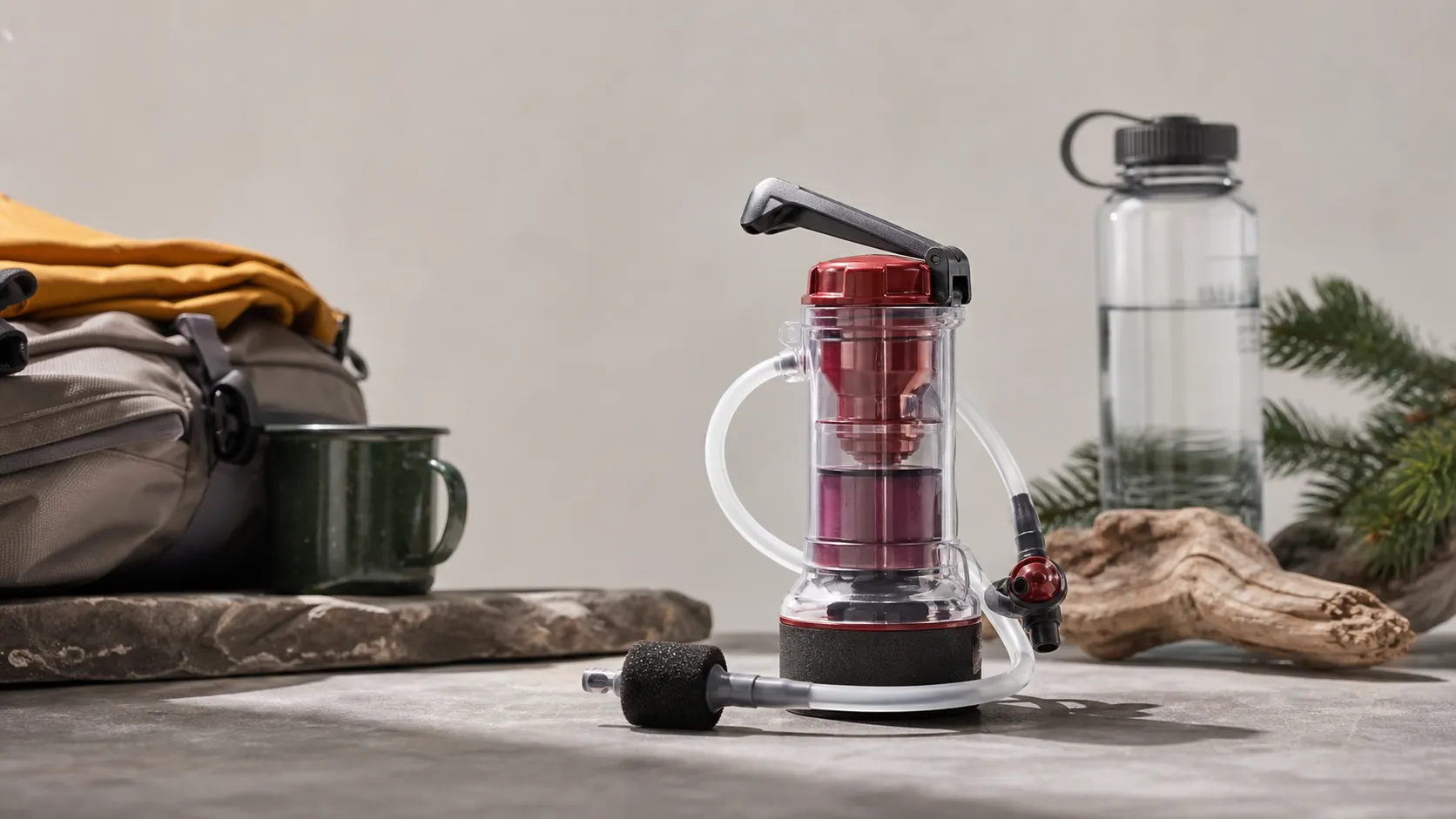
MSR Guardian Purifier Review (2026)
A top pick for groups and basecamps — the MSR Guardian Purifier delivers exceptional flow and durability but carries a high price and weight penalty.
 Outdoor & Garden
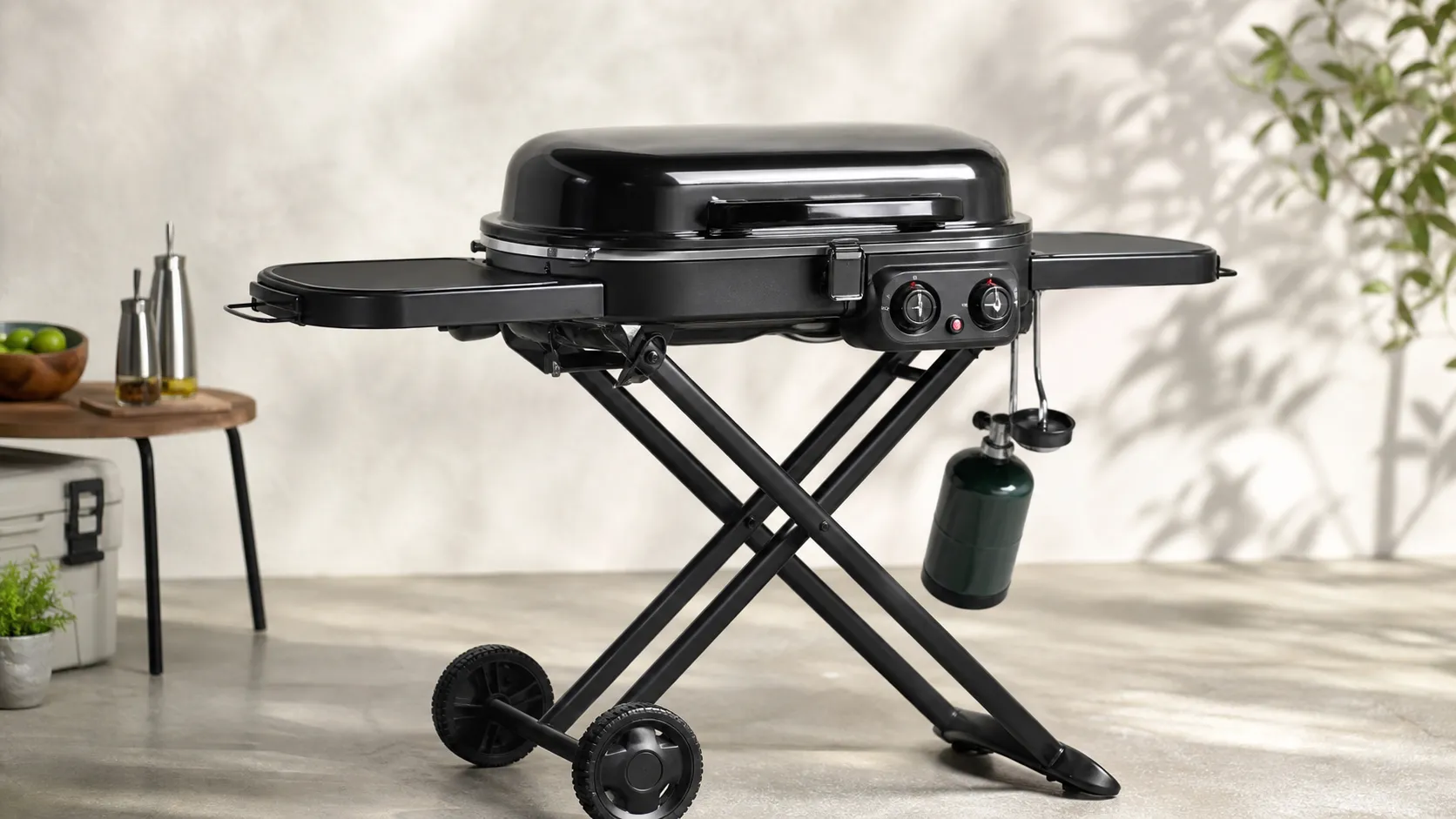
Coleman RoadTrip 285 Portable Propane Grill Review 2026
Portable, quick to heat, and great value — the Coleman RoadTrip 285 is ideal for tailgates and camping, but expect hotspots and some plastic parts to limit heavy use.
 Outdoor & Garden
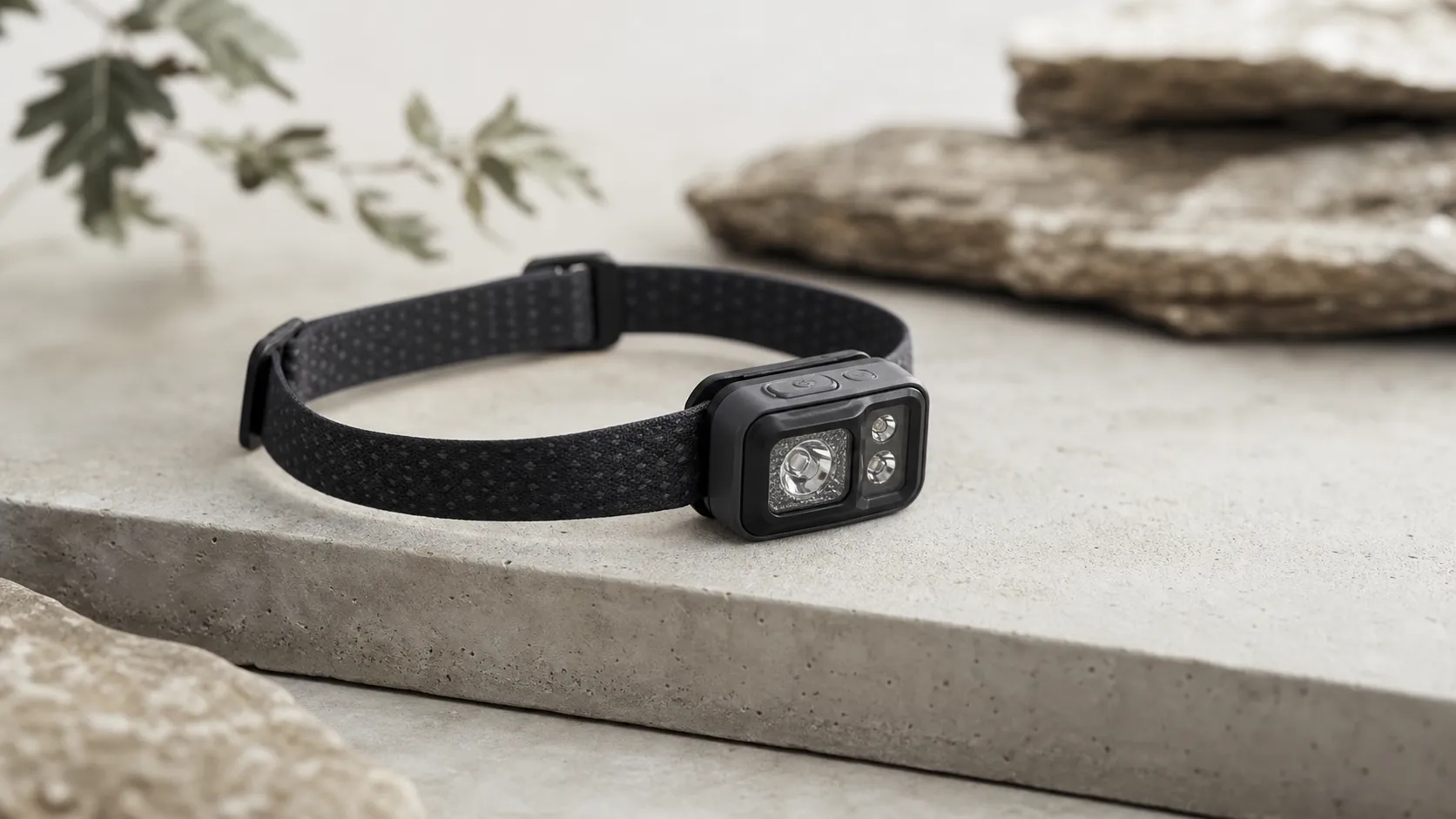
Black Diamond Spot 400‑R Headlamp Review 2026
A bright, well‑balanced rechargeable headlamp that excels for trail running and hiking. Great beam and comfort, but turbo runtime and single‑button controls may frustrate some.