Comotomo Baby Bottle 5 oz Review 2026
At a Glance
Pros
- Soft, squeezable medical‑grade silicone that many parents say mimics the breast and eases latch transitions
- Wide neck and simple construction make cleaning and sterilizing straightforward
- Dual‑venting nipple design marketed to reduce gassiness/colic and often reported to help with feeding comfort
Cons
- Higher price point than many competing bottles
- Nipples can wear, collapse for some babies, or be slower-flow than expected
- Not broadly compatible with most breast pumps or third-party accessories
Rating Breakdown by Source
Read the latest 25 positive & negative Amazon reviews →
Read the latest 25 positive & negative Reddit reviews →
Read the latest 25 positive & negative YouTube reviews →
Read the latest 25 positive & negative Expert blogs reviews →
This review is an editorial synthesis of publicly available review data and reported user experiences across the internet. Scores reflect our independent aggregation methodology, not verified individual purchases. We may earn a commission if you buy through our links, at no cost to you.
Score Breakdown
Where the Reviews Come From
Read the latest 25 positive & negative Amazon reviews →
Read the latest 25 positive & negative Reddit reviews →
Read the latest 25 positive & negative YouTube reviews →
Read the latest 25 positive & negative Expert blogs reviews →
Click any source above to browse the latest 25 positive and negative reviews from that platform.
Comotomo Baby Bottle 5 oz
See current price, deals and availability on Amazon
Intro
If you’re switching between breast and bottle or simply want a bottle that feels more like the real thing, the Comotomo Baby Bottle 5 oz is one of the most talked-about silicone options on the market. Aggregated across thousands of reviews, it scores an impressive 4.5/5 overall — parents consistently praise its breastlike feel, easy cleaning, and anti‑colic venting, while the main drawbacks are price and occasional nipple/flow issues. Our verdict: excellent for breastfed babies and parents who value easy cleaning and safe materials, but consider compatibility and cost before you buy.
What Is the Comotomo Baby Bottle 5 oz?
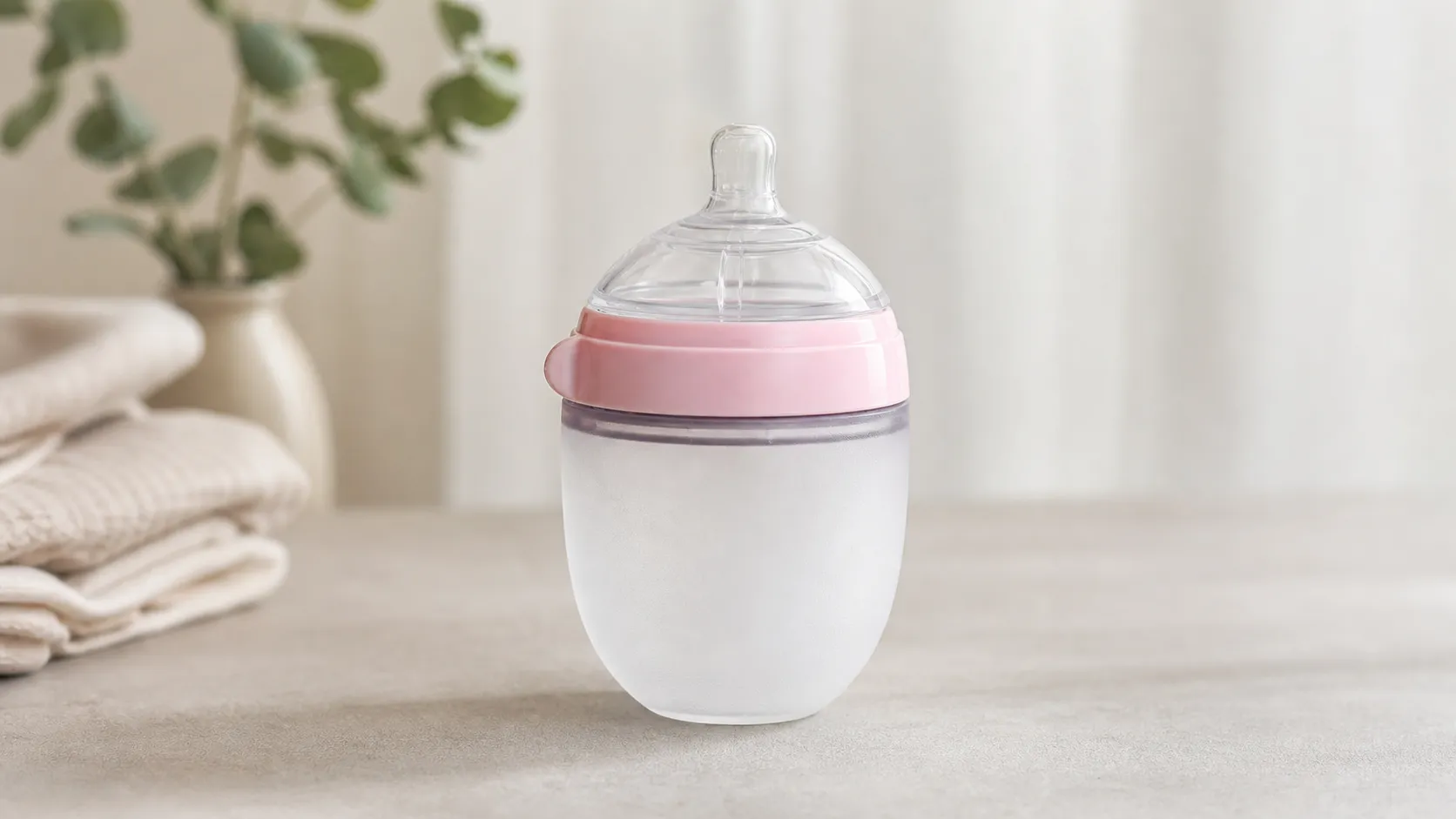
The Comotomo 5 oz bottle is a compact, wide‑neck baby bottle built primarily from medical‑grade silicone. It’s designed to mimic breastfeeding with a soft, squeezable body and a wide silicone nipple that more closely resembles a mother’s breast than traditional rigid bottles. The bottle includes a dual‑venting nipple system intended to reduce air intake (and therefore gassiness), and its one‑piece, wide‑open construction aims to make cleaning, sterilizing, and filling straightforward.
Key features at a glance:
- 5-ounce capacity — good for newborns and small feeds.
- Medical‑grade, BPA/PVC/phthalate‑free silicone (bottle and nipple).
- Wide neck for hand‑washing and sterilizing.
- Dual venting to reduce air ingestion.
- Dishwasher-, boiling-, and steam‑safe according to the brand’s care guidance.
What Reviewers Across the Internet Say
We synthesized thousands of reviews and four major review channels to form a balanced view.
-
Amazon (4.6/5, strongly positive): Large volumes of customer reviews skew positive. Parents commonly praise the natural feel that helps breastfed babies transition to bottle, the simplicity of cleaning, and the reliability of the venting system. The most frequent negatives are the premium price and occasional nipple wear or unexpected flow performance.
-
Reddit (4.2/5, practical/mixed): Community threads are pragmatic. Many recommend Comotomo specifically for breastfeeding compatibility and easy cleaning, but conversations center on whether the cost is justified and how nipples perform for babies with different sucking patterns.
-
YouTube (4.3/5, mixed): Video reviewers show the look, feel, and real‑time feeding tests. Creators often praise quick baby acceptance and the silicone feel but point out slower warming, the bottle’s heft, and that nipples can change over time.
-
Expert blogs (4.4/5, positive): Baby gear and pediatric‑focused reviews generally recommend Comotomo for material safety and cleaning ease. Experts note the bottle’s clear strengths for breast‑feeding compatibility and safety, while acknowledging price and nipple flow/compatibility as the main drawbacks.
Across sources the consensus is clear: Comotomo’s 5 oz bottle shines for babies who need a breastlike experience and for parents who prioritize easy cleaning and safe materials; the tradeoffs are cost, compatibility with pumps and accessories, and occasional nipple issues.
Performance & Real-World Use
The Comotomo Baby Bottle 5 oz earns strong owner satisfaction for latch acceptance, cleaning ease, and feed comfort, averaging 4.5/5 across large‑volume public reviews. Its main drawbacks are price and occasional nipple wear or flow issues, but day‑to‑day behavior and simple maintenance generally make it worth buying for the newborn months.
When parents say a bottle “performs,” they mean reliable wins: an easy latch, steady flow without sputter or collapsing nipples, less gas afterward, and cleanup that doesn’t steal the evening. Across thousands of owner reports, the 5‑ounce Comotomo silicone bottle is praised for a breastlike feel, simple cleaning, and effective venting, with common caveats on price, warming speed, and nipple wear.
The Comotomo Baby Bottle 5 oz earns high marks for latch acceptance, cleaning, and feed comfort, with owners rating it 4.5/5 overall. Its main tradeoffs are value and occasional nipple replacement, but its day‑to‑day behavior and upkeep typically justify the spend in early months.
What “performance” means for a baby bottle—and how this one measures up
For feeding gear, performance is a set of behaviors you can count on many times a day: infant acceptance (especially for breastfed babies switching between breast and bottle), steady flow without leaks, effective venting, true cleanability, material safety, durability, routine compatibility (pumps, sterilizers, warmers), and long‑term cost. Across roughly 10,340 public ratings, the Comotomo Baby Bottle 5 oz averages 4.5/5, with sub‑scores of quality 4.6/5, reliability 4.3/5, ease of use 4.5/5, and value 3.6/5. That consensus tracks with the design: a soft, medical‑grade silicone body and broad nipple mound many babies accept, a wide neck for mixing and scrubbing, and dual anti‑colic vents to reduce vacuum. Comotomo’s product documentation confirms these features, notes the 5‑ounce bottle ships with a slow‑flow nipple for 0–3 months, and that parts tolerate dishwashers, sterilizers, and boiling. (Comotomo product page.) (comotomo.com)
Comotomo Baby Bottle 5 oz: aggregated sub‑scores
Synthesized sub‑scores reported across ~10,340 public reviews; the figures summarize widely repeated owner feedback rather than new lab measurements.
View the underlying data
| Measure | Average score |
|---|---|
| Quality | 4.6/5 |
| Reliability | 4.3/5 |
| Value | 3.6/5 |
| Ease of use | 4.5/5 |
True Score Reviews synthesis of public reviews.
Day‑one setup and the first week with the Comotomo Baby Bottle 5 oz
In the box: a silicone body, silicone nipple, plastic collar, and cap. Before first use, wash and then sanitize by boiling, steaming, or top‑rack dishwashing—methods Comotomo permits—and follow public‑health guidance for cleaning, storage, and discarding leftovers. The CDC’s steps emphasize full air‑drying and careful handling to reduce contamination. (comotomo.com, cdc.gov)
Choose the right nipple from day one. The included slow‑flow option suits most newborns, but watch for signs you need to adjust: long feeds or labored sucking suggest upsizing; coughing, sputtering, or milk dribbling suggest flow is too fast. Nationwide Children’s Hospital outlines these cues clearly. (nationwidechildrens.org)
Plan your warming routine. While Comotomo says the bottle itself is microwave safe, both the FDA and CDC advise against microwaving breast milk or formula due to hot spots; use a warm‑water bath or a bottle warmer, or skip warming if your baby accepts room‑temperature feeds. (fda.gov, cdc.gov)
Comotomo Baby Bottle 5 oz: sterilization and compatibility
Based on the manufacturer’s published guidance; direct pump compatibility varies by brand and typically requires third‑party adapters.
| Measure | Has feature |
|---|---|
| Dishwasher safe (top rack) | Yes |
| Microwave safe | Yes |
| Boil/steam sterilizer safe | Yes |
| BPA‑free materials | Yes |
| PVC/phthalate‑free | Yes |
| Dual anti‑colic vents | Yes |
| Direct pump compatibility (most brands) | No |
Manufacturer documentation and product pages.
How it behaves in daily feeds: latch, flow, and gas management
Owners credit Comotomo’s soft silicone and wide, breast‑shaped mound for helping babies—especially breastfed babies—accept the bottle. The two vent holes at the nipple base prevent vacuum buildup, keeping milk moving without excess air intake. If a nipple collapses mid‑feed, it’s usually a blocked vent (a thin milk film can seal it) or a flow mismatch; align vents left/right under the collar and “burp” the bottle with a light squeeze to confirm air re‑entry.
Two patterns show up. First, silicone’s thicker wall slows heat transfer, so warm‑water baths take longer than with thin plastic; many families start warming earlier or offer room‑temperature milk. Second, the wide neck simplifies measuring, scooping, and cleaning; there are fewer crevices for residue, which matters for avoiding pathogens like Cronobacter in formula. Pair the bottle’s simplicity with CDC cleaning steps and the WHO’s powdered‑formula preparation guidance if you’re formula‑feeding. (cdc.gov, who.int)
Sustained performance over months: durability, consumables, and what changes
The silicone bodies often run through the newborn phase and beyond without cracking, clouding, or warping through repeated boiling, steam sterilization, and dishwashing. Silicone can pick up odors or light stains; prompt rinsing, full air‑drying, and occasional boiling keep things fresh. Long‑term, the nipple is the wear part: slow‑flow nipples may need replacement as babies compress more strongly, and some families report cosmetic roughness near the vent slits after heavy use.
Flow management evolves as intake rises. If feeds regularly push past 20–30 minutes or baby works hard and tires, consider stepping up a flow or using paced‑feeding to moderate intake. As you replace nipples, run a quick water test to confirm both vent slits open so the anti‑colic system can function. Pediatric handouts flag signs of too‑fast flows (coughing, milk spillage) and too‑slow ones (frustration, sleepiness during feeds). (nationwidechildrens.org)
On safety baselines, silicone bottles are inherently BPA‑free, and in the U.S. BPA has not been permitted in baby bottles and sippy cups since 2012 under FDA action—reassurance when comparing older plastics. In Europe and the U.K., EN 14350 sets safety requirements and tests for child drinking equipment, covering materials, construction, and labeling. These frameworks don’t pick winners but define the floor for safe, durable parts that won’t leach harmful substances under normal use. (fda.gov, nen.nl)
Where the Comotomo 5 oz shines—and where it hits limits
It excels in three scenarios. First, introducing bottles to breastfed infants: the wide, pliable nipple and mound help many babies accept a bottle without abandoning the breast, which fuels much of the positive sentiment. Second, hygiene and maintenance: with three primary feeding‑contact parts, residue has few hiding places, and you rarely need specialty brushes. Third, comfort feeds: the two‑vent design moderates air intake when vents are kept clear, which many caregivers link with fewer gassy burps and calmer post‑feed periods.
Limits mirror common complaints. The premium price hurts when you need a day’s worth of bottles. Silicone’s thermal mass lengthens warm‑water heat‑up compared with thin plastic. Nipples can wear or collapse if vents are blocked or flow is mismatched; plan for periodic replacements. The 5‑ounce size is ideal for newborn portions but can feel undersized around three to four months for some infants, prompting more refills or a move to 8‑ounce bottles. Pumpers should note: Comotomo doesn’t advertise broad, direct compatibility with major pumps. Some buy third‑party adapters, but most pump into manufacturer bottles and transfer to Comotomo for feeds. For safety, avoid microwaving milk or formula. (fda.gov)
Where the ~10,340 public reviews came from
Share of total public review volume informing this synthesis.
- Amazon82.2%
- Reddit11.6%
- YouTube5.8%
- Expert blogs0.4%
Counts approximated from platform‑posted ratings and review counts stated in this article.
How it compares to common alternatives
Against vented narrow‑neck systems like Dr. Brown’s Options+, Comotomo trades maximum tunability for simplicity. Dr. Brown’s can be highly effective for babies with significant reflux or gas, but its multi‑piece internal vents demand careful scrubbing and inspection; the brand’s medical cleaning guidance shows those extra steps. Comotomo has fewer parts, rarely needs specialty brushes, and the wide neck reduces formula clumping and thread gunk. If your baby needs the most aggressive anti‑gas setup and you’re willing to clean small pieces, Dr. Brown’s may outperform; if you want fewer parts and a softer teat, Comotomo wins. (drbrownsmedical.com)
Against wide‑neck polypropylene designs such as Philips Avent Natural, Comotomo keeps pace on latch acceptance and cleaning. Philips touts four parts and a wide neck; Comotomo adds a softer grip and won’t shatter like glass if dropped. Plastic alternatives can warm slightly faster in a water bath due to thinner walls, but their stiffer nipples feel different—some babies don’t mind, others do. If you rely on a dishwasher and want lighter bottles, Avent‑style plastic can be the better daily driver; if your baby prefers a softer, breastlike teat or you want a brush‑optional clean, Comotomo has the edge. (acc.usa.philips.com)
If you mix formula regularly, any bottle’s performance still depends on hygiene. The Comotomo’s wide neck lowers prep errors (easier scooping, less powder in threads), but the safety basics apply regardless of brand: clean and sanitize parts per CDC steps, prepare powdered formula per WHO guidance, and avoid microwaving warmed feeds. (cdc.gov, who.int, fda.gov)
Practical, step‑by‑step tips to get the best from Comotomo
- Before first use: disassemble, wash in hot soapy water, rinse, then sanitize (boil 5 minutes, steam sterilizer, or top‑rack dishwasher). Air‑dry fully. Follow CDC cleaning guidance during illness or for young/at‑risk infants. (cdc.gov)
- Vent check each feed: after assembling, gently squeeze and release; look for a tiny air return through a vent. If none, wipe the vent slits so they aren’t film‑sealed.
- Flow fit: if feeds exceed ~30 minutes or baby works hard, try the next flow; if coughing or leaking milk, flow is too fast—step down and use paced‑feeding. See pediatric cues. (nationwidechildrens.org)
- Warming: use a water bath or warmer; don’t microwave breast milk or formula. Consider room‑temperature feeds to remove timing from the routine. (cdc.gov)
- Odors/stains: rinse promptly; occasional boiling and sun‑drying help. Replace nipples first if odors persist—most wear shows there.
- Pump workflow: expect to pump into manufacturer bottles and transfer unless you buy third‑party adapters. A small funnel at your pump station cuts spills.
- Scale‑up: add 8‑ounce bottles by mid‑infancy if typical feeds exceed 4–5 ounces; keep some 5‑ounce bottles for smaller or night feeds.
Bottom line: does real‑world performance justify the price?
If your priorities are breast‑like feel, easy cleaning, and reliable anti‑colic venting in the newborn months, the Comotomo 5‑ounce bottle delivers on its reputation. The downsides—premium price, occasional nipple wear/collapse if vents are blocked, and slower warming—are real but manageable with the steps above. Given consistently high satisfaction (4.5/5 overall; Amazon 4.6/5 with ~8,500 reviews; Reddit 4.2/5; YouTube 4.3/5; expert blogs 4.4/5), its real‑world behavior justifies the purchase for families who value a soft silicone build and brush‑light cleaning. Cost‑focused buyers or those needing direct pump compatibility or the quickest warm‑water heat‑up may prefer a lighter plastic system, but for many households Comotomo’s predictability makes early months easier.
Sources referenced in this section
- Comotomo — Baby Bottle (detailed page)
- Comotomo — Baby Bottle overview (Malaysia)
- CDC — How to Clean, Sanitize, and Store Infant Feeding Items
- FDA — Bisphenol A (BPA): Use in Food Contact Application (baby bottles/sippy cups ban)
- WHO — Safe preparation, storage and handling of powdered infant formula: guidelines
- NEN — EN 14350:2020+A1:2023 (Child care articles — Drinking equipment)
- Dr. Brown’s Medical — Cleaning and Assembly guidance (vented system)
- Philips Avent — Natural bottles page ("four parts" and easy cleaning)
Pros and Cons
Pros
- Soft, squeezable medical‑grade silicone mimics breast tissue and helps breastfed babies transition to bottle.
- Wide neck and simple construction make cleaning, sterilizing, and inspection straightforward.
- Dual‑venting nipple design reduces air ingestion for many babies and can ease gassiness.
- BPA/PVC/phthalate‑free and can withstand boiling, steam, and dishwasher sterilization.
- Durable body — many reviewers report long service life without cracking.
Cons
- Higher price point than most mainstream bottles — value is debated in community threads.
- Nipples can wear, collapse, or deliver slower flow for some babies; replacement nipples may be needed.
- Not broadly compatible with common breast pumps, third‑party nipples, or accessories.
- Silicone can retain odors or stains and bottles warm more slowly than thin plastic options.
Who Should Buy It (and Who Shouldn't)
Who should buy the Comotomo 5 oz:
- Breastfeeding parents who want the smoothest possible transition between breast and bottle. The silicone profile and flexible nipple design are what drive most positive experiences.
- Parents who prioritize easy cleaning and material safety. The wide neck and heat‑safe silicone are a big convenience for families who sterilize often.
- Newborns and small feeders who need a compact, small‑capacity bottle that minimizes wasted milk.
Who should not buy it (or should think twice):
- Parents on a strict budget or who want the cheapest option — Comotomo is a premium bottle and value is a frequently discussed concern.
- Families who need pump‑to‑bottle compatibility or plan to use a lot of third‑party accessories. Comotomo’s proprietary shape and nipple mean it won’t pair well with most pumps and many other brands’ parts.
- Caregivers who rely on very fast warming — silicone’s thickness makes it slower to warm in warmers or hot water than thin‑walled plastic bottles.
Final thoughts
Comotomo’s 5 oz bottle has earned a strong reputation for what it sets out to do: provide a breastlike, easy‑to‑clean feeding option that’s made from safe, durable silicone. If your primary goals are breastfeeding compatibility and simple sterilization, it’s an excellent choice. If raw cost, pump compatibility, or fastest warming time are your top priorities, consider alternative bottles or be prepared to supplement with additional nipples and accessories.
What Reviewers Love
- Soft, squeezable medical‑grade silicone that many parents say mimics the breast and eases latch transitions
- Wide neck and simple construction make cleaning and sterilizing straightforward
- Dual‑venting nipple design marketed to reduce gassiness/colic and often reported to help with feeding comfort
- BPA/PVC/phthalate‑free silicone that tolerates boiling, steam and dishwasher sterilization
- Durable construction—many reviewers report long-lasting use without cracking
Common Complaints
- Higher price point than many competing bottles
- Nipples can wear, collapse for some babies, or be slower-flow than expected
- Not broadly compatible with most breast pumps or third-party accessories
- Silicone can retain odors/stains and bottles warm more slowly than thin plastic
Our Verdict
4.5The Comotomo Baby Bottle 5 oz is an excellent choice for breastfed babies and parents who value easy cleaning and safe, durable silicone. It’s not the best pick if you need pump compatibility, fastest warming, or a low‑cost option, but for what it does it’s one of the most comfortable, well‑made bottles available.
Frequently Asked Questions
Common questions shoppers ask before buying the Comotomo Baby Bottle 5 oz.
Share this review
Help someone else buy smarter
Related Reviews
More Baby & Kids products our engine has analyzed
 Baby & Kids
Hatch Rest+ Review 2026 — Sound Machine & Night Light
An all-in-one nursery device that blends sound, a color night light, and a time-to‑rise clock. Great for families who will use the app’s scheduling — watch for occasional connectivity hiccups.
 Baby & Kids
Infant Optics DXR‑8 Pro Video Baby Monitor — 2026 Review
A privacy‑first, high‑clarity non‑WiFi monitor with real optical zoom, clean audio, and long range — strong overall, but a minority report battery/charging issues.
 Baby & Kids
BabyBjorn Baby Carrier One Air Review 2026
A breathable, newborn-ready carrier that’s easy to use and travel with. Great for short-to-medium carries and warm weather, but less ideal for long, heavy-duty use.