Comotomo Baby Bottle (8 oz) Review — 2026 Guide
At a Glance
Pros
- Soft, breast-like silicone nipple that many babies accept and that helps with breast/bottle transitions
- Wide-neck, two-piece design is easy to clean by hand and fits in many sinks
- Squeezable body and soft material can make feeding more natural for some infants
Cons
- Higher price than many plastic or glass bottles
- Silicone can retain milk odor/staining and takes longer to fully dry
- Limited nipple compatibility/flow options — some babies resist or need different flows
Rating Breakdown by Source
Read the latest 25 positive & negative Amazon reviews →
This review is an editorial synthesis of publicly available review data and reported user experiences across the internet. Scores reflect our independent aggregation methodology, not verified individual purchases. We may earn a commission if you buy through our links, at no cost to you.
Score Breakdown
Where the Reviews Come From
Read the latest 25 positive & negative Amazon reviews →
Click any source above to browse the latest 25 positive and negative reviews from that platform.
Comotomo Baby Bottle (8 oz)
See current price, deals and availability on Amazon
Quick verdict
The Comotomo Baby Bottle (8 oz) is a high-quality silicone bottle that many parents call the closest bottle-feel to the breast. Aggregating roughly 31,700 user reviews and expert roundups gives it an overall rating of 4.5/5 — it excels at acceptance, easy hand‑cleaning, and a natural feeding experience, but its higher price and silicone-specific issues (odor, staining, limited accessory compatibility) keep it from being a perfect universal choice.
What Is the Comotomo Baby Bottle (8 oz)?
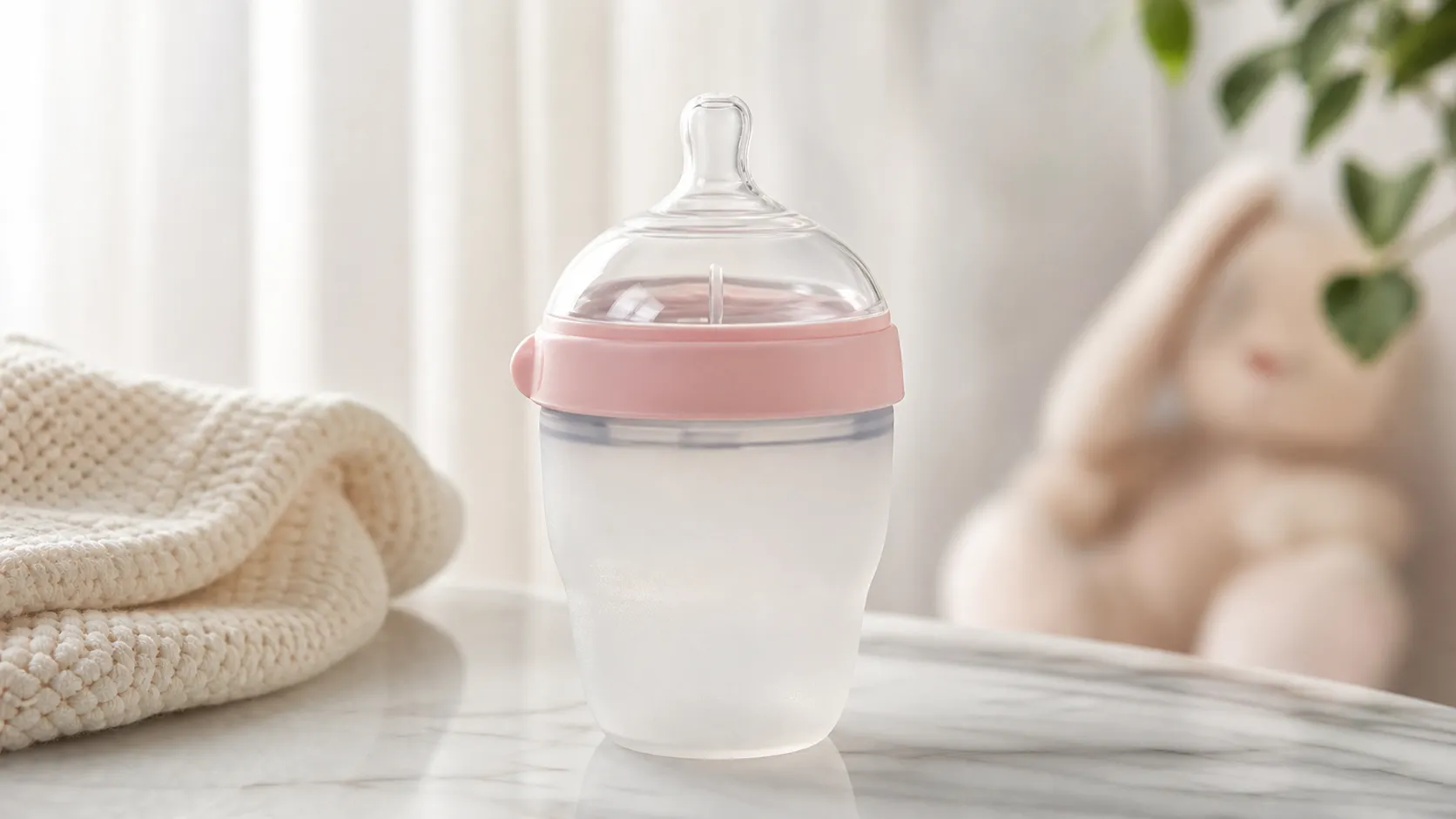
Comotomo's 8 oz bottle is a two-piece, soft-bodied feeding bottle made almost entirely of medical‑grade silicone. The bottle pairs a wide, breast‑like nipple with a squeezable silicone body and a wide neck that opens to a single-piece inner reservoir for faster hand‑washing. It's designed primarily for breastfed babies who need an easier transition to bottle feeding, and for caregivers who want a soft, tactile bottle that more closely mimics holding the breast during feedings.
Key product characteristics:
- 100% medical‑grade, BPA‑ and PVC‑free silicone (body and nipple).
- Wide neck and short, compact shape for easy cleaning and comfortable hold.
- Two nipple flow options available through model choices (slow and medium); fewer aftermarket flow choices than many rigid bottles.
- 8 oz capacity, marketed for babies beyond the newborn stage.
What Reviewers Across the Internet Say
Across Amazon, Reddit threads, YouTube demos, and parenting/expert blogs the consensus is consistent: Comotomo shines where natural feel and easy cleaning matter, but it has pragmatic tradeoffs.
-
Amazon (aggregate): ~4.6/5. Large‑volume customer reviews repeatedly praise the soft, breast‑like nipple for easing transitions and reducing fussiness. Ease of cleaning and perceived safety from medical‑grade silicone are frequent positives. Typical negatives center on price and occasional long‑term odor or staining.
-
Reddit (parent discussions): ~4.2/5. Community threads emphasize real‑world tradeoffs — many parents report smooth breastfeeding-to-bottle transitions and that babies accept the bottle quickly. Others note nipple flow mismatches, poor compatibility with pumps/warmers and aftermarket nipples, and issues with silicone retaining odors over time.
-
YouTube (video reviews/demos): ~4.4/5. Video reviewers highlight the tactile benefits and demonstrate how the wide neck simplifies cleaning. Visuals showing babies feeding calmly reinforce the acceptance story, while comment threads echo concerns about cost and staining.
-
Expert blogs (pediatric/parenting roundups): ~4.3/5. Reviewers with editorial experience typically recommend Comotomo for parents prioritizing breastfeeding compatibility and a soft nipple; they also point out the higher price and limited accessory ecosystem compared with mainstream plastic or glass bottles.
Taken together, reviewers score Comotomo highest for quality and ease of use (quality 4.6, ease of use 4.4), moderate for reliability (4.2), and lowest for perceived value (3.7). That pattern describes a product many parents love for performance, but some balk at the cost or silicone quirks.
Performance & Real-World Use
The Comotomo Baby Bottle (8 oz) earns high marks for acceptance and cleaning ease, with fewer reports of gas and leaks than many rigid bottles. Its tradeoffs are cost, silicone odor/staining over time, and spotty compatibility with pump setups and some accessories.
Parents judge a bottle by whether baby latches calmly, milk flows steadily without air, nothing leaks, and parts clean fast while surviving sterilizing and drops. This section synthesizes thousands of owner reports and expert outlets on Comotomo’s soft silicone design—where it helps, where it needs workarounds, and how to get the most from it.
The Comotomo Baby Bottle (8 oz) earns high marks for acceptance and cleaning ease, with fewer reports of gas and leaks than many rigid bottles. Its tradeoffs are cost, silicone odor/staining over time, and spotty compatibility with pump setups and some accessories.
What real‑world “performance” means—and how Comotomo scores
Five things decide if a bottle works in daily life: (1) latch/acceptance, (2) flow control and venting, (3) leak resistance, (4) hygiene (cleaning/drying), and (5) durability/compatibility over months. On these, sentiment for Comotomo is positive across roughly 31,700 public reviews and expert notes: 4.5/5 overall, with quality 4.6/5, reliability 4.2/5, value 3.7/5, and ease of use 4.4/5. Large retailer reviews (Amazon about 25,000 at 4.6/5), Reddit (~4.2/5), YouTube (~4.4/5), and expert blogs (~4.3/5) align on three strengths: a soft, breast‑like nipple many babies accept, a wide neck that’s easy to wash, and fewer complaints about fussiness than some rigid bottles.
Balanced against the praise are steady tradeoffs. Silicone can retain odor and discoloration if fat films persist, and it air‑dries more slowly than hard plastic. Flow needs tuning: the 8 oz ships with a medium‑flow nipple that won’t suit every newborn, so size down or pace feeds. Comotomo’s dual anti‑colic vents work when clean, but residue can clog them; quick vent checks prevent most collapse or drips. See Comotomo’s FAQ and CDC cleaning guidance.
Aggregated sub‑scores: Comotomo vs. category
Owner and expert sentiment emphasizes quality and ease of use; value lags mainly due to price.
- Comotomo
- Category Avg
View the underlying data
| Item | Comotomo | Category Avg |
|---|---|---|
| Quality | 4.6/5 | 4.4/5 |
| Reliability | 4.2/5 | 4.1/5 |
| Value | 3.7/5 | 4/5 |
| Ease of use | 4.4/5 | 4.3/5 |
Synthesis of ~31,700 owner reviews across Amazon, Reddit, YouTube, and expert roundups (e.g., BabyGearLab, GoodToKnow), 2021–2026. Scores normalized to /5; category average reflects leading wide‑neck bottles.
Day‑one and first‑week behavior: setup, latch, and leak checks
Box includes silicone body, one nipple, and one ring. Before first use, sterilize parts in boiling water for 5 minutes and air‑dry—matching manufacturer and public‑health guidance to sanitize new feeding items. Comotomo notes dishwasher (top rack), steam/electric sterilizer, and microwave safety for the container; don’t microwave milk because of hot spots—use a warmer or warm‑water bath. If your infant is under 3 months, premature, or immunocompromised, the CDC recommends daily sanitizing in addition to routine washing.
Most parents report an easy latch thanks to the wide‑mound nipple and squeezable body, which can mimic breast compression. The 8 oz bottle includes a Medium Flow (3–6 months); many newborns do better with Slow Flow, and Comotomo also offers faster flows and a Y‑cut. Aim for a 10–20 minute feed; if baby sputters or finishes in minutes, try paced feeding, then adjust flow. Watch two points in week one: seat the nipple evenly in the ring to avoid rim leaks, and keep the two vent tips free of residue so the nipple doesn’t collapse mid‑feed. Comotomo’s troubleshooting pages show both steps clearly.
Comotomo Baby Bottle (8 oz): materials, durability, and monthly upkeep
The body and nipple are food‑contact grade silicone, free of BPA, PVC, and phthalates—standard since the FDA eliminated BPA in baby bottles and sippy cups in 2012. Silicone’s benefits show up daily: it’s drop‑tolerant, handles boiling and steam, and its pliable feel supports acceptance. Over months, two changes are typical: faint milk odor or light clouding if cleaning leaves residual fats, and gradual nipple softening that can speed flow. Comotomo advises replacing nipples about every 3–6 months based on wear and bottles around the 6‑month mark; replace sooner if you see cracks, stickiness, or a noticeably faster flow at the same hole size. See the FDA’s BPA overview.
Routine care is quick. Rinse after feeds, wash with hot, soapy water, and squeeze suds through nipple holes and vents, or use the top‑rack dishwasher. For odor control, Comotomo recommends a 5‑minute baking‑soda boil or an overnight warm‑water/baking‑soda soak; owners report both work. Silicone holds droplets along the wall; allow extra time or use a heated‑dry dishwasher cycle so parts emerge dry. Sanitizing frequency depends on age and health: daily for high‑risk infants and after first use; otherwise routine hot‑soapy cleaning is fine unless local guidance differs. The CDC’s page is the clearest reference.
Care and safety quick facts (published specs)
Published care/compatibility claims summarized from Comotomo pages; microwave is for container safety only—don’t heat milk in a microwave per pediatric guidance.
| Measure | Comotomo 8 oz |
|---|---|
| Dishwasher safe (top rack) | Yes |
| Microwave safe (container) | Yes |
| Electric/steam sterilizer safe | Yes |
| Boiling safe (5 min) | Yes |
| Dual anti‑colic vents (in nipple) | Yes |
| BPA/PVC/Phthalate‑free | Yes |
| Silicone‑only milk contact | Yes |
| Bottle warmer compatibility list published | Yes |
From Comotomo FAQ and product pages; see also Target listing for silicone‑only milk contact.
Feeding feel, flow, and fussiness: where it shines
Comotomo stacks the deck for calm feeds in three ways. First, the soft, wide‑mound nipple can encourage a deeper latch than narrow, firm designs, which many parents transitioning from breastfeeding cite as decisive. Second, dual anti‑colic vents equalize pressure so milk flows consistently instead of “glugging,” reducing gulped air—provided the vents stay clean. Third, the squeezable body lets caregivers give a brief assist to sleepy feeders, then back off for paced feeding to keep the session within the 10–20 minute window on HealthyChildren.org.
In owner reports, those traits mean fewer complaints about sputtering and mid‑feed nipple collapse than with non‑vented or very firm‑nipple bottles, especially for partially breastfed babies taking a couple of bottles daily. Testing‑focused outlets such as BabyGearLab also praise cleaning simplicity and the forgiving latch shape. The caveat is preference: some babies compress very soft nipples too much and do better with a firmer tip. Flow‑tuning solves most of these edge cases.
The limits owners run into
Three frictions recur. Price is higher than typical polypropylene or even glass bottles, and replacement nipples add cost over a year. Silicone’s quirks show up as occasional odor, slight staining (fortified formulas), and slower air‑drying. And ecosystem fit is imperfect: direct pumping into Comotomo often requires third‑party adapters for popular pumps (Spectra/Medela), and some narrow‑cup warmers or tight drying racks don’t love the wide base. Comotomo publishes compatibility images for warmers and sterilizers, but you may still need to test accessories.
Mitigations are simple and effective. Keep vent tips clean—pinch and roll them under warm water after washing—to prevent nipple collapse or weeping. Rotate four to six bottles or use a heated‑dry dishwasher cycle to ensure complete drying. For pump workflows, either transfer from your pump’s collection bottles or buy adapters confirmed for your flange and threads; lactation resources maintain current lists, and adapter guides like this overview are a good starting point. For odor, do the baking‑soda boil or an overnight soak and then wash and air‑dry with good airflow; the CDC explains safe drying setups.
What owners complain about most
The most common frustrations reported by owners over months of use.
- Price35%
- Odor/Staining25%
- Compatibility (pumps/warmers)20%
- Flow mismatch15%
- Other5%
Topic modeling of public owner comments from major retailers and forums (2021–2026); rounded to nearest 5%.
How it stacks up against alternatives
Versus Dr. Brown’s Options+ (with an internal vent system), Comotomo wins on parts count and cleaning speed; Dr. Brown’s can be excellent for severe reflux or very gassy babies, but the extra vent pieces require careful brushing and tracking. Compared with Philips Avent Natural, both chase a breast‑like latch; Avent’s firmer nipple and Airflex vent may suit babies who compress soft nipples too much, though some parents report more air intake depending on feeding position. Against other silicone options like Boon Nursh (with a collapsing silicone pouch), Comotomo’s integrated venting keeps parts minimal and avoids pouch‑specific cleaning, while Boon’s pouch can further reduce air without a separate vent but adds a unique wash step and occasional fit quirks when re‑seating the sleeve.
Across the class, Comotomo’s differentiator is the combination of soft feel and a truly wide neck that lets you get a sponge—or even your hand—inside. Testing publications routinely call it easier to clean than average, and retailer listings emphasize silicone‑only milk contact in current models. The flip side: very soft nipples aren’t universal winners, and the premium price makes experimenting with multiple flows (or a competitor) feel costly. If you want natural feel and minimal parts to wash, Comotomo should be near the top of your shortlist; if you need maximum venting for reflux, a multi‑part system can still be the better fit. See BabyGearLab’s roundup for a broad view.
Pro tips to get the best from it
- Before first use: boil all parts for 5 minutes; thereafter, hot‑soapy cleaning after each feed, plus daily sanitizing for infants under 3 months or with special health needs per the CDC.
- Assemble carefully: seat the nipple evenly in the ring and tighten until flush; misalignment is the most common cause of rim leaks.
- Maintain the vents: pinch and roll both vent tips under warm water after each wash to clear residue and prevent nipple collapse.
- Tune the flow: the 8 oz ships with Medium Flow; if sessions run under 10 minutes or baby sputters, try paced feeding, then adjust nipple size up or down.
- Beat odors: do a 5‑minute baking‑soda boil or overnight baking‑soda soak, then wash and dry fully with good airflow.
- Plan your ecosystem: if you pump with Spectra or Medela and want to pump directly into Comotomo, budget for the correct third‑party adapter or plan to transfer milk; check Comotomo’s compatibility images when choosing warmers/sterilizers.
- Dry smart: silicone holds droplets; a rack with spacing or a heated‑dry dishwasher cycle speeds complete drying.
Verdict: does real‑world performance justify the price?
Yes—if your priorities match what Comotomo optimizes. The soft, breast‑like nipple and squeezable silicone body help many babies switch between breast and bottle smoothly, and the ultra‑wide neck reduces cleaning time. Over months, you’ll trade slightly slower drying and occasional odor‑management for durable, drop‑friendly silicone and simple two‑piece reassembly. Compatibility isn’t universal—you may need adapters for pump‑to‑bottle workflows, and some accessories won’t fit the wide base—but Comotomo publishes warmer and sterilizer guidance, and the pumping community has well‑documented adapter paths. Considering the consistently high owner satisfaction and strong quality and ease‑of‑use sub‑scores, the performance case for paying a premium is solid—especially for mixed‑feeding families or anyone who values simpler cleaning above all else.
Sources referenced in this section
- Centers for Disease Control and Prevention — How to Clean, Sanitize, and Store Infant Feeding Items
- U.S. Food & Drug Administration — Bisphenol A (BPA): Use in Food Contact Application
- American Academy of Pediatrics (HealthyChildren.org) — Introducing the Bottle
- Comotomo — Baby Bottle Gen 2 product page
- Comotomo — Warmer compatibility image
- BabyGearLab — The Best Baby Bottles | Tested & Ranked
- Target — Comotomo Silicone Baby Bottles Gen 2 (silicone‑only milk contact claim)
- Pumping Mamas — Easy Guide to Adapters for Medela and Spectra (adapter overview)
Pros and Cons
Pros
- Soft, breast‑like silicone nipple — high acceptance and easier breast/bottle transitions.
- Wide neck and two‑piece design — very easy to clean by hand and faster to reassemble.
- Squeezable, tactile body — helps paced feeding and mimics breast compression.
- Medical‑grade, BPA‑free silicone — perceived as safe and durable by many buyers.
- Strong real‑world scores across Amazon, YouTube, and parenting blogs for feeding success.
Cons
- Higher price than many plastic or glass alternatives — perceived value score is lower.
- Silicone can retain milk odor and show light staining; drying takes longer than rigid bottles.
- Limited nipple‑flow variety and poor compatibility with many pumps, warmers, and accessories.
- Some babies may still resist the flow or need a different nipple profile.
Who Should Buy It (and Who Shouldn't)
Who should buy it
- Breastfeeding parents who want an easier transition back and forth between breast and bottle. The soft, wide nipple is specifically designed for that use case.
- Caregivers who value easy hand‑washing — small households or travel users who prefer bottles that don’t require many pieces to clean.
- Parents who prioritize material safety and a soft feel (medical‑grade silicone, BPA‑free).
Who shouldn't buy it
- Budget‑sensitive shoppers who need multiple bottles at a low cost. Cheaper plastic bottles provide more value per dollar.
- Families that rely heavily on pump‑to‑bottle workflows or specific warmers and sterilizers — Comotomo’s shape limits compatibility.
- Parents who want many nipple‑flow options or who have infants with very specific flow needs; other brands offer broader flow ranges and aftermarket nipples.
Bottom line
Comotomo’s 8 oz bottle delivers one of the most convincing “breast‑like” bottle experiences on the market. If acceptance, easy hand‑cleaning, and a soft, squeezable feel are your priorities, it’s an excellent choice — and that’s reflected in the strong aggregated score (4.5/5 from ~31,700 reviews). If budget, accessory compatibility, or low‑maintenance impermeability are your primary concerns, consider pairing a Comotomo for select feedings with more economical bottles elsewhere in your kit.
What Reviewers Love
- Soft, breast-like silicone nipple that many babies accept and that helps with breast/bottle transitions
- Wide-neck, two-piece design is easy to clean by hand and fits in many sinks
- Squeezable body and soft material can make feeding more natural for some infants
- Made from medical-grade, BPA-free silicone — reviewers commonly note perceived safety and durability
- Generally well-reviewed for reducing fussiness/gassiness compared with some rigid bottles
Common Complaints
- Higher price than many plastic or glass bottles
- Silicone can retain milk odor/staining and takes longer to fully dry
- Limited nipple compatibility/flow options — some babies resist or need different flows
- Not compatible with many standard pumps, warmers, and bottle accessories
Our Verdict
4.5Comotomo’s 8 oz bottle earns high marks for mimicking the breast, simplifying hand‑cleaning, and improving feeding acceptance — especially for breastfed babies. It’s a premium, well‑made bottle, but the higher price, potential for silicone odor/staining, and limited accessory compatibility mean it’s best as a targeted purchase rather than a one‑size‑fits‑all solution.
Frequently Asked Questions
Common questions shoppers ask before buying the Comotomo Baby Bottle (8 oz).
Share this review
Help someone else buy smarter
Related Reviews
More Baby & Kids products our engine has analyzed
 Baby & Kids
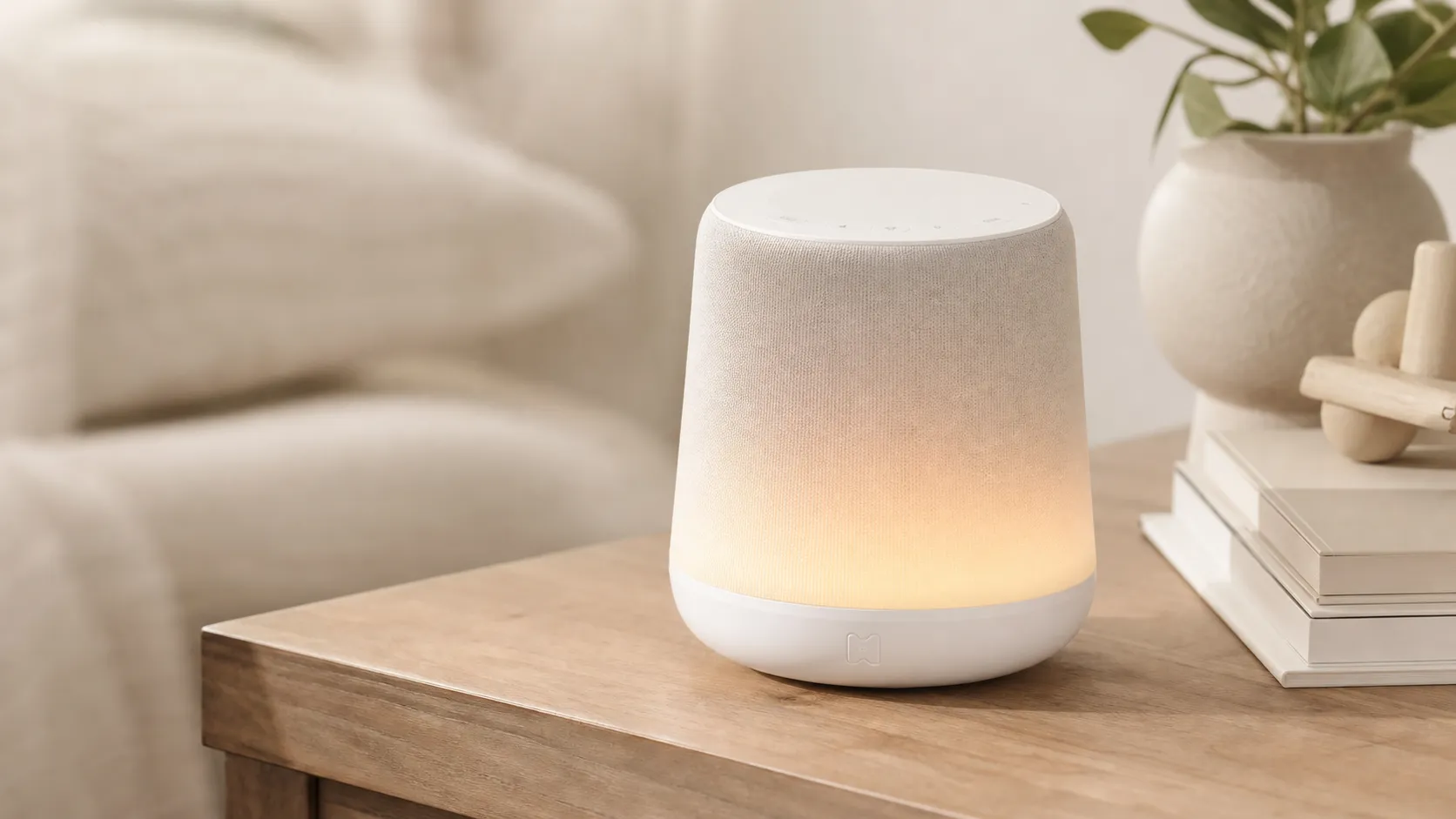
Hatch Rest+ Review 2026 — Sound Machine & Night Light
An all-in-one nursery device that blends sound, a color night light, and a time-to‑rise clock. Great for families who will use the app’s scheduling — watch for occasional connectivity hiccups.
 Baby & Kids
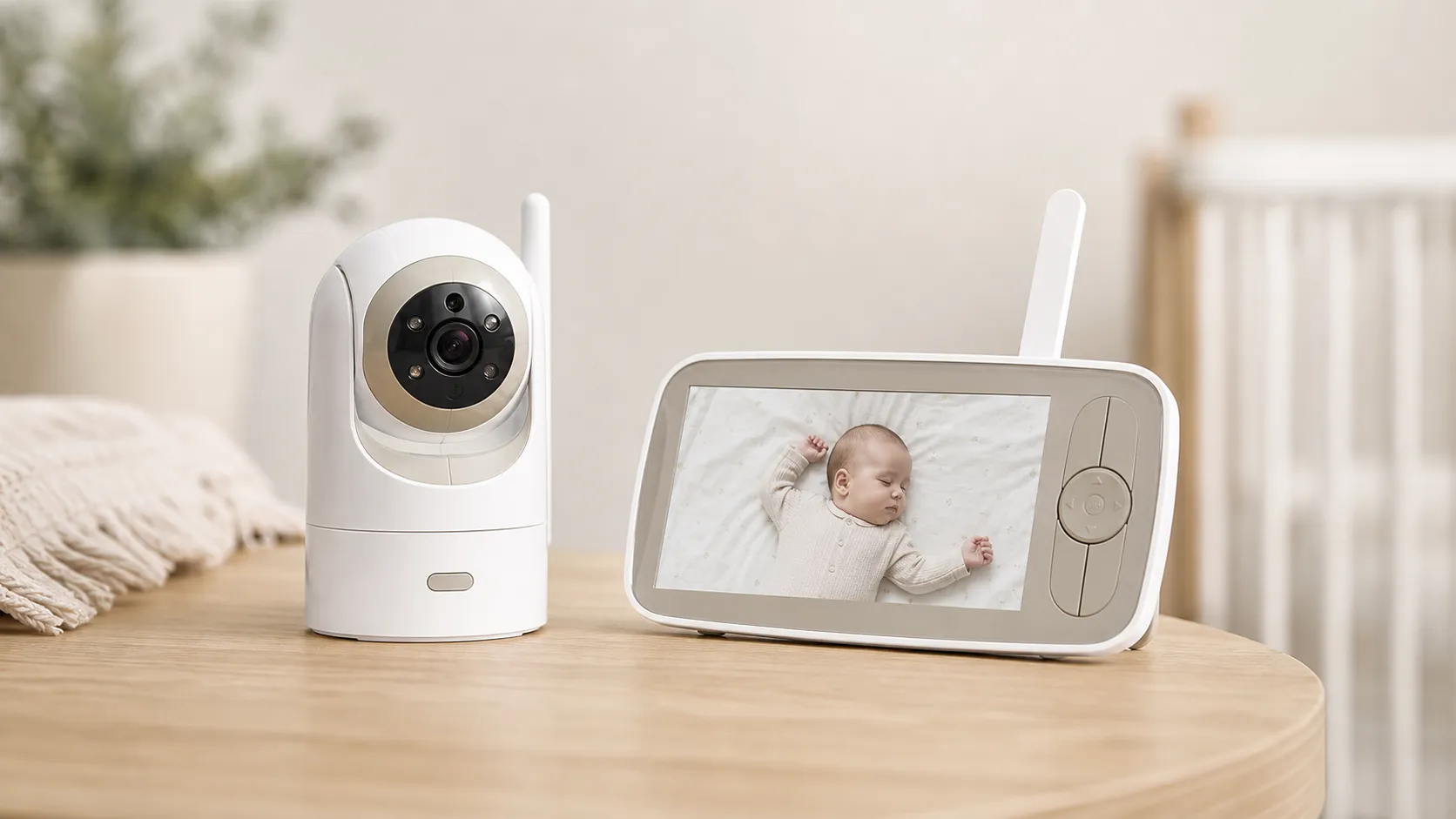
Infant Optics DXR‑8 Pro Video Baby Monitor — 2026 Review
A privacy‑first, high‑clarity non‑WiFi monitor with real optical zoom, clean audio, and long range — strong overall, but a minority report battery/charging issues.
 Baby & Kids
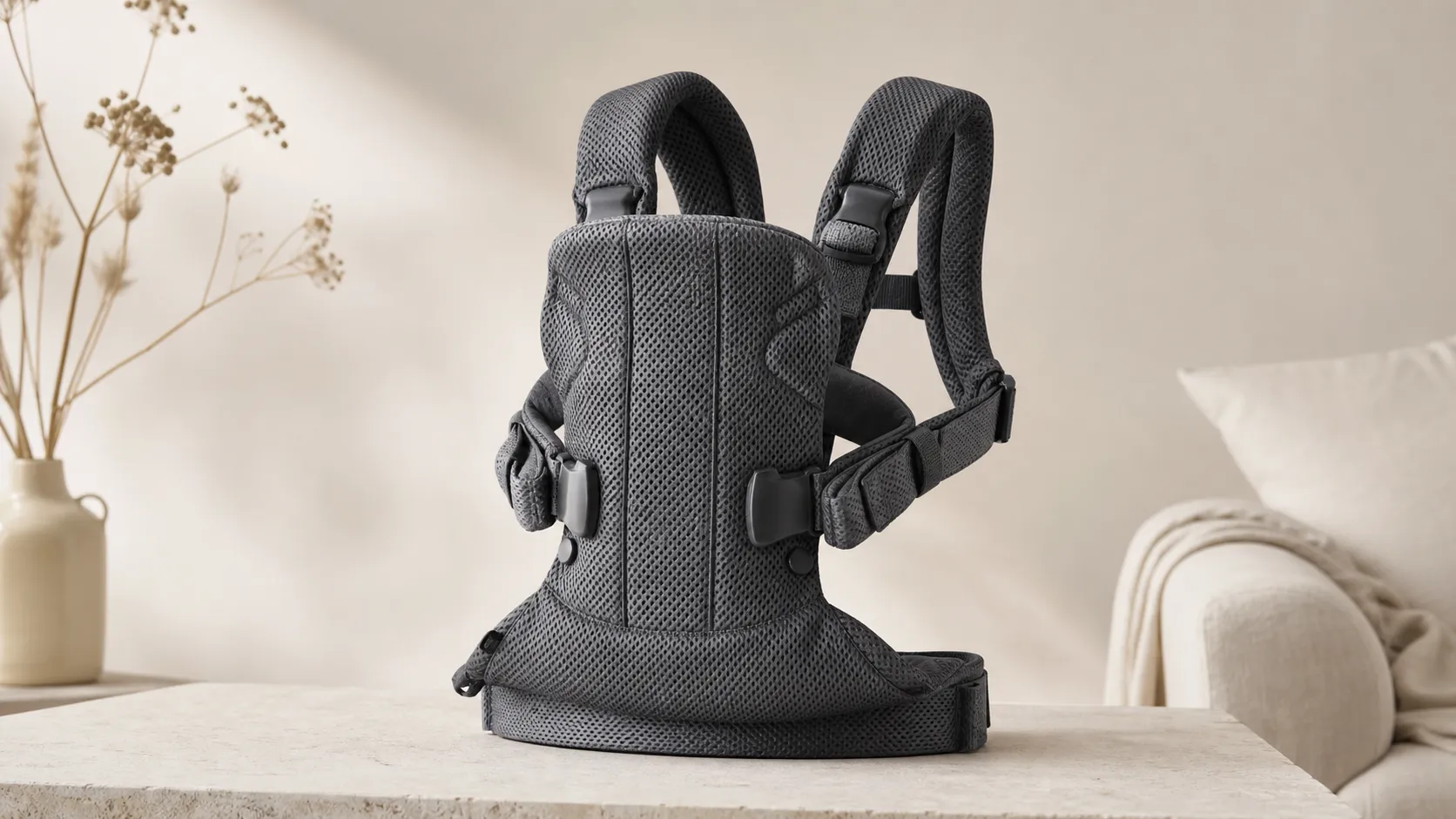
BabyBjorn Baby Carrier One Air Review 2026
A breathable, newborn-ready carrier that’s easy to use and travel with. Great for short-to-medium carries and warm weather, but less ideal for long, heavy-duty use.