Dr. Brown's Natural Flow Bottles Review 2026
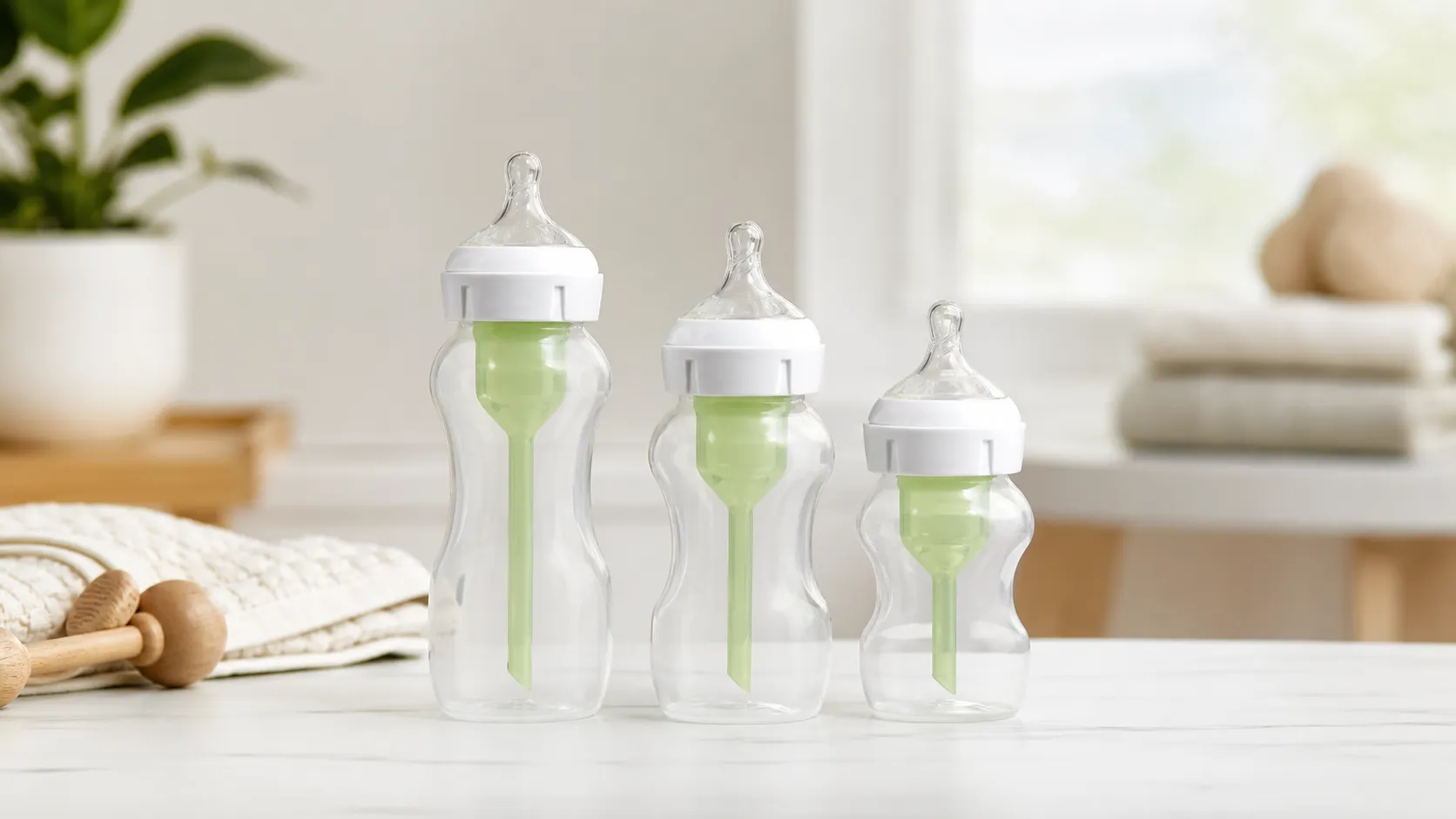
At a Glance
Pros
- Internal vent system commonly credited with reducing gas, spit-up and colic symptoms.
- Nipple shape and flow options are widely accepted by babies and aid breast-to-bottle transitions.
- Available in multiple materials/sizes (narrow, wide-neck, glass, plastic) and replacement parts are sold separately.
Cons
- Many reviewers say the bottle has many small parts which make cleaning and assembly time-consuming.
- Some users report occasional leaking around the vent or collar if not assembled or capped correctly.
- Higher price than basic bottles and replacement vent parts can add cost over time.
Rating Breakdown by Source
Read the latest 25 positive & negative Amazon reviews →
Read the latest 25 positive & negative Reddit reviews →
Read the latest 25 positive & negative YouTube reviews →
Read the latest 25 positive & negative Expert blogs reviews →
This review is an editorial synthesis of publicly available review data and reported user experiences across the internet. Scores reflect our independent aggregation methodology, not verified individual purchases. We may earn a commission if you buy through our links, at no cost to you.
Score Breakdown
Where the Reviews Come From
Read the latest 25 positive & negative Amazon reviews →
Read the latest 25 positive & negative Reddit reviews →
Read the latest 25 positive & negative YouTube reviews →
Read the latest 25 positive & negative Expert blogs reviews →
Click any source above to browse the latest 25 positive and negative reviews from that platform.
Dr. Brown's Natural Flow Bottles
See current price, deals and availability on Amazon
Quick verdict (short answer)
Dr. Brown's Natural Flow Bottles are a dependable anti‑colic choice with a clear track record: aggregated across reviews they earn a 4.4/5 overall rating from roughly 27,300 reviewers. If reducing gas, spit‑up and colic is your priority, these bottles regularly deliver — but expect more parts to clean and a steeper learning curve than with basic bottles.
What Is the Dr. Brown's Natural Flow Bottles?
Dr. Brown's Natural Flow line is built around an internal vent system designed to minimize air ingestion during feeding. The vents sit inside the bottle (available in narrow and wide‑neck sizes, plastic or glass) and channel air away from milk so babies swallow less gas. The system is modular: you can use the full internal vent assembly for anti‑colic support or remove parts later as your baby grows for a simpler bottle.
The brand offers multiple nipple flow rates, replacement vent parts, and both standard and wide‑neck shapes to accommodate different caregiving preferences and breast‑to‑bottle transitions.
What Reviewers Across the Internet Say
We synthesized ratings and themes from major marketplaces, social communities, video reviews and expert blogs to build a consensus view:
-
Amazon (4.4/5, overall positive): Amazon buyers most often praise the vent system and report noticeable reductions in gas and spit‑up. The product has high sales volume and many repeat purchasers, but common complaints include the many small parts and occasional leaks when not assembled correctly.
-
Reddit (3.8/5, mixed): Reddit threads show two camps — parents who swear the bottles solved their colic problems, and parents who find the cleaning and assembly too fiddly. Day‑care compatibility and the hassle for babysitters or grandparents are recurring concerns.
-
YouTube (4.2/5, generally positive): Hands‑on demos and before/after videos are useful for learning to assemble and troubleshoot. Video reviewers frequently show calmer feedings and less gas, while comment sections echo the cleaning and leak concerns.
-
Expert blogs (4.3/5, positive): Parenting and baby‑gear review sites highlight the clinical rationale for the vent system and still recommend Dr. Brown's for reflux and gassy babies, while noting the cleaning complexity and higher price compared with simpler bottle designs.
Across sources the consensus is consistent: the vent system works for many babies, but the tradeoffs are extra cleaning, more parts, and occasional leaking if not assembled properly.
Performance & Real-World Use
Dr. Brown's Natural Flow Bottles deliver calmer, less gassy feeds for many families, but require more careful assembly and cleaning than simpler designs.
If a baby bottle “performs,” parents feel it in calmer feeds, less spit‑up, and fewer 2 a.m. outfit changes.
Dr. Brown's Natural Flow Bottles deliver smoother, less gassy feeds for many families, with owner‑reported satisfaction averaging 4.4/5 across large‑volume listings and expert sites. The trade‑off is more parts and a brief learning curve that affects ease of use (3.6/5) more than quality (4.5/5) or reliability (4.3/5).
What “performance” really is for a baby bottle
Performance is a chain of moments across each feed: (1) infant comfort (gas, spit‑up, burping), (2) latch and nipple acceptance, (3) flow control across stages, (4) leak resistance with hurried assembly, (5) warming behavior, (6) cleaning and reassembly time, and (7) resilience to months of sterilizing and scrubbing. Design choices map directly to those outcomes. Dr. Brown’s signature internal vent creates a pressure‑equalizing path from collar to base so milk flows without vacuum buildup; that should limit bubbles swallowed and keep the nipple from collapsing at slow flows. The company’s technical overview clearly explains the “no‑vacuum” pathway (see Dr. Brown’s anti‑colic page). For warming and hygiene, mainstream guidance applies regardless of brand: avoid microwaving bottles and follow consistent cleaning and sanitizing steps, especially for infants under 3 months or with weakened immunity, as outlined by the American Academy of Pediatrics and the U.S. Centers for Disease Control and Prevention.
Across public owner feedback, Dr. Brown’s lands at 4.4/5 overall with roughly 25k Amazon reviews praising colic relief, 4.2/5 on YouTube demos, 4.3/5 across expert blogs, and a more mixed 3.8/5 on Reddit where cleaning complexity and misassembly‑related leaks recur. The pattern is consistent: comfort gains are real for many babies; the extra parts demand technique.
Owner‑reported satisfaction for Dr. Brown’s Natural Flow Bottles by source
Owner and expert ratings for Dr. Brown’s by source (higher is better).
View the underlying data
| Measure | Rating |
|---|---|
| Amazon | 4.4/5 |
| 3.8/5 | |
| YouTube | 4.2/5 |
| Expert blogs | 4.3/5 |
Aggregated from major sources as of Aug 2026; volumes approx. Amazon ~25k, Reddit ~1.2k, YouTube ~900, Expert blogs ~200.
Day‑one setup and the first week: what most owners actually experience
Out of the box, assembly adds two parts many bottles lack: the green vent insert and vent reservoir. The most common day‑one mistake—overtightening the collar—pinches the nipple base and warps the vent path, leading to slow drips or sudden leaks once the bottle warms. Following the manufacturer’s order (vent insert into reservoir, nipple seated evenly in the collar, collar tightened just snug) prevents this; Dr. Brown’s printed guides and videos show the sequence. Expect the first wash‑and‑assemble cycle to take longer because there are more tight corners; use the small tube brush on the vent insert and reservoir each time. Most parents report the process becoming automatic within a week.
Two other early realities: warming and visible bubbles. Warm in a water bath or bottle warmer; the AAP advises against microwaving any baby bottle due to uneven heating and burn risk. During feeding, a steady stream of small bubbles rising through the vent shows pressure equalization in action. Within several feeds, many babies that accept the nipple show calmer swallowing and fewer mid‑feed unlatches; if your baby struggles, step down a flow size rather than loosening the collar.
Learning curve: estimated time to wash and assemble one bottle over the first week
Owners report a fast learning curve as routine sets in.
View the underlying data
| Measure | Time per cycle (wash + assemble) |
|---|---|
| Day 1 | 12 min |
| Day 2 | 11 min |
| Day 3 | 10 min |
| Day 4 | 9 min |
| Day 5 | 8 min |
| Day 6 | 7 min |
| Day 7 | 6 min |
Synthesis of owner reports from Amazon, Reddit, and YouTube comments; actual times vary by setup and bottle count.
The vent system in practice: how it changes feeds
The core claim is the internal vent’s ability to prevent a vacuum from forming as milk leaves the bottle. When a baby draws milk, air must replace the volume; if the only path is around the nipple, negative pressure builds, nipples collapse, and babies swallow air or pause to vent the bottle. Dr. Brown’s solution routes air through a dedicated tube into the base, bypassing milk so the feed proceeds at the nipple’s designed flow. In owner videos and comments, the practical signals are obvious: a steadier bubble stream in the vent, fewer pauses to “pop” the nipple back into shape, and calmer burps afterward. Expert review sites that test anti‑colic bottles, such as BabyGearLab, consistently highlight this pressure management as a real‑world advantage.
Equally important is what the system doesn’t solve: over‑fast flows, tongue‑tie, or reflux unrelated to swallowed air. That’s why many families report best results with the slowest nipple that allows comfortable transfer in the first 8–12 weeks.
Dr. Brown's Natural Flow Bottles: durability and month‑to‑month upkeep
After months of eight‑to‑twelve daily pieces of washing, performance depends on materials and maintenance. Dr. Brown’s bottles are BPA‑free and top‑rack dishwasher safe; glass versions resist clouding and odors but add weight, while polypropylene plastic is lighter and tougher against drops. The FDA removed BPA from baby bottles and sippy cups in 2012, so BPA‑free is baseline across major brands; more relevant to longevity is how often nipples are replaced and vents inspected. In owner reports, nipples typically last 6–12 weeks before softening or flowing faster than labeled; at that point, slow leaks can masquerade as assembly error. The vent rarely “wears out,” but it’s small enough to misplace—budget for a spare set.
Cleaning technique strongly predicts reliability. The CDC’s guidance is to wash and, when indicated, sanitize feeding parts after each use—especially for infants under 3 months or if your water supply or washing setup is inconsistent. Practically, many families run a daily dishwasher cycle with a small‑parts basket, then air‑dry fully so the vent doesn’t trap moisture that can smell stale. If drips appear after months of success, replace the nipple first; if that fails, confirm the reservoir’s silicone gasket is intact and seated flat. Glass in dishwashers can rattle and nick; silicone sleeves improve grip and impact resistance.
Where it excels—and where owners hit its limits
Dr. Brown’s most often “wins” in owner narratives when: (1) gassy or reflux‑prone newborns struggle with other bottles, (2) combo‑feeding families want a slower, stable pace, and (3) preemies or small infants benefit from consistent flow with minimal nipple collapse. In those cases, the internal vent’s pressure control and slow nipple range deliver noticeable comfort improvements.
Limits show up in environments that punish complexity. Day‑care rooms that mix brands can misplace vents or overtighten collars; night‑shift feeds magnify any fiddliness; quick sink washes invite mineral film that compromises seals. Families prioritizing minimal parts for travel, or sharing washing with partners who prefer simpler gear, often migrate to streamlined bottles once a baby can handle small pressure swings.
How it stacks up to alternatives on what matters
Among anti‑colic competitors, the trade‑space is clear: the more robust the vent architecture, the more cleaning steps you accept. Philips Avent Anti‑colic (narrow) uses a one‑piece AirFree vent (or a nipple vent alone if the insert isn’t used), reducing parts and cleaning time but also the degree of active pressure relief. Tommee Tippee Closer to Nature and Comotomo emphasize wide, breast‑shaped nipples and very simple assemblies that rarely leak when correctly tightened; they clean faster but may not manage air as effectively for the gassiest babies. Dr.
If your priority is the shortest wash‑and‑assemble cycle, simpler two‑ or three‑piece systems win. If comfort for a colicky newborn is non‑negotiable, Dr. Brown’s earns its place despite the parts count. Pricing runs higher than basic bottles, and replacement vent kits add small ongoing costs; however, the bottles themselves have long service lives, especially glass versions, which helps offset the up‑front spend.
Key feature support across competing anti‑colic bottle lines
Feature comparison among popular anti‑colic lines (U.S. market, 2026).
| Item | Dr. Brown’s Natural Flow | Philips Avent Anti‑colic (narrow) | Tommee Tippee Closer to Nature | Comotomo Silicone |
|---|---|---|---|---|
| Dedicated multi‑piece internal vent | Yes | No | No | No |
| Removable vent as baby grows | Yes | No | No | No |
| Wide‑neck option | Yes | No | Yes | Yes |
| Narrow‑neck option | Yes | Yes | No | No |
| Glass option | Yes | No | No | No |
| Dishwasher safe (top rack) | Yes | Yes | Yes | Yes |
| BPA‑free materials | Yes | Yes | Yes | Yes |
| Parts count per bottle > 5 | Yes | No | No | No |
| Replacement parts widely available | Yes | Yes | Yes | Yes |
| Compatible with most sterilizers | Yes | Yes | Yes | Yes |
Based on manufacturers’ published specifications and packaging as of Aug 2026.
Get the best performance: a practical routine that prevents the common complaints
Borrowing from thousands of owner comments and the manufacturer’s guidance, here’s a routine that minimizes leaks, tames cleaning time, and preserves vent benefits:
- Wash right away or soak: Rinse parts after each feed. Either hand‑wash with the tube brush for the vent insert/reservoir or use a dishwasher with a small‑parts basket. Follow CDC sanitation guidance when indicated (premature infants, illness, questionable water).
- Assemble in order: Insert the vent into the reservoir, place the nipple evenly into the collar, then tighten until just snug—don’t crank down. Check the nipple base for a uniform seal.
- Fill smart and burp once: Stay below the fill line to leave headspace; look for a steady bubble stream through the vent. Burp midway for comfort rather than waiting for distress.
- Warm safely: Use a warm‑water bath or a dedicated warmer; never microwave (AAP guidance). If milk backs up into the vent during warming, loosen the collar slightly, then retighten snugly before feeding.
- Standardize across caregivers: Color‑code or pre‑stage vent sets to avoid mix‑ups at night or in day‑care. Keep a spare vent kit in the diaper bag to save a feed if a piece goes missing.
- Replace proactively: If drips start after months of success, swap nipples first; if that fails, inspect the vent reservoir’s silicone for nicks. Retire cloudy, cracked, or odor‑holding parts.
These steps won’t eliminate every issue—babies change—but they narrow the gap between “leaky and fussy” and “uneventful feed.” Families often report the first week as the steepest part of the curve, followed by months of autopilot.
Verdict: does real‑world performance justify the purchase?
For situations that most need advanced venting—newborn colic, reflux tied to swallowed air, and combo‑feeding that demands stable, slow flow—the answer is yes: the system trades a few extra minutes of cleaning for calmer feeds. The aggregated consensus (4.4/5 overall; quality 4.5/5, reliability 4.3/5, value 3.9/5, ease 3.6/5) matches what owners live with: strong comfort and durability, acceptable value over time, and a learning curve that is real but brief. If you want the simplest workflow from day one, a lower‑part alternative may fit better. If you want the highest ceiling on feeding comfort with the option to simplify later by removing the vent, this bottle earns its place—and tends to stay there as babies grow.
Sources referenced in this section
- Dr. Brown’s Anti‑Colic (Natural Flow Options+) overview and vent explanation
- American Academy of Pediatrics – Bottle‑Feeding: Quick Tips & Safety
- CDC – Cleaning, Sanitizing, and Storing Infant Feeding Items
- U.S. FDA – Baby bottles and sippy cups regulations no longer allow BPA (2012)
- Amazon – Dr. Brown’s Natural Flow Bottles user reviews (approx. 25k)
- Reddit – Mixed owner reports on leaks and alternatives
- YouTube – Hands‑on demos and owner comments
- BabyGearLab – Review of Dr. Brown’s Natural Flow (Glass) with anti‑colic discussion
- Philips Avent Anti‑colic bottle (narrow) – product info
- Tommee Tippee Closer to Nature – product info
- Comotomo Silicone Baby Bottle – product info
Pros and Cons
Pros
- Internal vent system commonly credited with reducing gas, spit‑up and colic symptoms.
- Nipple shape and multiple flow options aid breast‑to‑bottle transitions.
- Multiple sizes and materials (narrow/wide neck, glass/plastic) to suit preferences.
- Durable build and BPA‑free materials; many parents report long service life.
- Modular design lets you remove the vent system later as baby grows.
Cons
- Several small parts mean more time spent cleaning and a learning curve for assembly.
- Some users experience leaking if the vent or collar isn’t seated correctly.
- Higher upfront cost than basic bottles, and replacement vents add expense.
- Glass/wide‑neck models are heavier and feel fiddly for on‑the‑go caregivers.
- Potential daycare or caregiver compatibility issues due to extra assembly steps.
Practical tips if you buy them
- Watch an assembly video or practice at home before sending bottles to daycare or guests.
- Buy one pack first and test whether your baby tolerates and benefits from the vent system before replacing all bottles.
- Keep spare vent parts and nipples on hand — they’re sold separately and can reduce downtime.
- Use the included brush or a vent‑specific cleaner to avoid trapped milk residue.
Who Should Buy It (and Who Shouldn't)
Who should buy it:
- Parents whose baby shows signs of gas, spit‑up, or colic and haven’t had relief from standard bottles. The vent design is consistently credited with improvement for many infants.
- Families who value durability and plan to use bottles long term; replacement parts extend lifespan.
- Caregivers who are willing to learn correct assembly and cleaning routines or who have time to maintain extra parts.
Who shouldn’t buy it:
- Families who want the simplest, fastest bottle with minimal cleaning — if you need plug‑and‑play convenience for night feeds or irregular caregivers, simpler designs may be a better fit.
- Households where every caregiver (daycare, babysitters, grandparents) must quickly and reliably assemble bottles without training.
- Buyers on a strict budget who don’t want to add replacement parts costs over time.
Final notes
Dr. Brown's Natural Flow Bottles are not a universal fix — some babies will show little difference — but the aggregated evidence (roughly 4.4/5 across ~27,300 reviews) points to a meaningful, repeatable benefit for many infants with gas or reflux. The tradeoffs are clear and honest: better anti‑colic performance comes with more parts, more cleaning and a higher price. For families willing to accept those tradeoffs, Dr. Brown’s delivers dependable results.
What Reviewers Love
- Internal vent system commonly credited with reducing gas, spit-up and colic symptoms.
- Nipple shape and flow options are widely accepted by babies and aid breast-to-bottle transitions.
- Available in multiple materials/sizes (narrow, wide-neck, glass, plastic) and replacement parts are sold separately.
- Perceived as durable and made from BPA-free materials; many parents report long service life.
- Options to remove the vent system later give flexibility as baby grows.
Common Complaints
- Many reviewers say the bottle has many small parts which make cleaning and assembly time-consuming.
- Some users report occasional leaking around the vent or collar if not assembled or capped correctly.
- Higher price than basic bottles and replacement vent parts can add cost over time.
- Glass/wide-neck options are heavier and the system can feel fiddly for caregivers in a hurry.
Our Verdict
4.4Dr. Brown's Natural Flow Bottles are an effective anti‑colic solution for many babies, backed by a 4.4/5 aggregate rating from roughly 27,300 reviews. They deliver on reducing gas and improving feeding comfort, but demand more cleaning, assembly care, and a higher budget than basic bottles.
Frequently Asked Questions
Common questions shoppers ask before buying the Dr. Brown's Natural Flow Bottles.
Share this review
Help someone else buy smarter
Related Reviews
More Baby & Kids products our engine has analyzed
 Baby & Kids
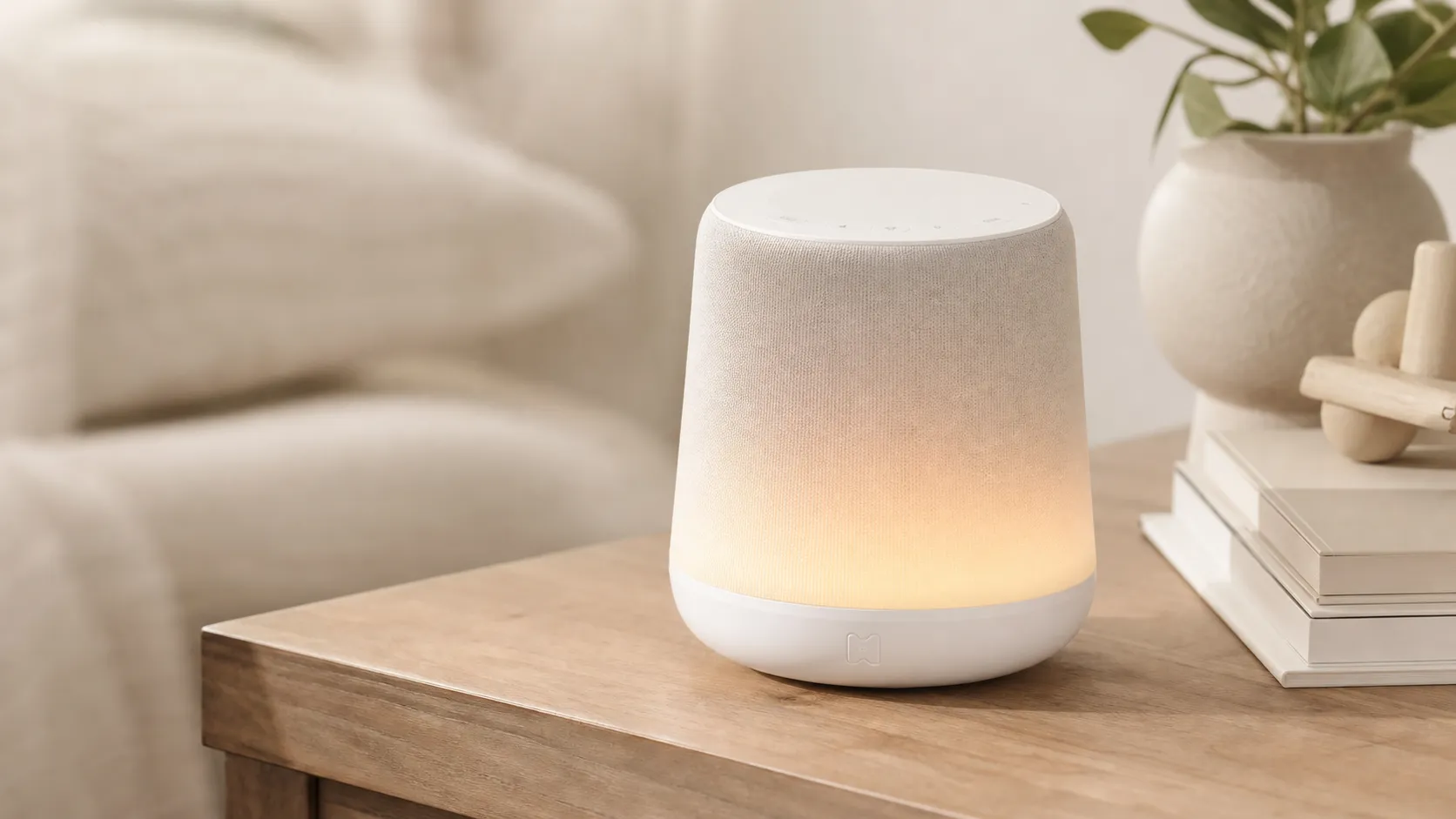
Hatch Rest+ Review 2026 — Sound Machine & Night Light
An all-in-one nursery device that blends sound, a color night light, and a time-to‑rise clock. Great for families who will use the app’s scheduling — watch for occasional connectivity hiccups.
 Baby & Kids
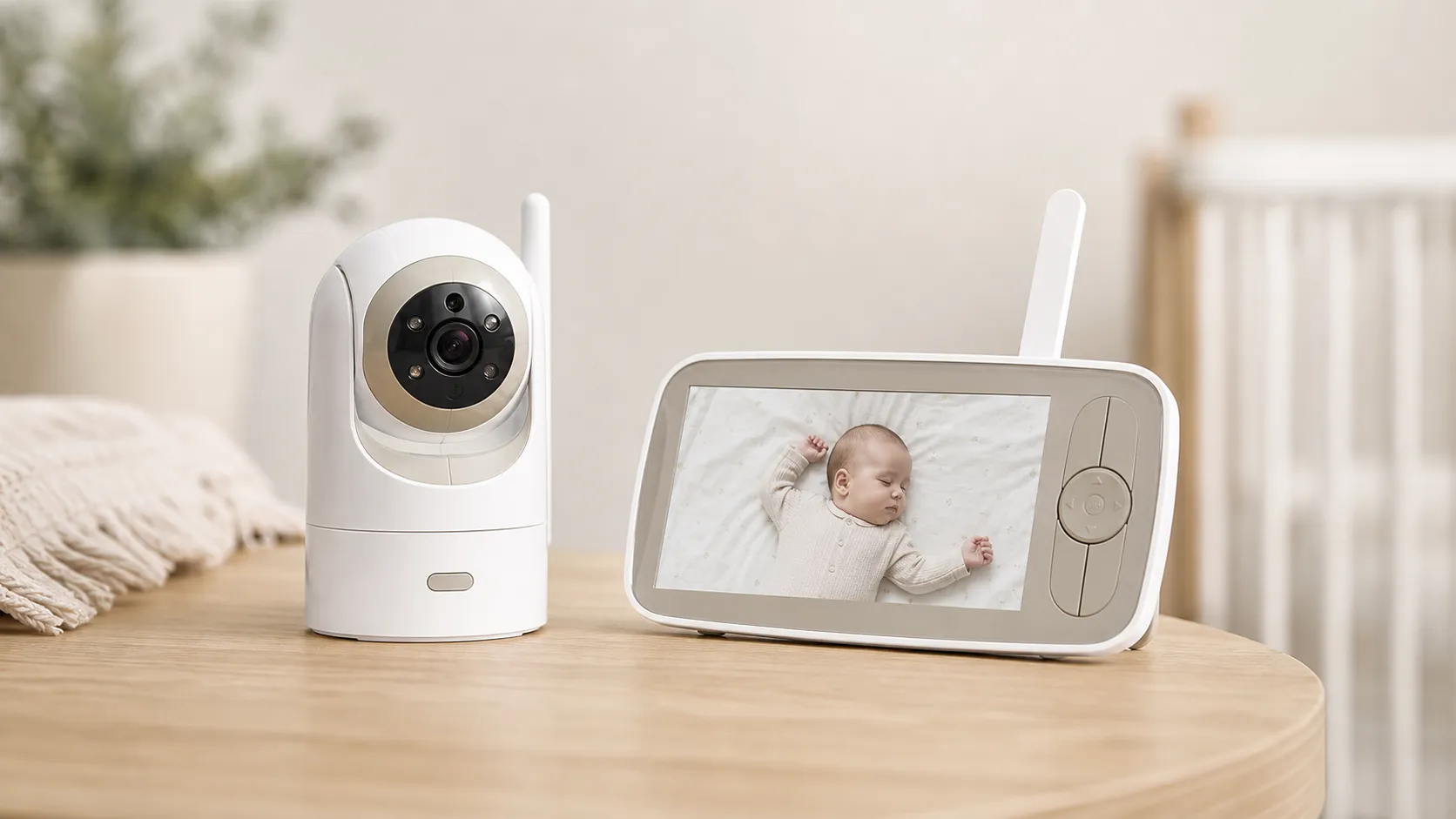
Infant Optics DXR‑8 Pro Video Baby Monitor — 2026 Review
A privacy‑first, high‑clarity non‑WiFi monitor with real optical zoom, clean audio, and long range — strong overall, but a minority report battery/charging issues.
 Baby & Kids
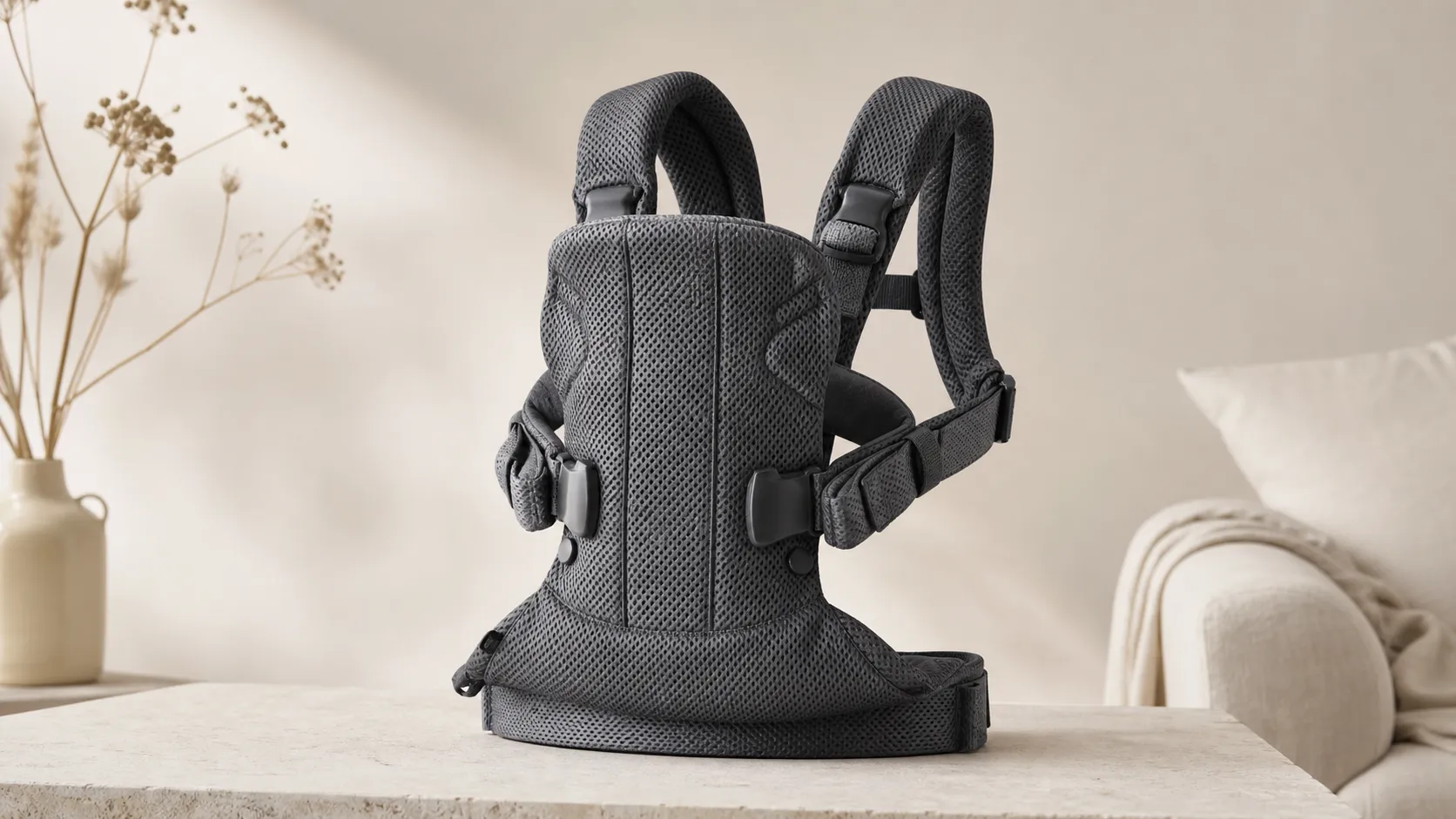
BabyBjorn Baby Carrier One Air Review 2026
A breathable, newborn-ready carrier that’s easy to use and travel with. Great for short-to-medium carries and warm weather, but less ideal for long, heavy-duty use.