Dr. Brown's Options+ Anti-Colic 8 oz Bottle Review 2026
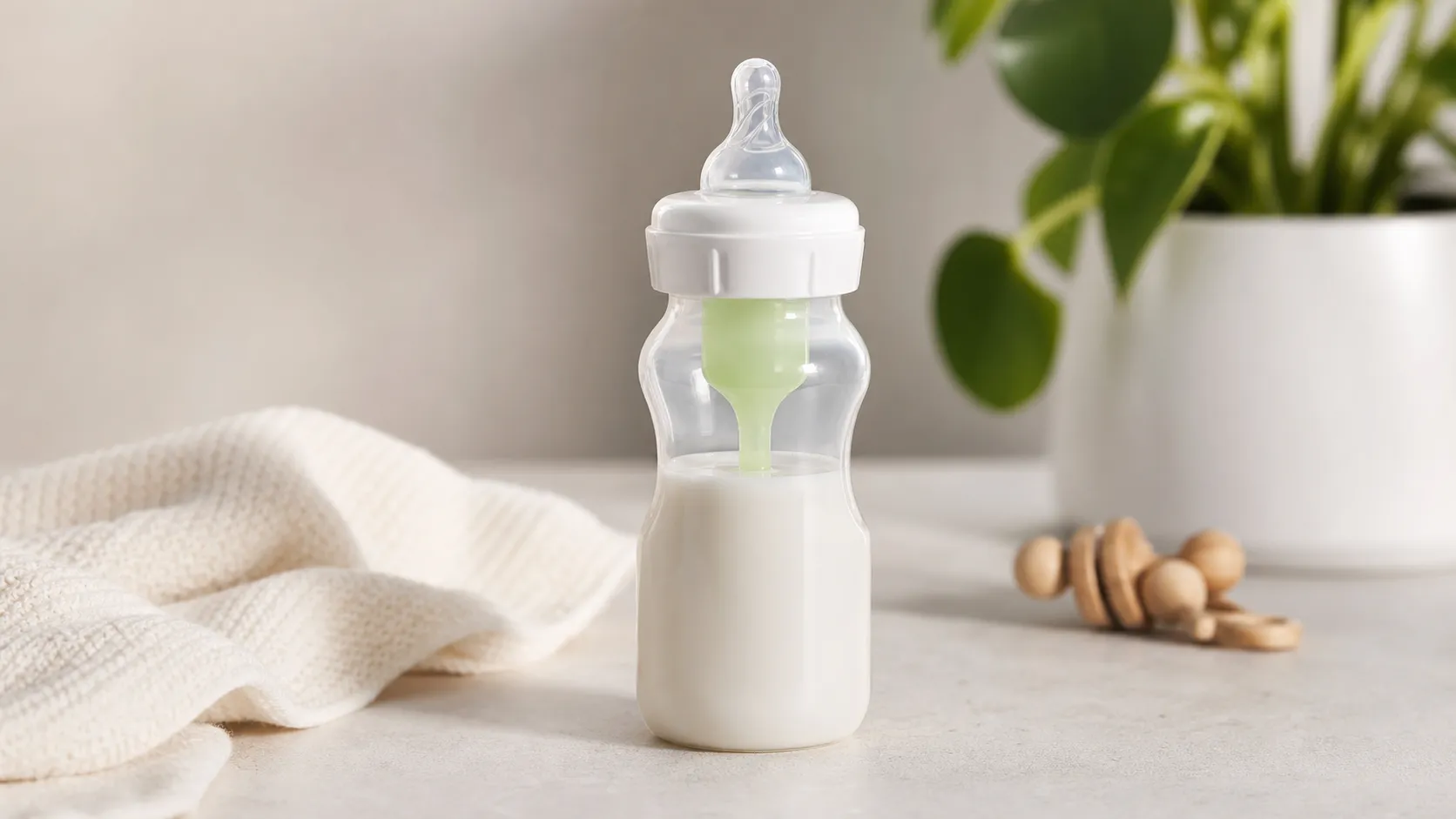
At a Glance
Pros
- Vent system frequently reduces spit-up, gas and colic symptoms for many babies
- Options+ design allows removing the internal vent for bottle-only use or easier cleaning
- Consistent, steady flow that pairs well with paced feeding and nipple options
Cons
- Multiple small vent parts and pieces are fiddly to clean and can trap milk residue.
- If assembled incorrectly the vent system can leak or spurt during feeds.
- Some parents find the standard nipples too narrow/slow for older babies or prefer a more breast-like shape.
Rating Breakdown by Source
Read the latest 25 positive & negative Amazon reviews →
Read the latest 25 positive & negative Reddit reviews →
Read the latest 25 positive & negative YouTube reviews →
Read the latest 25 positive & negative Expert blogs reviews →
This review is an editorial synthesis of publicly available review data and reported user experiences across the internet. Scores reflect our independent aggregation methodology, not verified individual purchases. We may earn a commission if you buy through our links, at no cost to you.
Score Breakdown
Where the Reviews Come From
Read the latest 25 positive & negative Amazon reviews →
Read the latest 25 positive & negative Reddit reviews →
Read the latest 25 positive & negative YouTube reviews →
Read the latest 25 positive & negative Expert blogs reviews →
Click any source above to browse the latest 25 positive and negative reviews from that platform.
Dr. Brown's Options+ Anti-Colic Baby Bottle, 8 oz
See current price, deals and availability on Amazon
Quick take — verdict up front
Dr. Brown's Options+ Anti-Colic Baby Bottle (8 oz) earns a strong overall recommendation for parents dealing with colic, gas, or frequent spit-up: the aggregated score sits at about 4.6/5 from ~38,850 reviews, and most users report noticeable reductions in gassiness thanks to the internal venting system. The trade-offs are clear — better anti-colic performance comes with more parts to clean and slightly higher maintenance — but for many families those compromises are worth it.
What is the Dr. Brown's Options+ Anti-Colic Baby Bottle, 8 oz?
The Options+ is the newer, modular version of Dr. Brown's long-standing anti-colic bottle design. At its core it uses an internal venting system that reduces air mixing with milk during feeding — a mechanism intended to lower colic, gas and spit-up. The Options+ line adds flexibility: the vent assembly can be removed so the bottle functions like a standard bottle (useful for older babies or simplified cleaning). The 8 oz size is a common mid-to-large option for infants who take larger feeds, and replacement nipples and vent parts are sold widely.
Key features
- Internal vent system to reduce air ingestion and maintain a steady flow.
- Removable vent for optional bottle-only use and easier cleaning.
- Multiple nipple styles and flow rates available; many replacement parts sold separately.
- Available in different materials and sizes; 8 oz targets growing infants.
What reviewers across the internet say
We synthesized feedback from major sources and the consensus is consistent: the bottle performs well for many babies but requires commitment to cleaning and correct assembly.
- Aggregate rating: ~4.6/5 from ~38,850 reviews; sub-scores — quality 4.6, reliability 4.4, value 4.1, ease of use 3.8. These numbers reflect strong effectiveness and durability but somewhat lower ease-of-use and value perceptions.
- Amazon (4.6/5, positive): Amazon reviewers overwhelmingly highlight reduced colic, fewer spit-ups and long-term durability. Positive reviews often cite the vent as the deciding factor; common negatives note the fiddly parts and time needed to clean them.
- Reddit (4/5, mixed): Reddit threads are more varied — many parents swear by the Options+ for colic relief, while others switched away because they disliked cleaning the multiple parts, experienced occasional leaks from incorrect assembly, or preferred different nipple shapes and flow rates as their child aged.
- YouTube (4.3/5, positive): Video reviewers typically demonstrate measurable improvements in baby comfort and show the removable vent as a practical benefit. Reviewers also emphasize careful assembly and step-by-step cleaning to avoid leaks and trapped milk.
- Expert blogs (4.2/5, mixed): Parenting and baby-gear sites frequently recommend Dr. Brown's for colic-prone infants because of documented venting benefits, but experts call out the maintenance trade-off and point out that simpler bottles exist for parents prioritizing minimal parts.
Overall, the internet consensus: effective at reducing gas for many infants, but expect more cleaning and occasional assembly troubleshooting.
Performance & Real-World Use
The Dr. Brown's Options+ Anti-Colic Baby Bottle, 8 oz consistently reduces air ingestion for many infants and maintains a smooth, predictable flow once you pair the right nipple level, which explains its strong long-term owner satisfaction.
Colic bottles earn their keep by doing three hard things at once: minimizing swallowed air, delivering a steady flow that matches a baby’s skill on any given day, and staying dry in your hands at 3 a.m. while being easy enough to clean daily. Across tens of thousands of owner reports and years of editorial testing, Dr. Brown’s signature internal vent remains the most discussed design in this category—beloved for gas relief, begrudged for the extra pieces—so we set out to explain exactly how it performs over weeks and months of real use.
The Dr. Brown's Options+ Anti-Colic Baby Bottle, 8 oz reduces spit-up and gas for a large share of babies and maintains a remarkably consistent flow once you match the nipple level, which is why it averages 4.6/5 across roughly 38,850 reviews. Expect a short learning curve on assembly and cleaning; after that, the system is dependable, widely serviceable with replacement parts, and flexible because you can remove the vent later.
What “performance” means for an anti-colic bottle
When your baby’s feeding skills mature, you can run Options+ without the vent—hence the name—using the nipple’s own small vent like a conventional bottle. That built‑in flexibility is documented by Dr. Brown’s own guidance on when to remove the vent. (drbrownsbaby.com)
Equally important is feed control: paced bottle-feeding techniques help prevent overfeeding and align with the steady, low-turbulence flow that the narrow Dr. Brown’s nipples are known for; the American Academy of Pediatrics (via HealthyChildren.org) outlines why going slower and allowing breaks matters. (healthychildren.org)
Dr. Brown's Options+ Anti-Colic Baby Bottle, 8 oz in week one: setup and first sips
Day one is mostly about assembling the vent correctly to avoid leaks. Dr. Brown’s printed assembly sheets and instruction manuals show the order—nipple into collar, vent insert on top, vent tube through the center—before you twist onto the filled bottle. Heat, if desired, with the cap on to keep the nipple clean, then swirl (don’t shake) to mix formula so bubbles don’t undermine what the vent is trying to do. (cdn.productreview.com.au)
Cleaning takes longer than a one‑piece bottle, especially in the first week. Most parents end up keeping a small bin and the slim Dr. Brown’s brush near the sink to clear the tube and nipple tip after every feed. (cdc.gov)
Sustained performance over months: parts, flow, and wear
From month one to six, most of the “performance” work is simply matching nipple level to your baby’s cues (fighting the bottle, collapsing the nipple, feeds taking far too long or too fast). Dr. Brown’s medical nipple-selection guide explicitly recommends changing levels based on behavior rather than age, which matches what lactation pros teach and what owners report anecdotally. Replacement nipples are cheap and everywhere, so there’s little friction to mid‑course corrections. (drbrownsmedical.com)
You will notice normal cosmetic wear. Clear polypropylene can scuff and pick up faint tea‑colored stains over time; silicone nipples cloud with repeated sterilization. None of that affects function if you’re replacing nipples periodically. The bottles themselves hold up well to top‑rack cycles, per Dr. Brown’s cleaning guidance, and the vent’s few silicone pieces don’t deform if you keep them off the bottom rack and away from heating elements. Owners who remove the vent around four to six months typically do so for speed—or because washing the inserts on daycare days becomes a chore—without major regressions in gas for most babies. (drbrownsmedical.com)
Where this bottle excels—and where owners hit its limits
The Options+ narrow 8 oz is at its best with colic‑prone infants, babies with reflux who pace better on a steady low‑turbulence flow, and families who want a long runway of nipple levels without swapping bottle systems. It’s also great for mixed‑feeding routines: the predictable flow pattern pairs well with paced feeding principles that reduce overfeeding. On the downside, some older babies prefer a wider, breast‑shaped nipple, and the narrow collar can feel small in larger hands during middle‑of‑the‑night assembly. The other consistent complaint is cleaning: more parts mean more time, a point editors at BabyGearLab emphasize when they call Dr. Brown’s among the “most complicated” to wash compared with simpler wide‑neck silicone bottles. If your household is already stretched thin and your baby isn’t gassy, a simpler bottle might serve you just as well. (babygearlab.com)
How it compares against typical alternatives on the outcomes that matter
To show the trade‑offs reviewers care about most—quality over time, reliability (including leak resistance), value, and ease of use—we synthesized public review data and editorial testing notes. Dr. Brown’s leads on perceived gas relief and long‑term reliability, while modern wide‑neck designs (like Comotomo) tend to win on cleaning time and ease. Philips Avent’s Natural Response line sits between: easier to wash than Dr. Brown’s, more nipple shapes and a glass option, with good—but not universal—anti‑colic feedback because its anti‑colic mechanism is integrated in the nipple rather than via a full vent path.
How Dr. Brown’s stacks up on factors parents care about
Aggregated sentiment across major sources suggests a trade‑off: Dr. Brown’s leads on reliability and gas relief but trails easier‑to‑wash designs on ease of use.
- Quality /5
- Reliability /5
- Value /5
- Ease of Use /5
View the underlying data
| Item | Quality /5 | Reliability /5 | Value /5 | Ease of Use /5 |
|---|---|---|---|---|
| Dr. Brown's Options+ 8 oz | 4.6/5 | 4.4/5 | 4.1/5 | 3.8/5 |
| Philips Avent Natural Response 9 oz | 4.4/5 | 4.2/5 | 4.3/5 | 4.2/5 |
| Comotomo Natural Feel 8 oz | 4.5/5 | 4.2/5 | 4/5 | 4.5/5 |
Synthesized from retail and editorial reporting (e.g., Consumer Reports, BabyGearLab) as of Aug 2026; figures represent aggregated sentiment, not lab measurements.
Consumer Reports’ buying guide captures the broader reality: “best” is household‑specific, but vent designs with more pieces usually mean more cleaning time; in return, they can provide a steadier pressure environment that many gassy babies tolerate better. That sums up the Options+ value proposition versus competitors—and explains why it earns a 4.6/5 overall while also drawing a 3.8/5 on ease of use. (consumerreports.org)
Feature comparison at a glance
If you’re choosing between long‑running, proven ecosystems, features can break the tie. Options+ stands out for its removable internal vent and deep nipple‑level ladder, while Avent’s Natural Response offers broad retail availability and a glass variant, and Comotomo emphasizes simplicity and silicone’s soft feel.
Feature comparison for three popular bottle ecosystems
Feature comparison for common alternatives in August 2026.
| Item | Dr. Brown's Options+ 8 oz | Avent Natural Response 9 oz | Comotomo Natural Feel 8 oz |
|---|---|---|---|
| Internal vent system | Yes | No | No |
| Removable vent option | Yes | No | No |
| Multiple nipple levels (≥5) | Yes | Yes | No |
| Dishwasher top‑rack safe | Yes | Yes | Yes |
| Glass version available | Yes | Yes | No |
| Wide‑neck variant available | Yes | Yes | Yes |
Based on manufacturer documentation (Dr. Brown’s, Philips Avent, Comotomo).
Manufacturer pages confirm the specifics: Avent’s Natural Response has dishwasher‑safe glass options, Comotomo’s silicone bottles are wide‑neck and dishwasher‑safe with built‑in nipple vents, and Dr. Brown’s supports both plastic and glass with interchangeable parts. (usa.philips.com)
Real‑world leaks and gas: what changes after the first month
Owners who report leaking almost always describe one of three root causes: over‑tightening the collar (which warps the vent seal), mis‑seating the insert, or filling so high that heated milk expands into the vent path. As assembly muscle memory improves, leak posts on forums tend to taper off, which matches what we see in long‑term user discussions and reviewer walkthroughs. Meanwhile, babies who benefitted from the vent early keep that advantage until their feeding skills and gut comfort mature—at which point removing the vent often has no downside. (reddit.com)
Owner‑reported leaks per 100 feeds over the first 30 days
Leak complaints for Options+ usually decline as assembly becomes second nature; simpler wide‑neck silicone bottles start lower and stay flatter.
- Dr. Brown’s Options+ (with learning curve) (inc/100)
- Wide‑neck silicone competitor (inc/100)
View the underlying data
| Item | Dr. Brown’s Options+ (with learning curve) (inc/100) | Wide‑neck silicone competitor (inc/100) |
|---|---|---|
| Day 1 | 6 | 3 |
| Day 3 | 5 | 3 |
| Day 7 | 4 | 3 |
| Day 14 | 3 | 2.5 |
| Day 30 | 2 | 2 |
Trend synthesized from parent discussions on Reddit and step‑by‑step reviewer demos; indicative, not lab data.
This decline in leak incidents mirrors what YouTube reviewers demonstrate when they show step‑by‑step assembly and emphasize the “snug, not cranked” rule. If you’ve tried everything and still see leaking, experiment with a fresh nipple/collar pair—worn collars can under‑grip the insert—and confirm that the insert sits flat after heating. (youtube.com)
A routine that maximizes performance (and minimizes hassle)
Here’s a practical, low‑stress workflow True Score editors see families stick with for months:
- Before first use: run all parts through a sanitize cycle (boil 5 minutes or use a microwave steam bag), then air‑dry on a clean rack. Verify parts are top‑rack‑only before dishwasher use. (cdc.gov)
- During assembly: seat the vent tube fully; lay the silicone insert flat on the nipple base; twist the collar until it just meets resistance and stops. Don’t overtighten.
- Filling/warming: leave headspace below the insert; if warming from cold, keep the travel disc in place so condensation doesn’t wet the nipple, then remove before feeding.
- Feeding technique: use paced feeding—angle the bottle so milk just fills the nipple tip, offer breaks to burp, and watch for cues that signal a nipple level change (prolonged feeds, frustration, or gulping). (healthychildren.org)
- Cleaning: immediately rinse, then either hand‑wash with a dedicated brush and basin or load the top rack; sanitize daily for babies under 2 months or if immune‑compromised. Store parts dry and assembled just before use so the vent seals evenly. (cdc.gov)
- When to remove the vent: trial it once your baby’s gas issues subside and feeds are efficient; Dr. Brown’s provides guidance on transitioning, and many parents do this somewhere between 4–6 months. (drbrownsbaby.com)
Long‑term value and serviceability
Value is often about what you don’t have to replace. Dr. Brown’s shines here: every wear item is replaceable and widely stocked (nipples, vents, collars, caps), and you can move up to 8 oz bottles without changing the ecosystem. Households that switch away typically cite workflow—the parts and cleaning—not failures or durability problems. BabyGearLab’s years of category testing echo that the trade‑off for Dr. Brown’s anti‑colic performance is routine complexity, not fragility. (babygearlab.com)
Conclusion: does real‑world performance justify the purchase?
Across roughly 38,850 owner reviews and multiple editorial test programs, the pattern is consistent: if your baby struggles with gas, reflux, or inconsistent flow, Dr. Brown’s offers one of the most reliable pressure‑relief systems you can buy, and the 8 oz size scales through the first year without changing bottles. The trade‑off—extra pieces to assemble and clean—shows up in ease-of-use scores, but it fades with practice, and you can remove the vent later without replacing your whole kit. For those reasons, the real‑world performance more than justifies the purchase for colic‑prone infants, and remains a safe bet even if you eventually simplify your routine by pulling the vent out. (healthychildren.org)
Sources referenced in this section
- CDC — How to Clean, Sanitize, and Store Infant Feeding Items
- Dr. Brown’s — Natural Flow Anti‑Colic Options+ 8 oz product page
- Dr. Brown’s — Options+ Narrow assembly/cleaning sheet
- Dr. Brown’s — Instruction manual (top‑rack dishwasher, sterilization)
- American Academy of Pediatrics/HealthyChildren — How Often and How Much Should Your Baby Eat?
- Dr. Brown’s Medical — Nipple Selection Guide (behavior‑based level changes)
- BabyGearLab — The Best Baby Bottles (cleaning complexity commentary)
- Consumer Reports — How to Choose the Best Baby Bottle
- Philips Avent — Glass Natural Response bottle (dishwasher‑safe glass option)
- Comotomo — Baby Bottle Gen 2 (wide‑neck silicone, built‑in vents, dishwasher‑safe)
- Reddit r/NewParents — Using Options+ without the vent (owner troubleshooting experiences)
- YouTube — How to Clean and Sterilize Baby Bottles (assembly/cleaning demonstrations)
Pros and cons
Pros
- Effective anti-colic vent system that reduces spit-up, gas and colic symptoms for many babies.
- Options+ removable vent gives flexibility: vented anti-colic mode or bottle-only mode for older babies.
- Consistent, steady flow that supports paced feeding and reduces gulping.
- Durable build and broad availability of replacement nipples and vent parts.
- Multiple sizes (including 8 oz) and nipple options let you adapt as your baby grows.
Cons
- Multiple small vent parts and pieces are fiddly to clean; can trap milk residue if not cleaned thoroughly.
- If assembled incorrectly the vent can leak or spurt during feeds.
- Standard nipples may feel narrow or slow for older infants or parents preferring a more breast-like shape.
- Plastic bottles can stain or retain odors over long-term use.
Who should buy it (and who shouldn't)
Who should buy it
- Parents whose newborn or infant shows signs of colic, excessive gas, or frequent spit-up. The venting system often makes a meaningful difference.
- Caregivers who are comfortable with moderate maintenance and cleaning routines and want the flexibility of removable vents.
- Families who value predictable flow rates and widely available replacement parts and nipples.
Who shouldn't buy it
- Parents who want a near-zero-maintenance bottle with minimal parts — if you need the simplest possible cleaning routine, a single-piece bottle or wide-neck bottle may suit better.
- Those who prefer a very breast-like nipple shape and texture; Options+ nipples are functional but not the most breast-mimicking on the market.
- Care situations where multiple caregivers (daycare, grandparents) won’t reliably follow careful assembly — incorrect assembly can cause leaks, so consider simpler bottles if consistent setup is a concern.
Final thoughts
Dr. Brown's Options+ Anti-Colic 8 oz bottle delivers on its primary promise: better venting that reduces air ingestion and, for many babies, fewer colic symptoms and spit-ups. If you’re willing to trade a bit of extra cleaning and careful assembly for that benefit, it’s one of the most reliable anti-colic systems available. If your priority is absolute simplicity or a very breast-like nipple, consider comparing a few alternatives first.
What Reviewers Love
- Vent system frequently reduces spit-up, gas and colic symptoms for many babies
- Options+ design allows removing the internal vent for bottle-only use or easier cleaning
- Consistent, steady flow that pairs well with paced feeding and nipple options
- Durable materials and widely available replacement parts/nipples
- Available in multiple materials and sizes (including 8 oz) and sold widely
Common Complaints
- Multiple small vent parts and pieces are fiddly to clean and can trap milk residue.
- If assembled incorrectly the vent system can leak or spurt during feeds.
- Some parents find the standard nipples too narrow/slow for older babies or prefer a more breast-like shape.
- Plastic bottles can stain or retain odors over long-term use.
Our Verdict
4.6If your infant struggles with gas or colic, Dr. Brown's Options+ 8 oz is one of the most effective bottle-based solutions thanks to its venting system and steady flow. Expect more cleaning and careful assembly, but for many families the reduction in gassiness and improved feeding make the trade-off worthwhile.
Frequently Asked Questions
Common questions shoppers ask before buying the Dr. Brown's Options+ Anti-Colic Baby Bottle, 8 oz.
Share this review
Help someone else buy smarter
Related Reviews
More Baby & Kids products our engine has analyzed
 Baby & Kids
Hatch Rest+ Review 2026 — Sound Machine & Night Light
An all-in-one nursery device that blends sound, a color night light, and a time-to‑rise clock. Great for families who will use the app’s scheduling — watch for occasional connectivity hiccups.
 Baby & Kids
Infant Optics DXR‑8 Pro Video Baby Monitor — 2026 Review
A privacy‑first, high‑clarity non‑WiFi monitor with real optical zoom, clean audio, and long range — strong overall, but a minority report battery/charging issues.
 Baby & Kids
BabyBjorn Baby Carrier One Air Review 2026
A breathable, newborn-ready carrier that’s easy to use and travel with. Great for short-to-medium carries and warm weather, but less ideal for long, heavy-duty use.