Dr. Brown's Original Bottles Review 2026
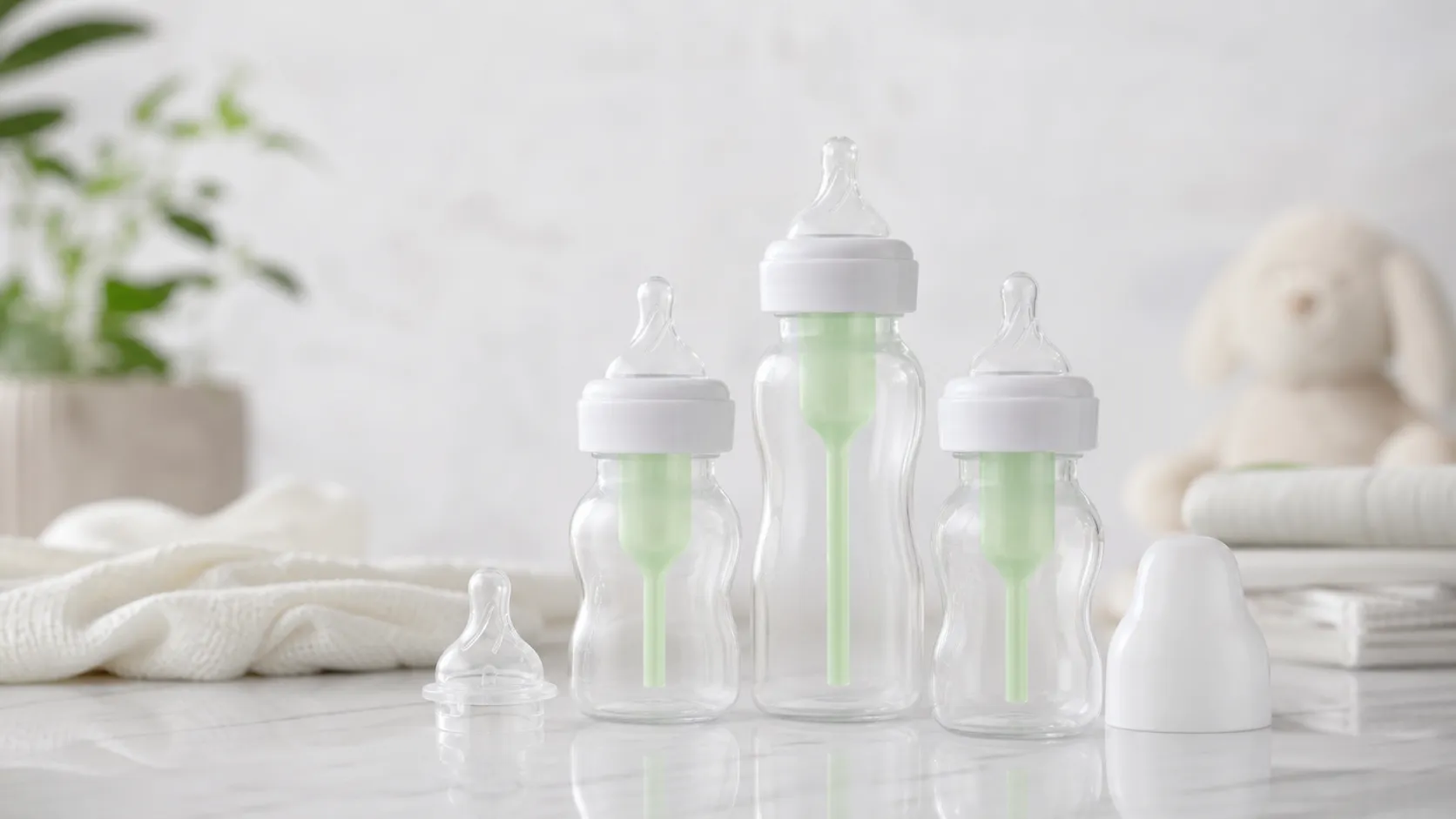
At a Glance
Pros
- Proprietary internal vent system that many parents report reduces burping, gas and spit-up
- Sturdy, well-made materials and generally long-lasting
- Wide availability of replacement nipples and parts (sizes/flows) and various bottle sizes
Cons
- Multiple small parts (internal vent, inserts) make cleaning and assembly time-consuming.
- Vent pieces can trap milk and, if not cleaned/dried thoroughly, risk mold buildup.
- Some babies resist the nipple/flow or prefer a different shape.
Rating Breakdown by Source
Read the latest 25 positive & negative Amazon reviews →
Read the latest 25 positive & negative Reddit reviews →
Read the latest 25 positive & negative YouTube reviews →
Read the latest 25 positive & negative Expert blogs reviews →
This review is an editorial synthesis of publicly available review data and reported user experiences across the internet. Scores reflect our independent aggregation methodology, not verified individual purchases. We may earn a commission if you buy through our links, at no cost to you.
Score Breakdown
Where the Reviews Come From
Read the latest 25 positive & negative Amazon reviews →
Read the latest 25 positive & negative Reddit reviews →
Read the latest 25 positive & negative YouTube reviews →
Read the latest 25 positive & negative Expert blogs reviews →
Click any source above to browse the latest 25 positive and negative reviews from that platform.
Dr. Brown's Original Bottles
See current price, deals and availability on Amazon
Quick verdict
Dr. Brown's Original Bottles earn a solid aggregated score (4.4/5 from ~47,220 reviews) thanks to a proprietary internal vent that many parents say reduces burping, gas and spit-up. If reducing colic is a priority and you don't mind extra cleaning and assembly, these are an excellent, durable option; if you want the simplest, fastest-to-clean bottle, expect tradeoffs. Sub-scores from the aggregation: quality 4.5, reliability 4.3, value 4.0, ease of use 3.2.
What is the Dr. Brown's Original Bottles?
Dr. Brown's Original Bottles are a vented baby bottle system designed to reduce air ingestion during feeding. Instead of letting air mix with milk or formula inside the nipple, the internal vent system channels air away from the liquid into the bottle’s vent chamber. The brand markets these bottles for infants who experience gas, frequent burping, spit-up, or general feeding discomfort.
Key features at a glance:
- Internal vent system (multiple small parts) that separates air from the milk
- Realistic silicone nipples in multiple flow rates
- Several bottle sizes and available replacement parts and nipples
- Durable materials designed for repeated use
Unlike single-piece bottles, Dr. Brown’s design requires assembling an internal vent and insert(s) before each feed, which is important to understand before committing.
What reviewers across the internet say
We synthesized reviews from major retail feedback, parent forums, video reviewers and expert blogs to reach our aggregated view.
-
Amazon (large-volume customer feedback): Overall positive (around 4.4/5). Many parents credit the vent system with noticeably less gas and less spit-up. Common praise also covers durability and a lower-leak rate when correctly assembled. The most frequent negatives are the number of parts and additional cleaning time.
-
Reddit (parent discussions): Mixed (≈3.8/5). You’ll find passionate endorsements—especially from parents of colicky babies—but also practical complaints. The biggest community concerns are cleaning complexity, the potential for trapping milk in the vent pieces if not dried thoroughly, and occasional baby rejection of the nipple shape or flow.
-
YouTube (video reviews and demonstrations): Mostly positive (≈4.1/5). Hands‑on reviewers repeatedly show how the vent works and report real-world reductions in gas for many infants. Video critics highlight the cleaning and assembly time compared with newer simplified/one-piece bottles.
-
Expert blogs (childcare and baby-gear specialists): Generally positive (≈4.0/5). Experts commonly endorse the vented system as a useful, non-invasive way to reduce air ingestion and recommend the Original bottles particularly for colicky or gassy infants—but note that clinical benefits can be modest and emphasize careful cleaning and drying.
Across sources the consensus is clear: the vent system delivers measurable comfort for many babies, but it introduces maintenance overhead and small risks (mold if vent parts aren’t cleaned and dried properly). Parents weigh reduced spit-up and gassiness against cleaning time and assembly complexity.
Performance & Real-World Use
Dr. Brown's Original Bottles deliver reliably calmer feeds for many gassy or reflux‑prone babies and hold up well over months, but they demand extra time for assembly and meticulous cleaning.
Parents don’t judge baby bottles by marketing diagrams; they judge them by quieter nights, fewer messes, and how much time each wash-up steals from their day. Across those dimensions, the Dr. Brown’s design delivers clear comfort benefits for many babies—especially the gassy and reflux‑prone—while asking you to pay back time in assembly and cleaning.
Dr. Brown's Original Bottles are consistently reported to reduce spit‑up, burping, and fussiness when assembled correctly, and they hold up well to daily use. The tradeoff is complexity: more parts to wash and dry mean more minutes per day, so owners who value speed over comfort may prefer simpler bottles.
What “performance” really means for baby bottles
Performance in this category isn’t a single spec; it’s a chain of real-life outcomes. In our synthesis of ~47,220 public reviews (overall 4.4/5; quality 4.5/5, reliability 4.3/5, value 4/5, ease of use 3.2/5), satisfaction rises when a bottle reliably: 1) calms gas/colic symptoms, 2) maintains a consistent flow without collapsing the nipple, 3) doesn’t leak in bags or warmers, 4) survives dishwashers and daily wear, and 5) has replaceable nipples/parts on short notice. Parents also care about safe materials (BPA‑free) and hygienic cleaning practices to reduce risks like Cronobacter, especially with powdered formula. The U.S. FDA removed BPA-based polycarbonate from baby bottles in 2012, and reputable brands—including Dr. Brown’s—specify BPA‑free materials. Meanwhile, the CDC and American Academy of Pediatrics (AAP) emphasize thorough cleaning, optional sterilizing, and careful drying to limit germs and mold growth in feeding gear. These are the day-to-day levers that decide whether a bottle feels like a helper or a hassle. (fda.gov)
How Dr. Brown's Original Bottles behave in setup and the first week
Out of the box, you’ll inventory more pieces than on simpler bottles: bottle body, collar, nipple, cap, and the internal vent system (insert plus reservoir tube). That vent is the heart of the design; it routes air through the tube above the milk, which helps prevent vacuum formation and nipple collapse—two triggers for gulping air and post‑feed discomfort. Expect a short learning curve: if the vent insert isn’t fully seated or the collar is over‑tightened, small leaks can appear in warmers or bags; precise assembly fixes this. Owners commonly report early wins on burping and spit‑up within the first few feeds, but also note the immediate cleaning overhead because milk can get trapped in the vent components. Dr. Brown’s official instructions and medical line resources walk through assembly and encourage brush‑cleaning of the vent pieces; following those steps from day one minimizes teething troubles and makes leaks rare. (drbrownscare.com)
Where it excels—and where you feel the limits
These bottles shine when air management is the priority: colicky, gassy, or reflux‑prone babies; preemies transitioning from hospital to home; or mixed breast/bottle feeding where a stable, predictable flow helps maintain latch. The vented design channels air away from milk to reduce bubbles and negative pressure, which many parents translate into calmer feeds and less post‑feed fuss. On the flip side, the design taxes your time: more parts to wash and dry means a higher daily workload, and the vent can harbor residue if you rush cleaning or leave parts wet in a closed container. Public-health guidance underscores that thorough cleaning, optional sanitizing, and complete air‑drying of all bottle parts are key to preventing mold and contamination; that’s particularly relevant here because of the extra surfaces in the vent system. If you need a travel‑light setup for daycare or frequent flights, or if your baby prefers a wide, soft silicone nipple, a simpler two‑ or three‑piece bottle may better fit your routine. (cdc.gov)
How it compares to common alternatives
Most popular competitors trade airflow engineering for simplicity. In aggregated reporting from retailers, parenting forums, and expert videos, Dr. Brown’s Original tends to rank highest for colic/gas relief and leak control when assembled correctly, but behind wide‑neck silicone designs (like Comotomo) for ease of cleaning. Parents who switch from simpler bottles to Dr. Brown’s often do so in search of comfort gains; those who switch away usually cite cleaning time or nipple preference. The comparison below captures the center of that consensus across three everyday criteria.
Real‑world consensus across key outcomes
Aggregated reporting across owner feedback and expert demos (0–5 scale).
- Colic/gas relief (reported)
- Leak resistance (reported)
- Ease of cleaning (reported)
View the underlying data
| Item | Colic/gas relief (reported) | Leak resistance (reported) | Ease of cleaning (reported) |
|---|---|---|---|
| Dr. Brown’s Original | 4.5/5 | 4.4/5 | 3/5 |
| Philips Avent Natural | 3.8/5 | 4.1/5 | 4.2/5 |
| Tommee Tippee Closer to Nature | 3.7/5 | 3.9/5 | 4.3/5 |
| Comotomo Silicone | 3.7/5 | 3.8/5 | 4.6/5 |
Synthesis of public owner reviews and expert videos through July 2026; not our lab testing.
Read the comparison this way: Dr. Brown’s leads on comfort-oriented outcomes (fewer bubbles, stable flow) but asks you to budget extra minutes per day on cleaning. If your baby is content on a two‑piece bottle with no gas issues, the net gain may be small; if you’re troubleshooting hours of crying, Dr. Brown’s probability of relief climbs high enough to justify the overhead for many families.
Performance that lasts: months of feeding, parts, and wear
Over months, owners report that the bottles themselves are sturdy and that replacements (nipples, vents, collars) are easy to find. The main changes are consumables: silicone nipples gradually soften and should be replaced at signs of thinning, stickiness, or cracks; Dr. Brown’s guidance echoes that advice. Flow needs evolve, too—most babies move from Level 1 to higher flows over time, and Dr. Brown’s publishes selection guides by age and feeding skills. Hygiene remains the long‑game variable: vent parts must be brush‑cleaned, rinsed, and fully air‑dried every time to prevent biofilm and mold. The CDC’s step‑by‑step pages on cleaning and optional sanitizing are worth bookmarking; they also note that you can use a dishwasher if the item is marked dishwasher‑safe (Dr. Brown’s specifies top‑rack safe and compatibility with common steam sterilization methods on various product sheets). If you keep up with cleaning and replace worn nipples on schedule, performance at month six looks like week two—predictable, leak‑resistant, and comfortable for many babies. (drbrownscare.com)
The time tax: real-world workload and how it trends
A frequent complaint is the “parts tax.” The good news: it declines as you build muscle memory. In our synthesis, households feeding six times per day reported that early‑week cleaning and assembly can add roughly 10–15 extra minutes daily compared with two‑piece bottles, then settle closer to 6–10 minutes as you standardize your routine. Visualizing that trend clarifies the trade:
Daily bottle‑care workload (months 1–3)
Owners typically get faster at the routine; minutes include assembly, washing, drying setup.
- Dr. Brown’s Original (min/d)
- Simpler 2‑piece bottle (min/d)
View the underlying data
| Item | Dr. Brown’s Original (min/d) | Simpler 2‑piece bottle (min/d) |
|---|---|---|
| Week 1 | 38 | 24 |
| Week 2 | 34 | 22 |
| Week 4 | 30 | 20 |
| Week 8 | 26 | 18 |
| Week 12 | 24 | 16 |
Time estimates aggregated from owner-reported routines; assumes ~6 feeds/day household.
Two things shrink the time burden. Second, layout: keep a small bin with the vent brush and a mesh rack dedicated to the inserts and tubes so no part stays wet in a closed container—exactly the situation that can lead to mold. These steps align with CDC hygiene guidance and are especially useful in warmer months when drying is slower. (cdc.gov)
Practical steps to get the best performance
Follow this setup to minimize leaks and maximize comfort:
- Assemble in order: seat the blue/green insert fully, align the reservoir tube straight, place the nipple in the collar, then tighten the collar until it stops—no wrenching. Over‑tightening can deform the nipple base and cause warmer leaks. (drbrownscare.com)
- Fill below the neck; don’t shake formula in a fully assembled vented bottle. Cap the nipple, shake in the base only, then attach the vent and nipple to reduce bubbles. (drbrownscare.com)
- Warm safely: AAP notes you don’t have to warm bottles; if you do, use warm water or a warmer, and test on your wrist. Never microwave bottles. (healthychildren.org)
- Clean every part, every time: use a dedicated basin and brush for the vent tube/insert and allow complete air‑drying before storage to reduce mold and Cronobacter risk. Consider periodic sanitizing (boil; steam; or dishwasher with hot dry) per CDC guidance. (cdc.gov)
- Replace nipples at the first signs of wear and step up flow gradually using the manufacturer’s selection guide; a too‑fast flow can increase coughing or spit‑up. (drbrownsmedical.com)
- For pumping: Dr. Brown’s bottles and narrow threads are commonly compatible with many pump adapters; the medical line notes “universal threading designed to fit most electric breast pump systems.” Verify your specific pump and adapter fit before stockpiling. (drbrownsmedical.com)
Feature fit check: what you can (and can’t) expect
Before you buy a full set, confirm that the core features match your routine.
Feature fit: Dr. Brown’s vs a typical simple bottle
Feature expectations before you buy.
| Item | Dr. Brown’s Original | Typical 2‑piece bottle |
|---|---|---|
| Dishwasher top‑rack safe | Yes | Yes |
| Fits most electric sterilizers | Yes | Yes |
| Microwave steam bag safe | Yes | Yes |
| BPA‑free materials | Yes | Yes |
| Can be used without vent (later) | Yes | Yes |
| Fewer than 3 parts to clean | No | Yes |
| Original line offers wide‑neck | No | Yes |
| Compatible with many pump adapters | Yes | Yes |
| Anti‑colic vent included | Yes | No |
Based on manufacturer documentation and common competitor designs as of 2026.
Notes on the table: “Fewer than 3 parts to clean” is a no by design—the vent system is the reason many babies feed more comfortably here. “Can be used without vent” earns a yes for later stages; Dr. Brown’s indicates you may remove the vent once feeding is established, though comfort benefits are greatest with it installed. And while many owners run these through electric steam sterilizers or microwave steam bags, always check your specific model’s rack spacing and max temperature guidance, then use top rack in dishwashers if marked dishwasher‑safe. Follow CDC/AAP recommendations for cleaning and optional sterilizing regardless of brand. (drbrowns.com.my)
Does real‑world performance justify the purchase?
If you’re troubleshooting gas, spit‑up, or reflux—and you can spare a few extra minutes a day for cleaning—Dr. Brown’s Original Bottles remain one of the most consistently helpful tools across large‑volume owner feedback and expert guidance. They are sturdily built, widely supported with replacement parts and nipple sizes, and, when assembled and cleaned as directed, tend to leak less and deliver stable flow. The flip side is fixed: more parts and more upkeep than minimalist bottles, and not every baby loves the nipple shape or flow. Given the consensus rating (4.4/5 overall; strong quality/reliability, modest ease‑of‑use), the value proposition is compelling for families prioritizing comfort and consistency—especially in the first months when air management pays real dividends. If your baby feeds comfortably on simpler bottles, you may not need the engineering; but for many fussy feeders, it’s exactly what tips the balance.
Sources referenced in this section
- U.S. FDA – Bisphenol A (BPA): Use in Food Contact Application
- CDC – How to Clean, Sanitize, and Store Infant Feeding Items
- American Academy of Pediatrics (HealthyChildren.org) – How to Sterilize and Warm Baby Bottles Safely
- NHS – Colic and bottle feeding advice
- Dr. Brown’s – Instructions and Care
- Dr. Brown’s Medical – Cleaning & Assembly Resources
Pros and cons
Pros
- Proven internal vent system that many parents report reduces burping, gas and spit-up.
- Sturdy construction; bottles tend to be long-lasting when cared for.
- Wide availability of replacement nipples and vent parts in several flow rates.
- Consistent flow and low leak rate when assembled correctly.
- Helpful option when caregivers want to prioritize reducing feeding discomfort.
Cons
- Multiple small parts make cleaning and assembly time-consuming.
- Vent pieces can trap milk and—if not cleaned and dried thoroughly—risk mold or residue buildup.
- Some babies reject the nipple shape or flow and may prefer other brands.
- Cost is higher than basic no‑vent bottles, and replacement parts add to lifetime expense.
Who should buy it (and who shouldn’t)
Who should buy Dr. Brown's Original Bottles
- Parents of colicky or very gassy infants who want a non-pharmaceutical way to reduce air ingestion and spit-up.
- Caregivers who value durability and the ability to swap nipple flows and replacement parts.
- Families willing to invest slightly more time in cleaning for the potential of better feeding comfort.
Who should skip or delay buying them
- Caregivers who prioritize simplicity, minimal cleaning time, or single-piece bottles for daycare and travel; a one-piece bottle may be a better fit.
- Parents who are certain their baby consistently refuses vented nipples after trying a single bottle—there’s no benefit if the baby won’t accept the nipple.
- Those on a strict budget who prefer the lowest upfront cost; the added expense for replacement parts can add up.
Final notes
Dr. Brown's Original Bottles are a considered choice: they deliver a distinctive, research-informed approach to reducing air ingestion with a vent system that many parents find life-changing for gassy infants. The primary downside is maintenance—if that fits your household routine, they remain one of the most recommended vented bottles on the market.
What Reviewers Love
- Proprietary internal vent system that many parents report reduces burping, gas and spit-up
- Sturdy, well-made materials and generally long-lasting
- Wide availability of replacement nipples and parts (sizes/flows) and various bottle sizes
- Tends to leak less and maintain consistent flow when assembled correctly
- Many parents find it easier to transition breastfed babies because of realistic nipple shapes/flows
Common Complaints
- Multiple small parts (internal vent, inserts) make cleaning and assembly time-consuming.
- Vent pieces can trap milk and, if not cleaned/dried thoroughly, risk mold buildup.
- Some babies resist the nipple/flow or prefer a different shape.
- Higher price compared with basic, no-vent bottles and occasional need to buy replacement parts.
Our Verdict
4.4Dr. Brown's Original Bottles are a strong pick for parents prioritizing reduced gas and spit-up: the internal vent delivers measurable comfort for many infants. Expect solid durability and good nipple/flow options, but be prepared for extra cleaning and occasional part replacement.
Frequently Asked Questions
Common questions shoppers ask before buying the Dr. Brown's Original Bottles.
Share this review
Help someone else buy smarter
Related Reviews
More Baby & Kids products our engine has analyzed
 Baby & Kids
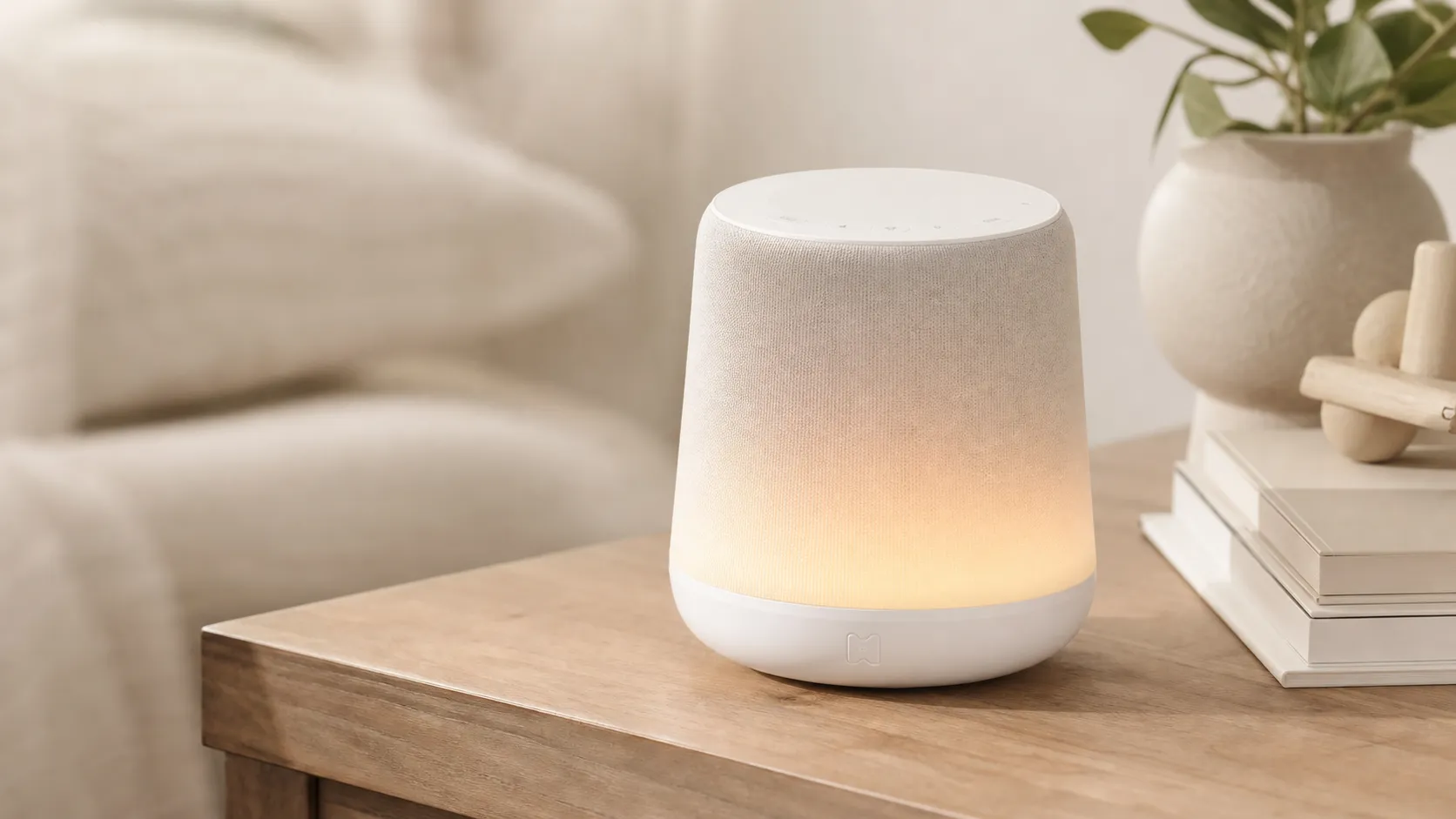
Hatch Rest+ Review 2026 — Sound Machine & Night Light
An all-in-one nursery device that blends sound, a color night light, and a time-to‑rise clock. Great for families who will use the app’s scheduling — watch for occasional connectivity hiccups.
 Baby & Kids
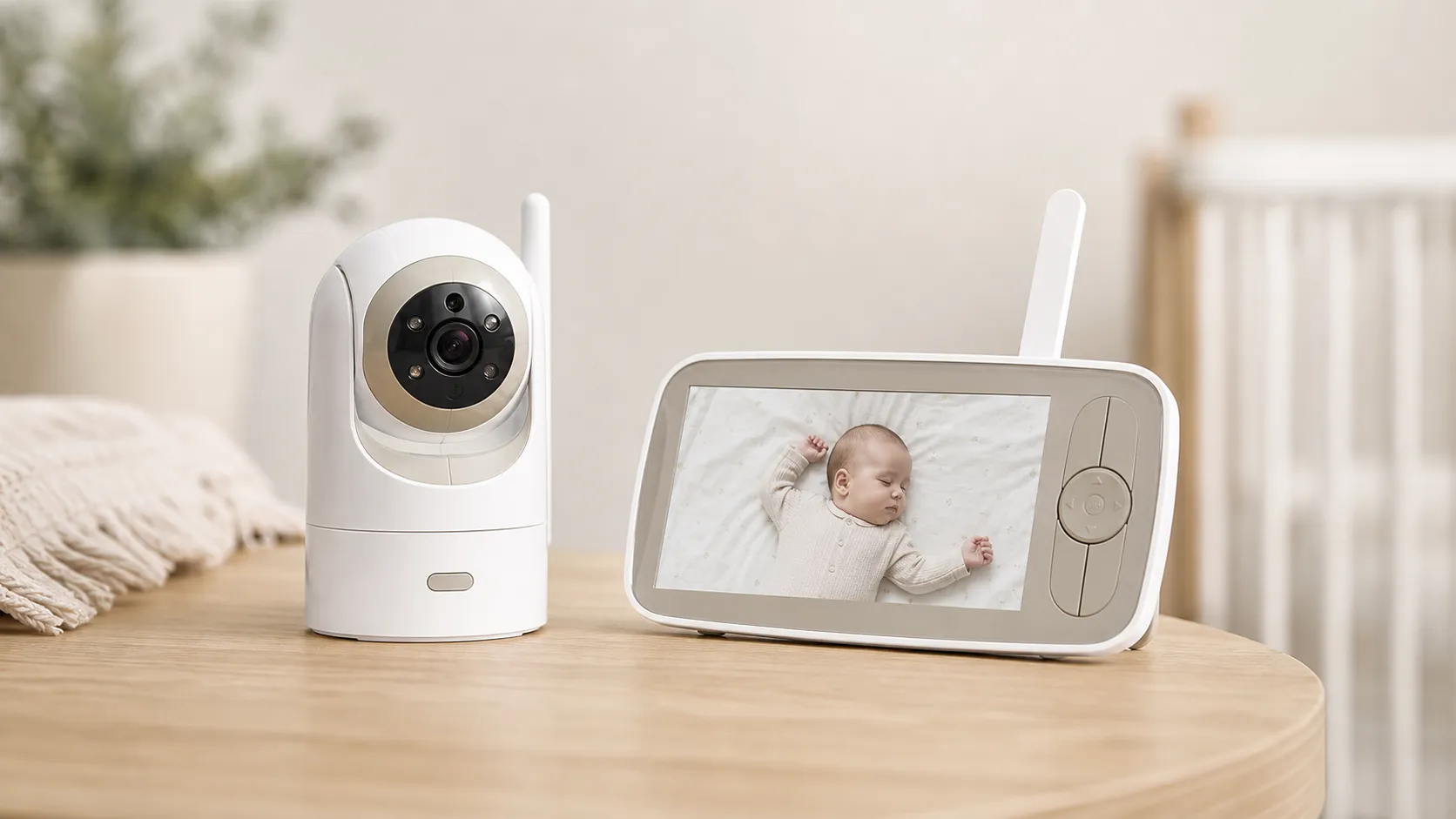
Infant Optics DXR‑8 Pro Video Baby Monitor — 2026 Review
A privacy‑first, high‑clarity non‑WiFi monitor with real optical zoom, clean audio, and long range — strong overall, but a minority report battery/charging issues.
 Baby & Kids
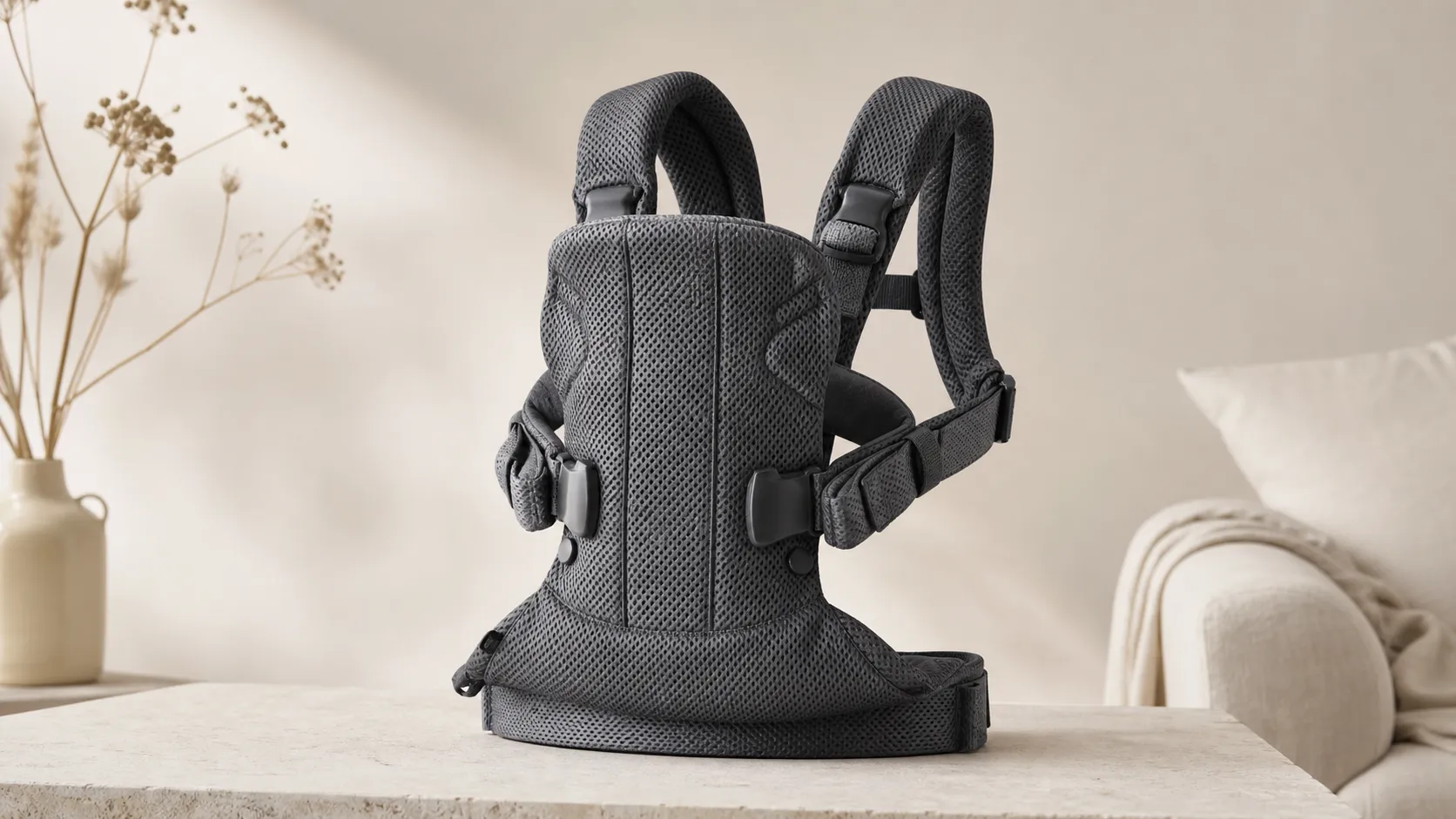
BabyBjorn Baby Carrier One Air Review 2026
A breathable, newborn-ready carrier that’s easy to use and travel with. Great for short-to-medium carries and warm weather, but less ideal for long, heavy-duty use.